


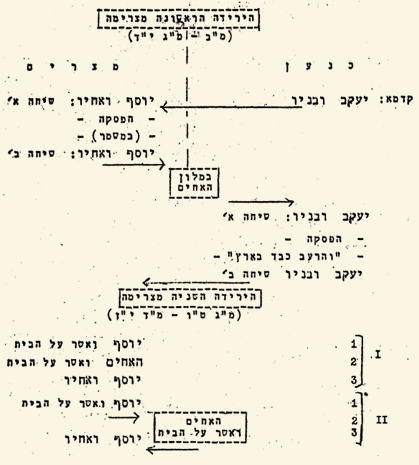
גיליון זה הוא המשכו של גיליון חוקת תשכ"א.
| א. מעלת השלום |
"וַיִּשְׁלַח יִשְׂרָאֵל מַלְאָכִים אֶל סִיחֹן מֶלֶךְ הָאֱמֹרִי לֵאמֹר
אֶעְבְּרָה בְאַרְצֶךָ..."
And Israel sent messengers unto Sihon king of the Amorites, saying:
שמות רבה י"ט (כ"ז):
"וישלח ישראל מלאכים", זה שאמר הכתוב: (תהלים ל"ו) בטח בה' ועשה טוב, שכן ארץ ורעה אמונה". ואמר (תהלים ל"ד) "סור מרע ועשה טוב, בקש שלום ורדפהו". לא הקפידה התורה לרדוף אחרי המצוות, אלא (דברים כ"ב) "כי יקרא קן צפור לפניך"; (שמות כ"ג) "כי תפגע שור אויבך..."; (שמות שם) "כי תראה חמור שונאיך"; (דברים כ"ד כ') "כי תחבט זיתך... לגר ליתום ולאלמנה יהיה"; (דברים שם) "כי תנצור כרמך... לגר ליתום ולאלמנה יהיה"; אם באו לידיך, אתה מצווה עליהם, ולא לרדוף אחריהם. אבל השלום – "בקש שלום" במקומך "ורדפהו" במקום אחר. וכן עשו ישראל: אף על פי שאמר להם הקב"ה (דברים ב') "החל רש והתגר בו מלחמה" רדפו אחרי השלום, שנאמר "וישלח ישראל מלאכים אל סיחון".
"וישלח ישראל מלאכים", זה שאמר הכתוב: (תהלים ל"ו) בטח בה' ועשה טוב, שכן ארץ ורעה אמונה". ואמר (תהלים ל"ד) "סור מרע ועשה טוב, בקש שלום ורדפהו". לא הקפידה התורה לרדוף אחרי המצוות, אלא (דברים כ"ב) "כי יקרא קן צפור לפניך"; (שמות כ"ג) "כי תפגע שור אויבך..."; (שמות שם) "כי תראה חמור שונאיך"; (דברים כ"ד כ') "כי תחבט זיתך... לגר ליתום ולאלמנה יהיה"; (דברים שם) "כי תנצור כרמך... לגר ליתום ולאלמנה יהיה"; אם באו לידיך, אתה מצווה עליהם, ולא לרדוף אחריהם. אבל השלום – "בקש שלום" במקומך "ורדפהו" במקום אחר. וכן עשו ישראל: אף על פי שאמר להם הקב"ה (דברים ב') "החל רש והתגר בו מלחמה" רדפו אחרי השלום, שנאמר "וישלח ישראל מלאכים אל סיחון".
ד"ה אעברך בארצך: אף על פי שלא נצטוו לפתח להם בשלום, ביקשו מהם שלום.
אעברה בארצך LET ME PASS THROUGH THY LAND — Although they had not been bidden to open the negotiations with them by an offer of peace yet they first sought peace of them (cf. Midrash Tanchuma, Chukat 22).
1. מה הקושי בפסוקינו שרצו ליישב?
**
2. מפרשי המדרש שואלים: מה ראה בעל המדרש לפתוח בפסוק מתהלים ל"ו שאין מפרש בו כלל ענין השלום, ולאיזה ענין הביאו? נסה לישב השאלה! שים לב: יש אפשרות לישב קושי זה בשתי תשובות שונות לגמרי זו מזו!
*
3. כיצד מעבד רש"י את מקורו, ומה סיבת שינוייו השונים? (שים לב: במקום המשפט החיובי במקור "אף על פי שאמר להם הקב"ה", בא ברש"י משפט שלילי: "אף על פי שלא נצטוו...")
4. בעל עקדת יצחק (פרשת חוקת) מביא בקשר לפסוקנו ולמדרש חז"ל זה את דברי פרקי אבות פרק ד', ואלה דבריו:
...ולזה היתה עצת החכם רבי מתיה בן חרש נכונה מאד, באומרו: "הוי מקדים שלום לכל אדם".
...ולזה היתה עצת החכם רבי מתיה בן חרש נכונה מאד, באומרו: "הוי מקדים שלום לכל אדם".
הסבר, מה הקשר בין מאמר זה לענייננו, וכיצד הוא מפרשו?
| ב. מהות הקריאה אל סיחון |
"וַיִּשְׁלַח יִשְׂרָאֵל מַלְאָכִים אֶל סִיחֹן... אֶעְבְּרָה בְאַרְצֶךָ"
וישלח ישראל מלאכים AND ISRAEL SENT MESSENGERS — But in another passage it attributes this embassy to Moses, as it is said, (Deuteronomy 2:26), “And ‘I’ sent messengers from the wilderness of Kedemoth [to Sihon king of Heshbon]”! And so, too, it states, (Numbers 20:14), “And Moses sent messengers to the king of Edom”; whilst in the story of Jephtha, it says, (Judges 11:17) “And Israel sent messengers to the king of Edom, etc.”. Each of these pairs of verses is necessary one to the other (i.e., they supplement each other): one keeps back information and the other discloses it, (more lit., one locks up and the other opens) — you may gather from them that Moses is Israel and Israel is Moses, thus telling you that the prince of any generation is the equal of the whole generation, for the prince is the whole (Midrash Tanchuma, Chukat 23).
ד"ה וישלח ישראל מלאכים: (אחרי הביאו דברי רש"י שהובאו בשאלה הקודמת) ועוד אבאר בע"ה במקומו, כי בכל האומות נצטוו לפתוח להם לשלום חוץ מעמלק ומואב, אבל באמת מה שאמר לו "אעברה בארצך" זה היה משה עושה מעצמו דרך פיוס, כי ארץ סיחון ועוג ירושתם של ישראל היתה, כי לאמורי היא והיה מן הדין שאם יענו שלום ופתחו להם, שיהיה כל העם הנמצא בה להם למס ועבדום.
אבל משה היה יודע, כי ישראל עתה לא יכבשו כל עשרת עממים והיה חפץ שיהיה כל כבושם מעבר לירדן והלאה, שיהיה מושבם יחד, ושהיא הארץ הטובה אשר היא זבת חלב ודבש. הלא תראה שאם לא בקשוהו ממנו בני גד ובני ראובן לא היה מניח שם אדם, אלא שתהיה לחרבה.
וכן שנוי בספרי (כי-תבוא רצ"ט – דברים כ"ו ג') "אשר נשבע ה' לאבותינו לתת לנו – פרט לעבר הירדן שנטלת מעצמך". ועוד אמרו רבותינו, שאין עבר הירדן ראוי לבית המקדש...
ולא שלחו אל עוג דברי שלום, כי הוא כאשר ראה כי הכו את סיחון, יצא לקראתם למלחמה.
ד"ה ראה נתתי בידך את סיחון: הדיבור הזה הוא האמור למטה (דברים ב' ל"א) "ראה החילותי תת לפניך" וקודם לכן שלח לו מלאכים ממדבר קדמות, כי אחרי שיצונו השם "החל רש והתגר בו מלחמה" לא ישלח לו דברי שלום: אעברה בארצך", כי אם ישמע אליו – יהיה עובר על דברי השם, ואם ידע שלא ישמע יהיה שליחותו לריק... אם פירוש "ואשלח מלאכים" וכבר שלחתי מלאכים...
1. איזה קושי (או קשיים) מיישב הרמב"ן בדבריו לפסוקנו? האם מיישב הוא אותו קושי שעסקנו בו בשאלה א'?
2. העוסק הרמב"ן בשני המקומות הנ"ל (בחוקת ובדברים) ביישוב אותם קשיים או לא?
3. מהי ראייתו של הרמב"ן מבמדבר פרק ל"ב?
4. התוכל להביא ראיה מספר יהושע למה שאומר הרמב"ן "שלא היה עבר הירדן ראוי לבית המקדש"?
5. הסבר מהו ההבדל העקרוני בין מגמת דברי הרמב"ן (למקומנו) לבין מגמת דברי המדרש רבה שהובאו בשאלה א'.
6. פרש את דברי הרמב"ן המסומנים בקו.
| ג. הרבה מקראות שראויין להשרף |
"כִּי חֶשְׁבּוֹן עִיר סִיחֹן מֶלֶךְ הָאֱמֹרִי הִוא וְהוּא נִלְחַם בְּמֶלֶךְ מוֹאָב הָרִאשׁוֹן וַיִּקַּח אֶת כָּל אַרְצוֹ מִיָּדוֹ"
For Heshbon was the city of Sihon the king of the Amorites, who had fought against the former king of Moab, and taken all his land out of his hand, even unto the Arnon.
אמר ר' שמעון בן לקיש: הרבה מקראות שראויין להשרף והן הן גופי תורה: ...כיוצא בדבר אתה אומר: "כי חשבון עיר סיחון היא והוא נלחם במלך מואב הראשון" מאי נפקא מינא? אלא לפי שאמר להם הקב"ה לישראל (דברים ב') "אל תצר את מואב" אמר הקב"ה: "ליתי סיחון ליפק ממואב, וליתו ישראל וליפקו מסיחון (=יבוא סיחון ויקח ממואב, ויבואו ישראל...) והיינו דאמר רב פפא: עמון ומואב טיהרו בסיחון.
Similarly, you say with regard to another apparently unnecessary verse, describing a city that the Israelites conquered: “For Heshbon was the city of Sihon, the king of the Amorites, who had fought against the former king of Moab, and taken all his land out of his hand” (Numbers 21:26). What is the practical difference in knowing this information? It teaches that since the Holy One, Blessed be He, said to Israel: “Be not at enmity with Moab” (Deuteronomy 2:9), the Jewish people were prohibited from conquering the land of Moab. Therefore, the Holy One, Blessed be He, said: Let Sihon come and remove the land from Moab, and let Israel come and remove it from Sihon. The Gemara notes: And this is what Rav Pappa says: The lands of Ammon and Moab were purified by Sihon, i.e., rendered permitted for conquest.
1. מה הקושי בפסוקנו שעליו מתעכבת הגמרא?
2. הסבר את המקומות המסומנים בקו.
**
3. יש מפסוקנו ראיה שכבש סיחון מערי מואב, אך היכן הראיה שכבש סיחון גם מארץ עמון?
| ד. משל "המושלים" |
פסוק כ"ז
"עַל כֵּן יֹאמְרוּ הַמֹּשְׁלִים בֹּאוּ חֶשְׁבּוֹן תִּבָּנֶה וְתִכּוֹנֵן עִיר סִיחוֹן כִּי אֵשׁ יָצְאָה מֵחֶשְׁבּוֹן לֶהָבָה מִקִּרְיַת סִיחֹן אָכְלָה עָר מוֹאָב בַּעֲלֵי בָּמוֹת אַרְנֹן"
אמר ר' שמואל בר נחמני אמר ר' יוחנן: מאי דכתיב "על כן יאמרו המושלים באו חשבון"? בואו ונחשוב חשבונו שלעולם, הפסד מצוה כנגד שכרה, ושכר עברה כנגד הפסדה.
"תבנה ותכונן" – אם אתה עושה כן – תבנה בעולם הזה ותכונן לעולם הבא.
"עיר סיחון" – אם משיב אדם עצמו כעיר זה שהולך אחר שיחה נאה, מה כתיב אחריו?
"כי אש יצאה מחשבון" תצא אש ממחשבין ותאכל את שאינם מחשבין.
"להבה מקרית סיחון" – מקרית צדיקים שנקראו "שיחין" (רש"י: = אילנות, מלשון (בראשית ג') "וכל שיח השדה טרם יהיה בארץ" תרגם אונקלוס: כל אילנא חקלאי).
"אכלה עד מואב" – זה המהלך אחר יצרו כעיר זה שמהלך אחר שיחה נאה (ויש אומרים: אחר סיחה).
"בעלי במות ארנון" – אלה גסי הרוח (רש"י: ואכלה האש נמי גסי הרוח שמגביהין עצמן כבעלי במות).
And if you would say that the Rabbis do not hold that in a case of exploitation of less than one-sixth one must return the money and that if it was more than one-sixth there is nullification of the transaction, can it be maintained that they do not accept these halakhot? But didn’t we learn in a mishna (Bava Metzia 56b) that Rabbi Yehuda says: Even in the case of one who sells a Torah scroll, an animal, or a pearl, these items are not subject to the halakhot of exploitation, as they have no fixed price. The Rabbis said to him: The early Sages stated that only these items listed earlier in the mishna, i.e., land, slaves, and documents, are not subject to the halakhot of exploitation. Therefore, the Rabbis should agree that the sale of the yoke is nullified. The Gemara answers: What is the meaning of the mishna that teaches that according to the opinion of the Rabbis the sum of money is not proof? This means that the transaction is nullified. And if you wish, say instead that the sale of the yoke is not nullified, because when the Sages spoke of exploitation and the nullification of a transaction, they meant that these halakhot apply only in a case where the difference in price is an amount about which one could be mistaken and believe that this is the correct price. But when the difference in price is so great a sum that one could not be mistaken, this sale is not subject to the halakhot of exploitation. In that case, one must say that the buyer gave the extra money to the seller as a gift; he could not have thought that this was the actual price of the object. MISHNA: One who sells a donkey has not sold its vessels, i.e., its equipment, with it. Naḥum the Mede says: He has sold its vessels. Rabbi Yehuda says: There are times when the vessels are sold, and there are times when they are not sold. How so? If the donkey was before him and its vessels were on it, and the buyer said to him: Sell me this donkey of yours, its vessels are sold. If the buyer said to him: Is the donkey yours; I wish to purchase it, its vessels are not sold. GEMARA: Ulla says: The dispute in the mishna is referring to the donkey’s sack and the saddlebag [disakkaya] and the kumni, a term explained later in the Gemara. As the first tanna holds: An ordinary donkey is used primarily for riding, and therefore these articles, which are not used for riding but for carrying burdens, are not included in the sale. And Naḥum the Mede holds: An ordinary donkey is used for carrying burdens, and therefore the items that serve this purpose are sold along with the donkey. But with regard to the saddle and the saddlecloth, the harness and the saddle band, everyone agrees that they are sold, as they are used both for riding and for carrying burdens. The Gemara raises an objection from a baraita. If a seller says: I am selling you a donkey and its vessels, this one has sold the saddle, and the saddlecloth, and the harness, and the saddle band. But he has not sold the sack, and the saddlebag, and the kumni. And when the seller said to the buyer: I am selling it and everything that is on it, to you; the donkey and all of these items are sold. It can be inferred from here that the reason that the buyer acquires the saddle and the saddlecloth is that the seller said to him: I am selling you a donkey and its vessels. By inference, if the seller did not say this, the buyer does not acquire them. The Gemara answers: The same is true even if the seller did not say to him: I am selling you a donkey and its vessels. In that case as well, the saddle and the saddlecloth are sold. And this is what the baraita teaches us: That even though the seller said to him: I am selling you a donkey and its vessels, the buyer still does not acquire the sack and the saddlebag and the kumni. The Gemara inquires: What is the meaning of: And the kumni? Rav Pappa bar Shmuel said: This is the saddle used by women. A dilemma was raised before the Sages: Does this dispute apply only to a case where the vessels are on the donkey, but when the vessels are not on the donkey, Naḥum the Mede concedes to the Rabbis that they are not sold? Or perhaps the dispute applies to a case where the vessels are not on the donkey, but when the vessels are on the donkey the Rabbis concede to Naḥum that the vessels are sold. The Gemara suggests: Come and hear a proof from the aforementioned baraita: And when the seller said to the buyer: I am selling it and everything that is on it, the donkey and all of these items are sold. In this case, the vessels are on the donkey, and everything is sold. Granted, if you say that the dispute applies when the vessels are on the donkey, in accordance with whose opinion is this ruling? It is the opinion of the Rabbis that although in general one does not acquire the vessels, if the seller explicitly says that he is selling the donkey and everything on it, the buyer acquires it all. But if you say that the dispute applies when the vessels are not on the donkey, but when the vessels are on the donkey everyone agrees that they are sold, in accordance with whose opinion is this ruling? Even according to the opinion of the Rabbis there is no need to say explicitly that he is selling everything. The Gemara answers: Actually, the dispute applies when the vessels are not on the donkey, and the baraita is in accordance with the opinion of the Rabbis, and the language of the baraita should be emended to say: And when he said to him: I am selling it and everything that is fit to be on it, i.e., those items usually found on a donkey, everything is sold. The Gemara suggests another proof: Come and hear a solution from the mishna. Rabbi Yehuda says: There are times when the vessels are sold, and there are times when they are not sold. What, is it not the case that Rabbi Yehuda is referring to that which the first tanna said? If so, the dispute between the Rabbis and Naḥum the Mede must be referring to a case where the vessels are on the donkey, as Rabbi Yehuda addresses the same set of circumstances. The Gemara rejects this proof: No, Rabbi Yehuda
(אחרי הביאו דברי הגמרא דלעיל) הנה אין ספק, שאשר כלל דרשה זו וכיוצא בה נאמרו על דרך רמז ואסמכתא ומשל, על דרך המוסר או לתכלית שלא ישכח זכרון המאמרים...
אמנם חקרתי ומצאתי, כי אף על פי כן אין מדרך חז"ל להסמיך דרשות כאלו על לשון איזה פסוק שהוא, אם לא שיש להם איזה דקדוק והערה בלשון הפסוק ההוא, שאינו מיושב לפי פשוטו, כאשר ימצא המעיין הנבון בכל המקומות שבאו דרשות כאלה, וידקדק בעמקי תכונת הלשון או הסדר.
הסבר, מה גרם איפוא לחכמינו שתלו מוסרם דווקא על פסוק זה, ובמה "אינו מיושב לפי פשוטו"?