


שני אירועים היסטוריים חשובים קיבעו את ציפורי כאחת הערים החשובות בארץ ישראל.
האירוע הראשון מתחולל במהלך המרד הגדול, אנשי ציפורי מחליטים שאינם רוצים להילחם ברומאים ובכך הצילו את עירם ממצור והרג, ויתר על כן הפכו בהמשך, כנראה בסיוע רומי, לעיר גדולה ומשגשגת.
האירוע השני, דרמטי לא פחות, אולי החשוב ביותר בתולדות העם היהודי, הפיכתה של התורה שבעל פה מכזאת לכתובה, חתימת המשנה על ידי רבי יהודה נשיא מתחוללת בציפורי בתחילת המאה השלישית לספירה, ומהווה בסיס לכל הספרות היהודית שתכתב באלפיים השנים הבאות
אָמַר רַבִּי אֶלְעָזָר אָמַר רַבִּי חֲנִינָא: רַבִּי נָטַע נְטִיעָה בְּפוּרִים, וְרָחַץ בִּקְרוֹנָהּ שֶׁל צִפּוֹרִי בְּשִׁבְעָה עָשָׂר בְּתַמּוּז, וּבִקֵּשׁ לַעֲקוֹר תִּשְׁעָה בְּאָב — וְלֹא הוֹדוּ לוֹ
And he bathed at the time when the wagons [kerona] were traveling through Tzippori, i.e., on the market day, when the public would know about it, on the seventeenth of Tammuz, to show that bathing is permitted on that day. And he sought to abolish the fast of the Ninth of Av. And with respect to the Ninth of Av, the Sages did not agree with him.
הַמּוֹצִיא עֵצִים, כְּדֵי לְבַשֵּׁל בֵּיצָה קַלָּה. תְּבָלִין, כְּדֵי לְתַבֵּל בֵּיצָה קַלָּה, וּמִצְטָרְפִין זֶה עִם זֶה. קְלִפֵּי אֱגוֹזִים, קְלִפֵּי רִמּוֹנִים, אִסְטִיס וּפוּאָה, כְּדֵי לִצְבֹּעַ בָּהֶן בֶּגֶד קָטָן בַּסְּבָכָה. מֵי רַגְלַיִם, נֶתֶר וּבֹרִית, קִמּוֹנְיָא וְאַשְׁלָג, כְּדֵי לְכַבֵּס בָּהֶן בֶּגֶד קָטָן בַּסְּבָכָה. רַבִּי יְהוּדָה אוֹמֵר, כְּדֵי לְהַעֲבִיר עַל הַכָּתֶם:
After an extended digression for a discussion of matters unrelated to the halakhot of Shabbat, this mishna resumes treatment of the halakhot of carrying from domain to domain on Shabbat. One who carries out wood on Shabbat is liable for a measure equivalent to the amount of wood necessary to cook an easily cooked egg. The measure that determines liability for carrying out spices is equivalent to that which is used to season an easily cooked egg. And all types of spices join together with one another to constitute the measure for liability. The measure that determines liability for carrying out nutshells, pomegranate peels, safflower, and madder, which are used to produce dyes, is equivalent to the amount that is used to dye a small garment placed atop a woman’s hairnet. The measure that determines liability for carrying out urine, natron, and borit, cimolian earth [Kimoleya], and potash, all of which are abrasive materials used for laundry, is equivalent to the amount that is used to launder a small garment placed atop a woman’s hairnet. And Rabbi Yehuda says: The measure that determines liability for these materials is equivalent to that which is used to remove a stain.
א כיוון שעסקנו בזיהוי של שמות מקומות המוזכרים במקרא, אמר זעירא: קטרון הנזכרת במקרא, זו היא העיר ציפורי. ולמה נקרא שמה "ציפורי"? מפני שיושבת בראש ההר כצפור.
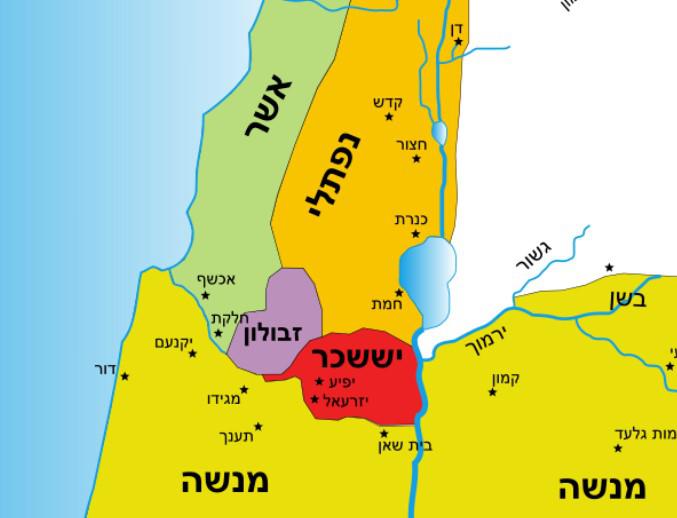
זְבוּלֻ֗ן לֹ֤א הוֹרִישׁ֙ אֶת־יוֹשְׁבֵ֣י קִטְר֔וֹן וְאֶת־יוֹשְׁבֵ֖י נַהֲלֹ֑ל וַיֵּ֤שֶׁב הַֽכְּנַעֲנִי֙ בְּקִרְבּ֔וֹ וַיִּֽהְי֖וּ לָמַֽס׃ (ס)
Zebulun did not dispossess the inhabitants of Kitron or the inhabitants of Nahalol; so the Canaanites dwelt in their midst, but they were subjected to forced labor.
הלכה: רִבִּי יוֹסֵי בְשֵׁם רִבִּי שִׁמְעוֹן בֵּן לָקִישׁ. רִבִּי יוֹנָה רִבִּי זְעִירָה בְשֵׁם רִבִּי חֲנִינָה. שִׁשָּה עָשָׂר מִיל חִיזוֹר חִיזוֹר לְצִיפּוֹרִין הֵן הֵן אֶרֶץ זָבַת חָלָב וּדְבָשׁ.
HALAKHAH: Rebbi Yose in the name of Rebbi Simeon ben Laqish; Rebbi Jonah, Rebbi Zeïra in the name of Rebbi Ḥanina: Sixteen mil in a circle around Sepphoris is the Land flowing with milk and honey. Rebbi Jonah said, if one measures as the crow flies, the outskirts of Beth Shean belong to it. If one measures as the crow flies, the valley of Genezareth belongs to it. One objected to Rebbi Jonah: (Ex. 3:17) “I said, I shall lift you from the deprivation of Egypt” (Ex. 3:8) “into a good and wide land, [to] a land flowing with milk and honey”! He said to them, which contains [stretches of] milk and honey.
מסופר: ר' חנינא מצא גדי שחוט בין טבריא (טבריה) לציפורי והתירוהו לו. אמר ר' אמי: התירוהו לו משום מציאה, כדעת ר' שמעון בן אלעזר, והתירוהו לו משום שחיטהשאינו צריך לחשוש לכשרות הבשר, כדעתו של ר' חנניא בנו של ר' יוסי הגלילי.
ד. ואספסינוס פקד את הצבא בעיר אנטיוכיה, היא העיר הגדולה בארץ סוריה, ועל־פי גדלהּ וחֹסן אשרהּ היא שלישית במעלתה בכל חלק העולם הסר לשלטון הרומאים, ושם אסף אליו גם את אגריפס המלך, המחכה לקראת בואו עם כל חילו, ומִהר לנסוע אל עכו. ובעיר הזאת קדמו את פניו אנשי צפורי עיר הגליל, אשר הם לבדם מכל יושבי הגליל דרשׁו שלום לרומאים, כי היטיבו לראות מאין יבוא עזרם וידעו את כל חֹזק, הרומאים
4. And now Vespasian took along with him his army from Antioch, (which is the metropolis of Syria, and without dispute deserves the place of the third city in the habitable earth that was under the Roman empire, both in magnitude, and other marks of prosperity,) where he found king Agrippa, with all his forces, waiting for his coming, and marched to Ptolemais. At this city also the inhabitants of Sepphoris of Galilee met him, who were for peace with the Romans. These citizens had beforehand taken care of their own safety, and being sensible of the power of the Romans, they had been with Cestius Gallus before Vespasian came, and had given their faith to him, and received the security of his right hand, and had received a Roman garrison; and at this time withal they received Vespasian, the Roman general, very kindly, and readily promised that they would assist him against their own countrymen. Now the general delivered them, at their desire, as many horsemen and footmen as he thought sufficient to oppose the incursions of the Jews, if they should come against them. And indeed the danger of losing Sepphoris would be no small one, in this war that was now beginning, seeing it was the largest city of Galilee, and built in a place by nature very strong, and might be a security of the whole nation's [fidelity to the Romans].
תנו רבנן[שנו חכמים בברייתא]:מעשה ונפלה דליקה בשבת בחצירו של יוסף בן סימאי במקום שיחין, ובאו אנשי גיסטרא[המבצר]של ציפורי לכבות את הדליקה, מפני שאפוטרופוס של מלך היה ורצו לעזור לו, ולא הניחן יוסף בן סימאי בעל החצר לכבותה מפני כבוד השבת, ונעשה לו נס וירדו גשמים וכיבו. לערב במוצאי שבת שיגר[שלח]לכל אחד מהן מן החיילים שבאו לעזרתו שתי סלעין, ולאפרכוס[ולמפקד]שבהן — חמשים. וכששמעו חכמים בדבר, אמרו: לא היה צריך לכך, למנעם מלכבות, שהרי שנינו במשנתנו: גוי שבא לכבות — אין אומרים לו "כבה" וכן "אל תכבה", אלא יעשה הגוי כרצונו.
גלתה סנהדרין מגמרא מלשכת הגזית לחנות ומחנות לירושלים ומירושלים ליבנה ומיבנה לאושא ומאושא לשפרעם ומשפרעם לבית שערים ומבית שערים לצפורי ומצפורי לטבריא וטבריא עמוקה מכולן שנאמר (ישעיהו כט, ד) ושפלת מארץ תדברי רבי אלעזר אומר שש גלות שנאמר (ישעיהו כו, ה) כי השח יושבי מרום קריה נשגבה ישפילנה ישפילה עד ארץ יגיענה עד עפר א"ר יוחנן ומשם עתידין ליגאל שנאמר
And corresponding to these ten stages, the Sanhedrin was exiled in ten stages at the end of the Second Temple period and after the destruction of the Temple, and this is known from tradition: From the Chamber of Hewn Stone, its fixed seat in the Temple, to Ḥanut, literally, shop, a designated spot on the Temple Mount outside the Temple proper; and from Ḥanut to Jerusalem; and from Jerusalem to Yavne;and from Yavne to Usha; and from Usha it returned to Yavne; and from Yavne it went back to Usha; and from Usha to Shefaram; and from Shefaram to Beit She’arim; and from Beit She’arim to Tzippori; and from Tzippori to Tiberias. And Tiberias is lower than all of them, as it is in the Jordan Valley. A verse alludes to these movements, as it is stated: “And brought down, you shall speak out of the ground” (Isaiah 29:4). Rabbi Elazar says: There are six exiles, if you count only the places, not the number of journeys, and a different verse alludes to this, as it is stated: “For He has brought down those who dwell high, the lofty city laying it low, laying it low, to the ground, bringing it to the dust” (Isaiah 26:5). This verse mentions six expressions of lowering: Brought down, laying it low, laying it low, to the ground, bringing it, and to the dust. Rabbi Yoḥanan said: And from there, i.e., from their lowest place of descent, they are destined to be redeemed in the future, as it is stated: “Shake yourself from the dust, arise, sit, Jerusalem” (Isaiah 52:2).

(א) מֵאֵימָתַי קוֹרִין אֶת שְׁמַע בְּעַרְבִית. מִשָּׁעָה שֶׁהַכֹּהֲנִים נִכְנָסִים לֶאֱכֹל בִּתְרוּמָתָן, עַד סוֹף הָאַשְׁמוּרָה הָרִאשׁוֹנָה, דִּבְרֵי רַבִּי אֱלִיעֶזֶר. וַחֲכָמִים אוֹמְרִים, עַד חֲצוֹת. רַבָּן גַּמְלִיאֵל אוֹמֵר, עַד שֶׁיַּעֲלֶה עַמּוּד הַשָּׁחַר. מַעֲשֶׂה שֶׁבָּאוּ בָנָיו מִבֵּית הַמִּשְׁתֶּה, אָמְרוּ לוֹ, לֹא קָרִינוּ אֶת שְׁמַע. אָמַר לָהֶם, אִם לֹא עָלָה עַמּוּד הַשַּׁחַר, חַיָּבִין אַתֶּם לִקְרוֹת. וְלֹא זוֹ בִּלְבַד, אֶלָּא כָּל מַה שֶּׁאָמְרוּ חֲכָמִים עַד חֲצוֹת, מִצְוָתָן עַד שֶׁיַּעֲלֶה עַמּוּד הַשָּׁחַר. הֶקְטֵר חֲלָבִים וְאֵבָרִים, מִצְוָתָן עַד שֶׁיַּעֲלֶה עַמּוּד הַשָּׁחַר. וְכָל הַנֶּאֱכָלִים לְיוֹם אֶחָד, מִצְוָתָן עַד שֶׁיַּעֲלֶה עַמּוּד הַשָּׁחַר. אִם כֵּן, לָמָּה אָמְרוּ חֲכָמִים עַד חֲצוֹת, כְּדֵי לְהַרְחִיק אֶת הָאָדָם מִן הָעֲבֵרָה:
From when may one recite Shema in the evening? From the time when the Kohanim go in to eat their Terumah [produce consecrated for priestly consumption], until the end of the first watch – so says Rabbi Eliezer. And the Sages say: Until midnight. Rabban Gamliel says: Until the break of dawn. It once happened that his [Rabban Gamliel’s] sons came from a house of feasting. They said to him: We have not recited Shema. He said to them: If dawn has not broken, you are obligated to recite it. And [this is true] not only in this case; rather, in all cases where the Sages said that [some precept can be performed only] until midnight — their precepts are [still in force] until the break of dawn. [For example:] Burning the fats and limbs [of the sacrifices, on the Temple altar] — their precepts [can be performed] until the break of dawn. And [another example:] all [sacrifices] which may be eaten for one day — their precepts [of eating them can be performed] until the break of dawn. If that is so, why did the Sages say, "until midnight"? To distance a person from transgression.
324 - הנצרות דת שלטת (מתחילה התקופה הביזנטית)
363 - רעש אדמה עז מחריב את ציפורי
641 - התקופה הערבית - ציפורי יורדת מגדולתה
1099 - התקופה הצלבנית עיר ומצודה
1187 - קרב קרני חיטין - צאלח א דין
מאות 13 - 16 התקופה הממלוכית - כפר קטן במקרה הטוב
המאה ה- 18 ספוריה אחד ממעוזיו של דהאר אל עומר
ליל 15-16.7.1948 - הכפר נכבש על ידי כוחות צהל במבצע דקל
באהבתה תשגה תמיד כגון רבי (אליעזר) בן פדת אמרו עליו על רבי (אליעזר) שהיה יושב ועוסק בתורה בשוק התחתון של ציפורי וסדינו מוטל בשוק העליון של ציפורי (תניא) אמר רבי יצחק בן אלעזר פעם אחת בא אדם ליטלו ומצא בו שרף
“And be you ravished always with her love”; your love for Torah should always distract you from worldly matters, as was the case with Rabbi Elazar ben Pedat. They said of him, of Rabbi Elazar, that he would sit and engage in Torah study in the lower marketplace of Tzippori, and his cloak was lying in the upper marketplace of Tzippori. His mind was so focused on Torah study that he would act in this unusual manner. In this regard, the Gemara relates that it was taught in a baraita that Rabbi Yitzḥak ben Elazar said: One time a person came to take this cloak for himself and found a serpent on it guarding it.
א בתוך הברייתא הוזכר כעין תואר לר' יהודה "ראש המדברים בכל מקום" ושואלים: ואמאי קרו ליה[ומדוע קראו לו]"ראש המדברים בכל מקום"? ומספרים כי הדבר אירע בשל מעשה שהיה. דיתבי[שישבו]ר' יהודה ור' יוסי ור' שמעון, ויתיב[וישב]יהודה בן גרים גבייהו[לידם].פתח ר' יהודה ואמר: כמה נאים מעשיהן של אומה זו הרומאים, שהרי רואים שהם תקנו שווקים, תקנו גשרים, תקנו מרחצאות. ר' יוסי שתק. נענה ר' שמעון בן יוחאי ואמר: כל מה שתקנו לא תקנו אלא לצורך עצמן. תקנו שווקין כדי להושיב בהן זונות, מרחצאות — לעדן בהן את עצמן, וגשרים — ליטול מהן מכס מכל עובר גשר. הלך יהודה בן גרים וסיפר דבריהם בביתו, וכך התגלגלו הדברים עד שנשמעו למלכות. ופסקו: יהודה שעילה את השלטון הרומאי יתעלה ויתמנה מנהיג החכמים ("ראש המדברים"). יוסי ששתק — יגלה כעונש ממקומו ביהודה לציפורי בגליל. ושמעוןשגינה את המלכות — יהרג.
בְּיוֹמוֹי דְּרִבִּי יוֹחָנָן שָׁרוּן צָיְירִין עַל כּוֹתְלָא וְלֹא מָחִי בְּיָדַייְהוּ. [בְּיוֹמוֹי דְּרִבִּי אַבוּן שָׁרוּן צָיְירִין עַל פְּסִיפָסס וְלֹא מָחִי בְּיָדוֹן.]
בימיו של רבי יוחנן תושב ציפורי בן המאה השלישית, התירו לצייר על הכתלים ובימיו של רבי אבון בן המאה הרביעית התירו לייצר פסיפסים
Where do we hold? If it is certain that they are worshipped, even the contemptible ones are forbidden. If it is certain that they are not worshipped, even the honored ones are permitted. But we must deal with the indeterminate case. Rebbi Crispus said, those cups belong to the contemptible category, for Rebbi Ḥiyya bar Abba had a pitcher and the (worth) [fortune] of Rome was pictured on it. He came to ask Rebbi Joḥanan who told him, since water swims on top of it, it is a contemptible one. A drinking cup is contemptible since one immerses it in water. In the days of Rebbi Joḥanan they started painting on walls and he did not protest against it. [In the days of Rebbi Abun they started depicting by mosaics and he did not protest against it.]
שָׁאַל פְּרוֹקְלוֹס בֶּן פִלוֹסְפוֹס אֶת רַבָּן גַּמְלִיאֵל בְּעַכּוֹ, שֶׁהָיָה רוֹחֵץ בַּמֶּרְחָץ שֶׁל אַפְרוֹדִיטִי, אָמַר לוֹ, כָּתוּב בְּתוֹרַתְכֶם, וְלֹא יִדְבַּק בְּיָדְךָ מְאוּמָה מִן הַחֵרֶם. מִפְּנֵי מָה אַתָּה רוֹחֵץ בַּמֶּרְחָץ שֶׁל אַפְרוֹדִיטִי. אָמַר לוֹ, אֵין מְשִׁיבִין בַּמֶּרְחָץ. וּכְשֶׁיָּצָא אָמַר לוֹ, אֲנִי לֹא בָאתִי בִגְבוּלָהּ, הִיא בָאתָה בִגְבוּלִי, אֵין אוֹמְרִים, נַעֲשֶׂה מֶרְחָץ לְאַפְרוֹדִיטִי נוֹי, אֶלָּא אוֹמְרִים, נַעֲשֶׂה אַפְרוֹדִיטִי נוֹי לַמֶּרְחָץ. דָּבָר אַחֵר, אִם נוֹתְנִין לְךָ מָמוֹן הַרְבֵּה, אִי אַתָּה נִכְנָס לַעֲבוֹדָה זָרָה שֶׁלְּךָ עָרוֹם וּבַעַל קֶרִי וּמַשְׁתִּין בְּפָנֶיהָ, וְזוֹ עוֹמֶדֶת עַל פִּי הַבִּיב וְכָל הָעָם מַשְׁתִּינִין לְפָנֶיהָ. לֹא נֶאֱמַר אֶלָּא אֱלֹהֵיהֶם. אֶת שֶׁנּוֹהֵג בּוֹ מִשּׁוּם אֱלוֹהַּ, אָסוּר. וְאֶת שֶׁאֵינוֹ נוֹהֵג בּוֹ מִשּׁוּם אֱלוֹהַּ, מֻתָּר:
Proklos son of Plosfos asked Rabban Gamliel [a question] in Akko, while he was bathing in the bathhouse of Aphrodite. He said to him: "It is written in your Torah (Deuteronomy 13:18): 'And let none of the condemned cling to your hand;' why then are you bathing in the bathhouse of Aphrodite? He said to him: one does not respond [to halakhic questions] in the bathhouse. When he left, he said to him: "I did not come into her territory; she came into my territory. They did not say [when they built this bathhouse]: 'Let us make a beautiful bathhouse for Aphrodite.' Rather, they said: 'Let us make Aphrodite for the beauty of the bathhouse.' Another reason: [even] if they gave you a lot of money, you would not enter before your idolatry naked and defiled and urinating in front of it. Yet she stands on the sewer pipe and the entire nation urinates in front of her. The verse (Deuteronomy 12:3) only applies to "their gods;" that which he treats like a god is prohibited, and that which he does not treat like a god is permitted."
הָעוֹלֶה לַתֵּיאַטְרוֹן אָסוּר מִשּׁוּם עֲבוֹדָה זָרָה. דִּבְרֵי רִבִּי מֵאִיר. וַחֲכָמִים אוֹמְרִים. בְּשָׁעָה שֶׁהֵן מְזַבְּלִין (מסדרי צרכי עבודת כוכבים) אָסוּר מִשּׁוּם עֲבוֹדָה זָרָה. וְאִם לָאו אָסוּר מִשּׁוּם מוֹשַׁב לֵצִים בִּלְבַד. הָעוֹלֶה לַתֵּיאַטְרוֹן וְצָווַח. אִם לְצוֹרֶךְ הָרַבִּים מוּתָּר. וְאִם מִתְחֵַשֵּׂד אָסוּר. הַיּוֹשֵׁב בְּאִצְטַדְיֹן הֲרֵי זֶה שׁוֹפֵךְ דָּמִים. רִבִּי נָתָן מַתִּיר מִפְּנֵי שְׁנֵי דְבָרִים. מִשּׁוּם שֶׁצָּווַח וּמַצִּיל אֶת הַנְּפָשׁוֹת. וּמֵעִיד עַל הָאִשָּׁה שֶׁתִּינְּשֵּׂא.
HALAKHAH: “One does not sell them bears and lions,” etc. Therefore something which does not present a danger to the public one may sell to them. Our Mishnah follows Rebbi. As it was stated: “One who sees snake charmers and conjurers, muqion, mupion, mulion, milarin, milaria, sigillarin, sigillaria, this is forbidden because of ‘seat of the scoffers,’ as it is said, in the seat of scoffers he did not sit. All this leads to neglect of the Torah, as it is said, but in the teachings of the Eternal is his desire. Going to the theater is forbidden as pagan worship, the words of Rebbi Meïr, but the Sages say, when they present offerings it is forbidden because of pagan worship, otherwise it only is forbidden because of ‘seat of scoffers.’ One who goes to the theater to shout; if it is for a public need it is permitted, if to ingratiate himself it is forbidden. One who sits in the stadium is a spiller of blood. Rebbi Nathan permits because of two reasons, because he can shout and save lives, and he can testify for a woman that she can remarry.”
של יהויקים, יהודי עשיר ומאמין עולה למקדש להביא קרבנות. במקדש פוגש אותו אדם ששמו ראובן אשר אומר לו שלפי ההלכה, לא ראוי שהוא יקריב קרבנות כיוון שאין לו ילדים. יהויקים שמשתכנע שכך אכן ההלכה הוא פונה למדבר וצם שם במשך ארבעים יום וארבעים לילה. חנה, אשתו של יהויקים, התאבלה גם היא בשל אותו העניין אך לאחר שיחה עם המשרתת שלה היא מתנקה, לובשת בגדי חתונה ויורדת לשבת בגן ולהתפלל אל האל.
בעקבות תפילת חנה, מתגלה אליה מלאך שמבשר לה שעתיד להיוולד לה בן שיוודע בכל העולם. חנה, בתגובה, מבטיחה שהילד שייוולד לה יוקדש לאל.
יהויקים שב לבית וכעבור תשעה חודשים נולדת לו בת שנקראת מרים.
כאן התגוררו אנה ויהויכין, סבו וסבתו של ישו, הוריה של מריה. סמוך לכנסייה יש לדבריו גם שרידי בית כנסת עתיק, ממנו לא נותר כמעט מאומה. מסורת נוספת, טוענת שבדיוק כאן ראו לאחרונה, לפני קצת פחות מאלף שנה, את הצלב האמיתי. זה קרה (אולי) ב–1187, ערב התבוסה הגדולה של הצלבנים מול צבאו של צלאח א־דין בקרני חיטין, כאשר הצלב הובא מירושלים והופקד בכנסייה בציפורי. מאז נעלמו עקבותיו
תָּנוּ רַבָּנַן: אֵיזֶהוּ עָשִׁיר? — כׇּל שֶׁיֵּשׁ לוֹ נַחַת רוּחַ בְּעׇשְׁרוֹ, דִּבְרֵי רַבִּי מֵאִיר. סִימָן מטק״ס. רַבִּי טַרְפוֹן אוֹמֵר: כׇּל שֶׁיֵּשׁ לוֹ מֵאָה כְּרָמִים וּמֵאָה שָׂדוֹת וּמֵאָה עֲבָדִים שֶׁעוֹבְדִין בָּהֶן. רַבִּי עֲקִיבָא אוֹמֵר: כֹּל שֶׁיֵּשׁ לוֹ אִשָּׁה נָאָה בְּמַעֲשִׂים. רַבִּי יוֹסֵי אוֹמֵר: כֹּל שֶׁיֵּשׁ לוֹ בֵּית הַכִּסֵּא סָמוּךְ לְשׁוּלְחָנוֹ.
Incidental to the discussion of prosperity, the Gemara mentions that on a similar topic, the Sages taught: Who is wealthy? Anyone who gets pleasure from his wealth, that is the statement of Rabbi Meir. The letters mem (Meir), tet (Tarfon), kuf (Akiva), samekh (Yosei) are a mnemonic for the tannaim who expressed opinions on this matter. Rabbi Tarfon says: A wealthy person is anyone who has one hundred vineyards, and one hundred fields, and one hundred slaves working in them. Rabbi Akiva says: Anyone who has a wife whose actions are pleasant. Rabbi Yosei says: Anyone who has a bathroom close to his table.