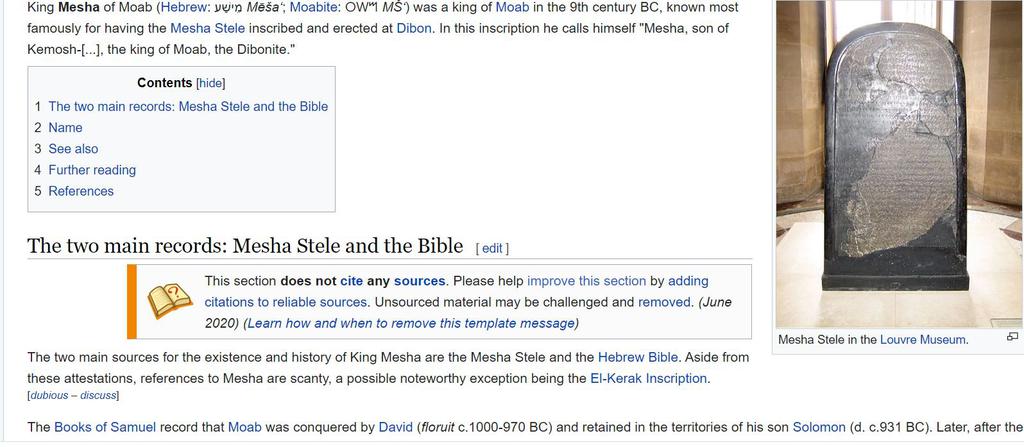
Bereishit Rabba 37 Supplementary Texts Use with https://www.sefaria.org/sheets/325869
(א) וְאֵ֙לֶּה֙ תּוֹלְדֹ֣ת בְּנֵי־נֹ֔חַ שֵׁ֖ם חָ֣ם וָיָ֑פֶת וַיִּוָּלְד֥וּ לָהֶ֛ם בָּנִ֖ים אַחַ֥ר הַמַּבּֽוּל׃ (ב) בְּנֵ֣י יֶ֔פֶת גֹּ֣מֶר וּמָג֔וֹג וּמָדַ֖י וְיָוָ֣ן וְתֻבָ֑ל וּמֶ֖שֶׁךְ וְתִירָֽס׃ (ג) וּבְנֵ֖י גֹּ֑מֶר אַשְׁכְּנַ֥ז וְרִיפַ֖ת וְתֹגַרְמָֽה׃
(1) These are the lines of Shem, Ham, and Japheth, the sons of Noah: sons were born to them after the Flood. (2) The descendants of Japheth: Gomer, Magog, Madai, Javan, Tubal, Meshech, and Tiras. (3) The descendants of Gomer: Ashkenaz, Riphath, and Togarmah.
(ד) וּבְנֵ֥י יָוָ֖ן אֱלִישָׁ֣ה וְתַרְשִׁ֑ישׁ כִּתִּ֖ים וְדֹדָנִֽים׃
(4) The descendants of Javan: Elishah and Tarshish, the Kittim and the Dodanim.

(א) אָדָ֥ם שֵׁ֖ת אֱנֽוֹשׁ׃ (ב) קֵינָ֥ן מַהֲלַלְאֵ֖ל יָֽרֶד׃ (ג) חֲנ֥וֹךְ מְתוּשֶׁ֖לַח לָֽמֶךְ׃ (ד) נֹ֥חַ שֵׁ֖ם חָ֥ם וָיָֽפֶת׃ {ס} (ה) בְּנֵ֣י יֶ֔פֶת גֹּ֣מֶר וּמָג֔וֹג וּמָדַ֖י וְיָוָ֣ן וְתֻבָ֑ל וּמֶ֖שֶׁךְ וְתִירָֽס׃ {ס} (ו) וּבְנֵ֖י גֹּ֑מֶר אַשְׁכְּנַ֥ז וְדִיפַ֖ת וְתוֹגַרְמָֽה׃ {ס} (ז) וּבְנֵ֥י יָוָ֖ן אֱלִישָׁ֣ה וְתַרְשִׁ֑ישָׁה כִּתִּ֖ים וְרוֹדָנִֽים׃ {ס} (ח) בְּנֵ֖י חָ֑ם כּ֥וּשׁ וּמִצְרַ֖יִם פּ֥וּט וּכְנָֽעַן׃ (ט) וּבְנֵ֣י כ֔וּשׁ סְבָא֙ וַֽחֲוִילָ֔ה וְסַבְתָּ֥א וְרַעְמָ֖א וְסַבְתְּכָ֑א וּבְנֵ֥י רַעְמָ֖א שְׁבָ֥א וּדְדָֽן׃ {ס}

(1) Adam, Seth, Enosh; (2) Kenan, Mahalalel, Jared; (3) Enoch, Methuselah, Lamech; (4) Noah, Shem, Ham, and Japheth. (5) The sons of Japheth: Gomer, Magog, Madai, Javan, Tubal, Meshech, and Tiras. (6) The sons of Gomer: Ashkenaz, Diphath, and Togarmah. (7) The sons of Javan: Elishah, Tarshish, Kittim, and Rodanim. (8) The sons of Ham: Cush, Mizraim, Put, and Canaan. (9) The sons of Cush: Seba, Havilah, Sabta, Raama, and Sabteca. The sons of Raama: Sheba and Dedan.
(ו) וּבְנֵ֖י חָ֑ם כּ֥וּשׁ וּמִצְרַ֖יִם וּפ֥וּט וּכְנָֽעַן׃
(6) The descendants of Ham: Cush, Mizraim, Put, and Canaan.
(א) וַיְהִ֥י דְבַר־יְהֹוָ֖ה אֵלַ֥י לֵאמֹֽר׃ (ב) בֶּן־אָדָ֕ם הִנָּבֵא֙ וְאָ֣מַרְתָּ֔ כֹּ֥ה אָמַ֖ר אֲדֹנָ֣י יֱהֹוִ֑ה הֵילִ֖ילוּ הָ֥הּ לַיּֽוֹם׃ (ג) כִּֽי־קָר֣וֹב י֔וֹם וְקָר֥וֹב י֖וֹם לַֽיהֹוָ֑ה י֣וֹם עָנָ֔ן עֵ֥ת גּוֹיִ֖ם יִהְיֶֽה׃ (ד) וּבָאָ֥ה חֶ֙רֶב֙ בְּמִצְרַ֔יִם וְהָיְתָ֤ה חַלְחָלָה֙ בְּכ֔וּשׁ בִּנְפֹ֥ל חָלָ֖ל בְּמִצְרָ֑יִם וְלָקְח֣וּ הֲמוֹנָ֔הּ וְנֶהֶרְס֖וּ יְסֹדוֹתֶֽיהָ׃ (ה) כּ֣וּשׁ וּפ֤וּט וְלוּד֙ וְכׇל־הָעֶ֣רֶב וְכ֔וּב וּבְנֵ֖י אֶ֣רֶץ הַבְּרִ֑ית אִתָּ֖ם בַּחֶ֥רֶב יִפֹּֽלוּ׃ {פ}
(ו) כֹּ֚ה אָמַ֣ר יְהֹוָ֔ה וְנָֽפְלוּ֙ סֹמְכֵ֣י מִצְרַ֔יִם וְיָרַ֖ד גְּא֣וֹן עֻזָּ֑הּ מִמִּגְדֹּ֣ל סְוֵנֵ֗ה בַּחֶ֙רֶב֙ יִפְּלוּ־בָ֔הּ נְאֻ֖ם אֲדֹנָ֥י יֱהֹוִֽה׃
(1) The word of the LORD came to me: (2) O mortal, prophesy and say: Thus said the Lord GOD: Wail, alas for the day! (3) For a day is near; A day of the LORD is near. It will be a day of cloud, An hour of [invading] nations. (4) A sword shall pierce Egypt, And Nubia shall be seized with trembling, When men fall slain in Egypt And her wealth is seized And her foundations are overthrown. (5) Nubia, Put, and Lud, and all the mixed populations, and Cub, and the inhabitants of the allied countries shall fall by the sword with them. (6) Thus said the LORD: Those who support Egypt shall fall, And her proud strength shall sink; There they shall fall by the sword, From Migdol to Syene —declares the Lord GOD.
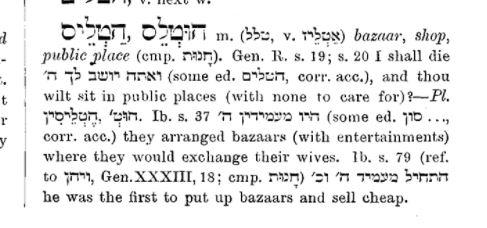
Shiggaion [N] [H] [S]
from the verb shagah, "to reel about through drink," occurs in the title of Psalms 7 . The plural form, shigionoth, is found in Habakkuk 3:1 . The word denotes a lyrical poem composed under strong mental emotion; a song of impassioned imagination accompanied with suitable music; a dithyrambic ode.
(א) שִׁגָּי֗וֹן לְדָ֫וִ֥ד אֲשֶׁר־שָׁ֥ר לַֽיהֹוָ֑ה עַל־דִּבְרֵי־כ֝֗וּשׁ בֶּן־יְמִינִֽי׃ (ב) יְהֹוָ֣ה אֱ֭לֹהַי בְּךָ֣ חָסִ֑יתִי הוֹשִׁיעֵ֥נִי מִכׇּל־רֹ֝דְפַ֗י וְהַצִּילֵֽנִי׃ (ג) פֶּן־יִטְרֹ֣ף כְּאַרְיֵ֣ה נַפְשִׁ֑י פֹּ֝רֵ֗ק וְאֵ֣ין מַצִּֽיל׃ (ד) יְהֹוָ֣ה אֱ֭לֹהַי אִם־עָשִׂ֣יתִי זֹ֑את אִֽם־יֶשׁ־עָ֥וֶל בְּכַפָּֽי׃
(1) Shiggaion of David, which he sang to the LORD, concerning Cush, a Benjaminite. (2) O LORD, my God, in You I seek refuge; deliver me from all my pursuers and save me, (3) lest, like a lion, they tear me apart, rending in pieces, and no one save me. (4) O LORD, my God, if I have done such things, if my hands bear the guilt of wrongdoing,
(א) תְּפִלָּ֖ה לַחֲבַקּ֣וּק הַנָּבִ֑יא עַ֖ל שִׁגְיֹנֽוֹת׃ (ב) יְהֹוָ֗ה שָׁמַ֣עְתִּי שִׁמְעֲךָ֮ יָרֵ֒אתִי֒ יְהֹוָ֗ה פׇּֽעׇלְךָ֙ בְּקֶ֤רֶב שָׁנִים֙ חַיֵּ֔יהוּ בְּקֶ֥רֶב שָׁנִ֖ים תּוֹדִ֑יעַ בְּרֹ֖גֶז רַחֵ֥ם תִּזְכּֽוֹר׃ (ג) אֱל֙וֹהַּ֙ מִתֵּימָ֣ן יָב֔וֹא וְקָד֥וֹשׁ מֵהַר־פָּארָ֖ן סֶ֑לָה כִּסָּ֤ה שָׁמַ֙יִם֙ הוֹד֔וֹ וּתְהִלָּת֖וֹ מָלְאָ֥ה הָאָֽרֶץ׃
(1) A prayer of the prophet Habakkuk. In the mode of Shigionoth. (2) O Lord! I have learned of Your renown; I am awed, O LORD, by Your deeds. Renew them in these years, Oh, make them known in these years! Though angry, may You remember compassion. (3) God is coming from Teman, The Holy One from Mount Paran. Selah. His majesty covers the skies, His splendor fills the earth:
1 Sc. Esau, meaning- Rome. I.e. the cunning of the Romans in verbally entangling those whom they accused until they inadvertently confessed to what they had never committed. It is not clear how he translates 'ben yemini* (E.V. 'a Benjamite') in that case. Rashash conjectures that it means a * southerner ', Edom, the land of Esau, lying to the south of Judea, whilst Benjamin's territory was in the south of Palestine.
(ט) הֽוּא־הָיָ֥ה גִבֹּֽר־צַ֖יִד לִפְנֵ֣י יְהֹוָ֑ה עַל־כֵּן֙ יֵֽאָמַ֔ר כְּנִמְרֹ֛ד גִּבּ֥וֹר צַ֖יִד לִפְנֵ֥י יְהֹוָֽה׃
(9) He was a mighty hunter by the grace of the LORD; hence the saying, “Like Nimrod a mighty hunter by the grace of the LORD.”
Diogenes Laërtius wrote a brief biography of the philosopher Menedemus in which he relates that:[6]
[O]nce when Alexinus asked him whether he had left off beating his father, he said, "I have not beaten him, and I have not left off;" and when he said further that he ought to put an end to the doubt by answering explicitly yes or no, "It would be absurd," he rejoined, "to comply with your conditions, when I can stop you at the entrance."[7]
Laërtius must have lived after Sextus Empiricus (c. 200), whom he mentions, and before Stephanus of Byzantium and Sopater of Apamea (c. 500)
(ט) הֽוּא־הָיָ֥ה גִבֹּֽר־צַ֖יִד לִפְנֵ֣י יְהֹוָ֑ה עַל־כֵּן֙ יֵֽאָמַ֔ר כְּנִמְרֹ֛ד גִּבּ֥וֹר צַ֖יִד לִפְנֵ֥י יְהֹוָֽה׃
(9) He was a mighty hunter by the grace of the LORD; hence the saying, “Like Nimrod a mighty hunter by the grace of the LORD.”
(א) בֶּן־עֶשְׂרִ֤ים שָׁנָה֙ אָחָ֣ז בְּמׇלְכ֔וֹ וְשֵׁשׁ־עֶשְׂרֵ֣ה שָׁנָ֔ה מָלַ֖ךְ בִּירוּשָׁלָ֑͏ִם וְלֹֽא־עָשָׂ֧ה הַיָּשָׁ֛ר בְּעֵינֵ֥י יְהֹוָ֖ה כְּדָוִ֥יד אָבִֽיו׃ (ב) וַיֵּ֕לֶךְ בְּדַרְכֵ֖י מַלְכֵ֣י יִשְׂרָאֵ֑ל וְגַ֧ם מַסֵּכ֛וֹת עָשָׂ֖ה לַבְּעָלִֽים׃ (ג) וְה֥וּא הִקְטִ֖יר בְּגֵ֣יא בֶן־הִנֹּ֑ם וַיַּבְעֵ֤ר אֶת־בָּנָיו֙ בָּאֵ֔שׁ כְּתֹֽעֲבוֹת֙ הַגּוֹיִ֔ם אֲשֶׁר֙ הֹרִ֣ישׁ יְהֹוָ֔ה מִפְּנֵ֖י בְּנֵ֥י יִשְׂרָאֵֽל׃ (ד) וַיְזַבֵּ֧חַ וַיְקַטֵּ֛ר בַּבָּמ֖וֹת וְעַל־הַגְּבָע֑וֹת וְתַ֖חַת כׇּל־עֵ֥ץ רַֽעֲנָֽן׃ (ה) וַֽיִּתְּנֵ֜הוּ יְהֹוָ֣ה אֱלֹהָיו֮ בְּיַ֣ד מֶ֣לֶךְ אֲרָם֒ וַיַּ֨כּוּ־ב֔וֹ וַיִּשְׁבּ֤וּ מִמֶּ֙נּוּ֙ שִׁבְיָ֣ה גְדוֹלָ֔ה וַיָּבִ֖יאוּ דַּרְמָ֑שֶׂק וְ֠גַ֠ם בְּיַד־מֶ֤לֶךְ יִשְׂרָאֵל֙ נִתָּ֔ן וַיַּךְ־בּ֖וֹ מַכָּ֥ה גְדוֹלָֽה׃ {ס}
(1) Ahaz was twenty years old when he became king, and he reigned sixteen years in Jerusalem. He did not do what was pleasing to the LORD as his father David had done, (2) but followed the ways of the kings of Israel; he even made molten images for the Baals. (3) He made offerings in the Valley of Ben-hinnom and burned his sons in fire, in the abhorrent fashion of the nations which the LORD had dispossessed before the Israelites. (4) He sacrificed and made offerings at the shrines, on the hills, and under every leafy tree. (5) The LORD his God delivered him over to the king of Aram, who defeated him and took many of his men captive, and brought them to Damascus. He was also delivered over to the king of Israel, who inflicted a great defeat on him.
(כו) ה֥וּא אַהֲרֹ֖ן וּמֹשֶׁ֑ה אֲשֶׁ֨ר אָמַ֤ר יְהֹוָה֙ לָהֶ֔ם הוֹצִ֜יאוּ אֶת־בְּנֵ֧י יִשְׂרָאֵ֛ל מֵאֶ֥רֶץ מִצְרַ֖יִם עַל־צִבְאֹתָֽם׃ (כז) הֵ֗ם הַֽמְדַבְּרִים֙ אֶל־פַּרְעֹ֣ה מֶֽלֶךְ־מִצְרַ֔יִם לְהוֹצִ֥יא אֶת־בְּנֵֽי־יִשְׂרָאֵ֖ל מִמִּצְרָ֑יִם ה֥וּא מֹשֶׁ֖ה וְאַהֲרֹֽן׃
(26) It is the same Aaron and Moses to whom the LORD said, “Bring forth the Israelites from the land of Egypt, troop by troop.” (27) It was they who spoke to Pharaoh king of Egypt to free the Israelites from the Egyptians; these are the same Moses and Aaron.
(א) אַחֲרֵ֨י הַדְּבָרִ֤ים וְהָֽאֱמֶת֙ הָאֵ֔לֶּה בָּ֖א סַנְחֵרִ֣יב מֶלֶךְ־אַשּׁ֑וּר וַיָּבֹ֣א בִיהוּדָ֗ה וַיִּ֙חַן֙ עַל־הֶעָרִ֣ים הַבְּצֻר֔וֹת וַיֹּ֖אמֶר לְבִקְעָ֥ם אֵלָֽיו׃ (ב) וַיַּרְא֙ יְחִזְקִיָּ֔הוּ כִּי־בָ֖א סַנְחֵרִ֑יב וּפָנָ֕יו לַמִּלְחָמָ֖ה עַל־יְרוּשָׁלָֽ͏ִם׃ (ג) וַיִּוָּעַ֗ץ עִם־שָׂרָיו֙ וְגִבֹּרָ֔יו לִסְתּוֹם֙ אֶת־מֵימֵ֣י הָעֲיָנ֔וֹת אֲשֶׁ֖ר מִח֣וּץ לָעִ֑יר וַֽיַּעְזְרֽוּהוּ׃ (ד) וַיִּקָּבְצ֣וּ עַם־רָ֔ב וַֽיִּסְתְּמוּ֙ אֶת־כׇּל־הַמַּעְיָנ֔וֹת וְאֶת־הַנַּ֛חַל הַשּׁוֹטֵ֥ף בְּתוֹךְ־הָאָ֖רֶץ לֵאמֹ֑ר לָ֤מָּה יָב֙וֹאוּ֙ מַלְכֵ֣י אַשּׁ֔וּר וּמָצְא֖וּ מַ֥יִם רַבִּֽים׃ (ה) וַיִּתְחַזַּ֡ק וַיִּ֩בֶן֩ אֶת־כׇּל־הַחוֹמָ֨ה הַפְּרוּצָ֜ה וַיַּ֣עַל עַל־הַמִּגְדָּל֗וֹת וְלַח֙וּצָה֙ הַחוֹמָ֣ה אַחֶ֔רֶת וַיְחַזֵּ֥ק אֶת־הַמִּלּ֖וֹא עִ֣יר דָּוִ֑יד וַיַּ֥עַשׂ שֶׁ֛לַח לָרֹ֖ב וּמָגִנִּֽים׃ (ו) וַיִּתֵּ֛ן שָׂרֵ֥י מִלְחָמ֖וֹת עַל־הָעָ֑ם וַיִּקְבְּצֵ֣ם אֵלָ֗יו אֶל־רְחוֹב֙ שַׁ֣עַר הָעִ֔יר וַיְדַבֵּ֥ר עַל־לְבָבָ֖ם לֵאמֹֽר׃ (ז) חִזְק֣וּ וְאִמְצ֔וּ אַל־תִּֽירְא֣וּ וְאַל־תֵּחַ֗תּוּ מִפְּנֵי֙ מֶ֣לֶךְ אַשּׁ֔וּר וּמִלִּפְנֵ֖י כׇּל־הֶהָמ֣וֹן אֲשֶׁר־עִמּ֑וֹ כִּֽי־עִמָּ֥נוּ רַ֖ב מֵֽעִמּֽוֹ׃ (ח) עִמּוֹ֙ זְר֣וֹעַ בָּשָׂ֔ר וְעִמָּ֜נוּ יְהֹוָ֤ה אֱלֹהֵ֙ינוּ֙ לְעׇזְרֵ֔נוּ וּלְהִלָּחֵ֖ם מִלְחֲמֹתֵ֑נוּ וַיִּסָּֽמְכ֣וּ הָעָ֔ם עַל־דִּבְרֵ֖י יְחִזְקִיָּ֥הוּ מֶלֶךְ־יְהוּדָֽה׃ {פ}
(ט) אַ֣חַר זֶ֗ה שָׁ֠לַ֠ח סַנְחֵרִ֨יב מֶלֶךְ־אַשּׁ֤וּר עֲבָדָיו֙ יְר֣וּשָׁלַ֔יְמָה וְהוּא֙ עַל־לָכִ֔ישׁ וְכׇל־מֶמְשַׁלְתּ֖וֹ עִמּ֑וֹ עַל־יְחִזְקִיָּ֙הוּ֙ מֶ֣לֶךְ יְהוּדָ֔ה וְעַל־כׇּל־יְהוּדָ֛ה אֲשֶׁ֥ר בִּירוּשָׁלַ֖͏ִם לֵאמֹֽר׃ (י) כֹּ֣ה אָמַ֔ר סַנְחֵרִ֖יב מֶ֣לֶךְ אַשּׁ֑וּר עַל־מָה֙ אַתֶּ֣ם בֹּטְחִ֔ים וְיֹשְׁבִ֥ים בְּמָצ֖וֹר בִּירוּשָׁלָֽ͏ִם׃ (יא) הֲלֹ֤א יְחִזְקִיָּ֙הוּ֙ מַסִּ֣ית אֶתְכֶ֔ם לָתֵ֣ת אֶתְכֶ֔ם לָמ֛וּת בְּרָעָ֥ב וּבְצָמָ֖א לֵאמֹ֑ר יְהֹוָ֣ה אֱלֹהֵ֔ינוּ יַצִּילֵ֕נוּ מִכַּ֖ף מֶ֥לֶךְ אַשּֽׁוּר׃ (יב) הֲלֹא־הוּא֙ יְחִזְקִיָּ֔הוּ הֵסִ֥יר אֶת־בָּמֹתָ֖יו וְאֶת־מִזְבְּחֹתָ֑יו וַיֹּ֨אמֶר לִיהוּדָ֤ה וְלִירוּשָׁלַ֙͏ִם֙ לֵאמֹ֔ר לִפְנֵ֨י מִזְבֵּ֧חַ אֶחָ֛ד תִּֽשְׁתַּחֲו֖וּ וְעָלָ֥יו תַּקְטִֽירוּ׃ (יג) הֲלֹ֣א תֵדְע֗וּ מֶ֤ה עָשִׂ֙יתִי֙ אֲנִ֣י וַאֲבוֹתַ֔י לְכֹ֖ל עַמֵּ֣י הָאֲרָצ֑וֹת הֲיָכ֣וֹל יָֽכְל֗וּ אֱלֹהֵי֙ גּוֹיֵ֣ הָאֲרָצ֔וֹת לְהַצִּ֥יל אֶת־אַרְצָ֖ם מִיָּדִֽי׃ (יד) מִ֠י בְּֽכׇל־אֱלֹהֵ֞י הַגּוֹיִ֤ם הָאֵ֙לֶּה֙ אֲשֶׁ֣ר הֶחֱרִ֣ימוּ אֲבוֹתַ֔י אֲשֶׁ֣ר יָכ֔וֹל לְהַצִּ֥יל אֶת־עַמּ֖וֹ מִיָּדִ֑י כִּ֤י יוּכַל֙ אֱלֹ֣הֵיכֶ֔ם לְהַצִּ֥יל אֶתְכֶ֖ם מִיָּדִֽי׃ (טו) וְעַתָּ֡ה אַל־יַשִּׁיא֩ אֶתְכֶ֨ם חִזְקִיָּ֜הוּ וְאַל־יַסִּ֨ית אֶתְכֶ֣ם כָּזֹאת֮ וְאַל־תַּאֲמִ֣ינוּ לוֹ֒ כִּֽי־לֹ֣א יוּכַ֗ל כׇּל־אֱל֙וֹהַּ֙ כׇּל־גּ֣וֹי וּמַמְלָכָ֔ה לְהַצִּ֥יל עַמּ֛וֹ מִיָּדִ֖י וּמִיַּ֣ד אֲבוֹתָ֑י אַ֚ף כִּ֣י אֱֽלֹהֵיכֶ֔ם לֹא־יַצִּ֥ילוּ אֶתְכֶ֖ם מִיָּדִֽי׃ (טז) וְעוֹד֙ דִּבְּר֣וּ עֲבָדָ֔יו עַל־יְהֹוָ֖ה הָאֱלֹהִ֑ים וְעַ֖ל יְחִזְקִיָּ֥הוּ עַבְדּֽוֹ׃ (יז) וּסְפָרִ֣ים כָּתַ֔ב לְחָרֵ֕ף לַיהֹוָ֖ה אֱלֹהֵ֣י יִשְׂרָאֵ֑ל וְלֵאמֹ֨ר עָלָ֜יו לֵאמֹ֗ר כֵּאלֹהֵ֞י גּוֹיֵ֤י הָֽאֲרָצוֹת֙ אֲשֶׁ֨ר לֹֽא־הִצִּ֤ילוּ עַמָּם֙ מִיָּדִ֔י כֵּ֣ן לֹֽא־יַצִּ֞יל אֱלֹהֵ֧י יְחִזְקִיָּ֛הוּ עַמּ֖וֹ מִיָּדִֽי׃ (יח) וַיִּקְרְא֨וּ בְקוֹל־גָּד֜וֹל יְהוּדִ֗ית עַל־עַ֤ם יְרוּשָׁלַ֙͏ִם֙ אֲשֶׁ֣ר עַל־הַחוֹמָ֔ה לְיָֽרְאָ֖ם וּֽלְבַהֲלָ֑ם לְמַ֖עַן יִלְכְּד֥וּ אֶת־הָעִֽיר׃ (יט) וַֽיְדַבְּר֔וּ אֶל־אֱלֹהֵ֖י יְרוּשָׁלָ֑͏ִם כְּעַ֗ל אֱלֹהֵי֙ עַמֵּ֣י הָאָ֔רֶץ מַעֲשֵׂ֖ה יְדֵ֥י הָאָדָֽם׃ {ס} (כ) וַיִּתְפַּלֵּ֞ל יְחִזְקִיָּ֣הוּ הַמֶּ֗לֶךְ וִישַׁעְיָ֧הוּ בֶן־אָמ֛וֹץ הַנָּבִ֖יא עַל־זֹ֑את וַֽיִּזְעֲק֖וּ הַשָּׁמָֽיִם׃ {ס} (כא) וַיִּשְׁלַ֤ח יְהֹוָה֙ מַלְאָ֔ךְ וַיַּכְחֵ֞ד כׇּל־גִּבּ֥וֹר חַ֙יִל֙ וְנָגִ֣יד וְשָׂ֔ר בְּמַחֲנֵ֖ה מֶ֣לֶךְ אַשּׁ֑וּר וַיָּ֩שׇׁב֩ בְּבֹ֨שֶׁת פָּנִ֜ים לְאַרְצ֗וֹ וַיָּבֹא֙ בֵּ֣ית אֱלֹהָ֔יו (ומיציאו) [וּמִיצִיאֵ֣י] מֵעָ֔יו שָׁ֖ם הִפִּילֻ֥הוּ בֶחָֽרֶב׃ (כב) וַיּ֩וֹשַׁע֩ יְהֹוָ֨ה אֶת־יְחִזְקִיָּ֜הוּ וְאֵ֣ת ׀ יֹשְׁבֵ֣י יְרוּשָׁלַ֗͏ִם מִיַּ֛ד סַנְחֵרִ֥יב מֶֽלֶךְ־אַשּׁ֖וּר וּמִיַּד־כֹּ֑ל וַֽיְנַהֲלֵ֖ם מִסָּבִֽיב׃ (כג) וְ֠רַבִּ֠ים מְבִיאִ֨ים מִנְחָ֤ה לַֽיהֹוָה֙ לִיר֣וּשָׁלַ֔͏ִם וּמִ֨גְדָּנ֔וֹת לִֽיחִזְקִיָּ֖הוּ מֶ֣לֶךְ יְהוּדָ֑ה וַיִּנַּשֵּׂ֛א לְעֵינֵ֥י כׇל־הַגּוֹיִ֖ם מֵאַחֲרֵי־כֵֽן׃ {פ}
(כד) בַּיָּמִ֣ים הָהֵ֔ם חָלָ֥ה יְחִזְקִיָּ֖הוּ עַד־לָמ֑וּת וַיִּתְפַּלֵּל֙ אֶל־יְהֹוָ֔ה וַיֹּ֣אמֶר ל֔וֹ וּמוֹפֵ֖ת נָ֥תַן לֽוֹ׃ (כה) וְלֹֽא־כִגְמֻ֤ל עָלָיו֙ הֵשִׁ֣יב יְחִזְקִיָּ֔הוּ כִּ֥י גָבַ֖הּ לִבּ֑וֹ וַֽיְהִ֤י עָלָיו֙ קֶ֔צֶף וְעַל־יְהוּדָ֖ה וִירוּשָׁלָֽ͏ִם׃ (כו) וַיִּכָּנַ֤ע יְחִזְקִיָּ֙הוּ֙ בְּגֹ֣בַהּ לִבּ֔וֹ ה֖וּא וְיוֹשְׁבֵ֣י יְרוּשָׁלָ֑͏ִם וְלֹא־בָ֤א עֲלֵיהֶם֙ קֶ֣צֶף יְהֹוָ֔ה בִּימֵ֖י יְחִזְקִיָּֽהוּ׃ (כז) וַיְהִ֧י לִיחִזְקִיָּ֛הוּ עֹ֥שֶׁר וְכָב֖וֹד הַרְבֵּ֣ה מְאֹ֑ד וְאֹצָר֣וֹת עָֽשָׂה־ל֠וֹ לְכֶ֨סֶף וּלְזָהָ֜ב וּלְאֶ֣בֶן יְקָרָ֗ה וְלִבְשָׂמִים֙ וּלְמָ֣גִנִּ֔ים וּלְכֹ֖ל כְּלֵ֥י חֶמְדָּֽה׃ (כח) וּמִ֨סְכְּנ֔וֹת לִתְבוּאַ֥ת דָּגָ֖ן וְתִיר֣וֹשׁ וְיִצְהָ֑ר וְאֻֽרָוֺת֙ לְכׇל־בְּהֵמָ֣ה וּבְהֵמָ֔ה וַעֲדָרִ֖ים לָאֲוֵרֹֽת׃ (כט) וְעָרִים֙ עָ֣שָׂה ל֔וֹ וּמִקְנֵה־צֹ֥אן וּבָקָ֖ר לָרֹ֑ב כִּ֤י נָֽתַן־לוֹ֙ אֱלֹהִ֔ים רְכ֖וּשׁ רַ֥ב מְאֹֽד׃ (ל) וְה֣וּא יְחִזְקִיָּ֗הוּ סָתַם֙ אֶת־מוֹצָ֞א מֵימֵ֤י גִיחוֹן֙ הָֽעֶלְי֔וֹן וַֽיַּישְּׁרֵ֥ם לְמַֽטָּה־מַּעְרָ֖בָה לְעִ֣יר דָּוִ֑יד וַיַּצְלַ֥ח יְחִזְקִיָּ֖הוּ בְּכׇֽל־מַעֲשֵֽׂהוּ׃ (לא) וְכֵ֞ן בִּמְלִיצֵ֣י ׀ שָׂרֵ֣י בָבֶ֗ל הַֽמְשַׁלְּחִ֤ים עָלָיו֙ לִדְרֹ֗שׁ הַמּוֹפֵת֙ אֲשֶׁ֣ר הָיָ֣ה בָאָ֔רֶץ עֲזָב֖וֹ הָאֱלֹהִ֑ים לְנַ֨סּוֹת֔וֹ לָדַ֖עַת כׇּל־בִּלְבָבֽוֹ׃ (לב) וְיֶ֛תֶר דִּבְרֵ֥י יְחִזְקִיָּ֖הוּ וַחֲסָדָ֑יו הִנָּ֣ם כְּתוּבִ֗ים בַּחֲז֞וֹן יְשַׁעְיָ֤הוּ בֶן־אָמוֹץ֙ הַנָּבִ֔יא עַל־סֵ֥פֶר מַלְכֵֽי־יְהוּדָ֖ה וְיִשְׂרָאֵֽל׃ (לג) וַיִּשְׁכַּ֨ב יְחִזְקִיָּ֜הוּ עִם־אֲבֹתָ֗יו וַֽיִּקְבְּרֻ֘הוּ֮ בְּֽמַעֲלֵה֮ קִבְרֵ֣י בְנֵֽי־דָוִיד֒ וְכָבוֹד֙ עָֽשׂוּ־ל֣וֹ בְמוֹת֔וֹ כׇּל־יְהוּדָ֖ה וְיֹשְׁבֵ֣י יְרוּשָׁלָ֑͏ִם וַיִּמְלֹ֛ךְ מְנַשֶּׁ֥ה בְנ֖וֹ תַּחְתָּֽיו׃ {פ}
(1) After these faithful deeds, King Sennacherib of Assyria invaded Judah and encamped against its fortified towns with the aim of taking them over. (2) When Hezekiah saw that Sennacherib had come, intent on making war against Jerusalem, (3) he consulted with his officers and warriors about stopping the flow of the springs outside the city, and they supported him. (4) A large force was assembled to stop up all the springs and the wadi that flowed through the land, for otherwise, they thought, the king of Assyria would come and find water in abundance. (5) He acted with vigor, rebuilding the whole breached wall, raising towers on it, and building another wall outside it. He fortified the Millo of the City of David, and made a great quantity of arms and shields. (6) He appointed battle officers over the people; then, gathering them to him in the square of the city gate, he rallied them, saying, (7) “Be strong and of good courage; do not be frightened or dismayed by the king of Assyria or by the horde that is with him, for we have more with us than he has with him. (8) With him is an arm of flesh, but with us is the LORD our God, to help us and to fight our battles.” The people were encouraged by the speech of King Hezekiah of Judah. (9) Afterward, King Sennacherib of Assyria sent his officers to Jerusalem—he and all his staff being at Lachish—with this message to King Hezekiah of Judah and to all the people of Judah who were in Jerusalem: (10) “Thus said King Sennacherib of Assyria: On what do you trust to enable you to endure a siege in Jerusalem? (11) Hezekiah is seducing you to a death of hunger and thirst, saying, ‘The LORD our God will save us from the king of Assyria.’ (12) But is not Hezekiah the one who removed His shrines and His altars and commanded the people of Judah and Jerusalem saying, ‘Before this one altar you shall prostrate yourselves, and upon it make your burnt offerings’? (13) Surely you know what I and my fathers have done to the peoples of the lands? Were the gods of the nations of the lands able to save their lands from me? (14) Which of all the gods of any of those nations whom my fathers destroyed was able to save his people from me, that your God should be able to save you from me? (15) Now then, do not let Hezekiah delude you; do not let him seduce you in this way; do not believe him. For no god of any nation or kingdom has been able to save his people from me or from my fathers—much less your God, to save you from me!” (16) His officers said still more things against the LORD God and against His servant Hezekiah. (17) He also wrote letters reviling the LORD God of Israel, saying of Him, “Just as the gods of the other nations of the earth did not save their people from me, so the God of Hezekiah will not save his people from me.” (18) They called loudly in the language of Judah to the people of Jerusalem who were on the wall, to frighten them into panic, so as to capture the city. (19) They spoke of the God of Jerusalem as though He were like the gods of the other peoples of the earth, made by human hands. (20) Then King Hezekiah and the prophet Isaiah son of Amoz prayed about this, and cried out to heaven. (21) The LORD sent an angel who annihilated every mighty warrior, commander, and officer in the army of the king of Assyria, and he returned in disgrace to his land. He entered the house of his god, and there some of his own offspring struck him down by the sword. (22) Thus the LORD delivered Hezekiah and the inhabitants of Jerusalem from King Sennacherib of Assyria, and from everyone; He provided for them on all sides. (23) Many brought tribute to the LORD to Jerusalem, and gifts to King Hezekiah of Judah; thereafter he was exalted in the eyes of all the nations. (24) At that time, Hezekiah fell deathly sick. He prayed to the LORD, who responded to him and gave him a sign. (25) Hezekiah made no return for what had been bestowed upon him, for he grew arrogant; so wrath was decreed for him and for Judah and Jerusalem. (26) Then Hezekiah humbled himself where he had been arrogant, he and the inhabitants of Jerusalem, and no wrath of the LORD came on them during the reign of Hezekiah. (27) Hezekiah enjoyed riches and glory in abundance; he filled treasuries with silver and gold, precious stones, spices, shields, and all lovely objects; (28) and store-cities with the produce of grain, wine, and oil, and stalls for all kinds of beasts, and flocks for sheepfolds. (29) And he acquired towns, and flocks of small and large cattle in great number, for God endowed him with very many possessions. (30) It was Hezekiah who stopped up the spring of water of Upper Gihon, leading it downward west of the City of David; Hezekiah prospered in all that he did. (31) So too in the matter of the ambassadors of the princes of Babylon, who were sent to him to inquire about the sign that was in the land, when God forsook him in order to test him, to learn all that was in his mind. (32) The other events of Hezekiah’s reign, and his faithful acts, are recorded in the visions of the prophet Isaiah son of Amoz and in the book of the kings of Judah and Israel. (33) Hezekiah slept with his fathers, and was buried on the upper part of the tombs of the sons of David. When he died, all the people of Judah and the inhabitants of Jerusalem accorded him much honor. Manasseh, his son, succeeded him.
(ו) ה֤וּא עֶזְרָא֙ עָלָ֣ה מִבָּבֶ֔ל וְהֽוּא־סֹפֵ֤ר מָהִיר֙ בְּתוֹרַ֣ת מֹשֶׁ֔ה אֲשֶׁר־נָתַ֥ן יְהֹוָ֖ה אֱלֹהֵ֣י יִשְׂרָאֵ֑ל וַיִּתֶּן־ל֣וֹ הַמֶּ֗לֶךְ כְּיַד־יְהֹוָ֤ה אֱלֹהָיו֙ עָלָ֔יו כֹּ֖ל בַּקָּשָׁתֽוֹ׃ {פ}
(6) that Ezra came up from Babylon, a scribe expert in the Teaching of Moses which the LORD God of Israel had given, whose request the king had granted in its entirety, thanks to the benevolence of the LORD toward him. (
(י) וַתְּהִ֨י רֵאשִׁ֤ית מַמְלַכְתּוֹ֙ בָּבֶ֔ל וְאֶ֖רֶךְ וְאַכַּ֣ד וְכַלְנֵ֑ה בְּאֶ֖רֶץ שִׁנְעָֽר׃
(10) The mainstays of his kingdom were Babylon, Erech, Accad, and Calneh in the land of Shinar.
(יא) מִן־הָאָ֥רֶץ הַהִ֖וא יָצָ֣א אַשּׁ֑וּר וַיִּ֙בֶן֙ אֶת־נִ֣ינְוֵ֔ה וְאֶת־רְחֹבֹ֥ת עִ֖יר וְאֶת־כָּֽלַח׃
(11) From that land Asshur went forth and built Nineveh, Rehoboth-ir, Calah,
(א) שִׁ֖יר מִזְמ֣וֹר לְאָסָֽף׃ (ב) אֱלֹהִ֥ים אַל־דֳּמִי־לָ֑ךְ אַל־תֶּחֱרַ֖שׁ וְאַל־תִּשְׁקֹ֣ט אֵֽל׃ (ג) כִּֽי־הִנֵּ֣ה א֭וֹיְבֶיךָ יֶהֱמָי֑וּן וּ֝מְשַׂנְאֶ֗יךָ נָ֣שְׂאוּ רֹֽאשׁ׃ (ד) עַֽל־עַ֭מְּךָ יַעֲרִ֣ימוּ ס֑וֹד וְ֝יִתְיָעֲצ֗וּ עַל־צְפוּנֶֽיךָ׃ (ה) אָמְר֗וּ לְ֭כוּ וְנַכְחִידֵ֣ם מִגּ֑וֹי וְלֹֽא־יִזָּכֵ֖ר שֵֽׁם־יִשְׂרָאֵ֣ל עֽוֹד׃ (ו) כִּ֤י נוֹעֲצ֣וּ לֵ֣ב יַחְדָּ֑ו עָ֝לֶ֗יךָ בְּרִ֣ית יִכְרֹֽתוּ׃ (ז) אׇהֳלֵ֣י אֱ֭דוֹם וְיִשְׁמְעֵאלִ֗ים מוֹאָ֥ב וְהַגְרִֽים׃ (ח) גְּבָ֣ל וְ֭עַמּוֹן וַעֲמָלֵ֑ק פְּ֝לֶ֗שֶׁת עִם־יֹ֥שְׁבֵי צֽוֹר׃ (ט) גַּם־אַ֭שּׁוּר נִלְוָ֣ה עִמָּ֑ם הָ֤יֽוּ זְר֖וֹעַ לִבְנֵי־ל֣וֹט סֶֽלָה׃ (י) עֲשֵֽׂה־לָהֶ֥ם כְּמִדְיָ֑ן כְּֽסִיסְרָ֥א כְ֝יָבִ֗ין בְּנַ֣חַל קִישֽׁוֹן׃
(1) A song, a psalm of Asaph. (2) O God, do not be silent; do not hold aloof; do not be quiet, O God! (3) For Your enemies rage, Your foes assert themselves. (4) They plot craftily against Your people, take counsel against Your treasured ones. (5) They say, “Let us wipe them out as a nation; Israel’s name will be mentioned no more.” (6) Unanimous in their counsel they have made an alliance against You— (7) the clans of Edom and the Ishmaelites, Moab and the Hagrites, (8) Gebal, Ammon, and Amalek, Philistia with the inhabitants of Tyre; (9) Assyria too joins forces with them; they give support to the sons of Lot.Selah. (10) Deal with them as You did with Midian, with Sisera, with Jabin, at the brook Kishon—
(יב) וְֽאֶת־רֶ֔סֶן בֵּ֥ין נִֽינְוֵ֖ה וּבֵ֣ין כָּ֑לַח הִ֖וא הָעִ֥יר הַגְּדֹלָֽה׃
(12) and Resen between Nineveh and Calah, that is the great city.
(יג) וּמִצְרַ֡יִם יָלַ֞ד אֶת־לוּדִ֧ים וְאֶת־עֲנָמִ֛ים וְאֶת־לְהָבִ֖ים וְאֶת־נַפְתֻּחִֽים׃
(13) And Mizraim begot the Ludim, the Anamim, the Lehabim, the Naphtuhim,
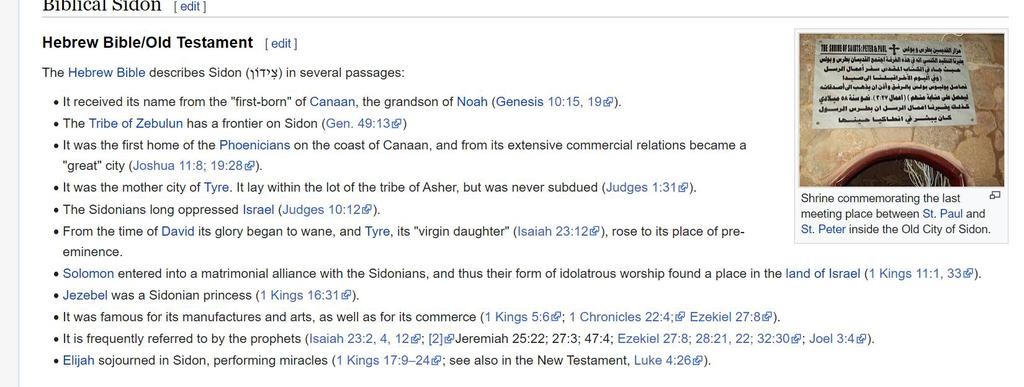
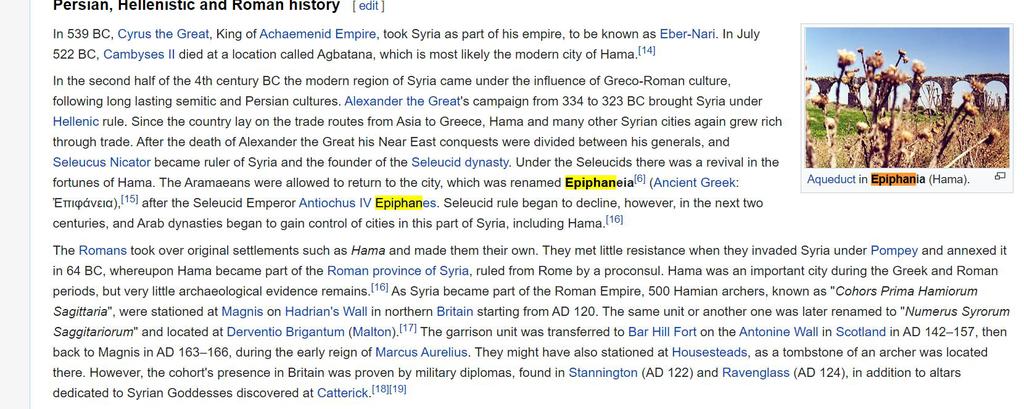
(יג) וּמִצְרַ֡יִם יָלַ֞ד אֶת־לוּדִ֧ים וְאֶת־עֲנָמִ֛ים וְאֶת־לְהָבִ֖ים וְאֶת־נַפְתֻּחִֽים׃ (יד) וְֽאֶת־פַּתְרֻסִ֞ים וְאֶת־כַּסְלֻחִ֗ים אֲשֶׁ֨ר יָצְא֥וּ מִשָּׁ֛ם פְּלִשְׁתִּ֖ים וְאֶת־כַּפְתֹּרִֽים׃ {ס} (טו) וּכְנַ֗עַן יָלַ֛ד אֶת־צִידֹ֥ן בְּכֹר֖וֹ וְאֶת־חֵֽת׃ (טז) וְאֶת־הַיְבוּסִי֙ וְאֶת־הָ֣אֱמֹרִ֔י וְאֵ֖ת הַגִּרְגָּשִֽׁי׃ (יז) וְאֶת־הַֽחִוִּ֥י וְאֶת־הַֽעַרְקִ֖י וְאֶת־הַסִּינִֽי׃ (יח) וְאֶת־הָֽאַרְוָדִ֥י וְאֶת־הַצְּמָרִ֖י וְאֶת־הַֽחֲמָתִ֑י וְאַחַ֣ר נָפֹ֔צוּ מִשְׁפְּח֖וֹת הַֽכְּנַעֲנִֽי׃
(13) And Mizraim begot the Ludim, the Anamim, the Lehabim, the Naphtuhim, (14) the Pathrusim, the Casluhim, and the Caphtorim, whence the Philistines came forth. (15) Canaan begot Sidon, his first-born, and Heth; (16) and the Jebusites, the Amorites, the Girgashites, (17) the Hivites, the Arkites, the Sinites, (18) the Arvadites, the Zemarites, and the Hamathites. Afterward the clans of the Canaanites spread out.
Arkite (är´kīt), in the Bible, the Canaanite tribe centered around Arka or Arca, a town near the E Mediterranean Sea NE of Tripoli. Arka, called Arca Caesarea and Caesarea Libani by the Romans, was the birthplace of Alexander Severus; it was vainly besieged by the Crusaders in 1099.

(כא) וּלְשֵׁ֥ם יֻלַּ֖ד גַּם־ה֑וּא אֲבִי֙ כׇּל־בְּנֵי־עֵ֔בֶר אֲחִ֖י יֶ֥פֶת הַגָּדֽוֹל׃ (כב) בְּנֵ֥י שֵׁ֖ם עֵילָ֣ם וְאַשּׁ֑וּר וְאַרְפַּכְשַׁ֖ד וְל֥וּד וַֽאֲרָֽם׃ (כג) וּבְנֵ֖י אֲרָ֑ם ע֥וּץ וְח֖וּל וְגֶ֥תֶר וָמַֽשׁ׃

(21) Sons were also born to Shem, ancestor of all the descendants of Eber and older brother of Japheth. (22) The descendants of Shem: Elam, Asshur, Arpachshad, Lud, and Aram. (23) The descendants of Aram: Uz, Hul, Gether, and Mash.
(כה) וּלְעֵ֥בֶר יֻלַּ֖ד שְׁנֵ֣י בָנִ֑ים שֵׁ֣ם הָֽאֶחָ֞ד פֶּ֗לֶג כִּ֤י בְיָמָיו֙ נִפְלְגָ֣ה הָאָ֔רֶץ וְשֵׁ֥ם אָחִ֖יו יׇקְטָֽן׃
(25) Two sons were born to Eber: the name of the first was Peleg, for in his days the earth was divided; and the name of his brother was Joktan.
(כו) וְיׇקְטָ֣ן יָלַ֔ד אֶת־אַלְמוֹדָ֖ד וְאֶת־שָׁ֑לֶף וְאֶת־חֲצַרְמָ֖וֶת וְאֶת־יָֽרַח׃ (כז) וְאֶת־הֲדוֹרָ֥ם וְאֶת־אוּזָ֖ל וְאֶת־דִּקְלָֽה׃ (כח) וְאֶת־עוֹבָ֥ל וְאֶת־אֲבִֽימָאֵ֖ל וְאֶת־שְׁבָֽא׃ (כט) וְאֶת־אוֹפִ֥ר וְאֶת־חֲוִילָ֖ה וְאֶת־יוֹבָ֑ב כׇּל־אֵ֖לֶּה בְּנֵ֥י יׇקְטָֽן׃
(26) Joktan begot Almodad, Sheleph, Hazarmaveth, Jerah, (27) Hadoram, Uzal, Diklah, (28) Obal, Abimael, Sheba, (29) Ophir, Havilah, and Jobab; all these were the descendants of Joktan.
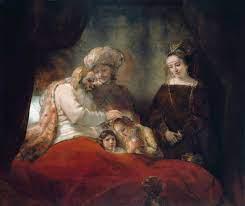
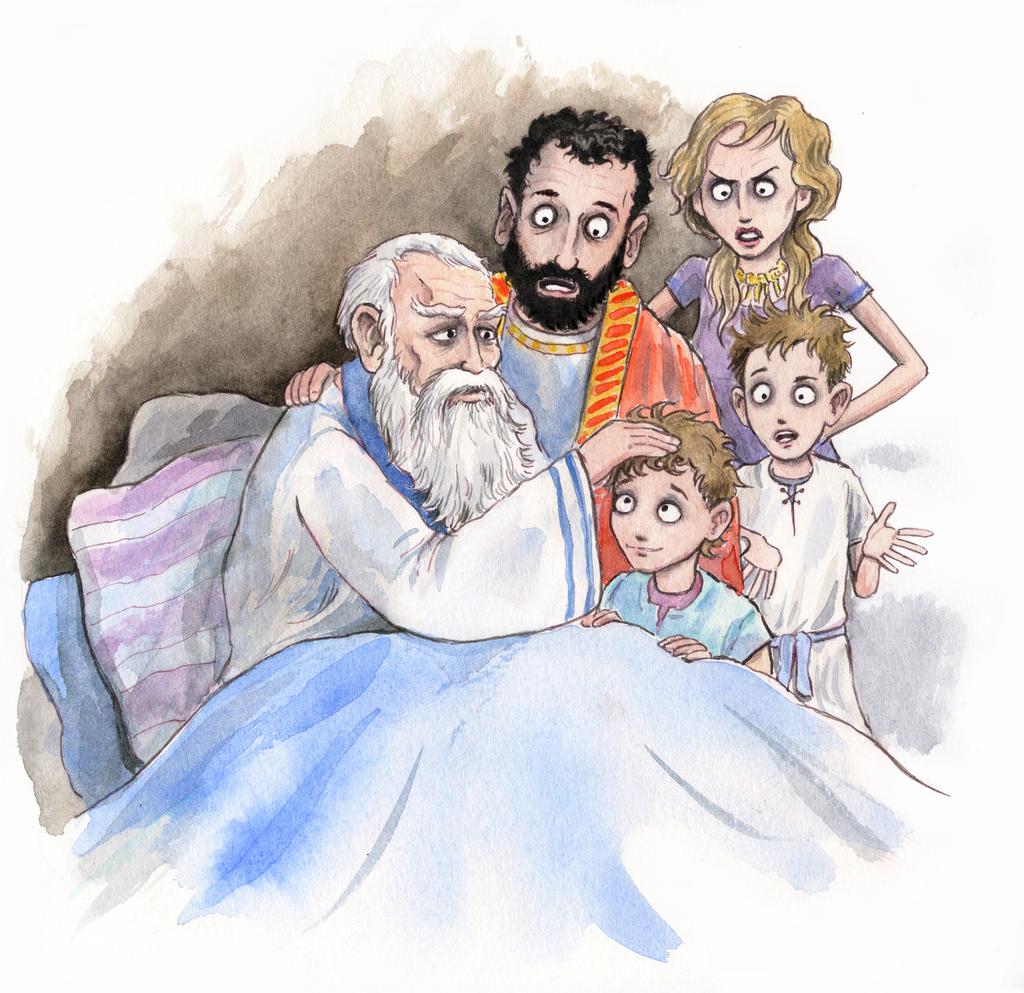
(יד) וַיִּשְׁלַח֩ יִשְׂרָאֵ֨ל אֶת־יְמִינ֜וֹ וַיָּ֨שֶׁת עַל־רֹ֤אשׁ אֶפְרַ֙יִם֙ וְה֣וּא הַצָּעִ֔יר וְאֶת־שְׂמֹאל֖וֹ עַל־רֹ֣אשׁ מְנַשֶּׁ֑ה שִׂכֵּל֙ אֶת־יָדָ֔יו כִּ֥י מְנַשֶּׁ֖ה הַבְּכֽוֹר׃
(14) But Israel stretched out his right hand and laid it on Ephraim’s head, though he was the younger, and his left hand on Manasseh’s head—thus crossing his hands—although Manasseh was the first-born.
(ל) וַֽיְהִ֥י מוֹשָׁבָ֖ם מִמֵּשָׁ֑א בֹּאֲכָ֥ה סְפָ֖רָה הַ֥ר הַקֶּֽדֶם׃
(30) Their settlements extended from Mesha as far as Sephar, the hill country to the east.