


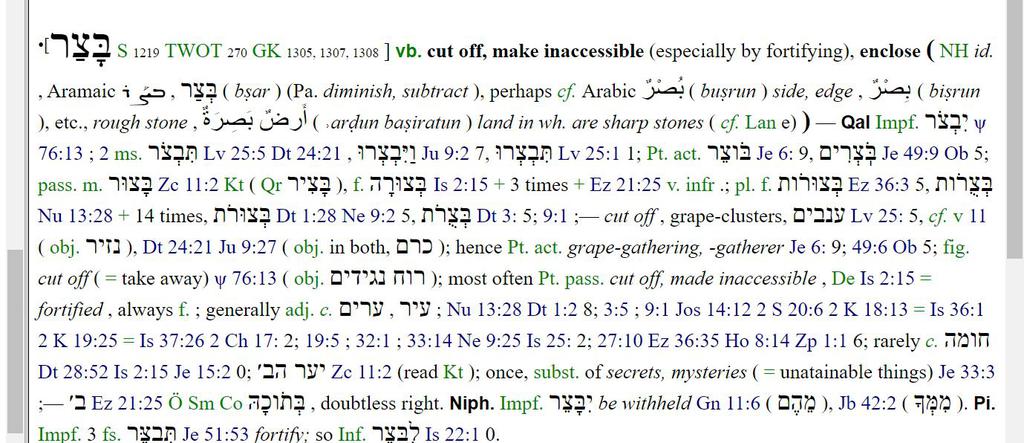
(א) וַֽיְהִ֥י כׇל־הָאָ֖רֶץ שָׂפָ֣ה אֶחָ֑ת וּדְבָרִ֖ים אֲחָדִֽים׃ (ב) וַֽיְהִ֖י בְּנׇסְעָ֣ם מִקֶּ֑דֶם וַֽיִּמְצְא֥וּ בִקְעָ֛ה בְּאֶ֥רֶץ שִׁנְעָ֖ר וַיֵּ֥שְׁבוּ שָֽׁם׃ (ג) וַיֹּאמְר֞וּ אִ֣ישׁ אֶל־רֵעֵ֗הוּ הָ֚בָה נִלְבְּנָ֣ה לְבֵנִ֔ים וְנִשְׂרְפָ֖ה לִשְׂרֵפָ֑ה וַתְּהִ֨י לָהֶ֤ם הַלְּבֵנָה֙ לְאָ֔בֶן וְהַ֣חֵמָ֔ר הָיָ֥ה לָהֶ֖ם לַחֹֽמֶר׃ (ד) וַיֹּאמְר֞וּ הָ֣בָה ׀ נִבְנֶה־לָּ֣נוּ עִ֗יר וּמִגְדָּל֙ וְרֹאשׁ֣וֹ בַשָּׁמַ֔יִם וְנַֽעֲשֶׂה־לָּ֖נוּ שֵׁ֑ם פֶּן־נָפ֖וּץ עַל־פְּנֵ֥י כׇל־הָאָֽרֶץ׃
After parting from Jonathan, David fled from Saul's jealous anger and hid in Nob. He went to Ahimelech, the High Priest, claiming to be on a clandestine royal mission. Ahimelech fed David and his men with the showbread, and gave David the sword of Goliath. By doing this, David endangered Ahimelech's life, since Doeg was present ("detained before the Lord") and witnessed Ahimelech's service to David. (1 Sam 21)
Later, Saul asked about the whereabouts of David, prompting Doeg to respond:
Then answered Doeg the Edomite, which was set over the servants of Saul, and said, I saw the son of Jesse coming to Nob, to Ahimelech the son of Ahitub. (1 Sam 22:9)
Therefore, Saul summoned Ahimelech and his entire company, asking him why he decided to conspire against him by protecting David. Ahimelech, possibly in an attempt to save himself, claimed that he was uninvolved in the controversy between Saul and David. Saul coldly rejected his claim and ordered Ahimelech and the priests to be executed. His officials refused to raise their hands against the priests, and Saul turned to Doeg, who carried out the executions. Saul followed that up with an attack on the city of Nob, the city of the priests, and the families of the priests – men, women, and children – were put to the sword. Only Abiathar escaped, and fled to join David.
The death of Ahimelech, as the great-grandson of Eli, is seen as fulfilling part of the curse on the House of Eli that none of his male descendants would live to old age (1 Samuel 2:31–33).[2]
David later showed remorse for his part in the incident:
And David said unto Abiathar, I knew it that day, when Doeg the Edomite was there, that he would surely tell Saul: I have occasioned the death of all the persons of thy father's house. (1 Sam 22:22)
The heading above Psalm 52 records that David wrote it after Doeg the Edomite betrayed Ahimelech to Saul.
Ahitophel or Ahithophel was a counselor of King David and a man greatly renowned for his sagacity. During Absalom's revolt he deserted David (Psalm 41:9; 55:12–14) and supported Absalom (2 Samuel 15:12).
David sent his friend Hushai back to Absalom, in order to counteract the counsel of Ahitophel (2 Samuel 15:31–37). Ahitophel had recommended an immediate attack on David's camp at a point where he was weary and vulnerable (2 Samuel 17:1-2), whereas Hushai suggested that "the advice that Ahithophel has given is not good at this time" (2 Samuel 17:7) and recommended delay while a larger army was assembled to counter David's alleged strength (2 Samuel 17:11-13). Hushai's advice was accepted "for the LORD had ordained to defeat the good advice of Ahithophel, so that the lord might bring ruin on Absalom" (2 Samuel 17:14). Seeing that his good advice against David had not been followed due to Hushai's influence, Ahithophel apparently surmised that the revolt would fail. He then left the camp of Absalom at once. He returned to Giloh, his native place, and after arranging his worldly affairs, hanged himself, and was buried in the sepulcher of his fathers (2 Samuel 17:23).
(יד) וַיָּבֹ֥א הַמֶּ֛לֶךְ וְכׇל־הָעָ֥ם אֲשֶׁר־אִתּ֖וֹ עֲיֵפִ֑ים וַיִּנָּפֵ֖שׁ שָֽׁם׃ (טו) וְאַבְשָׁל֗וֹם וְכׇל־הָעָם֙ אִ֣ישׁ יִשְׂרָאֵ֔ל בָּ֖אוּ יְרוּשָׁלָ֑͏ִם וַאֲחִיתֹ֖פֶל אִתּֽוֹ׃ (טז) וַיְהִ֗י כַּאֲשֶׁר־בָּ֞א חוּשַׁ֧י הָאַרְכִּ֛י רֵעֶ֥ה דָוִ֖ד אֶל־אַבְשָׁל֑וֹם וַיֹּ֤אמֶר חוּשַׁי֙ אֶל־אַבְשָׁל֔וֹם יְחִ֥י הַמֶּ֖לֶךְ יְחִ֥י הַמֶּֽלֶךְ׃ (יז) וַיֹּ֤אמֶר אַבְשָׁלוֹם֙ אֶל־חוּשַׁ֔י זֶ֥ה חַסְדְּךָ֖ אֶת־רֵעֶ֑ךָ לָ֥מָּה לֹא־הָלַ֖כְתָּ אֶת־רֵעֶֽךָ׃ (יח) וַיֹּ֣אמֶר חוּשַׁי֮ אֶל־אַבְשָׁלֹם֒ לֹ֕א כִּי֩ אֲשֶׁ֨ר בָּחַ֧ר יקוק וְהָעָ֥ם הַזֶּ֖ה וְכׇל־אִ֣ישׁ יִשְׂרָאֵ֑ל (לא) [ל֥וֹ] אֶהְיֶ֖ה וְאִתּ֥וֹ אֵשֵֽׁב׃ (יט) וְהַשֵּׁנִ֗ית לְמִי֙ אֲנִ֣י אֶעֱבֹ֔ד הֲל֖וֹא לִפְנֵ֣י בְנ֑וֹ כַּאֲשֶׁ֤ר עָבַ֙דְתִּי֙ לִפְנֵ֣י אָבִ֔יךָ כֵּ֖ן אֶהְיֶ֥ה לְפָנֶֽיךָ׃ {פ}
(כ) וַיֹּ֥אמֶר אַבְשָׁל֖וֹם אֶל־אֲחִיתֹ֑פֶל הָב֥וּ לָכֶ֛ם עֵצָ֖ה מַֽה־נַּעֲשֶֽׂה׃ (כא) וַיֹּ֤אמֶר אֲחִיתֹ֙פֶל֙ אֶל־אַבְשָׁלֹ֔ם בּ֚וֹא אֶל־פִּֽלַגְשֵׁ֣י אָבִ֔יךָ אֲשֶׁ֥ר הִנִּ֖יחַ לִשְׁמ֣וֹר הַבָּ֑יִת וְשָׁמַ֤ע כׇּל־יִשְׂרָאֵל֙ כִּֽי־נִבְאַ֣שְׁתָּ אֶת־אָבִ֔יךָ וְחָ֣זְק֔וּ יְדֵ֖י כׇּל־אֲשֶׁ֥ר אִתָּֽךְ׃ (כב) וַיַּטּ֧וּ לְאַבְשָׁל֛וֹם הָאֹ֖הֶל עַל־הַגָּ֑ג וַיָּבֹ֤א אַבְשָׁלוֹם֙ אֶל־פִּֽלַגְשֵׁ֣י אָבִ֔יו לְעֵינֵ֖י כׇּל־יִשְׂרָאֵֽל׃ (כג) וַעֲצַ֣ת אֲחִיתֹ֗פֶל אֲשֶׁ֤ר יָעַץ֙ בַּיָּמִ֣ים הָהֵ֔ם כַּאֲשֶׁ֥ר יִשְׁאַל־[אִ֖ישׁ] בִּדְבַ֣ר הָאֱלֹקִ֑ים כֵּ֚ן כׇּל־עֲצַ֣ת אֲחִיתֹ֔פֶל גַּם־לְדָוִ֖ד גַּ֥ם לְאַבְשָׁלֹֽם׃ {ס}
(י) אַרְבַּע מִדּוֹת בָּאָדָם. הָאוֹמֵר שֶׁלִּי שֶׁלִּי וְשֶׁלְּךָ שֶׁלָּךְ, זוֹ מִדָּה בֵינוֹנִית. וְיֵשׁ אוֹמְרִים, זוֹ מִדַּת סְדוֹם. שֶׁלִּי שֶׁלְּךָ וְשֶׁלְּךָ שֶׁלִּי, עַם הָאָרֶץ. שֶׁלִּי שֶׁלְּךָ וְשֶׁלְּךָ שֶׁלָּךְ, חָסִיד. שֶׁלִּי שֶׁלִּי וְשֶׁלְּךָ שֶׁלִּי, רָשָׁע:
(10) There are four types of character in human beings: One that says: “mine is mine, and yours is yours”: this is a commonplace type; and some say this is a sodom-type of character. [One that says:] “mine is yours and yours is mine”: is an unlearned person (am haaretz); [One that says:] “mine is yours and yours is yours” is a pious person. [One that says:] “mine is mine, and yours is mine” is a wicked person.
- In Jewish texts, this is used when ascribing to God emotions or other states not usually ascribed to Him. It is at times used as a noun as a euphemism when ascribing undesirable traits such as dying.
The name Šinʿar occurs eight times in the Hebrew Bible, in which it refers to Babylonia.[2] This location of Shinar is evident from its description as encompassing both Babel/Babylon (in northern Babylonia) and Erech/Uruk (in southern Babylonia).[2] In the Book of Genesis 10:10, the beginning of Nimrod's kingdom is said to have been "Babel [Babylon], and Erech [Uruk], and Akkad, and Calneh, in the land of Shinar." Verse 11:2 states that Shinar enclosed the plain that became the site of the Tower of Babel after the Great Flood. After the Flood, the sons of Shem, Ham, and Japheth stayed first in the highlands of Armenia and then migrated to Shinar.[5]
In Genesis 14:1,9, King Amraphel rules Shinar. Shinar is further mentioned in Joshua 7:21; Isaiah 11:11; Daniel 1:2; and Zechariah 5:11, as a general synonym for Babylonia.

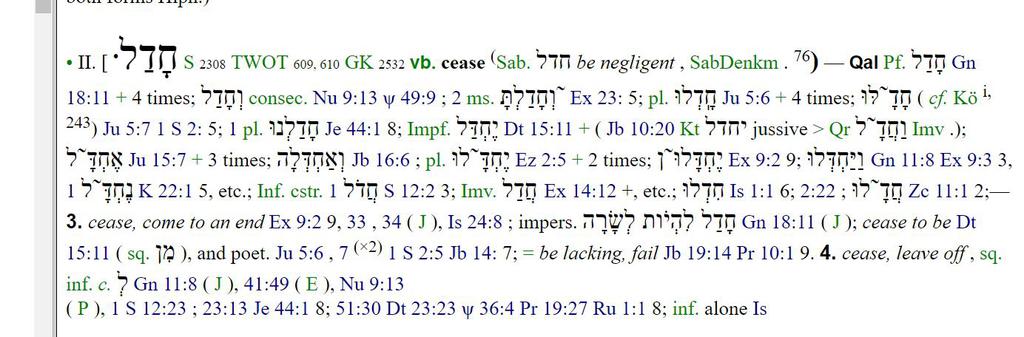
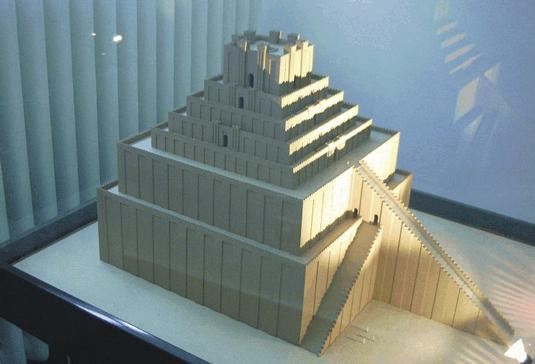
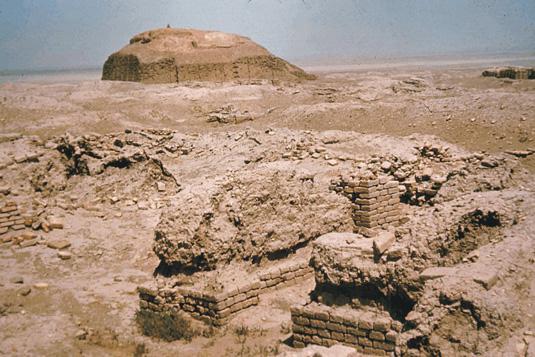
The structure at Eridu, the earliest structure that some designate a ziggurat, is dated in its earliest level to the Ubaid period (4300-3500). There are 16 levels of temples beneath the Ur III period ziggurat constructed by Amar-Sin (2046-2038) that crowns the mound. At which of these levels the structure may be first designated a ziggurat is a matter of uncertainty. Oates comments,
Convention clearly demanded that the ruins of one shrine should be preserved beneath the foundations of its successor, a practice that probably explains the appearance of the high terraces on which some of the latest prehistoric temples stood, and which may be forerunners of later times (1976: 132).3
This same phenomenon occurs with the so-called White Temple of Uruk dated to the Jamdet Nasr period (3100-2900). M. Mallowan remarks:
The so-called ziggurat or temple tower on which it [the white temple] was set had risen gradually in the course of more than a millennium, for in fact beneath the white Temple the tower incorporated within it a series of much earlier sanctuaries which after serving their time had been filled solid with brickwork and became terraces for later constructions (1965: 41).
It is difficult to determine what should be called a ziggurat and what should not. The criteria used by the ancients is unknown to us. For our purposes, we will define a ziggurat as a staged tower for which the stages were consciously constructed. That seems to be what is taking place in Genesis 11. Therefore, even though the temples on accumulated ruins were probably the forerunners of the staged towers, the "stages" (made up of accumulated ruins) were not constructed for the tower. It is only when builders construct stages (possibly modeled after the piled up ruins) that we will acknowledge the designation ziggurat. This also rules out the oval terraces.
The Early Dynastic period (2900-2350) is the most likely candidate for the origin of the ziggurat so defined. H. Crawford concedes that...
...there can now be little doubt that some sort of staged tower does go back to the Early Dynastic period, although there is no evidence for an earlier occurrence (1977: 27).
The clearest evidence of this is at Ur. There...
...the Early Dynastic ziggurat is completely engulfed by that of Ur-Nammu, but its existence can be safely deduced from the remains of the period in the surrounding courtyard area (Crawford 1977: 27).
Mari also has a firmly established Early Dynastic ziggurat. At Nippur, superimposed ziggurats built by Ur-Nammu (2112-2095) and Naram-Sin (2254-2218) have been confirmed, and it seems likely that a pre-Sargonic ziggurat serves as a foundation (Perrot 1955: 154).
(א) עשרה ירידות ירד הב"ה על הארץ, ואלו הן: אחת בגן עדן ואחת בדור הפלגה ואחת בסדום ואחת בסנה ואחת במצרים ואחת בסיני ואחת בנקרת הצור ושנים באהל מועד ואחת לעתיד לבא.
(1) THE SIN OF ADAM AND EVE
TEN descents upon the earth were made by the Holy One, blessed be He; they were: (1) Once in the Garden of Eden; (2) once at (the time of) the generation of the Dispersion; (3) once at Sodom; (4) once at the thorn-bush; (5) once in Egypt; (6) once at Sinai; (7) once at the cleft of the rock; (8) and (9) twice in the tent of Assembly; (10) once in the future.
עשר ירידות ירדה שכינה על העולם אחת בגן עדן שנא׳ (בראשית ג׳:ח׳) וישמעו את קול ה׳ אלקים מתהלך בגן ואחת בדור המגדל שנא׳ (שם יא) וירד ה׳ לראות את העיר ואת המגדל ואחת בסדום שנא׳ (שם יח) ארדה נא ואראה הכצעקתה הבאה אלי ואחת במצרים שנאמר (שמות ג׳:ח׳) וארד להצילו מיד מצרים ואחת על הים שנאמר (תהילים י״ח:י׳) ויט שמים וירד ואחת בסיני שנא׳ (שמות י״ט:כ׳) וירד ה׳ על הר סיני לעיני כל העם ואחת במקדש שנאמר (יחזקאל מ״ד:ב׳) ויאמר אלי ה׳ השער הזה סגור יהיה לא יפתח וגו׳ כי ה׳ אלקי ישראל בא בו ואחת בעמוד הענן שנאמר (במדבר י״א:כ״ה) וירד ה׳ בענן ואחת שעתידה להיות בימי גוג ומגוג שנא׳ (זכריה י״ד:ד׳) ועמדו רגליו ביום ההוא על הר הזיתים:
(א) בַּעֲשָׂרָה מַאֲמָרוֹת נִבְרָא הָעוֹלָם. וּמַה תַּלְמוּד לוֹמַר, וַהֲלֹא בְמַאֲמָר אֶחָד יָכוֹל לְהִבָּרְאוֹת, אֶלָּא לְהִפָּרַע מִן הָרְשָׁעִים שֶׁמְּאַבְּדִין אֶת הָעוֹלָם שֶׁנִּבְרָא בַעֲשָׂרָה מַאֲמָרוֹת, וְלִתֵּן שָׂכָר טוֹב לַצַּדִּיקִים שֶׁמְּקַיְּמִין אֶת הָעוֹלָם שֶׁנִּבְרָא בַעֲשָׂרָה מַאֲמָרוֹת:
(ב) עֲשָׂרָה דוֹרוֹת מֵאָדָם וְעַד נֹחַ, לְהוֹדִיעַ כַּמָּה אֶרֶךְ אַפַּיִם לְפָנָיו, שֶׁכָּל הַדּוֹרוֹת הָיוּ מַכְעִיסִין וּבָאִין עַד שֶׁהֵבִיא עֲלֵיהֶם אֶת מֵי הַמַּבּוּל. עֲשָׂרָה דוֹרוֹת מִנֹּחַ וְעַד אַבְרָהָם, לְהוֹדִיעַ כַּמָּה אֶרֶךְ אַפַּיִם לְפָנָיו, שֶׁכָּל הַדּוֹרוֹת הָיוּ מַכְעִיסִין וּבָאִין, עַד שֶׁבָּא אַבְרָהָם וְקִבֵּל עָלָיו שְׂכַר כֻּלָּם:
(ג) עֲשָׂרָה נִסְיוֹנוֹת נִתְנַסָּה אַבְרָהָם אָבִינוּ עָלָיו הַשָּׁלוֹם וְעָמַד בְּכֻלָּם, לְהוֹדִיעַ כַּמָּה חִבָּתוֹ שֶׁל אַבְרָהָם אָבִינוּ עָלָיו הַשָּׁלוֹם:
(1) With ten utterances the world was created. And what does this teach, for surely it could have been created with one utterance? But this was so in order to punish the wicked who destroy the world that was created with ten utterances, And to give a good reward to the righteous who maintain the world that was created with ten utterances.
(2) [There were] ten generations from Adam to Noah, in order to make known what long-suffering is His; for all those generations kept on provoking Him, until He brought upon them the waters of the flood. [There were] ten generations from Noah to Abraham, in order to make known what long-suffering is His; for all those generations kept on provoking Him, until Abraham, came and received the reward of all of them.
(3) With ten trials was Abraham, our father (may he rest in peace), tried, and he withstood them all; to make known how great was the love of Abraham, our father (peace be upon him).
The Greek Old Testament, or Septuagint (/ˈsɛptjuədʒɪnt/,[1] US also /sɛpˈtjuːədʒɪnt/;[2] from the Latin: septuaginta, lit. 'seventy'; often abbreviated 70; in Roman numerals, LXX), is the earliest extant Koine Greek translation of books from the Hebrew Bible, various biblical apocrypha, and deuterocanonical books.[3] The first five books of the Hebrew Bible, known as the Torah or the Pentateuch, were translated in the mid-3rd century BC. The remaining books of the Greek Old Testament are presumably translations of the 2nd century BC.[4][5][6]
The full title (Ancient Greek: Ἡ μετάφρασις τῶν Ἑβδομήκοντα, lit. 'The Translation of the Seventy') derives from the story recorded in the Letter of Aristeas that the Hebrew Torah was translated into Greek at the request of Ptolemy II Philadelphus (285–247 BCE) by 70 Jewish scholars or, according to later tradition, 72: six scholars from each of the Twelve Tribes of Israel, who independently produced identical translations.[citation needed] The miraculous character of the Aristeas legend might indicate the esteem and disdain in which the translation was held at the time; Greek translations of Hebrew scriptures were in circulation among the Alexandrian Jews.[7]
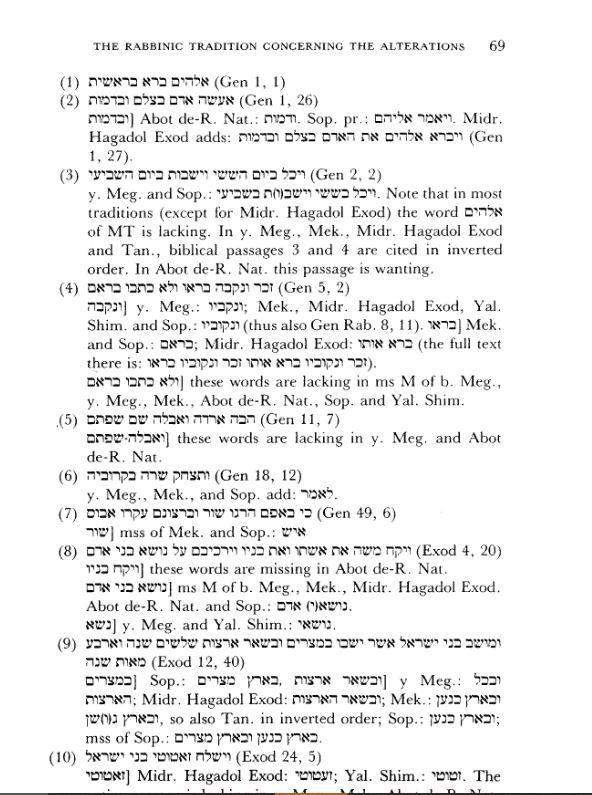
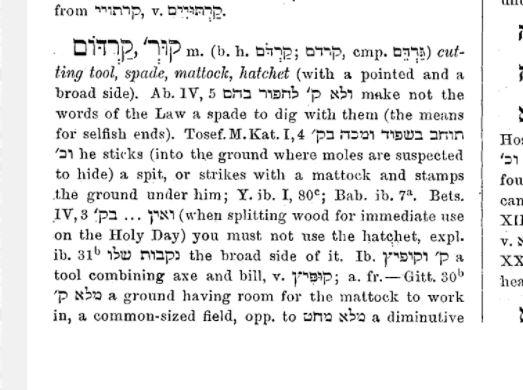
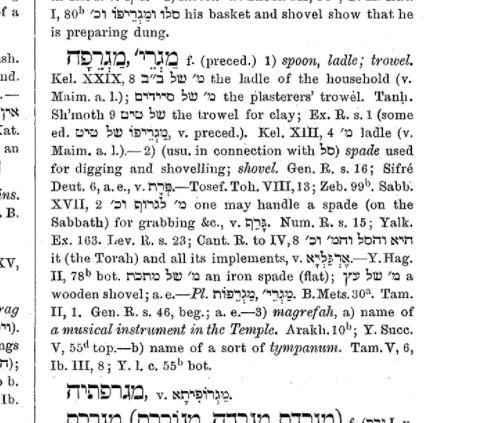
R. Judan and R. Nehemiah who follows both hold that the Separation took place after the nations had been apportioned their territories subsequently to the Flood, the Separation merely transposing them. 'While Mizraim (Egypt) retains his land* is obscure, and it is omitted in cur. edd. and in Yalkut.
6 Th. The idea is as though points were taken on the inner borders (i.e. those nearest to the Tower of Babel) of all countries and joined by lines into a huge figure, and the nations entered within this and withdrew each those of its members who had gathered there to build the tower. Thus R. Nehemiah holds that the people remained in their own countries after the Separation, as they were before they gathered to build the Tower
7 The allusion is unknown
(2) She bore him
Zimran,
Jokshan,
Medan,
Midian,
Ishbak, and
Shuah.
(3) Jokshan begot
Sheba and
Dedan.
The descendants of Dedan were the Asshurim, the
Letushim, and the
Leummim. (4) The descendants of
Midian were
Ephah,
Epher,
Enoch,
Abida,
and Eldaah. All these were descendants of Keturah.
(א) אֵלֶּה תּוֹלְדֹת נֹחַ נֹחַ אִישׁ צַדִּיק תָּמִים (בראשית ו, ט), הֲדָא הוּא דִכְתִיב (משלי י, כה): כַּעֲבוֹר סוּפָה וְאֵין רָשָׁע וְצַדִּיק יְסוֹד עוֹלָם, כַּעֲבוֹר סוּפָה וְאֵין רָשָׁע, זֶה דּוֹר הַמַּבּוּל. וְצַדִּיק יְסוֹד עוֹלָם, זֶה נֹחַ. (משלי יב, ז): הָפוֹךְ רְשָׁעִים וְאֵינָם וּבֵית צַדִּיקִים יַעֲמֹד, הָפוֹךְ רְשָׁעִים וְאֵינָם, זֶה דּוֹר הַמַּבּוּל. וּבֵית צַדִּיקִים יַעֲמֹד, זֶה נֹחַ הֲדָא הוּא דִכְתִיב: אֵלֶּה תּוֹלְדֹת נֹחַ. דָּבָר אַחֵר, אֵלֶּה תּוֹלְדֹת נֹחַ, כְּתִיב (משלי יד, יא): בֵּית רְשָׁעִים יִשָּׁמֵד וְאֹהֶל יְשָׁרִים יַפְרִיחַ. בֵּית רְשָׁעִים יִשָּׁמֵד, זֶה דּוֹר הַמַּבּוּל, וְאֹהֶל יְשָׁרִים יַפְרִיחַ, זֶה נֹחַ.
(1) THESE ARE THE GENERATIONS OF NOAH, NOAH Said Rabbi Abba Bar Kahanah, anyone whose name is repeated, they gain this world and the world to come. They challenged him, "But doesn't [another] verse state, TERACH, TERACH (Gen 11:27), and if [what you just said] was the case then [Terach] would gain this world and the world to come. [Rabbi Abba] said, "Not even this creates a difficulty for me, for Rabbi Udan in the name of Rabbi Abba Bar Kahanah [The verse] AND YOU WILL COME TO YOUR FATHER IN PEACE [means] it was announced that there would be a part of the world to come for his father [and the verse] YOU WILL BE BURIED IN GOOD OLD AGE [means] that it was announced that Yishmael would do repentence.
(ב) וְאֵ֛לֶּה שְׁמ֥וֹת בְּֽנֵי־אַהֲרֹ֖ן הַבְּכֹ֣ר ׀ נָדָ֑ב וַאֲבִיה֕וּא אֶלְעָזָ֖ר וְאִיתָמָֽר׃ (ג) אֵ֗לֶּה שְׁמוֹת֙ בְּנֵ֣י אַהֲרֹ֔ן הַכֹּהֲנִ֖ים הַמְּשֻׁחִ֑ים אֲשֶׁר־מִלֵּ֥א יָדָ֖ם לְכַהֵֽן׃ (ד) וַיָּ֣מׇת נָדָ֣ב וַאֲבִיה֣וּא לִפְנֵ֣י יקוק בְּֽהַקְרִבָם֩ אֵ֨שׁ זָרָ֜ה לִפְנֵ֤י יקוק בְּמִדְבַּ֣ר סִינַ֔י וּבָנִ֖ים לֹא־הָי֣וּ לָהֶ֑ם וַיְכַהֵ֤ן אֶלְעָזָר֙ וְאִ֣יתָמָ֔ר עַל־פְּנֵ֖י אַהֲרֹ֥ן אֲבִיהֶֽם׃ {פ}
(א) על פני תרח אביו. בְּחַיֵי אָבִיו.
וּמִדְרַשׁ אַגָּדָה אוֹמֵר שֶׁעַל יְדֵי אָבִיו מֵת; שֶׁקָּבַל תֶּרַח עַל אַבְרָם בְּנוֹ לִפְנֵי נִמְרוֹד עַל שֶׁכִּתֵּת אֶת צְלָמָיו, וְהִשְׁלִיכוֹ לְכִבְשַׁן הָאֵשׁ, וְהָרָן יוֹשֵׁב וְאוֹמֵר בְּלִבּוֹ אִם אַבְרָם נוֹצֵחַ אֲנִי מִשֶּׁלּוֹ, וְאִם נִמְרוֹד נוֹצֵחַ אֲנִי מִשֶּׁלּוֹ; וּכְשֶׁנִּצַּל אַבְרָם, אָמְרוּ לוֹ לְהָרָן מִשֶּׁל מִי אַתָּה? אָמַר לָהֶם הָרָן מִשֶּׁל אַבְרָם אֲנִי, הִשְׁלִיכוּהוּ לְכִבְשַׁן הָאֵשׁ וְנִשְׂרַף, וְזֶהוּ אוּר כַּשְׂדִים (ב"ר). וּמְנַחֵם פֵּרֵשׁ אוּר – בִּקְעָה; וְכֵן בָּאֻרִים כַּבְּדוּ יקוק (ישעיה כ"ד), וְכֵן מְאוּרַת צִפְעוֹנִי (שם י"א) כָּל חֹר וּבֶקַע עָמֹק קָרוּי אוּר:
(א) ויהי בשבוע הששי בשנה השביעית בו ויאמר אברם אל תרח אביו ויאמר אבי ויאמר הנני בני:
(ב) ויאמר מה בצע ומה תועלת מכל האלילים האלה אשר תשתחוה להם הלא אין רוח בקרבם כי אם קללת אלקים ותעתועי לב הם אשר אתם עובדים:
(ג) עבדו את אלקי השמים הנותן גשם והמוריד טל על האדמה והעושה כל על הארץ ובורא את הכל בדברו ונפש כל חי על פניו:
(ד) מדוע תעבדו את אשר אין רוח בקרבם כי מעשה ידי חרש המה ועל כתף תשאו אותם:
(ה) לא לעזר ולא להועיל כי לבושת ולחרפה המה לעושיהם ולעובדיהם מעשה תעתועים אל תעבדו אותם:
(ו) ויאמר אליו אביו ידעתי בני ידעתי גם אני אבל מה אעשה למשפחתי כי תתנני לעבוד אותם:
(ז) אם אגלה להם האמת והרגוני כי נפשם דבקה בם לעבדם ולברכם החשה בני פן ימיתוך:
(ח) ויגד את הדברים האלה אל שני אחיו ויחר אפם בו וידום:
(ט) וביובל הארבעים בשבוע השני בשנה השביעית בו לקח אברם אשה ושמה שרי בת אביו ותהי לו לאשה:
(י) הרן אחיו לקח לו (אשה) בשנה השלישית לשבוע השלישי ותלד לו בן בשנה השביעית ליובל ההוא ויקרא את שמו לוט:
(יא) וגם נחור אחיו לקח לו אשה:
(יב) ויהי בשנת לחיי אברם היא השנה הרביעית לשבוע הרביעי ויקם אברם לילה וישרוף את בית האלילים וכל אשר בו ולא נודע לאיש דבר:
(יג) ויקומו בלילה להציל את האלילים ממאכולת האש:
(יד) וימהר הרן ויבוא להצילם ותלהט בו הלהבה וישרף באש וימות באור כשדים על פני תרח אביו ויקברו אתו באור כשדים:
(טו) ויצא תרח מאור כשדים הוא ובניו ללכת ארצה הלבנון וארצה כנען וישב בארץ חרן:
(טז) וישב אברם עם תרח אביו בארץ חרן שבועיים:
(יז) ויהי בשבוע הששי בשנה החמישית בו ויקם אברם וישב בלילה בראש החודש השביעי להביט בכוכבים מן הערב עד הבוקר לדעת מה דרך הרוח על הארץ בשנה ההיא:
(יח) ויהי הוא יושב לבדו להביט ויבוא דבר בלבו ויאמר כל אותות הכוכבים ואותות השמש והירח ביד יקוק המה:
(יט) למה זה אדרשם ברצונו ימטיר יורה ומלקוש וברצונו יוריד הגשם והכל בידו:
(כ) ויתפלל בלילה ההוא ויאמר אלי אלי אל עליון אתה לבדך אלקי ואתה בראת את כל והכל מעשה ידיך ובך בחרתי לאלקים:
(כא) הצילני נא מיד המלאכים הרעים הרודים במחשבות לב האדם לבל יסירו את לבבי ממך אלקי:
(כב) ואל תתנני אותי ואת זרעי לעולם לסור מאחריך מעתה ועד עולם:
(כג) ויאמר האשוב לי אל אור כשדים המבקשים את פני לשוב אליהם ואם אשב פה במקום הזה:
(כד) הנחה את עבדך בדרך אמת לפניך ללכת בה ולבל אתהלך בשרירות לבי אלקי:
(כה) ויהי כאשר כילה לדבר ולהתפלל והנה דבר יקוק בפי אליו לאמור:
(כו) לך לך מארצך וממולדתך ומבית אביך אל הארץ אשר אראך:
(כז) ואעשך לגוי גדול ועצום ואברכך ואגדלה שמך והיה ברכה בקרב הארץ:
(כח) ונברכו בך כל משפחות האדמה מברכיך אברכה ומקלליך אאור:
(כט) והייתי לך לאלקים ולבניך ולבני בניך ולכל זרעך ושמרתיך בכל אשר תלך אנכי אלקיך:
(ל) אל תירא מעתה ועד כל דורות הארץ אלקיך אני:
(לא) ויאמר יקוק אלקים אלי פתח פיו ושפתיו ופקח אזניו ואחל לדבר עברית כלשון עמו:
(לב) ויקח את ספרי אבותיו הכתובים עברית ויעתיקם אז החל ללמוד בהם ואבאר לו את כל דבר הקשה וילמד בהם בימי ששת חדשי המטר:
(לג) ויהי בשנה השביעית לשבוע הששי וידבר אל אביו ויודיעהו כי יצא מחרן ללכת ארצה כנען לראות אותה ואחר ישוב אליו:
(לד) ויאמר אליו תרח אביו לך בשלום אלקי העולם יישיר מעגל רגלך ואלקים יהיה עמך ויגן בעדך מכל רע:
(לה) ויתן לך חן ורחמים וחסד לפני כל רואיך ואל ימשל בך אדם לעשות לך רעה לך בשלום:
(לו) ואם תמצא הארץ חן בעיניך לשבת בה הבה וקחני אליך וקח עמך את לוט בן הרן אחיך לך לבן ואלקים יהי עמך:
(1) And it came to pass in the sixth week, in the seventh year thereof, that Abram said to Terah his father, saying, "Father!" And he said, "Behold, here am I, my son."
(2) And he said, "What help and profit have we from those idols which thou dost worship, And before which thou dost bow thyself? For there is no spirit in them, For they are dumb forms, and a misleading of the heart. Worship them not:
(3) Worship the God of heaven, Who causeth the rain and the dew to descend on the earth, And doeth everything upon the earth, And hath created everything by His word, And all life is from before His face.
(4) Why do ye worship things that have no spirit in them? For they are the work of (men's) hands, And on your shoulders do ye bear them,
(5) And ye have no help from them, But they are a great cause of shame to those who make them, And a misleading of the heart to those who worship them: Worship them not."
(6) And his father said unto him, "I also know it, my son, but what shall I do with a people who have made me to serve before them?
(7) And if I tell them the truth, they will slay me; for their soul cleaveth to them to worship them and honour them. Keep silent, my son, lest they slay thee."
(8) And these words he spake to his two brothers, and they were angry with him and he kept silent.
(9) And in the fortieth jubilee, in the second week, in the seventh year thereof, Abram took to himself a wife, and her name was Sarai, the daughter of his father, and she became his wife.
(10) And Haran, his brother, took to himself a wife in the third year of the third week, and she bare him a son in the seventh year of this week and he called his name Lot.
(11) And Nahor, his brother, took to himself a wife.
(12) And in the sixtieth year of the life of Abram, that is, in the fourth week, in the fourth year thereof, Abram arose by night, and burned the house of the idols, and he burned all that was in the house, and no man knew it.
(13) And they arose in the night and sought to save their gods from the midst of the fire.
(14) And Haran hasted to save them, but the fire flamed over him, and he was burnt in the fire, and he died in Ur of the Chaldees before Terah his father, and they buried him in Ur of the Chaldees.
(15) And Terah went forth from Ur of the Chaldees, he and his sons, to go into the land of Lebanon and into the land of Canaan, and he dwelt in the land of Haran,
(16) and Abram, dwelt with Terah his father in Haran two weeks of years.
(17) And in the sixth week, in the fifth year thereof, Abram sat up throughout the night on the new moon of the seventh month to observe the stars from the evening to the morning, in order to see what would be the character of the year with regard to the rains,
(18) and he was alone as he sat and observed.
And a word came into his heart and he said: "All the signs of the stars, and the signs of the moon and of the sun are all in the hand of the Lord.
(19) Why do I search (them) out? If He desireth, He causeth it to rain, morning and evening; And if He desireth, He withholdeth it, And all things are in His hand."
(20) And he prayed that night and said "My God, God Most High, Thou alone art my God, And Thee and Thy dominion have I chosen. And Thou hast created all things, And all things that are are the work of Thy hands.
(21) Deliver me from the hands of evil spirits who have sway over the thoughts of men's hearts, And let them not lead me astray from Thee, my God.
(22) And stablish Thou me and my seed for ever That we go not astray from henceforth and for evermore."
(23) And he said Shall I return unto Ur of the Chaldees who seek my face that I may return to them, or am I to remain here in this place?
(24) The right path before Thee prosper it in the hands of Thy servant that he may fulfil (it) and that I may not walk in the deceitfulness of my heart, O my God."
(25) And he made an end of speaking and praying, and behold the word of the Lord was sent to him through me, saying:
(26) "Get thee up from thy country, and from thy kindred and from the house of thy father unto a land which I shall show thee,
(27) and I shall make thee a great and numerous nation. And I shall bless thee And I shall make thy name great, And thou wilt be blessed in the earth,
(28) And in thee will all families of the earth be blessed, And I shall bless them that bless thee, And curse them that curse thee.
(29) And I shall be a God to thee and thy son, and to thy son's son, and to all thy seed:
(30) fear not, from henceforth and unto all generations of the earth I am thy God."
(31) And the Lord God said: "Open his mouth and his ears, that he may hear and speak with his mouth, with the language which hath been revealed"; for it had ceased from the mouths of all the children of men from the day of the overthrow (of Babel).
(32) And I opened his mouth, and his ears and his lips, and I began to speak with him in Hebrew in the tongue of the creation.
And he took the books of his fathers, and these were written in Hebrew and he transcribed them, and he began from henceforth to study them, and I made known to him that which he could not (understand), and he studied them during the six rainy months.
(33) And it came to pass in the seventh year of the sixth week that he spoke to his father, and informed him that he would leave Haran to go into the land of Canaan to see it and return to him.
(34) And Terah his father said unto him; "Go in peace: May the eternal God make thy path straight, And the Lord [(be) with thee, and] protect thee from all evil,
(35) And grant unto thee grace, mercy and favour before those who see thee, And may none of the children of men have power over thee to harm thee; Go in peace.
(36) And if thou seest a land pleasant to thy eyes to dwell in, then arise and take me to thee and take Lot with thee, the son of Haran thy brother, as thine own son: the Lord be with thee.
And Nahor thy brother leave with me till thou returnest in peace, and we go with thee all together."
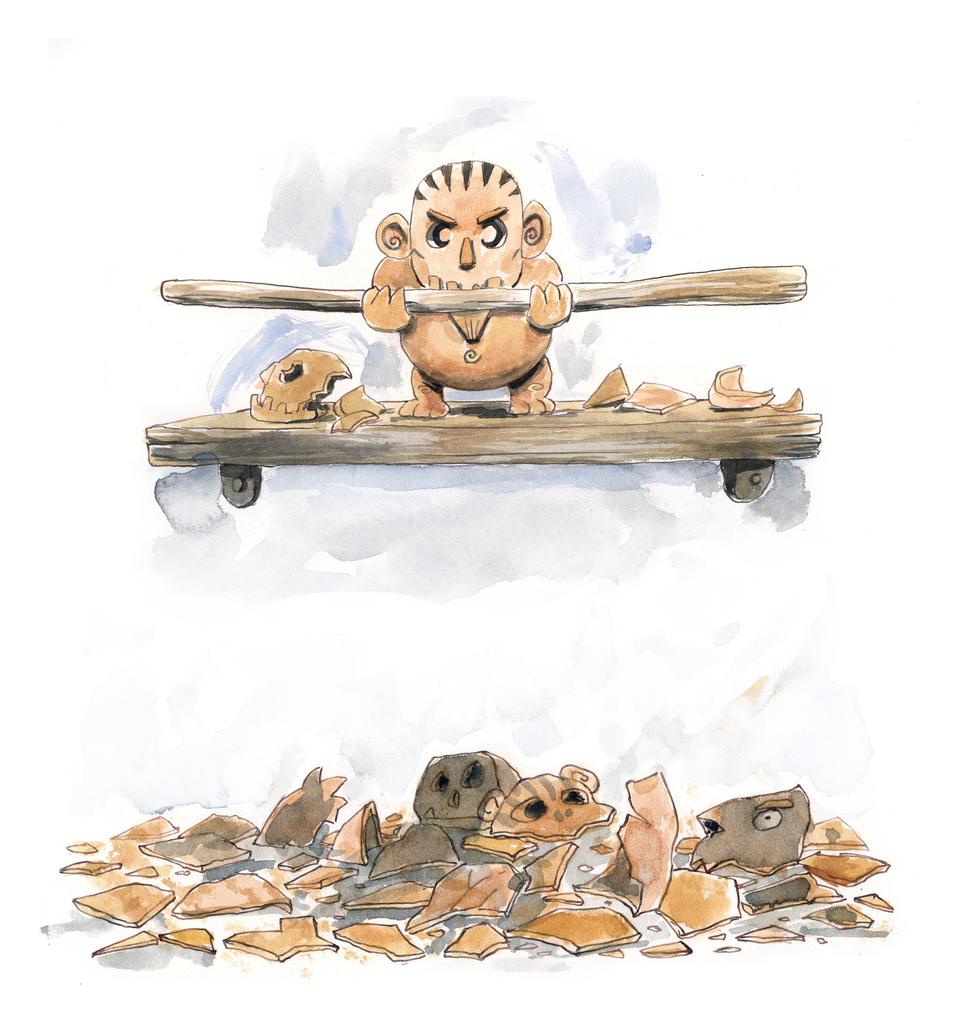
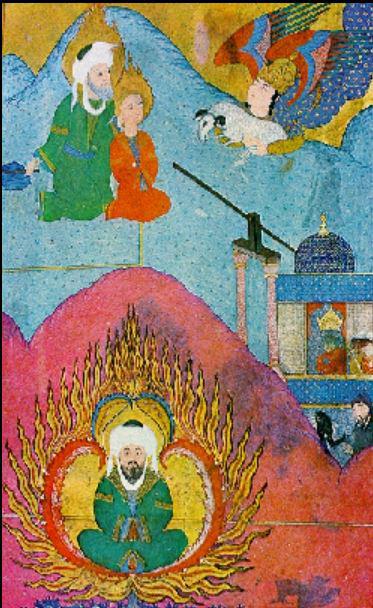
One of the richly illustrated manuscripts of the sixteenth century is the Zubdat-al Tawarikh in the Museum of Turkish and Islamic Arts in Istanbul, dedicated to Sultan Murad III in 1583. The manuscript contains forty miniatures of the finest quality reflecting the mature Ottoman court style of the latter part of the sixteenth century. Upper image: Abraham preparing to sacrifice Ishmael (Muslims believe that Ishmael not Isaac was almost sacrificed). The angel appears with the ram at right. Lower image: Abraham miraculously unharmed after being cast into fire, watched by Nimrod at the right.
51. We gave Abraham his integrity formerly, and We knew him well.
52. When he said to his father and his people, “What are these statues to which you are devoted?”
53. They said, “We found our parents worshiping them.”
54. He said, “You and your parents are in evident error.”
55. They said, “Are you telling us the truth, or are you just playing?”
56. He said, “Your Lord is the Lord of the heavens and the earth, the One who created them, and I bear witness to that.
57. "And by God, I have a plan for your idols - after ye go away and turn your backs"..
58. So he broke them to pieces, (all) but the biggest of them, that they might turn (and address themselves) to it.
59. They said, "Who has done this to our gods? He must indeed be some man of impiety!"
60. They said, "We heard a youth talk of them: He is called Abraham."
61. They said, "Then bring him before the eyes of the people, that they may bear witness."
62. They said, "Art thou the one that did this with our gods, O Abraham?"
63. He said: "Nay, this was done by - this is their biggest one! ask them, if they can speak intelligently!"
64. So they turned to themselves and said, "Surely ye are the ones in the wrong!"
65. Then were they confounded with shame: (they said), "Thou knowest full well that these (idols) do not speak!"
66. (Abraham) said, "Do ye then worship, besides God, things that can neither be of any good to you nor do you harm?
67. "Fie upon you, and upon the things that ye worship besides God! Have ye no
sense?"..
68. They said, "Burn him and protect your gods, If ye do (anything at all)!"
69. We said, "O Fire! be thou cool, and (a means of) safety for Abraham!"
70. Then they sought a stratagem against him: but We made them the ones that lost most!
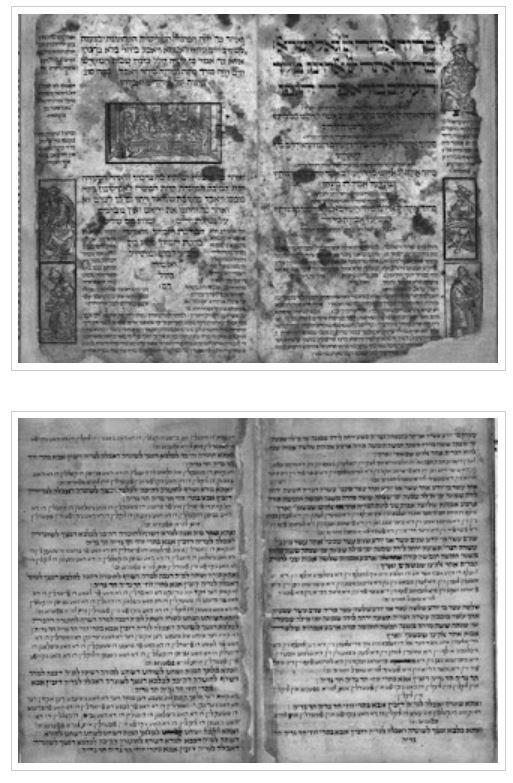
https://web.nli.org.il/sites/nlis/en/manuscript/pages/abraham_furnace.aspx
יש בכללן אחת וחמישים מצוות--שתי מצוות עשה, ותשע וארבעים מצוות לא תעשה; וזה הוא פרטן: (א) שלא לפנות אחר עבודה זרה; (ב) שלא לתור אחר הרהור הלב וראיית העיניים; (ג) שלא לגדף; (ד) שלא יעבוד אותה כדרך עבודתה; (ה) שלא ישתחווה לה; (ו) שלא לעשות פסל לעצמו; (ז) שלא לעשות פסל אפילו לאחרים; (ח) שלא לעשות צורות אפילו לנואי; (ט) שלא להדיח אחרים אחריה; (י) לשרוף עיר הנידחת; (יא) שלא לבנותה; (יב) שלא ליהנות מכל ממונה; (יג) שלא להסית יחיד לעובדה; (יד) שלא לאהוב המסית; (טו) שלא לעזוב שנאתו; (טז) שלא להצילו; (יז) שלא ללמד עליו זכות; (יח) שלא יימנע מללמד עליו חובה; (יט) שלא להתנבא בשמה; (כ) שלא לשמוע מן המתנבא בשמה; (כא) שלא להתנבא בשקר, ואפילו בשם יקוק; (כב) שלא לגור מהריגת נביא שקר; (כג) שלא לישבע בשם עבודה זרה; (כד) שלא לעשות אוב; (כה) שלא לעשות יידעוני; (כו) שלא להעביר למולך; (כז) שלא להקים מצבה; (כח) שלא להשתחוות על אבן משכית; (כט) שלא ליטע אשרה; (ל) לאבד עבודה זרה וכל הנעשה בשבילה; (לא) שלא ליהנות בעבודה זרה ובכל משמשיה; (לב) שלא ליהנות בציפויי נעבד; (לג) שלא לכרות ברית לעובדי עבודה זרה; (לד) שלא לחון עליהן; (לה) שלא יישבו בארצנו; (לו) שלא להידמות במנהגותם ובמלבושם; (לז) שלא לנחש; (לח) שלא לקסום; (לט) שלא לעונן; (מ) שלא לחבור חבר; (מא) שלא לדרוש אל המתים; (מב) שלא לשאול באוב; (מג) שלא לשאול ביידעוני; (מד) שלא לכשף; (מה) שלא להקיף פיאת ראש; (מו) שלא להשחית פיאת זקן; (מז) שלא יעדה איש עדי אישה; (מח) שלא תעדה אישה עדי איש; (מט) שלא לכתוב קעקע; (נ) שלא להתגודד; (נא) שלא לעשות קורחה על מת. וביאור כל המצוות האלו בפרקים אלו.
(א) בִימֵי אֱנוֹשׁ טָעוּ בְּנֵי הָאָדָם טָעוּת גָּדוֹל וְנִבְעֲרָה עֲצַת חַכְמֵי אוֹתוֹ הַדּוֹר וֶאֱנוֹשׁ עַצְמוֹ מִן הַטּוֹעִים הָיָה. וְזוֹ הָיְתָה טָעוּתָם. אָמְרוּ הוֹאִיל וְהָאֱלֹקִים בָּרָא כּוֹכָבִים אֵלּוּ וְגַלְגַּלִּים לְהַנְהִיג אֶת הָעוֹלָם וּנְתָנָם בַּמָּרוֹם וְחָלַק לָהֶם כָּבוֹד וְהֵם שַׁמָּשִׁים הַמְשַׁמְּשִׁים לְפָנָיו רְאוּיִין הֵם לְשַׁבְּחָם וּלְפָאֲרָם וְלַחֲלֹק לָהֶם כָּבוֹד. וְזֶהוּ רְצוֹן הָאֵל בָּרוּךְ הוּא לְגַדֵּל וּלְכַבֵּד מִי שֶׁגִּדְּלוֹ וְכִבְּדוֹ. כְּמוֹ שֶׁהַמֶּלֶךְ רוֹצֶה לְכַבֵּד הָעוֹמְדִים לְפָנָיו וְזֶהוּ כְּבוֹדוֹ שֶׁל מֶלֶךְ. כֵּיוָן שֶׁעָלָה דָּבָר זֶה עַל לִבָּם הִתְחִילוּ לִבְנוֹת לַכּוֹכָבִים הֵיכָלוֹת וּלְהַקְרִיב לָהֶן קָרְבָּנוֹת וּלְשַׁבְּחָם וּלְפָאֲרָם בִּדְבָרִים וּלְהִשְׁתַּחֲווֹת לְמוּלָם כְּדֵי לְהַשִּׂיג רְצוֹן הַבּוֹרֵא בְּדַעְתָּם הָרָעָה. וְזֶה הָיָה עִקַּר עֲבוֹדַת כּוֹכָבִים. וְכָךְ הָיוּ אוֹמְרִים עוֹבְדֶיהָ הַיּוֹדְעִים עִקָּרָהּ. לֹא שֶׁהֵן אוֹמְרִים שֶׁאֵין שָׁם אֱלוֹקַּ אֶלָּא כּוֹכָב זֶה.
הוּא שֶׁיִּרְמְיָהוּ אוֹמֵר מִי לֹא יִרָאֲךָ מֶלֶךְ הַגּוֹיִם כִּי לְךָ יָאָתָה כִּי בְכָל חַכְמֵי הַגּוֹיִם וּבְכָל מַלְכוּתָם מֵאֵין כָּמוֹךָ וּבְאַחַת יִבְעֲרוּ וְיִכְסָלוּ מוּסַר הֲבָלִים עֵץ הוּא.
כְּלוֹמַר הַכּל יוֹדְעִים שֶׁאַתָּה הוּא לְבַדְּךָ אֲבָל טָעוּתָם וּכְסִילוּתָם שֶׁמְּדַמִּים שֶׁזֶּה הַהֶבֶל רְצוֹנְךָ הוּא:
(ב) וְאַחַר שֶׁאָרְכוּ הַיָּמִים עָמְדוּ בִּבְנֵי הָאָדָם נְבִיאֵי שֶׁקֶר וְאָמְרוּ שֶׁהָאֵל צִוָּה וְאָמַר לָהֶם עִבְדוּ כּוֹכָב פְּלוֹנִי אוֹ כָּל הַכּוֹכָבִים וְהַקְרִיבוּ לוֹ וְנַסְּכוּ לוֹ כָּךְ וְכָךְ וּבְנוּ לוֹ הֵיכָל וַעֲשׂוּ צוּרָתוֹ כְּדֵי לְהִשְׁתַּחֲווֹת לוֹ כָּל הָעָם הַנָּשִׁים וְהַקְּטַנִּים וּשְׁאָר עַמֵּי הָאָרֶץ. וּמוֹדִיעַ לָהֶם צוּרָה שֶׁבָּדָה מִלִּבּוֹ וְאוֹמֵר זוֹ הִיא צוּרַת הַכּוֹכָב פְּלוֹנִי שֶׁהוֹדִיעוּהוּ בִּנְבוּאָתוֹ. וְהִתְחִילוּ עַל דֶּרֶךְ זוֹ לַעֲשׂוֹת צוּרוֹת בַּהֵיכָלוֹת וְתַחַת הָאִילָנוֹת וּבְרָאשֵׁי הֶהָרִים וְעַל הַגְּבָעוֹת וּמִתְקַבְּצִין וּמִשְׁתַּחֲוִים לָהֶם וְאוֹמְרִים לְכָל הָעָם שֶׁזּוֹ הַצּוּרָה מֵיטִיבָה וּמְרֵעָה וְרָאוּי לְעָבְדָהּ וּלְיִרְאָה מִמֶּנָּה. וְכֹהֲנֵיהֶם אוֹמְרִים לָהֶם שֶׁבַּעֲבוֹדָה זוֹ תִּרְבּוּ וְתַצְלִיחוּ וַעֲשׂוּ כָּךְ וְכָךְ וְאַל תַּעֲשׂוּ כָּךְ וְכָךְ. וְהִתְחִילוּ כּוֹזְבִים אֲחֵרִים לַעֲמֹד וְלוֹמַר שֶׁהַכּוֹכָב עַצְמוֹ אוֹ הַגַּלְגַּל אוֹ הַמַּלְאָךְ דִּבֵּר עִמָּהֶם וְאָמַר לָהֶם עִבְדוּנִי בְּכָךְ וְכָךְ וְהוֹדִיעַ לָהֶם דֶּרֶךְ עֲבוֹדָתוֹ וַעֲשׂוּ כָּךְ וְאַל תַּעֲשׂוּ כָּךְ. וּפָשַׁט דָּבָר זֶה בְּכָל הָעוֹלָם לַעֲבֹד אֶת הַצּוּרוֹת בַּעֲבוֹדוֹת מְשֻׁנּוֹת זוֹ מִזּוֹ וּלְהַקְרִיב לָהֶם וּלְהִשְׁתַּחֲווֹת. וְכֵיוָן שֶׁאָרְכוּ הַיָּמִים נִשְׁתַּכַּח הַשֵּׁם הַנִּכְבָּד וְהַנּוֹרָא מִפִּי כָּל הַיְקוּם וּמִדַּעְתָּם וְלֹא הִכִּירוּהוּ וְנִמְצְאוּ כָּל עַם הָאָרֶץ הַנָּשִׁים וְהַקְּטַנִּים אֵינָם יוֹדְעִים אֶלָּא הַצּוּרָה שֶׁל עֵץ וְשֶׁל אֶבֶן וְהַהֵיכָל שֶׁל אֲבָנִים שֶׁנִּתְחַנְּכוּ מִקַּטְנוּתָם לְהִשְׁתַּחֲווֹת לָהּ וּלְעָבְדָהּ וּלְהִשָּׁבַע בִּשְׁמָהּ. וְהַחֲכָמִים שֶׁהָיוּ בָּהֶם כְּגוֹן כֹּהֲנֵיהֶם וְכַיּוֹצֵא בָּהֶן מְדַמִּין שֶׁאֵין שָׁם אֱלוֹקַּ אֶלָּא הַכּוֹכָבִים וְהַגַּלְגַּלִּים שֶׁנַּעֲשׂוּ הַצּוּרוֹת הָאֵלּוּ בִּגְלָלָם וּלְדַמּוֹתָן. אֲבָל צוּר הָעוֹלָמִים לֹא הָיָה שׁוּם אָדָם שֶׁהָיָה מַכִּירוֹ וְלֹא יוֹדְעוֹ אֶלָּא יְחִידִים בָּעוֹלָם כְּגוֹן חֲנוֹךְ וּמְתוּשֶׁלַח נֹחַ שֵׁם וְעֵבֶר. וְעַל דֶּרֶךְ זֶה הָיָה הָעוֹלָם הוֹלֵךְ וּמִתְגַּלְגֵּל עַד שֶׁנּוֹלַד עַמּוּדוֹ שֶׁל עוֹלָם וְהוּא אַבְרָהָם אָבִינוּ:
(ג) כֵּיוָן שֶׁנִּגְמַל אֵיתָן זֶה הִתְחִיל לְשׁוֹטֵט בְּדַעְתּוֹ וְהוּא קָטָן וְהִתְחִיל לַחֲשֹׁב בַּיּוֹם וּבַלַּיְלָה וְהָיָה תָּמֵהַּ הֵיאַךְ אֶפְשָׁר שֶׁיִּהְיֶה הַגַּלְגַּל הַזֶּה נוֹהֵג תָּמִיד וְלֹא יִהְיֶה לוֹ מַנְהִיג וּמִי יְסַבֵּב אוֹתוֹ. כִּי אִי אֶפְשָׁר שֶׁיְּסַבֵּב אֶת עַצְמוֹ. וְלֹא הָיָה לוֹ מְלַמֵּד וְלֹא מוֹדִיעַ דָּבָר אֶלָּא מֻשְׁקָע בְּאוּר כַּשְׂדִּים בֵּין עוֹבְדֵי כּוֹכָבִים הַטִּפְּשִׁים וְאָבִיו וְאִמּוֹ וְכָל הָעָם עוֹבְדֵי כּוֹכָבִים וְהוּא עוֹבֵד עִמָּהֶם וְלִבּוֹ מְשׁוֹטֵט וּמֵבִין עַד שֶׁהִשִּׂיג דֶּרֶךְ הָאֱמֶת וְהֵבִין קַו הַצֶּדֶק מִתְּבוּנָתוֹ הַנְּכוֹנָה. וְיָדַע שֶׁיֵּשׁ שָׁם אֱלוֹקַּ אֶחָד וְהוּא מַנְהִיג הַגַּלְגַּל וְהוּא בָּרָא הַכּל וְאֵין בְּכָל הַנִּמְצָא אֱלוֹקַּ חוּץ מִמֶּנּוּ. וְיָדַע שֶׁכָּל הָעוֹלָם טוֹעִים וְדָבָר שֶׁגָּרַם לָהֶם לִטְעוֹת זֶה שֶׁעוֹבְדִים אֶת הַכּוֹכָבִים וְאֶת הַצּוּרוֹת עַד שֶׁאָבַד הָאֱמֶת מִדַּעְתָּם. וּבֶן אַרְבָּעִים שָׁנָה הִכִּיר אַבְרָהָם אֶת בּוֹרְאוֹ. כֵּיוָן שֶׁהִכִּיר וְיָדַע הִתְחִיל לְהָשִׁיב תְּשׁוּבוֹת עַל בְּנֵי אוּר כַּשְׂדִּים וְלַעֲרֹךְ דִּין עִמָּהֶם וְלוֹמַר שֶׁאֵין זוֹ דֶּרֶךְ הָאֱמֶת שֶׁאַתֶּם הוֹלְכִים בָּהּ וְשִׁבֵּר הַצְּלָמִים וְהִתְחִיל לְהוֹדִיעַ לָעָם שֶׁאֵין רָאוּי לַעֲבֹד אֶלָּא לֶאֱלוֹקַּ הָעוֹלָם וְלוֹ רָאוּי לְהִשְׁתַּחֲווֹת וּלְהַקְרִיב וּלְנַסֵּךְ כְּדֵי שֶׁיַּכִּירוּהוּ כָּל הַבְּרוּאִים הַבָּאִים. וְרָאוּי לְאַבֵּד וּלְשַׁבֵּר כָּל הַצּוּרוֹת כְּדֵי שֶׁלֹּא יִטְעוּ בָּהֶן כָּל הָעָם כְּמוֹ אֵלּוּ שֶׁהֵם מְדַמִּים שֶׁאֵין שָׁם אֱלוֹקַּ אֶלָּא אֵלּוּ. כֵּיוָן שֶׁגָּבַר עֲלֵיהֶם בִּרְאָיוֹתָיו בִּקֵּשׁ הַמֶּלֶךְ לְהָרְגוֹ וְנַעֲשָׂה לוֹ נֵס וְיָצָא לְחָרָן. וְהִתְחִיל לַעֲמֹד וְלִקְרֹא בְּקוֹל גָּדוֹל לְכָל הָעוֹלָם וּלְהוֹדִיעָם שֶׁיֵּשׁ שָׁם אֱלוֹקַּ אֶחָד לְכָל הָעוֹלָם וְלוֹ רָאוּי לַעֲבֹד. וְהָיָה מְהַלֵּךְ וְקוֹרֵא וּמְקַבֵּץ הָעָם מֵעִיר לְעִיר וּמִמַּמְלָכָה לְמַמְלָכָה עַד שֶׁהִגִּיעַ לְאֶרֶץ כְּנַעַן וְהוּא קוֹרֵא שֶׁנֶּאֱמַר (בראשית כא לג) "וַיִּקְרָא שָׁם בְּשֵׁם יקוק אֵל עוֹלָם". וְכֵיוָן שֶׁהָיוּ הָעָם מִתְקַבְּצִין אֵלָיו וְשׁוֹאֲלִין לוֹ עַל דְּבָרָיו הָיָה מוֹדִיעַ לְכָל אֶחָד וְאֶחָד כְּפִי דַּעְתּוֹ עַד שֶׁיַּחְזִירֵהוּ לְדֶרֶךְ הָאֱמֶת עַד שֶׁנִּתְקַבְּצוּ אֵלָיו אֲלָפִים וּרְבָבוֹת וְהֵם אַנְשֵׁי בֵּית אַבְרָהָם וְשָׁתַל בְּלִבָּם הָעִקָּר הַגָּדוֹל הַזֶּה וְחִבֵּר בּוֹ סְפָרִים וְהוֹדִיעוֹ לְיִצְחָק בְּנוֹ. וְיָשַׁב יִצְחָק מְלַמֵּד וּמַזְהִיר. וְיִצְחָק הוֹדִיעַ לְיַעֲקֹב וּמִנָּהוּ לְלַמֵּד וְיָשַׁב מְלַמֵּד וּמַחֲזִיק כָּל הַנִּלְוִים אֵלָיו. וְיַעֲקֹב אָבִינוּ לִמֵּד בָּנָיו כֻּלָּם וְהִבְדִּיל לֵוִי וּמִנָּהוּ רֹאשׁ וְהוֹשִׁיבוֹ בִּישִׁיבָה לְלַמֵּד דֶּרֶךְ הַשֵּׁם וְלִשְׁמֹר מִצְוַת אַבְרָהָם. וְצִוָּה אֶת בָּנָיו שֶׁלֹּא יַפְסִיקוּ מִבְּנֵי לֵוִי מְמֻנֶּה אַחַר מְמֻנֶּה כְּדֵי שֶׁלֹּא תִשָּׁכַח הַלִּמּוּד. וְהָיָה הַדָּבָר הוֹלֵךְ וּמִתְגַּבֵּר בִּבְנֵי יַעֲקֹב וּבַנִּלְוִים עֲלֵיהֶם וְנַעֲשֵׂית בָּעוֹלָם אֻמָּה שֶׁהִיא יוֹדַעַת אֶת יקוק. עַד שֶׁאָרְכוּ הַיָּמִים לְיִשְׂרָאֵל בְּמִצְרַיִם וְחָזְרוּ לִלְמֹד מַעֲשֵׂיהֶן וְלַעֲבֹד כּוֹכָבִים כְּמוֹתָן חוּץ מִשֵּׁבֶט לֵוִי שֶׁעָמַד בְּמִצְוַת אָבוֹת. וּמֵעוֹלָם לֹא עָבַד שֵׁבֶט לֵוִי עֲבוֹדַת כּוֹכָבִים. וְכִמְעַט קָט הָיָה הָעִקָּר שֶׁשָּׁתַל אַבְרָהָם נֶעֱקַר וְחוֹזְרִין בְּנֵי יַעֲקֹב לְטָעוּת הָעוֹלָם וּתְעִיּוֹתָן. וּמֵאַהֲבַת יקוק אוֹתָנוּ וּמִשָּׁמְרוֹ אֶת הַשְּׁבוּעָה לְאַבְרָהָם אָבִינוּ עָשָׂה משֶׁה רַבֵּנוּ רַבָּן שֶׁל כָּל הַנְּבִיאִים וּשְׁלָחוֹ. כֵּיוָן שֶׁנִּתְנַבֵּא משֶׁה רַבֵּנוּ וּבָחַר יקוק יִשְׂרָאֵל לְנַחֲלָה הִכְתִּירָן בְּמִצְוֹת וְהוֹדִיעָם דֶּרֶךְ עֲבוֹדָתוֹ וּמַה יִּהְיֶה מִשְׁפַּט עֲבוֹדַת כּוֹכָבִים וְכָל הַטּוֹעִים אַחֲרֶיהָ:
(1) In the days of Enosh, the sons of man erred exceedingly, the advice of the wise man of that generation was nullified, and even Enosh himself was among the victims of that folly. Their mistake was this: Seeing, said they, that God created these stars and planets to rule the world, that He placed them high above to share honors with them, for they are ministers who render service in his presence, it is proper that they be praised and glorified and honored, this is the will of God, to exalt and honor him whom He exalted and honored, even as a king desires to honor those who stand in his presence, for such is the honor of the king. As soon as this matter was rooted in their heart, they commenced to erect temples in honor of the stars, to offer sacrifices to them, to praise and glorify them in words, and bow down to them in order to reach the will of God by this evil idea. This was the groundwork for the worship of stars. Thus was the statement of its adherents who knew the principles thereof; not that they asserted that there was no God save a particular star. This is as Jeremiah says: "Who would not fear Thee, O King of the nations? For it befitted Thee; Forasmuch as among all the wise men of the nations, and in all their royalty, there is none like unto Thee. But they are altogether brutish and foolish; the vanities by which they are instructed are but a stock" (Jer. 10.7–8). As if saying: All know that Thou art Alone; but their mistake and foolishness is in supposing that this vanity is Thy will.
(2) In the long process of time, there arose among the sons of man false prophets, who asserted that God commanded them saying: "Worship yon star, or all of the stars, and offer sacrifices to it, and compound for it thus and such, and erect a temple for it, and hew its image so that all of the people, women and children and the rest of the populace included, bow down to it". He, moreover, describes for them a form which he invented and tells them that this was the image of yon star which was pointed out to him in his prophecy. In this manner they commenced to draw images in temples, beneath trees, upon mountain-tops and elevated places, where they congregated to bow down to them and sermonize to the people, saying: "This image has it in its power to do good and evil, and it is proper to worship it, and be in awe of it." Their priests, moreover, say unto them: "By this worship you will increase and succeed; do thus and such, but not that and this". Then still other frauds rose up to assert that the star itself, or the planet, or the angel spoke to them and instructed saying: "Worship me thus and such", and thereat made known to them the way to worship them, instructing them, "Do so but do not do so". In this manner this thing spread throughout the world, and the worship of images with varied ceremonies, to sacrifice to them and to bow down to them was inaugurated. After the lapse of a long time the Glorified and Awful Name was forgotten to be mentioned by the mouth of all substance and blotted out from their consciousness, so that they gave Him no recognition, as a consequence whereof all the people of the earth as well as women and little children knew not save the image of wood and stone, the stony temple wherein they were brought up from their infancy to bow down to it, to worship it and to swear by its name. As for their wise man, for example, their priests and their like, they supposed that there was no God save the stars and planets for whose sake, and in whose likeness, those images were made; but the Rock of Ages not a man was there to recognize Him or know Him, save some individuals in the whole world, for example, Enoch, Methuselah, Noah, Shem, and Eber. And, on this path the world continued its course of circuity until the birth of the firmest pillar of the world, Abraham our father.
(3) As soon as this giant was weaned he commenced to busy his mind, in his infancy he commenced to think by day and by night, and would encounter this enigma: How is it possible that this planet should continuously be in motion and have no leader—and who, indeed, causes it to revolve, it being impossible that it should revolve itself? Moreover, he neither had a teacher nor one to impart aught to him, for he was sunk in Ur of the Chaldeans among the foolish worshipers of stars, and his father, and his mother, like all the people, worshipped stars, and he, although following them in their worship, busies his heart and reflects until he attains the path of truth, and, by his correct thinking, he understood when he finally saw the line of righteousness. He knew that there is One God; He leads the planet; He created everything; and in all that is there is no god save He. He knew that the whole world was in error and that the thing which caused them to err was, that their worshipping the stars and the images brought about the loss of the truth from their consciousness. And, when Abraham was forty years old he recognized his Creator. After he came to this comprehension and knowledge he started to confute the sons of Ur of the Chaldeans, and to organize disputations with them, cautioning them, saying: "This is not the true path that you are following", and he destroyed the images, and commenced preaching to the people warning them that it is not right to worship any save the God of the universe, and unto Him alone it is right to bow down, to offer sacrifices, and compound offerings, so that the creatures of the future shall recognize Him. Moreover, it is right to destroy and break in pieces all of the images, so that the whole population of the future be not led to an error like unto these who imagine that there is no God save these images. When he had them subdued by his well supported contentions, the king tried to put him to death, but he was saved by a miracle, and went hence to Haran.
There he stood up anew and called out in a great voice to the whole world, to let them know that there is One God for the whole universe, and unto Him it is proper to render service. And thus he went onward with his proclamations from city to city, and from government to government, until he attained the land of Canaan amidst his outcry, even as it is said: "And called there on the name of the Lord, the Everlasting God" (Gen. 21.33). When the people who congregated about him asked him concerning his preachments, he replied by imparting knowledge to each and every one according to his mentality, to the end that he was able to turn him to the path of truth, until there congregated about him thousands, even tens of thousands, and they became the people of Abraham's household, in whose heart he implanted this great cause, concerning which he compiled books, and which he imparted to his son Isaac. Isaac, from his seat of learning, gave instructions and admonitions. And Isaac, in turn, imparted it to Jacob and appointed him head master, who, at his seat of learning, gave instructions and supported all who flocked to him. And Jacob our father instructed all his sons, but separated Levi and appointed him head master, and established him in a seat of learning where to instruct in the path of the Name and in the observance of the charges of Abraham. He, moreover, commanded his sons not to interrupt the succession of the sons of Levi to the presidency of the school so that the learning be not forgotten. So did the movement advance intensely among the sons of Jacob and their followers that the world saw a God-knowing nation called into existence, until Israel spent a long time in Egypt, when they turned to be instructed in their practice and to worship the stars as they did, save only the tribe of Levi, which remained faithful to their ancestorial charge; for the tribe of Levi at no time worshipped stars. Verily, in but a short space of time, the root which Abraham had planted would have been uprooted, and the sons of Jacob would have turned to the universal error and wandering; save because of the Lord's love for us, and because He observes the oath of covenant with Abraham our father, He appointed Moses our Master lord of all prophets, and made him His messenger. After Moses our Master was endowed with prophecy and the Lord chose Israel as an inheritance, He crowned them with commandments, and made known to them the way to serve Him, and what will be the judgment rendered against idolatry and all its erring devotees.3
On this reading Abraham undergoes an autodidact process, from the age of three to the age of forty. This inner process alienates him, teacherless, and fatherless, from his entire world. Then begins, literally, his iconoclastic phase, which in Rambam’s account is primarily a philosophical contesting of ideas in which Abraham defeats his opponents... His early development is characterized by a striking and repeated expression - ‘he began to wander in his mind [leshotet be da’ato].’ This suggests a freedom from the cognitive norms of his society, a kind of inner vagabondry, even while he maintains an outward conformism.
This chapter that we bring now does not include additional matter over and above what is comprised in the other chapters of this Treatise. It is only a kind of a conclusion, at the same time explaining the worship as practiced by one who has apprehended the true realities peculiar only to Him after he has obtained an apprehension of what He is; and it also guides him toward achieving this worship, which is the end of man, and makes known to him how providence watches over him in this habitation until he is brought over to the bundle of life.
I shall begin the discourse in this chapter with a parable that I shall compose for you. I say then:
The ruler is in his palace, and all his subjects are partly within the city and partly outside the city.
Of those who are within the city, some have turned their backs upon the ruler's habitation, their faces being turned another way.
Others seek to reach the ruler's habitation, turn toward it, and desire to enter it and to stand before him, but up to now they have not yet seen the wall of the habitation.
Some of those who seek to reach it have come up to the habitation and walked around it searching for its gate.
Some of them have entered the gate and walked about in the antechambers.
Some of them have entered the inner court of the habitation and have come to be with the king, in one and the same place with him, namely, in the ruler's habitation. But their having come into the inner part of the habitation does not mean that they see the ruler or speak to him. For after their coming into the inner part of the habitation, it is indispensable that they should make another effort; then they will be in the presence of the ruler, see him from afar or from nearby, or hear the ruler's speech or speak to him.
Now I shall interpret to you this parable that I have invented. I say then: Those who are outside the city are all human individuals who have no doctrinal belief, neither one based on speculation nor one that accepts the authority of tradition: such individuals as found in the remote North, the remote South, and those who resemble them from among them that are with us in these climes. The status of those is like that of irrational animals. To my mind they do not have the rank of men, but have among the beings a rank lower than the rank of man but higher than the ram or the apes. For they have the external shape and lineaments of a man and a faculty of discernment that is superior to that of the apes.
Those who are within the city, but have turned their backs upon the ruler's habitation, are people who have opinions and are engaged in speculation, but who have adopted incorrect opinions either because of some great error that befell them in the course of their speculation or because of their following the traditional authority of one who had fallen into error. Accordingly, because of these opinions, the more these people walk, the greater is their distance from the ruler's habitation. And they are far worse than the first. They are those whom necessity at certain times impels one to kill and blot out the traces of their opinions lest they should lead astray the ways of others.
Those who seek to reach the ruler's habitation and enter it, but never see the ruler's habitation, are the multitude of the adherents of the Law, I refer to the ignoramuses who observe the commandments.
Those who have come up to the habitation and walked around it are the jurists who believe true opinions on the basis of traditional authority and study the law concerning the practices of divine service, but do not engage in speculation concerning the fundamental principles of religion and make no inquiry whatever regarding the rectification of belief.
Those who have plunged into speculation concerning the fundamental principles of religion, have entered the antechambers. People there indubitably have different ranks. He, however, who has achieved demonstration, to the extent that that is possible, of everything that may be demonstrated; and who has ascertained in divine matters, to the extent that that is possible, everything that may be ascertained; and who has come close to certainty in those matters in which one can only come close to it, has come to be with the ruler in the inner part of the habitation.
Know, my son, that as long as you are engaged in studying the mathematical sciences and the art of logic, you are one of those who walk around the house searching for its gate, as [the Sages], may their memory be blessed, have said resorting to a parable: Ben Zoma is still outside. If, however, you have understood the natural things, you have entered the habitation and are walking in the antechambers.
If, however, you have achieved perfection in the natural things and have understood divine science, you have entered into the ruler's inner court and are with him in one habitation.
(ו) מָשָׁל לְמִדַּת הַדִּין, לִרְחִימָתָא, דְּאִיהִי (צ''ה ע''א) שַׁפִּירְתָּא בְּחֵיזוּ, וּשְׁפִירְתָּא בְּרֵיוָא, וְאִיהִי טְמִירְתָּא בִּטְמִירוּ גּוֹ הֵיכָלָא דִּילָהּ, וְאִית לָהּ רְחִימָא יְחִידָאָה, דְּלָא יַדְעִין בֵּיהּ בְּנֵי נָשָׁא, אֶלָּא אִיהוּ בִּטְמִירוּ. הַהוּא רְחִימָא, מִגּוֹ רְחִימָא דְּרָחִים לָהּ עָבַר לִתְרַע בֵּיתָה תָּדִיר, זָקִיף עֵינוֹי לְכָל סְטָר. אִיהִי, יַדְעַת דְּהָא רְחִימָא אַסְחַר תְּרַע בֵּיתָה תָּדִיר, מָה עַבְדַת, פָּתְחַת פִּתְחָא זְעֵירָא בְּהַהוּא הֵיכָלָא טְמִירָא, דְּאִיהִי תַּמָּן, וּגְלִיאַת אַנְפָּהָא לְגַבֵּי רְחִימְאָה, וּמִיָּד אִתְהַדְּרַת וְאִתְכַּסִיאַת. כָּל אִינּוּן דַּהֲווֹ לְגַבֵּי רְחִימָא, לָא חָמוּ וְלָא אִסְתַּכָּלוּ, בַּר רְחִימָא בִּלְחוֹדוֹי, וּמֵעוֹי וְלִבֵּיהּ וְנַפְשֵׁיהּ אָזְלוּ אֲבַתְרָהּ. וְיָדַע דְּמִגּוֹ רְחִימוּ דִּרְחִימָת לֵיהּ, אִתְגְּלִיאַת לְגַבֵּיהּ רִגְעָא חֲדָא, לְאִתְּעָרָא (ס''א לגביה רחימו ליה). הָכִי הוּא מִלָּה דְּאוֹרַיְיתָא, לָא (ר''ל ע''ב) אִתְגְּלִיאַת, אֶלָּא לְגַבֵּי רְחִימְאָה. יַדְעַת אוֹרַיְיתָא, דְּהַהוּא חַכִּימָא דְּלִבָּא אַסְחַר לִתְרַע בֵּיתָה כָּל יוֹמָא, מָה עַבְדַת, גְּלִיאַת אַנְפָּהָא לְגַבֵּיהּ, מִגּוֹ הֵיכָלָא, וְאַרְמִיזַת לֵיהּ רְמִיזָא, וּמִיָּד אָהַדְרַת לְאַתְרָהּ וְאִתְטַמְּרַת. כָּל אִינּוּן דְּתַמָּן, לָא יַדְעֵי, וְלָא מִסְתַּכְּלֵי, אֶלָּא אִיהוּ בִּלְחוֹדוֹי, וּמֵעוֹי וְלִבֵּיהּ וְנַפְשֵׁיהּ אָזִיל אֲבַתְרָהּ. וְעַל דָּא, אוֹרַיְיתָא אִתְגְּלִיאַת וְאִתְכַּסִּיאַת, וְאַזְלַת בִּרְחִימוּ לְגַבֵּי רְחִימְהָא, לְאִתְּעָרָא בַּהֲדֵיהּ רְחִימוּ.
Moses de Leon 1240-1305
A parable. What can this [the Torah] be likened to? To a most beautiful noble woman, concealed in the interior chamber of her palace, who has a secret lover known to none other. Because of his love for her he constantly goes by her gate, spying here and there looking for her everywhere. She knows that her beloved frequents the house gate. What does she do? She opens for a moment a secret window of her chamber and is seen by him alone, and then withdraws herself immediately and disappears. If she were to see anyone else accompanying her beloved, he would see and perceive nothing at all. He is the only one who sees her, and he is attracted to her in his heart and soul and in his entire being, and he is well aware that out of love for him, on fire for love of him, she revealed herself to him for a brief moment. Thus it is with the word of the Torah, she who shows herself only to her lovers. The Torah knows that the wise of heart frequents her gate daily. What does she do? Inside her concealed palace she shows her face and hintingly beckons with a hint [more literally, hints with a hint, רמיזא ליה וארמיזת ,[immediately returning to her palace to hide. The inhabitants of the palace see and know nothing, only he sees and knows who is attracted to her in his heart and soul and in his entire being. In this way the Torah reveals and conceals herself, going out with love to her lover, arousing love within him. Come and see, this is how the Torah acts. In the beginning, when she desires to show herself to someone, she hintingly beckons with a hint (literally, hints with a hint; = רמז ,remez = allegorical sense). If he understands it, then excellent. If he does not understand, she dispatches a message to him calling him an idiot. The Torah tells the messenger he dispatches to him: “Inform the idiot to come so that I may speak with him.” As it is written: “Whoso is thoughtless, let him turn in hither’; as for him that lacketh understanding, she saith to him” [Proverbs 9:4]. When [after receiving her message] he visits her, she begins to speak words, on the level of his understanding, from behind a curtain, until insight gradually dawns upon him, and this is called derashah (= דרוש ,midrashic, homiletic sense). Then she speaks with him with her face concealed by a thin veil, and this is the language of enigma known as haggadah (= הגדה ,symbolical sense). Only after this process of growing accustomed to her company will she finally show herself face to face (cf. סוד ,sod = esoteric, hidden sense) and tell him all the innermost secrets that had been in her heart from the very beginning (of their meeting with each other). A man like this is called “perfect,” a “master,” in the sense of “bridegroom of the Torah” in the most exact meaning, the “master of the house,” to whom she reveals all of her secrets, holding nothing back. She speaks to him: “Now do you realize the many mysteries, this one and that one, which were within that word, that hint (רמיזא = remez) that I hintingly (רמיזנא דקא דרמיזא (beckoned you with at the first?” At this point he understands that truly nothing is allowed to be added or to be taken away from those words. And then (he knows) the literal sense (פשטיה = peshat), precisely as it is, that not a single iota or letter is to be added or taken away.
Four levels of meaning are delineated: remizu, “sign”; derashah, “homily”; hidah, “allegory,” or haggadah, “narrative”; and razin setimin, “hidden mysteries.” These four levels are presented sequentially as stages of ever‐increasing disclosure: In the first meaning is offered through the barrier of the wall, in the second from behind a curtain, in the third through a more subtle veil, and, finally, in the fourth the reader encounters the text face to face, which, in the zoharic vernacular, signifies union of a most intimate and erotic sort. When the Torah removes her veil and exposes her face fully to her lover, he comes to realize that the secret was already present in the first stage when the initial hint was offered. At that moment he understands that peshatei dikera’, the literal sense of the text—the text in its literal embodiment, the mien of the letters— must be as it is, no word added or subtracted, precisely in accord with the halakhic ruling. To discern the initial insinuation at the end confirms the point that the secret can be seen only through the garment of the letters, the body of the text, the face unmasked in effacing the mask. The uncovering of the innermost meaning at the culmination of the journey is thus a recovery of the overt sense disclosed in the beginning.

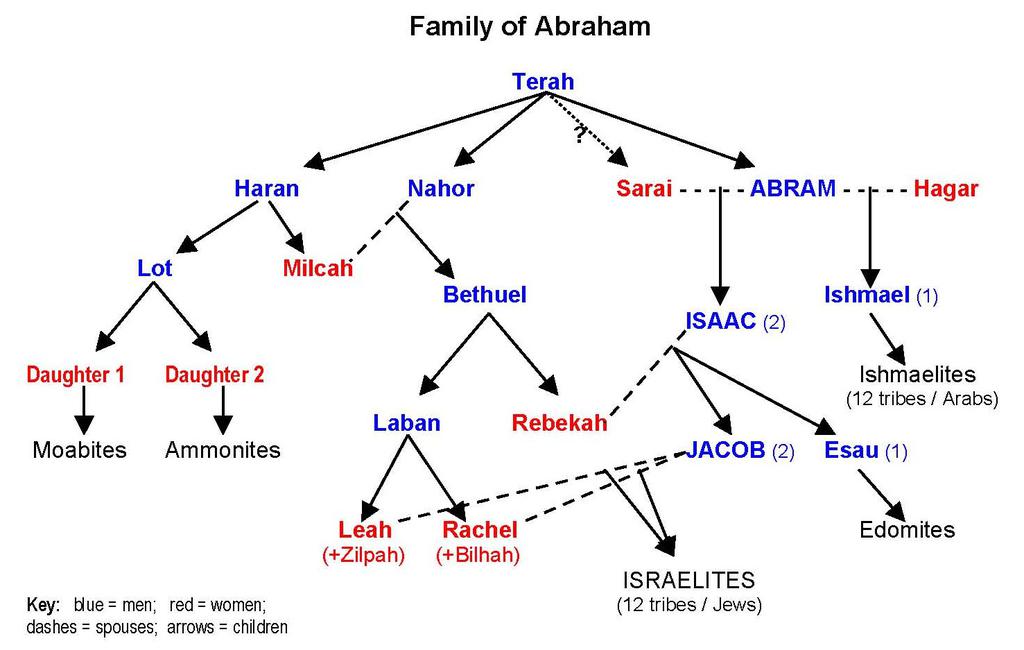
1 According to the Rabbis, Iscah was Sarah. Now Abram was ten years older than Sarah (v. xvn, 17); since he was two years older then Haran, Sarah's father, Sarah was bom when Haran was only eight years old. Again, she was his second daughter, and since the period of pregnancy and child-bearing is roughly a year for each child, Haran must have been six years old when he begot a child, i.e. when his wife conceived by him. The point of the difficulty, * and yet you say that Abram could not beget child/ is not clear, -iht^k *arn mvu says: If Haran, an unbeliever, could beget children at such an early age, surely it should have been granted to Abram to beget children ! The Midrash answers that the fault was not in Abram but in Sarai, who was barren, nsrn ,, -p gives a rather more plausible explanation which, however, does not fit in so well with the text.
You who bore no child!
Shout aloud for joy,
You who did not travail!
For the children of the wife forlorn
Shall outnumber those of the espoused
—said the LORD.