Save "Kings II; Perek 3 - MeshaBased on II Kings: In a Whirlwind by Rav Alex Israel"
Kings II; Perek 3 - Mesha Based on II Kings: In a Whirlwind by Rav Alex Israel

(ז) וַיֵּ֡לֶךְ וַיִּשְׁלַח֩ אֶל־יְהוֹשָׁפָ֨ט מֶלֶךְ־יְהוּדָ֜ה לֵאמֹ֗ר מֶ֤לֶךְ מוֹאָב֙ פָּשַׁ֣ע בִּ֔י הֲתֵלֵ֥ךְ אִתִּ֛י אֶל־מוֹאָ֖ב לַמִּלְחָמָ֑ה וַיֹּ֣אמֶר אֶֽעֱלֶ֔ה כָּמ֧וֹנִי כָמ֛וֹךָ כְּעַמִּ֥י כְעַמֶּ֖ךָ כְּסוּסַ֥י כְּסוּסֶֽיךָ׃

(7) At the same time, he sent this message to King Jehoshaphat of Judah: “The king of Moab has rebelled against me; will you come with me to make war on Moab?” He replied, “I will go. I will do what you do: my troops shall be your troops, my horses shall be your horses.”

(ד) וַיֹּ֙אמֶר֙ אֶל־יְה֣וֹשָׁפָ֔ט הֲתֵלֵ֥ךְ אִתִּ֛י לַמִּלְחָמָ֖ה רָמֹ֣ת גִּלְעָ֑ד וַיֹּ֤אמֶר יְהֽוֹשָׁפָט֙ אֶל־מֶ֣לֶךְ יִשְׂרָאֵ֔ל כָּמ֧וֹנִי כָמ֛וֹךָ כְּעַמִּ֥י כְעַמֶּ֖ךָ כְּסוּסַ֥י כְּסוּסֶֽיךָ׃

(4) And he said to Jehoshaphat, “Will you come with me to battle at Ramoth-gilead?” Jehoshaphat answered the king of Israel, “I will do what you do; my troops shall be your troops, my horses shall be your horses.”
(ח) וַיֹּ֕אמֶר אֵי־זֶ֥ה הַדֶּ֖רֶךְ נַעֲלֶ֑ה וַיֹּ֕אמֶר דֶּ֖רֶךְ מִדְבַּ֥ר אֱדֽוֹם׃
(8) And he asked, “Which route shall we take?” [Jehoram] replied, “The road through the wilderness of Edom.”
(ה) וַיֹּ֥אמֶר יְהוֹשָׁפָ֖ט אֶל־מֶ֣לֶךְ יִשְׂרָאֵ֑ל דְּרׇשׁ־נָ֥א כַיּ֖וֹם אֶת־דְּבַ֥ר יְהֹוָֽה׃
(5) But Jehoshaphat said further to the king of Israel, “Please, first inquire of the LORD.”

(י) וַיֹּ֖אמֶר מֶ֣לֶךְ יִשְׂרָאֵ֑ל אֲהָ֕הּ כִּי־קָרָ֣א יְהֹוָ֗ה לִשְׁלֹ֙שֶׁת֙ הַמְּלָכִ֣ים הָאֵ֔לֶּה לָתֵ֥ת אוֹתָ֖ם בְּיַד־מוֹאָֽב׃ {ס} (יא) וַיֹּ֣אמֶר יְהוֹשָׁפָ֗ט הַאֵ֨ין פֹּ֤ה נָבִיא֙ לַיהֹוָ֔ה וְנִדְרְשָׁ֥ה אֶת־יְהֹוָ֖ה מֵאוֹת֑וֹ וַ֠יַּ֠עַן אֶחָ֞ד מֵעַבְדֵ֤י מֶֽלֶךְ־יִשְׂרָאֵל֙ וַיֹּ֔אמֶר פֹּ֚ה אֱלִישָׁ֣ע בֶּן־שָׁפָ֔ט אֲשֶׁר־יָ֥צַק מַ֖יִם עַל־יְדֵ֥י אֵלִיָּֽהוּ׃

(10) “Alas!” cried the king of Israel. “The LORD has brought these three kings together only to deliver them into the hands of Moab.” (11) But Jehoshaphat said, “Isn’t there a prophet of the LORD here, through whom we may inquire of the LORD?” One of the courtiers of the king of Israel spoke up and said, “Elisha son of Shaphat, who poured water on the hands of-b Elijah, is here.”

Was Yehoram an idolater?

וַיַּעֲשֶׂ֤ה הָרַע֙ בְּעֵינֵ֣י יְהֹוָ֔ה רַ֕ק לֹ֥א כְאָבִ֖יו וּכְאִמּ֑וֹ וַיָּ֙סַר֙ אֶת־מַצְּבַ֣ת הַבַּ֔עַל אֲשֶׁ֥ר עָשָׂ֖ה אָבִֽיו׃
He did what was displeasing to the LORD, yet not like his father and mother, for he removed the pillars of Baal that his father had made.

וַיֹּ֨אמֶר אֱלִישָׁ֜ע אֶל־מֶ֤לֶךְ יִשְׂרָאֵל֙ מַה־לִּ֣י וָלָ֔ךְ לֵ֚ךְ אֶל־נְבִיאֵ֣י אָבִ֔יךָ וְאֶל־נְבִיאֵ֖י אִמֶּ֑ךָ וַיֹּ֤אמֶר לוֹ֙ מֶ֣לֶךְ יִשְׂרָאֵ֔ל אַ֗ל כִּֽי־קָרָ֤א יְהֹוָה֙ לִשְׁלֹ֙שֶׁת֙ הַמְּלָכִ֣ים הָאֵ֔לֶּה לָתֵ֥ת אוֹתָ֖ם בְּיַד־מוֹאָֽב׃

Elisha said to the king of Israel, “What have you to do with me? Go to your father’s prophets or your mother’s prophets.” But the king of Israel said, “Don’t [say that], for the LORD has brought these three kings together only to deliver them into the hands of Moab.”

The path to war

וַיֵּ֩לֶךְ֩ מֶ֨לֶךְ יִשְׂרָאֵ֤ל וּמֶֽלֶךְ־יְהוּדָה֙ וּמֶ֣לֶךְ אֱד֔וֹם וַיָּסֹ֕בּוּ דֶּ֖רֶךְ שִׁבְעַ֣ת יָמִ֑ים וְלֹא־הָיָ֨ה מַ֧יִם לַֽמַּחֲנֶ֛ה וְלַבְּהֵמָ֖ה אֲשֶׁ֥ר בְּרַגְלֵיהֶֽם׃
So the king of Israel, the king of Judah, and the king of Edom set out, and they marched for seven days until they rounded [the tip of the Dead Sea]; and there was no water left for the army or for the animals that were with them.

Music and prophesy

(טו) וְעַתָּ֖ה קְחוּ־לִ֣י מְנַגֵּ֑ן וְהָיָה֙ כְּנַגֵּ֣ן הַֽמְנַגֵּ֔ן וַתְּהִ֥י עָלָ֖יו יַד־יְהֹוָֽה׃
(15) Now then, get me a musician.”
As the musician played, the hand of the LORD came upon him,

(ה) אַ֣חַר כֵּ֗ן תָּבוֹא֙ גִּבְעַ֣ת הָאֱלֹהִ֔ים אֲשֶׁר־שָׁ֖ם נְצִבֵ֣י פְלִשְׁתִּ֑ים וִיהִי֩ כְבֹאֲךָ֨ שָׁ֜ם הָעִ֗יר וּפָגַעְתָּ֞ חֶ֤בֶל נְבִאִים֙ יֹרְדִ֣ים מֵהַבָּמָ֔ה וְלִפְנֵיהֶ֞ם נֵ֤בֶל וְתֹף֙ וְחָלִ֣יל וְכִנּ֔וֹר וְהֵ֖מָּה מִֽתְנַבְּאִֽים׃

(5) After that, you are to go on to the Hill-d of God, where the Philistine prefects reside. There, as you enter the town, you will encounter a band of prophets coming down from the shrine, preceded by lyres, timbrels, flutes, and harps, and they will be speaking in ecstasy.-e

(ד) כָּל הַנְּבִיאִים אֵין מִתְנַבְּאִין בְּכָל עֵת שֶׁיִּרְצוּ אֶלָּא מְכַוְּנִים דַּעְתָּם וְיוֹשְׁבִים שְׂמֵחִים וְטוֹבֵי לֵב וּמִתְבּוֹדְדִים. שֶׁאֵין הַנְּבוּאָה שׁוֹרָה לֹא מִתּוֹךְ עַצְבוּת וְלֹא מִתּוֹךְ עַצְלוּת אֶלָּא מִתּוֹךְ שִׂמְחָה. לְפִיכָךְ בְּנֵי הַנְּבִיאִים לִפְנֵיהֶם נֵבֶל וְתֹף וְחָלִיל וְכִנּוֹר וְהֵם מְבַקְּשִׁים הַנְּבוּאָה. וְזֶהוּ שֶׁנֶּאֱמַר (שמואל א י ה) "וְהֵמָּה מִתְנַבְּאִים" כְּלוֹמַר מְהַלְּכִין בְּדֶרֶךְ הַנְּבוּאָה עַד שֶׁיִּנָּבְאוּ כְּמוֹ שֶׁאַתָּה אוֹמֵר פְּלוֹנִי מִתְגַּדֵּל:

(4) All the prophets do not prophesy every time they may desire, but they must prepare their minds, rest in a state of exultation and hearty contentment, and in undisturbed solitude; for, prophecy does not rest upon any prophet either when he is in a state of melancholy or in a state of indolence, but when he is in a state of delightfulness. Therefore, the disciples of the prophets had before them the harp, the timbrel, the flute and the violin when they were seeking the spirit of prophecy, whereof it is said: "And they strove to prophecy" (I Sam. 10.5), meaning, they followed the path of prophecy until they did prophesy, as one says: "Yonder is one aspiring to become great."

Water

(טז) וַיֹּ֕אמֶר כֹּ֖ה אָמַ֣ר יְהֹוָ֑ה עָשֹׂ֛ה הַנַּ֥חַל הַזֶּ֖ה גֵּבִ֥ים ׀ גֵּבִֽים׃ (יז) כִּי־כֹ֣ה ׀ אָמַ֣ר יְהֹוָ֗ה לֹא־תִרְא֥וּ ר֙וּחַ֙ וְלֹא־תִרְא֣וּ גֶ֔שֶׁם וְהַנַּ֥חַל הַה֖וּא יִמָּ֣לֵא מָ֑יִם וּשְׁתִיתֶ֛ם אַתֶּ֥ם וּמִקְנֵיכֶ֖ם וּֽבְהֶמְתְּכֶֽם׃
(16) and he said, “Thus said the LORD: This wadi shall be full of pools. (17) For thus said the LORD: You shall see no wind, you shall see no rain, and yet the wadi shall be filled with water; and you and your cattle and your pack animals shall drink.

Waging war

(יט) וְהִכִּיתֶ֞ם כׇּל־עִ֤יר מִבְצָר֙ וְכׇל־עִ֣יר מִבְח֔וֹר וְכׇל־עֵ֥ץ טוֹב֙ תַּפִּ֔ילוּ וְכׇל־מַעְיְנֵי־מַ֖יִם תִּסְתֹּ֑מוּ וְכֹל֙ הַחֶלְקָ֣ה הַטּוֹבָ֔ה תַּכְאִ֖בוּ בָּאֲבָנִֽים׃
(19) You shall conquer every fortified town and every splendid city; you shall fell every good tree and stop up all wells of water; and every fertile field you shall ruin with stones.”
(כה) וְהֶעָרִ֣ים יַהֲרֹ֡סוּ וְכׇל־חֶלְקָ֣ה ט֠וֹבָ֠ה יַשְׁלִ֨יכוּ אִישׁ־אַבְנ֜וֹ וּמִלְא֗וּהָ וְכׇל־מַעְיַן־מַ֤יִם יִסְתֹּ֙מוּ֙ וְכׇל־עֵֽץ־ט֣וֹב יַפִּ֔ילוּ עַד־הִשְׁאִ֧יר אֲבָנֶ֛יהָ בַּקִּ֖יר חֲרָ֑שֶׂת וַיָּסֹ֥בּוּ הַקַּלָּעִ֖ים וַיַּכּֽוּהָ׃
(25) and they destroyed the towns. Every man threw a stone into each fertile field, so that it was covered over; and they stopped up every spring and felled every fruit tree. Only the walls of-e Kir-hareseth were left, and then the slingers surrounded it and attacked it.
(יט) כִּֽי־תָצ֣וּר אֶל־עִיר֩ יָמִ֨ים רַבִּ֜ים לְֽהִלָּחֵ֧ם עָלֶ֣יהָ לְתׇפְשָׂ֗הּ לֹֽא־תַשְׁחִ֤ית אֶת־עֵצָהּ֙ לִנְדֹּ֤חַ עָלָיו֙ גַּרְזֶ֔ן כִּ֚י מִמֶּ֣נּוּ תֹאכֵ֔ל וְאֹת֖וֹ לֹ֣א תִכְרֹ֑ת כִּ֤י הָֽאָדָם֙ עֵ֣ץ הַשָּׂדֶ֔ה לָבֹ֥א מִפָּנֶ֖יךָ בַּמָּצֽוֹר׃
(19) When in your war against a city you have to besiege it a long time in order to capture it, you must not destroy its trees, wielding the ax against them. You may eat of them, but you must not cut them down. Are trees of the field human to withdraw before you into the besieged city?
וְכָל עֵץ טוֹב תַּפִּילוּ. אַף עַל פִּי שֶׁנֶּאֱמַר: לֹא תַשְׁחִית אֶת עֵצָהּ, כָּאן הִתִּיר לָכֶם, שֶׁהִיא אֻמָּה בְּזוּיָה וְנִקְלֵית לְפָנָיו, וְכֵן הוּא אוֹמֵר: לֹא תִדְרשׁ שְׁלוֹמָם וְטוֹבָתָם, אֵלּוּ הָאִילָנוֹת הַטּוֹבִים שֶׁבָּהֶם.
And every valuable tree you will chop down. Even though it is stated, “Do not harm any of its trees,” here He permitted it for you, for this is a contemptible and insignificant nation before Him. And so Scripture states, “You shall not pursue their peace and their benefit,” [i.e.,] these are the good trees that are among them.

History

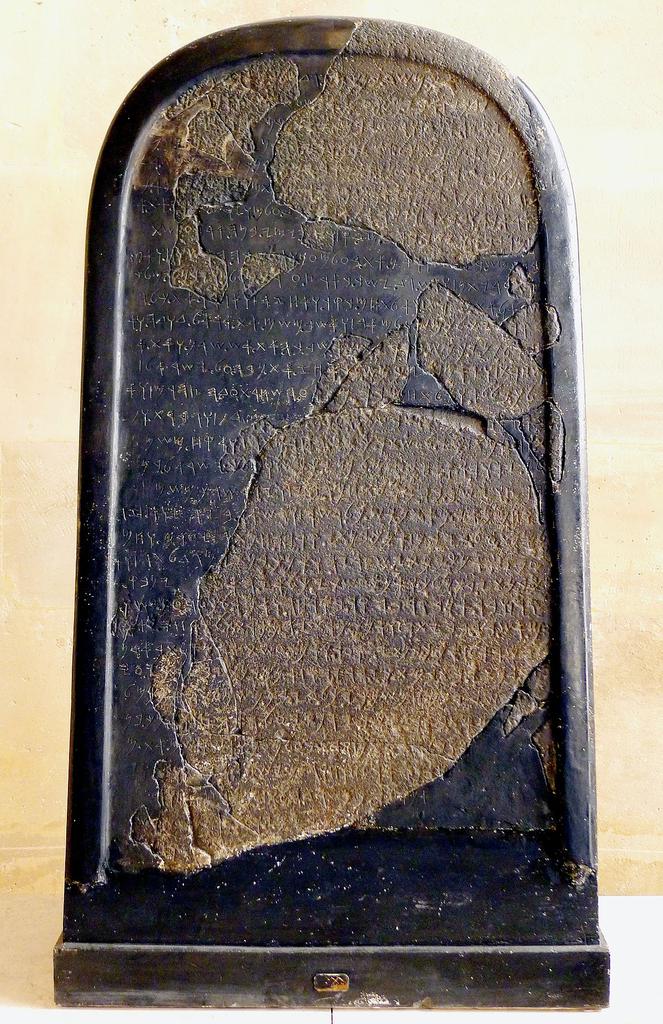
The Mesha Stele, also known as the Moabite Stone, is a stele dated around 840 BCE containing a significant Canaanite inscription in the name of King Mesha of Moab (a kingdom located in modern Jordan). Mesha tells how Chemosh, the god of Moab, had been angry with his people and had allowed them to be subjugated to Israel, but at length, Chemosh returned and assisted Mesha to throw off the yoke of Israel and restore the lands of Moab. Mesha describes his many building projects.[1] It is written in a variant of the Phoenician alphabet, closely related to the Paleo-Hebrew script.[2][3]
The stone was discovered intact by Frederick Augustus Klein, an Anglican missionary, at the site of ancient Dibon (now Dhiban, Jordan), in August 1868. Klein was led to it by Emir Sattam Al-Fayez, son of the Bani Sakhr King Fendi Al-Fayez,[4] although neither of them could read the text.[5] At that time, amateur explorers and archaeologists were scouring the Levant for evidence proving the historicity of the Bible. News of the finding set off a race between France, Britain, and Germany to acquire the piece. A "squeeze" (a papier-mâché impression) had been obtained by a local Arab on behalf of Charles Simon Clermont-Ganneau, an archaeologist based in the French consulate in Jerusalem. The next year, the stele was smashed into several fragments by the Bani Hamida tribe, seen as an act of defiance against the Ottoman authorities who had pressured the Bedouins to hand over the stele so that it could be given to Germany. Clermont-Ganneau later managed to acquire the fragments and piece them together thanks to the impression made before the stele's destruction.[6]
The Mesha Stele, the first major epigraphic Canaanite inscription found in the region of Palestine,[7] the longest Iron Age inscription ever found in the region, constitutes the major evidence for the Moabite language, and is a "corner-stone of Semitic epigraphy",[8] and history.[9] The stele, whose story parallels, with some differences, an episode in the Bible's Books of Kings (2 Kings 3:4–28), provides invaluable information on the Moabite language and the political relationship between Moab and Israel at one moment in the 9th century BCE.[10] It is the most extensive inscription ever recovered that refers to the kingdom of Israel (the "House of Omri");[11] it bears the earliest certain extrabiblical reference to the Israelite god Yahweh.[5][11] It is also one of four known contemporary inscriptions containing the name of Israel, the others being the Merneptah Stele, the Tel Dan Stele, and the Kurkh Monolith.[12][13][14] Its authenticity has been disputed over the years, and some biblical minimalists suggest the text was not historical, but a biblical allegory. The stele itself is regarded as genuine and historical by the vast majority of biblical archaeologists today.[15]
The stele has been part of the collection of the Louvre Museum in Paris, France, since 1873
Parallel to 2 Kings 3[edit]
The inscription seems to parallel an episode in 2 Kings 3: Jehoram of Israel makes an alliance with Jehoshaphat king of Judah and an unnamed king of Edom (south of Judah) to put down his rebellious vassal Mesha; the three kings have the best of the campaign until Mesha, in desperation, sacrifices to his god Chemosh either his eldest son or the eldest son of the king of Edom; the sacrifice turns the tide, "there came great wrath against Israel", and Mesha apparently achieves victory. This apparent correspondence is the basis of the usual dating of the inscription to about 840 BCE, but André Lemaire has cautioned that the identification is not certain and the stele may be as late as 810 BCE.

How did it end?

(כז) וַיִּקַּח֩ אֶת־בְּנ֨וֹ הַבְּכ֜וֹר אֲשֶׁר־יִמְלֹ֣ךְ תַּחְתָּ֗יו וַיַּעֲלֵ֤הוּ עֹלָה֙ עַל־הַ֣חֹמָ֔ה וַיְהִ֥י קֶֽצֶף־גָּד֖וֹל עַל־יִשְׂרָאֵ֑ל וַיִּסְעוּ֙ מֵעָלָ֔יו וַיָּשֻׁ֖בוּ לָאָֽרֶץ׃ {פ}
(27) So he took his first-born son, who was to succeed him as king, and offered him up on the wall as a burnt offering. A great wrath came upon Israel, so they withdrew from him and went back to [their own] land.
ויהי קצף גדול על ישראל. ממלך אדום כי חשב כי בעזרתם יוציא בנו מתחת יד מלך מואב וזהו שאמר הכתוב על שרפו את עצמות מלך אדום לשיד. ורבי אחי ר' משה ז"ל פי' כי כאשר חשב להבקיע מלך מואב אל מלך אדום אז לקח בנו באותה המלחמה חטפו מהם והעלהו על החומה ושרפו לעיני אביו ויהי קצף גדול על ישראל ממלך אדום שלא עזרהו להצילו מידם. ובדרש ויעלהו עולה שאל מלך מואב מפני מה אומה זו ראויה לנסים האלה אמרו לו אברהם אביהם העלה את בנו עולה אמר להם אף אני אעשה כן והעלה את בנו עולה וחלקו בדבר זה מהם אמרו לשם שמים העלה אותו וזה שאמר ויהי קצף גדול על ישראל שנתקצף הקדוש ברוך הוא עליהם כי מלך מואב לא חמל על בנו כשחשב לעשות בו רצון האל וישראל היו מקציפים אותו בכל יום והוא חשב לעשות רצון האל ואינו כמו שאמרו אשר לא צויתי זה יפתח שהעלה את בתו ולא עלתה על לבי זה מישע מלך מואב שהעלה את בנו מהם אמרו כי לע"ג העלה ומפני זה חסר וי"ו החמה כי היה עובד לחמה והעלה את בנו לחמה ומה שאמר ויהי קצף גדול שנזכרו עונותיהן של ישראל באותה שעה שגם הם היו שורפים את בניהם לע"ג ולאשרה ואמר הכתוב וכמשפטי הגוים לא עשיתם ואמרו רז"ל כמתוקנים שבהם לא עשיתם כמקולקלים שבהם עשיתם:
"A great wrath came upon Israel" - from the king of Edom, since he had thought that with their help he would save his son from captivity under the king of Moab. This is what the scripture "because he burned the bones of the king of Edom into lime" (Amos 2:1) means. And my rabbi and brother, R' Moses of blessed memory interpreted this to mean that when the king of Moab planned to break through to the king of Edom, then and there he took his son captive. In that very war he abducted him from them, and then he brought him up on the wall and burned him before his father's eyes. A great wrath came upon Israel from the king of Edom, since they hadn't helped him save him [his son] from them [Moab]...