
Save "A TIME FOR CONFLICT AND A TIME FOR COMPROMISE

PART ONE
"
A TIME FOR CONFLICT AND A TIME FOR COMPROMISE PART ONE

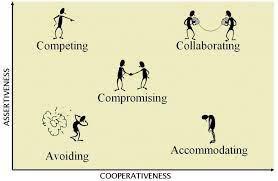
There are different types of personal styles when it comes to conflict and compromosie. Where do you see yourself on this chart?

Over the last two weeks, our Torah portions have focused on the life of Abraham. In the course of his life, Abraham engages in both conflict and compromise. Let's compare two different stories.

What does Abraham do in each story? Does he engage in compromise or conflict?

What are the motivations for his choices in each story?

(ב) וְאַבְרָ֖ם כָּבֵ֣ד מְאֹ֑ד בַּמִּקְנֶ֕ה בַּכֶּ֖סֶף וּבַזָּהָֽב׃ (ג) וַיֵּ֙לֶךְ֙ לְמַסָּעָ֔יו מִנֶּ֖גֶב וְעַד־בֵּֽית־אֵ֑ל עַד־הַמָּק֗וֹם אֲשֶׁר־הָ֨יָה שָׁ֤ם אׇֽהֳלֹה֙ בַּתְּחִלָּ֔ה בֵּ֥ין בֵּֽית־אֵ֖ל וּבֵ֥ין הָעָֽי׃ (ד) אֶל־מְקוֹם֙ הַמִּזְבֵּ֔חַ אֲשֶׁר־עָ֥שָׂה שָׁ֖ם בָּרִאשֹׁנָ֑ה וַיִּקְרָ֥א שָׁ֛ם אַבְרָ֖ם בְּשֵׁ֥ם יְהֹוָֽה׃ (ה) וְגַ֨ם־לְל֔וֹט הַהֹלֵ֖ךְ אֶת־אַבְרָ֑ם הָיָ֥ה צֹאן־וּבָקָ֖ר וְאֹהָלִֽים׃ (ו) וְלֹא־נָשָׂ֥א אֹתָ֛ם הָאָ֖רֶץ לָשֶׁ֣בֶת יַחְדָּ֑ו כִּֽי־הָיָ֤ה רְכוּשָׁם֙ רָ֔ב וְלֹ֥א יָֽכְל֖וּ לָשֶׁ֥בֶת יַחְדָּֽו׃ (ז) וַֽיְהִי־רִ֗יב בֵּ֚ין רֹעֵ֣י מִקְנֵֽה־אַבְרָ֔ם וּבֵ֖ין רֹעֵ֣י מִקְנֵה־ל֑וֹט וְהַֽכְּנַעֲנִי֙ וְהַפְּרִזִּ֔י אָ֖ז יֹשֵׁ֥ב בָּאָֽרֶץ׃ (ח) וַיֹּ֨אמֶר אַבְרָ֜ם אֶל־ל֗וֹט אַל־נָ֨א תְהִ֤י מְרִיבָה֙ בֵּינִ֣י וּבֵינֶ֔ךָ וּבֵ֥ין רֹעַ֖י וּבֵ֣ין רֹעֶ֑יךָ כִּֽי־אֲנָשִׁ֥ים אַחִ֖ים אֲנָֽחְנוּ׃ (ט) הֲלֹ֤א כׇל־הָאָ֙רֶץ֙ לְפָנֶ֔יךָ הִפָּ֥רֶד נָ֖א מֵעָלָ֑י אִם־הַשְּׂמֹ֣אל וְאֵימִ֔נָה וְאִם־הַיָּמִ֖ין וְאַשְׂמְאִֽילָה׃ (י) וַיִּשָּׂא־ל֣וֹט אֶת־עֵינָ֗יו וַיַּרְא֙ אֶת־כׇּל־כִּכַּ֣ר הַיַּרְדֵּ֔ן כִּ֥י כֻלָּ֖הּ מַשְׁקֶ֑ה לִפְנֵ֣י ׀ שַׁחֵ֣ת יְהֹוָ֗ה אֶת־סְדֹם֙ וְאֶת־עֲמֹרָ֔ה כְּגַן־יְהֹוָה֙ כְּאֶ֣רֶץ מִצְרַ֔יִם בֹּאֲכָ֖ה צֹֽעַר׃ (יא) וַיִּבְחַר־ל֣וֹ ל֗וֹט אֵ֚ת כׇּל־כִּכַּ֣ר הַיַּרְדֵּ֔ן וַיִּסַּ֥ע ל֖וֹט מִקֶּ֑דֶם וַיִּפָּ֣רְד֔וּ אִ֖ישׁ מֵעַ֥ל אָחִֽיו׃ (יב) אַבְרָ֖ם יָשַׁ֣ב בְּאֶֽרֶץ־כְּנָ֑עַן וְל֗וֹט יָשַׁב֙ בְּעָרֵ֣י הַכִּכָּ֔ר וַיֶּאֱהַ֖ל עַד־סְדֹֽם׃
(2) Now Abram was very rich in cattle, silver, and gold. (3) And he proceeded by stages from the Negeb as far as Bethel, to the place where his tent had been formerly, between Bethel and Ai, (4) the site of the altar that he had built there at first; and there Abram invoked the LORD by name. (5) Lot, who went with Abram, also had flocks and herds and tents, (6) so that the land could not support them staying together; for their possessions were so great that they could not remain together. (7) And there was quarreling between the herdsmen of Abram’s cattle and those of Lot’s cattle.—The Canaanites and Perizzites were then dwelling in the land.— (8) Abram said to Lot, “Let there be no strife between you and me, between my herdsmen and yours, for we are kinsmen. (9) Is not the whole land before you? Let us separate: if you go north, I will go south; and if you go south, I will go north.” (10) Lot looked about him and saw how well watered was the whole plain of the Jordan, all of it—this was before the LORD had destroyed Sodom and Gomorrah—all the way to Zoar, like the garden of the LORD, like the land of Egypt. (11) So Lot chose for himself the whole plain of the Jordan, and Lot journeyed eastward. Thus they parted from each other; (12) Abram remained in the land of Canaan, while Lot settled in the cities of the Plain, pitching his tents near Sodom.
(כב) וַֽיְהִי֙ בָּעֵ֣ת הַהִ֔וא וַיֹּ֣אמֶר אֲבִימֶ֗לֶךְ וּפִיכֹל֙ שַׂר־צְבָא֔וֹ אֶל־אַבְרָהָ֖ם לֵאמֹ֑ר אֱלֹהִ֣ים עִמְּךָ֔ בְּכֹ֥ל אֲשֶׁר־אַתָּ֖ה עֹשֶֽׂה׃ (כג) וְעַתָּ֗ה הִשָּׁ֨בְעָה לִּ֤י בֵֽאלֹהִים֙ הֵ֔נָּה אִם־תִּשְׁקֹ֣ר לִ֔י וּלְנִינִ֖י וּלְנֶכְדִּ֑י כַּחֶ֜סֶד אֲשֶׁר־עָשִׂ֤יתִי עִמְּךָ֙ תַּעֲשֶׂ֣ה עִמָּדִ֔י וְעִם־הָאָ֖רֶץ אֲשֶׁר־גַּ֥רְתָּה בָּֽהּ׃ (כד) וַיֹּ֙אמֶר֙ אַבְרָהָ֔ם אָנֹכִ֖י אִשָּׁבֵֽעַ׃ (כה) וְהוֹכִ֥חַ אַבְרָהָ֖ם אֶת־אֲבִימֶ֑לֶךְ עַל־אֹדוֹת֙ בְּאֵ֣ר הַמַּ֔יִם אֲשֶׁ֥ר גָּזְל֖וּ עַבְדֵ֥י אֲבִימֶֽלֶךְ׃ (כו) וַיֹּ֣אמֶר אֲבִימֶ֔לֶךְ לֹ֣א יָדַ֔עְתִּי מִ֥י עָשָׂ֖ה אֶת־הַדָּבָ֣ר הַזֶּ֑ה וְגַם־אַתָּ֞ה לֹא־הִגַּ֣דְתָּ לִּ֗י וְגַ֧ם אָנֹכִ֛י לֹ֥א שָׁמַ֖עְתִּי בִּלְתִּ֥י הַיּֽוֹם׃ (כז) וַיִּקַּ֤ח אַבְרָהָם֙ צֹ֣אן וּבָקָ֔ר וַיִּתֵּ֖ן לַאֲבִימֶ֑לֶךְ וַיִּכְרְת֥וּ שְׁנֵיהֶ֖ם בְּרִֽית׃ (כח) וַיַּצֵּ֣ב אַבְרָהָ֗ם אֶת־שֶׁ֛בַע כִּבְשֹׂ֥ת הַצֹּ֖אן לְבַדְּהֶֽן׃ (כט) וַיֹּ֥אמֶר אֲבִימֶ֖לֶךְ אֶל־אַבְרָהָ֑ם מָ֣ה הֵ֗נָּה שֶׁ֤בַע כְּבָשֹׂת֙ הָאֵ֔לֶּה אֲשֶׁ֥ר הִצַּ֖בְתָּ לְבַדָּֽנָה׃ (ל) וַיֹּ֕אמֶר כִּ֚י אֶת־שֶׁ֣בַע כְּבָשֹׂ֔ת תִּקַּ֖ח מִיָּדִ֑י בַּעֲבוּר֙ תִּֽהְיֶה־לִּ֣י לְעֵדָ֔ה כִּ֥י חָפַ֖רְתִּי אֶת־הַבְּאֵ֥ר הַזֹּֽאת׃ (לא) עַל־כֵּ֗ן קָרָ֛א לַמָּק֥וֹם הַה֖וּא בְּאֵ֣ר שָׁ֑בַע כִּ֛י שָׁ֥ם נִשְׁבְּע֖וּ שְׁנֵיהֶֽם׃ (לב) וַיִּכְרְת֥וּ בְרִ֖ית בִּבְאֵ֣ר שָׁ֑בַע וַיָּ֣קׇם אֲבִימֶ֗לֶךְ וּפִיכֹל֙ שַׂר־צְבָא֔וֹ וַיָּשֻׁ֖בוּ אֶל־אֶ֥רֶץ פְּלִשְׁתִּֽים׃
(22) At that time Abimelech and Phicol, chief of his troops, said to Abraham, “God is with you in everything that you do. (23) Therefore swear to me here by God that you will not deal falsely with me or with my kith and kin, but will deal with me and with the land in which you have sojourned as loyally as I have dealt with you.” (24) And Abraham said, “I swear it.” (25) Then Abraham reproached Abimelech for the well of water which the servants of Abimelech had seized. (26) But Abimelech said, “I do not know who did this; you did not tell me, nor have I heard of it until today.” (27) Abraham took sheep and oxen and gave them to Abimelech, and the two of them made a pact. (28) Abraham then set seven ewes of the flock by themselves, (29) and Abimelech said to Abraham, “What mean these seven ewes which you have set apart?” (30) He replied, “You are to accept these seven ewes from me as proof that I dug this well.” (31) Hence that place was called Beer-sheba, for there the two of them swore an oath. (32) When they had concluded the pact at Beer-sheba, Abimelech and Phicol, chief of his troops, departed and returned to the land of the Philistines.

The rabbis are sensiive to the differences in these two outomes. Here are a couple of commentaries that try to account for the differences.

אלא ללמדך שבן אחותו של אחותו קרוי כבנו ובן אחיו של אדם כאחיו מאין אנו למדים מאברהם אבינו שנ' ויאמר אברם אל לוט אל נא תהי מריבה ביני וביניך ובין רועי ובין רועיך כי אנשים אחים אנחנו וכתיב אחר אומ' וישמע אברם כי נשבה אחיו וכי אחיו היה והלא בן אחיו היה אלא ללמדך שבני אחיו של אדם כאחיו.

(6This teaches thee that the son of a man's sister is like his son, and the son of a man's brother || is like his brother. Whence do we learn (this)? From Abraham, our father, because it is said, "And Abram said to Lot, Let there not be strife… for we are brethren" (Gen. 13:8). Another verse (says), "And when Abram heard that his brother was taken captive" (Gen. 14:14). Was he his brother? Was he not the son of his brother? But it teaches thee that the sons of a man's brother are like his own brothers.

(א) אשר גזלו עבדי אבימלך הוכיחו באשר הוא מושל על הגזל הנעשה בארצו ואין מכלים והוכיחו גם כן על הרשעים שהיו בביתו שלא כדרך הצדיקים כאמרם לא ישב בקרב ביתי עושה רמיה:
(1) אשר גזלו עבדי אבימלך, he criticised him precisely in his position of king, seeing that robbery had been tolerated in his country and there was no one to protest this. He also criticised him for the evildoers in his own entourage. He did not act according to the norms of righteous people. Psalms 101,7 suggests that righteous people have no business dwelling in the proximity of people who practice deception.

The decision to engage in conflict or to compromise, then, depends in part on who we are dealing with. It may also depend on the nature of the dispute.

(יז) כָּל מַחֲלֹקֶת שֶׁהִיא לְשֵׁם שָׁמַיִם, סוֹפָהּ לְהִתְקַיֵּם. וְשֶׁאֵינָהּ לְשֵׁם שָׁמַיִם, אֵין סוֹפָהּ לְהִתְקַיֵּם. אֵיזוֹ הִיא מַחֲלֹקֶת שֶׁהִיא לְשֵׁם שָׁמַיִם, זוֹ מַחֲלֹקֶת הִלֵּל וְשַׁמַּאי. וְשֶׁאֵינָהּ לְשֵׁם שָׁמַיִם, זוֹ מַחֲלֹקֶת קֹרַח וְכָל עֲדָתוֹ:

(17) Every dispute that is for the sake of Heaven, will in the end endure; But one that is not for the sake of Heaven, will not endure. Which is the controversy that is for the sake of Heaven? Such was the controversy of Hillel and Shammai. And which is the controversy that is not for the sake of Heaven? Such was the controversy of Korah and all his congregation.

What are some examples of controversy for the sake of heaven? What are some examples of controversy not for the sake of heaven? Is there such a thing as compromise for the sake of heaven?