


Two kisses at the opening of our parsha:
Yaakov Kisses Rachel; Lavan Kisses Yaakov
"Kissing" in Tanakh; a rare occuranace:
32 verbs
2 nouns
Philematology: the scientific study of kissing.
(Greek: "philos" = earthly love; "logos" = word)
Roman categories of Kissing:
Osculum - kissing the hand or cheek
Basium - kissing on closed mouth (between relatives)
Suavium - passionate kissing
Our contemporary image of "kissing":
The Kiss, by Gustav Klimt
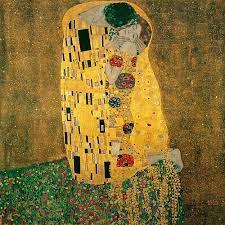
Klimt's depiction of "kissing" as a romantic/erotic act, is reflected in Song of Songs.
(א) שִׁ֥יר הַשִּׁירִ֖ים אֲשֶׁ֥ר לִשְׁלֹמֹֽה׃
(ב) יִשָּׁקֵ֙נִי֙ מִנְּשִׁיק֣וֹת פִּ֔יהוּ כִּֽי־טוֹבִ֥ים דֹּדֶ֖יךָ מִיָּֽיִן׃
(ג) לְרֵ֙יחַ֙ שְׁמָנֶ֣יךָ טוֹבִ֔ים שֶׁ֖מֶן תּוּרַ֣ק שְׁמֶ֑ךָ עַל־כֵּ֖ן עֲלָמ֥וֹת אֲהֵבֽוּךָ׃
(ד) מׇשְׁכֵ֖נִי אַחֲרֶ֣יךָ נָּר֑וּצָה הֱבִיאַ֨נִי הַמֶּ֜לֶךְ חֲדָרָ֗יו נָגִ֤ילָה וְנִשְׂמְחָה֙ בָּ֔ךְ נַזְכִּ֤ירָה דֹדֶ֙יךָ֙ מִיַּ֔יִן מֵישָׁרִ֖ים אֲהֵבֽוּךָ׃ {פ}
(1) The Song of Songs, by Solomon.
(2) Oh, give me of the kisses of your mouth, For your love is more delightful than wine.
(3) Your ointments yield a sweet fragrance,
Your name is like finest oil—
Therefore do maidens love you.
(4) Draw me after you, let us run!
The king has brought me to his chambers.-d
Let us delight and rejoice in your love,
Savoring it more than wine—
Like new wine-e they love you!
The kisses in our parsha:
(א) וַיִּשָּׂ֥א יַעֲקֹ֖ב רַגְלָ֑יו וַיֵּ֖לֶךְ אַ֥רְצָה בְנֵי־קֶֽדֶם׃ (ב) וַיַּ֞רְא וְהִנֵּ֧ה בְאֵ֣ר בַּשָּׂדֶ֗ה וְהִנֵּה־שָׁ֞ם שְׁלֹשָׁ֤ה עֶדְרֵי־צֹאן֙ רֹבְצִ֣ים עָלֶ֔יהָ....
(ד) וַיֹּ֤אמֶר לָהֶם֙ יַעֲקֹ֔ב אַחַ֖י מֵאַ֣יִן אַתֶּ֑ם וַיֹּ֣אמְר֔וּ מֵחָרָ֖ן אֲנָֽחְנוּ׃ (ה) וַיֹּ֣אמֶר לָהֶ֔ם הַיְדַעְתֶּ֖ם אֶת־לָבָ֣ן בֶּן־נָח֑וֹר וַיֹּאמְר֖וּ יָדָֽעְנוּ׃ (ו) וַיֹּ֥אמֶר לָהֶ֖ם הֲשָׁל֣וֹם ל֑וֹ וַיֹּאמְר֣וּ שָׁל֔וֹם וְהִנֵּה֙ רָחֵ֣ל בִּתּ֔וֹ בָּאָ֖ה עִם־הַצֹּֽאן׃
(ט) עוֹדֶ֖נּוּ מְדַבֵּ֣ר עִמָּ֑ם וְרָחֵ֣ל ׀ בָּ֗אָה עִם־הַצֹּאן֙ אֲשֶׁ֣ר לְאָבִ֔יהָ כִּ֥י רֹעָ֖ה הִֽוא׃ (י) וַיְהִ֡י כַּאֲשֶׁר֩ רָאָ֨ה יַעֲקֹ֜ב אֶת־רָחֵ֗ל בַּת־לָבָן֙ אֲחִ֣י אִמּ֔וֹ וְאֶת־צֹ֥אן לָבָ֖ן אֲחִ֣י אִמּ֑וֹ וַיִּגַּ֣שׁ יַעֲקֹ֗ב וַיָּ֤גֶל אֶת־הָאֶ֙בֶן֙ מֵעַל֙ פִּ֣י הַבְּאֵ֔ר וַיַּ֕שְׁקְ אֶת־צֹ֥אן לָבָ֖ן אֲחִ֥י אִמּֽוֹ׃ (יא) וַיִּשַּׁ֥ק יַעֲקֹ֖ב לְרָחֵ֑ל וַיִּשָּׂ֥א אֶת־קֹל֖וֹ וַיֵּֽבְךְּ׃ (יב) וַיַּגֵּ֨ד יַעֲקֹ֜ב לְרָחֵ֗ל כִּ֣י אֲחִ֤י אָבִ֙יהָ֙ ה֔וּא וְכִ֥י בֶן־רִבְקָ֖ה ה֑וּא וַתָּ֖רׇץ וַתַּגֵּ֥ד לְאָבִֽיהָ׃ (יג) וַיְהִי֩ כִשְׁמֹ֨עַ לָבָ֜ן אֶת־שֵׁ֣מַע ׀ יַעֲקֹ֣ב בֶּן־אֲחֹת֗וֹ וַיָּ֤רׇץ לִקְרָאתוֹ֙ וַיְחַבֶּק־לוֹ֙ וַיְנַשֶּׁק־ל֔וֹ וַיְבִיאֵ֖הוּ אֶל־בֵּית֑וֹ וַיְסַפֵּ֣ר לְלָבָ֔ן אֵ֥ת כׇּל־הַדְּבָרִ֖ים הָאֵֽלֶּה׃ (יד) וַיֹּ֤אמֶר לוֹ֙ לָבָ֔ן אַ֛ךְ עַצְמִ֥י וּבְשָׂרִ֖י אָ֑תָּה וַיֵּ֥שֶׁב עִמּ֖וֹ חֹ֥דֶשׁ יָמִֽים׃
(1) Jacob resumed his journey-a and came to the land of the Easterners. (2) There before his eyes was a well in the open. Three flocks of sheep were lying there beside it....
(4) Jacob said to them, “My friends, where are you from?” And they said, “We are from Haran.” (5) He said to them, “Do you know Laban the son of Nahor?” And they said, “Yes, we do.” (6) He continued, “Is he well?” They answered, “Yes, he is; and there is his daughter Rachel, coming with the flock.”
(9) While he was still speaking with them, Rachel came with her father’s flock; for she was a shepherdess. (10) And when Jacob saw Rachel, the daughter of his uncle Laban, and the flock of his uncle Laban, Jacob went up and rolled the stone off the mouth of the well, and watered the flock of his uncle Laban. (11) Then Jacob kissed Rachel, and broke into tears. (12) Jacob told Rachel that he was her father’s kinsman, that he was Rebekah’s son; and she ran and told her father. (13) On hearing the news of his sister’s son Jacob, Laban ran to greet him; he embraced him and kissed him, and took him into his house. He told Laban all that had happened, (14) and Laban said to him, “You are truly my bone and flesh.”
When he had stayed with him a month’s time,
Who kissed whom? What was the meaning of Yaakov's kiss; of Lavan's kiss?
The Netziv - Rav Naftali Zvi Yehuda Berlin, in his "Ha'amek Davar (Lithuania; d.1893) - discusses the kiss and felt the need to explicate it
(א) וישא את קולו ויבך. פרש״י משום שלא היה בידו מאומה ליתן לרחל שהיה אליפז רודף אחריו ונטל ממנו מה שהיה לו. ולפי הפשט בהיותו בבית שם ועבר י״ד שנה הוציא כל אשר היה בידו.
וגם בבכיה זו הראה לדעת שלא היתה בנשיקה זו פריצות ומחשבת אהבת אישות כ״א אהבת קריבות אשר אם גם בחוץ ישק לה, לא יבוזו לו:
Instances of kissing in Tanakh and their categories
Son kisses father;
the kiss of deception
(24) He asked, “Are you really my son Esau?” And when he said, “I am,” (25) he said, “Serve me and let me eat of my son’s game that I may give you my innermost blessing.” So he served him and he ate, and he brought him wine and he drank. (26) Then his father Isaac said to him, “Come close and kiss me, my son”; (27) and he went up and kissed him. And he smelled his clothes and he blessed him, saying, “Ah, the smell of my son is like the smell of the fields that the LORD has blessed.
How do you understand this kiss? What did it mean to Ya'akov? What did it mean to Yitzhak?
Next, a less complex kiss...
(כה) וַיַּשֵּׂ֥ג לָבָ֖ן אֶֽת־יַעֲקֹ֑ב וְיַעֲקֹ֗ב תָּקַ֤ע אֶֽת־אׇהֳלוֹ֙ בָּהָ֔ר וְלָבָ֛ן תָּקַ֥ע אֶת־אֶחָ֖יו בְּהַ֥ר הַגִּלְעָֽד׃ (כו) וַיֹּ֤אמֶר לָבָן֙ לְיַעֲקֹ֔ב מֶ֣ה עָשִׂ֔יתָ וַתִּגְנֹ֖ב אֶת־לְבָבִ֑י וַתְּנַהֵג֙ אֶת־בְּנֹתַ֔י כִּשְׁבֻי֖וֹת חָֽרֶב׃ (כז) לָ֤מָּה נַחְבֵּ֙אתָ֙ לִבְרֹ֔חַ וַתִּגְנֹ֖ב אֹתִ֑י וְלֹא־הִגַּ֣דְתָּ לִּ֔י וָֽאֲשַׁלֵּחֲךָ֛ בְּשִׂמְחָ֥ה וּבְשִׁרִ֖ים בְּתֹ֥ף וּבְכִנּֽוֹר׃ (כח) וְלֹ֣א נְטַשְׁתַּ֔נִי לְנַשֵּׁ֥ק לְבָנַ֖י וְלִבְנֹתָ֑י עַתָּ֖ה הִסְכַּ֥לְתָּֽ עֲשֽׂוֹ׃
(25) Laban overtook Jacob. Jacob had pitched his tent on the Height, and Laban with his kinsmen encamped in the hill country of Gilead. (26) And Laban said to Jacob, “What did you mean by keeping me in the dark and carrying off my daughters like captives of the sword? (27) Why did you flee in secrecy and mislead me and not tell me? I would have sent you off with festive music, with timbrel and lyre. (28) You did not even let me kiss my sons and daughters good-by! It was a foolish thing for you to do.
The kiss here is in the context of leave-taking from a family member.
The act of kissing is not the primary element.
The famous (infamous?) kiss of Yaakov by Eisav.
What is its function; but see Rashi's discussion.
A kiss can be a very complex and ambiguous gesture.
(א) וַיִּשָּׂ֨א יַעֲקֹ֜ב עֵינָ֗יו וַיַּרְא֙ וְהִנֵּ֣ה עֵשָׂ֣ו בָּ֔א וְעִמּ֕וֹ אַרְבַּ֥ע מֵא֖וֹת אִ֑ישׁ וַיַּ֣חַץ אֶת־הַיְלָדִ֗ים עַל־לֵאָה֙ וְעַל־רָחֵ֔ל וְעַ֖ל שְׁתֵּ֥י הַשְּׁפָחֽוֹת׃ (ב) וַיָּ֧שֶׂם אֶת־הַשְּׁפָח֛וֹת וְאֶת־יַלְדֵיהֶ֖ן רִֽאשֹׁנָ֑ה וְאֶת־לֵאָ֤ה וִֽילָדֶ֙יהָ֙ אַחֲרֹנִ֔ים וְאֶת־רָחֵ֥ל וְאֶת־יוֹסֵ֖ף אַחֲרֹנִֽים׃ (ג) וְה֖וּא עָבַ֣ר לִפְנֵיהֶ֑ם וַיִּשְׁתַּ֤חוּ אַ֙רְצָה֙ שֶׁ֣בַע פְּעָמִ֔ים עַד־גִּשְׁתּ֖וֹ עַד־אָחִֽיו׃ (ד) וַיָּ֨רׇץ עֵשָׂ֤ו לִקְרָאתוֹ֙ וַֽיְחַבְּקֵ֔הוּ וַיִּפֹּ֥ל עַל־צַוָּארָ֖ו וַׄיִּׄשָּׁׄקֵ֑ׄהׄוּׄ וַיִּבְכּֽוּ׃ (ה) וַיִּשָּׂ֣א אֶת־עֵינָ֗יו וַיַּ֤רְא אֶת־הַנָּשִׁים֙ וְאֶת־הַיְלָדִ֔ים וַיֹּ֖אמֶר מִי־אֵ֣לֶּה לָּ֑ךְ וַיֹּאמַ֕ר הַיְלָדִ֕ים אֲשֶׁר־חָנַ֥ן אֱלֹהִ֖ים אֶת־עַבְדֶּֽךָ׃
(1) Looking up, Jacob saw Esau coming, accompanied by four hundred men. He divided the children among Leah, Rachel, and the two maids, (2) putting the maids and their children first, Leah and her children next, and Rachel and Joseph last. (3) He himself went on ahead and bowed low to the ground seven times until he was near his brother. (4) Esau ran to greet him. He embraced him and, falling on his neck, he kissed him; and they wept. (5) Looking about, he saw the women and the children. “Who,” he asked, “are these with you?” He answered, “The children with whom God has favored your servant.”
(א) ויחבקהו. נִתְגַּלְגְּלוּ רַחֲמָיו, כְּשֶׁרָאָהוּ מִשְׁתַּחֲוֶה כָּל הִשְׁתַּחֲוָאוֹת הַלָּלוּ:
(ב) וישקהו. נָקוּד עָלָיו; וְיֵשׁ חוֹלְקִין בַּדָּבָר הַזֶּה בַּבָּרַיְתָא דְּסִפְרֵי, יֵשׁ שֶׁדָּרְשׁוּ נְקֻדָּה זוֹ שֶׁלֹּא נְשָׁקוֹ בְּכָל לִבּוֹ, אָמַר רַבִּי שִׁמְעוֹן בֶּן יוֹחַאי, הֲלָכָה הִיא בְּיָדוּעַ שֶׁעֵשָׂו שׂוֹנֵא לְיַעֲקֹב, אֶלָּא שֶׁנִּכְמְרוּ רַחֲמָיו בְּאוֹתָהּ שָׁעָה וּנְשָׁקוֹ בְּכָל לִבּוֹ (ספרי במדבר):
(1) ויחבקהו AND EMBRACED HIM — His pity was aroused when he saw him prostrating himself so many times (Genesis Rabbah 78:8).
(2) וישקהו AND HE KISSED HIM — Dots are placed above the letters of this word, and a difference of opinion is expressed in the Baraitha of Sifré (בהעלותך) as to what these dots are intended to suggest: some explain the dotting as meaning that he did not kiss him with his whole heart, whereas R Simeon the son of Johai said: Is it not well-known that Esau hated Jacob? But at that moment his pity was really aroused and he kissed him with his whole heart. (Sifrei Bamidbar 69.2)
Kissing the Departed
(כט) וַיְצַ֣ו אוֹתָ֗ם וַיֹּ֤אמֶר אֲלֵהֶם֙ אֲנִי֙ נֶאֱסָ֣ף אֶל־עַמִּ֔י קִבְר֥וּ אֹתִ֖י אֶל־אֲבֹתָ֑י אֶ֨ל־הַמְּעָרָ֔ה אֲשֶׁ֥ר בִּשְׂדֵ֖ה עֶפְר֥וֹן הַֽחִתִּֽי׃ (ל) בַּמְּעָרָ֞ה אֲשֶׁ֨ר בִּשְׂדֵ֧ה הַמַּכְפֵּלָ֛ה....
(לג) וַיְכַ֤ל יַעֲקֹב֙ לְצַוֺּ֣ת אֶת־בָּנָ֔יו וַיֶּאֱסֹ֥ף רַגְלָ֖יו אֶל־הַמִּטָּ֑ה וַיִּגְוַ֖ע וַיֵּאָ֥סֶף אֶל־עַמָּֽיו׃ (א) וַיִּפֹּ֥ל יוֹסֵ֖ף עַל־פְּנֵ֣י אָבִ֑יו וַיֵּ֥בְךְּ עָלָ֖יו וַיִּשַּׁק־לֽוֹ׃ (ב) וַיְצַ֨ו יוֹסֵ֤ף אֶת־עֲבָדָיו֙ אֶת־הָרֹ֣פְאִ֔ים לַחֲנֹ֖ט אֶת־אָבִ֑יו וַיַּחַנְט֥וּ הָרֹפְאִ֖ים אֶת־יִשְׂרָאֵֽל׃
(29) Then he instructed them, saying to them, “I am about to be gathered to my kin. Bury me with my fathers in the cave which is in the field of Ephron the Hittite, (30) the cave which is in the field of Machpelah...
(33) When Jacob finished his instructions to his sons, he drew his feet into the bed and, breathing his last, he was gathered to his people. (1) Joseph flung himself upon his father’s face and wept over him and kissed him. (2) Then Joseph ordered the physicians in his service to embalm his father, and the physicians embalmed Israel.
Kissing of Homage
And a "missing" kiss (from a modern perspective)
(א) וַיִּשְׁמַ֞ע יִתְר֨וֹ כֹהֵ֤ן מִדְיָן֙ חֹתֵ֣ן מֹשֶׁ֔ה אֵת֩ כׇּל־אֲשֶׁ֨ר עָשָׂ֤ה אֱלֹהִים֙ לְמֹשֶׁ֔ה וּלְיִשְׂרָאֵ֖ל עַמּ֑וֹ כִּֽי־הוֹצִ֧יא יְהֹוָ֛ה אֶת־יִשְׂרָאֵ֖ל מִמִּצְרָֽיִם׃ (ב) וַיִּקַּ֗ח יִתְרוֹ֙ חֹתֵ֣ן מֹשֶׁ֔ה אֶת־צִפֹּרָ֖ה אֵ֣שֶׁת מֹשֶׁ֑ה אַחַ֖ר שִׁלּוּחֶֽיהָ׃ (ג) וְאֵ֖ת שְׁנֵ֣י בָנֶ֑יהָ....
(ה) וַיָּבֹ֞א יִתְר֨וֹ חֹתֵ֥ן מֹשֶׁ֛ה וּבָנָ֥יו וְאִשְׁתּ֖וֹ אֶל־מֹשֶׁ֑ה אֶל־הַמִּדְבָּ֗ר אֲשֶׁר־ה֛וּא חֹנֶ֥ה שָׁ֖ם הַ֥ר הָאֱלֹהִֽים׃ (ו) וַיֹּ֙אמֶר֙ אֶל־מֹשֶׁ֔ה אֲנִ֛י חֹתֶנְךָ֥ יִתְר֖וֹ בָּ֣א אֵלֶ֑יךָ וְאִ֨שְׁתְּךָ֔ וּשְׁנֵ֥י בָנֶ֖יהָ עִמָּֽהּ׃ (ז) וַיֵּצֵ֨א מֹשֶׁ֜ה לִקְרַ֣את חֹֽתְנ֗וֹ וַיִּשְׁתַּ֙חוּ֙ וַיִּשַּׁק־ל֔וֹ וַיִּשְׁאֲל֥וּ אִישׁ־לְרֵעֵ֖הוּ לְשָׁל֑וֹם וַיָּבֹ֖אוּ הָאֹֽהֱלָה׃
(1) Jethro priest of Midian, Moses’ father-in-law, heard all that God had done for Moses and for Israel His people, how the LORD had brought Israel out from Egypt. (2) So Jethro, Moses’ father-in-law, took Zipporah, Moses’ wife, after she had been sent home, (3) and her two sons....
(5) Jethro, Moses’ father-in-law, brought Moses’ sons and wife to him in the wilderness, where he was encamped at the mountain of God. (6) He sent word to Moses, “I, your father-in-law Jethro, am coming to you, with your wife and her two sons.” (7) Moses went out to meet his father-in-law; he bowed low and kissed him; each asked after the other’s welfare, and they went into the tent.
Kissing of Appointment
(א) וַיִּקַּ֨ח שְׁמוּאֵ֜ל אֶת־פַּ֥ךְ הַשֶּׁ֛מֶן וַיִּצֹ֥ק עַל־רֹאשׁ֖וֹ וַיִּשָּׁקֵ֑הוּ וַיֹּ֕אמֶר הֲל֗וֹא כִּֽי־מְשָׁחֲךָ֧ יְהֹוָ֛ה עַל־נַחֲלָת֖וֹ לְנָגִֽיד׃
Ruth and her daughters-in-law: kissing upon separation.
What are the various emotional aspects for Naomi and for her ds-in-law?
(ז) וַתֵּצֵ֗א מִן־הַמָּקוֹם֙ אֲשֶׁ֣ר הָֽיְתָה־שָּׁ֔מָּה וּשְׁתֵּ֥י כַלּוֹתֶ֖יהָ עִמָּ֑הּ וַתֵּלַ֣כְנָה בַדֶּ֔רֶךְ לָשׁ֖וּב אֶל־אֶ֥רֶץ יְהוּדָֽה׃ (ח) וַתֹּ֤אמֶר נׇעֳמִי֙ לִשְׁתֵּ֣י כַלֹּתֶ֔יהָ לֵ֣כְנָה שֹּׁ֔בְנָה אִשָּׁ֖ה לְבֵ֣ית אִמָּ֑הּ (יעשה) [יַ֣עַשׂ] יְהֹוָ֤ה עִמָּכֶם֙ חֶ֔סֶד כַּאֲשֶׁ֧ר עֲשִׂיתֶ֛ם עִם־הַמֵּתִ֖ים וְעִמָּדִֽי׃ (ט) יִתֵּ֤ן יְהֹוָה֙ לָכֶ֔ם וּמְצֶ֣אןָ מְנוּחָ֔ה אִשָּׁ֖ה בֵּ֣ית אִישָׁ֑הּ וַתִּשַּׁ֣ק לָהֶ֔ן וַתִּשֶּׂ֥אנָה קוֹלָ֖ן וַתִּבְכֶּֽינָה׃ (י) וַתֹּאמַ֖רְנָה־לָּ֑הּ כִּֽי־אִתָּ֥ךְ נָשׁ֖וּב לְעַמֵּֽךְ׃ (יא) וַתֹּ֤אמֶר נׇעֳמִי֙ שֹׁ֣בְנָה בְנֹתַ֔י לָ֥מָּה תֵלַ֖כְנָה עִמִּ֑י הַֽעֽוֹד־לִ֤י בָנִים֙ בְּֽמֵעַ֔י וְהָי֥וּ לָכֶ֖ם לַאֲנָשִֽׁים׃ (יב) שֹׁ֤בְנָה בְנֹתַי֙ לֵ֔כְןָ כִּ֥י זָקַ֖נְתִּי מִהְי֣וֹת לְאִ֑ישׁ כִּ֤י אָמַ֙רְתִּי֙ יֶשׁ־לִ֣י תִקְוָ֔ה גַּ֣ם הָיִ֤יתִי הַלַּ֙יְלָה֙ לְאִ֔ישׁ וְגַ֖ם יָלַ֥דְתִּי בָנִֽים׃ (יג) הֲלָהֵ֣ן ׀ תְּשַׂבֵּ֗רְנָה עַ֚ד אֲשֶׁ֣ר יִגְדָּ֔לוּ הֲלָהֵן֙ תֵּֽעָגֵ֔נָה לְבִלְתִּ֖י הֱי֣וֹת לְאִ֑ישׁ אַ֣ל בְּנֹתַ֗י כִּֽי־מַר־לִ֤י מְאֹד֙ מִכֶּ֔ם כִּֽי־יָצְאָ֥ה בִ֖י יַד־יְהֹוָֽה׃ (יד) וַתִּשֶּׂ֣נָה קוֹלָ֔ן וַתִּבְכֶּ֖ינָה ע֑וֹד וַתִּשַּׁ֤ק עׇרְפָּה֙ לַחֲמוֹתָ֔הּ וְר֖וּת דָּ֥בְקָה בָּֽהּ׃ (טו) וַתֹּ֗אמֶר הִנֵּה֙ שָׁ֣בָה יְבִמְתֵּ֔ךְ אֶל־עַמָּ֖הּ וְאֶל־אֱלֹהֶ֑יהָ שׁ֖וּבִי אַחֲרֵ֥י יְבִמְתֵּֽךְ׃
(7) Accompanied by her two daughters-in-law, she left the place where she had been living; and they set out on the road back to the land of Judah. (8) But Naomi said to her two daughters-in-law, “Turn back, each of you to her mother’s house. May the LORD deal kindly with you, as you have dealt with the dead and with me! (9) May the LORD grant that each of you find security in the house of a husband!” And she kissed them farewell. They broke into weeping (10) and said to her, “No, we will return with you to your people.” (11) But Naomi replied, “Turn back, my daughters! Why should you go with me? Have I any more sons in my body who might be husbands for you? (12) Turn back, my daughters, for I am too old to be married. Even if I thought there was hope for me, even if I were married tonight and I also bore sons, (13) should you wait for them to grow up? Should you on their account debar yourselves from marriage? Oh no, my daughters! My lot is far more bitter than yours, for the hand of the LORD has struck out against me.” (14) They broke into weeping again, and Orpah kissed her mother-in-law farewell. But Ruth clung to her. (15) So she said, “See, your sister-in-law has returned to her people and her gods. Go follow your sister-in-law.”
(כא) וַתִּשַּׁק עָרְפָּה לַחֲמוֹתָהּ, כָּל נְשִׁיקָה שֶׁל תִּפְלוּת בַּר מִן תְּלָת, נְשִׁיקָה שֶׁל גְדֻלָּה, וּנְשִׁיקָה שֶׁל פְּרָקִים, וּנְשִׁיקָה שֶׁל פְּרִישׁוּת. שֶׁל גְּדֻלָּה, דִּכְתִיב (שמואל א י, א): וַיִּקַּח שְׁמוּאֵל אֶת פַּךְ הַשֶּׁמֶן וַיִּצֹּק עַל רֹאשׁוֹ וַיִּשָּׁקֵהוּ. שֶׁל פְּרָקִים, דִּכְתִיב (שמות ד, כז): וַיִּפְגְּשֵׁהוּ בְּהַר הָאֱלֹהִים וַיִּשַּׁק לוֹ. שֶׁל פְּרִישׁוּת, שֶׁנֶּאֱמַר: וַתִּשַּׁק עָרְפָּה לַחֲמוֹתָהּ. רַבִּי תַּנְחוּמָא אָמַר אַף נְשִׁיקָה שֶׁל קְרִיבוּת, שֶׁנֶּאֱמַר (בראשית כט, יא): וַיִּשַּׁק יַעֲקֹב לְרָחֵל, לָמָּה, שֶׁהָיְתָה קְרוֹבָתוֹ. וַתֹּאמֶר הִנֵּה שָׁבָה יְבִמְתֵּךְ וגו', כֵּיוָן שֶׁשָּׁבָה אֶל עַמָּהּ שָׁבָה אֶל אֱלֹהֶיהָ.
(21) "And Orpah kissed her mother-in-law farewell (Ruth 1:14)": every kiss is frivolous except for three: kisses of greatness, and kisses of meeting, and kisses of leaving. Of greatness, as it is written: "Samuel took a flask of oil and poured some on Saul’s head and kissed him (1 Samuel 10:1)". And kisses of meeting, as it is written: "He went and met him at the mountain of God, and he kissed him (Exodus 4:27)". And kisses of leaving, as it is said: "And Orpah kissed her mother-in-law farewell". Rabbi Tanchuma said: "Also kisses of affinity, as it is said: "Then Jacob kissed Rachel (Genesis 29:11)". Why? Because she had affinity with him. "So she said, “See, your sister-in-law has returned to her people and her gods (Ruth 1:15)".
This midrash conceptualizes and categories kissing.
It is surely a fine example of rabbinic philematology.
THE POINT OF THIS SHIUR:
The word/root "kissing" as a romantic/erotic expression does not appear in Song of Songs other than 1:2 ("Oh, give me of the kisses of your mouth, For your love is more delightful than wine."). Its various occurrences in Tanakh are in other contexts.
Kissing as a romantic gesture does not appear in Tanakh as a normative part of human interaction.
NOT USED
(ד) יש נוהגין להסתכל בציצית כשמגיעים לוראיתם אותו וליתן אותם על העינים ומנהג יפה הוא וחבובי מצוה: הגה גם נוהגים קצת לנשק הציצית בשעה שרואה בם והכל הוא חבוב מצוה [ב"י]:
(4) Some have a custom to look at their ציצית when they reach [the verse] "And you shall see them," and to place them on their eyes. This is a beautiful custom and [a way of] showing love for the מצוה. Rem"a: Some also have the custom of kissing their ציצית when they look at them, and all of this is [a way of] showing love for the מצוה (Beit Yosef).