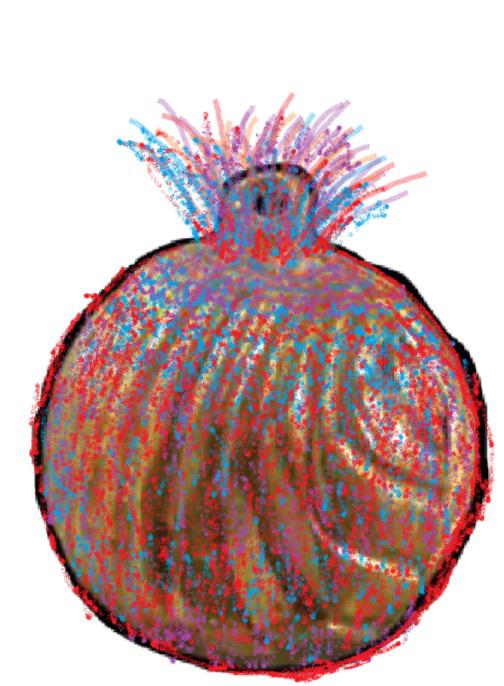
טקסט ההוכחה לכך שזהו למעשה פעמון מלבושו של הכהן הגדול עשוי להיות טמון ביחס מילים לשמות כ"ה יב הדן בארבע טבעות הזהב (ארְבַּ֣ע פַּעֲמֹתָ֑יו). הטבעות הללו הוצקו על ארבע פינות ארון הקודש כדי להחזיק את המוטות שעליהם הוא היה תלוי להובלה. המילה פַּעֲמֹתָ֑יו (כ"ה:12) קשורה ל(כ"ח:34) פַּֽעֲמֹ֥ן, פעמון הרימון המוזהב לפחות בשלוש האותיות והתנועות הראשונות, המעורר שאלה לגבי מה בדיוק מתייחסת המילה.
אם נסיק את ההיגיון של (כ"ה יב) עד (כ"ח ל"ד) תורה מסבירה שמשה יצק טבעת זהב על כל פעמון בצורת רימון זהב, שדרכו הוא הוצמד לבגד הכהן הגדול ואכן זה עצם העיצוב. של הפעמון שגילה אלי שוקרון.
The proof text that this is in fact a bell from the garment of the High Priest may lie in a word relationship to Exodus 25:12 that discusses the four gold rings (אַרְבַּ֣ע פַּעֲמֹתָ֑יו). These rings were cast onto the four corners of the ark to hold the poles by which it was suspended for transport. The word פַּעֲמֹתָ֑יו (25:12) is related to (28:34) פַּֽעֲמֹ֥ן, the golden pommagranate bell by at least the first three letters and vowels, which invokes a question about exactly what the word referrences.
If we infer the logic of (25:12) to (28:34) Torah is explaining that Moses cast a gold ring on each gold pommagranate shaped bell, through which it was attached to the High Priest garment and indeed this is the very design of the bell Eli Shukron discovered.
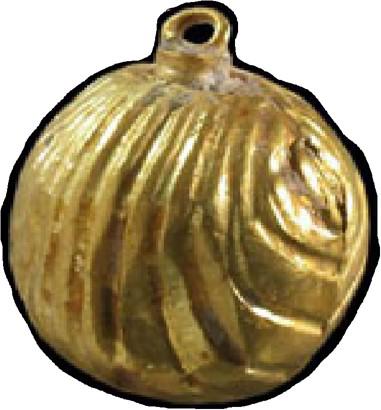
בשנת 2011 התגלה פעמון זהב נדיר, בצורת רימון, בתעלת ניקוז לאורך הדרך מהר הבית לבריכת השילוח (שילוח) בקצה הדרומי של עיר דוד. חפץ המקדש השני נחשב לאחד מ-72 פעמונים דומים המעטרים את שולי בגד הכהנים הגדולים. המסלול לאורך תעלת הניקוז הוא מסלול שהכוהן הגדול היה מרבה להשתמש בו.
התגלית זכתה לפרסום נרחב וחשפה ויכוח עתיק יומין בקרב לומדי התורה. עיטור בגדי הכהנים הגדולים נדון בפירוט יוצא דופן בחלק המכונה תצה, שמות כ"ח, ל"ג-ל"ד:
וְעָשִׂ֣יתָ עַל-שׁוּלָ֗יו רִמֹנֵי֙ תְּכֵ֤לֶת וְאַרְגָּמָן֙ וְתוֹלַ֣עַת שָׁנִ֔י עַל-שׁוּלָ֖יו סָבִ֑יב וּפַעֲ בְּמֹנֵֽיב סָהוֹ֛փ.
מכינים על שוליו רימונים מחוטים כחולים, סגולים וארגמן, מסביב לשוליים, עם פעמוני זהב בתוכם מסביב.
פַּעֲמֹ֤ן זָהָב֙ וְרִמּ֔וֹן פַּֽעֲמֹ֥ן זָהָ֖ב וְרִמּ֑וֹן עַל-שׁוּלֵ֥י הַמְּעִ֖יל סָבִֽיב׃
פעמון זהב ורימון, פעמון זהב ורימון, מסביב לשולי הגלימה.
לשני פרשנים מרכזיים רש"י ורמב"ן היו דעות שונות לגבי פירוש הדברים. רבי יעקב בן אשר (1269 לערך - 1343 לערך), המכונה בעל הטורים, העיר על אלה:
טור הערוך, שמות כ"ח, ל"ד, א
פעמון זהב ורמון, "פעמון זהב ורימון". לפי רש"י התורה מדברת על שני מיני קישוטים נפרדים, האחד נראה כמו פעמון, השני כמו רימון. הרמב"ן כותב שאם זה היה נכון ה"רימונים" לא היו משרתים שום מטרה שאנו יכולים להבין. אם היינו מבינים שה"רימונים" הם דקורטיביים בלבד, מדוע הוא לא היה עושה אותם כמו תפוחים, אלא עשויים מזהב? יש להניח שהפעמונים היו מוקפים מבחוץ ב"רימונים" הללו, ה"רימונים" היו חלולים, הם נראו כמו "רימונים" קטנים בוסר שעדיין לא "נפתחו", והפעמונים הוסתרו בתוכם. חללים, אך ניתן היה לראותם חלקית מבחוץ.
אולי בעל הטורים אמר שפעמוני הזהב הוסתרו על ידי החוטים הארוגים, כקליפה מסביב לפעמון הזהב המתואר להלן:
ואכן אנו מוצאים תמיכה נוספת לפלא ארכיאולוגי זה, המסביר את משמעותן של הוראות מפורטות אלו בתורה.
פירוש מהזוהר (ב, ט"ה), על הסעיפים הקודמים של שמות המכונה משפטים דן בנהג חמור שלא ביקשו לדעתו בתורה בהתייחסו; "נהג החמור ההוא, הוא כאן? כי לפעמים באותן ריקות אתה עלול לגלות פעמוני זהב" הפרשנות מקשרת את צליל הפעמון הנסתר עם נוכחותו הסמויה של אלוהים בעולם.
In 2011 this golden bell, in the shape of a pomegranate was discovered in a drainage channel along the road from the Temple Mount to the Siloam Pool (Shiloah) at the southern end of the City of David. The second temple artefact was thought to be one of 72 similar bells adorning the hem of the High Priests garment. The route along the drainage channel is one the High Priest would have frequently used.
The discovery was widely publicised and exposed an age-old debate among Torah scholars. The adornment of the High Priests garment is discussed in unusual detail in the section known as Tetzaveh, Exodus 28:33-34:
וְעָשִׂ֣יתָ עַל־שׁוּלָ֗יו רִמֹּנֵי֙ תְּכֵ֤לֶת וְאַרְגָּמָן֙ וְתוֹלַ֣עַת שָׁנִ֔י עַל־שׁוּלָ֖יו סָבִ֑יב וּפַעֲמֹנֵ֥י זָהָ֛ב בְּתוֹכָ֖ם סָבִֽיב׃
On its hem make pomegranates of blue, purple, and crimson yarns, all around the hem, with bells of gold within them all around
פַּעֲמֹ֤ן זָהָב֙ וְרִמּ֔וֹן פַּֽעֲמֹ֥ן זָהָ֖ב וְרִמּ֑וֹן עַל־שׁוּלֵ֥י הַמְּעִ֖יל סָבִֽיב׃
a golden bell and a pomegranate, a golden bell and a pomegranate, all around the hem of the robe.
Two major commentators Rashi and Ramban had differing views about the interpretation of these words. Rabbi Jacob ben Asher (c. 1269 - c. 1343), known as Ba’al haTurim commented on these:
Tur HaArokh, Exodus 28:34:1
פעמון זהב ורמון, “a golden bell and a pomegranate.” According to Rashi the Torah speaks of two distinctly separate kinds of ornaments, one looked like a bell, the other like a pomegranate. Ramban writes that if that were correct the “pomegranates” would not have served any purpose that we can understand. If we were to understand that the “pomegranates” were decorative only, why would he not have made them like apples, but made of gold? We must assume that the bells were surrounded on the outside by these “pomegranates,” the “pomegranates” being hollow, they were made to look like unripe small “pomegranates” that had not “opened” yet, and the bells were hidden within their cavities, but could be seen partially from the outside.
Perhaps the Ba'al haTurim was saying that the golden bells were concealed by the woven yarns, as a shell around the golden bell depicted below.
Indeed we find further support for this archaeological wonder, that explains the meaning of these detailed instructions in Torah.
A commentary from Zohar (2:95a), on the preceding sections of Exodus known as Mishpatim discusses a donkey driver whose knowledge of Torah was not sought referring; "that donkey driver, is he here? For sometimes in those empty ones, you may discover bells of gold" The commentary associates the sound of the hidden bell with the concealed presence of G-d in the world.