


bab(17) But יקוק afflicted Pharaoh and his household with mighty plagues on account of Sarai, the wife of Abram.
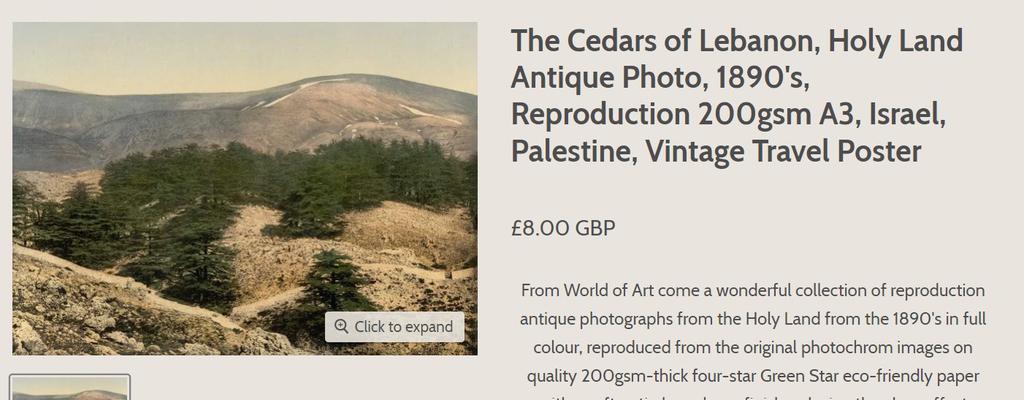
they thrive like a cedar in Lebanon;

for He will loose my feet from the net.

He inclined toward me,
and heeded my cry.
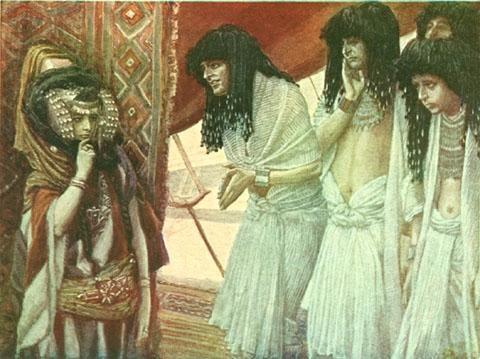
Rabbi Na’ama Dafni-Kellen of the Leo Baeck Education Center in Haifa, Israel says that there are three ways to handle Jewish texts with which you profoundly disagree: One, you can ignore the text; two, you can put it in historical context; three, you can rewrite the passage so it aligns more closely with your point of view.
When I read this text with my Rosh Chodesh group, I found that I couldn’t get myself to ignore it. What did this text mean? What was its message? I needed to know. As a group, we put the text into a historical context. There isn’t anything uniquely sexist about Abram and his understanding of women as property and as economic currency–the Bible is just set in inherently sexist and patriarchal times.
We spent most of our meeting (and hours afterwards) focusing on the last step: rewriting the text to make it more palatable to us as Jewish women. That felt so wrong at first. By rewriting this text, how could we be doing anything but ignoring part of our history? We should grapple with it. We should feel uncomfortable about it. We should think about it again and again and again. We should write midrash! We should write midrash on the midrash.
According to the Torah, these events happened. Whether we like it or not, they are part of our tradition, and rewriting them so that they’re more to our liking doesn’t change that. Just because a story upsets me and makes me uncomfortable doesn’t mean that it should be swept under the rug. I don’t want a new story, I want more of this story. What happened next? Did Abram feel badly at all for what he did to his wife? Did Sarai feel betrayed or taken advantage of? Did this negatively affect Abram and Sarai’s relationship, and if so, did they work to get past it?
I have similar questions about the #MeToo Movement and all the sexual abuse allegations coming to light. Like Sarai, these women’s bodies have been exploited for the benefit of men, without their consent. Because of the many repercussions associated with women sharing their stories (not being believed, losing jobs, the fear of retaliation from abusers, etc…), they often stay hidden. But now, thanks to things like the #MeToo Movement and more widespread support of women coming forward, more of these stories are being told.
What happened next in Abram and Sarai’s story? We may never know. What will happen next in the still developing story about the epidemic of sexual assault and harassment in this country? Well, that’s up to all of us. Sarai’s circumstances and the time in which she lived granted her few rights at all, let alone space to share her story, but we’ve come to a moment in time when it seems that the floodgates have finally opened. We can’t rewrite history, but we can change the narrative around women who speak up about sexual assault by believing them, by supporting them, and by making it clear that what they endured is not, and will never be acceptable.
(6) O offspring of Abraham, His servant,
O descendants of Jacob, His chosen ones. (7) He is the LORD our God;
His judgments are throughout the earth. (8) He is ever mindful of His covenant,
the promise He gave for a thousand generations, (9) that He made with Abraham,
swore to Isaac, (10) and confirmed in a decree for Jacob,
for Israel, as an eternal covenant, (11) saying, “To you I will give the land of Canaan
as your allotted heritage.”
(12) They were then few in number,
a mere handful, sojourning there, (13) wandering from nation to nation,
from one kingdom to another. (14) He allowed no one to oppress them;
He reproved kings on their account, (15) “Do not touch My anointed ones;
do not harm My prophets.”
(16) He called down a famine on the land,
destroyed every staff of bread. (17) He sent ahead of them a man,
Joseph, sold into slavery. (18) His feet were subjected to fetters;
an iron collar was put on his neck. (19) Until his prediction came true
the decree of the LORD purged him. (20) The king sent to have him freed;
the ruler of nations released him. (21) He made him the lord of his household,
empowered him over all his possessions, (22) to discipline his princes at will,
to teach his elders wisdom. (23) Then Israel came to Egypt;
Jacob sojourned in the land of Ham.
(24) He made His people very fruitful,
more numerous than their foes. (25) He changed their heart-b to hate His people,
to plot against His servants. (26) He sent His servant Moses,
and Aaron, whom He had chosen. (27) They performed His signs among them,
His wonders, against the land of Ham. (28) He sent darkness; it was very dark;
did they not defy His word?-c (29) He turned their waters into blood
and killed their fish. (30) Their land teemed with frogs,
even the rooms of their king. (31) Swarms of insects came at His command,
lice, throughout their country. (32) He gave them hail for rain,
and flaming fire in their land. (33) He struck their vines and fig trees,
broke down the trees of their country. (34) Locusts came at His command,
grasshoppers without number. (35) They devoured every green thing in the land;
they consumed the produce of the soil. (36) He struck down every first-born in the land,
the first fruit of their vigor. (37) He led Israel out with silver and gold;
none among their tribes faltered.
And I will bless you;
I will make your name great,
And you shall be a blessing.
(3) I will bless those who bless you
And curse the one who curses you;
And all the families of the earth
Shall bless themselves by you.” (4) Abram went forth as יקוק had commanded him, and Lot went with him. Abram was seventy-five years old when he left Haran.
(כד) וַֽיקוק הִמְטִ֧יר עַל־סְדֹ֛ם וְעַל־עֲמֹרָ֖ה גׇּפְרִ֣ית וָאֵ֑שׁ מֵאֵ֥ת יקוק מִן־הַשָּׁמָֽיִם׃ (כה) וַֽיַּהֲפֹךְ֙ אֶת־הֶעָרִ֣ים הָאֵ֔ל וְאֵ֖ת כׇּל־הַכִּכָּ֑ר וְאֵת֙ כׇּל־יֹשְׁבֵ֣י הֶעָרִ֔ים וְצֶ֖מַח הָאֲדָמָֽה׃ (כו) וַתַּבֵּ֥ט אִשְׁתּ֖וֹ מֵאַחֲרָ֑יו וַתְּהִ֖י נְצִ֥יב מֶֽלַח׃ (כז) וַיַּשְׁכֵּ֥ם אַבְרָהָ֖ם בַּבֹּ֑קֶר אֶ֨ל־הַמָּק֔וֹם אֲשֶׁר־עָ֥מַד שָׁ֖ם אֶת־פְּנֵ֥י יקוק׃ (כח) וַיַּשְׁקֵ֗ף עַל־פְּנֵ֤י סְדֹם֙ וַעֲמֹרָ֔ה וְעַֽל־כׇּל־פְּנֵ֖י אֶ֣רֶץ הַכִּכָּ֑ר וַיַּ֗רְא וְהִנֵּ֤ה עָלָה֙ קִיטֹ֣ר הָאָ֔רֶץ כְּקִיטֹ֖ר הַכִּבְשָֽׁן׃ (כט) וַיְהִ֗י בְּשַׁחֵ֤ת אֱלֹקִים֙ אֶת־עָרֵ֣י הַכִּכָּ֔ר וַיִּזְכֹּ֥ר אֱלֹקִ֖ים אֶת־אַבְרָהָ֑ם וַיְשַׁלַּ֤ח אֶת־לוֹט֙ מִתּ֣וֹךְ הַהֲפֵכָ֔ה בַּהֲפֹךְ֙ אֶת־הֶ֣עָרִ֔ים אֲשֶׁר־יָשַׁ֥ב בָּהֵ֖ן לֽוֹט׃
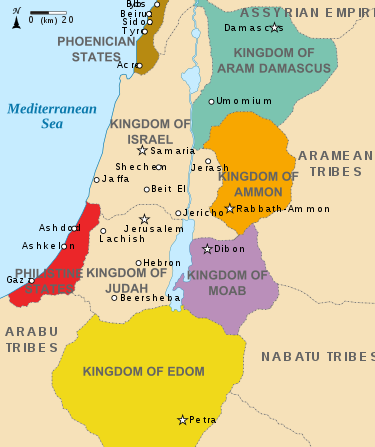
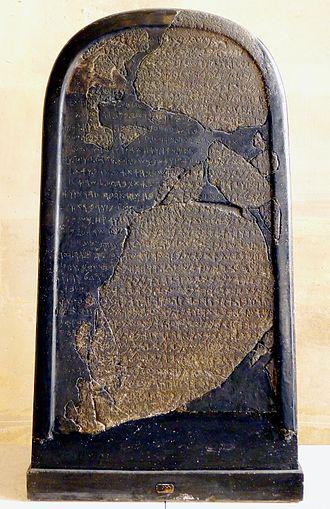
Ammon maintained its independence from the Neo-Assyrian Empire (10th to 7th centuries BCE) by paying tribute to the Assyrian kings at a time when that Empire raided or conquered nearby kingdoms.[3] The Kurkh Monolith lists the Ammonite king Baasha ben Ruhubi's army as fighting alongside Ahab of Israel and Syrian allies against Shalmaneser III at the Battle of Qarqar in 853 BC, possibly as vassals of Hadadezer, the Aramaean king of Damascus. In 734 BC the Ammonite king Sanipu was a vassal of Tiglath-Pileser III of Assyria, and Sanipu's successor Pudu-ilu held the same position under Sennacherib (r. 705–681) and Esarhaddon (r. 681–669).[4] An Assyrian tribute-list exists from this period, showing that Ammon paid one-fifth as much tribute as Judah did.[5]
Somewhat later, the Ammonite king Amminadab I (fl. 650 BCE) was among the tributaries who suffered in the course of the great Arabian campaign of Assurbanipal.[4] Other kings attested to in contemporary sources are Barachel (attested to in several contemporary seals) and Hissalel - Hissalel reigned about 620 BCE, and is mentioned in an inscription on a bottle found at Tel Siran in present-day Jordan, along with his son, King Amminadab II, who reigned around 600 BCE.
Archaeology and history indicate that Ammon flourished during the period of the Neo-Babylonian Empire (626 to 539 BCE). This contradicts the view, dominant for decades, that Transjordan was either destroyed by Nebuchadnezzar II, or suffered a rapid decline following Judah's destruction by that king. Newer evidence suggests that Ammon enjoyed continuity from the Neo-Babylonian to the Persian period of 550 to 330 BCE.[6]
The Ammonites received little historical mention from contemporaries through the Persian and early Hellenistic periods.[citation needed] Their name appears, however, during the time of the Maccabees. The Ammonites, with some of the neighboring tribes, did their utmost to resist and check the revival of Jewish power under Judas Maccabaeus in the period 167 to 160 BCE.[4][7] The dynast Hyrcanus founded Qasr Al Abd, and was a descendant of the Seleucid Tobiad dynasty of Tobiah, whom Nehemiah mentions in the 5th century BCE as an Ammonite (ii. 19) from the east-Jordanian district.
The last notice of the Ammonites occurs in Justin Martyr's Dialogue with Trypho (§ 119), in the second century CE; Justin affirms that they were still a numerous people.[4][8]
Therefore she is become a mockery.
All who admired her despise her,
For they have seen her disgraced;
And she can only sigh
And shrink back. (9) Her uncleanness clings to her skirts.
She gave no thought to her future;
She has sunk appallingly,
With none to comfort her.—
See, O LORD, my misery;
How the enemy jeers! (10) The foe has laid hands
On everything dear to her.
She has seen her Sanctuary
Invaded by nations
Which You have denied admission
Into Your community.
Remember what Balak king of Moab
Plotted against you,
And how Balaam son of Beor
Responded to him.
[Recall your passage]
From Shittim to Gilgal—
And you will recognize
The gracious acts of the LORD.”
“After you had lived a long time in the wilderness, (8) I brought you to the land of the Amorites who lived beyond the Jordan. They gave battle to you, but I delivered them into your hands; I annihilated them for you, and you took possession of their land. (9) Thereupon Balak son of Zippor, the king of Moab, made ready to attack Israel. He sent for Balaam son of Beor to curse you, (10) but I refused to listen to Balaam; he had to bless you, and thus I saved you from him.
Ah, in the night Ar was sacked,
Moab was ruined;
Ah, in the night Kir was sacked,
Moab was ruined.
(2) He went up to the temple to weep,
Dibon [went] to the outdoor shrines.
Over Nebo and Medeba
Moab is wailing;
On every head is baldness,
Every beard is shorn. (3) In its streets, they are girt with sackcloth;
On its roofs, in its squares,
Everyone is wailing,
Streaming with tears.
(1) Concerning the Ammonites.
Thus said the LORD:
Has Israel no sons,
Has he no heir?
Then why has Milcom dispossessed Gad,
And why have his people settled in Gad’s towns? (2) Assuredly, days are coming
—declares the LORD—
When I will sound the alarm of war
Against Rabbah of the Ammonites;
It shall become a desolate mound,
And its villages shall be set on fire.
And Israel shall dispossess
Those who dispossessed him
—said the LORD. (3) Howl, O Heshbon, for Ai is ravaged!
Cry out, O daughters of Rabbah!
Gird on sackcloth, lament,
And run to and fro in the sheepfolds.-c
For Milcom shall go into exile,
Together with his priests and attendants.
(4) Why do you glory in strength,
Your strength is drained,-d
O rebellious daughter,
You who relied on your treasures,
[Who said:] Who dares attack me? (5) I am bringing terror upon you
—declares the Lord GOD of Hosts—
From all those around you.
Every one of you shall be driven in every direction,-e
And none shall gather in the fugitives.
From Wikipedia, the free encyclopedia
(Redirected from Rabbah)
Jump to navigationJump to search
For other uses, see Amman (disambiguation).
mman (English: /əˈmɑːn/; Arabic: عَمَّان, ʻammān pronounced [ʕamːaːn]; Ammonite: 𐤓𐤁𐤕 𐤏𐤌𐤍 Rabat ʻAmān)[5][6] is the capital and largest city of Jordan, and the country's economic, political, and cultural center.[7] With a population of 4,061,150 as of 2021, Amman is the largest city in the Levant region, the fifth-largest city in the Arab world, and the ninth largest metropolitan area in the Middle East.[8]
The earliest evidence of settlement in Amman dates to the 8th millennium BC, in a Neolithic site known as 'Ain Ghazal, where the world's oldest statues of the human form have been unearthed. During the Iron Age, the city was known as Rabbath Ammon and served as the capital of the Ammonite Kingdom. In the 3rd century BC, Ptolemy II Philadelphus, Pharaoh of Ptolemaic Egypt, rebuilt the city and renamed it "Philadelphia", making it a regional center of Hellenistic culture
—declares the LORD of Hosts, the God of Israel—
Moab shall become like Sodom
And the Ammonites like Gomorrah:
Clumps of weeds and patches of salt,
And desolation evermore.
The remnant of My people shall plunder them,
The remainder of My nation shall possess them.
(ה) וְגַ֨ם־לְל֔וֹט הַהֹלֵ֖ךְ אֶת־אַבְרָ֑ם הָיָ֥ה צֹאן־וּבָקָ֖ר וְאֹהָלִֽים׃ (ו) וְלֹא־נָשָׂ֥א אֹתָ֛ם הָאָ֖רֶץ לָשֶׁ֣בֶת יַחְדָּ֑ו כִּֽי־הָיָ֤ה רְכוּשָׁם֙ רָ֔ב וְלֹ֥א יָֽכְל֖וּ לָשֶׁ֥בֶת יַחְדָּֽו׃
(5) Lot, who went with Abram, also had flocks and herds and tents, (6) so that the land could not support them staying together; for their possessions were so great that they could not remain together.
He understands tents figuratively, as meaning descendants. * V. infra, l, 10 ad fin. * Two precious things.
(ג) וַתֵּלֶד עָדָה אֶת יָבָל וגו' (בראשית ד, כ), לְשֶׁעָבַר הָיוּ מַקְנִין לְהַקָּדוֹשׁ בָּרוּךְ הוּא בְּמַטְמוֹנִיּוֹת, חָזְרוּ לִהְיוֹת מַקְנִין אוֹתוֹ בְּפַרְהֶסְיָא, הֲדָא הוּא דִכְתִיב (יחזקאל ח, ג): אֲשֶׁר שָׁם מוֹשַׁב סֵמֶל הַקִּנְאָה. (בראשית ד, כא): וְשֵׁם אָחִיו יוּבָל הוּא הָיָה אֲבִי כָּל תֹּפֵשׂ כִּנּוֹר וְעוּגָב, אַדְרִיכוֹלִין וּבוּרְבָּלִין. (בראשית ד, כב): וְצִלָּה גַּם הִוא יָלְדָה אֶת תּוּבַל קַיִן, רַבִּי יְהוֹשֻׁעַ דְּסִכְנִין בְּשֵׁם רַבִּי לֵוִי אָמַר, זֶה תִּבֵּל עֲבֵרָתוֹ שֶׁל קַיִן, קַיִן הָרַג וְלֹא הָיָה לוֹ בַּמֶּה לַהֲרֹג, אֲבָל זֶה לֹטֵשׁ כָּל חֹרֵשׁ נְחשֶׁת וּבַרְזֶל. (בראשית ד, כב): וַאֲחוֹת תּוּבַל קַיִן נַעֲמָה, אָמַר רַבִּי אַבָּא בַּר כַּהֲנָא, נַעֲמָה אִשְׁתּוֹ שֶׁל נֹחַ הָיְתָה, לָמָּה הָיוּ קוֹרִין אוֹתָהּ נַעֲמָה, שֶׁהָיוּ מַעֲשֶׂיהָ נְעִימִים. וְרַבָּנָן אָמְרֵי נַעֲמָה אַחֶרֶת הָיְתָה, וְלָמָּה הָיוּ קוֹרִין אוֹתָהּ נַעֲמָה, שֶׁהָיְתָה מַנְעֶמֶת בְּתֹף לַעֲבוֹדַת כּוֹכָבִים.
(3) ..."Tubal-Cain": R. Yehoshua of Sakhnin said in the name of R. Levi, "This one sweetened (literally, spiced) Cain's sin (some have the variant, 'Cain's work') - Cain would kill, but he did not have with what to kill; but this one 'forged every cutting instrument of copper and iron.'" And the sister of Tubal-Cain was Na’amah. Rabbi Abba bar Kahana said: Na’amah was Noah’s wife. Why was she called Na’amah? Because all of her deeds were pleasant (ne’imim). The Rabbis said this is a different Na’amah. Why was she called Na’amah? Because she beat on a drum to draw people to idol worship.
The early Jewish midrash Genesis Rabba (23.3)[3] identifies this Naamah (the daughter of Lamech and sister of Tubal-cain) as the wife of Noah (see Rashi's commentary on Genesis 4:22), while some Jewish traditions associate her with singing.[1]
The Naamah mentioned in the Bible is a Cainite, a descendant in the lineage of Cain. However, a Sethite Naamah is named as the wife of Noah, and a daughter of Enoch, Noah's grandfather, in a medieval midrash.[4]
our king, of the Holy One of Israel.
(20) Then You spoke to Your faithful ones in a vision
and said, “I have conferred power upon a warrior;
I have exalted one chosen out of the people. (21) I have found David, My servant;
anointed him with My sacred oil.
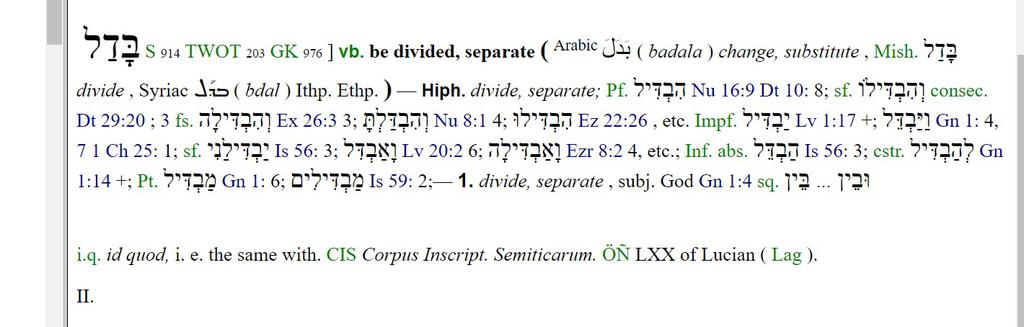
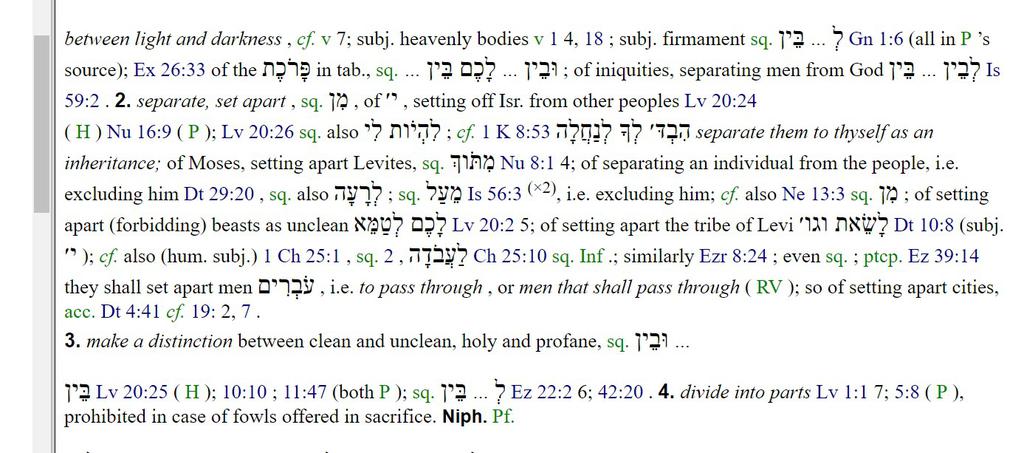
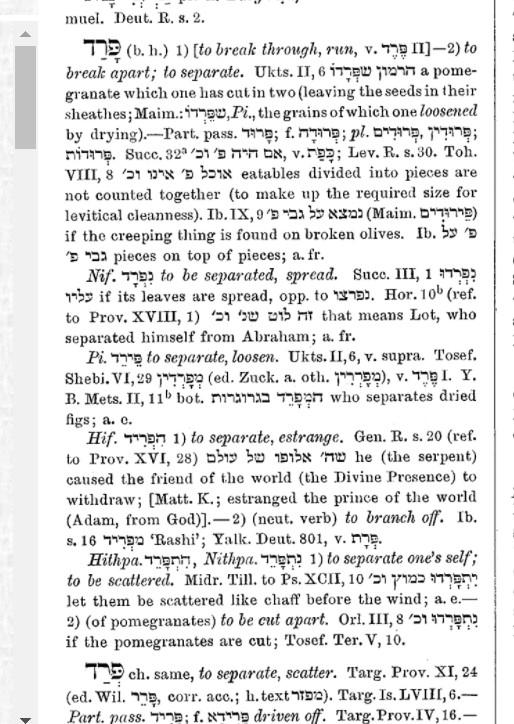
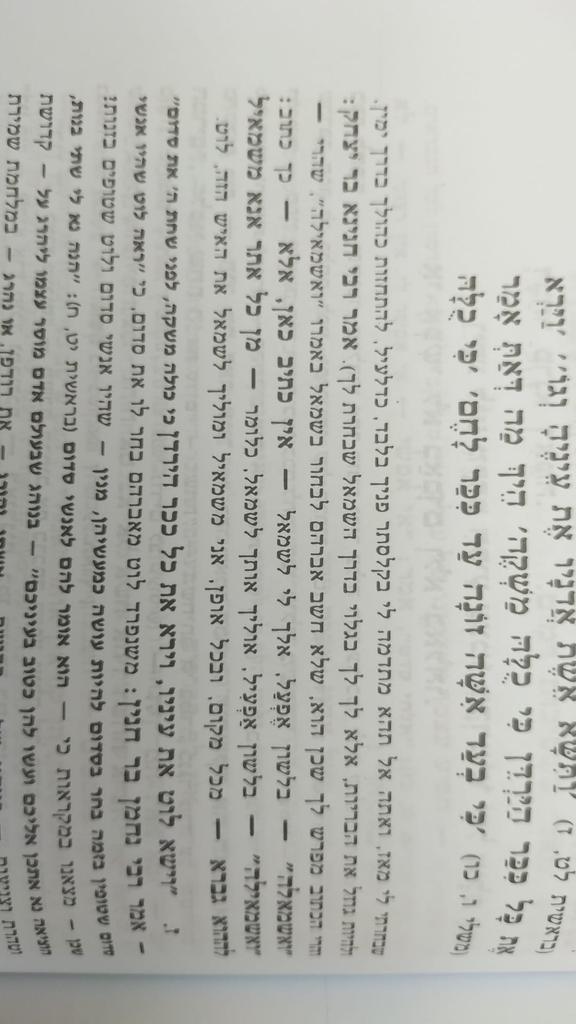
(ח) וַיֹּ֨אמֶר אַבְרָ֜ם אֶל־ל֗וֹט אַל־נָ֨א תְהִ֤י מְרִיבָה֙ בֵּינִ֣י וּבֵינֶ֔ךָ וּבֵ֥ין רֹעַ֖י וּבֵ֣ין רֹעֶ֑יךָ כִּֽי־אֲנָשִׁ֥ים אַחִ֖ים אֲנָֽחְנוּ׃ (ט) הֲלֹ֤א כׇל־הָאָ֙רֶץ֙ לְפָנֶ֔יךָ הִפָּ֥רֶד נָ֖א מֵעָלָ֑י אִם־הַשְּׂמֹ֣אל וְאֵימִ֔נָה וְאִם־הַיָּמִ֖ין וְאַשְׂמְאִֽילָה׃ (י) וַיִּשָּׂא־ל֣וֹט אֶת־עֵינָ֗יו וַיַּרְא֙ אֶת־כׇּל־כִּכַּ֣ר הַיַּרְדֵּ֔ן כִּ֥י כֻלָּ֖הּ מַשְׁקֶ֑ה לִפְנֵ֣י ׀ שַׁחֵ֣ת יקוק אֶת־סְדֹם֙ וְאֶת־עֲמֹרָ֔ה כְּגַן־יקוק כְּאֶ֣רֶץ מִצְרַ֔יִם בֹּאֲכָ֖ה צֹֽעַר׃ (יא) וַיִּבְחַר־ל֣וֹ ל֗וֹט אֵ֚ת כׇּל־כִּכַּ֣ר הַיַּרְדֵּ֔ן וַיִּסַּ֥ע ל֖וֹט מִקֶּ֑דֶם וַיִּפָּ֣רְד֔וּ אִ֖ישׁ מֵעַ֥ל אָחִֽיו׃ (יב) אַבְרָ֖ם יָשַׁ֣ב בְּאֶֽרֶץ־כְּנָ֑עַן וְל֗וֹט יָשַׁב֙ בְּעָרֵ֣י הַכִּכָּ֔ר וַיֶּאֱהַ֖ל עַד־סְדֹֽם׃
(8) Abram said to Lot, “Let there be no strife between you and me, between my herders and yours, for we are kin. (9) Is not the whole land before you? Let us separate: if you go north, I will go south; and if you go south, I will go north.” (10) Lot looked about him and saw how well watered was the whole plain of the Jordan, all of it—this was before יקוק had destroyed Sodom and Gomorrah—all the way to Zoar, like the garden of יקוק, like the land of Egypt. (11) So Lot chose for himself the whole plain of the Jordan, and Lot journeyed eastward. Thus they parted from each other; (12) Abram remained in the land of Canaan, while Lot settled in the cities of the Plain, pitching his tents near Sodom.
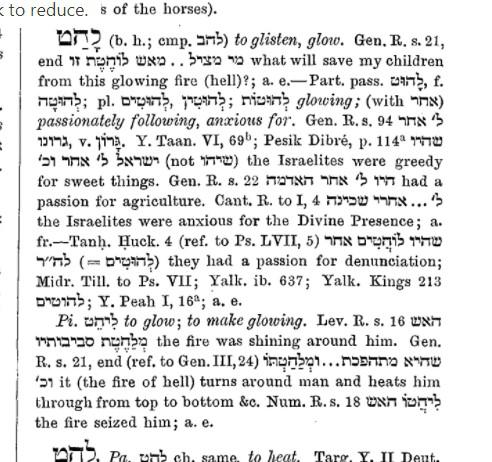

Or let her captivate you with her eyes. (26) The last loaf of bread will go for a harlot;
A married woman will snare a person of honor.
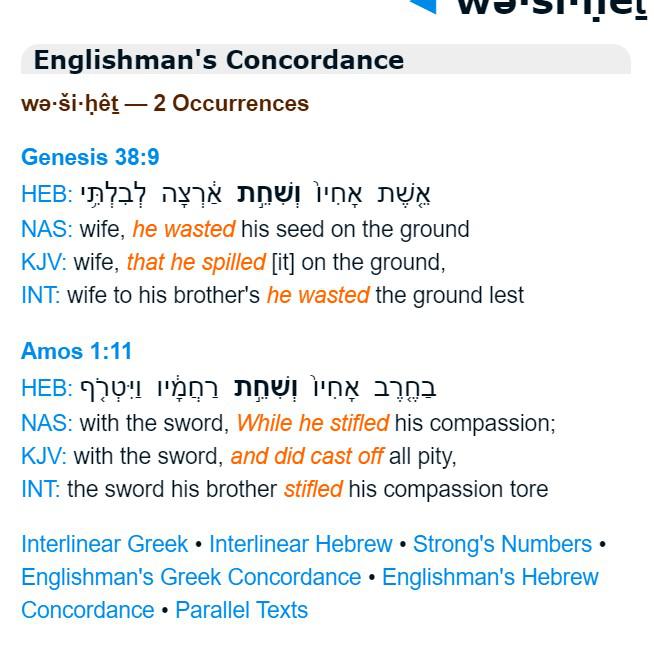
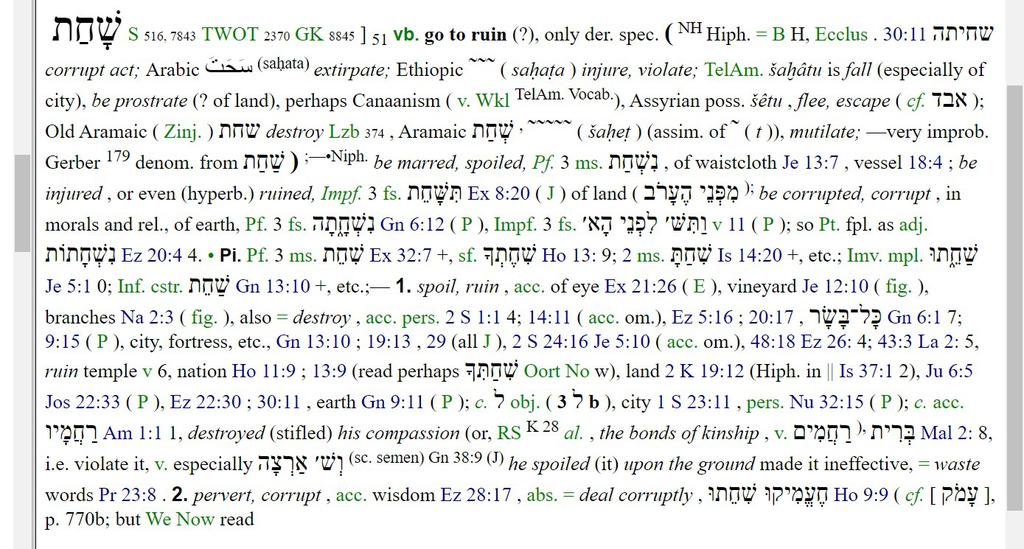
(ט) וַיֵּ֣דַע אוֹנָ֔ן כִּ֛י לֹּ֥א ל֖וֹ יִהְיֶ֣ה הַזָּ֑רַע וְהָיָ֞ה אִם־בָּ֨א אֶל־אֵ֤שֶׁת אָחִיו֙ וְשִׁחֵ֣ת אַ֔רְצָה לְבִלְתִּ֥י נְתׇן־זֶ֖רַע לְאָחִֽיו׃
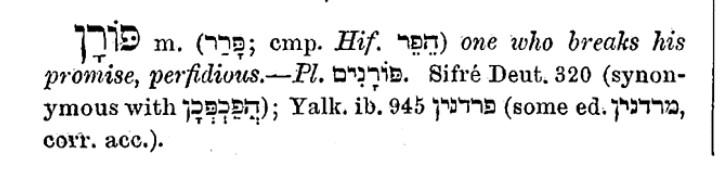
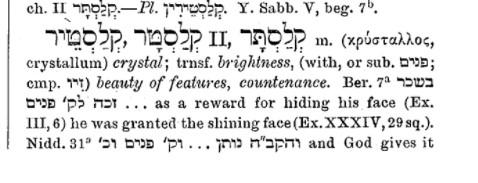
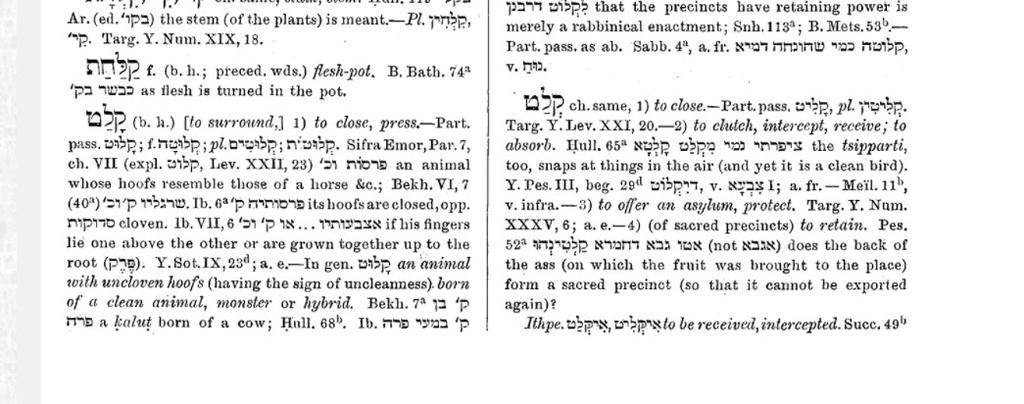
(ד) בַּרְזֶל טָמֵא שֶׁבְּלָלוֹ עִם בַּרְזֶל טָהוֹר, אִם רֹב מִן הַטָּמֵא, טָמֵא. וְאִם רֹב מִן הַטָּהוֹר, טָהוֹר. מֶחֱצָה לְמֶחֱצָה, טָמֵא. וְכֵן מִן הַחֲלָמָא וּמִן הַגְּלָלִים. קְלוֹסְטְרָא, טְמֵאָה. וּמְצֻפָּה, טְהוֹרָה. הַפִּין, וְהַפּוּרְנָה, טְמֵאִין. וְהַקְּלוֹסְטְרָא, רַבִּי יְהוֹשֻׁעַ אוֹמֵר, שׁוֹמְטָהּ מִפֶּתַח זֶה וְתוֹלָהּ בַּחֲבֵרוֹ בְּשַׁבָּת. רַבִּי טַרְפוֹן אוֹמֵר, הֲרֵי הִיא לוֹ כְּכָל הַכֵּלִים, וּמִטַּלְטֶלֶת בֶּחָצֵר:
(4) If unclean iron was smelted together with clean iron and the greater part was from the unclean iron, [the vessel made of the mixture] is unclean; If the greater part was from the clean iron, the vessel is clean. If each was half, it is unclean. The same law also applies to a mixture of cement and cattle dung. A door bolt is susceptible to impurity, but [one of wood] that is only plated with metal is not susceptible to impurity. The clutch and the crosspiece [of a lock] are susceptible to impurity. A door-bolt: Rabbi Joshua says: he may remove it from one door and hang it on another on Shabbat. Rabbi Tarfon says: it is like all other vessels and may be carried about in a courtyard.
(ג) קלוסטרא רבי טרפון מטמא וחכמים מטהרין וברוריא אומרת שומטה מן הפתח זה ותולה בחבירו בשבת כשנאמרו דברים לפני ר' יהושע אמר יפה אמרה ברוריא.
(3) 3 Regarding a "klustra" (door bolt): Rabbi Tarfon declares it impure, but the Sages declare it pure. Beruriah says, "[One may] remove it from this doorway and hang it on the neighboring doorway on Shabbat." When these words were spoken before Rabbi Joshua, he said, "Beruriah has spoken well (i.e., correctly)."
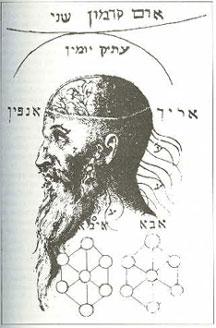
In Lurianic Kabbalah, the description of Adam Kadmon is anthropomorphic. Nonetheless, Adam Kadmon is divine light without vessels, i.e., pure potential. In the human psyche, Adam Kadmon corresponds to the yechidah, the collective essence of the soul.
ADAM KADMON (Primordial Man ), kabbalistic concept. The Gnostics inferred from the verse "Let us make man in our image" (Gen. 1:26) that the physical Adam was created in the image of a spiritual entity also called Adam. The early *Kabbalah speaks of adam elyon ("supreme man"; in the Zohar the corresponding Aramaic is adam di-l'ela or adam ila'ah). The term sometimes represents the totality of the Divine emanation in the ten *Sefirot ("spheres") and sometimes in a single Sefirah such as Keter ("crown"), Ḥokhmah ("wisdom"), or Tiferet ("beauty"). The term "Adam Kadmon" is first found in Sod Yedi'at ha-Meẓi'ut, an early 13th-century kabbalistic treatise. In the Tikkunei Zohar, the Divine Wisdom is called Adam ha-Gadol ("The Great Man"). The spiritual man is hinted at in the verse "a likeness as the appearance of a man" (Ezek. 1:26) which the prophet Ezekiel saw in the vision of the divine chariot. The letters of the Tetragrammaton (see Names of *God) when spelled out in full have the numerical value of 45, as do the letters of the word Adam. In this fact support was found for the revelation of God in the form of a spiritual man (Midrash Ruth Ne'elam in the Zohar). In contrast to the First Man Adam, this spiritual man is called in the Zohar proper the adam kadma'ah ila'ah ("primordial supreme man"), and in Tikkunei Zohar he is called Adam Kadmon ("primordial man") or Adam Kadmon le-khol ha-kedumim ("prototype of primordial man"). In the Kabbalah of Isaac *Luria, great importance and new significance is given to Adam Kadmon. There Adam Kadmon signifies the worlds of light which, after the retraction of the light of *Ein-Sof ("The Infinite"), emanated into primeval space. This Adam Kadmon is the most sublime manifestation of the Deity that is to some extent accessible to human meditation. It ranks higher in this system than all four worlds: Aẓilut ("emanation"), Beri'ah ("creation"), Yeẓirah ("formation"), and Asiyyah ("making"). The portrayal of this Adam Kadmon and his mysteries, and in particular the description of the lights which flow from his ears, mouth, nose, and eyes plays an important role in Ḥayyim *Vital's Eẓ Ḥayyim and in other kabbalistic works of the Lurianic school. Through this theory the mystical anthropomorphism of the school becomes crystallized.
Quarrel and contumely cease.
Pronounced /ˈkɒntjuːmɪlɪ/
Contumely is insolent or insulting language or treatment. Most of us first came across this word in Hamlet’s soliloquy, “Th’ oppressor’s wrong, the proud man’s contumely”, and were puzzled by it, as it’s hardly a word in common use.
I would have laid bets that it’s now obsolete, except that a search found this sentence from an issue of a British newspaper, the Daily Mail, of November 2003: “Yet it is hard to see how the monarchy may be delivered from contempt and contumely until the immediate crisis is faced down.”
The word came into English from Old French contumelie, which in turn derives from Latin contumelia. That seems most likely to be a combination of con-, with, plus tumere, to swell. The link is that the swelling up was with misplaced or ill-judged pride, leading to arrogant behaviour.
There’s no agreement about how to pronounce contumely. Some people say it as three syllables, /ˈkɒntjuːmlɪ/ , some as four, /ˈkɒntjuːmɪlɪ/; most stress it on the first syllable, but some prefer the second, especially when they say it as four syllables, /kɒnˈtjuːmɪlɪ/.
That’s not really a problem for most of us, since we’re hardly likely to want to say it unless we’re playing Hamlet; in that case, the scansion of Shakespeare’s blank verse requires three syllables with the stress on the first.
Whether ’tis nobler in the mind to suffer
The slings and arrows of outrageous fortune
Or to take arms against a sea of troubles,
And by opposing end them?—To die,—to sleep,—
No more; and by a sleep to say we end
The heartache, and the thousand natural shocks
That flesh is heir to,—’tis a consummation
Devoutly to be wish’d. To die,—to sleep;—
To sleep: perchance to dream:—ay, there’s the rub;
For in that sleep of death what dreams may come,
When we have shuffled off this mortal coil,
Must give us pause: there’s the respect
That makes calamity of so long life;
For who would bear the whips and scorns of time,
The oppressor’s wrong, the proud man’s contumely,
The pangs of despis’d love, the law’s delay,
The insolence of office, and the spurns
That patient merit of the unworthy takes,
When he himself might his quietus make
With a bare bodkin? who would these fardels bear,
To grunt and sweat under a weary life,
But that the dread of something after death,—
The undiscover’d country, from whose bourn
No traveller returns,—puzzles the will,
His speech is gracious;
He has the king for his companion.
(ה) רָא֤וּ אִיִּים֙ וְיִרָ֔אוּ קְצ֥וֹת הָאָ֖רֶץ יֶחֱרָ֑דוּ קָרְב֖וּ וַיֶּאֱתָיֽוּן׃ (ו) אִ֥ישׁ אֶת־רֵעֵ֖הוּ יַעְזֹ֑רוּ וּלְאָחִ֖יו יֹאמַ֥ר חֲזָֽק׃ (ז) וַיְחַזֵּ֤ק חָרָשׁ֙ אֶת־צֹרֵ֔ף מַחֲלִ֥יק פַּטִּ֖ישׁ אֶת־ה֣וֹלֶם פָּ֑עַם אֹמֵ֤ר לַדֶּ֙בֶק֙ ט֣וֹב ה֔וּא וַיְחַזְּקֵ֥הוּ בְמַסְמְרִ֖ים לֹ֥א יִמּֽוֹט׃ {ס} (ח) וְאַתָּה֙ יִשְׂרָאֵ֣ל עַבְדִּ֔י יַעֲקֹ֖ב אֲשֶׁ֣ר בְּחַרְתִּ֑יךָ זֶ֖רַע אַבְרָהָ֥ם אֹהֲבִֽי׃ (ט) אֲשֶׁ֤ר הֶחֱזַקְתִּ֙יךָ֙ מִקְצ֣וֹת הָאָ֔רֶץ וּמֵאֲצִילֶ֖יהָ קְרָאתִ֑יךָ וָאֹ֤מַר לְךָ֙ עַבְדִּי־אַ֔תָּה בְּחַרְתִּ֖יךָ וְלֹ֥א מְאַסְתִּֽיךָ׃ (י) אַל־תִּירָא֙ כִּ֣י עִמְּךָ־אָ֔נִי אַל־תִּשְׁתָּ֖ע כִּֽי־אֲנִ֣י אֱלֹקֶ֑יךָ אִמַּצְתִּ֙יךָ֙ אַף־עֲזַרְתִּ֔יךָ אַף־תְּמַכְתִּ֖יךָ בִּימִ֥ין צִדְקִֽי׃
The ends of earth tremble.
They draw near and come; (6) Each one helps the other,
Saying to his fellow, “Take courage!” (7) The woodworker encourages the smith;
He who flattens with the hammer
[Encourages] him who pounds the anvil.
He says of the riveting, “It is good!”
And he fixes it with nails,
That it may not topple.
(8) But you, Israel, My servant,
Jacob, whom I have chosen,
Seed of Abraham My friend— (9) You whom I drew from the ends of the earth
And called from its far corners,
To whom I said: You are My servant;
I chose you, I have not rejected you— (10) Fear not, for I am with you,
Be not frightened, for I am your God;
I strengthen you and I help you,
I uphold you with My victorious right hand.
One is prostrated by the very sight of him. (2) There is no one so fierce as to rouse him;
Who then can stand up to Me? (3) Whoever confronts Me I will requite,
For everything under the heavens is Mine. (4) I will not be silent concerning him
Or the praise of his martial exploits.-a (5) Who can uncover his outer garment?
Who can penetrate the folds of his jowls?
Come for water,
Even if you have no money;
Come, buy food and eat:
Buy food without money,
Wine and milk without cost.
The fox said to them: From what are you fleeing?
They said to him: We are fleeing from the nets that people cast upon us.
He said to them: Do you wish to come up onto dry land, and we will reside together just as my ancestors resided with your ancestors?
The fish said to him: You are the one of whom they say, he is the cleverest of animals? You are not clever; you are a fool. If we are afraid in the water, our natural habitat which gives us life, then in a habitat that causes our death, all the more so.
The moral is: So too, we Jews, now that we sit and engage in Torah study, about which it is written: “For that is your life, and the length of your days” (Deuteronomy 30:20), we fear the empire to this extent; if we proceed to sit idle from its study, as its abandonment is the habitat that causes our death, all the more so will we fear the empire. The Sages said: Not a few days passed until they seized Rabbi Akiva and incarcerated him in prison, and seized Pappos ben Yehuda and incarcerated him alongside him. Rabbi Akiva said to him: Pappos, who brought you here? Pappos replied: Happy are you, Rabbi Akiva, for you were arrested on the charge of engaging in Torah study. Woe unto Pappos who was seized on the charge of engaging in idle matters. The Gemara relates: When they took Rabbi Akiva out to be executed, it was time for the recitation of Shema. And they were raking his flesh with iron combs, and he was reciting Shema, thereby accepting upon himself the yoke of Heaven. His students said to him: Our teacher, even now, as you suffer, you recite Shema? He said to them: All my days I have been troubled by the verse: With all your soul, meaning: Even if God takes your soul. I said to myself: When will the opportunity be afforded me to fulfill this verse? Now that it has been afforded me, shall I not fulfill it? He prolonged his uttering of the word: One, until his soul left his body as he uttered his final word: One. A voice descended from heaven and said: Happy are you, Rabbi Akiva, that your soul left your body as you uttered: One.
Who have commanded you,
“Get down, that we may walk over you”—
So that you made your back like the ground,
Like a street for passersby.
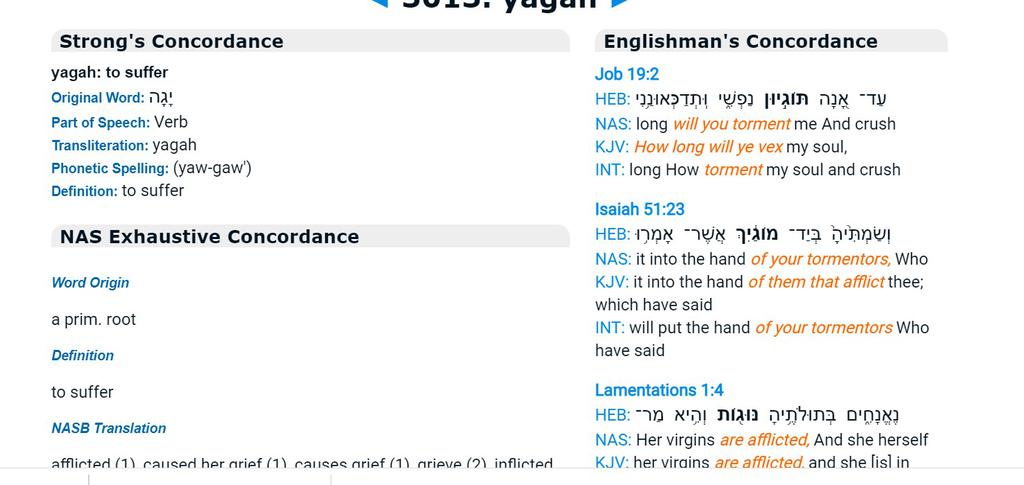
(כב) כֹּה־אָמַ֞ר אֲדֹנַ֣יִךְ יקוק וֵאלֹקַ֙יִךְ֙ יָרִ֣יב עַמּ֔וֹ הִנֵּ֥ה לָקַ֛חְתִּי מִיָּדֵ֖ךְ אֶת־כּ֣וֹס הַתַּרְעֵלָ֑ה אֶת־קֻבַּ֙עַת֙ כּ֣וֹס חֲמָתִ֔י לֹא־תוֹסִ֥יפִי לִשְׁתּוֹתָ֖הּ עֽוֹד׃ (כג) וְשַׂמְתִּ֙יהָ֙ בְּיַד־מוֹגַ֔יִךְ אֲשֶׁר־אָמְר֥וּ לְנַפְשֵׁ֖ךְ שְׁחִ֣י וְנַעֲבֹ֑רָה וַתָּשִׂ֤ימִי כָאָ֙רֶץ֙ גֵּוֵ֔ךְ וְכַח֖וּץ לַעֹבְרִֽים׃ {פ}
At the corner of every street—
Like an antelope caught in a net—
Drunk with the wrath of the LORD,
With the rebuke of your God. (21) Therefore,
Listen to this, unhappy one,
Who are drunk, but not with wine! (22) Thus said the LORD, your Lord,
Your God who champions His people:
Herewith I take from your hand
The cup of reeling,
The bowl, the cup of My wrath;
You shall never drink it again. (23) I will put it in the hands of your tormentors,
Who have commanded you,
“Get down, that we may walk over you”—
So that you made your back like the ground,
Like a street for passersby.
leveling its ridges,
You soften it with showers,
You bless its growth.

(ב) וְלֹא־הָ֥יָה מַ֖יִם לָעֵדָ֑ה וַיִּקָּ֣הֲל֔וּ עַל־מֹשֶׁ֖ה וְעַֽל־אַהֲרֹֽן׃ (ג) וַיָּ֥רֶב הָעָ֖ם עִם־מֹשֶׁ֑ה וַיֹּאמְר֣וּ לֵאמֹ֔ר וְל֥וּ גָוַ֛עְנוּ בִּגְוַ֥ע אַחֵ֖ינוּ לִפְנֵ֥י יקוק׃ (ד) וְלָמָ֤ה הֲבֵאתֶם֙ אֶת־קְהַ֣ל יקוק אֶל־הַמִּדְבָּ֖ר הַזֶּ֑ה לָמ֣וּת שָׁ֔ם אֲנַ֖חְנוּ וּבְעִירֵֽנוּ׃ (ה) וְלָמָ֤ה הֶֽעֱלִיתֻ֙נוּ֙ מִמִּצְרַ֔יִם לְהָבִ֣יא אֹתָ֔נוּ אֶל־הַמָּק֥וֹם הָרָ֖ע הַזֶּ֑ה לֹ֣א ׀ מְק֣וֹם זֶ֗רַע וּתְאֵנָ֤ה וְגֶ֙פֶן֙ וְרִמּ֔וֹן וּמַ֥יִם אַ֖יִן לִשְׁתּֽוֹת׃
Movable objects are acquired by hagbahah in the case of articles which can be lifted without difficulty; where they are too heavy, or can be raised only with difficulty, meshikhah takes its place (bb 86a). Both serve to demonstrate that the article thereby comes into the acquirer's possession, and is guarded for him as in his ḥaẓer. The article may be raised merely by the force of his body (Tos. to bk 98a). There is a difference of opinion as to whether it must be lifted one handsbreadth or three (Tos. to Kid., 26a). Meshikhah, applying to an animal, can be effected by striking or calling it so that it comes to one (bb 75a) or by leading or riding it (bm 8b). The prevailing opinion is that meshikhah applies only in premises owned by both parties or in a side street (bb 76b), but not in a public place. According to one opinion, however, it is effective in a public thoroughfare as well (tj, Kid. 1:4, Tos. to bk 79a). The above-mentioned methods of kinyan apply both to original and derivative acquisition, but in cases of derivative acquisition the express permission of the alienator to the acquirer to perform kinyan is an indispensable element in the kinyan (bk 52a; bb 53a). These methods of kinyan apply also to personal obligations, such as those of a bailee (Tos. to bk 79a) or an artisan for his work (bm 48a; see *Labor Law). Mesirah consists of grasping at the object to be acquired (bb 75b) and the term mesirah indicates that it is done at the behest of the transferor (Tos. to ibid.) Since it does not demonstrate intention to control the subject matter which is a necessary element of possession, it applies only to derivative acquisition. It is employed where meshikhah is ineffective, i.e., in a public place or in an ḥaẓer not belonging to either party.
(4) Ḥazakah
Whereas all the foregoing modes of acquisition apply to movables only, in the case of immovable property acquisition is by an act of ḥazakah (Kid. 26a) which consists of any act usually done by an owner, such as fencing, opening a gateway or locking the premises (bb 42a), or weeding or hoeing (ibid., 54a), or putting down a mattress to sleep there (ibid., 53b). In general, any improvement of the land is regarded as an act usually done by the owner (Maim. Yad, Mekhirah, 1:8). Such an act as preventing floodwaters from inundating a field, however, would not constitute a ḥazakah as it could be regarded simply as a voluntary neighborly act (bb 53a). There is a difference of opinion as to whether merely traversing the land is acquiring as it constitutes an act usually done by the owner (bb 100a). With regard to a sale or gift, the land acquired by the ḥazakah includes everything stipulated by the parties (Sh. Ar, Ḥm 192:12); with regard to ownerless property, it includes only such part as is patently seen to be in his possession (ibid. 275:3–9). As with meshikhah, in the case of derivative acquisition the alienator must specifically instruct the acquirer to take possession, or otherwise indicate his consent (bk 52a; bb 53a). There are forms of acquisition by ḥazakah which apply either to original or to derivative acquisition, but not to both (Sh. Ar., Ḥm 275:12–13). (For the ḥazakah established by three years' possession which is a method of proof and does not come within the category of kinyan, see *Ḥazakah).
The following methods of kinyan apply to derivative acquisitions only because they do not demonstrate possession but rather the intention of the parties to conclude the transaction:
(5) Kinyan Kesef
("Acquisition by money"). The transfer by the purchaser to the seller of the agreed monetary price of the article. R. Johanan is of the view that in strict law this mode of kinyan applies both to movables and immovables, and with regard to derivative acquisition the kinyan was done by paying money only and not by hagbahaḥ and meshikhah. But it was enacted that instead of paying money meshikhah should be necessary, since if the object remains in the possession of the transferor he may not guard it against being destroyed by fire or other dangers (bm 47a). Similarly, the need for a deed (shetar) was added in the case of immovables (Kid. 26a). The Jerusalem Talmud (Kid. 1:5) indicates other modes of kinyan with regard to immovables, one based on the removal of a shoe as mentioned in Ruth 4:7, and the other being *keẓaẓah, without any indication of the period when those modes were practiced. But kesef, shetar, and ḥazakah alone remained. However, even though, since tannaitic times, neither movables nor immovables were acquired solely by kinyan kesef, the sale of immovables was not regarded as completed until the money had passed, though it could be paid to a third party according to the seller's instructions (Kid. 7a). Where only part of the purchase money is paid, the balance being postponed by the transferor in the form of a loan, even if only implicitly and without the loan being expressly stated, the part payment concludes the transaction, unless it is clear from the conduct of the transferor that this part payment did not complete the transaction, even if kinyan took place (bm 77b). Kinyan kesef is already mentioned in the Bible (Gen. 23; Jer. 32:6–15).