


מִשֶּׁנִּכְנַס אָב מְמַעֲטִין בְּשִׂמְחָה וְכוּ׳. אָמַר רַב יְהוּדָה בְּרֵיהּ דְּרַב שְׁמוּאֵל בַּר שִׁילַת מִשְּׁמֵיהּ דְּרַב: כְּשֵׁם שֶׁמִּשֶּׁנִּכְנַס אָב מְמַעֲטִין בְּשִׂמְחָה — כָּךְ מִשֶּׁנִּכְנַס אֲדָר מַרְבִּין בְּשִׂמְחָה.
§ The mishna teaches that from when the month of Av begins, one decreases acts of rejoicing. Rav Yehuda, son of Rav Shmuel bar Sheilat, said in the name of Rav: Just as when Av begins one decreases rejoicing, so too when the month of Adar begins, one increases rejoicing.
Much thanks to my teacher, through books and internet, Rav Ouri Cherki.
Haman's vision in 1937
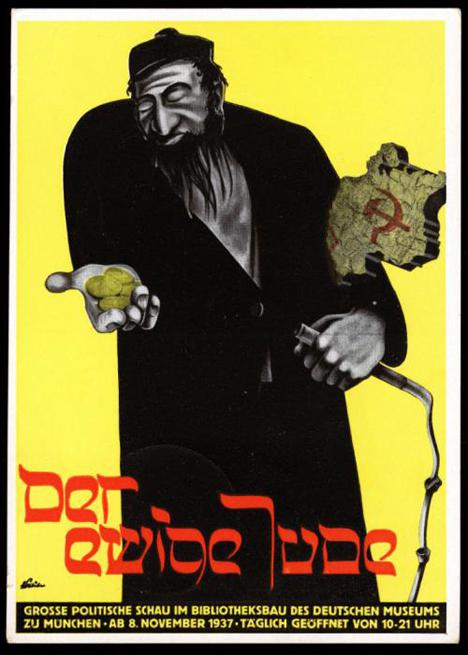
cf . Purim - The apparent failure of the Hiding God to the God of revelation & redemption
(א) וַיְהִ֖י בִּימֵ֣י אֲחַשְׁוֵר֑וֹשׁ ה֣וּא אֲחַשְׁוֵר֗וֹשׁ הַמֹּלֵךְ֙ מֵהֹ֣דּוּ וְעַד־כּ֔וּשׁ שֶׁ֛בַע וְעֶשְׂרִ֥ים וּמֵאָ֖ה מְדִינָֽה׃
(1) It happened in the days of Ahasuerus—that Ahasuerus who reigned over a hundred and twenty-seven provinces from India to Nubia.
(א) חֲזוֹן֙ יְשַֽׁעְיָ֣הוּ בֶן־אָמ֔וֹץ אֲשֶׁ֣ר חָזָ֔ה עַל־יְהוּדָ֖ה וִירֽוּשָׁלָ֑͏ִם בִּימֵ֨י עֻזִּיָּ֧הוּ יוֹתָ֛ם אָחָ֥ז יְחִזְקִיָּ֖הוּ מַלְכֵ֥י יְהוּדָֽה׃
(1) The prophecies of Isaiah son of Amoz, who prophesied concerning Judah and Jerusalem in the reigns of Uzziah, Jotham, Ahaz, and Hezekiah, kings of Judah.
אִי הָכִי, הַלֵּל נָמֵי נֵימָא! לְפִי שֶׁאֵין אוֹמְרִים הַלֵּל עַל נֵס שֶׁבַּחוּצָה לָאָרֶץ. יְצִיאַת מִצְרַיִם, דְּנֵס שֶׁבְּחוּצָה לָאָרֶץ, הֵיכִי אָמְרִינַן שִׁירָה? כִּדְתַנְיָא: עַד שֶׁלֹּא נִכְנְסוּ יִשְׂרָאֵל לָאָרֶץ — הוּכְשְׁרוּ כׇּל אֲרָצוֹת לוֹמַר שִׁירָה. מִשֶּׁנִּכְנְסוּ יִשְׂרָאֵל לָאָרֶץ — לֹא הוּכְשְׁרוּ כׇּל הָאֲרָצוֹת לוֹמַר שִׁירָה. רַב נַחְמָן אָמַר: קְרִיָּיתָהּ זוֹ הַלֵּילָהּ. רָבָא אָמַר, בִּשְׁלָמָא הָתָם: ״הַלְלוּ עַבְדֵי ה׳״ — וְלֹא עַבְדֵי פַרְעֹה, אֶלָּא הָכָא: ״הַלְלוּ עַבְדֵי ה׳״ — וְלֹא עַבְדֵי אֲחַשְׁוֵרוֹשׁ? אַכַּתִּי עַבְדֵי אֲחַשְׁוֵרוֹשׁ אֲנַן.
The Gemara asks: If so, our obligation should be at least as great as when we recall the exodus from Egypt, and let us also recite hallel on Purim. The Gemara answers: Hallel is not said on Purim, because hallel is not recited on a miracle that occurred outside Eretz Yisrael. The Gemara asks: If so, with regard to the exodus from Egypt as well, which was a miracle that occurred outside Eretz Yisrael, how are we able to recite songs of praise? The Gemara answers: As it is taught in a baraita: Prior to the time when the Jewish people entered Eretz Yisrael, all lands were deemed fit for songs of praise to be recited for miracles performed within their borders, as all lands were treated equally. But after the Jewish people entered Eretz Yisrael, that land became endowed with greater sanctity, and all the other lands were no longer deemed fit for songs of praise to be recited for miracles performed within them. Rav Naḥman said an alternative answer as to why hallel is not recited on Purim: The reading of the Megilla itself is an act of reciting hallel. Rava said a third reason why hallel is not recited on Purim: Granted that hallel is said there, when recalling the exodus from Egypt, as after the salvation there, they could recite the phrase in hallel: “Give praise, O servants of the Lord” (Psalms 113:1); after their servitude to Pharaoh ended with their salvation, they were truly servants of the Lord and not servants of Pharaoh. But can it be said here, after the limited salvation commemorated on Purim: “Give praise, O servants of the Lord,” which would indicate that after the salvation the Jewish people were only servants of the Lord and not servants of Ahasuerus? No, even after the miracle of Purim, we were still the servants of Ahasuerus, as the Jews remained in exile under Persian rule, and consequently the salvation, which was incomplete, did not merit an obligation to say hallel.
On Hanukkah, the Jewish women do not submit to Gentiles. Instead of lying with the enemy, Judith beheaded him. The unnamed daughter of the high priest, Yochanan, refuses to submit to Droit de la seigneur and inspires her family, the Maccabees, and an entire people to successfully revolt against the Greek masters.On Purim, Esther, a descendent of the first Israelite king submits and joins the bed of the Gentile Emperor.
Throughout the first temple, we had our own king in our own land. During the Second Temple, following the Hanukkah revolution, a new Jewish dynasty held sovereign power for almost 2 centuries.
On Purim, we cheer that Mordechai became the number 2 man to the king.
The Book of Exodus begins with our bondage and describes our bond owners as "masters of taxation."Purim which celebrates the saving of our lives ends with the king composing a new tax. As the Talmud says, we are still slaves of Ahasuerus.
Our holidays celebrate God's revelation in history, including Hanukkah, where God is revealed through the miracle of the menorah.On Purim, God is completely hidden. There is no mention of His name in the Megillah.
So why the joy?
רַבִּי יְהוּדָה אוֹמֵר: הֲדַסָּה שְׁמָהּ, וְלָמָּה נִקְרֵאת שְׁמָהּ אֶסְתֵּר? עַל שֵׁם שֶׁהָיְתָה מַסְתֶּרֶת דְּבָרֶיהָ, שֶׁנֶּאֱמַר: ״אֵין אֶסְתֵּר מַגֶּדֶת אֶת עַמָּהּ וְגוֹ׳״. רַבִּי נְחֶמְיָה אוֹמֵר: הֲדַסָּה שְׁמָהּ, וְלָמָּה נִקְרֵאת אֶסְתֵּר? שֶׁהָיוּ אוּמּוֹת הָעוֹלָם קוֹרִין אוֹתָהּ עַל שׁוּם אִסְתַּהַר. בֶּן עַזַּאי אוֹמֵר: אֶסְתֵּר, לֹא אֲרוּכָּה וְלֹא קְצָרָה הָיְתָה, אֶלָּא בֵּינוֹנִית כַּהֲדַסָּה. רַבִּי יְהוֹשֻׁעַ בֶּן קׇרְחָה אָמַר: אֶסְתֵּר — יְרַקְרוֹקֶת הָיְתָה, וְחוּט שֶׁל חֶסֶד מָשׁוּךְ עָלֶיהָ.
Rabbi Yehuda differs and says: Hadassah was her real name. Why then was she called Esther? Because she concealed [masteret] the truth about herself, as it is stated: “Esther had not yet made known her kindred nor her people” (Esther 2:20). Rabbi Neḥemya concurs and says: Hadassah was her real name. Why then was she called Esther? This was her non-Hebrew name, for owing to her beauty the nations of the world called her after Istahar, Venus. Ben Azzai says: Esther was neither tall nor short, but of average size like a myrtle tree, and therefore she was called Hadassah, the Hebrew name resembling that myrtle tree. Rabbi Yehoshua ben Korḥa said: Esther was called Hadassah because she was greenish, having a pale complexion like a myrtle, but a cord of Divine grace was strung around her, endowing her with a beautiful appearance.
As the Talmud says, we celebrate because our lives were saved; we were not destroyed. There is nothing holy about Purim. Even Hanukkah has a dimension of holiness, as the Hanukkah lights are called holy. The Purim celebration only invites us to be a little free of the moderation that a holy lifestyle requires (see Ramban's comment on "Be holy...").
Even when God is completely hidden, even when prophecy disappears, even when we are not in the land of Israel, God's providence always shelters us, preserves us, guides us, and assures us that we will never be destroyed. We are an eternal people.
Netzach Yisroel
In March of 1898, the American writer, Mark Twain wrote, in very outdated language, about the Jewish people. he said:
The Jew has made a marvelous fight in the world, in all the ages, and he's done it with his hands tied behind him, he could be vain of himself, and be excused for it. The Egyptian, the Babylonian, and the Persian rose filled the planet with noise and splendor, then faded to dream stuff and passed away. The Greek and the Roman followed and made a loud noise, and they are gone; other peoples sprung up and held their torch high for a time, but it burnt out and they sit in twilight or have vanished.
The Jew saw them all, beat them all, and is now what he always was.......
All things are mortal but the Jew. All other forces pass, but he remains.
What, asks Mark Twain, is the secret of his immortality?
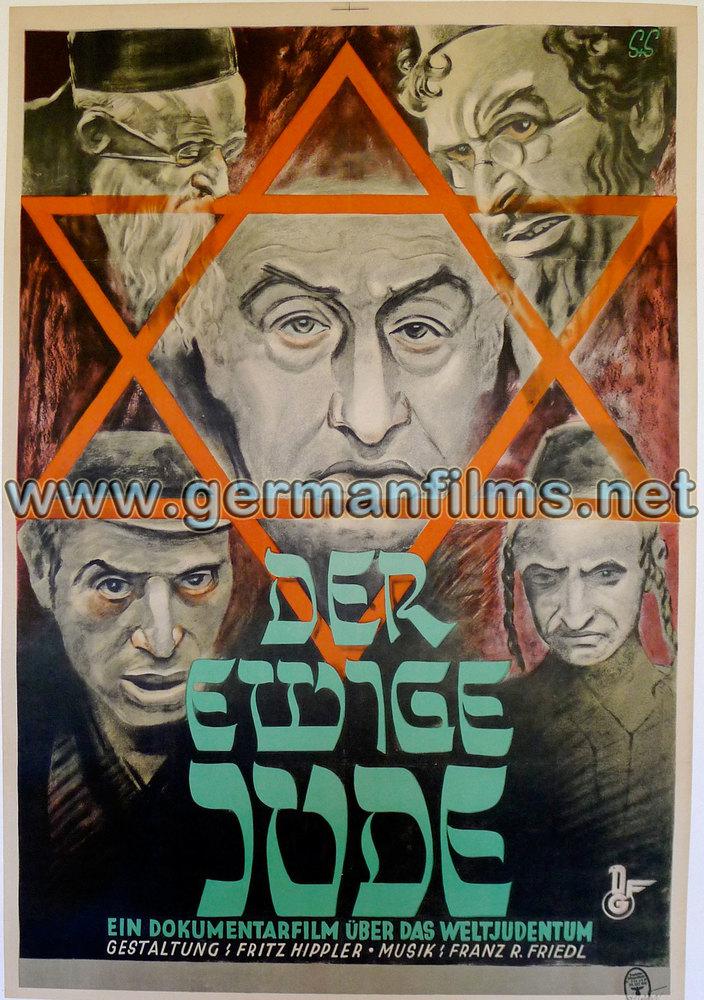
Haamek Davar on Exodus. Esther 9:29 (last page of commentary on Esther )
(כח) וְהַיָּמִ֣ים הָ֠אֵ֠לֶּה נִזְכָּרִ֨ים וְנַעֲשִׂ֜ים בְּכׇל־דּ֣וֹר וָד֗וֹר מִשְׁפָּחָה֙ וּמִשְׁפָּחָ֔ה מְדִינָ֥ה וּמְדִינָ֖ה וְעִ֣יר וָעִ֑יר וִימֵ֞י הַפּוּרִ֣ים הָאֵ֗לֶּה לֹ֤א יַֽעַבְרוּ֙ מִתּ֣וֹךְ הַיְּהוּדִ֔ים וְזִכְרָ֖ם לֹא־יָס֥וּף מִזַּרְעָֽם׃ {ס}
(28) Consequently, these days are recalled and observed in every generation: by every family, every province, and every city. And these days of Purim shall never cease among the Jews, and the memory of them shall never perish among their descendants.
(ד) אין אומרים תחנון (ולא סליחות) (הגהות אשירי) בת"ב ואין נופלין על פניהם משום דמקרי מועד: הגה וקורין בתורה כי תוליד בנים ומפטירין בירמיה אסף אסיפם וכל הקדישים שאומרי' אחר איכה עד שיוצאים למחר מב"ה אין אומרים תתקבל ואין אומרים אל ארך אפים (טור ומנהגים) ולא למנצח (מנהגים) ולא פטום הקטורת (מרדכי) ואין צריך לשנות מקומו בת"ב:
(4) People don't say Tachanun [or slichot {notes of Ashiri}] on Tisa b'Av, and they don't fall on their faces, because it's called a festival [???]. [Note {of the Rem"a} -- and we read from the Torah "When you birth children" (Deuteronomy 4:25) and from the Haftorah in Jeremiah "I will make an end of them" (Jeremiah 8:13), and all the Kaddishim are said after Eicha until they go out tomorrow to the synagogue, and we don't say "Titkabal" and we don't say "God, slow to anger" {Tur Minhagim} or "Lamenatzeach {Minhagim} and not Pitom haKetoret {Mordechai} and there is no need to change one's place on Tisha b'Av].
(יד) כִּלָּה יי אֶת חֲמָתוֹ שָׁפַךְ חֲרוֹן אַפּוֹ, אָמַר רַבִּי אַרְבַּע שְׁפִיכוֹת לְטוֹבָה וְאַרְבַּע שְׁפִיכוֹת לְרָעָה. אַרְבַּע שְׁפִיכוֹת לְטוֹבָה, שֶׁנֶּאֱמַר (זכריה יב, י): וְשָׁפַכְתִּי עַל בֵּית דָּוִיד וְעַל יוֹשֵׁב יְרוּשָׁלָיִם רוּחַ חֵן וְתַחֲנוּנִים, (יואל ג, א): וְהָיָה אַחֲרֵי כֵן אֶשְׁפּוֹךְ אֶת רוּחִי עַל כָּל בָּשָׂר וגו' וְגַם עַל הָעֲבָדִים וְעַל הַשְּׁפָחוֹת בַּיָּמִים הָהֵמָּה אֶשְׁפּוֹךְ אֶת רוּחִי, (יחזקאל לט, כט): וְלֹא אַסְתִּיר עוֹד פָּנַי מֵהֶם אֲשֶׁר שָׁפַכְתִּי אֶת רוּחִי עַל בֵּית יִשְׂרָאֵל נְאֻם אדושם אֱלֹקִים. וְאַרְבַּע שְׁפִיכוֹת לְרָעָה, שֶׁנֶּאֱמַר (ישעיה מב, כה): וַיִּשְׁפֹּךְ עָלָיו חֵמָה אַפּוֹ, וּבִיחֶזְקֵאל כְּתִיב (יחזקאל ט, ח): בְּשָׁפְכְּךָ אֶת חֲמָתְךָ עַל יְרוּשָׁלָיִם, וּכְתִיב (איכה ב, ד): שָׁפַךְ כָּאֵשׁ חֲמָתוֹ, וְהָדֵין: כִּלָּה יי אֶת חֲמָתוֹ שָׁפַךְ חֲרוֹן אַפּוֹ. וַיַּצֶּת אֵשׁ בְּצִיּוֹן, כְּתִיב (תהלים עט, א): מִזְמוֹר לְאָסָף אֱלֹקִים בָּאוּ גּוֹיִם בְּנַחֲלָתֶךָ, לָא הֲוָה קְרָא צָרִיךְ לְמֵימַר אֶלָּא בְּכִי לְאָסָף, נְהִי לְאָסָף, קִינָה לְאָסָף, וּמָה אוֹמֵר מִזְמוֹר לְאָסָף, אֶלָּא מָשָׁל לְמֶלֶךְ שֶׁעָשָׂה בֵּית חֻפָּה לִבְנוֹ וְסִיְּדָהּ וְכִיְּרָהּ וְצִיְּרָהּ, וְיָצָא בְּנוֹ לְתַרְבּוּת רָעָה, מִיָּד עָלָה הַמֶּלֶךְ לַחֻפָּה וְקָרַע אֶת הַוִּילָאוֹת וְשִׁבֵּר אֶת הַקָּנִים, וְנָטַל פַּדְגּוֹג שֶׁלּוֹ אִיבּוּב שֶׁל קָנִים וְהָיָה מְזַמֵּר. אָמְרוּ לוֹ, הַמֶּלֶךְ הָפַךְ חֻפָּתוֹ שֶׁל בְּנוֹ וְאַתְּ יוֹשֵׁב וּמְזַמֵּר, אָמַר לָהֶם מְזַמֵּר אֲנִי שֶׁהָפַךְ חֻפָּתוֹ שֶׁל בְּנוֹ וְלֹא שָׁפַךְ חֲמָתוֹ עַל בְּנוֹ. כָּךְ אָמְרוּ לְאָסָף הַקָּדוֹשׁ בָּרוּךְ הוּא הֶחֱרִיב הֵיכָל וּמִקְדָּשׁ וְאַתָּה יוֹשֵׁב וּמְזַמֵּר, אָמַר לָהֶם מְזַמֵּר אֲנִי שֶׁשָּׁפַךְ הַקָּדוֹשׁ בָּרוּךְ הוּא חֲמָתוֹ עַל הָעֵצִים וְעַל הָאֲבָנִים וְלֹא שָׁפַךְ חֲמָתוֹ עַל יִשְׂרָאֵל, הֲדָא הוּא דִכְתִיב: וַיַּצֶּת אֵשׁ בְּצִיּוֹן וַתֹּאכַל יְסֹדֹתֶיהָ.
(14) "Hashem vented all His fury, poured out His blazing wrath (Lamentations 4:11)": Rabbi said: "There are four ‘pouring out’ for good and four ‘pouring out’ for evil. The four for good: “And I will pour out upon the house of David and upon the inhabitants of Jerusalem a spirit of grace and supplications. (Zechariah 12:10)", “And it shall come to pass afterwards that I will pour out My spirit upon all flesh (Joel 3:1)", “And even upon the slaves and the maidservants in those days will I pour out My spirit (Joel 3:2)", “And I shall no longer hide My face from them, for I shall have poured out My spirit upon the House of Israel (Ezekiel 39:29)". The four for evil: “And He poured out upon them the fury of His anger (Isaiah 42:25)", “When You pour out Your fury on Jerusalem (Ezekiel 9:8)", and it is written: "He poured out his anger like fire (Lamentations 2:4)" and here: “Hashem has spent His fury, He has poured out His fierce anger (Lamenations 4:11)". "He kindled a fire in Zion": It is written: "A psalm of Asaph. O God, heathens have entered Your domain (Psalm 79:1)": This verse should not have said "psalm", but rather a "lament" of Asaph, a "mourning song" of Asaph, an "elegy" of Asaph, so why does it say "a psalm of Asaph"? Rather it is a parable about a king who made a huppah for his son and its foundation and its wall and its decoration, and his son went out and did evil debauchery, and so the king went up to the huppah and tore up the curtains and smashed the supports and his tutor (paidogogos) went and made a flute of the support and was playing music. They said to him: "The king overturned his son's huppah and you are sitting playing music?" and he said to them: "I am playing music because he overturned his son's huppah and did not "pour out his anger" on his son. So they said to Asaph: "The Holy One, blessed be He, has destroyed the Temple and you are sitting and playing music?" and he said to them: "I am playing music because the Holy One, blessed be He, "poured out his anger" on wood and stone and did not "pour out his anger" on Israel. See! It is written: "He kindled a fire in Zion which consumed its foundations".