


(ב) אפי' להרהר בד"ת אסור בבית הכסא ובבית המרחץ ובמקום הטנופת והוא המקום שיש בו צואה ומי רגלים: הגה ואפי' הלכות המרחץ אסור ללמוד במרחץ (ר"ן פ' כירה ונ"י בשם א"ח): דברים של חול מותר לאמרם שם בלשון הקודש וכן הכנויים כגון רחום נאמן וכיוצא בו מותר לאמרם שם אבל השמות שאינם נמחקין אסור להזכירם שם ואם נזדמן לו שם להפריש מדבר האסור מפריש ואפילו בלשון הקודש ובענייני קודש: הגה ובמקום שמותר להרהר בד"ת מותר לפסוק דין ובלבד שלא יאמר טעמו של דבר (ר"ן פ"ק דשבת ופרק כל הצלמים):
(2) Even to consider matters of Torah, is forbidden in the bathroom, and in the bathhouse, and in a filthy place - and this is in a place in which there is excrement or urine. Rem"a: and it is even forbidden to study the laws of the bathhouse in the bathhouse (Ran: Perek "Kirah" and Nimukei Yosef in the name of Orchot Chaim). It is permitted to speak of secular matters in the holy tongue there. And similarly, nicknames [for God] such as Merciful One, Faithful One, and similar, it is permitted to say them there. But the names that may not be erased - it is forbidden to mention them there. And if one happened upon someone there [who is doing something that is prohibited, and they are required] to restrain them from that prohibited matter, they may restrain them, and even using the holy tongue and even regarding holy matters. Rem"a: And in a place that it is permitted to contemplate matters of Torah [but not discuss them], it is permitted to rule in a matter of law as long as one does not say the rationale regarding the matter (Ran Perek 1 of Shabbat and Perek "Kol haTzlamim").
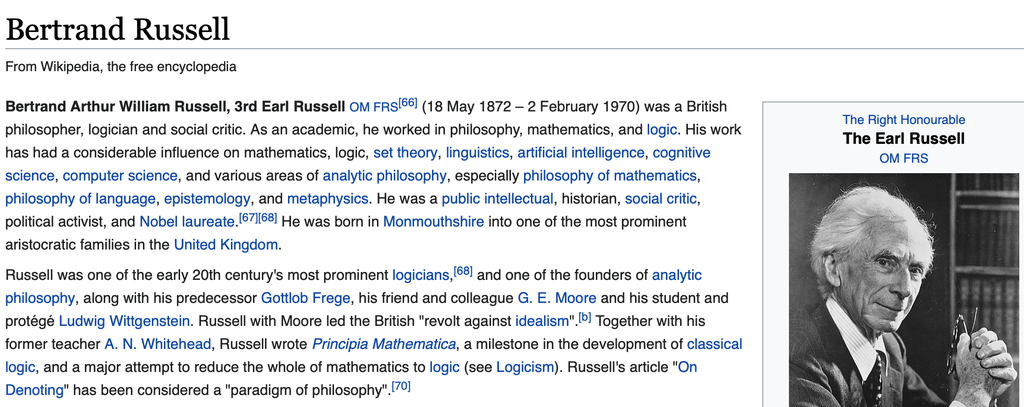
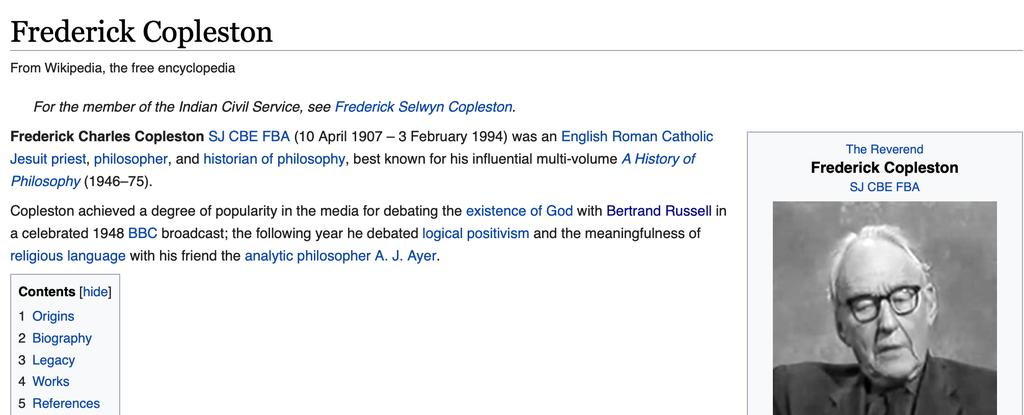
C: First of all, I should say, we know that there are at least some beings in the world which do not contain in themselves the reason for their existence. For example, I depend on my parents, and now on the air, and on food, and so on. Now, secondly, the world is simply the real or imagined totality or aggregate of individual objects, none of which contain in themselves alone the reason for their existence. There isn't any world distinct from the objects which form it, any more than the human race is something apart from the members. Therefore, I should say, since objects or events exist, and since no object of experience contains within itself reason of its existence, this reason, the totality of objects, must have a reason external to itself. That reason must be an existent being. Well, this being is either itself the reason for its own existence, or it is not. If it is, well and good. If it is not, then we must proceed farther. But if we proceed to infinity in that sense, then there's no explanation of existence at all. So, I should say, in order to explain existence, we must come to a being which contains within itself the reason for its own existence, that is to say, which cannot not exist. I have made use of his argument from contingent to necessary being, basing the argument on the principle of sufficient reason, simply because it seems to me a brief and clear formulation of what is, in my opinion, the fundamental metaphysical argument for God's existence. Take the proposition "if there is a contingent being then there is a necessary being”. That there is a contingent being actually existing has to be discovered by experience, though once you know, I should maintain, that there is a contingent being, it follows of necessity that there is a necessary being.
R: A being that must exist and cannot not exist, would surely, according to you, be a being whose essence involves existence.
C: Yes, a being the essence of which is to exist. But I should not be willing to argue the existence of God simply from the idea of His essence because I don't think we have any clear intuition of God's essence as yet. I think we have to argue from the world of experience to God.
R: Yes, I quite see the distinction. But, at the same time, for a being with sufficient knowledge, it would be true to say "Here is this being whose essence involves existence!"
C: Yes, certainly if anybody saw God, he would see that God must exist.
R: So that I mean there is a being whose essence involves existence although we don't know that essence. We only know there is such a being.
C: Yes, I should add we don't know the essence a priori. It is only a posteriori through our experience of the world that we come to a knowledge of the existence of that being. And then one argues, the essence and existence must be identical. Because if God's essence and God's existence was not identical, then some sufficient reason for this existence would have to be found beyond God.
R: So it all turns on this question of sufficient reason, and I must say you haven't defined sufficient reason" in a way that I can understand -- what do you mean by sufficient reason? You don't mean cause?
C: Not necessarily…An adequate explanation must ultimately be a total explanation, to which nothing further can be added…However, you say, I think, that it is illegitimate to raise the question of what will explain the existence of any particular object?
R: It's quite all right if you mean by explaining it, simply finding a cause for it.
C: Well, why stop at one particular object? Why shouldn't one raise the question of the cause of the existence of all particular objects?
R: Because I see no reason to think there is any. The whole concept of cause is one we derive from our observation of particular things; I see no reason whatsoever to suppose that the total has any cause whatsoever.
C: Well, to say that there isn't any cause is not the same thing as saying that we shouldn't look for a cause. The statement that there isn't any cause should come, if it comes at all, at the end of the inquiry, not the beginning. In any case, if the total has no cause, then to my way of thinking it must be its own cause, which seems to me impossible. Moreover, the statement that the world is simply there if in answer to a question, presupposes that the question has meaning.
R: No, it doesn't need to be its own cause, what I'm saying is that the concept of cause is not applicable to the total… I should say that the universe is just there, and that's all.
C: Well, I can't see how you can rule out the legitimacy of asking the question how the total, or anything at all comes to be there. Why something rather than nothing, that is the question? The fact that we gain our knowledge of causality empirically, from particular causes, does not rule out the possibility of asking what the cause of the series is.
R: That's always assuming that not only every particular thing in the world, but the world as a whole must have a cause. For that assumption I see no ground whatever.
Neither can an argument for the application of the Causal Principle to the universe be drawn from inductive experience. Even if the Causal Principle applies to events in the world, we cannot extrapolate from the way the world works to the world as a whole (Mackie 1982: 85; Kant 1787: B638).
Some suggest a pragmatic-type argument to show that the Causal and Sufficient Reason principles are true. The best explanation of the success of science and other such rational endeavors is that the principles are really indicative of how reality operates.
Clearly, the soundness of the deductive version of the cosmological argument hinges on whether principles like that of Causation or Sufficient Reason are more than methodologically true and on the extent to which these principles can be applied to things, events, and facts. Critics of the argument will be skeptical regarding the universal application of the principles; defenders of the argument generally not so, at least as limited to contingencies. Perhaps the best one can say, with Taylor, is that even those who critique the PSR (understood broadly that every contingent thing, event. or fact must have a sufficient cause, reason, or ground) invoke it when they suggest that defenders of the principle have failed to provide a sufficient reason for thinking it is true.
“The principle of sufficient reason can be illustrated in various ways,…but it cannot be proved…. If one were to try proving it, he would sooner or later have to appeal to considerations that are less plausible than the principle itself. Indeed, it is hard to see how one could even make an argument for it without already assuming it. For this reason it might properly be called a presupposition of reason itself. (Taylor 1992: 87).”
(א) יְסוֹד הַיְסוֹדוֹת וְעַמּוּד הַחָכְמוֹת לֵידַע שֶׁיֵּשׁ שָׁם מָצוּי רִאשׁוֹן. וְהוּא מַמְצִיא כָּל נִמְצָא. וְכָל הַנִּמְצָאִים מִשָּׁמַיִם וָאָרֶץ וּמַה שֶּׁבֵּינֵיהֶם לֹא נִמְצְאוּ אֶלָּא מֵאֲמִתַּת הִמָּצְאוֹ:
(ב) וְאִם יַעֲלֶה עַל הַדַּעַת שֶׁהוּא אֵינוֹ מָצוּי אֵין דָּבָר אַחֵר יָכוֹל לְהִמָּצְאוֹת:
(ג) וְאִם יַעֲלֶה עַל הַדַּעַת שֶׁאֵין כָּל הַנִּמְצָאִים מִלְּבַדּוֹ מְצוּיִים הוּא לְבַדּוֹ יִהְיֶה מָצוּי. וְלֹא יִבָּטֵל הוּא לְבִטּוּלָם. שֶׁכָּל הַנִּמְצָאִים צְרִיכִין לוֹ וְהוּא בָּרוּךְ הוּא אֵינוֹ צָרִיךְ לָהֶם וְלֹא לְאֶחָד מֵהֶם. לְפִיכָךְ אֵין אֲמִתָּתוֹ כַּאֲמִתַּת אֶחָד מֵהֶם:
(ד) הוּא שֶׁהַנָּבִיא אוֹמֵר (ירמיה י י) "וַה' אֱלֹקִים אֱמֶת". הוּא לְבַדּוֹ הָאֱמֶת וְאֵין לְאַחֵר אֱמֶת כַּאֲמִתָּתוֹ. וְהוּא שֶׁהַתּוֹרָה אוֹמֶרֶת (דברים ד לה) "אֵין עוֹד מִלְּבַדּוֹ". כְּלוֹמַר אֵין שָׁם מָצוּי אֱמֶת מִלְּבַדּוֹ כְּמוֹתוֹ:
(ה) הַמָּצוּי הַזֶּה הוּא אֱלֹקֵי הָעוֹלָם אֲדוֹן כָּל הָאָרֶץ. וְהוּא הַמַּנְהִיג הַגַּלְגַּל בְּכֹחַ שֶׁאֵין לוֹ קֵץ וְתַכְלִית. בְּכֹחַ שֶׁאֵין לוֹ הֶפְסֵק. שֶׁהַגַּלְגַּל סוֹבֵב תָּמִיד וְאִי אֶפְשָׁר שֶׁיִּסֹּב בְּלֹא מְסַבֵּב. וְהוּא בָּרוּךְ הוּא הַמְסַבֵּב אוֹתוֹ בְּלֹא יָד וּבְלֹא גּוּף:
(1) The foundation of foundations and firmest pillar of all wisdom is, To know that there is a First Being, that He caused all beings to be, and that all beings from heaven and earth, and from between them, could not be save for the truth of His Own Being.
(2) Thus, supposing that He is not, none else could have been called into existence.
(3) Conversely, supposing all other beings, save He alone, non-existent, His Being alone remains; for, He does not cease to be because of their non-existence, as all beings are dependent upon Him, but He, blessed is He! is not dependent upon them nor upon a single one of them; therefore, the truth of His Being is incomparable to the truth of any other individual being.
(4) This is as the prophet says: "But the Lord God is the true God" (Jer. 10.10); He alone is the Truth, and no other being possesses a truth similar to His Truth, even as the Torah says: "There is none other like unto Him" (Deut. 4.35), meaning, there is no other true being, besides Him, like unto Him.
(5) This Being is the God of the universe, Lord of the whole earth, who guides the sphere with an infinite force, a force of perpetual motion; for the sphere revolves continuously, which would be impossible without some one causing it to revolve; and it is He, blessed is He! Who causes it to revolve without hand and without body.