נוֹטְלָן וְאֶת תְּפוּסָתָן הֵיכִי דָּמֵי תְּפוּסָה? אָמַר רַב יְהוּדָה אָמַר קְרָא וּנְשָׂאתַנִי מִמִּצְרַיִם טוֹל עִמִּי
§ The mishna taught that he removes them and their surrounding earth. The Gemara asks: What are the circumstances of surrounding earth? Rav Yehuda said: The verse states with regard to Jacob’s instruction to Joseph to transfer his remains to Eretz Yisrael: “You shall carry me out from Egypt” (Genesis 47:30), which means: Take with me
(כז) וַיֵּ֧שֶׁב יִשְׂרָאֵ֛ל בְּאֶ֥רֶץ מִצְרַ֖יִם בְּאֶ֣רֶץ גֹּ֑שֶׁן וַיֵּאָחֲז֣וּ בָ֔הּ וַיִּפְר֥וּ וַיִּרְבּ֖וּ מְאֹֽד׃ (כח) וַיְחִ֤י יַעֲקֹב֙ בְּאֶ֣רֶץ מִצְרַ֔יִם שְׁבַ֥ע עֶשְׂרֵ֖ה שָׁנָ֑ה וַיְהִ֤י יְמֵֽי־יַעֲקֹב֙ שְׁנֵ֣י חַיָּ֔יו שֶׁ֣בַע שָׁנִ֔ים וְאַרְבָּעִ֥ים וּמְאַ֖ת שָׁנָֽה׃ (כט) וַיִּקְרְב֣וּ יְמֵֽי־יִשְׂרָאֵל֮ לָמוּת֒ וַיִּקְרָ֣א ׀ לִבְנ֣וֹ לְיוֹסֵ֗ף וַיֹּ֤אמֶר לוֹ֙ אִם־נָ֨א מָצָ֤אתִי חֵן֙ בְּעֵינֶ֔יךָ שִֽׂים־נָ֥א יָדְךָ֖ תַּ֣חַת יְרֵכִ֑י וְעָשִׂ֤יתָ עִמָּדִי֙ חֶ֣סֶד וֶאֱמֶ֔ת אַל־נָ֥א תִקְבְּרֵ֖נִי בְּמִצְרָֽיִם׃ (ל) וְשָֽׁכַבְתִּי֙ עִם־אֲבֹתַ֔י וּנְשָׂאתַ֙נִי֙ מִמִּצְרַ֔יִם וּקְבַרְתַּ֖נִי בִּקְבֻרָתָ֑ם וַיֹּאמַ֕ר אָנֹכִ֖י אֶֽעֱשֶׂ֥ה כִדְבָרֶֽךָ׃ (לא) וַיֹּ֗אמֶר הִשָּֽׁבְעָה֙ לִ֔י וַיִּשָּׁבַ֖ע ל֑וֹ וַיִּשְׁתַּ֥חוּ יִשְׂרָאֵ֖ל עַל־רֹ֥אשׁ הַמִּטָּֽה׃ {פ}
(27) Thus Israel settled in the country of Egypt, in the region of Goshen; they acquired holdings in it, and were fertile and increased greatly. (28) Jacob lived seventeen years in the land of Egypt, so that the span of Jacob’s life came to one hundred and forty-seven years. (29) And when the time approached for Israel to die, he summoned his son Joseph and said to him, “Do me this favor, place your hand under my thigh as a pledge of your steadfast loyalty: please do not bury me in Egypt. (30) When I lie down with my ancestors, take me up from Egypt and bury me in their burial-place.” He replied, “I will do as you have spoken.” (31) And he said, “Swear to me.” And he swore to him. Then Israel bowed at the head of the bed.
וְכַמָּה שִׁיעוּר תְּפוּסָה פֵּירֵשׁ רַבִּי אֶלְעָזָר (בְּרַבִּי צָדוֹק) נוֹטֵל עָפָר תִּיחוּחַ וְחוֹפֵר בַּבְּתוּלָה שָׁלֹשׁ אֶצְבָּעוֹת
מֵיתִיבִי וְכַמָּה שִׁיעוּר תְּפוּסָה? פֵּירֵשׁ רַבִּי אֶלְעָזָר בְּרַבִּי צָדוֹק נוֹטֵל אֶת הַקֵּיסָמִין וְאֶת הַקְּסָסוֹת וְזוֹרֵק אֶת הַוַּודָּאִין וּמַנִּיחַ אֶת הַסְּפֵיקוֹת וְהַשְּׁאָר מִצְטָרֵף לְרוֹב בִּנְיָנוֹ שֶׁל מֵת וּלְרוֹבַע עֲצָמוֹת לִמְלֹא תַּרְווֹד רָקָב
The Gemara further asks: And what is the measure of surrounding earth? Rabbi Elazar, (son of Rabbi Tzadok), explained: One takes loose dirt from near the corpse, as it is assumed it has been loosened by the blood and moisture from the corpse, and digs virgin, uncultivated, ground to a depth of three fingerbreadths, in case this earth has absorbed the blood. The Gemara raises an objection to this ruling from a different baraita: And what is the measure of surrounding earth? Rabbi Elazar, son of Rabbi Tzadok, explained: One takes wood chips found nearby, which might have been part of the coffin, and lumps of earth that might have absorbed the blood and moisture from a corpse. And he discards that which is certainly not from the corpse, e.g., stones. And he sets aside the items with regard to which it is uncertain if they have a connection with the corpse. And the rest, i.e., anything that is apparently from the corpse, combine to reach the amount of the majority of the structure of a corpse, or of a quarter-kav of bones, or of a full ladle of dust from a corpse. The remains of a corpse impart ritual impurity in a tent only if they meet one of those three qualifications. Anything which is apparently the remains of the corpse is considered dust of a corpse with regard to this halakha. In any event, it is clear that this baraita presents a different definition of surrounding earth.
Why does 'son of Rabbi Tsadok' appear in parenthesis? Because not all manuscripts have this addition.
Clearly, this was added by a scribe who saw a problem and tried to fixed the text. The issue he or she saw is that either Rabbi Eliezer the tanna is having an argument with himself. (I don't judge, happens to be best of us.) Or that we're talking about two different rabonim. (more likely)
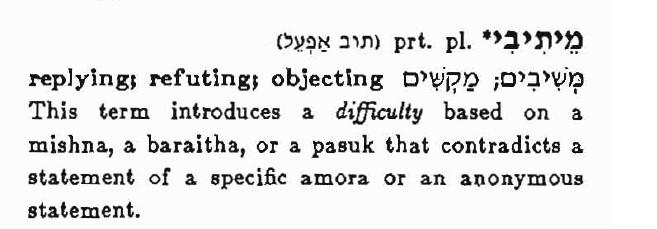
Something in the text gives us hints about the chronology and helps us figure out who is who. And our friend the Frank Dictionary is here to help:
Rava said: With regard to one who examined, found a corpse, and removed it from its place, and again examined nearby, found another corpse, and removed it from its place as well, if he examined yet again and discovered a third corpse, he does not move this third one alongside these two he has already moved, as he now knows that this was a graveyard and the corpses were buried there intentionally. And he does not return these two alongside this one
אִיכָּא דְּאָמְרִי אָמַר רָבָא כֵּיוָן שֶׁנִּתְּנָה רְשׁוּת לִפְנוֹת מְפַנֶּה לְהוֹן וְלִישַׁוִּינְהוּ שְׁכוּנַת קְבָרוֹת
There are those who say that Rava said: Since permission was granted to move the first and second corpses, one may therefore move them all, including the third one. The Gemara asks: And let us deem them part of a graveyard!
What would be arguments in favour of returning (Rava 2) or not returning (Rava 1) the 2 first bodies into the prior resting place? Try to use halachick values/arguments you've picked up on so far.
אָמַר רֵישׁ לָקִישׁ עִילָּא מָצְאוּ וְטִיהֲרוּ אֶרֶץ יִשְׂרָאֵל: בָּדַק מֵעֶשְׂרִים אַמָּה וְלֹא מָצָא מַאי אָמַר רַב מְנַשְּׁיָא בַּר יִרְמְיָה אָמַר רַב שְׁכוּנַת קְבָרוֹת מַאי טַעְמָא אָמַר רֵישׁ לָקִישׁ עִילָּא מָצְאוּ וְטִיהֲרוּ אֶת אֶרֶץ יִשְׂרָאֵל:
Reish Lakish said: They found a pretext and deemed Eretz Yisrael ritually pure. Since at that point there was just one corpse, the Sages were lenient and were not concerned about any further impurity.
The Gemara asks another question: If one examined twenty cubits from the location of those corpses and did not find anything, what is the halakha? Rav Menashya bar Yirmeya says that Rav says: This is a graveyard. Those three corpses compose the graveyard and there is no concern for others. The Gemara asks: What is the reason for this ruling? Why is there no concern that there might be many more corpses in the surrounding area? Reish Lakish said: They found a pretext and deemed Eretz Yisrael ritually pure. Eretz Yisrael is deemed pure in a case of uncertainty.