


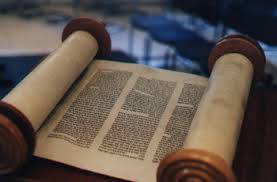
Baruch atah, Adonai Eloheinu, Melech haolam, asher kid’shanu b’mitzvotav v’tzivanu laasok b’divrei Torah.
TRANSLATION
Blessed are You, Adonai our God, Sovereign of all, who hallows us with mitzvot, commanding us to engage with words of Torah.
- What (Who?) is Azazel?
(4) the priest shall order two live pure birds, cedar wood, crimson stuff, and hyssop to be brought for the one to be purified. (5) The priest shall order one of the birds slaughtered over fresh water in an earthen vessel; (6) and he shall take the live bird, along with the cedar wood, the crimson stuff, and the hyssop, and dip them together with the live bird in the blood of the bird that was slaughtered over the fresh water. (7) He shall then sprinkle it seven times on the one to be purified of the eruption and effect the purification; and he shall set the live bird free in the open country.
(א) שְׁנֵי שְׂעִירֵי יוֹם הַכִּפּוּרִים, מִצְוָתָן שֶׁיִּהְיוּ שְׁנֵיהֶן שָׁוִין בְּמַרְאֶה וּבְקוֹמָה וּבְדָמִים וּבִלְקִיחָתָן כְּאֶחָד. וְאַף עַל פִּי שֶׁאֵינָן שָׁוִין, כְּשֵׁרִין. לָקַח אֶחָד הַיּוֹם וְאֶחָד לְמָחָר, כְּשֵׁרִין. מֵת אֶחָד מֵהֶן, אִם עַד שֶׁלֹּא הִגְרִיל מֵת, יִקַּח זוּג לַשֵּׁנִי. וְאִם מִשֶּׁהִגְרִיל מֵת, יָבִיא זוּג אַחֵר וְיַגְרִיל עֲלֵיהֶם בַּתְּחִלָּה, וְיֹאמַר, אִם שֶׁל שֵׁם מֵת, זֶה שֶׁעָלָה עָלָיו הַגּוֹרָל לַשֵּׁם יִתְקַיֵּם תַּחְתָּיו. וְאִם שֶׁל עֲזָאזֵל מֵת, זֶה שֶׁעָלָה עָלָיו הַגּוֹרָל לַעֲזָאזֵל יִתְקַיֵּם תַּחְתָּיו. וְהַשֵּׁנִי יִרְעֶה עַד שֶׁיִּסְתָּאֵב, וְיִמָּכֵר וְיִפְּלוּ דָמָיו לִנְדָבָה, שֶׁאֵין חַטַּאת צִבּוּר מֵתָה. רַבִּי יְהוּדָה אוֹמֵר, תָּמוּת. וְעוֹד אָמַר רַבִּי יְהוּדָה, נִשְׁפַּךְ הַדָּם, יָמוּת הַמִּשְׁתַּלֵּחַ. מֵת הַמִּשְׁתַּלֵּחַ, יִשָּׁפֵךְ הַדָּם:
(ב) בָּא לוֹ אֵצֶל שָׂעִיר הַמִּשְׁתַּלֵּחַ וְסוֹמֵךְ שְׁתֵּי יָדָיו עָלָיו וּמִתְוַדֶּה. וְכָךְ הָיָה אוֹמֵר, אָנָּא הַשֵּׁם, עָווּ פָּשְׁעוּ חָטְאוּ לְפָנֶיךָ עַמְּךָ בֵּית יִשְׂרָאֵל. אָנָּא בַּשֵּׁם, כַּפֶּר נָא לָעֲוֹנוֹת וְלַפְּשָׁעִים וְלַחֲטָאִים, שֶׁעָווּ וְשֶׁפָּשְׁעוּ וְשֶׁחָטְאוּ לְפָנֶיךָ עַמְּךָ בֵּית יִשְׂרָאֵל, כַּכָּתוּב בְּתוֹרַת משֶׁה עַבְדֶּךָ לֵאמֹר (ויקרא טז), כִּי בַיּוֹם הַזֶּה יְכַפֵּר עֲלֵיכֶם לְטַהֵר אֶתְכֶם מִכֹּל חַטֹּאתֵיכֶם לִפְנֵי ה' תִּטְהָרוּ. וְהַכֹּהֲנִים וְהָעָם הָעוֹמְדִים בָּעֲזָרָה, כְּשֶׁהָיוּ שׁוֹמְעִים שֵׁם הַמְפֹרָשׁ שֶׁהוּא יוֹצֵא מִפִּי כֹהֵן גָּדוֹל, הָיוּ כּוֹרְעִים וּמִשְׁתַּחֲוִים וְנוֹפְלִים עַל פְּנֵיהֶם, וְאוֹמְרִים, בָּרוּךְ שֵׁם כְּבוֹד מַלְכוּתוֹ לְעוֹלָם וָעֶד:
(ג) מְסָרוֹ לְמִי שֶׁהָיָה מוֹלִיכוֹ. הַכֹּל כְּשֵׁרִין לְהוֹלִיכוֹ, אֶלָּא שֶׁעָשׂוּ הַכֹּהֲנִים גְּדוֹלִים קֶבַע וְלֹא הָיוּ מַנִּיחִין אֶת יִשְׂרָאֵל לְהוֹלִיכוֹ. אָמַר רַבִּי יוֹסֵי, מַעֲשֶׂה וְהוֹלִיכוֹ עַרְסְלָא, וְיִשְׂרָאֵל הָיָה:
(ד) וְכֶבֶשׁ עָשׂוּ לוֹ מִפְּנֵי הַבַּבְלִיִּים, שֶׁהָיוּ מְתַלְּשִׁים בִּשְׂעָרוֹ, וְאוֹמְרִים לוֹ, טֹל וָצֵא, טֹל וָצֵא. מִיַּקִּירֵי יְרוּשָׁלַיִם הָיוּ מְלַוִּין אוֹתוֹ עַד סֻכָּה הָרִאשׁוֹנָה. עֶשֶׂר סֻכּוֹת מִירוּשָׁלַיִם וְעַד צוּק, תִּשְׁעִים רִיס, שִׁבְעָה וּמֶחֱצָה לְכָל מִיל:
(ה) עַל כָּל סֻכָּה וְסֻכָּה אוֹמְרִים לוֹ, הֲרֵי מָזוֹן וַהֲרֵי מַיִם. וּמְלַוִּין אוֹתוֹ מִסֻּכָּה לְסֻכָּה, חוּץ מֵאַחֲרוֹנָה שֶׁבָּהֶן, שֶׁאֵינוֹ מַגִּיעַ עִמּוֹ לַצּוּק, אֶלָּא עוֹמֵד מֵרָחוֹק וְרוֹאֶה אֶת מַעֲשָׂיו:
(ו) מֶה הָיָה עוֹשֶׂה, חוֹלֵק לָשׁוֹן שֶׁל זְהוֹרִית, חֶצְיוֹ קָשַׁר בַּסֶּלַע וְחֶצְיוֹ קָשַׁר בֵּין שְׁתֵּי קַרְנָיו, וּדְחָפוֹ לַאֲחוֹרָיו, וְהוּא מִתְגַּלְגֵּל וְיוֹרֵד, וְלֹא הָיָה מַגִּיעַ לַחֲצִי הָהָר עַד שֶׁנַּעֲשָׂה אֵבָרִים אֵבָרִים. בָּא וְיָשַׁב לוֹ תַּחַת סֻכָּה אַחֲרוֹנָה עַד שֶׁתֶּחְשָׁךְ. וּמֵאֵימָתַי מְטַמֵּא בְגָדִים, מִשֶּׁיֵּצֵא חוּץ לְחוֹמַת יְרוּשָׁלַיִם. רַבִּי שִׁמְעוֹן אוֹמֵר, מִשְּׁעַת דְּחִיָּתוֹ לַצּוּק:
(ז) בָּא לוֹ אֵצֶל פָּר וְשָׂעִיר הַנִּשְׂרָפִין. קְרָעָן וְהוֹצִיא אֶת אֵמוּרֵיהֶן, נְתָנָן בְּמָגֵיס, וְהִקְטִירָן עַל גַּבֵּי הַמִּזְבֵּחַ. קְלָעָן בְּמִקְלָעוֹת, וְהוֹצִיאָן לְבֵית הַשְּׂרֵפָה. וּמֵאֵימָתַי מְטַמְּאִין בְּגָדִים, מִשֶּׁיֵּצְאוּ חוּץ לְחוֹמַת הָעֲזָרָה. רַבִּי שִׁמְעוֹן אוֹמֵר, מִשֶּׁיִּצַּת הָאוּר בְּרֻבָּן:
(ח) אָמְרוּ לוֹ לְכֹהֵן גָּדוֹל, הִגִּיעַ שָׂעִיר לַמִּדְבָּר. וּמִנַּיִן הָיוּ יוֹדְעִין שֶׁהִגִּיעַ שָׂעִיר לַמִּדְבָּר, דַּרְכִּיּוֹת הָיוּ עוֹשִׂין, וּמְנִיפִין בַּסּוּדָרִין, וְיוֹדְעִין שֶׁהִגִּיעַ שָׂעִיר לַמִּדְבָּר. אָמַר רַבִּי יְהוּדָה, וַהֲלֹא סִימָן גָּדוֹל הָיָה לָהֶם, מִירוּשָׁלַיִם וְעַד בֵּית חִדּוּדוֹ שְׁלשָׁה מִילִין. הוֹלְכִין מִיל, וְחוֹזְרִין מִיל, וְשׁוֹהִין כְּדֵי מִיל, וְיוֹדְעִין שֶׁהִגִּיעַ שָׂעִיר לַמִּדְבָּר. רַבִּי יִשְׁמָעֵאל אוֹמֵר, וַהֲלֹא סִימָן אַחֵר הָיָה לָהֶם, לָשׁוֹן שֶׁל זְהוֹרִית הָיָה קָשׁוּר עַל פִּתְחוֹ שֶׁל הֵיכָל, וּכְשֶׁהִגִּיעַ שָׂעִיר לַמִּדְבָּר הָיָה הַלָּשׁוֹן מַלְבִּין, שֶׁנֶּאֱמַר (ישעיה א), אִם יִהְיוּ חֲטָאֵיכֶם כַּשָּׁנִים כַּשֶּׁלֶג יַלְבִּינוּ:
(1) The mitzva of the two Yom Kippur goats, the goat sacrificed to God and the goat sent to Azazel that are brought as a pair, is as follows, ab initio: That they will both be identical in appearance, i.e., color, and in height, and in monetary value, and their acquisition must be as one, i.e., they must be purchased together. And even if they are not identical, nevertheless, they are valid....
(2) The Yom Kippur service continues: The High Priest comes over to the scapegoat, places both his hands upon it, and confesses. And he would say as follows: Please, God, Your people, the house of Israel, have sinned, and done wrong, and rebelled before You. Please, God, grant atonement, please, for the sins, and for the wrongs, and for the rebellions that they have sinned, and done wrong, and rebelled before You, Your people, the house of Israel, as it is written in the Torah of Moses Your servant, saying: “For on this day atonement shall be made for you to cleanse you of all your sins; before the Lord you shall be purified” (Leviticus 16:30). And the priests and the people standing in the Temple courtyard, when they would hear the Explicit Name emerging from the mouth of the High Priest, when the High Priest did not use one of the substitute names for God, they would kneel and prostrate themselves and fall on their faces, and say: Blessed is the name of His glorious kingdom forever and ever.
(3) After the confession over the scapegoat, the priest passed the goat to the one who was to lead it to the wilderness. According to the halakha, everyone is eligible to lead it, but the High Priests established a fixed custom and did not allow an Israelite to lead it. Rabbi Yosei said: That was not always the case. There was an incident where a person named Arsela led the goat to the wilderness, and he was an Israelite.
(4) And they made a ramp for the goat due to the Babylonian Jews who were in Jerusalem, who would pluck at the goat’s hair and would say to the goat: Take our sins and go, take our sins and go, and do not leave them with us. People from among the prominent residents of Jerusalem would escort the one leading the goat until they reached the first booth. Booths were set up along the path to the wilderness to provide the escort a place to rest. There were ten booths from Jerusalem to the cliff, with a distance of ninety ris between them. As there are seven and a half ris for each mil, the total distance was twelve mil.
(5) At each and every booth, people there say to him: Here is food; here is water, if you need it. And they escort him from booth to booth, except for the last person at the last booth, who does not reach the cliff with him. Rather, he stands from a distance and observes his actions to ensure that he fulfills the mitzva properly.
(6) What did the one designated to dispatch the goat do there? He divided a strip of crimson into two parts, half of the strip tied to the rock, and half of it tied between the two horns of the goat. And he pushed the goat backward, and it rolls and descends. And it would not reach halfway down the mountain until it was torn limb from limb. The one designated to dispatch the goat came and sat under the roofing of last booth until it grows dark and only then went home...
(8) They said to the High Priest: The goat has reached the wilderness. And how did they know in the Temple that the goat reached the wilderness? They would build platforms [dirkaot] all along the way and people would stand on them and wave scarves [sudarin] to signal when the goat arrived. And therefore they knew that the goat reached the wilderness. Rabbi Yehuda said: Why did they need these platforms? Didn’t they already have a reliable indicator? From Jerusalem to Beit Ḥiddudo, the edge of the wilderness, where the mitzva of dispatching the goat was performed, was a distance of three mil. Since the nobles of Jerusalem walked a mil to escort the dispatcher and returned a mil, and waited the time equivalent to the time it takes to walk a mil, they knew that the goat reached the wilderness. There was no need for the platforms. Rabbi Yishmael says: Didn’t they have a different indicator? There was a strip of crimson tied to the entrance to the Sanctuary, and when the goat reached the wilderness and the mitzva was fulfilled the strip would turn white, as it is stated: “Though your sins be as scarlet, they will become white as snow” (Isaiah 1:18).
- Babylonians plucking hair? A ramp?
(א) וכבש. כמין מעלה עשו, שהוא גבוה ויוצא דרך הכבש חוץ לעזרה וחוץ לעיר כדי שלא יוכלו הבבליים ליגע במשלח. לפי שהיו רגילין לתלשו בשערו ואומרים לו טול מהר וצא ואל תשהא עונותינו אצלנו עוד:
(1) וכבש – they made a kind of ascent which is tall and goes out the path of the ramp outside of the courtyard and outside of the city, in order the Babylonians would not be able to touch the goat sent out to the wilderness. Since they were accustomed to pull at its hair and say to him: “Take quickly and leave, and our transgressions should not tarry with us any longer.
Ibn Ezra and Naḥmanides both interpret Azazel as the name of the goat and this view is also found in the Talmud: "The school of Rabbi Ishmael explained it is called Azazel because it atones for the acts of the fallen *angels *Uzza and Azael" (Yoma 67b, cf. Targ. Jon., Gen. 6:1; Deut. R. 11:10). In the various Greek translations of the Bible and the Vulgate the word Azazel is interpreted in a different form – as being made up of the word עֵז ("goat") and the Aramaic root אזל ("to go") thus making "the goat which goes." The Septuagint has χίμαρον… ὲπ᾽ αὑτὸν ὸ κλῆρος τοῦ άποπομπαίου (Lev. 16:10, cf. 8, i.e., the goat on which went the lot of dismissal); also, verse 26, i.e., the goat which goes free. Symmachus has τράγως ἁπερχόμενος and the Vulgate caper emissarius.
David Kimḥi in his Book of Roots explains the word as being the name of the mountain to which the goat was taken and the mount was so called because the goat was taken there. Latterly N.H. Tur *Sinaihas explained the word as meaning a wild goat.
Ahituv, Shmuel. "Azazel." Encyclopaedia Judaica, edited by Michael Berenbaum and Fred Skolnik, 2nd ed., vol. 2, Macmillan Reference USA, 2007, pp. 763-764. Encyclopedia Judaica, link.gale.com/apps/doc/CX2587501741/GVRL.judaica?u=grjc&sid=bookmark-GVRL.judaica&xid=b8b7ffca. Accessed 3 Oct. 2022.
- The goat makes atonement more tangible, and symbolically permits the priest (authority figure) to transfer sin from human beings, similar to other ANE customs (Babylonians, Hittites) and Hellenic culture too (human, not animal, and not killed)
- If we don't have this symbolism, people may wonder whether kaparah was successful
- Then, they may lose confidence in the Yom Kippur ritual - slippery slope...to lose confidence in God, the covenant, and beyond.
- What do we do now when there are no more sacrifices and not scapegoats?
- The prophet Isaiah teaches, in the Haftarah for Shabbat Shuvah, this past Shabbat, we now substitute sacrifice for...
(ב) שׁ֚וּבָה יִשְׂרָאֵ֔ל עַ֖ד ה' אֱלֹקֶ֑יךָ כִּ֥י כָשַׁ֖לְתָּ בַּעֲוֺנֶֽךָ׃ (ג) קְח֤וּ עִמָּכֶם֙ דְּבָרִ֔ים וְשׁ֖וּבוּ אֶל־ה' אִמְר֣וּ אֵלָ֗יו כׇּל־תִּשָּׂ֤א עָוֺן֙ וְקַח־ט֔וֹב וּֽנְשַׁלְּמָ֥ה פָרִ֖ים שְׂפָתֵֽינוּ׃ (ד) אַשּׁ֣וּר ׀ לֹ֣א יוֹשִׁיעֵ֗נוּ עַל־סוּס֙ לֹ֣א נִרְכָּ֔ב וְלֹא־נֹ֥אמַר ע֛וֹד אֱלֹקֵ֖ינוּ לְמַעֲשֵׂ֣ה יָדֵ֑ינוּ אֲשֶׁר־בְּךָ֖ יְרֻחַ֥ם יָתֽוֹם׃ (ה) אֶרְפָּא֙ מְשׁ֣וּבָתָ֔ם אֹהֲבֵ֖ם נְדָבָ֑ה כִּ֛י שָׁ֥ב אַפִּ֖י מִמֶּֽנּוּ׃
(2) Return, O Israel, to the LORD your God,
For you have fallen because of your sin. (3)
Take words with you
And return to the LORD.
Say to Him:
“Forgive all guilt
And accept what is good;
Instead of bulls we will pay
[The offering of] our lips.-a
In place of bulls we'll 'pay' (become whole) before You [with the] confession of our mouths, since You desire words of teshuvah more since sacrifices are not effective without confession (vidui) of the sin - as we find with all [sacrifices] 'And one must confess the sin". With the goat that gets sent out, there was only confession with word since none off it was sacrificed on the altar, rather [only] a confession...
Kav HaYashar 59:4, R. Tzvi Hirsch Kaidanover
- Even with the sacrifices and goats (and confession) - these could not remediate sins between people, people need to repair relationships among themselves, and these were only effective after the fact, they were not preventive measures
- This is a reason we recite lists of sins on Yom Kippur, so that we become aware of many ways we might do wrong and become more mindful of them, and given Hosea's prophecy, 'words in place of sacrifices' it's worth noting how may sins in the Al Chet and Ashamnu are either directly, or indirectly, linked to speech
(מו) אָשַֽׁמְנוּ. בָּגַֽדְנוּ. גָּזַֽלְנוּ. דִּבַּֽרְנוּ דֹּֽפִי. הֶעֱוִֽינוּ. וְהִרְשַֽׁעְנוּ. זַֽדְנוּ. חָמַֽסְנוּ. טָפַֽלְנוּ שֶֽׁקֶר. יָעַֽצְנוּ רָע. כִּזַּֽבְנוּ. לַֽצְנוּ. מָרַֽדְנוּ. נִאַֽצְנוּ. סָרַֽרְנוּ. עָוִֽינוּ. פָּשַֽׁעְנוּ. צָרַֽרְנוּ. קִשִּֽׁינוּ עֹֽרֶף. רָשַֽׁעְנוּ. שִׁחַֽתְנוּ. תִּעַֽבְנוּ. תָּעִֽינוּ. תִּעְתָּֽעְנוּ:
(46) We have trespassed [against God and man, and we are devastated by our guilt]; We have betrayed [God and man, we have been ungrateful for the good done to us]; We have stolen; We have slandered. We have caused others to sin; We have caused others to commit sins for which they are called רְשָׁעִים, wicked; We have sinned with malicious intent; We have forcibly taken others' possessions even though we paid for them; We have added falsehood upon falsehood; We have joined with evil individuals or groups; We have given harmful advice; We have deceived; we have mocked; We have rebelled against God and His Torah; We have caused God to be angry with us; We have turned away from God's Torah; We have sinned deliberately; We have been negligent in our performance of the commandments; We have caused our friends grief; We have been stiff-necked, refusing to admit that our suffering is caused by our own sins. We have committed sins for which we are called רָשָׁע, [raising a hand to hit someone]. We have committed sins which are the result of moral corruption; We have committed sins which the Torah refers to as abominations; We have gone astray; We have led others astray.
(נג) וְעַל חֵטְא שֶׁחָטָֽאנוּ לְפָנֶֽיךָ בְּבִטּוּי שְׂפָתָֽיִם:
(53) And for the sin we committed before You with an utterance of the lips.
who desires years of good fortune? (14) Guard your tongue from evil,
your lips from deceitful speech. (15) Shun evil and do good,
seek amity and pursue it.