


As orientation, let's consider a couple of exegetical principles:
- Peshat (פְּשָׁט) – "surface" ("straight") or the literal (direct) meaning.[2]
- Remez (רֶמֶז) – "hints" or the deep (allegoric: hidden or symbolic) meaning beyond just the literal sense. In the version of the New Zohar, Re'iah.
- Derash (דְּרַשׁ) – from Hebrew darash: "inquire" ("seek") – the comparative (midrashic) meaning, as given through similar occurrences.
- Sod (סוֹד) (pronounced with a long O as in 'lore') – "secret" ("mystery") or the esoteric/mystical meaning, as given through inspiration or revelation.
פשט: Pshat: The surface meaning
First let's take a look at where garments appear in this Torah portion.
What do they represent and how do they move the action forward?
1. Joseph's technicolor dreamcoat / כתנת פסים
(ב) אֵ֣לֶּה ׀ תֹּלְד֣וֹת יַעֲקֹ֗ב יוֹסֵ֞ף בֶּן־שְׁבַֽע־עֶשְׂרֵ֤ה שָׁנָה֙ הָיָ֨ה רֹעֶ֤ה אֶת־אֶחָיו֙ בַּצֹּ֔אן וְה֣וּא נַ֗עַר אֶת־בְּנֵ֥י בִלְהָ֛ה וְאֶת־בְּנֵ֥י זִלְפָּ֖ה נְשֵׁ֣י אָבִ֑יו וַיָּבֵ֥א יוֹסֵ֛ף אֶת־דִּבָּתָ֥ם רָעָ֖ה אֶל־אֲבִיהֶֽם׃ (ג) וְיִשְׂרָאֵ֗ל אָהַ֤ב אֶת־יוֹסֵף֙ מִכָּל־בָּנָ֔יו כִּֽי־בֶן־זְקֻנִ֥ים ה֖וּא ל֑וֹ וְעָ֥שָׂה ל֖וֹ כְּתֹ֥נֶת פַּסִּֽים׃ (ד) וַיִּרְא֣וּ אֶחָ֗יו כִּֽי־אֹת֞וֹ אָהַ֤ב אֲבִיהֶם֙ מִכָּל־אֶחָ֔יו וַֽיִּשְׂנְא֖וּ אֹת֑וֹ וְלֹ֥א יָכְל֖וּ דַּבְּר֥וֹ לְשָׁלֹֽם׃
(2) This, then, is the line of Jacob: At 17 years of age, Joseph tended the flocks with his brothers, as a helper to the sons of his father’s wives Bilhah and Zilpah. And Joseph brought bad reports of them to their father. (3) Now Israel loved Joseph best of all his sons, for he was the child of his old age; and he had made him an ornamented tunic. (4) And when his brothers saw that their father loved him more than any of his brothers, they hated him so that they could not speak a friendly word to him.
(כג) וַֽיְהִ֕י כַּֽאֲשֶׁר־בָּ֥א יוֹסֵ֖ף אֶל־אֶחָ֑יו וַיַּפְשִׁ֤יטוּ אֶת־יוֹסֵף֙ אֶת־כֻּתָּנְתּ֔וֹ אֶת־כְּתֹ֥נֶת הַפַּסִּ֖ים אֲשֶׁ֥ר עָלָֽיו׃ (כד) וַיִּ֨קָּחֻ֔הוּ וַיַּשְׁלִ֥כוּ אֹת֖וֹ הַבֹּ֑רָה וְהַבּ֣וֹר רֵ֔ק אֵ֥ין בּ֖וֹ מָֽיִם׃
(23) When Joseph came up to his brothers, they stripped Joseph of his tunic, the ornamented tunic that he was wearing, (24) and took him and cast him into the pit. The pit was empty; there was no water in it.
(כט) וַיָּ֤שָׁב רְאוּבֵן֙ אֶל־הַבּ֔וֹר וְהִנֵּ֥ה אֵין־יוֹסֵ֖ף בַּבּ֑וֹר וַיִּקְרַ֖ע אֶת־בְּגָדָֽיו׃ (ל) וַיָּ֥שָׁב אֶל־אֶחָ֖יו וַיֹּאמַ֑ר הַיֶּ֣לֶד אֵינֶ֔נּוּ וַאֲנִ֖י אָ֥נָה אֲנִי־בָֽא׃ (לא) וַיִּקְח֖וּ אֶת־כְּתֹ֣נֶת יוֹסֵ֑ף וַֽיִּשְׁחֲטוּ֙ שְׂעִ֣יר עִזִּ֔ים וַיִּטְבְּל֥וּ אֶת־הַכֻּתֹּ֖נֶת בַּדָּֽם׃ (לב) וַֽיְשַׁלְּח֞וּ אֶת־כְּתֹ֣נֶת הַפַּסִּ֗ים וַיָּבִ֙יאוּ֙ אֶל־אֲבִיהֶ֔ם וַיֹּאמְר֖וּ זֹ֣את מָצָ֑אנוּ הַכֶּר־נָ֗א הַכְּתֹ֧נֶת בִּנְךָ֛ הִ֖וא אִם־לֹֽא׃ (לג) וַיַּכִּירָ֤הּ וַיֹּ֙אמֶר֙ כְּתֹ֣נֶת בְּנִ֔י חַיָּ֥ה רָעָ֖ה אֲכָלָ֑תְהוּ טָרֹ֥ף טֹרַ֖ף יוֹסֵֽף׃ (לד) וַיִּקְרַ֤ע יַעֲקֹב֙ שִׂמְלֹתָ֔יו וַיָּ֥שֶׂם שַׂ֖ק בְּמׇתְנָ֑יו וַיִּתְאַבֵּ֥ל עַל־בְּנ֖וֹ יָמִ֥ים רַבִּֽים׃
(29) When Reuben returned to the pit and saw that Joseph was not in the pit, he rent his clothes. (30) Returning to his brothers, he said, “The boy is gone! Now, what am I to do?” (31) Then they took Joseph’s tunic, slaughtered a kid, and dipped the tunic in the blood. (32) They had the ornamented tunic taken to their father, and they said, “We found this. Please examine it; is it your son’s tunic or not?” (33) He recognized it, and said, “My son’s tunic! A savage beast devoured him! Joseph was torn by a beast!”
(34) Jacob rent his clothes, put sackcloth on his loins, and observed mourning for his son many days.
2. Tamar and Judah
After Joseph is sold to traders and taken off to Egypt, the Torah then tells the story of another of his brothers, Judah. Two of Judah's sons die having been briefly married to a woman named Tamar. Although Judah is then supposed to give her his third son in marriage, he hesitates to do so and she eventually takes matters into her own hands:
(יג) וַיֻּגַּ֥ד לְתָמָ֖ר לֵאמֹ֑ר הִנֵּ֥ה חָמִ֛יךְ עֹלֶ֥ה תִמְנָ֖תָה לָגֹ֥ז צֹאנֽוֹ׃ (יד) וַתָּסַר֩ בִּגְדֵ֨י אַלְמְנוּתָ֜הּ מֵֽעָלֶ֗יהָ וַתְּכַ֤ס בַּצָּעִיף֙ וַתִּתְעַלָּ֔ף וַתֵּ֙שֶׁב֙ בְּפֶ֣תַח עֵינַ֔יִם אֲשֶׁ֖ר עַל־דֶּ֣רֶךְ תִּמְנָ֑תָה כִּ֤י רָאֲתָה֙ כִּֽי־גָדַ֣ל שֵׁלָ֔ה וְהִ֕וא לֹֽא־נִתְּנָ֥ה ל֖וֹ לְאִשָּֽׁה׃ (טו) וַיִּרְאֶ֣הָ יְהוּדָ֔ה וַֽיַּחְשְׁבֶ֖הָ לְזוֹנָ֑ה כִּ֥י כִסְּתָ֖ה פָּנֶֽיהָ׃ (טז) וַיֵּ֨ט אֵלֶ֜יהָ אֶל־הַדֶּ֗רֶךְ וַיֹּ֙אמֶר֙ הָֽבָה־נָּא֙ אָב֣וֹא אֵלַ֔יִךְ כִּ֚י לֹ֣א יָדַ֔ע כִּ֥י כַלָּת֖וֹ הִ֑וא וַתֹּ֙אמֶר֙ מַה־תִּתֶּן־לִּ֔י כִּ֥י תָב֖וֹא אֵלָֽי׃ (יז) וַיֹּ֕אמֶר אָנֹכִ֛י אֲשַׁלַּ֥ח גְּדִֽי־עִזִּ֖ים מִן־הַצֹּ֑אן וַתֹּ֕אמֶר אִם־תִּתֵּ֥ן עֵרָב֖וֹן עַ֥ד שָׁלְחֶֽךָ׃ (יח) וַיֹּ֗אמֶר מָ֣ה הָֽעֵרָבוֹן֮ אֲשֶׁ֣ר אֶתֶּן־לָּךְ֒ וַתֹּ֗אמֶר חֹתָֽמְךָ֙ וּפְתִילֶ֔ךָ וּמַטְּךָ֖ אֲשֶׁ֣ר בְּיָדֶ֑ךָ וַיִּתֶּן־לָּ֛הּ וַיָּבֹ֥א אֵלֶ֖יהָ וַתַּ֥הַר לֽוֹ׃
(13) And Tamar was told, “Your father-in-law is coming up to Timnah for the sheepshearing.” (14) She took off her widow’s garb, covered her face with a veil, and, wrapping herself up, sat down at the entrance on the road to Timnah; she saw that Shelah was grown, yet she hadn't been given to him as wife. (15) When Judah saw her, he took her for a harlot; for she had covered her face. (16) So he turned to her and said, “Let me sleep with you”—for he did not know that she was his daughter-in-law. She asked: “What will you pay for sleeping with me?” (17) He replied, “I will send a kid from my flock.” But she said, “You must leave a pledge until you sent it.” (18) And he said, “What pledge shall I give you?” She replied, “Your seal and cord, and the staff which you carry.” So he gave them to her and slept with her, and she conceived by him.
(כד) וַיְהִ֣י ׀ כְּמִשְׁלֹ֣שׁ חֳדָשִׁ֗ים וַיֻּגַּ֨ד לִֽיהוּדָ֤ה לֵֽאמֹר֙ זָֽנְתָה֙ תָּמָ֣ר כַּלָּתֶ֔ךָ וְגַ֛ם הִנֵּ֥ה הָרָ֖ה לִזְנוּנִ֑ים וַיֹּ֣אמֶר יְהוּדָ֔ה הוֹצִיא֖וּהָ וְתִשָּׂרֵֽף׃ (כה) הִ֣וא מוּצֵ֗את וְהִ֨יא שָׁלְחָ֤ה אֶל־חָמִ֙יהָ֙ לֵאמֹ֔ר לְאִישׁ֙ אֲשֶׁר־אֵ֣לֶּה לּ֔וֹ אָנֹכִ֖י הָרָ֑ה וַתֹּ֙אמֶר֙ הַכֶּר־נָ֔א לְמִ֞י הַחֹתֶ֧מֶת וְהַפְּתִילִ֛ים וְהַמַּטֶּ֖ה הָאֵֽלֶּה׃ (כו) וַיַּכֵּ֣ר יְהוּדָ֗ה וַיֹּ֙אמֶר֙ צָֽדְקָ֣ה מִמֶּ֔נִּי כִּֽי־עַל־כֵּ֥ן לֹא־נְתַתִּ֖יהָ לְשֵׁלָ֣ה בְנִ֑י וְלֹֽא־יָסַ֥ף ע֖וֹד לְדַעְתָּֽה׃
(24) About three months later, Judah was told, “Your daughter-in-law Tamar has played the harlot; in fact, she is with child by harlotry.” “Bring her out,” said Judah, “and let her be burned.” (25) As she was being brought out, she sent this message to her father-in-law, “I am with child by the man to whom these belong.” And she added, “Examine these: whose seal and cord and staff are these?” (26) Judah recognized them, and said, “She is more in the right than I, inasmuch as I did not give her to my son Shelah.” And he was not intimate with her again.
3. Potiphar's Wife and Joseph
(יא) וַיְהִי֙ כְּהַיּ֣וֹם הַזֶּ֔ה וַיָּבֹ֥א הַבַּ֖יְתָה לַעֲשׂ֣וֹת מְלַאכְתּ֑וֹ וְאֵ֨ין אִ֜ישׁ מֵאַנְשֵׁ֥י הַבַּ֛יִת שָׁ֖ם בַּבָּֽיִת׃ (יב) וַתִּתְפְּשֵׂ֧הוּ בְּבִגְד֛וֹ לֵאמֹ֖ר שִׁכְבָ֣ה עִמִּ֑י וַיַּעֲזֹ֤ב בִּגְדוֹ֙ בְּיָדָ֔הּ וַיָּ֖נָס וַיֵּצֵ֥א הַחֽוּצָה׃ (יג) וַיְהִי֙ כִּרְאוֹתָ֔הּ כִּֽי־עָזַ֥ב בִּגְד֖וֹ בְּיָדָ֑הּ וַיָּ֖נָס הַחֽוּצָה׃ (יד) וַתִּקְרָ֞א לְאַנְשֵׁ֣י בֵיתָ֗הּ וַתֹּ֤אמֶר לָהֶם֙ לֵאמֹ֔ר רְא֗וּ הֵ֥בִיא לָ֛נוּ אִ֥ישׁ עִבְרִ֖י לְצַ֣חֶק בָּ֑נוּ בָּ֤א אֵלַי֙ לִשְׁכַּ֣ב עִמִּ֔י וָאֶקְרָ֖א בְּק֥וֹל גָּדֽוֹל׃ (טו) וַיְהִ֣י כְשָׁמְע֔וֹ כִּֽי־הֲרִימֹ֥תִי קוֹלִ֖י וָאֶקְרָ֑א וַיַּעֲזֹ֤ב בִּגְדוֹ֙ אֶצְלִ֔י וַיָּ֖נָס וַיֵּצֵ֥א הַחֽוּצָה׃ (טז) וַתַּנַּ֥ח בִּגְד֖וֹ אֶצְלָ֑הּ עַד־בּ֥וֹא אֲדֹנָ֖יו אֶל־בֵּיתֽוֹ׃ (יז) וַתְּדַבֵּ֣ר אֵלָ֔יו כַּדְּבָרִ֥ים הָאֵ֖לֶּה לֵאמֹ֑ר בָּֽא־אֵלַ֞י הָעֶ֧בֶד הָֽעִבְרִ֛י אֲשֶׁר־הֵבֵ֥אתָ לָּ֖נוּ לְצַ֥חֶק בִּֽי׃ (יח) וַיְהִ֕י כַּהֲרִימִ֥י קוֹלִ֖י וָאֶקְרָ֑א וַיַּעֲזֹ֥ב בִּגְד֛וֹ אֶצְלִ֖י וַיָּ֥נָס הַחֽוּצָה׃
(11) One such day, [Joseph] came into [Potiphar's] house to do his work. None of the household being there inside, (12) [Potiphar's wife] caught hold of him by his garment and said, “Lie with me!” But he left his garment in her hand and got away and fled outside. (13) When she saw that he had left his garment in her hand and had fled outside, (14) she called out to her servants and said to them, “Look, [Potiphar] had to bring us a Hebrew to dally with us! This one came to lie with me; but I screamed loud. (15) And when he heard me screaming at the top of my voice, he left his garment with me and got away and fled outside.” (16) She kept his garment beside her, until [Potiphar] came home. (17) Then she told him the same story, saying, “The Hebrew slave whom you brought into our house came to me to dally with me; (18) but when I screamed at the top of my voice, he left his garment with me and fled outside.”
4. Joseph and his brothers (a little later, in parshat Vayigash)
(כב) לְכֻלָּ֥ם נָתַ֛ן לָאִ֖ישׁ חֲלִפ֣וֹת שְׂמָלֹ֑ת וּלְבִנְיָמִ֤ן נָתַן֙ שְׁלֹ֣שׁ מֵא֣וֹת כֶּ֔סֶף וְחָמֵ֖שׁ חֲלִפֹ֥ת שְׂמָלֹֽת׃
(22) To each of them, moreover, he gave a change of clothing; but to Benjamin he gave three hundred pieces of silver and five changes of clothing.
רמז: Remez: Hints and allusions
First let's take a look at the dictionary of Biblical Hebrew. Here we can see the same three letters בגד connect the words "treachery" and "garment." What do you make of this connection?
Qal Pf. בָּֽגְדָה Je 3:20 + 14 times; Impf. יִבְגֹּד Mal 2:15 + 5 times; נִבְגַּד Mal 2:10; Inf. abs. בָּגוֹד Is 48:8; Je 5:11; cstr. בְּגֹד Is 33:1; בִּגְדוֹ Ex 21:8; Pt. בֹּגֵד Pr 22:12 + 11 times; בּוֹגֵד Is 33:1 + 10 times—act or deal treacherously, faithlessly, deceitfully, in the marriage relation, in matters of property or right, in covenants, in word and in general conduct. a. abs. 1 S 14:33; Jb 6:15 ψ 78:57; Is 24:16; 33:1(×2); 48:8 Mal 2:11. Cf. phrases אחי בגדו כמו נחל my brethren have dealt deceitfully as a brook Jb 6:15; בֹּגְדִים בָּגָ֑דוּ וּבֶגֶד בּוֹגְדִים בָּגָ֑דוּ the treacherous have dealt treacherously, yea in treachery have the treacherous dealt treacherously Is 24:16 (striking alliteration); בֹּגְדֵי אָוֶן treacherous in wickedness ψ 59:6. b. with בְּ Ex 21:8 (E), Ju 9:23; Is 33:1(×2) Je 3:20; 5:11; 12:6; La 1:2; Ho 5:7; 6:7; Mal 2:10, 14, 15, 16. c. c. acc. ψ 73:15. d. c. מִן pregnant, בָּֽגְדָה אִשָּׁה מֵרֵעָהּ acteth treacherously (in departing) from her friend Je 3:20. The ptcp. is used Pr 2:22 + 8 times, ψ 25:3; 59:6; 119:158 Is 21:2; 24:16(×2); 33:1 Je 3:8, 11; 9:1 Hb 1:13; 2:5; בֹּגְדֵי בָ֑גֶד dealers treacherously in treachery (very treacherously) Je 12:1.
† I. בֶּ֫גֶד n.[m.] treachery, Is 24:16; Je 12:1.
† בֹּגְדוֹת pl.abst. אַנְשֵׁי בֹגְדוֹת men of treachery Zp 3:4.
† [בָּגוֹד] adj. treacherous, f. בָּֽגוֹדָה (on form cf. Ew§ 152 b Nö§ 107) Je 3:7, 10.
II. בֶּ֫גֶד n.m. (except Lv 6:20 עָלֶיהָ, but Sam. עליו, Ez 42:14; Pr 6:27, cf. Köi, 482) garment, covering—Gn 28:2 + 36 times; sf. בִּגְדוֹ Ez 9:3 + (14 times without dag. lene GesLbg 94); pl. בְּגָדִים Lv 6:4 + 32 times; cstr. בִּגְדֵי Gn 27:15 + 39 times; sf. בְּגָדֶיךָ 1 K 22:20 + 81 times בִּגְדֹתֶיךָ ψ 45:9;—
1. garment, clothing, raiment, robe of any kind, from the filthy clothing of the leper to the holy robes of the high priest, the simplest covering of the poor as well as the costly raiment of the rich and noble, used throughout Heb. Lit.: Gn 24:53 (J), 28:20 (E; 14 times JE), Ex 28:2 + (P 90 times), Dt 24:17 Ju 8:26 + 4 times 1 S 19:13 + 10 times, 1 K 1:1 + 23 times, 2 Ch 18:9 + (Chr 9 times), Est 4:1, 4; Jb 13:28; 22:6; 37:17 ψ 22:19; 45:9; 102:27; 109:19; Pr 6:27; 20:16; 25:20; 27:13 Ec 9:8 Is 2; 24:16; 36:22; 37:1; Is 3; 50:9 + 10 times, Je 12:1 + 3 times, Ez 16:16 + 13 times, Jo 2:13; Am 2:8; Hg 2:12; Zc 3:3, 4, 5; 14:14; מְלֹא בִגְדוֹ his lap-ful 2 K 4:39.
2. covering, wrapping, of furniture of tabernacle Nu 4:6–13 (6 times); coverlet of a bed 1 S 19:13.
What might Joseph's special garment כתנת פסים remind us of or allude to?
פסים. לְשׁוֹן כְּלִי מֵילָת, כְּמוֹ כַּרְפַּס וּתְכֵלֶת, וּכְמוֹ כְּתֹנֶת הַפַּסִּים דְּתָמָר וְאַמְנוֹן, וּמִ"אַ עַ"שֵׁ צָרוֹתָיו, שֶׁנִּמְכַּר לְפוֹטִיפַר וְלַסּוֹחֲרִים וְלַיִּשְׁמְעֵאלִים וְלַמִּדְיָנִים:
פסים is a term for raiment of fine wool (Talmud tractate Shabbat 10b). Similar is (Esther 1:6) כרפס “Fine linen and blue”. The same descriptor katonet pasim is mentioned (2 Samuel 13:18) in the story of Amnon and Tamar [who were members of King David's royal family] and we may therefore gather that it was made of very fine material.
ועשה לו כתונת פסים, And he made for him an ornamented tunic: as a visible sign that Joseph was intended by his father to become the leader of all the brothers both at home and in the field. The use of such distinctive clothing to symbolise someone’s elevated stature is found also in Isaiah 22:21 v'halavashtav katontach, “I will dress him [the King Chilkiyah] in your tunic,” where it signals that authority is transferred to the one wearing the appropriate garments. The Talmud [in Baba Kama 11] also confirms that authority is signaled by the attire worn by people possessing it.
We have already seen how other Biblical texts shed light on the "royal" nature of Joseph's garment and the status it conferred upon him.
In this next text, a legend found in the Talmud connects Joseph's struggle to refrain from adultery with Potiphar's wife to his right to later be represented on the garments of the High Priest:
The verse states: “And she caught him by his garment, saying: Lie with me” (Genesis 39:12). At that moment his father’s image [deyokeno] came and appeared to him in the window. The image said to him: Joseph, the names of your brothers are destined to be written on the stones of the ephod [worn by the High Priest], and you are to be included among them. Do you desire your name to be erased from among them, and to be called an associate [ro’eh] of promiscuous women? As it is written: “But he who keeps company with harlots wastes his riches” (Proverbs 29:3), as he loses his honor, which is more valuable than wealth.
דרש: Drash: Cross-referenced reading and wordplay
You may already have noticed that the special garment given to Joseph, a ktonet passim in Hebrew, has been translated in various ways (ornamented tunic, garment of stripes, etc). The word passim probably means something like stripes or strips, but the word is evocative and ambiguous.
Take a look at some of the ways the rabbis "drash" or interpret the word passim, stripes (?) and suggest a range of things it might mean (or allegorically imply).
(ח) וְיִשְׂרָאֵל אָהַב אֶת יוֹסֵף (בראשית לז, ג), רַבִּי יְהוּדָה וְרַבִּי נְחֶמְיָה, רַבִּי יְהוּדָה אוֹמֵר שֶׁהָיָה זִיו אִיקוֹנִין שֶׁלּוֹ דּוֹמֶה לוֹ. רַבִּי נְחֶמְיָה אָמַר שֶׁכָּל הֲלָכוֹת שֶׁמָּסְרוּ שֵׁם וְעֵבֶר לְיַעֲקֹב מְסָרָן לוֹ. (בראשית לז, ג): וְעָשָׂה לוֹ כְּתֹנֶת פַּסִּים, רֵישׁ לָקִישׁ בְּשֵׁם רַבִּי אֶלְעָזָר בֶּן עֲזַרְיָה אָמַר, צָרִיךְ אָדָם שֶׁלֹא לְשַׁנּוֹת בֵּן מִבָּנָיו, שֶׁעַל יְדֵי כְּתֹנֶת פַּסִּים שֶׁעָשָׂה אָבִינוּ יַעֲקֹב לְיוֹסֵף, (בראשית לז, ד): וַיִּשְׂנְאוּ אֹתוֹ וגו'. פַּסִּים, שֶׁהָיְתָה מַגַּעַת עַד פַּס יָדוֹ. דָּבָר אַחֵר, פַּסִים, שֶׁהָיְתָה דַקָּה וְקַלָּה בְּיוֹתֵר וְנִטְמֶנֶת בְּפַס יַד.
פַּסִּים, שֶׁהֵפִיסוּ עָלֶיהָ אֵיזֶה מֵהֶם יוֹלִיכָהּ לְאָבִיו, וְעָלַת לִיהוּדָה.
פַּסִּים, עַל שֵׁם צָרוֹת שֶׁהִגִּיעוּהוּ, פֵּ"א פּוֹטִיפַר, סמ"ך סוֹחֲרִים, יו"ד יִשְׁמְעֵאלִים, מ"ם מִדְיָנִים.
דָּבָר אַחֵר, פַּסִּים, רַבִּי שִׁמְעוֹן בֶּן לָקִישׁ בְּשֵׁם רַבִּי אֶלְעָזָר בֶּן עֲזַרְיָה (תהלים סו, ה): לְכוּ וּרְאוּ מִפְעֲלוֹת אֱלֹקִים, וּכְתִיב בַּתְרֵיהּ (תהלים סו, ו): הָפַךְ יָם לְיַבָּשָׁה, לָמָּה וַיִּשְׂנְאוּ אֹתוֹ, בִּשְׁבִיל שֶׁיִּקָרַע הַיָּם לִפְנֵיהֶם, פַּסִּים, פַּסִּים.
(8) ... And he made for him a striped tunic, k'tonet passim.
.. פסים passim, for it reached the palm פס of his hand. Another explanation: for it was exceedingly thin and light and could be hidden in the palm of a hand. פסים, for they cast lots (פיס, post biblical Hebrew) over it for which of them would take it to his father, and selected Judah.
פסים can be read as an acronym alluding to the troubles that overtook Joseph [who was sold not once but several times]: פ Potifar, ס sochrim "traders," י Yishm'elim, מ Midyanim.
Another explanation: פסים, Resh Lakish in the name of R Elazar ben Azariah: "Go see the acts of God."(Psalms 66:5) And in the next verse: "He turned sea to dry land." Why did they hate him? Because the sea would be torn before them. פסים = "strip of sea" פס ים.
פסים, A different explanation sees in the word פסים a “compensation,” [payyes = appease] for being a half orphan, not having a mother anymore. Jacob tried to compensate him by having a costly garment made for him.
Whereas the texts above are examples of the wordplay aspect of the 'drash' approach, another way in which 'drash' can work is through juxtaposition of two episodes.
Here, the commentator shows how a close reading of the text with its repetition of the phrase, "Do you recognise these [items]?" could be seen to point to a character's ethical awakening over time.
In asking that Judah identify his items and thus his sexual liaison with Tamar, the words used are the same as the ones used by Judah as he brings Joseph's bloodied coat to Jacob to identify. The image of 'measure for measure' comes up in the commentaries.
[As the Talmud notes in Sotah 10b]:
"God repaid Judah measure for measure. With the expression, "Identify, if you please: is it your son's tunic or not?" (Gen 37:32), Judah had caused his father, Jacob, untold anguish. Tamar now confronted Judah with that same expression, and its impact registered strongly upon him."
סוד: Sod: 'Mysteries' - spiritual and subtle intimations
We have already noted the curious linguistic connection between clothing and deception. Let's now take a look at some other psychological resonances of garments, in Torah and beyond.
In Jungian interpretation, the robe of distinction is an important image. It is the garment of the self and wearing it unconsciously or carelessly signifies a confusion of one's ego with the higher Self, a form of ego-inflation.
For that reason, Joseph must be stripped of it. Joseph's mistaken over-identification with his special status is also indicated by his dreams, which express both the fact of his election and his inflation.
Spiritually, a garment is like a filter that enables the denizens of the lower world to perceive a subtle light, much as a television set enables one to see TV waves which would otherwise be invisible.
This is the reason for the curtain which separates between the Holy of Holies and the rest of the Temple (and the curtain hanging in front of the Torah ark in every synagogue) - to act as a receiving and filtering mechanism to enable the subtle light within the Holy of Holies to channel outwards. This is also the purpose of wearing the tallit on Shabbat: all of these are spiritual devices whereby the conduit of Holy Light is made more visible to us.
R' David Wolfe-Blank in his Meta-Parshiot commentaries on Vayeshev from 5756
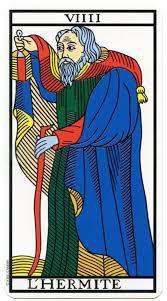
The author, Stav Appel, has a comprehensive and convincing thesis that this edition of the Tarot was a tool created by Jews in hiding from the Inquisition as a means to transmit prohibited Jewish knowledge.
Here the hermit's cloak is an image of a tallit - and the letter tet (for tallit) is also portrayed in its hem. Interestingly, given what David Wolfe-Blank says above, the other core image of the card is that of the lantern. The Hermit card is generally interpreted as a symbol of spiritual introspection.
The tribes wanted to channel divine energy without Joseph's intercession and so deprived him of his garment, defeating his unique specialty and making him vulnerable.
As he was not able to perform his sacred mission, he became available to be ensnared by forces who wanted the benefits of his sefirah archetype (Yesod: sexuality) without its responsibilities (healing).
...
Later, when Joseph made himself known to his brothers, he supplied each of them with coats (Gen 45:22). This gift ended the cycle of their jealousy, as they were finally being supplied with the coats that they coveted. Now they could each channel powerful psychic light on their own.
R' David Wolfe-Blank in his Meta-Parshiot commentaries on Vayeshev from 5758, translating and adapting the Tiferet Shlomo as quoted in Biurei haChassidut l'Shas
Original Garments
(25) The two of them were naked, the Human and his Woman, and they felt no shame. (1) Now the serpent was the shrewdest [note ערום can also mean naked] of all the wild beasts that God ה' had made. It said to the woman, “Did God really say: You shall not eat of any tree of the garden?”
(י) וַיֹּ֕אמֶר אֶת־קֹלְךָ֥ שָׁמַ֖עְתִּי בַּגָּ֑ן וָאִירָ֛א כִּֽי־עֵירֹ֥ם אָנֹ֖כִי וָאֵחָבֵֽא׃ ... (כא) וַיַּ֩עַשׂ֩ ה' אֱלֹקִ֜ים לְאָדָ֧ם וּלְאִשְׁתּ֛וֹ כׇּתְנ֥וֹת ע֖וֹר וַיַּלְבִּשֵֽׁם׃ {פ}
(10) He replied, “I heard the sound of You in the garden, and I was afraid because I was naked, so I hid.” (11) “Who told you that you were naked? Did you eat of the tree from which I had forbidden you to eat?” ....
(21) And God ה' made garments of skins כׇּתְנ֥וֹת ע֖וֹר for Adam and his woman, and clothed them.
(יב) וַיַּעַשׂ ה' אֱלֹקִים לְאָדָם וּלְאִשְׁתּוֹ כָּתְנוֹת עוֹר וַיַּלְבִּשֵּׁם (בראשית ג, כא), בְּתוֹרָתוֹ שֶׁל רַבִּי מֵאִיר מָצְאוּ כָּתוּב כָּתְנוֹת אוֹר, אֵלּוּ בִּגְדֵי אָדָם הָרִאשׁוֹן שֶׁהֵן דּוֹמִים לְפִיגָם, רְחָבִים מִלְּמַטָּה וְצָרִין מִלְּמַעְלָה, רַבִּי יִצְחָק רַבְיָא אוֹמֵר חֲלָקִים הָיוּ כְּצִפֹּרֶן וְנָאִים כְּמַרְגָלִיּוֹת.
(12) And the LORD God made garments of skins כָּתְנוֹת עוֹר for Adam and his woman, and clothed them. (Genesis 3:21) In the Torah of Rabbi Meir we find it written "garments of light" כָּתְנוֹת אוֹר.
These are the garments of Adam the first human: they were like a torch [shedding radiance], broad at the bottom and narrow at the top. Isaac the Elder said: They were as smooth as a finger-nail and as beautiful as a jewel.