


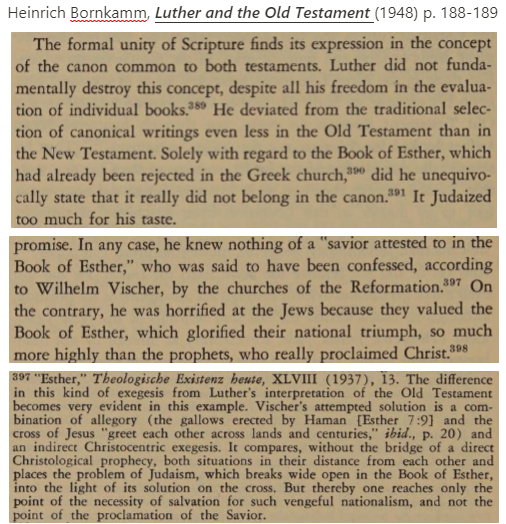
They are real liars and bloodhounds who have not only continually perverted and falsified all of Scripture with their mendacious glosses from the beginning until the present day. Their heart’s most ardent sighing and yearning and hoping is set on the day on which they can deal with us Gentiles as they did with the Gentiles in Persia at the time of Esther. Oh, how fond they are of the book of Esther, which is so beautifully attuned to their bloodthirsty, vengeful, murderous yearning and hope. The sun has never shone on a more bloodthirsty and vengeful people than they are who imagine that they are God’s people who have been commissioned and commanded to murder and to slay the Gentiles. In fact, the most important thing that they expect of their Messiah is that he will murder and kill the entire world with their sword. They treated us Christians in this manner at the very beginning through out all the world. They would still like to do this if they had the power, and often enough have made the attempt, for which they have got their snouts boxed lustily.
I dislike the Book of Esther and that of II Maccabees, for they Judaize too much and contain much pagan naughtiness. Yet by this time the horrible thing has happened that the Book of Esther has a greater reputation among the Jews than Isaiah or Daniel; for Isaiah most clearly announces Christ, and Daniel clearly describes the rule and kingdom of Christ.
(א) וּבִשְׁנֵים עָשָׂר חֹדֶשׁ הוּא־חֹדֶשׁ אֲדָר בִּשְׁלוֹשָׁה עָשָׂר יוֹם בּוֹ אֲשֶׁר הִגִּיעַ דְּבַר־הַמֶּלֶךְ וְדָתוֹ לְהֵעָשׂוֹת בַּיּוֹם אֲשֶׁר שִׂבְּרוּ אֹיְבֵי הַיְּהוּדִים לִשְׁלוֹט בָּהֶם וְנַהֲפוֹךְ הוּא אֲשֶׁר יִשְׁלְטוּ הַיְּהוּדִים הֵמָּה בְּשֹׂנְאֵיהֶם: (ב) נִקְהֲלוּ הַיְּהוּדִים בְּעָרֵיהֶם בְּכָל־מְדִינוֹת הַמֶּלֶךְ אֲחַשְׁוֵרוֹשׁ לִשְׁלֹחַ יָד בִּמְבַקְשֵׁי רָעָתָם וְאִישׁ לֹא־עָמַד לִפְנֵיהֶם כִּי־נָפַל פַּחְדָּם עַל־כָּל־הָעַמִּים: (ג) וְכָל־שָׂרֵי הַמְּדִינוֹת אֲחַשְׁדַּרְפְּנִים וְהַפַּחוֹת וְעֹשֵׂי הַמְּלָאכָה אֲשֶׁר לַמֶּלֶךְ מְנַשְּׂאִים אֶת־הַיְּהוּדִים כִּי־נָפַל פַּחַד־מָרְדֳּכַי עֲלֵיהֶם: (ד) כִּי־גָדוֹל מָרְדֳּכַי בְּבֵית הַמֶּלֶךְ וְשָׁמְעוֹ הוֹלֵךְ בְּכָל־הַמְּדִינוֹת כִּי־הָאִישׁ מָרְדֳּכַי הוֹלֵךְ וְגָדוֹל: פ (ה) וַיַּכּוּ הַיְּהוּדִים בְּכָל־אֹיְבֵיהֶם מַכַּת־חֶרֶב וְהֶרֶג וְאַבְדָן וַיַּעֲשׂוּ שֹׂנְאֵיהֶם כִּרְצוֹנָם: (ו) וּבְשׁוּשַׁן הַבִּירָה הָרְגוּ הַיְּהוּדִים וְאַבֵּד חֲמֵשׁ מֵאוֹת אִישׁ: (ז) וְאֵת פַּרְשַׁנְדָּתָא וְאֵת דַּלְפוֹן וְאֵת אַסְפָּתָא: (ח) וְאֵת פּוֹרָתָא וְאֵת אֲדַלְיָא וְאֵת אֲרִידָתָא: (ט) וְאֵת פַּרְמַשְׁתָּא וְאֵת אֲרִיסַי וְאֵת אֲרִדַי וְאֵת וַיְזָתָא: (י) עֲשֶׂרֶת בְּנֵי הָמָן בֶּן־הַמְּדָתָא צֹרֵר הַיְּהוּדִים הָרָגוּ וּבַבִּזָּה לֹא שָׁלְחוּ אֶת־יָדָם: (יא) בַּיּוֹם הַהוּא בָּא מִסְפַּר הַהֲרוּגִים בְּשׁוּשַׁן הַבִּירָה לִפְנֵי הַמֶּלֶךְ: ס (יב) וַיֹּאמֶר הַמֶּלֶךְ לְאֶסְתֵּר הַמַּלְכָּה בְּשׁוּשַׁן הַבִּירָה הָרְגוּ הַיְּהוּדִים וְאַבֵּד חֲמֵשׁ מֵאוֹת אִישׁ וְאֵת עֲשֶׂרֶת בְּנֵי־הָמָן בִּשְׁאָר מְדִינוֹת הַמֶּלֶךְ מֶה עָשׂוּ וּמַה־שְּׁאֵלָתֵךְ וְיִנָּתֵן לָךְ וּמַה־בַּקָּשָׁתֵךְ עוֹד וְתֵעָשׂ: (יג) וַתֹּאמֶר אֶסְתֵּר אִם־עַל־הַמֶּלֶךְ טוֹב יִנָּתֵן גַּם־מָחָר לַיְּהוּדִים אֲשֶׁר בְּשׁוּשָׁן לַעֲשׂוֹת כְּדָת הַיּוֹם וְאֵת עֲשֶׂרֶת בְּנֵי־הָמָן יִתְלוּ עַל־הָעֵץ: (יד) וַיֹּאמֶר הַמֶּלֶךְ לְהֵעָשׂוֹת כֵּן וַתִּנָּתֵן דָּת בְּשׁוּשָׁן וְאֵת עֲשֶׂרֶת בְּנֵי־הָמָן תָּלוּ: (טו) וַיִּקָּהֲלוּ <היהודיים> הַיְּהוּדִים אֲשֶׁר־בְּשׁוּשָׁן גַּם בְּיוֹם אַרְבָּעָה עָשָׂר לְחֹדֶשׁ אֲדָר וַיַּהַרְגוּ בְשׁוּשָׁן שְׁלֹשׁ מֵאוֹת אִישׁ וּבַבִּזָּה לֹא שָׁלְחוּ אֶת־יָדָם: (טז) וּשְׁאָר הַיְּהוּדִים אֲשֶׁר בִּמְדִינוֹת הַמֶּלֶךְ נִקְהֲלוּ וְעָמֹד עַל־נַפְשָׁם וְנוֹחַ מֵאֹיְבֵיהֶם וְהָרֹג בְּשֹׂנְאֵיהֶם חֲמִשָּׁה וְשִׁבְעִים אָלֶף וּבַבִּזָּה לֹא שָׁלְחוּ אֶת־יָדָם: (יז) בְּיוֹם־שְׁלֹשָׁה עָשָׂר לְחֹדֶשׁ אֲדָר וְנוֹחַ בְּאַרְבָּעָה עָשָׂר בּוֹ וְעָשֹׂה אֹתוֹ יוֹם מִשְׁתֶּה וְשִׂמְחָה: (יח) <והיהודיים> וְהַיְּהוּדִים אֲשֶׁר־בְּשׁוּשָׁן נִקְהֲלוּ בִּשְׁלֹשָׁה עָשָׂר בּוֹ וּבְאַרְבָּעָה עָשָׂר בּוֹ וְנוֹחַ בַּחֲמִשָּׁה עָשָׂר בּוֹ וְעָשֹׂה אֹתוֹ יוֹם מִשְׁתֶּה וְשִׂמְחָה: (יט) עַל־כֵּן הַיְּהוּדִים <הפרוזים> הַפְּרָזִים הַיֹּשְׁבִים בְּעָרֵי הַפְּרָזוֹת עֹשִׂים אֵת יוֹם אַרְבָּעָה עָשָׂר לְחֹדֶשׁ אֲדָר שִׂמְחָה וּמִשְׁתֶּה וְיוֹם טוֹב וּמִשְׁלוֹחַ מָנוֹת אִישׁ לְרֵעֵהוּ: פ (כ) וַיִּכְתֹּב מָרְדֳּכַי אֶת־הַדְּבָרִים הָאֵלֶּה וַיִּשְׁלַח סְפָרִים אֶל־כָּל־הַיְּהוּדִים אֲשֶׁר בְּכָל־מְדִינוֹת הַמֶּלֶךְ אֲחַשְׁוֵרוֹשׁ הַקְּרוֹבִים וְהָרְחוֹקִים: (כא) לְקַיֵּם עֲלֵיהֶם לִהְיוֹת עֹשִׂים אֵת יוֹם אַרְבָּעָה עָשָׂר לְחֹדֶשׁ אֲדָר וְאֵת יוֹם־חֲמִשָּׁה עָשָׂר בּוֹ בְּכָל־שָׁנָה וְשָׁנָה: (כב) כַּיָּמִים אֲשֶׁר־נָחוּ בָהֶם הַיְּהוּדִים מֵאוֹיְבֵיהֶם וְהַחֹדֶשׁ אֲשֶׁר נֶהְפַּךְ לָהֶם מִיָּגוֹן לְשִׂמְחָה וּמֵאֵבֶל לְיוֹם טוֹב לַעֲשׂוֹת אוֹתָם יְמֵי מִשְׁתֶּה וְשִׂמְחָה וּמִשְׁלוֹחַ מָנוֹת אִישׁ לְרֵעֵהוּ וּמַתָּנוֹת לָאֶבְיוֹנִים: (כג) וְקִבֵּל הַיְּהוּדִים אֵת אֲשֶׁר־הֵחֵלּוּ לַעֲשׂוֹת וְאֵת אֲשֶׁר־כָּתַב מָרְדֳּכַי אֲלֵיהֶם: (כד) כִּי הָמָן בֶּן־הַמְּדָתָא הָאֲגָגִי צֹרֵר כָּל־הַיְּהוּדִים חָשַׁב עַל־הַיְּהוּדִים לְאַבְּדָם וְהִפִּיל פּוּר הוּא הַגּוֹרָל לְהֻמָּם וּלְאַבְּדָם: (כה) וּבְבֹאָהּ לִפְנֵי הַמֶּלֶךְ אָמַר עִם־הַסֵּפֶר יָשׁוּב מַחֲשַׁבְתּוֹ הָרָעָה אֲשֶׁר־חָשַׁב עַל־הַיְּהוּדִים עַל־רֹאשׁוֹ וְתָלוּ אֹתוֹ וְאֶת־בָּנָיו עַל־הָעֵץ:
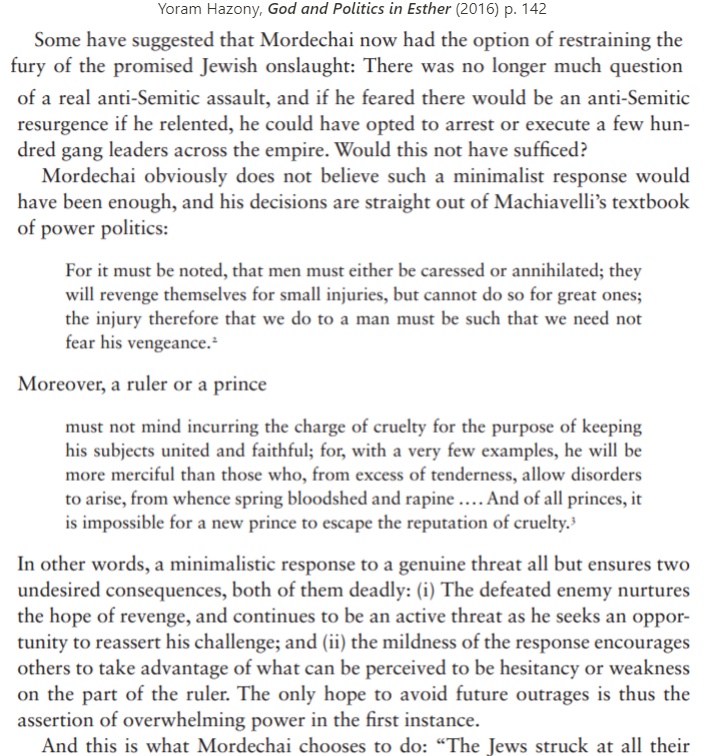
1On the twelfth month, which is the month of Adar, on the thirteenth day therein, when the king’s command and his rule came to be enacted, on the day when the enemies of the Jews hoped to dominate them and, on the contrary, it was the Jews who dominated their foes, 2the Jews assembled in their cities in all the provinces of King Ahasuerus to lay hands on those who sought to do them harm, and no man could stand before them, for the fear of them had fallen on all the peoples. 3And all the ministers of all the provinces and the satraps and the governors and those who carried out the king’s tasks were raising up the Jews, for the fear of Mordecai had fallen upon them. 4For great was Mordecai in the house of the king, and his fame was going about through all the provinces, for the man Mordecai was becoming ever greater. 5And the Jews struck down all their enemies with a blow of the sword and with killing and destruction, and they did to their enemies what they willed. 6And in Shushan the capital the Jews killed and destroyed five hundred men. 7And Parshandatha and Dalphon and Aspatha 8and Poratha and Adalia and Aridatha, 9and Parmashta and Arisai and Aridai and Vaizatha 10the ten sons of Haman son of Hammadatha foe of the Jews did they kill, but they did not lay hands on the spoil. 11On that day, the number of the slain in Shushan the capital came before the king, 12and the king said to Queen Esther, “In Shushan the capital the Jews killed and destroyed five hundred men and the ten sons of Haman, and in the rest of the king’s provinces, what have they done? And what is your petition, and it will be granted to you, and what more is your request and it will be done!” 13And Esther said, “If it please the king, let it be granted to the Jews who are in Shushan tomorrow as well to do according to today’s rule, and let Haman’s ten sons be impaled on stakes.” 14And the king spoke to have it done thus and to have a rule given out in Shushan and to impale Haman’s ten sons. 15And the Jews who were in Shushan assembled as well on the fourteenth day of the month of Adar and killed three hundred men in Shushan, but they did not lay hands on the spoils. 16And the rest of the Jews who were in the king’s provinces assembled and defended their lives and had respite from their enemies and killed their foes, seventy-five thousand, but they did not lay hands on the spoils, 17on the thirteenth day of the month of Adar, with respite on the fourteenth day therein, and they made it a day of banqueting and rejoicing.
The destruction of the Temple - The Shl"a wrote that at every meal, one should recite "Al naharot Bavel" ("By the Rivers of Babylon..." - Psalms 137:1). And on Shabbat, and also on days that Tachanun is not said, one should say "Shir Hama'alot b'shuv Hashem..." ("A song of ascents. When the Lord returns..." - Psalms 126:1). And the main thing is to know/understand what one is saying, and to have concentration.
בתפלת המנחה דערב שבת אין נופלים על פניהם:
(א) עַ֥ל נַהֲר֨וֹת ׀ בָּבֶ֗ל שָׁ֣ם יָ֭שַׁבְנוּ גַּם־בָּכִ֑ינוּ בְּ֝זׇכְרֵ֗נוּ אֶת־צִיּֽוֹן׃ (ב) עַֽל־עֲרָבִ֥ים בְּתוֹכָ֑הּ תָּ֝לִ֗ינוּ כִּנֹּרוֹתֵֽינוּ׃ (ג) כִּ֤י שָׁ֨ם שְֽׁאֵל֪וּנוּ שׁוֹבֵ֡ינוּ דִּבְרֵי־שִׁ֭יר וְתוֹלָלֵ֣ינוּ שִׂמְחָ֑ה שִׁ֥ירוּ לָ֝֗נוּ מִשִּׁ֥יר צִיּֽוֹן׃ (ד) אֵ֗יךְ נָשִׁ֥יר אֶת־שִׁיר־ה' עַ֝֗ל אַדְמַ֥ת נֵכָֽר׃ (ה) אִֽם־אֶשְׁכָּחֵ֥ךְ יְֽרוּשָׁלָ֗͏ִם תִּשְׁכַּ֥ח יְמִינִֽי׃ (ו) תִּדְבַּֽק־לְשׁוֹנִ֨י ׀ לְחִכִּי֮ אִם־לֹ֢א אֶ֫זְכְּרֵ֥כִי אִם־לֹ֣א אַ֭עֲלֶה אֶת־יְרוּשָׁלַ֑͏ִם עַ֝֗ל רֹ֣אשׁ שִׂמְחָתִֽי׃ (ז) זְכֹ֤ר ה' ׀ לִבְנֵ֬י אֱד֗וֹם אֵת֮ י֤וֹם יְֽר֫וּשָׁלָ֥͏ִם הָ֭אֹ֣מְרִים עָ֤רוּ ׀ עָ֑רוּ עַ֝֗ד הַיְס֥וֹד בָּֽהּ׃ (ח) בַּת־בָּבֶ֗ל הַשְּׁד֫וּדָ֥ה אַשְׁרֵ֥י שֶׁיְשַׁלֶּם־לָ֑ךְ אֶת־גְּ֝מוּלֵ֗ךְ שֶׁגָּמַ֥לְתְּ לָֽנוּ׃ (ט) אַשְׁרֵ֤י ׀ שֶׁיֹּאחֵ֓ז וְנִפֵּ֬ץ אֶֽת־עֹ֝לָלַ֗יִךְ אֶל־הַסָּֽלַע׃ {פ}
1By Babylon’s streams, there we sat, oh we wept, when we recalled Zion. 2On the poplars there we hung up our lyres. 3For there our captors had asked of us words of song, and our plunderers—rejoicing: “Sing us from Zion’s songs.” 4How can we sing a song of the LORD on foreign soil? 5Should I forget you, Jerusalem, may my right hand wither. 6May my tongue cleave to my palate if I do not recall if I do not set Jerusalem above my chief joy. 7Recall, O LORD, the Edomites, on the day of Jerusalem, saying: “Raze it, raze it, to its foundation!” 8Daughter of Babylon the despoiler, happy who pays you back in kind, for what you did to us. 9Happy who seizes and smashes your infants against the rock.
1And Samuel said to Saul, “Me has the LORD sent to anoint you as king over His people Israel. And now, heed the voice of the words of the LORD. 2Thus says the LORD of Armies, ‘I have made reckoning of what Amalek did to Israel, that he set against him on the way as he was coming up from Egypt. 3Now, go and strike down Amalek, and put under the ban everything that he has, you shall not spare him, and you shall put to death man and woman, infant and suckling, ox and sheep, camel and donkey.’”…7And Saul struck down Amalek from Havilah till you come to Shur, which is before Egypt. 8And he caught Agag king of Amalek alive, and all the people he put under the ban with the edge of the sword. 9And Saul, and the troops with him, spared Agag and the best of the sheep and the cattle, the fat ones and the young ones, everything good, and they did not want to put them under the ban. But all the vile and worthless possessions, these they put under the ban….13And Samuel came to Saul, and Saul said to him, “Blessed be you to the LORD! I have fulfilled the word of the LORD.” 14And Samuel said, “And what is this sound of sheep in my ears, and the sound of cattle that I hear?” 15And Saul said, “From the Amalekite they have brought them, for the troops spared the best of the sheep and the cattle in order to sacrifice to the LORD your God, and the rest we put under the ban.” 16And Samuel said, “Hold off, that I may tell you what the LORD spoke to me this night.” And he said, “Speak.” 17And Samuel said, “Though you may be small in your own eyes, you are the head of the tribes of Israel, and the LORD has anointed you king over Israel. 18And the LORD sent you on a mission and said to you, ‘You shall put under the ban the offenders, Amalek, and do battle against them till you destroy them all.’ 19And why did you not heed the voice of the LORD, for you pounced on the booty and did evil in the eyes of the LORD?”… 22And Samuel said, “Does the LORD take delight in burnt offerings and sacrifices as in heeding the voice of the LORD? For heeding is better than sacrifice, hearkening, than the fat of rams. 23For the diviner’s offense is rebellion, the transgression of idols—defiance. Since you have cast off the word of the LORD, He has cast you aside as king.”
רַבִּי יוֹסֵי בֶּן דּוֹרְמַסְקִית אוֹמֵר: אֶסְתֵּר בְּרוּחַ הַקּוֹדֶשׁ נֶאֶמְרָה, שֶׁנֶּאֱמַר: ״וּבַבִּזָּה לֹא שָׁלְחוּ אֶת יָדָם״.
Rabbi Yosei ben Durmaskit says: The book of Esther was said with the inspiration of the Divine Spirit, as it is stated: “But they did not lay their hands on the plunder” (Esther 9:15). The only way that could have been stated with certainty is through divine inspiration.