
Save "Hilchot Tefilla - How many cups of wine during the Seder?"
Hilchot Tefilla - How many cups of wine during the Seder?
How many cups of wine should we drink according to the Mishna?

(א) עַרְבֵי פְסָחִים סָמוּךְ לַמִּנְחָה, לֹא יֹאכַל אָדָם עַד שֶׁתֶּחְשָׁךְ. וַאֲפִלּוּ עָנִי שֶׁבְּיִשְׂרָאֵל לֹא יֹאכַל עַד שֶׁיָּסֵב. וְלֹא יִפְחֲתוּ לוֹ מֵאַרְבַּע כּוֹסוֹת שֶׁל יַיִן, וַאֲפִלּוּ מִן הַתַּמְחוּי:

(1) On the eve of Passover, adjacent to minḥa time, a person may not eat until dark, so that he will be able to eat matza that night with a hearty appetite. Even the poorest of Jews should not eat the meal on Passover night until he reclines on his left side, as free and wealthy people recline when they eat. And the distributors of charity should not give a poor person less than four cups of wine for the Festival meal of Passover night. And this halakha applies even if the poor person is one of the poorest members of society and receives his food from the charity plate.

מָזְגוּ לוֹ כוֹס שְׁלִישִׁי, מְבָרֵךְ עַל מְזוֹנוֹ. רְבִיעִי, גּוֹמֵר עָלָיו אֶת הַהַלֵּל, וְאוֹמֵר עָלָיו בִּרְכַּת הַשִּׁיר

They poured for the leader of the seder the third cup of wine, and he recites the blessing over his food, Grace After Meals. Next, they pour him the fourth cup. He completes hallel over it, as he already recited the first part of hallel before the meal. And he also recites the blessing of the song at the end of hallel over the fourth cup. During the period between these cups, i.e., the first three cups established by the Sages, if one wishes to drink more he may drink; however, between the third cup and the fourth cup one should not drink.

מַאי ״בִּרְכַּת הַשִּׁיר״? רַב יְהוּדָה אָמַר: ״יְהַלְלוּךָ ה׳ אֱלֹהֵינוּ״. וְרַבִּי יוֹחָנָן אָמַר: ״נִשְׁמַת כָּל חַי״. תָּנוּ רַבָּנַן: רְבִיעִי גּוֹמֵר עָלָיו אֶת הַהַלֵּל, וְאוֹמֵר הַלֵּל הַגָּדוֹל, דִּבְרֵי רַבִּי טַרְפוֹן. וְיֵשׁ אוֹמְרִים: ״ה׳ רוֹעִי לֹא אֶחְסָר״.

The Gemara asks: What is the blessing of the song mentioned in the mishna? Rav Yehuda said: It is the blessing that begins with: They shall praise You, Lord, our God. And Rabbi Yoḥanan said that one also recites: The breath of all living, a prayer that follows the verses of praise [pesukei dezimra]. The Sages taught in a baraita: With regard to the fourth cup, one completes hallel over it and recites the great hallel; this is the statement of Rabbi Tarfon. And some say that one recites: “The Lord is my shepherd, I shall not want” (Psalms 23:1), in appreciation of the food he ate at the meal.

ת"ר כוס חמישי אומרים עליו הלל הגדול דברי רבי טרפון. וי"א ה' רועי לא אחסר. ורשב"ם גורס רביעי אומרים עליו הלל הגדול דכוס חמישי מאן דכר שמיה. ואם בא לומר כוס חמישי רשות ואם ירצה יעשה כוס חמישי הכי הוה ליה למימר הרוצה לעשות כוס חמישי אומר עליו הלל הגדול. אבל לפי גירסת הספרים משמע דלר' טרפון וי"א כוס חמישי הוה ליה חובה ונהגו העולם לעשות רשות. וכן כתב ה"ר יוסף טוב עלם ז"ל שאם הוא תאב לשתות יעשה כוס חמישי

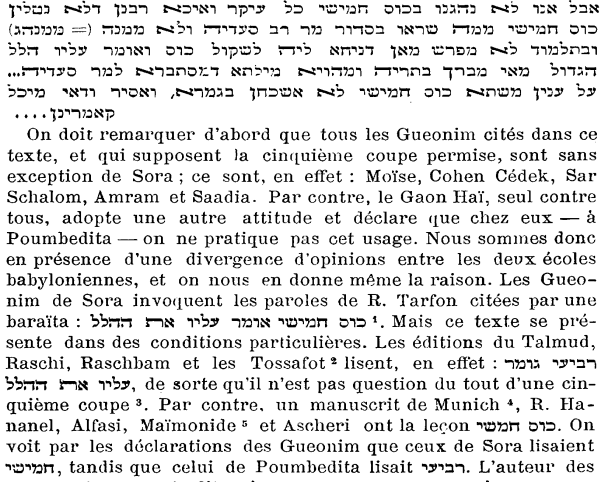
Our rabbis learned, "We say the Great Hallel (Psalm 136, and see below at the bottom of the paragraph for other opinions) over a fifth cup - these are the words of Rabbi Tarfon, and there are those that say, 'The Lord is my shepherd, I shall not lack' (Psalms 23)." And Rashbam [follows] the textual variant, "We say the Great Hallel on the fourth cup," as 'who mentioned the name' of the fifth cup; and if it is coming to say [that the fifth cup is optional and, if wants, he should do a fifth cup, this is how it should have said it: "One who wants to do a fifth cup should say the Great Hallel upon it." But according to the textual variant of the books, it is implied that for Rabbi Tarfon and the 'those that say,' the fifth cup is obligatory, but the world has become accustomed to make it optional. And so did Rabbi Yosef Tov Eelem, may his memory be blessed, write - that if desires to drink, he should make a fifth cup. It is implied from his words that it is [otherwise] forbidden to drink after the four cups. And it is a wonder, as from where do we have this; as later it only says, "We may not eat an afikoman (a dessert or other foods eaten after the meal) after [we are finished eating] the Pesach sacrifice" - which means not to eat, but to drink is permitted. And so also since in the [Talmud] Yerushalmi, it explains that he should not drink between the third and fourth [cups] because of 'lest he get drunk,' it is implied that if we were not concerned about drunkenness, it would be permissible to drink. But the custom that has spread is not to drink wine. And Ram, may his memory be blessed, explained a reason for this custom: that it is because a person is obligated to be involved the whole night with the laws of Pesach and with the exodus from Egypt, to recount the miracles and wonders that the Holy One, blessed be He, did for us, until slumber overcomes him - and if he drinks, he will get drunk [and not be able to do this]. And so too do we say in Tosefta Pesachim 10:11, "A person is obligated to be involved with the laws of Pesach and with the exodus from Egypt the whole night"; and this is what we learned (Pesach Haggadah, Magid, Story of the Five Rabbis 1), "It happened once [on Pesach] that Rabbi Eliezer, Rabbi Yehoshua [...] were reclining in Bnei Brak and were telling the story of the exodus from Egypt that whole night, etc." But with the fourth cup, they permitted [drinking], as it has scriptural support, corresponding to the verse (Exodus 6:7), "and I will take you." From where is the Great Hallel? Rav Yehuda said from "Praised" (Psalms 136:1) to "On the rivers of Babylon" (Psalms 137:1). Rabbi Yochanan said from "A song of ascents" to "On the rivers of Babylon." Rab Achaa bar Yaakov says from "Since the Lord has chosen Yaakov" (Psalms 135:4) to "On the rivers of Babylon." But the custom of the world is like Rav Yehuda concerning the Great Hallel.
The minhagim in Sura and Pumbedita
(Adolf Büchler, les relations des communautés africaines avec la Babylonie et la Palestine, Revue des études juives, 1905, p. 161). רי"ץ גיאת R. Ibn Ghiyyat (1038–1089), Av Beth Din in Córdoba, a comtemporary of the Rif.
The basis of the minhagim in the pesukim from the Tora

מְנַיִין לְאַרְבָּעָה כוֹסוֹת. רִבִּי יוֹחָנָן בְּשֵׁם רִבִּי בְנָייָה. כְּנֶגֶד אַרְבַּע גְּאוּלוֹת

From where the Four Cups? Rebbi Joḥanan in the name of Rebbi Benaiah: Corresponding to the four deliveries: Therefore, say to the Children of Israel, I am the Eternal, and I shall take you out, etc. And I shall take you as My people, etc. I shall take you, I shall save you, I shall free you, I shall take you. Rebbi Joshua ben Levi said, corresponding to the four cups of Pharao: The cup of Pharao was in my hand; I took the grapes and squeezed them into Pharao ’s cup, and gave the cup in Pharao ’s hand. You will give the cup in the hand of Pharao. Rebbi Levi said, corresponding to the four kingdoms. But our teachers say, corresponding to the four cups of doom that the Holy One, praise to Him, will make the Gentiles drink at the end of days. Truly, so said the Eternal, the God of Israel, to me: take this cup of the wine of wrath. The golden cup of Babylon is in the hand of the Eternal. Truly a cup is in the hand of the Eternal, intoxicating wine, fully to be mixed; He shall sprinkle from it but its dregs shall be drunk, squeezed to the last, by all the wicked of the earth. He shall let coals rain on the wicked; fire, sulphur, and burning wind is the portion of their cup. What does the portion of their cup mean? R. Abun said: a double cup like the double cup taken after a thermal bath. And in accordance with this correspondingly the Holy One, praised be He, will let Israel drink four cups of consolation at the End of Days: The Eternal is the portion of my part and my cup. You anointed my head with oil; my cup is overflowing. I shall lift up the cup of salvations counts for two.

(ו) לָכֵ֞ן אֱמֹ֥ר לִבְנֵֽי־יִשְׂרָאֵל֮ אֲנִ֣י ה' וְהוֹצֵאתִ֣י אֶתְכֶ֗ם מִתַּ֙חַת֙ סִבְלֹ֣ת מִצְרַ֔יִם וְהִצַּלְתִּ֥י אֶתְכֶ֖ם מֵעֲבֹדָתָ֑ם וְגָאַלְתִּ֤י אֶתְכֶם֙ בִּזְר֣וֹעַ נְטוּיָ֔ה וּבִשְׁפָטִ֖ים גְּדֹלִֽים׃ (ז) וְלָקַחְתִּ֨י אֶתְכֶ֥ם לִי֙ לְעָ֔ם וְהָיִ֥יתִי לָכֶ֖ם לֵֽאלֹקִ֑ים וִֽידַעְתֶּ֗ם כִּ֣י אֲנִ֤י ה' אֱלֹ֣קֵיכֶ֔ם הַמּוֹצִ֣יא אֶתְכֶ֔ם מִתַּ֖חַת סִבְל֥וֹת מִצְרָֽיִם׃ (ח) וְהֵבֵאתִ֤י אֶתְכֶם֙ אֶל־הָאָ֔רֶץ אֲשֶׁ֤ר נָשָׂ֙אתִי֙ אֶת־יָדִ֔י לָתֵ֣ת אֹתָ֔הּ לְאַבְרָהָ֥ם לְיִצְחָ֖ק וּֽלְיַעֲקֹ֑ב וְנָתַתִּ֨י אֹתָ֥הּ לָכֶ֛ם מוֹרָשָׁ֖ה אֲנִ֥י ה'׃

(6) Say, therefore, to the Israelite people: I am ה'. I will free you from the labors of the Egyptians and deliver you from their bondage. I will redeem you with an outstretched arm and through extraordinary chastisements. (7) And I will take you to be My people, and I will be your God. And you shall know that I, ה', am your God who freed you from the labors of the Egyptians. (8) I will bring you into the land which I swore to give to Abraham, Isaac, and Jacob, and I will give it to you for a possession, I ה'.”
ספר המנהיג הלכות פסח עמוד תסז
"והבאתי אתכם" אינו מן המניין שאינו מן הגאולות אלא בשורת הארץ הוא

ד' כוסות כנגד ד' גאולות... וכוס חמישי... כנגד והבאתי... אם לא הביא הקב"ה אותן לארץ ישראל מה היה מועיל להם היציאה של מצרים

ואכלו את הבשר, “they are to eat the meat;” this is the reason why the people established the custom to take three unleavened loaves of bread on the evening when the meat of the Passover would be consumed. It was a reminder of the three measures of flour Avraham told Sarah to use when baking cakes for what turned out to be the three angels, one of whom predicted when she would give birth to Yitzchok. (Genesis 18,6) The date happened to be that of the first day of Passover, (in the future) as we know from the fact that on the same evening Lot welcomed two of these angels and served them unleavened bread. An alternate version of the significance of the three matzot on our seder dish is that they are to remind us of the three patriarchs. The reason why we break the middle one of these three matzot in half is that it symbolises G–d having split the sea of reeds in half to enable the Jewish people to cross it and escape the pursuit of Pharaoh and his army. We pronounce the special blessing over one half of this middle matzah, as related in the Talmud tractate Pessachim folio 115, as a reminder that it is called the “bread of the poor,” meaning that a poor man does not have a whole loaf of bread at his disposal. The reason why we perform two “dippings” on that night is to serve as a reminder that when becoming officially Jewish after performing the circumcision, both the people themselves and their slaves immersed themselves in a ritual bath. An alternate interpretation is that we had to dip the blood of the Paschal lamb and sprinkle it on the lintel and upright posts, mezuzot, of our homes, to insure that the firstborn Jews would not be killed on that night, as were those of the Egyptians. We recite a further reminder of this by quoting from the Book of Ezekiel, that our redemption was linked to our being kept alive by offering that blood (Ezekiel 16,6). One of the reasons why this ritual is performed on that night is to encourage the children at the table to ask why we perform so many strange acts during that evening instead of proceeding from kiddush to Motzi, breaking bread, directly. Normally, vegetables used to be eaten as a kind of dessert, whereas on this evening we commence with them. We never drink two cups of wine before eating bread, whereas on this evening we make a point of drinking two cups of wine before eating any bread (matzah). As soon as the child sees us pouring the second cup of wine he begins asking questions. The concoction known as charosset that we dip the bitter herbs in, is a reminder of the mortar that was used in the bricks, i.e. its colour. It is composed of ground apples, commemorating an apple in Song of Songs 8,5, in which G–d is described allegorically as having overturned an apple tree at Mount Sinai, at the time when the Jewish people accepted the Torah, having thus aroused the Jewish people to respond with their famous נעשה ונשמע, “we will perform the laws of the Torah as soon as we will hear what they are.” It also contains different spices, resembling in appearance the straw that the Egyptians had withheld from them after Moses had asked Pharaoh for a short vacation to celebrate a religious festival. Our author cites different interpretations of the various items on the seder plate nowadays when we cannot celebrate the real thing, one being the egg the other a roasted bone, the one symbolising the chagigah offering, offered by each pilgrim who came to Jerusalem on that festival, the other symbolising the Paschal lamb, unfortunately also not available while we are in exile. The four cups of wine drank on that night are in commemoration of the four stages of the redemption. The respective words on the Torah are:והוצאתי, והצלתי, וגאלתי, ולקחתי אתכם לי, “I will take you out, I will save you, I will redeem you, and I will acquire you as My people.” (Exodus 6, 6-7.) The fifth expression there, i.e. והבאתי אתכם אל הארץ “I shall bring you to the land, etc.” is actually the purpose of the whole redemption. As per the proverb “when a master releases his slave into freedom, and he gives him a cup of wine to drink, unless he also brings him to a house where he can enjoy that wine as a free man, the whole exercise was in vain.” While we have been deprived of our land being in exile, we do not drink the fifth cup indicating that we look forward, to doing so, the sooner the better. Another way of looking at the ritual of drinking the four cups: They symbolise four different redemptions. Each “cup” has been mentioned in our Scriptures as such, in Psalms 16,5: ה' מנת חלקי וכוסי, “the Lord is my allotted share and portion;” also in Psalms 23,5:כוסי רויה, “my cup is abundant.” The third time we find this reference to our “cup” in Psalms 116,13: כוס ישועות אשא, “I raise my cup of deliverance.” In that verse the reference is not to a single deliverance, but to multiple deliverances. Both refer to the deliverance in the days of the messiah and the world to come respectively. (Compare Jerusalem Talmud, tractate Pessachim, chapter 10, halachah 1. Yet another interpretation about why we drink four cups of wine on the night of the seder. It is a reminder of the four cups that Pharaoh’s chief of the butlers told Joseph about that he had seen in his dream (Genesis 40, 11-13). Still another interpretation sees in the four cups a reference to the four cups of poison that G–d will force the gentile nations to drink in the future, which the prophet Jeremiah has spoken about in Jeremiah 25,15-18. These cups are also referred to in Psalms 75,9 as well as in Jeremiah 51,7 and in Psalms 11,6 as pointed out in the section of the Jerusalem Talmud we quoted earlier.
לבוש אורח חיים סימן תפא סעיף א
צריכין ליזהר שלא לשתות כלום אחר ד' כוסות, ומי שהוא אסטניס או תאב וצמא הרבה לשתות, יכול להוסיף כוס חמישי, ויאמר עליו הלל הגדול, ויחשוב לו כוס זה כנגד כוס של רויה של גאולה העתידה, ולא ישתה יותר, חוץ ממים שמותרים לשתות לכל אדם, אבל כל שאר משקין אינו רשאי לשתות:
ראב"ד - תשובות ופסקים סימן קיב
הני דאסרי למשתי חמרא בתר ארבעה כוסות לאו מעיקר הלכה הוא אלא ממנהגא, ואפשר בזמן הזה שאנו עושים שני ימים נהג המנהג בעבור העניים שספקו להם ארבעה כוסות מן התמחוי לשתי לילות וכדי שלא ישתו אותו יין שנתנו להם לשתי לילות בלילה אחד...
The current practice and its religious significance
למעשה נוהגים שלא לשתות כוס חמישית, אבל נהגו למזוג כוס חמישית וקוראים לה ‘כוס של אליהו’. ובאר הגאון מווילנא, שהיא נקראת כוס של אליהו מפני שבכל ספק שאיננו יכולים לפטור, אנו אומרים, כשיבוא אליהו הנביא יפשוט את הספק, ולכן אנו מוזגים כוס חמישית לכבודו, וכשיבוא יאמר אם צריך לשתות אותה.
The customary practice is not to drink a fifth cup, though the custom is to pour it and to call it “Eliyahu’s Cup.” The Vilna Gaon explains how it got this name: when there is an uncertainty that cannot be resolved, we believe that when the prophet Eliyahu returns as a harbinger of the messianic era, he will resolve it. Thus, we pour a fifth cup in his honor, and when he arrives he will tell us if we must drink it.
Elijah’s Cup: A Symbol of Agreeing to Disagree
Elijah’s cup is a symbol of agreeing to disagree. By design, the seder is filled with lots of questions and invitations for even more. On the surface, it may appear that the Haggadah does not sufficiently address how to have those discussions, and, especially, how we should leave them if they are left unresolved. With Elijah’s cup, we have an “out.” “Teiku,” we can say. “Someday, we’ll find a good answer. It may not be today, but hopefully one day soon.” How perfect is it that the symbol of unresolved discussion is filled with a symbol associated with joy! And wouldn’t it be great if, when we agreed to disagree, it was with sweetness, joy, and compassion on our lips, rather than with bitterness, sadness, and resentment? Perhaps then, we would be the ones to bring about the Messianic age, we would, each of us, be Elijah, and we would all be able to raise a glass and offer an even better expression: “L’chayim! To life!” (R Jeremy Gimbel)