


בָּרוּךְ אַתָּה יהוה אֱלהֵינוּ מֶלֶךְ הָעולָם אֲשֶׁר קִדְּשָׁנוּ בְּמִצְותָיו וְצִוָּנוּ לַעֲסוק בְּדִבְרֵי תורָה:
Blessing for Torah StudyBarukh Atah Adonai Eloheinu Melekh Ha'Olam Asher Kideshanu Bemitzvotav Vetzivanu La'asok Bedivrei Torah
Blessed are you Adonai, our God, Sovereign of Eternity, who has made us holy through Your mitzvot (sacred callings) and called upon us to immerse ourselves in the words of Torah.
(לג) וַיְדַבֵּ֥ר יהוה אֶל־מֹשֶׁ֥ה לֵּאמֹֽר׃ (לד) דַּבֵּ֛ר אֶל־בְּנֵ֥י יִשְׂרָאֵ֖ל לֵאמֹ֑ר
בַּחֲמִשָּׁ֨ה עָשָׂ֜ר י֗וֹם לַחֹ֤דֶשׁ הַשְּׁבִיעִי֙ הַזֶּ֔ה חַ֧ג הַסֻּכּ֛וֹת שִׁבְעַ֥ת יָמִ֖ים לַיהוה׃ (לה) בַּיּ֥וֹם הָרִאשׁ֖וֹן מִקְרָא־קֹ֑דֶשׁ כָּל־מְלֶ֥אכֶת עֲבֹדָ֖ה לֹ֥א תַעֲשֽׂוּ׃ (לו) שִׁבְעַ֣ת יָמִ֔ים תַּקְרִ֥יבוּ אִשֶּׁ֖ה לַיהוה בַּיּ֣וֹם הַשְּׁמִינִ֡י מִקְרָא־קֹדֶשׁ֩ יִהְיֶ֨ה לָכֶ֜ם וְהִקְרַבְתֶּ֨ם אִשֶּׁ֤ה לַֽיהוה עֲצֶ֣רֶת הִ֔וא כָּל־מְלֶ֥אכֶת עֲבֹדָ֖ה לֹ֥א תַעֲשֽׂוּ׃ . .
(לט) אַ֡ךְ בַּחֲמִשָּׁה֩ עָשָׂ֨ר י֜וֹם לַחֹ֣דֶשׁ הַשְּׁבִיעִ֗י בְּאָסְפְּכֶם֙ אֶת־תְּבוּאַ֣ת הָאָ֔רֶץ תָּחֹ֥גּוּ אֶת־חַג־יהוה שִׁבְעַ֣ת יָמִ֑ים בַּיּ֤וֹם הָֽרִאשׁוֹן֙ שַׁבָּת֔וֹן וּבַיּ֥וֹם הַשְּׁמִינִ֖י שַׁבָּתֽוֹן׃ (מ) וּלְקַחְתֶּ֨ם לָכֶ֜ם בַּיּ֣וֹם הָרִאשׁ֗וֹן פְּרִ֨י עֵ֤ץ הָדָר֙ כַּפֹּ֣ת תְּמָרִ֔ים וַעֲנַ֥ף עֵץ־עָבֹ֖ת וְעַרְבֵי־נָ֑חַל וּשְׂמַחְתֶּ֗ם לִפְנֵ֛י יהוה אֱלֹהֵיכֶ֖ם שִׁבְעַ֥ת יָמִֽים׃ (מא) וְחַגֹּתֶ֤ם אֹתוֹ֙ חַ֣ג לַֽיהוה שִׁבְעַ֥ת יָמִ֖ים בַּשָּׁנָ֑ה חֻקַּ֤ת עוֹלָם֙ לְדֹרֹ֣תֵיכֶ֔ם בַּחֹ֥דֶשׁ הַשְּׁבִיעִ֖י תָּחֹ֥גּוּ אֹתֽוֹ׃ (מב) בַּסֻּכֹּ֥ת תֵּשְׁב֖וּ שִׁבְעַ֣ת יָמִ֑ים כָּל־הָֽאֶזְרָח֙ בְּיִשְׂרָאֵ֔ל יֵשְׁב֖וּ בַּסֻּכֹּֽת׃ (מג) לְמַעַן֮ יֵדְע֣וּ דֹרֹֽתֵיכֶם֒ כִּ֣י בַסֻּכּ֗וֹת הוֹשַׁ֙בְתִּי֙ אֶת־בְּנֵ֣י יִשְׂרָאֵ֔ל בְּהוֹצִיאִ֥י אוֹתָ֖ם מֵאֶ֣רֶץ מִצְרָ֑יִם אֲנִ֖י יהוה אֱלֹהֵיכֶֽם׃ (מד) וַיְדַבֵּ֣ר מֹשֶׁ֔ה אֶת־מֹעֲדֵ֖י יהוה אֶל־בְּנֵ֖י יִשְׂרָאֵֽל׃ (פ)
(33) The LORD spoke to Moses, saying: (34) Say to the Israelite people:
On the fifteenth day of this seventh month there shall be the Feast of Booths to the LORD, [to last] seven days. (35) The first day shall be a sacred occasion: you shall not work at your occupations; (36) seven days you shall bring offerings by fire to the LORD. On the eighth day you shall observe a sacred occasion and bring an offering by fire to the LORD; it is a solemn gathering: you shall not work at your occupations...
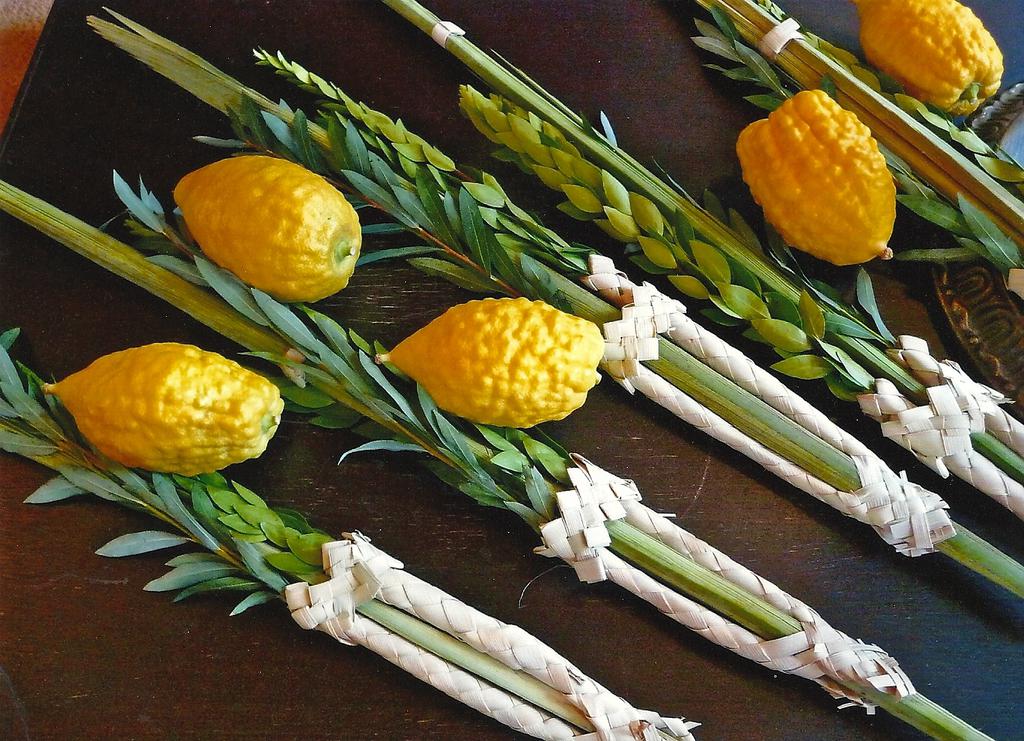
(39) Mark, on the fifteenth day of the seventh month, when you have gathered in the yield of your land, you shall observe the festival of the LORD [to last] seven days: a complete rest on the first day, and a complete rest on the eighth day. (40) On the first day you shall take the product of hadar trees, branches of palm trees, boughs of leafy trees, and willows of the brook, and you shall rejoice before the LORD your God seven days. (41) You shall observe it as a festival of the LORD for seven days in the year; you shall observe it in the seventh month as a law for all time, throughout the ages. (42) You shall live in booths seven days; all citizens in Israel shall live in booths, (43) in order that future generations may know that I made the Israelite people live in booths when I brought them out of the land of Egypt, I the LORD your God.
A Guide to Jewish Practice Volume 2 - Shabbat and Holidays
Sukkot is also a reminder that no matter how thorough and sincere we are in work of t'shuvah, there are no guarantees. The joyfulness of Sukkot comes from delight in our current blessings that is heightened by our emergence from the security and protection of our comfortable homes and our entrance into temporary huts that remind us of our own fragility.
A Guide to Jewish Practice Volume 2 - Shabbat and Holidays
[Rabbi Lawrence Hoffman] suggests that a pilgrim is an individual who cultivates an "I-Thou" relationship with a place. A pilgrim is distinct from a traveler, a visitor, or a tourist because a pilgrim is opened to being transformed through an encounter with a place, with the divine and with others encountered on his or her journey.
(א) בַּחֹ֙דֶשׁ֙ הַשְּׁלִישִׁ֔י לְצֵ֥את בְּנֵי־יִשְׂרָאֵ֖ל מֵאֶ֣רֶץ מִצְרָ֑יִם בַּיּ֣וֹם הַזֶּ֔ה בָּ֖אוּ מִדְבַּ֥ר סִינָֽי׃ (ב) וַיִּסְע֣וּ מֵרְפִידִ֗ים וַיָּבֹ֙אוּ֙ מִדְבַּ֣ר סִינַ֔י וַֽיַּחֲנ֖וּ בַּמִּדְבָּ֑ר וַיִּֽחַן־שָׁ֥ם יִשְׂרָאֵ֖ל נֶ֥גֶד הָהָֽר׃ (ג) וּמֹשֶׁ֥ה עָלָ֖ה אֶל־הָאֱלֹהִ֑ים וַיִּקְרָ֨א אֵלָ֤יו יהוה מִן־הָהָ֣ר לֵאמֹ֔ר כֹּ֤ה תֹאמַר֙ לְבֵ֣ית יַעֲקֹ֔ב וְתַגֵּ֖יד לִבְנֵ֥י יִשְׂרָאֵֽל׃ (ד) אַתֶּ֣ם רְאִיתֶ֔ם אֲשֶׁ֥ר עָשִׂ֖יתִי לְמִצְרָ֑יִם וָאֶשָּׂ֤א אֶתְכֶם֙ עַל־כַּנְפֵ֣י נְשָׁרִ֔ים וָאָבִ֥א אֶתְכֶ֖ם אֵלָֽי׃ (ה) וְעַתָּ֗ה אִם־שָׁמ֤וֹעַ תִּשְׁמְעוּ֙ בְּקֹלִ֔י וּשְׁמַרְתֶּ֖ם אֶת־בְּרִיתִ֑י וִהְיִ֨יתֶם לִ֤י סְגֻלָּה֙ מִכׇּל־הָ֣עַמִּ֔ים כִּי־לִ֖י כׇּל־הָאָֽרֶץ׃ (ו) וְאַתֶּ֧ם תִּהְיוּ־לִ֛י מַמְלֶ֥כֶת כֹּהֲנִ֖ים וְג֣וֹי קָד֑וֹשׁ אֵ֚לֶּה הַדְּבָרִ֔ים אֲשֶׁ֥ר תְּדַבֵּ֖ר אֶל־בְּנֵ֥י יִשְׂרָאֵֽל׃ (ז) וַיָּבֹ֣א מֹשֶׁ֔ה וַיִּקְרָ֖א לְזִקְנֵ֣י הָעָ֑ם וַיָּ֣שֶׂם לִפְנֵיהֶ֗ם אֵ֚ת כׇּל־הַדְּבָרִ֣ים הָאֵ֔לֶּה אֲשֶׁ֥ר צִוָּ֖הוּ יהוה׃ (ח) וַיַּעֲנ֨וּ כׇל־הָעָ֤ם יַחְדָּו֙ וַיֹּ֣אמְר֔וּ כֹּ֛ל אֲשֶׁר־דִּבֶּ֥ר יהוה נַעֲשֶׂ֑ה וַיָּ֧שֶׁב מֹשֶׁ֛ה אֶת־דִּבְרֵ֥י הָעָ֖ם אֶל־יהוה׃ (ט) וַיֹּ֨אמֶר יהוה אֶל־מֹשֶׁ֗ה הִנֵּ֨ה אָנֹכִ֜י בָּ֣א אֵלֶ֘יךָ֮ בְּעַ֣ב הֶֽעָנָן֒ בַּעֲב֞וּר יִשְׁמַ֤ע הָעָם֙ בְּדַבְּרִ֣י עִמָּ֔ךְ וְגַם־בְּךָ֖ יַאֲמִ֣ינוּ לְעוֹלָ֑ם וַיַּגֵּ֥ד מֹשֶׁ֛ה אֶת־דִּבְרֵ֥י הָעָ֖ם אֶל־יהוה׃ (י) וַיֹּ֨אמֶר יהוה אֶל־מֹשֶׁה֙ לֵ֣ךְ אֶל־הָעָ֔ם וְקִדַּשְׁתָּ֥ם הַיּ֖וֹם וּמָחָ֑ר וְכִבְּס֖וּ שִׂמְלֹתָֽם׃ (יא) וְהָי֥וּ נְכֹנִ֖ים לַיּ֣וֹם הַשְּׁלִישִׁ֑י כִּ֣י ׀ בַּיּ֣וֹם הַשְּׁלִשִׁ֗י יֵרֵ֧ד יהוה לְעֵינֵ֥י כׇל־הָעָ֖ם עַל־הַ֥ר סִינָֽי׃
(טז) וַיְהִי֩ בַיּ֨וֹם הַשְּׁלִישִׁ֜י בִּֽהְיֹ֣ת הַבֹּ֗קֶר וַיְהִי֩ קֹלֹ֨ת וּבְרָקִ֜ים וְעָנָ֤ן כָּבֵד֙ עַל־הָהָ֔ר וְקֹ֥ל שֹׁפָ֖ר חָזָ֣ק מְאֹ֑ד וַיֶּחֱרַ֥ד כׇּל־הָעָ֖ם אֲשֶׁ֥ר בַּֽמַּחֲנֶֽה׃ (יז) וַיּוֹצֵ֨א מֹשֶׁ֧ה אֶת־הָעָ֛ם לִקְרַ֥את הָֽאֱלֹהִ֖ים מִן־הַֽמַּחֲנֶ֑ה וַיִּֽתְיַצְּב֖וּ בְּתַחְתִּ֥ית הָהָֽר׃ (יח) וְהַ֤ר סִינַי֙ עָשַׁ֣ן כֻּלּ֔וֹ מִ֠פְּנֵ֠י אֲשֶׁ֨ר יָרַ֥ד עָלָ֛יו יהוה בָּאֵ֑שׁ וַיַּ֤עַל עֲשָׁנוֹ֙ כְּעֶ֣שֶׁן הַכִּבְשָׁ֔ן וַיֶּחֱרַ֥ד כׇּל־הָהָ֖ר מְאֹֽד׃ (יט) וַיְהִי֙ ק֣וֹל הַשֹּׁפָ֔ר הוֹלֵ֖ךְ וְחָזֵ֣ק מְאֹ֑ד מֹשֶׁ֣ה יְדַבֵּ֔ר וְהָאֱלֹהִ֖ים יַעֲנֶ֥נּוּ בְקֽוֹל׃ (כ) וַיֵּ֧רֶד יהוה עַל־הַ֥ר סִינַ֖י אֶל־רֹ֣אשׁ הָהָ֑ר וַיִּקְרָ֨א יהוה לְמֹשֶׁ֛ה אֶל־רֹ֥אשׁ הָהָ֖ר וַיַּ֥עַל מֹשֶֽׁה׃
(1) On the third new moon after the Israelites had gone forth from the land of Egypt, on that very day, they entered the wilderness of Sinai. (2) Having journeyed from Rephidim, they entered the wilderness of Sinai and encamped in the wilderness. Israel encamped there in front of the mountain, (3) and Moses went up to God. יהוה called to him from the mountain, saying, “Thus shall you say to the house of Jacob and declare to the children of Israel: (4) ‘You have seen what I did to the Egyptians, how I bore you on eagles’ wings and brought you to Me. (5) Now then, if you will obey Me faithfully and keep My covenant, you shall be My treasured possession among all the peoples. Indeed, all the earth is Mine, (6) but you shall be to Me a kingdom of priests and a holy nation.’ These are the words that you shall speak to the children of Israel.” (7) Moses came and summoned the elders of the people and put before them all that יהוה had commanded him. (8) All those assembled answered as one, saying, “All that יהוה has spoken we will do!” And Moses brought back the people’s words to יהוה. (9) And יהוה said to Moses, “I will come to you in a thick cloud, in order that the people may hear when I speak with you and so trust you ever after.” Then Moses reported the people’s words to יהוה, (10) and יהוה said to Moses, “Go to the people and warn them to stay pure today and tomorrow. Let them wash their clothes. (11) Let them be ready for the third day; for on the third day יהוה will come down, in the sight of all the people, on Mount Sinai...
(16) On the third day, as morning dawned, there was thunder, and lightning, and a dense cloud upon the mountain, and a very loud blast of the horn; and all the people who were in the camp trembled. (17) Moses led the people out of the camp toward God, and they took their places at the foot of the mountain. (18) Now Mount Sinai was all in smoke, for יהוה had come down upon it in fire; the smoke rose like the smoke of a kiln, and the whole mountain trembled violently. (19) The blare of the horn grew louder and louder. As Moses spoke, God answered him in thunder. (20) יהוה came down upon Mount Sinai, on the top of the mountain, and יהוה called Moses to the top of the mountain and Moses went up...
(א) וַיְדַבֵּ֣ר אֱלֹהִ֔ים אֵ֛ת כׇּל־הַדְּבָרִ֥ים הָאֵ֖לֶּה לֵאמֹֽר׃ {ס} (ב) אָֽנֹכִ֖י֙ יהוה אֱלֹהֶ֑֔יךָ אֲשֶׁ֧ר הוֹצֵאתִ֛יךָ מֵאֶ֥רֶץ מִצְרַ֖יִם מִבֵּ֣֥ית עֲבָדִ֑͏ֽים׃ (ג) לֹֽ֣א־יִהְיֶ֥͏ֽה־לְךָ֛֩ אֱלֹהִ֥֨ים אֲחֵרִ֖֜ים עַל־פָּנָֽ͏ַ֗י׃ (ד) לֹֽ֣א־תַֽעֲשֶׂ֨ה־לְךָ֥֣ פֶ֣֙סֶל֙ ׀ וְכׇל־תְּמוּנָ֔֡ה אֲשֶׁ֤֣ר בַּשָּׁמַ֣֙יִם֙ ׀ מִמַּ֔֡עַל וַֽאֲשֶׁ֥ר֩ בָּאָ֖֨רֶץ מִתָּ֑͏ַ֜חַת וַאֲשֶׁ֥ר בַּמַּ֖֣יִם ׀ מִתַּ֥֣חַת לָאָֽ֗רֶץ׃ (ה) לֹֽא־תִשְׁתַּחֲוֶ֥֣ה לָהֶ֖ם֮ וְלֹ֣א תׇעׇבְדֵ֑ם֒ כִּ֣י אָֽנֹכִ֞י יהוה אֱלֹהֶ֙יךָ֙ אֵ֣ל קַנָּ֔א פֹּ֠קֵד עֲוֺ֨ן אָבֹ֧ת עַל־בָּנִ֛ים עַל־שִׁלֵּשִׁ֥ים וְעַל־רִבֵּעִ֖ים לְשֹׂנְאָֽ֑י׃ (ו) וְעֹ֥֤שֶׂה חֶ֖֙סֶד֙ לַאֲלָפִ֑֔ים לְאֹהֲבַ֖י וּלְשֹׁמְרֵ֥י מִצְוֺתָֽי׃ {ס} (ז) לֹ֥א תִשָּׂ֛א אֶת־שֵֽׁם־יהוה אֱלֹהֶ֖יךָ לַשָּׁ֑וְא כִּ֣י לֹ֤א יְנַקֶּה֙ יהוה אֵ֛ת אֲשֶׁר־יִשָּׂ֥א אֶת־שְׁמ֖וֹ לַשָּֽׁוְא׃ {פ} (ח) זָכ֛וֹר֩ אֶת־י֥֨וֹם הַשַּׁבָּ֖֜ת לְקַדְּשֽׁ֗וֹ׃ (ט) שֵׁ֤֣שֶׁת יָמִ֣ים֙ תַּֽעֲבֹ֔ד֮ וְעָשִׂ֖֣יתָ כׇּֿל־מְלַאכְתֶּֽךָ֒׃ (י) וְי֨וֹם֙ הַשְּׁבִיעִ֔֜י שַׁבָּ֖֣ת ׀ לַיהוה אֱלֹהֶ֑֗יךָ לֹֽ֣א־תַעֲשֶׂ֣֨ה כׇל־מְלָאכָ֜֡ה אַתָּ֣ה ׀ וּבִנְךָ֣͏ֽ־וּ֠בִתֶּ֗ךָ עַבְדְּךָ֤֨ וַאֲמָֽתְךָ֜֙ וּבְהֶמְתֶּ֔֗ךָ וְגֵרְךָ֖֙ אֲשֶׁ֥֣ר בִּשְׁעָרֶֽ֔יךָ׃ (יא) כִּ֣י שֵֽׁשֶׁת־יָמִים֩ עָשָׂ֨ה יהוה אֶת־הַשָּׁמַ֣יִם וְאֶת־הָאָ֗רֶץ אֶת־הַיָּם֙ וְאֶת־כׇּל־אֲשֶׁר־בָּ֔ם וַיָּ֖נַח בַּיּ֣וֹם הַשְּׁבִיעִ֑י עַל־כֵּ֗ן בֵּרַ֧ךְ יהוה אֶת־י֥וֹם הַשַּׁבָּ֖ת וַֽיְקַדְּשֵֽׁהוּ׃ {ס} (יב) כַּבֵּ֥ד אֶת־אָבִ֖יךָ וְאֶת־אִמֶּ֑ךָ לְמַ֙עַן֙ יַאֲרִכ֣וּן יָמֶ֔יךָ עַ֚ל הָאֲדָמָ֔ה אֲשֶׁר־יהוה אֱלֹהֶ֖יךָ נֹתֵ֥ן לָֽךְ׃ {ס} (יג) לֹ֥֖א תִּֿרְצָ֖͏ֽח׃ {ס} לֹ֣֖א תִּֿנְאָ֑͏ֽף׃ {ס} לֹ֣֖א תִּֿגְנֹֽ֔ב׃ {ס} לֹֽא־תַעֲנֶ֥ה בְרֵעֲךָ֖ עֵ֥ד שָֽׁקֶר׃ {ס} (יד) לֹ֥א תַחְמֹ֖ד בֵּ֣ית רֵעֶ֑ךָ {ס} לֹֽא־תַחְמֹ֞ד אֵ֣שֶׁת רֵעֶ֗ךָ וְעַבְדּ֤וֹ וַאֲמָתוֹ֙ וְשׁוֹר֣וֹ וַחֲמֹר֔וֹ וְכֹ֖ל אֲשֶׁ֥ר לְרֵעֶֽךָ׃ {פ} (טו) וְכׇל־הָעָם֩ רֹאִ֨ים אֶת־הַקּוֹלֹ֜ת וְאֶת־הַלַּפִּידִ֗ם וְאֵת֙ ק֣וֹל הַשֹּׁפָ֔ר וְאֶת־הָהָ֖ר עָשֵׁ֑ן וַיַּ֤רְא הָעָם֙ וַיָּנֻ֔עוּ וַיַּֽעַמְד֖וּ מֵֽרָחֹֽק׃
(1) God spoke all these words, saying: (2) I יהוה am your God who brought you out of the land of Egypt, the house of bondage: (3) You shall have no other gods besides Me. (4) You shall not make for yourself a sculptured image, or any likeness of what is in the heavens above, or on the earth below, or in the waters under the earth. (5) You shall not bow down to them or serve them. For I your God יהוה am an impassioned God, visiting the guilt of the parents upon the children, upon the third and upon the fourth generations of those who reject Me, (6) but showing kindness to the thousandth generation of those who love Me and keep My commandments. (7) You shall not swear falsely by the name of your God יהוה; for יהוה will not clear one who swears falsely by God’s name. (8) Remember the sabbath day and keep it holy. (9) Six days you shall labor and do all your work, (10) but the seventh day is a sabbath of your God יהוה: you shall not do any work—you, your son or daughter, your male or female slave, or your cattle, or the stranger who is within your settlements. (11) For in six days יהוה made heaven and earth and sea—and all that is in them—and then rested on the seventh day; therefore יהוה blessed the sabbath day and hallowed it. (12) Honor your father and your mother, that you may long endure on the land that your God יהוה is assigning to you. (13) You shall not murder. You shall not commit adultery. You shall not steal. You shall not bear false witness against your neighbor. (14) You shall not covet your neighbor’s house: you shall not covet your neighbor’s wife, or male or female slave, or ox or ass, or anything that is your neighbor’s. (15) All the people witnessed the thunder and lightning, the blare of the horn and the mountain smoking; and when the people saw it, they fell back and stood at a distance.
With the giving of the Torah the dietary laws were established. Hence, when the people came home from Sinai they could not eat meat because they had none that was prepared properly. To prepare new meat properly would take too long. They had no choice, therefore, but to eat milk dishes (O.H. 494:2 in Mishnah Berurah 12).
הַקָּדוֹשׁ בָּרוּךְ הוּא הִקְדִּים, דִּכְתִיב: וַיְהִי בַיּוֹם הַשְּׁלִישִׁי בִּהְיֹת הַבֹּקֶר, וּכְתִיב (שמות יט, יא): כִּי בַּיּוֹם הַשְּׁלִישִׁי יֵרֵד יהוה לְעֵינֵי כָל הָעָם, יָשְׁנוּ לָהֶם יִשְׂרָאֵל כָּל אוֹתוֹ הַלַּיְלָה, לְפִי שֶׁשֵּׁנָה שֶׁל עֲצֶרֶת עֲרֵבָה, וְהַלַּיְלָה קְצָרָה. אָמַר רַבִּי יוּדָן אֲפִלּוּ פּוּרְטַעְנָא לֹא עָקַץ בָּם, בָּא הַקָּדוֹשׁ בָּרוּךְ הוּא וּמְצָאָן יְשֵׁנִים, הִתְחִיל מַעֲמִיד עֲלֵיהֶם בַּקְלָאנִין, הֲדָא הוּא דִכְתִיב: וַיְהִי בַיּוֹם הַשְּׁלִישִׁי בִּהְיֹת הַבֹּקֶר וַיְהִי קֹלֹת וּבְרָקִים, וְהָיָה משֶׁה מְעוֹרֵר לְיִשְׂרָאֵל וּמוֹצִיאָן לְאַפַּנְתֵּי שֶׁל מֶלֶךְ מַלְכֵי הַמְּלָכִים הַקָּדוֹשׁ בָּרוּךְ הוּא, הֲדָא הוּא דִכְתִיב (שמות יט, יז): וַיּוֹצֵא משֶׁה אֶת הָעָם לִקְרַאת הָאֱלֹהִים, וְהָיָה הַקָּדוֹשׁ בָּרוּךְ הוּא מְהַלֵּךְ לִפְנֵיהֶם עַד שֶׁהִגִּיעַ לְהַר סִינַי, דִּכְתִיב (שמות יט, יח): וְהַר סִינַי עָשַׁן כֻּלּוֹ, אָמַר רַבִּי יִצְחָק זֶה הוּא שֶׁמְּקַנְתְּרָן עַל יְדֵי יְשַׁעְיָהוּ, שֶׁנֶּאֱמַר (ישעיה נ, ב): מַדּוּעַ בָּאתִי וְאֵין אִישׁ קָרָאתִי וְאֵין עוֹנֶה הֲקָצוֹר קָצְרָה יָדִי מִפְּדוּת.
Holy One blessed be He arrived early, as it is stated: “It was on the third day when it was morning,” and it is written: “For on the third day, the Lord will descend before the eyes of the entire people” (Exodus 19:11). Israel slept through that entire night because sleep during [the season of] Shavuot is pleasant and the night is short. Rabbi Yudan said: Not even a flea stung them. The Holy One blessed be He came and found them asleep. He began positioning trumpets; that is what is written: “It was on the third day when it was morning, there was thunder and lightning” (Exodus 19:16), and Moses was awakening them and taking them out to meet the King of kings the Holy One blessed be He. That is what is written: “Moses took the people out of the camp toward God” (Exodus 19:17). The Holy One blessed be He was walking before them until He reached Mount Sinai, as it is written: “The entire Mount Sinai was smoking [because the Lord had descended]” (Exodus 19:18). Rabbi Yitzḥak said: This is why He taunted them through Isaiah, as it is stated: “Why have I come and there is no man, I called and there is no one to answer? Is My hand insufficient for redemption?” (Isaiah 50:2).