Tanya Part 4 Chapter 3
By Rabbi Shneur Zalman of Liad
i
Translation and Commentary by Rabbi Gedalia Potash and William Schecter, MD
This draft has neither been edited nor approved by Rabbi Potash
May 5, 2023
“And he shall gird himself with charity as armor, and a helmet of salvation on his head (Isaiah 59:17) And the Rabbis taught “What is this armor, each and every layer is attached to the large armor, and with charity each and every coin joins a large account”. Meaning, that the armor is made of scales covering crevices preventing arrows from entering the crevices and so it is an act of charity.
Comment: The Elter Rebbe is quoting a passage from Isaiah and then comments that each act of charity is like a scale of armor covering a chain mail armor suit. The scales of the armor cover the holes in the chain mail preventing arrows from entering. The Alter Rebbe now goes on to explain the analogy of the armor scales to acts of charity.
The explanation of the issue is that Charity is the greatest of all the Mitzvot from which the garments are made covering the soul. These garments are drawn down from the Infinite Light Blessed be He (Or Ein Sof Baruch Hu) with the attribute of Sovaiv Kol HaAlmin (encircling all the worlds) as explained elsewhere with Itarutah dltata (Awakening from below) which is a Mitzvah of G-d and the Supernal Will Blessed be He, and the essence of this flow from the Infinite Light Blessed be He is the garment and the “Surrounding Light” ( Or Makif ) for the 10 Sefirot (Emanations) of the worlds of Atzilut, Briah, Yetzirah and Asiyah, which cascade from one supernal height to another, from level to level, etc. and this cascading light (which eventually reaches our corporeal world-Assiaya) is called Mimaleh Kol Almin (filling all the worlds).
Meaning that because the Infinite Light Blessed be He is enclothed and illuminates within all the Histalshalut (cascades) of the ten Sefirot of Atzilut, Briah, Yetzirah and Asiyah, it emanates the 10 Sefirot of Atzilut which cascade down to the worlds of Briah, Yetzirah and Asiya through the process of a great Tsimtsum (Contraction) as explained in the book “Atz Haim” and is called the Internal Light.
Comment: The Elter Rebbe in the above paragraphs has given a brief summary of Kabbalistic Cosmology. G-d, Or Ein Sof Baruch Hu (the Eternal Light Blessed be He) is this unfathomable infinite source of infinite light and energy. The Ten Sefirot, or emanations contain vast stores of light (energy) which are only an infinitesimal amount of energy when compared to the Or Ein Sof. There are an infinite number of worlds and an infinite distance between the Or Ein Sof and the closest world Atzilut. Each world contains ten Sefirot, emanations of the light from G-d. The first three Sefirot are “intellectual” Sefirot, Chochmah (wisdom), Binah (understanding) and Da’at (knowledge), The remaining 7 attributes are called the “emotional” attributes. The lowest attribute is called Malchut. Remember that each world has all 10 Sefirot. It is in the lowest attribute, Malchut, that a great contraction of the light occurs beginning the process of Hishtalshalut, a cascading down through infinite worlds to Briah where creation takes place, The Tsimtsum in the Malchut of Briah continues followed by another cascade of energy. Imagine the snow melt from Sierra causing a powerful surge in a river cascading down the mountain as it rushes towards the sea. With each cascade, a bit of energy is reduced. This is necessary, otherwise the power of the light would destroy creation.
Now imagine a divergence in the flow of energy. A certain amount of energy breaks off, no longer undergoes contraction and surrounds all the world (Sovaiv Kol Haolamin). The rest of the energy continues to contract and cascade down to our material world where it fills all the worlds (Mimaleh kol Haolamin). So, we have G-dly Light filling all the worlds and surrounding all the worlds. This reflects the thought of the Arizal (Rabbi Isaac Luria) as described in the book Atz Haim written by his student Rabbi Haim Vital in 1573.
And by performance of the Mitzvot, the Or Makif (the encircling Light) referred to above is brought down and shines within the ten Sefirot of Atzilut, Briah, Yetirah and Asiyah and unites with the Internal Light which is called the unification of the Kedusha Barich Hu (G-d) and His Shechinah as explained elsewhere.
Comment: This last paragraph makes a critical point. The encircling light and the filling light unite through the performance of Mitzvot.S This is important because our theology states that G-d is One.
From the light of the Light, from the Or Makif (encircling light) referred to above, through a great contraction (Tsimtsum), garments are made for the three levels of man’s soul, Nefesh. Ruach and Neshama, in the lower and supernal Gan Eden, so that the souls are able to enjoy and achieve a comprehension and illumination from the Infinite Light Blessed be He as explained elsewhere.
Comment: The three spiritual levels of the Soul, as described in the Zohar, in ascending order are Nefesh, Ruach and Neshama. Nefesh refers to the the awareness of the physical body and the physical world (Assiyah) in which we live. It is the breath of life blown into Adam by G-d (Genesis 2:7)
Ruach is a higher level of consciousness, corresponding to the world of Yetzirah, and the emotional attributes. It is manifest by the love and awe of G-d.
Neshama corresponds to the next higher world of Briah. It is the intellectual contemplation of G-d and His creations.
The Zohar refers to additional levels of the Soul, Chaya and Yechida, but the few people can reach these levels and the Elter Rebbe does not refer to them so I will not discuss them here.
Our sages said “the wages of a Mitzvah are received in the world to come” because this corporeal world subject to limitations and a great Tsimtsum (contraction). It is impossible to enclothe any radiance from the Eternal Light Blessed be He except through the ten Sefirot which are called Gufah (body) in the Holy Zohar”: Chesed (loving kindness) of the right arm etc.
Accordingly, as there is no comparison between the corporeal body and the soul, there is no comparison at all between the ten Sefirot of Atzilut and the Supernal Infinite Emanator (G-d) because even supernal Chochmah, which is at the head (of Kabbalistic Cosmology) has the attribute of the corporeal world of Assiyah vis à vis the Infinite Light Blessed be He.
Therefore acts of charity and loving kindness which “man eats of their fruits in this world”, have crevices, for example, in the supernal garment which surround the gufa (the ten Sefirot), which are the vessels of the Ten Sefirot, through which they illuminate and sustain the light and abundance from the Chesed of the right arm throughout the days of this physical world, and happiness and honor from the left arm and also Tiferet (beauty) , Hod (glory), Hadar (splendor) and Chedvah (delight) etc.
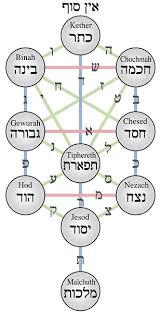
Comment: Please refer to the image at the bottom of this manuscript. What is the Elter Rebbe talking about when he refers to Chochma as the first (or head) of the Sefirot and what does he mean by the right arm and the left arm? As you can see from the image of the “Tree of Life” illustrating Kabbalistic Cosmology, Ein Sof (the Infinite Eternal Light-G-d) is above Keter which represents Divine Will. The “right arm” in the illustration is headed by Chesed (loving kindness) and left arm by Gvurah (discipline). Chesed and Gvurah balance each other. The Divine Lights emanates through both of these limbs and then combine in Yesod before entering Malchut where they begin the process of Tsimtsum (contraction) and Histalshalut (a descending cascade) to the next spiritual level.
But in order to prevent the Externalities from drawing above from the light and abundance that cascades down below to this physical world to protect man, guard him and save him from every evil, both physical and spiritual, the Or Makif returns and closes the cracks by way of analogy because it has the attribute of the Infinite Light that surrounds all the worlds (Sovaiv Kol Haalmin) as referred to above and about this our Sages said “It belongs to the infinite great account”
Comment: The Or Makif protects the world of Assiyah by deflecting any downward cascading light which has not undergone Tsimtsum. Thus, it is compared to metal scales covering the holes the mail armor suit
But who causes the descent of the light and abundance to this physical world from the ten Sefirot called Gufa? It is the union (of the Or Makif and the Or Mimaleh) referred to above. It is the additional radiation and flow with the attribute of the Infinite Light which G-d causes to flow exceeding the radiance and flow that is in the beginning of Atzilut and the subsequent Histalshalut (cascades), starting at the beginning of the ten Sefirot (Chochma
And this is the meaning of “a helmet of salvation on his head”. “Salvation” is from the expression ”And G-d turned to Abel and to his meal offering” (Genesis 4:4) which is the descent of the light and abundance of the three hundred and seventy lights in the Holy Zohar as it is written: “And G-d will shine his countenance upon you and “will shine His countenance with us forever”. “With us” meaning through acts of Charity.
Comment: The 370 lights is a Kabbalistic concept described in Haim Vital’s book Etz Haim. The concept is very complex but perhaps can be summarized as the light radiating down through the Emotional Sefirot infusing all the emotional midot (attributes) with love and good will. For this reason, the Elter Rebbe quotes the famous Priestly Blessing referring to G-d shining His countenance upon us.
And this is the meaning of “he who plants acts of charity, sprouts salvation” (a quotation from the Shabbat Schacharit Service)and in this way G-d will shine His countenance upon them and their acts of charity will stand forever and may their radiance (glory) be raised by He who causes salvation go flourish of “the sprouting of the radiance of salvation , “the sprout of salvation from the helmet of salvation as referred to above for the soul which demands it.
אגרת הקדש, ג׳
וַיִּלְבַּשׁ צְדָקָה כַּשִּׁרְיוֹן, וְכוֹבַע יְשׁוּעָה בְּרֹאשׁוֹ. וְדָרְשׁוּ רַבּוֹתֵינוּ־זִכְרוֹנָם־לִבְרָכָה: ״מַה שִּׁרְיוֹן זֶה כָּל קְלִיפָּה וּקְלִיפָּה מִצְטָרֶפֶת לְשִׁרְיוֹן גָּדוֹל, אַף צְדָקָה כָּל פְּרוּטָה וּפְרוּטָה מִצְטָרֶפֶת לְחֶשְׁבּוֹן גָּדוֹל״. פֵּירוּשׁ, שֶׁהַשִּׁרְיוֹן עָשׂוּי קַשְׂקַשִּׂים עַל נְקָבִים, וְהֵם מְגִינִּים שֶׁלֹּא יִכָּנֵס חֵץ בַּנְּקָבִים, וְכָכָה הוּא מַעֲשֵׂה הַצְּדָקָה:
וּבֵיאוּר הָעִנְיָן, כִּי גְדוֹלָה צְדָקָה מִכָּל הַמִּצְוֹת, שֶׁמֵּהֶן נַעֲשִׂים לְבוּשִׁים לְהַנְּשָׁמָה, הַנִּמְשָׁכִים מֵאוֹר־אֵין־סוֹף בָּרוּךְ־הוּא מִבְּחִינַת ״סוֹבֵב כָּל עָלְמִין״ (כִּמְּבוֹאָר הַפֵּירוּשׁ ״מְמַלֵּא כָּל עָלְמִין״ וְ״סוֹבֵב כָּל עָלְמִין״ בְּלִקּוּטֵי אֲמָרִים, עַיֵּין שָׁם) בְּאִתְעָרוּתָא דִלְתַתָּא, הִיא מִצְוַת ה׳ וְרָצוֹן הָעֶלְיוֹן בָּרוּךְ־הוּא. וְעִיקַּר הַמְשָׁכָה זוֹ מֵאוֹר־אֵין־סוֹף בָּרוּךְ־הוּא, הוּא לְבוּשׁ וְ״אוֹר מַקִּיף״ לְי׳ סְפִירוֹת דַּאֲצִילוּת־בְּרִיאָה־יְצִירָה־עֲשִׂיָּה, הַמִּשְׁתַּלְשְׁלוֹת מֵעִילָּה לְעִילָּה וּמִמַּדְרֵגָה לְמַדְרֵגָה כוּ׳, הַנִּקְרָאוֹת בְּשֵׁם ״מְמַלֵּא כָּל עָלְמִין״.
פֵּירוּשׁ, כִּי אוֹר־אֵין־סוֹף בָּרוּךְ־הוּא מִתְלַבֵּשׁ וּמֵאִיר בְּתוֹךְ כָּל הִשְׁתַּלְשְׁלוּת הָעֶשֶׂר סְפִירוֹת דַּאֲצִילוּת־בְּרִיאָה־יְצִירָה־עֲשִׂיָּה, וְהוּא הַמַּאֲצִיל הָעֶשֶׂר סְפִירוֹת דַּאֲצִילוּת, הַמִּשְׁתַּלְשְׁלוֹת לִבְרִיאָה־יְצִירָה־עֲשִׂיָּה, עַל־יְדֵי צִמְצוּם עָצוּם הַמְבוֹאָר בְּעֵץ חַיִּים, וְנִקְרָא ״אוֹר פְּנִימִי״.
וְעַל־יְדֵי קִיּוּם הַמִּצְוֹת נִמְשָׁךְ ״אוֹר מַקִּיף״ הַנִּזְכָּר לְעֵיל, וּמֵאִיר תּוֹךְ הָעֶשֶׂר סְפִירוֹת דַּאֲצִילוּת־בְּרִיאָה־יְצִירָה־עֲשִׂיָּה, וּמִתְיַיחֵד עִם הָ״אוֹר פְּנִימִי״, וְנִקְרָא ״יִחוּד קוּדְשָׁא־בְּרִיךְ־הוּא וּשְׁכִינְתֵּיהּ״, כְּמוֹ שֶׁנִּתְבָּאֵר בְּמָקוֹם אַחֵר, וּמֵהֶאָרָה דְהֶאָרָה מֵ״אוֹר מַקִּיף״ הַנִּזְכָּר לְעֵיל, עַל־יְדֵי צִמְצוּם רַב, נַעֲשֶׂה לְבוּשׁ לִבְחִינוֹת נֶפֶשׁ־רוּחַ־נְשָׁמָה שֶׁל הָאָדָם בְּגַן עֵדֶן הַתַּחְתּוֹן וְהָעֶלְיוֹן, שֶׁיּוּכְלוּ לֵיהָנוֹת וּלְהַשִּׂיג אֵיזֶה הַשָּׂגָה וְהֶאָרָה מֵאוֹר־אֵין־סוֹף בָּרוּךְ־הוּא, כְּמוֹ שֶׁמְּבוֹאָר בְּמָקוֹם אַחֵר.
וְזֶה שֶׁאָמְרוּ רַבּוֹתֵינוּ־זִכְרוֹנָם־לִבְרָכָה ״שְׂכַר מִצְוָה בְּהַאי עָלְמָא לֵיכָּא״, כִּי בָּעוֹלָם הַזֶּה הַגַּשְׁמִי וּבַעַל גְּבוּל וְצִמְצוּם רַב וְעָצוּם מְאֹד מְאֹד, אִי אֶפְשָׁר לְהִתְלַבֵּשׁ שׁוּם הֶאָרָה מֵאוֹר־אֵין־סוֹף בָּרוּךְ־הוּא, כִּי אִם עַל־יְדֵי י׳ סְפִירוֹת, הַנִּקְרָאִים ״גּוּפָא״ בַּזּוֹהַר הַקָּדוֹשׁ: חֶסֶד דְּרוֹעָא יְמִינָא כוּ׳.
לְפִי, שֶׁכְּמוֹ שֶׁאֵין עֲרוֹךְ לוֹ לְהַגּוּף הַגַּשְׁמִי לְגַבֵּי הַנְּשָׁמָה, כָּךְ אֵין עֲרוֹךְ כְּלָל לְי׳ סְפִירוֹת דַּאֲצִילוּת לְגַבֵּי הַמַּאֲצִיל הָעֶלְיוֹן אֵין־סוֹף בָּרוּךְ־הוּא, כִּי אֲפִילוּ חָכְמָה עִילָּאָה, שֶׁהִיא רֵאשִׁיתָן, הִיא בִּבְחִינַת עֲשִׂיָּה גוּפָנִית לְגַבֵּי אֵין־סוֹף בָּרוּךְ־הוּא, כְּמוֹ שֶׁנִּתְבָּאֵר בְּלִקּוּטֵי אֲמָרִים.
וְאֵי לָזֹאת, בְּמַעֲשֵׂה הַצְּדָקָה וּגְמִילוּת חֲסָדִים, שֶׁ״אָדָם אוֹכֵל מִפֵּירוֹתֵיהֶן בָּעוֹלָם הַזֶּה״, יֵשׁ נְקָבִים, עַל דֶּרֶךְ מָשָׁל, בַּלְּבוּשׁ הָעֶלְיוֹן הַמַּקִּיף עַל ״גּוּפָא״, הֵם הַכֵּלִים דְּי׳ סְפִירוֹת, לְהָאִיר מֵהֶם וּלְהַשְׁפִּיעַ אוֹר וְשֶׁפַע מֵ״חֶסֶד דְּרוֹעָא יְמִינָא״ אוֹרֶךְ יָמִים בָּעוֹלָם הַזֶּה הַגַּשְׁמִי, וְעוֹשֶׁר וְכָבוֹד מִ״דְּרוֹעָא שְׂמָאלָא״, וְכֵן בְּתִפְאֶרֶת, וְהוֹד וְהָדָר וְחֶדְוָה וְכוּ׳;
אַךְ כְּדֵי שֶׁלֹּא יִנְקוּ הַחִיצוֹנִים לְמַעְלָה מֵאוֹר וְשֶׁפַע הַמִּשְׁתַּלְשֵׁל וְיוֹרֵד לְמַטָּה מַּטָּה עַד עוֹלָם הַזֶּה הַגַּשְׁמִי, וְכֵן לְמַטָּה לְהָגֵין עַל הָאָדָם וּלְשָׁמְרוֹ וּלְהַצִּילוֹ מִכָּל דָּבָר רַע בְּגַשְׁמִיּוּת וּבְרוּחֲנִיּוּת, לָזֹאת, חוֹזֵר וּמֵאִיר אוֹר הַמַּקִּיף וְסוֹתֵם הַנֶּקֶב, עַל דֶּרֶךְ מָשָׁל, כִּי הוּא מִבְּחִינַת אֵין־סוֹף וְסוֹבֵב כָּל עָלְמִין כַּנִּזְכָּר לְעֵיל. וְזֶהוּ שֶׁאָמְרוּ רַבּוֹתֵינוּ־זִכְרוֹנָם־לִבְרָכָה: ״מִצְטָרֶפֶת לְחֶשְׁבּוֹן גָּדוֹל״ דַּיְיקָא, ״כִּי גָדוֹל ה׳ וּמְהוּלָּל מְאֹד״, בְּלִי סוֹף וְתַכְלִית וּגְבוּל [חַס וְשָׁלוֹם]:
אַךְ מִי הוּא הַגּוֹרֵם לִירִידַת הָאוֹר וְהַשֶּׁפַע לָעוֹלָם הַזֶּה הַגַּשְׁמִי מִי׳ סְפִירוֹת הַנִּקְרָאִים ״גּוּפָא״, הוּא הַיִּחוּד הַנִּזְכָּר לְעֵיל, שֶׁהִיא תּוֹסֶפֶת הֶאָרָה וְהַשְׁפָּעָה מִבְּחִינַת אוֹר־אֵין־סוֹף הַמַּאֲצִיל הָעֶלְיוֹן בָּרוּךְ־הוּא, בְּיֶתֶר שְׂאֵת עַל הַהֶאָרָה וְהַהַשְׁפָּעָה שֶׁבִּתְחִילַּת הָאֲצִילוּת וְהַהִשְׁתַּלְשְׁלוּת וְכוּ׳. וְרֵאשִׁית תּוֹסֶפֶת הַהֶאָרָה וְהַהַשְׁפָּעָה, הִיא לְרֵאשִׁית הַי׳ סְפִירוֹת.
וְזֶה הוּא ״וְכוֹבַע יְשׁוּעָה בְּרֹאשׁוֹ״ – ״יְשׁוּעָה״ הוּא מִלְּשׁוֹן ״וַיִּשַׁע ה׳ אֶל הֶבֶל וְאֶל מִנְחָתוֹ״, וְהוּא יְרִידַת הָאוֹר וְהַשֶּׁפַע דְּש״ע נְהוֹרִין שֶׁבַּזּוֹהַר הַקָּדוֹשׁ, וּכְמוֹ שֶׁכָּתוּב: ״יָאֵר ה׳ פָּנָיו אֵלֶיךָ״, ״יָאֵר פָּנָיו אִתָּנוּ סֶלָה״ – ״אִתָּנוּ״ הוּא עַל־יְדֵי מַעֲשֵׂה הַצְּדָקָה.
וְזֶה הוּא ״זוֹרֵעַ צְדָקוֹת מַצְמִיחַ יְשׁוּעוֹת״. וְכָכָה יָאֵר ה׳ פָּנָיו אֲלֵיהֶם, ״צִדְקָתָם עוֹמֶדֶת לָעַד״, וְקַרְנָם תָּרוּם בִּישׁוּעַת ״מַצְמִיחַ קֶרֶן יְשׁוּעָה״, ״צֶמַח צְדָקָה״ מֵהַ״כּוֹבַע יְשׁוּעָה״ הַנִּזְכָּר לְעֵיל, כְּנֶפֶשׁ תִּדְרְשֶׁנּוּ: