


Discussion of selected verses of the parsha Korach through the lens of Mussar, where the middah of Shtika / Silence / שתיקה will be explored.
תִיקָ a bag, satchel
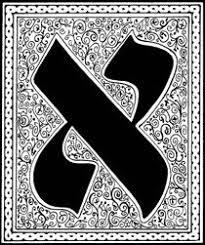
א בגד
Just as when one makes a door for his house, there is a time to open it and a time to keep it closed, so should one keep closed the doors of one’s mouth. Just as you would guard silver, gold and pearls in your room, within a case, making one enclosure within another, do the same with your mouth. ~ Orchot Tzaddikim, Gate of Silence
(יט) בְּרֹ֣ב דְּ֭בָרִים לֹ֣א יֶחְדַּל־פָּ֑שַׁע וְחוֹשֵׂ֖ךְ שְׂפָתָ֣יו מַשְׂכִּֽיל׃
(19) Where there is much talking, there is no lack of transgressing,But he who curbs his tongue shows sense.
Had I been present at Mount Sinai, I would have requested that God create us with two mouths: one mouth to speak in words of Torah, and one mouth for all of our worldly needs. ~Jerusalem Talmud, Berachot 1:2, Rabbi Shimon Bar-Yochai
Bullet Points:
Korach, Moses' cousin, along with Dathan, Abiram, and On rebel against the leadership of Moses and Aaron---along with 250 other respected leaders of the Israelite community.
They accuse Moses and Aaron of acting "holier" than the others.
Moses instructs them to bring offerings to the mishkan / sanctuary the next day and that God will demonstrate who will be trusted as leader of the community.
The next morning, the rebels are punished, some by being 'swallowed' by the earth itself, some by fire or plague.
Moses and Aaron are accused of bringing death upon the community.
God again (as in last week's parsha) threatens to destroy the entire people.
Moses orders Aaron to place an offering on the altar.
Moses organizes the kohanim to be led by Aaron and his descendants. They and the Levites are responsible for all gifts / offerings to the mishkan.
The name Korach קֹרַח offers a hint as to his personality. The same letters form the Hebrew word kerach which means ice. Some take this to mean that Korach's approach to serving Hashem was with logic, reason...a cold and frigid approach to things spiritual.
וַיִּקַּ֣ח קֹ֔רַח בֶּן־יִצְהָ֥ר בֶּן־קְהָ֖ת בֶּן־לֵוִ֑י וְדָתָ֨ן וַאֲבִירָ֜ם בְּנֵ֧י אֱלִיאָ֛ב וְא֥וֹן בֶּן־פֶּ֖לֶת בְּנֵ֥י רְאוּבֵֽן׃ וַיָּקֻ֙מוּ֙ לִפְנֵ֣י מֹשֶׁ֔ה וַאֲנָשִׁ֥ים מִבְּנֵֽי־יִשְׂרָאֵ֖ל חֲמִשִּׁ֣ים וּמָאתָ֑יִם נְשִׂיאֵ֥י עֵדָ֛ה קְרִאֵ֥י מוֹעֵ֖ד אַנְשֵׁי־שֵֽׁם׃ וַיִּֽקָּהֲל֞וּ עַל־מֹשֶׁ֣ה וְעַֽל־אַהֲרֹ֗ן וַיֹּאמְר֣וּ אֲלֵהֶם֮ רַב־לָכֶם֒ כִּ֤י כׇל־הָֽעֵדָה֙ כֻּלָּ֣ם קְדֹשִׁ֔ים וּבְתוֹכָ֖ם יהוה וּמַדּ֥וּעַ תִּֽתְנַשְּׂא֖וּ עַל־קְהַ֥ל יהוה׃
Now Korah, son of Izhar son of Kohath son of Levi, betook himself, along with Dathan and Abiram sons of Eliab, and On son of Peleth—descendants of Reuben — to rise up against Moses, together with two hundred and fifty Israelites, chieftains of the community, chosen in the assembly, men of repute. They combined against Moses and Aaron and said to them, “You have gone too far! For all the community are holy, all of them, and יהוה is in their midst. Why then do you raise yourselves above יהוה’s congregation?”
(יז) שִׁמְעוֹן בְּנוֹ אוֹמֵר, כָּל יָמַי גָּדַלְתִּי בֵין הַחֲכָמִים, וְלֹא מָצָאתִי לַגּוּף טוֹב אֶלָּא שְׁתִיקָה. וְלֹא הַמִּדְרָשׁ הוּא הָעִקָּר, אֶלָּא הַמַּעֲשֶׂה. וְכָל הַמַּרְבֶּה דְבָרִים, מֵבִיא חֵטְא:
(17) Shimon, his son, used to say: all my days I grew up among the sages, and I have found nothing better for a person than silence. Study is not the most important thing, but actions; whoever indulges in too many words brings about sin.
(כא) מָ֣וֶת וְ֭חַיִּים בְּיַד־לָשׁ֑וֹן וְ֝אֹהֲבֶ֗יהָ יֹאכַ֥ל פִּרְיָֽהּ׃
(21) Death and life are in the power of the tongue; Those who love it will eat its fruit.
(ב) לְךָ֤ דֻֽמִיָּ֬ה תְהִלָּ֓ה אֱלֹ֘הִ֥ים בְּצִיּ֑וֹן וּ֝לְךָ֗ יְשֻׁלַּם־נֶֽדֶר׃
Silence is praise to You, O God in Zion, and to You a vow is paid
Rashi: Silence is praise to You Silence is praise to You; because there is no end to Your praise, the more one praises, the more one detracts.
...for a man can do more harm with his tongue than he can with a sword. For a man can stand here and yet betray his companion, who is a long distance from him, and cause his death (by his word), while the sword can only slay someone who is near it. Therefore man was created with two eyes, two ears, two nostrils and one mouth to say to him that he ought to speak less. ~Orchot Tzadikim 21:7
וַיִּשְׁמַ֣ע מֹשֶׁ֔ה וַיִּפֹּ֖ל עַל־פָּנָֽיו׃
When Moses heard this, he fell on his face.
(ה) וַיִּפֹּ֥ל מֹשֶׁ֛ה וְאַהֲרֹ֖ן עַל־פְּנֵיהֶ֑ם לִפְנֵ֕י כׇּל־קְהַ֥ל עֲדַ֖ת בְּנֵ֥י יִשְׂרָאֵֽל׃
(5) Then Moses and Aaron fell on their faces before all the assembled congregation of Israelites.
רַבִּי עֲקִיבָא אוֹמֵר. סְיָג לַחָכְמָה, שְׁתִיקָה:
Rabbi Akiva said: A fence to wisdom is silence. Avot 13:3
וַיְדַבֵּ֨ר אֶל־קֹ֜רַח וְאֶֽל־כׇּל־עֲדָתוֹ֮ לֵאמֹר֒ בֹּ֠קֶר וְיֹדַ֨ע יהוה אֶת־אֲשֶׁר־ל֛וֹ וְאֶת־הַקָּד֖וֹשׁ וְהִקְרִ֣יב אֵלָ֑יו וְאֵ֛ת אֲשֶׁ֥ר יִבְחַר־בּ֖וֹ יַקְרִ֥יב אֵלָֽיו׃ זֹ֖את עֲשׂ֑וּ קְחוּ־לָכֶ֣ם מַחְתּ֔וֹת קֹ֖רַח וְכׇל־עֲדָתֽוֹ׃ וּתְנ֣וּ בָהֵ֣ן ׀ אֵ֡שׁ וְשִׂ֩ימוּ֩ עֲלֵיהֶ֨ן ׀ קְטֹ֜רֶת לִפְנֵ֤י יהוה מָחָ֔ר וְהָיָ֗ה הָאִ֛ישׁ אֲשֶׁר־יִבְחַ֥ר יהוה ה֣וּא הַקָּד֑וֹשׁ רַב־לָכֶ֖ם בְּנֵ֥י לֵוִֽי׃
Then he spoke to Korah and all his company, saying, “Come morning, יהוה will make known who is [God’s] and who is holy by granting direct access; the one whom [God] has chosen will be granted access. Do this: You, Korah and all your band, take fire pans, and tomorrow put fire in them and lay incense on them before יהוה. Then the candidate whom יהוה chooses, he shall be the holy one. You have gone too far, sons of Levi!”
וַיֹּ֥אמֶר מֹשֶׁ֖ה אֶל־קֹ֑רַח שִׁמְעוּ־נָ֖א בְּנֵ֥י לֵוִֽי׃ הַמְעַ֣ט מִכֶּ֗ם כִּֽי־הִבְדִּיל֩ אֱלֹהֵ֨י יִשְׂרָאֵ֤ל אֶתְכֶם֙ מֵעֲדַ֣ת יִשְׂרָאֵ֔ל לְהַקְרִ֥יב אֶתְכֶ֖ם אֵלָ֑יו לַעֲבֹ֗ד אֶת־עֲבֹדַת֙ מִשְׁכַּ֣ן יהוה וְלַעֲמֹ֛ד לִפְנֵ֥י הָעֵדָ֖ה לְשָׁרְתָֽם׃ וַיַּקְרֵב֙ אֹֽתְךָ֔ וְאֶת־כׇּל־אַחֶ֥יךָ בְנֵי־לֵוִ֖י אִתָּ֑ךְ וּבִקַּשְׁתֶּ֖ם גַּם־כְּהֻנָּֽה׃ לָכֵ֗ן אַתָּה֙ וְכׇל־עֲדָ֣תְךָ֔ הַנֹּעָדִ֖ים עַל־יהוה וְאַהֲרֹ֣ן מַה־ה֔וּא כִּ֥י (תלונו) [תַלִּ֖ינוּ] עָלָֽיו׃
Moses said further to Korah, “Hear me, sons of Levi. Is it not enough for you that the God of Israel has set you apart from the community of Israel and given you direct access, to perform the duties of יהוה’s Tabernacle and to minister to the community and serve them? Now that [God] has advanced you and all your fellow Levites with you, do you seek the priesthood too? Truly, it is against יהוה that you and all your company have banded together. For who is Aaron that you should rail against him?”
This tradition {of Ramban and others who felt that Korach was "the result of spiritual errors on the part of a generation that the sages had described as one of great knowledge and merit"] is in keeping with the decision in the Talmud, that Korach and his congregation have a share in the World to Come (Sanhedrin, 109b). It would seem that there is a contradiction between this decision and the statement in the same source that one who denies that even a single word or a single sentence in the Torah is of Divine origin, has no such share. Korach accepted that only the Ten Commandments were spoken by G-d while the rest of the Torah came only from Moses. The reason why he, nevertheless, still had a share in the World to Come despite this claim, was because he had a great spiritual desire and an inspired religiosity; unfortunately one that he was unable to achieve. Parshas Korach • Torah.org
(כח) גַּ֤ם אֱוִ֣יל מַ֭חֲרִישׁ חָכָ֣ם יֵחָשֵׁ֑ב אֹטֵ֖ם שְׂפָתָ֣יו נָבֽוֹן׃
(28) Even a fool, if he keeps silent, is deemed wise;Intelligent, if he seals his lips.
(יב) וַיִּשְׁלַ֣ח מֹשֶׁ֔ה לִקְרֹ֛א לְדָתָ֥ן וְלַאֲבִירָ֖ם בְּנֵ֣י אֱלִיאָ֑ב וַיֹּאמְר֖וּ לֹ֥א נַעֲלֶֽה׃ (יג) הַמְעַ֗ט כִּ֤י הֶֽעֱלִיתָ֙נוּ֙ מֵאֶ֨רֶץ זָבַ֤ת חָלָב֙ וּדְבַ֔שׁ לַהֲמִיתֵ֖נוּ בַּמִּדְבָּ֑ר כִּֽי־תִשְׂתָּרֵ֥ר עָלֵ֖ינוּ גַּם־הִשְׂתָּרֵֽר׃ (יד) אַ֡ף לֹ֣א אֶל־אֶ֩רֶץ֩ זָבַ֨ת חָלָ֤ב וּדְבַשׁ֙ הֲבִ֣יאֹתָ֔נוּ וַתִּ֨תֶּן־לָ֔נוּ נַחֲלַ֖ת שָׂדֶ֣ה וָכָ֑רֶם הַעֵינֵ֞י הָאֲנָשִׁ֥ים הָהֵ֛ם תְּנַקֵּ֖ר לֹ֥א נַעֲלֶֽה׃
(12) Moses sent for Dathan and Abiram, sons of Eliab; but they said, “We will not come! (13) Is it not enough that you brought us from a land flowing with milk and honey to have us die in the wilderness, that you would also lord it over us? (14) Even if you had brought us to a land flowing with milk and honey, and given us possession of fields and vineyards, should you gouge out the eyes of those involved? We will not come!”
(טו) וַיִּ֤חַר לְמֹשֶׁה֙ מְאֹ֔ד וַיֹּ֙אמֶר֙ אֶל־יהוה אַל־תֵּ֖פֶן אֶל־מִנְחָתָ֑ם לֹ֠א חֲמ֨וֹר אֶחָ֤ד מֵהֶם֙ נָשָׂ֔אתִי וְלֹ֥א הֲרֵעֹ֖תִי אֶת־אַחַ֥ד מֵהֶֽם׃ (טז) וַיֹּ֤אמֶר מֹשֶׁה֙ אֶל־קֹ֔רַח אַתָּה֙ וְכׇל־עֲדָ֣תְךָ֔ הֱי֖וּ לִפְנֵ֣י יהוה אַתָּ֥ה וָהֵ֛ם וְאַהֲרֹ֖ן מָחָֽר׃ (יז) וּקְח֣וּ ׀ אִ֣ישׁ מַחְתָּת֗וֹ וּנְתַתֶּ֤ם עֲלֵיהֶם֙ קְטֹ֔רֶת וְהִקְרַבְתֶּ֞ם לִפְנֵ֤י יהוה אִ֣ישׁ מַחְתָּת֔וֹ חֲמִשִּׁ֥ים וּמָאתַ֖יִם מַחְתֹּ֑ת וְאַתָּ֥ה וְאַהֲרֹ֖ן אִ֥ישׁ מַחְתָּתֽוֹ׃ (יח) וַיִּקְח֞וּ אִ֣ישׁ מַחְתָּת֗וֹ וַיִּתְּנ֤וּ עֲלֵיהֶם֙ אֵ֔שׁ וַיָּשִׂ֥ימוּ עֲלֵיהֶ֖ם קְטֹ֑רֶת וַֽיַּעַמְד֗וּ פֶּ֛תַח אֹ֥הֶל מוֹעֵ֖ד וּמֹשֶׁ֥ה וְאַהֲרֹֽן׃ (יט) וַיַּקְהֵ֨ל עֲלֵיהֶ֥ם קֹ֙רַח֙ אֶת־כׇּל־הָ֣עֵדָ֔ה אֶל־פֶּ֖תַח אֹ֣הֶל מוֹעֵ֑ד וַיֵּרָ֥א כְבוֹד־יהוה אֶל־כׇּל־הָעֵדָֽה׃ {ס}
(15) Moses was much aggrieved and he said to יהוה, “Pay no regard to their oblation. I have not taken the ass of any one of them, nor have I wronged any one of them.” (16) And Moses said to Korah, “Tomorrow, you and all your company appear before יהוה, you and they and Aaron. (17) Each of you take your fire pan and lay incense on it, and each of you bring that fire pan before יהוה, two hundred and fifty fire pans; you and Aaron also [bring] your fire pans.” (18) They each took their fire pan, put fire in it, laid incense on it, and took a place at the entrance of the Tent of Meeting, as did Moses and Aaron. (19) Korah gathered the whole community against them at the entrance of the Tent of Meeting. Then the Presence of יהוה appeared to the whole community,
(כ) וַיְדַבֵּ֣ר יהוה אֶל־מֹשֶׁ֥ה וְאֶֽל־אַהֲרֹ֖ן לֵאמֹֽר׃ (כא) הִבָּ֣דְל֔וּ מִתּ֖וֹךְ הָעֵדָ֣ה הַזֹּ֑את וַאֲכַלֶּ֥ה אֹתָ֖ם כְּרָֽגַע׃ (כב) וַיִּפְּל֤וּ עַל־פְּנֵיהֶם֙ וַיֹּ֣אמְר֔וּ אֵ֕ל אֱלֹהֵ֥י הָרוּחֹ֖ת לְכׇל־בָּשָׂ֑ר הָאִ֤ישׁ אֶחָד֙ יֶחֱטָ֔א וְעַ֥ל כׇּל־הָעֵדָ֖ה תִּקְצֹֽף׃ {ס} (כג) וַיְדַבֵּ֥ר יהוה אֶל־מֹשֶׁ֥ה לֵּאמֹֽר׃ (כד) דַּבֵּ֥ר אֶל־הָעֵדָ֖ה לֵאמֹ֑ר הֵֽעָלוּ֙ מִסָּבִ֔יב לְמִשְׁכַּן־קֹ֖רַח דָּתָ֥ן וַאֲבִירָֽם׃ (כה) וַיָּ֣קׇם מֹשֶׁ֔ה וַיֵּ֖לֶךְ אֶל־דָּתָ֣ן וַאֲבִירָ֑ם וַיֵּלְכ֥וּ אַחֲרָ֖יו זִקְנֵ֥י יִשְׂרָאֵֽל׃ (כו) וַיְדַבֵּ֨ר אֶל־הָעֵדָ֜ה לֵאמֹ֗ר ס֣וּרוּ נָ֡א מֵעַל֩ אׇהֳלֵ֨י הָאֲנָשִׁ֤ים הָֽרְשָׁעִים֙ הָאֵ֔לֶּה וְאַֽל־תִּגְּע֖וּ בְּכׇל־אֲשֶׁ֣ר לָהֶ֑ם פֶּן־תִּסָּפ֖וּ בְּכׇל־חַטֹּאתָֽם׃ (כז) וַיֵּעָל֗וּ מֵעַ֧ל מִשְׁכַּן־קֹ֛רַח דָּתָ֥ן וַאֲבִירָ֖ם מִסָּבִ֑יב וְדָתָ֨ן וַאֲבִירָ֜ם יָצְא֣וּ נִצָּבִ֗ים פֶּ֚תַח אׇֽהֳלֵיהֶ֔ם וּנְשֵׁיהֶ֥ם וּבְנֵיהֶ֖ם וְטַפָּֽם׃ (כח) וַיֹּ֘אמֶר֮ מֹשֶׁה֒ בְּזֹאת֙ תֵּֽדְע֔וּן כִּֽי־יהוה שְׁלָחַ֔נִי לַעֲשׂ֕וֹת אֵ֥ת כׇּל־הַֽמַּעֲשִׂ֖ים הָאֵ֑לֶּה כִּי־לֹ֖א מִלִּבִּֽי׃ (כט) אִם־כְּמ֤וֹת כׇּל־הָֽאָדָם֙ יְמֻת֣וּן אֵ֔לֶּה וּפְקֻדַּת֙ כׇּל־הָ֣אָדָ֔ם יִפָּקֵ֖ד עֲלֵיהֶ֑ם לֹ֥א יהוה שְׁלָחָֽנִי׃ (ל) וְאִם־בְּרִיאָ֞ה יִבְרָ֣א יהוה וּפָצְתָ֨ה הָאֲדָמָ֤ה אֶת־פִּ֙יהָ֙ וּבָלְעָ֤ה אֹתָם֙ וְאֶת־כׇּל־אֲשֶׁ֣ר לָהֶ֔ם וְיָרְד֥וּ חַיִּ֖ים שְׁאֹ֑לָה וִֽידַעְתֶּ֕ם כִּ֧י נִֽאֲצ֛וּ הָאֲנָשִׁ֥ים הָאֵ֖לֶּה אֶת־יהוה׃ (לא) וַיְהִי֙ כְּכַלֹּת֔וֹ לְדַבֵּ֕ר אֵ֥ת כׇּל־הַדְּבָרִ֖ים הָאֵ֑לֶּה וַתִּבָּקַ֥ע הָאֲדָמָ֖ה אֲשֶׁ֥ר תַּחְתֵּיהֶֽם׃ (לב) וַתִּפְתַּ֤ח הָאָ֙רֶץ֙ אֶת־פִּ֔יהָ וַתִּבְלַ֥ע אֹתָ֖ם וְאֶת־בָּתֵּיהֶ֑ם וְאֵ֤ת כׇּל־הָאָדָם֙ אֲשֶׁ֣ר לְקֹ֔רַח וְאֵ֖ת כׇּל־הָרְכֽוּשׁ׃ (לג) וַיֵּ֨רְד֜וּ הֵ֣ם וְכׇל־אֲשֶׁ֥ר לָהֶ֛ם חַיִּ֖ים שְׁאֹ֑לָה וַתְּכַ֤ס עֲלֵיהֶם֙ הָאָ֔רֶץ וַיֹּאבְד֖וּ מִתּ֥וֹךְ הַקָּהָֽל׃ (לד) וְכׇל־יִשְׂרָאֵ֗ל אֲשֶׁ֛ר סְבִיבֹתֵיהֶ֖ם נָ֣סוּ לְקֹלָ֑ם כִּ֣י אָֽמְר֔וּ פֶּן־תִּבְלָעֵ֖נוּ הָאָֽרֶץ׃ (לה) וְאֵ֥שׁ יָצְאָ֖ה מֵאֵ֣ת יהוה וַתֹּ֗אכַל אֵ֣ת הַחֲמִשִּׁ֤ים וּמָאתַ֙יִם֙ אִ֔ישׁ מַקְרִיבֵ֖י הַקְּטֹֽרֶת׃ {ס}
(20) and יהוה spoke to Moses and Aaron, saying, (21) “Stand back from this community that I may annihilate them in an instant!” (22) But they fell on their faces and said, “O God, Source of the breath of all flesh! When one member sins, will You be wrathful with the whole community?” (23) יהוה spoke to Moses, saying, (24) “Speak to the community and say: Withdraw from about the abodes of Korah, Dathan, and Abiram.” (25) Moses rose and went to Dathan and Abiram, the elders of Israel following him. (26) He addressed the community, saying, “Move away from the tents of these wicked men and touch nothing that belongs to them, lest you be wiped out for all their sins.” (27) So they withdrew from about the abodes of Korah, Dathan, and Abiram. Now Dathan and Abiram had come out and they stood at the entrance of their tents, with their wives, their adult children, and their little ones. (28) And Moses said, “By this you shall know that it was יהוה who sent me to do all these things; that they are not of my own devising: (29) if these people’s death is that of all humankind, if their lot is humankind’s common fate, it was not יהוה who sent me. (30) But if יהוה brings about something unheard-of, so that the ground opens its mouth and swallows them up with all that belongs to them, and they go down alive into Sheol, you shall know that those involved have spurned יהוה.” (31) Scarcely had he finished speaking all these words when the ground under them burst asunder, (32) and the earth opened its mouth and swallowed them up with their households, all Korah’s people and all their possessions. (33) They went down alive into Sheol, with all that belonged to them; the earth closed over them and they vanished from the midst of the congregation. (34) All Israel around them fled at their shrieks, for they said, “The earth might swallow us!” (35) And a fire went forth from יהוה and consumed the two hundred and fifty contestants offering the incense.
Now our Sages teach us that G-d always punishes His creations middah k'neged middah, measure for measure. So why, of all things, did G-d choose this supernatural earthquake to swallow up Korach and his men as punishment for their rebellious argument the Jewish leadership? What's the connection?
Some Bible commentators explain that just as Korach and his gang used their mouths as the primary tool to create dissension and rebellion among the people and, in so doing, overstepped the natural boundaries of proper speech for which G-d created their mouths so, too, were they punished with the earth opening up its mouth in a most unnatural and improper way, swallowing them alive and then closing up afterwards. https://www.torchweb.org/torah_detail.php?id=109
Note that for the Rabbis of the Talmud, a Makhloket l'shem shamayim, an argument for the sake of heaven, is not one in which anyone gives in, nor one where one refused to hear the other side. It is a disagreement in which people are polite and in which both sides are open to hearing the other side. In order to truly place others' words before our own, as Beit Hillel did, we much listen to them and be able to restate them before we respond to them.
(יז) כָּל מַחֲלוֹקֶת שֶׁהִיא לְשֵׁם שָׁמַיִם, סוֹפָהּ לְהִתְקַיֵּם. וְשֶׁאֵינָהּ לְשֵׁם שָׁמַיִם, אֵין סוֹפָהּ לְהִתְקַיֵּם. אֵיזוֹ הִיא מַחֲלוֹקֶת שֶׁהִיא לְשֵׁם שָׁמַיִם, זוֹ מַחֲלוֹקֶת הִלֵּל וְשַׁמַּאי. וְשֶׁאֵינָהּ לְשֵׁם שָׁמַיִם, זוֹ מַחֲלוֹקֶת קֹרַח וְכָל עֲדָתוֹ:
(17) Every argument that is [for the sake of] heaven's name, it is destined to endure. But if it is not [for the sake of] heaven's name -- it is not destined to endure. What [is an example of an argument for the sake of] heaven's name? The argument of Hillel and Shammai. What [is an example of an argument not for the sake of] heaven's name? The argument of Korach and all of his followers.
You see, the ground didn't just swallow up the bad guys; it was actually speaking to them and teaching them (and all of us) a powerful message: Why are you spending so much time and effort arguing and complaining about things that don't mean so much in the larger scheme of things? Don't you see that eventually you will all be swallowed up by me? Why are you stressing yourselves and losing precious years of your lives embroiled in all kinds of petty and not so petty arguments when, in the end, you will just be swallowed up in the ground with no trace of you left behind? https://www.torchweb.org/torah_detail.php?id=109
(טז) וַיְקַנְא֣וּ לְ֭מֹשֶׁה בַּֽמַּחֲנֶ֑ה לְ֝אַהֲרֹ֗ן קְד֣וֹשׁ יהוה׃ (יז) תִּפְתַּח־אֶ֭רֶץ וַתִּבְלַ֣ע דָּתָ֑ן וַ֝תְּכַ֗ס עַל־עֲדַ֥ת אֲבִירָֽם׃ (יח) וַתִּבְעַר־אֵ֥שׁ בַּעֲדָתָ֑ם לֶ֝הָבָ֗ה תְּלַהֵ֥ט רְשָׁעִֽים׃
(16) There was envy of Moses in the camp, and of Aaron, the holy one of the LORD. (17) The earth opened up and swallowed Dathan, closed over the party of Abiram. (18) A fire blazed among their party, a flame that consumed the wicked.
Leon Wieseltier, The Argumentative Jew, Jewish Review of Books,
Learning to live with disagreement, moreover, is a way of learning to live with each other. Etymologically, the term machloket refers to separation and division, but the culture of machloket is not in itself separatist and divisive. This is in part because all the parties to any particular disagreement share certain metaphysical and historical assumptions about the foundations of their identity. But beyond those general axioms, the really remarkable feature of the Jewish tradition of machloket is that it is itself a basis for community. The community of contention, the contentious community, is not as paradoxical as it may seem. The parties to a disagreement are members of the disagreement; they belong to the group that wrestles together with the same perplexity, and they wrestle together for the sake of the larger community to which they all belong, the community that needs to know how Jews should behave and live. A quarrel is evidence of coexistence. The rabbinical tradition is full of rival authorities and rival schools—it owes a lot of its excitement to those grand and even bitter altercations—but the rivalries play themselves out within the unified framework of the shared search. There is dissent without dissension, and yet things change. Intellectual discord, if it is practiced with methodological integrity, is compatible with social peace.
(ג) אֵ֡ת מַחְתּוֹת֩ הַֽחַטָּאִ֨ים הָאֵ֜לֶּה בְּנַפְשֹׁתָ֗ם וְעָשׂ֨וּ אֹתָ֜ם רִקֻּעֵ֤י פַחִים֙ צִפּ֣וּי לַמִּזְבֵּ֔חַ כִּֽי־הִקְרִיבֻ֥ם לִפְנֵֽי־יהוה וַיִּקְדָּ֑שׁוּ וְיִֽהְי֥וּ לְא֖וֹת לִבְנֵ֥י יִשְׂרָאֵֽל׃
(3) [Remove] the fire pans of those who have sinned at the cost of their lives, and let them be made into hammered sheets as plating for the altar—for once they have been used for offering to יהוה, they have become sacred—and let them serve as a warning to the people of Israel.
Genuine holiness is the altruistic striving for good for its own sake, not out of self-interest. Rav Kook, Ein Eyah vol. I, p. 104
ת"ר עדת קרח אין להם חלק לעולם הבא שנאמר ותכס עליהם הארץ בעולם הזה ויאבדו מתוך הקהל לעולם הבא דברי רבי עקיבא רבי יהודה בן בתירא אומר הרי הן כאבידה המתבקשת שנאמר (תהלים קיט, קעו) תעיתי כשה אובד בקש עבדך כי מצותיך לא שכחתי:
The Sages taught in a baraita (Tosefta 13:9): The members of the assembly of Korah have no share in the World-to-Come, as it is stated: “And the earth closed upon them” (Numbers 16:33), meaning in this world, and also: “And they perished from among the assembly” (Numbers 16:33), meaning in the World-to-Come; this is the statement of Rabbi Akiva. Rabbi Yehuda ben Beteira says: Although it says that they perished, they are like a lost item that is sought, ultimately found, and rehabilitated, as it is stated: “I have gone astray like a lost sheep; seek out your servant, for I do not forget your mitzvot” (Psalms 119:176).