


(ד) אֵֽשֶׁת־חַ֭יִל עֲטֶ֣רֶת בַּעְלָ֑הּ וּכְרָקָ֖ב בְּעַצְמוֹתָ֣יו מְבִישָֽׁה׃
(4) A capable wife is a crown for her husband,
But an incompetent one is like rot in his bones.
(נ"א בראשית בחכמתא דמלכא גליף וכו) הוּרְמְנוּתָא דְמַלְכָּא, גָּלִיף גְּלוּפֵי (נ"א גליפו) בִּטְהִירוּ עִלָּאָה בּוּצִינָא דְּקַרְדִינוּתָא
, וְנָפִיק גּוֹ סָתִים דִּסְתִימוּ מֵרִישָׁא (נ"א מרזא) דְּאֵי"ן סוֹ"ף קוּטְרָא (פירוש עשן) בְּגוּלְמָא,
נָעִיץ בְּעִזְקָא לָא חִוָּור וְלָא אוּכָם וְלָא סוּמָק וְלָא יָרוֹק ולָא גּוָֹון כְּלָל, כַּד (נ"א הדר) מָדִיד מְשִׁיחָא עָבִיד גּוָֹונִין לְאַנְהָרָא, לְגוֹ בְּגוֹ בּוֹצִינָא נָפִיק (נ"א ונפיק) חַד נְבִיעוּ דְּמִנֵּיהּ אִצְטַבְּעוּ גּוָֹונִין לְתַתָּא.
With the beginning of the manifestation of the King's will, that is, when the King desired to emanate and create the world, a hard spark made an engraving upon the supernal light.
This hard spark, which emanated from the most concealed of all concealed things from the secret of the Endlessness Light took a shapeless form.
The spark was then inserted into the center of a circle that was neither white nor black nor red nor green, nor any color at all. When it began its measurements, it created colors that shone into the empty space and the engraving. From within the spark - This hard spark - a fountain spouted, from which the shades down below received their colors.
According to the Rabbis (v. infra, lxi, 4) Keturah was Hagar. Abraham deduced that FROM HER he would have kings of peoples, which implied that he was also to beget children from another wife who would not be kings of peoples. This implied prophecy could not refer to Ishmael, for he was already born. Rash, explains it differently.
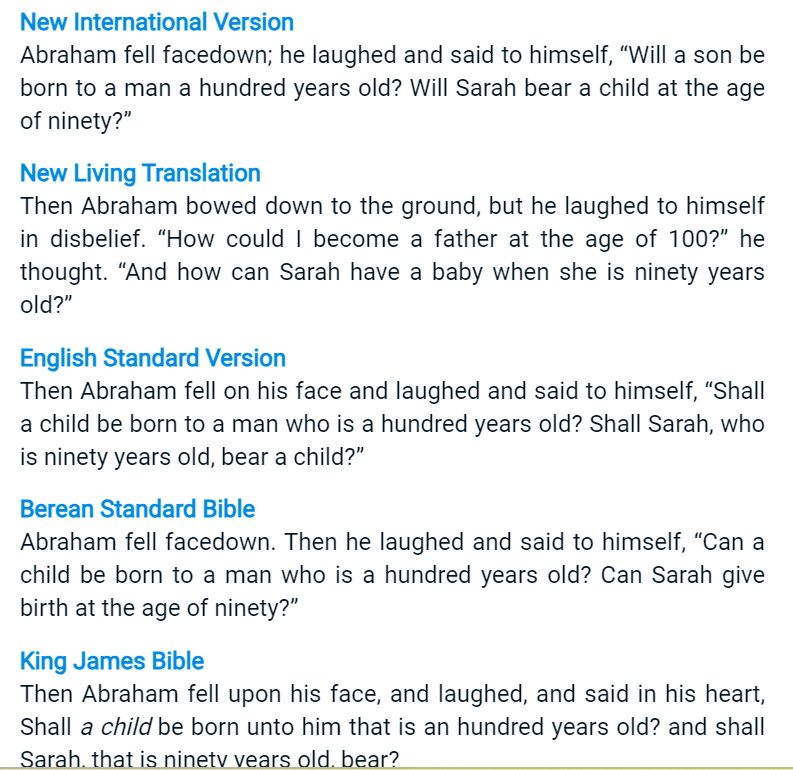
(יז) וַיִּפֹּ֧ל אַבְרָהָ֛ם עַל־פָּנָ֖יו וַיִּצְחָ֑ק וַיֹּ֣אמֶר בְּלִבּ֗וֹ הַלְּבֶ֤ן מֵאָֽה־שָׁנָה֙ יִוָּלֵ֔ד וְאִ֨ם־שָׂרָ֔ה הֲבַת־תִּשְׁעִ֥ים שָׁנָ֖ה תֵּלֵֽד׃
(17) Abraham threw himself on his face and laughed, as he said to himself, “Can a child be born to a man a hundred years old, or can Sarah bear a child at ninety?”
Hif. - הִקְפִּיד (cmp. קָצַף) 1) to be angry, lose temper. Taan. 20ᵇ מימי לא הִקְפַּדְתִּי וכ׳ never did I lose my temper in my house; Y. ib. III, end, 67ᵃ. Y. Ber. IV, 7ᵈ (prayer on entering the schoolhouse) שלא אַקְפִּיד … יַקְפִּידוּ וכ׳ that I may not get excited over my colleagues, and my colleagues may not get excited over me. Sabb. 31ᵃ והלל לא יַקְפִּיד and Hillel (I) shall not get impatient. Ab. d’R. N. ch. I מַקְפִּיד על דבריו, v. מָתַן. Ex. R. s. 6 ואף הוא מקפיד (not מקפידו) and he (Moses) also lost his temper. Ib. ואתה מקפיד על דברי and thou losest thy temper in spite of my word (that declared thee the most patient of men)?; a. fr. —2) to provoke, insult. Y. Keth. IV, 28ᵈ bot. ה׳ את וכ׳ he insulted an elder and struck him. —3) to be strict, particular; to care for, mind. Mikv. IX, 3; 7 כל המקפיד עליו הוצץ whatever one minds (on one’s body) causes a partition for immersion, v. חָצַץ I. B. Mets. 75ᵃ בני חבורה המַקְפִּידִין וכ׳ members of a party that are particular with one another (in lending and borrowing); Sabb. 149ᵃ. Ḥull. 107ᵇ שני אחין ומקפידין וכ׳ two brothers (taking separate meals at the same table) who are particular with each other. Gen. R. s. 65 לא היתה מַקְפֶּדֶת וכ׳ did not mind the pollution through idolatry; a. v. fr.
-
- if, oh that!, if only!
- if (unlikely condition)
- if only!, oh that!, would that!
- if, oh that!, if only!
Creator: יוצר: Based on the work of Larry Pierce at the Online Bible
† לוּ
and לוּא (†1 S 14:30; Is 48:18; 63:19), also לֻא (Qr לוּ), †2 S 18:12; 19:7 (Arabic لَوْ, Aramaic ܠܘܰܝ, לְוַי, Mishn. לְוַי, Assyrian lû, with opt. force, Dl§§ 78 end, 93, 145; cf. Köii. 333), conj. if, O that:—
1. if (stating a case which has not been, or is not likely to be, realized):
a. sq. pf. (so mostly), Dt 32:29 לו חכמו ישׂכילו זאת if they had been wise (which they are not), they would understand this; Mi 2:11 (apod. וְהָיָה); Ju 8:19; 13:23 לו חפץ י׳ להמיתנו לא לקח if J. had desired to slay us, he would not have taken, &c. 1 S 14:30 2 S 19:7.
b. sq. impf. Ez 14:15 if I were to send, &c. (but read prob. אוֹ, cf. v 17, 19).
c. sq. ptcp., 2 S 18:12 וְלֻא אָנֹכִי שֹׁקֵל and though I should be weighing 1000 pieces of silver upon my hand, I would not, &c. ψ 81:14–17 לו עמי שֹׁמֵעַ לי if my people were hearkening to me, … quickly would I bow down, &c.
d. sq. יֵשׁ Job 16:4.—With the apod. omitted, Gn 50:15 לוּ יִשְׁמְמֵנוּ if Joseph were to hate us (how should we fare then?).
2. If only …! i.e. O that! would that! (cf. εἰ γάρ, εἴθε) usually sq. perf., as Nu 14:2(×2) לוּ מַתְנוּ if only we had died in the land of Egypt! 20:3; Jos 7:7 וְלוּ הוֹאַלְנוּ וַנֵּשֶׁב Is 48:18; 63:19; sq. יֵשׁ Nu 22:29; sq. impf. Gn 17:18 לו יחיה O that Ishmael might live before thee! Jb 6:2; sq. juss. Gn 30:34 לו יהי כדברך; sq. imv. 23:13 אם אתה לוּ שׁמעני if thou—O that thou wouldst hear me! (+ prob. v 5 לאמר ׃ לוּ שׁמעני for לאמר לוֹ ׃ שׁ׳, and similarly v 15).—Read also prob. לֻא for Mas. לֹא Ju 21:22 (with כִּי עַתָּה for כָּעֵת), 1 S 13:13; 20:14(×2) Jb 9:33 (sq. יֵשׁ); and perhaps 14:4 (Ew Kö).
Creator: יוצר: F. Brown, S. Driver & C. Briggs
אַנּוֹנָה f.n. PBH PBH 1 annual produce; annual tax. PBH 2 provision, ration. NH 3 annuity. [L. annōna, from annus (= year), which stands for atnos and is cogn. with Old I. átati (= goes, moves on, wanders).]
קָרִיר II, קְרִירָא, קְרִירְתָּא f. (קְרַר II) 1) cool, cold. Targ. Nah. III, 17.—Gen. R. s. 48 בארבע … טולא ק׳ וכ׳ at four hours of the day the shade is cool, and the sun hot. Sabb. 53ᵃ (prov.) חמרא … ק׳ ליה the ass feels cold even at the solstice of Tammuz. B. Bath. 24ᵇ, a. e. ולא ק׳, v. חַמִּים. Gen. R. s. 99, v. עִילִיתָא II; a. e.—[Zeb. 79ᵇ; 98ᵃ, v. קְדַר I.]—Pl. קָרִירֵי. Targ. Prov. XXV, 25.—Nidd. 36ᵇ עיילוה … אפקוה מק׳ they got him hot to relieve him from chills; עיילוה בק׳ וכ׳ they got him cold to relieve him from fever. Ab. Zar. 28ᵃ מק׳ ק׳ דחיטי from eating very cold wheat dishes; a. e.—Esp. קרירי (מיא) cold water. Ib.ᵇ לא ק׳ וכ׳ neither cold nor hot, but tepid. Ḥull. 46ᵇ, v. טְרַשׁ I. Sabb. 55ᵃ, v. חַמִּים; a. fr. —2) (cmp. קוֹרָה I) satisfaction, pleasure. Gen. R. s. 47 לא תמלי … קריר וכ׳ fill not my spirit with too much pleasure (awaken not in me too high aspirations), Oh that thou wouldst not withdraw from me the present grant!; Yalk. ib. 82.
“Sit in a lowly spot;
For your diadems are abased,
Your glorious crowns.”
“I will greatly increase your offspring,
And they shall be too many to count.” (11) The messenger of יקוק said to her further,
“Behold, you are pregnant
And shall bear a son;
You shall call him Ishmael,*Ishmael I.e., “God heeds.”
For יקוק has paid heed to your suffering.
שנים עשר נשיאים, "will be descended from Ishmael, just as from Yitzchok. In fact I have already ברכתי אותו, blessed him by means of the angel who appeared to Hagar, and I took personally, will bless Ishmael. But this covenant which I have entered into with you I will maintain with Yitzchok.
Is one who boasts of gifts not given.
Sworn are the rods of the word.gSworn are the rods of the word Meaning of Heb. uncertain. Selah.
You make the earth burst into streams,
-
- staff, branch, tribe
- staff, rod, shaft
- branch (of vine)
- tribe
- company led by chief with staff (originally)
- staff, branch, tribe
Creator: יוצר: Based on the work of Larry Pierce at the Online Bible
מַטֶּה, מַ֫טָּה, מִטָּה, מֻטָּה, מֻטֶּה
v. נטה.
Creator: יוצר: F. Brown, S. Driver & C. Briggs
מַטֶּה
n.m. Ex 4:17 (f. Mi 6:9 according to MT, but dub., v. infr.) 1. staff, rod, shaft. 2. branch. 3. tribe (Ecclus 48:2 staff, 45:6, 25 tribe);—abs. מ׳ Gn 38:25 +; cstr. מַטֵּה Ex 4:20 +; sf. מַטְּךָ Gn 38:18 + 5 times, מַטֶּ֑ךָ Ex 8:1, מַטֵּ֫הוּ Is 10:24 + 10 times; pl. מַטּוֹת 1 K 8:1 +, etc.; sf. מַטּוֹתָם Ex 7:12 Nu 17:21; also מַטָּיו Hb 3:14 (but read מַטֶּיךָ, or—Gr—מַטֹּתֶיךָ);—
1. (cf. מַקֵּל, שֵׁבֶט) staff of traveller Gn 38:18, 25 (J); in gen. Is 10:15 (sim.; ‖ שֵׁבֶט); from staff as support comes fig. מַטֵּה־לֶחֶם staff of bread (food supply) Ez 4:16; 5:16; 14:13; Lv 26:26 ψ 105:16; of staff or rod, Moses as shepherd Ex 4:2, 4; 7:15 (J), 4:17; 7:17, 20; 9:23; 10:13; 17:5 (all E); cf. also Is 10:26; Ex 14:16; Nu 20:8, 9, 11 (all P); called מ׳ הָאֱלֹקִים Ex 4:20; 17:9 (both E), because of miraculous power connected with it; cf. mirac. rod of Aaron 7:9, 10, 12, 19; 8:1, 12, 13 (all P), and of Egyptian magicians 7:12(×2) (P); cf. Aaron’s rod that budded Nu 17:18, 21, 23, 25 (cf. RSSem. i. 180; 2d ed. 197); carried even by warrior 1 S 14:27, 43; מַטֵּה שִׁכְמוֹ Is 9:3 i.e. rod that strikes his shoulder, task-master’s rod (‖ שֵׁבֶט הַנֹּגֵשׂ בּוֹ), cf. 10:5 and v 24 14:5 (‖ שֵׁבֶט), all fig. of oppression; מַטֵּה מוּסָדָה 30:32 appointed rod (of punishment); cf. מ׳ Ez 7:10, 11 (but text obscure, Co—q.v.—sceptre), also Mi 6:9 according to MT, but v. sub 3; used in beating out (חבט) fennel Is 28:27; staff as badge of leader or ruler מַטֵּה־עֹז Je 48:17 (‖ מַקֵּל), cf. ψ 110:2; so Nu 17:17(×4) + 10 times Nu 17; appar. shafts, i.e. arrows or spears, Hb 3:9, 14 (cf. Now Da GASm).
†2. branch of vine Ez 19:11, 12, 14(×2).
3. tribe (183 times), orig. company led by chief with staff: specif. of tribes of Isr. in both sg. and pl., 1 K 7:14; 8:1 = 2 Ch 5:2, Ex 31:2 + 5 times Ex; Lv 24:11; Nu 1:4 + 89 times Nu; Jos 7:1 + 56 times Jos (all P); 1 Ch 6:45 + 21 times 1 Ch 6, 12:31; prob. also Mi 6:9 (vocative; so 𝔊 We Now GASm).—Cf. שֵׁבֶט, and on relation of these two words for tribe in Hebr. usage Dr JPh. xi. (1882), 213 f.
Creator: יוצר: F. Brown, S. Driver & C. Brigg
• [ דֶּ˜גֶל S 1714 TWOT 402a GK 1840 ] n.m. Nu 10:14 standard, banner ( Assyrian diglu Dl HA 40 Pr 58; cf. also Di Nu 2:2 ) ; cstr. דֶּגֶל Nu 2:3 + 7 times; sf. דִּגְלֹו Nu 1:52 + 2 times; pl. sf. דִּגְלֵיהֶם Nu 2:1 7, 31 , 34 ;— standard , partic. of separate tribes of Isr. ד׳ מחנה יהודה etc. Nu 2:3 , 10 , 18 , 25 ; 10:14 , 18 , 22 , 25 ; cf. also 1:52 ; 2:2 ( || אֹתֹת ) v 1 7, 31 , 34 (all P ); fig. Ct 2:4 ודגלו עלי אהבה .
• נֵס S 3071, 5251 TWOT 1379a GK 5812 n. [ m. ] standard, ensign, signal, sign ( NH id. , flag , usually sign , i.e. miracle; å נֵס , נִסָּא sign, miracle ) ;— נ׳ abs. Nu 21:8 +; cstr. Is 31: 9; sf. נִסִּי Ex 17:15 Is 49:2 2;— 1. a. standard , as rallying-point, י׳ נִסִּי Ex 17:15 ( E ), י׳ my standard (name of altar); conspicuously set on hill Is 30:17 ( sim. of solitariness; || תֹּרֶן עַל־רֹאשׁ הָהָר ); signal of war [ v. Schumacher ZPV ix. 232, Across the Jordan, 104 f. ] (especially to the nations, for destruction or deliverance of Judah, Is Je), נָשָׂא נ׳ לַגֹּויִם Is 5:2 6; 11:12 cf. 18:3 (on mts., || תָּקַע שֹׁופָר ); אָרִים נ׳ אֶל־עַמִּים 49:22 ( || אֶשָּׂא אֶל־גֹּויִם יָדִי ),—in all these subj. י׳ ; cf. עֹמֵד לְנֵס עַמִּים Is 11:10 (of Mess. kg. ); שְׂאוּ נ׳ 13:2 (on mt.) 31:9 , Je 50:2 ; 51:12 ( c. אֶל־ against ), v 27 ( || תִּקְעוּ שֹׁופָר בַּגֹּויִם ), הָרִימוּ נ׳ עַל־עַמִּים Is 62:1 0, cf. Je 4:21 ( || קֹול שֹׁופָר ); נ׳ לְהִתְנֹוסֵס … נָתַתָּה ψ 60:6 thou hast set a standard (only) for fleeing . b. signal , שְׂאוּ נ׳ צִיֹּ˜ונָה Je 4:6 (i.e. to direct refugees to Zion). 2. standard , as pole, supporting serpent of bronze Nu 21:8 , 9 (JE). 3. a. ensign, signal , מִמִּצְרַיִם הָיָה מִפְרָשֵׁךְ לִהְיֹות לָךְ לְנֵס … שֵׁשׁ Ez 27:7 byssus from Egypt was thy sail, to serve thee for an ensign (so DaToy; on lack of pennon on ancient ships v. C o; > del. Co Bertho l); so b. (since sails were the only ensign) = sail Is 33:23 ( Che Di al. ; > pennon Ges Hi Ew De D u). 4. sign ( cf. N H) = warning Nu 26:10 ( P ).
act. active. AV Authorized Version. Now W. Nowack.
Gr H. Grätz.
ZPV Z. d. deutsch. Pal.-Vereins . Berthol A. Bertholet.
You uncovered your bow, you called for many arrows. You split the earth with rivers;
New Living Translation
You brandished your bow and your quiver of arrows. You split open the earth with flowing rivers.
English Standard Version
You stripped the sheath from your bow, calling for many arrows. Selah You split the earth with rivers.
Berean Standard Bible
You brandished Your bow; You called for many arrows. Selah You split the earth with rivers.
King James Bible
Thy bow was made quite naked, according to the oaths of the tribes, even thy word. Selah. Thou didst cleave the earth with rivers.
New King James Version
Your bow was made quite ready; Oaths were sworn over Your arrows. Selah You divided the earth with rivers.
(יא) וַיֹּ֩אמֶר֩ ל֨וֹ אֱלֹקִ֜ים אֲנִ֨י אֵ֤ל שַׁדַּי֙ פְּרֵ֣ה וּרְבֵ֔ה גּ֛וֹי וּקְהַ֥ל גּוֹיִ֖ם יִהְיֶ֣ה מִמֶּ֑ךָּ וּמְלָכִ֖ים מֵחֲלָצֶ֥יךָ יֵצֵֽאוּ׃ (יב) וְאֶת־הָאָ֗רֶץ אֲשֶׁ֥ר נָתַ֛תִּי לְאַבְרָהָ֥ם וּלְיִצְחָ֖ק לְךָ֣ אֶתְּנֶ֑נָּה וּֽלְזַרְעֲךָ֥ אַחֲרֶ֖יךָ אֶתֵּ֥ן אֶת־הָאָֽרֶץ׃ (יג) וַיַּ֥עַל מֵעָלָ֖יו אֱלֹקִ֑ים בַּמָּק֖וֹם אֲשֶׁר־דִּבֶּ֥ר אִתּֽוֹ׃ (יד) וַיַּצֵּ֨ב יַעֲקֹ֜ב מַצֵּבָ֗ה בַּמָּק֛וֹם אֲשֶׁר־דִּבֶּ֥ר אִתּ֖וֹ מַצֶּ֣בֶת אָ֑בֶן וַיַּסֵּ֤ךְ עָלֶ֙יהָ֙ נֶ֔סֶךְ וַיִּצֹ֥ק עָלֶ֖יהָ שָֽׁמֶן׃ (טו) וַיִּקְרָ֨א יַעֲקֹ֜ב אֶת־שֵׁ֣ם הַמָּק֗וֹם אֲשֶׁר֩ דִּבֶּ֨ר אִתּ֥וֹ שָׁ֛ם אֱלֹקִ֖ים בֵּֽית־אֵֽל׃
“I am El Shaddai.*El Shaddai Cf. 17.1.
Be fertile and increase;
A nation, yea an assembly of nations,
Shall descend from you.
Kings shall issue from your loins.
(12) The land that I assigned to Abraham and Isaac
I assign to you;
And to your offspring to come
Will I assign the land.” (13) God parted from him at the spot where [God] had spoken to him; (14) and Jacob set up a pillar at the site where [God] had spoken to him, a pillar of stone, and he offered a libation on it and poured oil upon it. (15) Jacob gave the site, where God had spoken to him, the name of Bethel.
(י) וַיֵּצֵ֥א יַעֲקֹ֖ב מִבְּאֵ֣ר שָׁ֑בַע וַיֵּ֖לֶךְ חָרָֽנָה׃ (יא) וַיִּפְגַּ֨ע בַּמָּק֜וֹם וַיָּ֤לֶן שָׁם֙ כִּי־בָ֣א הַשֶּׁ֔מֶשׁ וַיִּקַּח֙ מֵאַבְנֵ֣י הַמָּק֔וֹם וַיָּ֖שֶׂם מְרַֽאֲשֹׁתָ֑יו וַיִּשְׁכַּ֖ב בַּמָּק֥וֹם הַהֽוּא׃ (יב) וַֽיַּחֲלֹ֗ם וְהִנֵּ֤ה סֻלָּם֙ מֻצָּ֣ב אַ֔רְצָה וְרֹאשׁ֖וֹ מַגִּ֣יעַ הַשָּׁמָ֑יְמָה וְהִנֵּה֙ מַלְאֲכֵ֣י אֱלֹקִ֔ים עֹלִ֥ים וְיֹרְדִ֖ים בּֽוֹ׃ (יג) וְהִנֵּ֨ה יקוק נִצָּ֣ב עָלָיו֮ וַיֹּאמַר֒ אֲנִ֣י יקוק אֱלֹקֵי֙ אַבְרָהָ֣ם אָבִ֔יךָ וֵאלֹקֵ֖י יִצְחָ֑ק הָאָ֗רֶץ אֲשֶׁ֤ר אַתָּה֙ שֹׁכֵ֣ב עָלֶ֔יהָ לְךָ֥ אֶתְּנֶ֖נָּה וּלְזַרְעֶֽךָ׃ (יד) וְהָיָ֤ה זַרְעֲךָ֙ כַּעֲפַ֣ר הָאָ֔רֶץ וּפָרַצְתָּ֛ יָ֥מָּה וָקֵ֖דְמָה וְצָפֹ֣נָה וָנֶ֑גְבָּה וְנִבְרְכ֥וּ בְךָ֛ כׇּל־מִשְׁפְּחֹ֥ת הָאֲדָמָ֖ה וּבְזַרְעֶֽךָ׃ (טו) וְהִנֵּ֨ה אָנֹכִ֜י עִמָּ֗ךְ וּשְׁמַרְתִּ֙יךָ֙ בְּכֹ֣ל אֲשֶׁר־תֵּלֵ֔ךְ וַהֲשִׁ֣בֹתִ֔יךָ אֶל־הָאֲדָמָ֖ה הַזֹּ֑את כִּ֚י לֹ֣א אֶֽעֱזׇבְךָ֔ עַ֚ד אֲשֶׁ֣ר אִם־עָשִׂ֔יתִי אֵ֥ת אֲשֶׁר־דִּבַּ֖רְתִּי לָֽךְ׃

(כד) וְאַ֨בְרָהָ֔ם בֶּן־תִּשְׁעִ֥ים וָתֵ֖שַׁע שָׁנָ֑ה בְּהִמֹּל֖וֹ בְּשַׂ֥ר עׇרְלָתֽוֹ׃ (כה) וְיִשְׁמָעֵ֣אל בְּנ֔וֹ בֶּן־שְׁלֹ֥שׁ עֶשְׂרֵ֖ה שָׁנָ֑ה בְּהִ֨מֹּל֔וֹ אֵ֖ת בְּשַׂ֥ר עׇרְלָתֽוֹ׃
I. אֵת, with makk. אֶתֿ, with suffix אֹתִי; אֹתְךָ, אֹתְכָה Numbers 22:33, אֹתָ֑ךְ, אֹתָ֑כָה Exodus 29:35, feminine אֹתָךְ; אֹתוֺ etc.; 2 plural אֶתְכֶם, once אוֺתְכֶם Joshua 23:15; 3masculine plural regularly אֹתָם, rarely אֶתְהֶם Genesis 32:1; Exodus 18:20; Numbers 21:3; Ezekiel 34:12; 1 Chronicles 6:50, once אוֺתְהֶם Ezekiel 23:45; 3feminine plural, on the contrary, regularly אֶתְהֶן (13 t.), once אֹתָן Ezekiel 16:54 (also אוֺתְהֶן Ezekiel 23:47, אֹתָ֖נָה Exodus 35:26, אוֺתָ֖נָה Ezekiel 34:21); forms with cholem also often written plene: — the
mark of the accusative, prefixed as a rule only to nouns that are definite (Moabite id., Phoenician אית i.e. אִיַּת (Schrödp. 213 f.); Aramaic יָת frequently in ᵑ7; Syriac very rare as mark of accusative (for which is preferred), but used often in the sense of substance οὐσία, also in that of self, e.g. per se, reapse, sibi ipsi, PS1640f., Samaritan ; Arabic , only used with suffix, when it is desired to emphasize the pronoun, e.g. Qor 1:4 WAG i. § 189. [Ethiopic uses k£y¹ similarly, Di§ 150 a; but it is dubious if this is etymologically akin.] The primitive form will have been 'iwyath, originally a substantive with following Genitive, Olp. 432; whether ultimately a parallel development with אוֺת sign from √ אוה is uncertain: Ol WAG i. § 188 LagM i. 226 affirm, NöZMG 1886, 738 doubts. In Hebrew the ground-form is אוֺת; the forms with ¢, e being abbreviated. In post Biblical Hebrew, used in combination with another preposition: thus בְּאוֺתוֺ הַיּוֺם = Bibl. בַּיּוֺם הַהוּא, בְּאוֺתָהּ הַשָּׁעָה; or as a nomin., e.g. אוֺתוֺ הָאִישׁ = Bibl. הָאִישׁ הַהוּא).

Pi. - מִיעֵךְ 1) same. Nidd. l. c. מְמַעַכְתּוֹ ברוק וכ׳ she tests the nature of the foetus by pressing and rubbing with her nail moistened with spittle. Y. Yoma VIII, 44ᵈ bot. צריך למַעֵךְ את חללה you must squeeze the core of the olive together (to be used as a standard of size). Yeb. 34ᵇ תמר באצבע מִיעֲכָה Tamar destroyed her virginity by friction with her finger; (ib. מוֹעֲכוֹת brides acting like Tamar). Y. Sabb. XX, 17ᶜ bot. מְמַעֵךְ (Bab. ib. 140ᵃ מַמְחוֹ, v. מָחָה). Keth. 36ᵇ; Gitt. 81ᵃ.—Esth. R. to I, 14, v. מָרַס; a. e. —2) (cmp. מוּךְ) to lower. Ber. 45ᵃ יְמַעֵךְ הקורא קולו (Var. יַמְעִיךְ Hif.), v. נָמַךְ.
Hithpa. - הִתְמַעֵךְ,
Nithpa. - נִתְמַעֵךְ 1) to be crushed, squashed, rubbed off. Y. Maasr. I, 48ᵈ bot., v. מָסַס. Pes. l. c., v. supra. Tosef. Mikv. VI (VII), 14 והן מִתְמַעֲכִין על הבגדים quot. in R. S. to Mikv. IX, 2 (ed. Zuck. מתמעטין) they are rubbed against (and stick to) the garments, v. גֵּץ. Men. X, 4 (66ᵃ) שלא יִתְמַעֵךְ that its grains may not be crushed; a. e. —2) to be lowered, flattened. Nidd. 47ᵃ, sq., v. כַּף.
(יב) שְׁמַ֤ע אֵלַי֙ יַֽעֲקֹ֔ב וְיִשְׂרָאֵ֖ל מְקֹרָאִ֑י אֲנִי־הוּא֙ אֲנִ֣י רִאשׁ֔וֹן אַ֖ף אֲנִ֥י אַחֲרֽוֹן׃ (יג) אַף־יָדִי֙ יָ֣סְדָה אֶ֔רֶץ וִימִינִ֖י טִפְּחָ֣ה שָׁמָ֑יִם קֹרֵ֥א אֲנִ֛י אֲלֵיהֶ֖ם יַעַמְד֥וּ יַחְדָּֽו׃ (יד) הִקָּבְצ֤וּ כֻלְּכֶם֙ וּֽשְׁמָ֔עוּ מִ֥י בָהֶ֖ם הִגִּ֣יד אֶת־אֵ֑לֶּה יקוק אֲהֵב֔וֹ יַעֲשֶׂ֤ה חֶפְצוֹ֙ בְּבָבֶ֔ל וּזְרֹע֖וֹ כַּשְׂדִּֽים׃ (טו) אֲנִ֥י אֲנִ֛י דִּבַּ֖רְתִּי אַף־קְרָאתִ֑יו הֲבִֽאֹתִ֖יו וְהִצְלִ֥יחַ דַּרְכּֽוֹ׃ (טז) קִרְב֧וּ אֵלַ֣י שִׁמְעוּ־זֹ֗את לֹ֤א מֵרֹאשׁ֙ בַּסֵּ֣תֶר דִּבַּ֔רְתִּי מֵעֵ֥ת הֱיוֹתָ֖הּ שָׁ֣ם אָ֑נִי וְעַתָּ֗ה אדושם יקוק שְׁלָחַ֖נִי וְרוּחֽוֹ׃ {פ}
(יז) כֹּה־אָמַ֧ר יקוק גֹּאַלְךָ֖ קְד֣וֹשׁ יִשְׂרָאֵ֑ל אֲנִ֨י יקוק אֱלֹקֶ֙יךָ֙ מְלַמֶּדְךָ֣ לְהוֹעִ֔יל מַדְרִֽיכְךָ֖ בְּדֶ֥רֶךְ תֵּלֵֽךְ׃ (יח) ל֥וּא הִקְשַׁ֖בְתָּ לְמִצְוֺתָ֑י וַיְהִ֤י כַנָּהָר֙ שְׁלוֹמֶ֔ךָ וְצִדְקָתְךָ֖ כְּגַלֵּ֥י הַיָּֽם׃
Israel, whom I have called:
I am the One—I am the first,
And I am the last as well. (13) My own hand founded the earth,
My right hand spread out the skies.
I call unto them, let them stand up. (14) Assemble, all of you, and listen!
Who among youiyou Heb. “them.” foretold these things:
“He whom GOD loves
Shall work the divine will against Babylon,
And, with divine might, against Chaldea”?jHe whom … Chaldea Meaning of Heb. uncertain. (15) I, I predicted, and I called him;
I have brought him and he shall succeed in his mission. (16) Draw near to Me and hear this:
From the beginning, I did not speak in secret;
From the time anything existed, I was there.kthere I.e., I foretold it through prophets.
“And now the Sovereign GOD has sent me, endowed with divine spirit.”lendowed with divine spirit Lit. “and His spirit.” (17) Thus said GOD your Redeemer,
The Holy One of Israel:
I the ETERNAL One am your God,
Instructing you for your own benefit.
Guiding you in the way you should go. (18) If only you would heed My commands!
Then your prosperity would be like a river,
Your triumph like the waves of the sea.
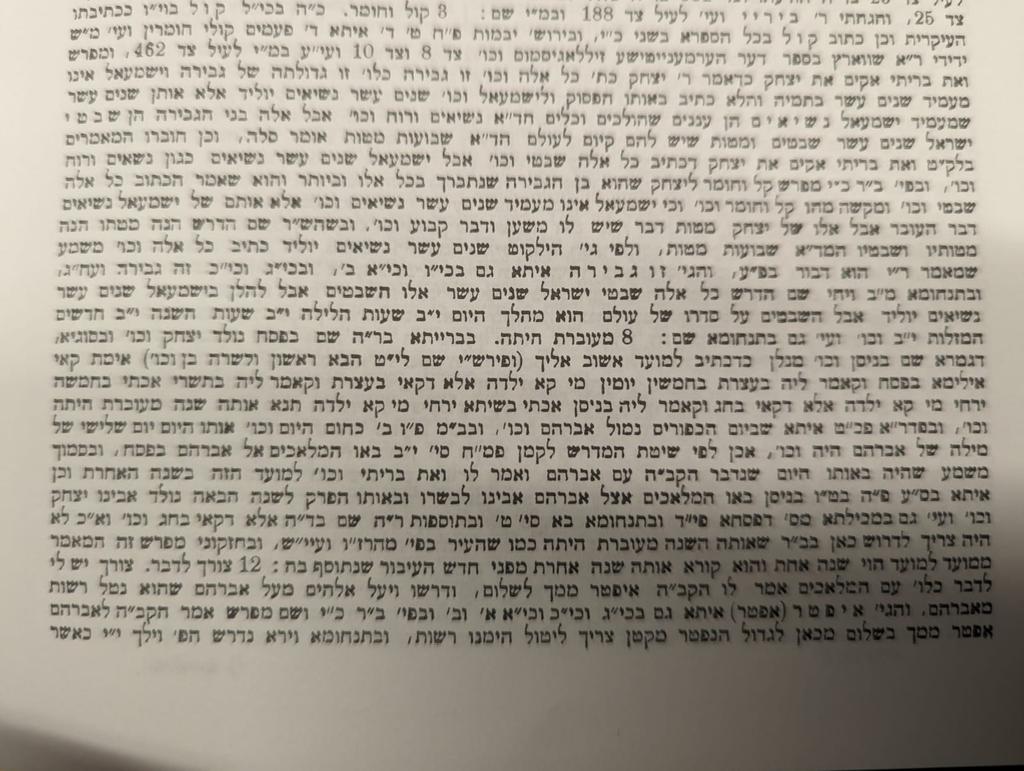
Brit Mila at Night and Brit Mila Before the Eight Day
The Talmud (Megilla 20a) teaches that a circumcision should be performed during the day, as early as sunrise (hanetz ha-chama).
One may not read the Megilla, nor perform a circumcision … until after sunrise. And with regard to all these activities that are supposed to be performed during the day, if one did them after daybreak, [i.e., after the appearance of the first light of the sun, even before sunrise,] they are valid.
The Gemara derives this law, i.e., that the circumcision must be performed during the day, from the verse: “And on the eighth day he shall be circumcised” (Vayikra 12:3). This indicates that the circumcision must be during the day, not at night. Elsewhere, the Talmud (Shabbat 142a) insists that this law is derived from a different verse, “And he that is eight days old [shall be circumcised among you throughout your generations]” (Bereishit 17:12).
...
What is the halakhic status of a brit mila performed at night? The Hagahot Maimoniyot (Hilkhot Mila 1:5) notes that the Mishna (Megilla 20a) implies that if the mila is not performed during the day, it is not valid. Therefore, he rules that in this case, the boy must undergo hatafat dam brit. In other words, not only has the mohel not fulfilled the mitzva, the boy is not considered to be fully circumcised. On the other hand, the Meiri (Megilla, ibid.) writes that when a circumcision is performed at night, while the mohel has not performed the mitzva, the child is considered to be nimol, and, ostensibly, there is no need to draw blood.
1. What is the nature of brit mila?
This debate may depend upon a broader question regarding the nature of the mitzva of brit mila: Is the focus of the mitzva the totza’a (result), i.e., that the child is circumcised, or the ma’aseh (act) of circumcision? The Meiri appears to believe that the mitzva is to be nimol, and although technically the mitzva has not been fulfilled if the mila was performed at night or before the eighth day, since the result has already been achieved, there is no further value in drawing blood. The Hagahot Maimoniyot, however, may believe that although the child is nimol, the ma’aseh mitzva can still be fulfilled through the symbolic act of hatafat dam brit.
(א) לִפְנֵי אֵידֵיהֶן שֶׁל גּוֹיִם שְׁלשָׁה יָמִים אָסוּר לָשֵׂאת וְלָתֵת עִמָּהֶן, לְהַשְׁאִילָן וְלִשְׁאֹל מֵהֶן, לְהַלְוֹתָן וְלִלְוֹת מֵהֶן, לְפָרְעָן וְלִפָּרַע מֵהֶן. רַבִּי יְהוּדָה אוֹמֵר, נִפְרָעִין מֵהֶן מִפְּנֵי שֶׁהוּא מֵצֵר לוֹ. אָמְרוּ לוֹ, אַף עַל פִּי שֶׁמֵּצֵר הוּא עַכְשָׁיו, שָׂמֵחַ הוּא לְאַחַר זְמָן:
(1) On the three days before the festivals of gentiles the following actions are prohibited, as they would bring joy to the gentile, who would subsequently give thanks to his object of idol worship on his festival: It is prohibited to engage in business with them; to lend items to them or to borrow items from them; to lend money to them or to borrow money from them; and to repay debts owed to them or to collect repayment of debts from them. Rabbi Yehuda says: One may collect repayment of debts from them because this causes the gentile distress. The Rabbis said to Rabbi Yehuda: Even though he is distressed now, when he repays the money, he is happy afterward that he is relieved of the debt, and therefore there is concern that he will give thanks to his object of idol worship on his festival.
אסור לשאת ולתת עמהם -
פ"ה משום דאזיל ביום אידו ומודה לעבודת כוכבים מתוך לשונו משמע שר"ל אף ממקח וממכר וקשה על מה סמכו העולם לשאת ולתת ביום איד העבודת כוכבים עמהם נהי דרוב אידיהם מן הקדישים הם מ"מ בכל שבוע יום אחד יש להם דלרבי ישמעאל (לקמן עבודה זרה ו.) לעולם אסור ואין לומר דהיינו טעמא משום (חולין יג:) דעובדי כוכבים שבח"ל לאו עובדי עבודת כוכבים אלא מנהג אבותיהם בידם דהא אמר שמואל בגמ' (לקמן עבודה זרה ז:) בגולה אינו אסור אלא יום אידם בלבד משמע הא יום אידם
Question: On December 7, 2010, The Jerusalem Post reported (Jpost.com) that a group of forty municipal rabbis in Israel published a letter which said that it is forbidden to sell or rent an apartment to a non-Jew (nokhrim) in Israel.
Amongst the reasons given for the prohibition are the danger of intermarriage and the lowering of real estate prices in areas where non-Jews live. Gentiles’ “different lifestyle from Jews” can endanger lives, they wrote.
If a Jew sells or rents property to a gentile, his neighbors must warn him, and if he does not change his ways, the neighbors must avoid the person, and may not conduct business with him, according to the petition. A person who rents or sells to non-Jews also may not get aliyahs in synagogue.
Amongst the municipal rabbis who signed the petition are Rabbi Yaakov Edelstein of Ramat HaSharon, Rabbi Haim Pinto of Ashdod, Rabbi Dov Lior of Kiryat Arba, Rabbi David Abuhazeira of Yavne, Rabbi David Bar-Chen of Sderot, and others.
In addition, one of the best-known National-Religious rabbis, Rabbi Shlomo Aviner, signed the letter, as did [Rabbi Ovadiah] Yosef’s son, Rabbi Yaakov Yosef…
Another ten rabbis reportedly plan to sign the letter…
Is this really the standard and only approach to this question in Jewish law? (This responsum is partially based on my book Responsa in a Moment, Jerusalem, 2000, pp. 32-33, 90-91; and cf. R. Shlomo Brody, “Ask the Rabbi”, The Jerusalem Post Magazine, November 19, 2010, p. 43).
Responsum:
I) “Lo Tehonem“
These rabbis object to handing over territories to non-Jews on the basis of Deuteronomy 7:1-2:
When the Lord your God brings you to the land that you are about to enter and possess, and He dislodges many nations before you… seven nations much larger than you… you must doom them to destruction, grant them no terms and have no mercy upon them (lotehonem).
The simple meaning of “lo tehonem” is “have no mercy upon them” as translated above, but the Sages explained it to mean “do not give them a hold (hanayah) on the land” (Avodah Zarah 20a). Rabbi Daniel Sperber has shown (Netivot Pesikah, Jerusalem, 2008, pp. 63-71) that in the early, uncensored printings, Tosafot(to Yevamot 23a s.v hahu) and the Ba”H to Tur Hoshen Mishpat249 interpret this to mean that one may not sell or give parts ofEretz Yisrael to any non-Jew. This was also the opinion of theNetziv in the nineteenth century (Responsa Meishiv Davar, Kuntress Dvar Hashemitah, fol. 58a) and the Hazon Ish in the twentieth (Shvi’it 24, 3).
However, many authorities rule that this prohibition applies only toidol worshippers such as the seven nations mentioned in the verse, lest they “turn your children away from me to worship other gods” (Deut. 7:4). (Responsa of the Rashba, Part I, No. 8; the Meiri toAvodah Zarah 20a; R. Baruch Halevi Epstein, Torah Temimah to Deut. 7:2; R. Abraham Isaac Hacohen Kuk, Responsa Mishpat Kohen, No. 63 [which is based on the censored versions of the Ba”h]; R. Zvi Pesah Frank, Sefer Kerem Tziyon, Part 3, p. 13; R. Ovadiah Yosef, Torah Shebea’l Peh 15 [5733], pp. 31-32 and again in Tehumin 10 [5749], pp. 37-38; and cf. R. Yaakov Warhaftig, Tehumin 2 [5741], pp. 201-203).
Most of the Arabs in Israel today are Muslims and almost all halakhic authorities agree that Muslims are monotheists and not idol worshippers (Maimonides, Hilkhot Ma’akhalot Asurot 11:7;Responsa of Maimonides, ed. Blau, No. 448, p. 726; and cf. R. Yosef Kapah, Ketavim, Vol. 3, Jerusalem, 2002, pp. 1412-1416; Rashba as quoted by Tur Yoreh Deah 124; Taz to Shulhan Arukh Yoreh Deah 124, subparagraph 4; R. Hayyim David Halevi, Aseh Lekhah Rav, Vol. 9, No. 13; R. Ovadiah Yosef, Responsa Yabia Omer, Vol. 7, Yoreh Deah, No. 12; R. David Frankel, Teshuvot Va’ad Hahalakhah Shel Knesset Harabbanim B’yisrael, Vol. 6 [5755-5758], p. 216).
Therefore, many authorities rule that it is permissible to sell or give parts of Eretz Yisrael to Muslims. (R. Raphael Meyuhass, Mizbah Adamah, Salonika, 1777, fol. 12b; Rabbi Kuk and Rabbi Frank quoted above; R. Yitzhak Isaac Halevi Herzog, Tehumin 2 [5741], pp. 169-179 which was abbreviated in Shanah B’shanah 5746, pp. 136-140; R. Shaul Yisraeli, Amud Hayemini, No. 12, paragraph 3; and R. Ovadiah Yosef, Torah Shebe’al Peh 21 (5740), p. 14) as well as in Torah Shebea’l Peh 15 [5733], pp. 31-32 and in Tehumin10 [5749], pp. 37-38).
Furthermore, even though many halakhic authorites claim that Christianity is a form of idol worship (see Rabbi David Frankel,ibid., pp. 213-215, 216-219), many others disagree and say that it is not (the Meiri in many places; Rabbi Moshe Isserles, Orah Hayyim 156, Rabbi Moshe Rivkes, Ba’er Hagolah to Hoshen Mishpat 425:5 and many more – see Rabbi David Frankel, ibid., pp. 219-224). Thus, according to many authorities, it is permissible to sell land in Israel to Christians as well.
II) Kiddush Hashem and Hillul Hashem
These two mitzvot relate to all of our relations with our non-Jewish neighbors; Kiddush Hashem is the sanctification of God’s name and Hillul Hashem is the desecration of God’s name. They stem from the same verse in Leviticus (22:32): “You shall not desecrate My holy name, that I may be sanctified in the midst of the people of Israel – I am the Lord who sanctifies you”. This verse means that any good or holy act that a Jew does, sanctifies God’s name in the eyes of his Jewish and gentile neighbors, while any bad or profane act that a Jew does, desecrates God’s name in the eyes of the public.
Furthermore, Maimonides emphasizes that rabbis in particular must be careful about how they behave because any inappropriate behavior which causes people to criticize them is considered a hillul hashem (Hilkhot Yesodei Hatorah 5:11). There is no question that the letter published by the group of rabbis last week was a hillul hashem, which desecrated God’s name in the eyes of the world.
III) Mishum Eivah
The Sages of the Talmud allowed Jews to do quite a number of activities related to non-Jews which were normally forbidden,mishum eivah – in order to prevent ill will (Entziklopedia Talmudit, Vol. 1, cols. 492-493, s.v. Eivah). Thus, even if one were to claim that it is forbidden to sell or rent property to non-Jews in Israel, it could be permitted mishum eivah. There is no question that such discrimination against non-Jews in Israel could lead to increased attacks against Jews in Israel and the Diaspora and to refusal to rent or sell homes to Jews in the Diaspora.
IV) Mipnei Darkei Shalom
In the Tannaitic period (ca. 70-220 c.e), Jews, Christians and idol worshippers lived side by side in many towns and villages in the Land of Israel. A baraita which appears in Gittin 61a and parallels (see my responsum in the Teshuvot Va’ad Hahalakhah Shel Knesset Harabbanim B’yisrael, Vol. 6 [5755-5758], pp. 287-288) lists a series of rabbinic enactments mipnei darkei shalom, because of the ways of peace, including feeding non-Jews, visiting their sick, and burying their dead. The Mishnah (Gittin 5:8-9) also lists a number of similar enactments. These sources do not relate to our specific topic, but to sell or rent an apartment to a non-Jew in the State of Israel today would certainly be in the spirit of mipnei darkei shalom found in the Mishnah and beraitot.
V) What is hateful to you do not do to others
There is a famous story in the Talmud (Shabbat 31a) about a convert who came to Hillel and asked to convert on condition that Hillel would teach him the entire Torah while standing on one foot. Hillel replied: “Mai d’alakh saney l’haverakh la te’eveid, zo hee kol hatorah kula v’idakh peirushah hu zil gemor” – “what is hateful to you do not do to others, this is the entire Torah, the rest is commentary, go and learn”.
For 1900 years, from the Destruction of the Second Temple until the twentieth century, Jews were discriminated against by non-Jews. More specifically, non-Jews frequently refused to sell land or rent houses to them. This is why Jews lived in ghettos for many centuries and this ghettoizing of the Jews reached its climax in Nazi Europe. Even in the United States, there were many cities and neighborhoods which posted signs “no dogs and Jews allowed”. Now, after 1900 years, when we have our own sovereign State of Israel where we are the majority, we must follow the dictum of Hillel which he considered “the entire Torah”, the most basic commandment in the Torah: “what is hateful unto you to do not do to others”.
VI) Love the Stranger
The Torah contains many mitzvot related to the Ger Toshav or resident alien (see David Golinkin, Insight Israel: The View from Schechter, Jerusalem, 2003, pp. 85-89). While there is disagreement among rabbis as to whether these laws apply to non-Jews living in Israel today (see ibid.), the spirit of these Biblical and Rabbinic laws demands that we treat all non-Jews in Israel with respect for “you shall love him [the stranger] as yourself, for you were strangers in the Land of Egypt” (Leviticus 19:33-34).
VII) The Laws of the State of Israel
Israel is a democracy which guaranties equal rights to all of its citizens and forbids racism or incitement to racism.
As I have shown elsewhere (Responsa in a Moment, Jerusalem, 2000, pp. 90-91), the democratic institutions of the State of Israel are not something to be “tolerated” outside of Jewish law. Rather, they are part and parcel of Jewish law — and living in accordance with its laws is as important as observing Shabbat and keeping kosher. There are three ways of proving this assertion:
a) The Talmudic sage Samuel, who lived in third-century Babylonia, coined the phrase “dina d’malkhuta dina” – “the law of the land is the law” (Nedarim 28a and parallels), which meant that Jews must obey the laws of the countries in which they reside. But many rabbis state that this applies to a Jewish state as well (Entziklopedia Talmudit, vol. 7, cols. 307-308). If so, Jewish law requires Jews to observe the secular laws of the State of Israel.
b) Throughout Jewish history, every Jewish kahal, or community, was governed democratically on the basis of a passage in the Talmud (Bava Batra 8b; cf. Menahem Elon,Jewish Law: History, Sources, Principles, Philadelphia and Jerusalem, 1994, Chapter 19; Ephraim Kanarfogel,Proceedings of the American Academy of Jewish Research 58 (1992), pp. 71-106). The State of Israel is the modern equivalent of the kahal, and its democratic institutions must be treated with the same respect and authority as the medievalkahal.
c) Rabbi Abraham Isaac Kuk and Rabbi Shaul Yisraeli, two of the foremost religious Zionists of the twentieth century, have explained that, in our day, the democratically elected government and leaders of Israel have taken the place of the king and must be obeyed accordingly (Responsa Mishpat Kohen, Jerusalem, 1984, No. 144, pp. 337-338, and Amud Hayemini, Tel Aviv, 1965, Part I, Nos. 7, 9).
VIII) The Fifth Tur
There is a famous dictum which I heard from Rabbi Theodore Friedman z”l many years ago. One of the standard codes of Jewish law is called Arba’ah Turim, The Four Columns, written by Rabbi Jacob Ben Asher in Toledo in the 14th century. However, when a rabbi writes a responsum or makes a ruling in Jewish law he must also rely on the fifth Tur – hasechel hayashar – common sense. This too is lacking in the letter of the rabbis published last week.
IX) Conclusion
Thus, according to Jewish law, it is perfectly permissible to sell or rent houses to non-Jews in the Land of Israel for all of the reasons cited.
Finally, if we are concerned that certain areas of the country such as the Galilee need more Jews, we must achieve that by Zionist education, not by discrimination. If there is concern that blocks of apartments are being bought up by Iran and Saudi Arabia, then the government of Israel must deal with this national problem.
JERUSALEM —
Three dozen top Israeli rabbis threw their support Tuesday behind a religious ruling barring Jews from selling or renting homes to non-Jews - an indication of growing radicalism within the rabbinical community at a time of mounting friction between Israeli Arabs and Jews.
The action by the clerics - chief rabbis in some of Israel’s largest cities and influential among the devout - fueled charges of racism.
The religious opinion first became a focus of controversy last year when the chief rabbi of Safed - a town in northern Israel that has a large concentration of devout Jews - urged that it be applied specifically to Arabs.
Nitai Morgenstern, an aide to Safed’s chief rabbi, Shmuel Eliahu, said the town has “a problem of a lot of people renting and selling to Arabs, and that destroys the city’s social fabric.”
Recently, a group of ultra-Orthodox Jews asked other chief rabbis to express their support for the ruling to prove it has widespread backing, Morgenstern said Tuesday. Thirty-seven rabbis signed it. The Associated Press obtained a copy of the ruling with their signatures attached on Tuesday.
Mordechai Nagari, chief rabbi of Maaleh Adumim, a large West Bank settlement outside Jerusalem, defended the letter, which he signed. “The rabbinical ruling is that you cannot sell houses to gentiles, and its purpose is to protect the Jewish identity of the state of Israel,” he told AP Television News.
Morgenstern said he understood how this attitude could cause friction with the Arab minority, which accounts for one-fifth of Israel’s population of 7.6 million.
“But people have to see the other side,” he said.
Israeli Prime Minister Benjamin Netanyahu denounced the initiative. “Israel categorically rejects these words” against its Arab citizens, Netanyahu said in a speech Tuesday evening in Jerusalem. “This must not happen in any democratic nation, and certainly not in the Jewish and democratic state” of Israel.
Amit Cohen said he and other Safed residents led the campaign to win other rabbis’ support because clerics are “simply fed up with the fact that rabbis have to fear issuing or discussing religious rulings.”
The Association for Civil Rights in Israel called on Netanyahu to take disciplinary action against the rabbis, who are employed by the state. Taxpayers pay the salaries of Israel’s 126 municipal chief rabbis.
Arab Israeli lawmaker Ahmad Tibi said the rabbis should be fired and brought up on criminal charges “because we are talking about incitement or racism according even to Israeli law.”
Israeli Jews have increasingly been questioning the loyalty of Arab citizens, who legally enjoy the same rights but tend to be poorer and discriminated against in state funding and job opportunities.
Israel’s ultranationalist foreign minister, Avigdor Lieberman, led his Yisrael Beitenu party to large gains in last year’s parliamentary elections by playing on the perceived disloyalty of Israel’s Arabs.
Meanwhile, some members of the Arab minority have become radicalized by the Israeli-Palestinian conflict and are openly speaking about turning the Jewish state into part of a binational state that would be home to Israelis and Palestinians both.
Salah Mohsen, spokesman of Adalah, an advocacy group for Arabs in Israel, said the rabbis’ action was “not surprising” and blamed Lieberman’s party, which wants to redraw Israel’s borders to exclude large Arab communities.
Rabbi David Rosen, the interfaith adviser to Israel’s chief rabbinate, described the rabbis’ action as “disturbing” but said he did not think that the majority of the country’s rabbis would agree and called it a product of the lingering conflict between Israelis and Palestinians.
“The rabbinate as a whole isn’t xenophobic or hostile to Arabs,” Rosen said. “As long as the conflict goes on here, it’s logical to assume that the attitudes of all sides will harden, which is deeply regrettable.”
(יא) צָרִין עַל עֲיָרוֹת שֶׁל עַכּוּ''ם שְׁלֹשָׁה יָמִים קֹדֶם הַשַּׁבָּת וְעוֹשִׂין עִמָּהֶם מִלְחָמָה בְּכָל יוֹם וְיוֹם וַאֲפִלּוּ בְּשַׁבָּת. שֶׁנֶּאֱמַר (דברים כ, כ) "עַד רִדְתָּהּ" וַאֲפִלּוּ בְּשַׁבָּת. בֵּין מִלְחֶמֶת מִצְוָה בֵּין מִלְחֶמֶת רְשׁוּת:
(11) We should lay siege to the gentiles' cities at least three days before the Sabbath. We may engage in battle with them every day, even on the Sabbath, as Deuteronomy 20:20 states: 'against the city waging war with you until you subjugate it.' Our Sages explain: this implies 'even on the Sabbath.' This applies to both a milchemet mitzvah and a milchemet hareshut.
Pi. - חִוֵּור, חִי׳ to make clear, evident. Mekh. Mishp., N’zikin, s. 13 (ref. to Deut. XXII, 17) מְחַוְּורִין … כשמלה they must make the fact as clear as a (white) sheet. Gen. R. s. 98 (ref. to כבס, ib. XLIX, 11) שהוא מְחַוֵּור וכ׳ he will make clear to them the words of the Law; שהוא מח׳ להם טעיותיהם he will prove to them their errors; a. e.—Part. pass. מְחוּוָּר clear, proved, evident. Y. Shek. III, end, 47ᶜ מ׳ שבכולן the clearest of all the quoted Biblical evidences. Gen. R. s. 47, end; Y. Ab. Zar. I, 39ᵈ top מ׳ שבכולן the least doubtful of all. Y. Succ. V, beg. 55ᵃ משם שאינו מח׳ because the use of the flute is not clearly stated in the Law. Y. Ter. II, 41ᶜ bot. זה אחד … שהן מְחוּוָּרִין וכ׳ this is one of the three interpretations (of the Rabbis) which are clearly indicated in the Bible text. Y. Erub. III, 21ᵃ bot. הגיעוך סוף … שאינן מח׳ thou must finally admit that the law of Sabbath limits finds no proof in the Biblical words. Y. Ber. II, 5ᵃ bot. הגיעוך סוף מלאכות תפלה שאינן מח׳ מד"ת ed. Lehm. (oth. ed. corr. acc.) thou must admit that for labors permitted or forbidden during prayer no support is to be found in &c.; a. fr.
Hithpa. - הִתְחַוֵּור to be made clear. Y. Keth. IV, 28ᶜ top (ref. to Deut. XXII, 17) עד שיִתְחַוְּורוּ וכ׳ the facts must be as clear &c., v. supra.