


Israel / B'nai Yisrael are asked to contribute items to the building of the Mishkan /
Portable Sanctuary / Tabernacle.
These are to be entirely voluntary donations for the Mishkan, different from the half-shekel commanded in the previous portion of Mishpatim {also Exodus 30:13}.
Moses is given detailed instructions by God for the construction of this dwelling including which specific materials to use.
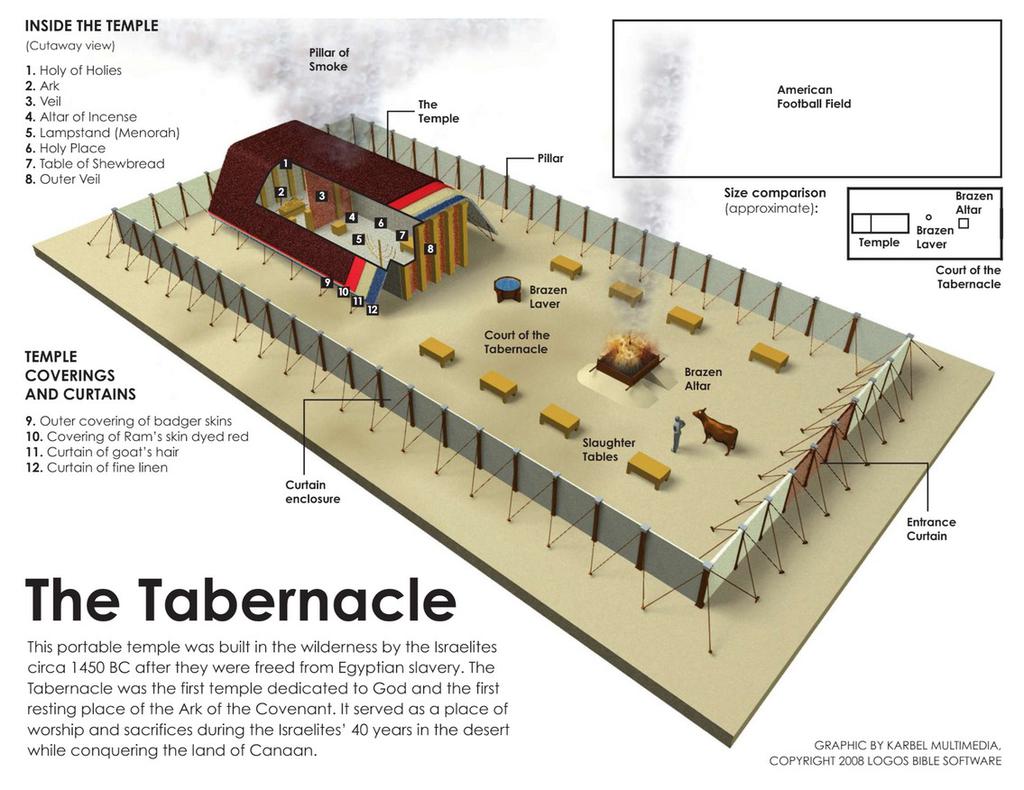
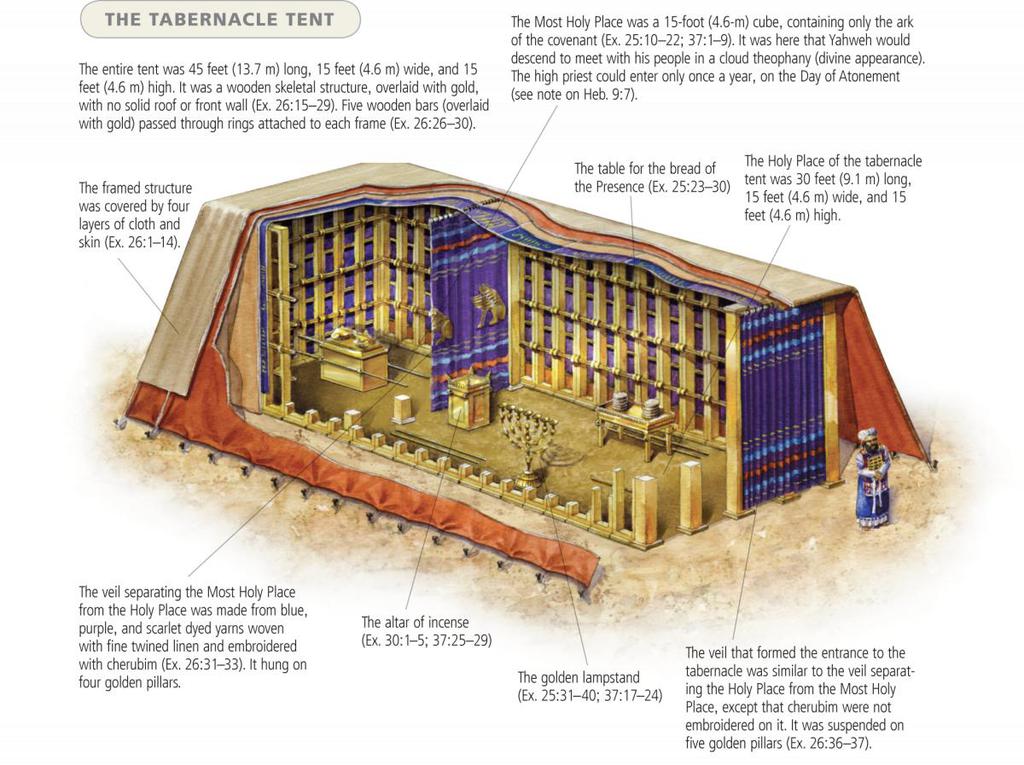
The ark of Testimony was in the Mishkan’s inner chamber, containing the Aseret Hadibrot (Ten Commandments).
Instructions were detailed for the ark and for the figures on top [the cherubim /keruvim].
The outer chamber contained the 7-branched menorah and the ‘show-bread’ table.
The walls of the Mishkan were wooden boards, the holding sockets, silver, while the roof was made of more permeable material.
In front of the Mishkan was the copper-plated altar.
וַיְדַבֵּ֥ר יְהֹוָ֖ה אֶל־מֹשֶׁ֥ה לֵּאמֹֽר׃ דַּבֵּר֙ אֶל־בְּנֵ֣י יִשְׂרָאֵ֔ל וְיִקְחוּ־לִ֖י תְּרוּמָ֑ה מֵאֵ֤ת כׇּל־אִישׁ֙ אֲשֶׁ֣ר יִדְּבֶ֣נּוּ לִבּ֔וֹ תִּקְח֖וּ אֶת־תְּרוּמָתִֽי׃
The LORD spoke to Moses, saying: Tell the Israelite people to bring Me gifts; you shall accept gifts for Me from every person whose heart so moves him.
Next, the translation of Terumah/תְּרוּמָ֑ה as "gifts" is not exact. The Hebrew word "Terumah" תְּרוּמָ֑ה connotes "uplifting" and "elevation". רם = height, altitude. תְּרוּמָה (n-f) contribution, offering. What is the difference between "taking an offering to me" and "taking me gifts"?
How might we relate the aspect of giving to today? When we donate money and / or our time, do we feel similarly spiritually uplifted? What helps or doesn't help us feel that way?
Lastly, what does it mean that each person was asked to "take" offerings if one's heart was willing (was moved). What can we derive from this?
With this information, can appreciate Everett Fox's translation of this verse: "Speak to the Children of Israel, that they may take me a raised-contribution; from every man whose heart makes-him-willing, you are to take my contribution."
[THAT THEY TAKE FOR ME.] The words ve-yikchu li (that they take for Me) is similar to the form surah elai (turn in to me) (Jud. 4:18). Surah elai means turn from your place and come to me. Ve-yikchu li has a similar connotation.
מאת כל איש, G’d commanded that the procedure should not be like the imposition of every man’s contribution for the public charity fund which was treated as a tax. Contributions were to be accepted only from volunteers.
Or HaChaim [25:8] explains that the מקדש Mikdash is the general description for a dwelling of God that is a commandment for all generations, while משכן Mishkan is the specific dwelling for God to be built in the מדבר wilderness.
(3) And these are the gifts that you shall accept from them: gold, silver, and copper; (4) blue, purple, and crimson yarns, fine linen, goats’ hair; (5) tanned ram skins, dolphin skins, and acacia wood; (6) oil for lighting, spices for the anointing oil and for the aromatic incense; (7) lapis lazuli and other stones for setting, for the ephod and for the breastpiece.
Exodus 25,2. “and they shall take for Me a contribution, each person according to how his heart moves him. And these are the contributions you are to accept from them: gold, silver and copper.” As we explained earlier, every person serving the Lord, must do so also by something tangible in addition to the lofty thoughts that he entertains while doing so. Allegorically speaking, the performance of a tangible מצוה, commandment, is considered as if man helps the Presence of the Lord to arise from the dust on earth [where it appears to have been buried. Ed.]. When keeping this in mind we can answer the enigma posed by the words כל איש אשר ידבנו לבו, “each person according to how his heart moves him.” These words form the link between the generous thought and the generous deed. By making a voluntary contribution, the Presence of G’d on earth will become so much more manifest.
7. Now, Supernal Pleasantness flows continuously. Nevertheless, one must have a vessel with which to receive the influx of Supernal Pleasantness. And know! the vessel with which to receive flames of love from Supernal Pleasantness is forged through charity. For charity is the generosity of the heart, as it is written (Exodus 25:2), “from every person, as his heart urges him, you shall take My donation.” Generosity is that the heart is open and benevolent. As a result, the pathways of the heart open and become a vessel for receiving the flames of love drawn from Supernal Pleasantness, as mentioned above.
וְעָ֥שׂוּ לִ֖י מִקְדָּ֑שׁ וְשָׁכַנְתִּ֖י בְּתוֹכָֽם׃
And let them make Me a sanctuary that I may dwell among them.
Rabbi Moshe Alshich’s commentary on Exodus 25,8 in which G’d instructs the Jewish people through their leader Moses to build for Him a Tabernacle, (residence) on earth in their midst, was not intended to imply that this signaled G’d’s move from the celestial regions to earth, is well known. The purpose of the Tabernacle is to signal that the principal Presence of G’d was to be on earth, i.e. amongst the Jewish people, as is clear from the words: ושכנתי בתוכם, “I shall take up residence amongst them;” the operative word in that line is the word בתוכם, which ought to be translated as “within them,” within the hearts and minds of the Israelites, as opposed to G’d’s presence being confined to a Temple.
And so should you make [it]. Hashem’s presence would dwell among them only by means of the Tabernacle. This was a step down from what He had promised them before the sin of the Calf, “In every place that I permit My Name to be mentioned I will come to you and bless you” (20:21).
An individual has the ability to throw off the yoke of Heaven; a community does not.
~Sefer HaMiddot, Fear of God, Yirah Part II:5
(ט) כְּכֹ֗ל אֲשֶׁ֤ר אֲנִי֙ מַרְאֶ֣ה אוֹתְךָ֔ אֵ֚ת תַּבְנִ֣ית הַמִּשְׁכָּ֔ן וְאֵ֖ת תַּבְנִ֣ית כׇּל־כֵּלָ֑יו וְכֵ֖ן תַּעֲשֽׂוּ׃ {ס} (י) וְעָשׂ֥וּ אֲר֖וֹן עֲצֵ֣י שִׁטִּ֑ים אַמָּתַ֨יִם וָחֵ֜צִי אׇרְכּ֗וֹ וְאַמָּ֤ה וָחֵ֙צִי֙ רׇחְבּ֔וֹ וְאַמָּ֥ה וָחֵ֖צִי קֹמָתֽוֹ׃ (יא) וְצִפִּיתָ֤ אֹתוֹ֙ זָהָ֣ב טָה֔וֹר מִבַּ֥יִת וּמִח֖וּץ תְּצַפֶּ֑נּוּ וְעָשִׂ֧יתָ עָלָ֛יו זֵ֥ר זָהָ֖ב סָבִֽיב׃ (יב) וְיָצַ֣קְתָּ לּ֗וֹ אַרְבַּע֙ טַבְּעֹ֣ת זָהָ֔ב וְנָ֣תַתָּ֔ה עַ֖ל אַרְבַּ֣ע פַּעֲמֹתָ֑יו וּשְׁתֵּ֣י טַבָּעֹ֗ת עַל־צַלְעוֹ֙ הָֽאֶחָ֔ת וּשְׁתֵּי֙ טַבָּעֹ֔ת עַל־צַלְע֖וֹ הַשֵּׁנִֽית׃ (יג) וְעָשִׂ֥יתָ בַדֵּ֖י עֲצֵ֣י שִׁטִּ֑ים וְצִפִּיתָ֥ אֹתָ֖ם זָהָֽב׃ (יד) וְהֵֽבֵאתָ֤ אֶת־הַבַּדִּים֙ בַּטַּבָּעֹ֔ת עַ֖ל צַלְעֹ֣ת הָאָרֹ֑ן לָשֵׂ֥את אֶת־הָאָרֹ֖ן בָּהֶֽם׃ (טו) בְּטַבְּעֹת֙ הָאָרֹ֔ן יִהְי֖וּ הַבַּדִּ֑ים לֹ֥א יָסֻ֖רוּ מִמֶּֽנּוּ׃ (טז) וְנָתַתָּ֖ אֶל־הָאָרֹ֑ן אֵ֚ת הָעֵדֻ֔ת אֲשֶׁ֥ר אֶתֵּ֖ן אֵלֶֽיךָ׃ (יז) וְעָשִׂ֥יתָ כַפֹּ֖רֶת זָהָ֣ב טָה֑וֹר אַמָּתַ֤יִם וָחֵ֙צִי֙ אׇרְכָּ֔הּ וְאַמָּ֥ה וָחֵ֖צִי רׇחְבָּֽהּ׃
(9) Exactly as I show you—the pattern of the Tabernacle and the pattern of all its furnishings—so shall you make it. (10) They shall make an ark of acacia wood, two and a half cubits long, a cubit and a half wide, and a cubit and a half high. (11) Overlay it with pure gold—overlay it inside and out—and make upon it a gold molding round about. (12) Cast four gold rings for it, to be attached to its four feet, two rings on one of its side walls and two on the other. (13) Make poles of acacia wood and overlay them with gold; (14) then insert the poles into the rings on the side walls of the ark, for carrying the ark. (15) The poles shall remain in the rings of the ark: they shall not be removed from it. (16) And deposit in the Ark [the tablets of] the Pact which I will give you. (17) You shall make a cover of pure gold, two and a half cubits long and a cubit and a half wide.
~NCSY Terumah Parsha Sheet
Rabbi Shmuel said: The materials donated for the Mishkan correspond to the heavens. "Gold" is the sun; "silver," the moon; "copper," the western horizon at sunset; "blue," the sky; "purple," the clouds; "red," the rainbow; "flax," the seraphim; "goat," the constellation of capricorn; "ram skins dyed red," thunder; "tachash skins," lightening; "shittim wood," shooting stars; "oil for lighting," the seven planets; "spices for the anointing oil and for the incense," dew and rain; "shoham stones and gemstones for setting"--hail and snow. Said G-d: "My dwelling is in the heavens; if you make Me a Sanctuary on earth, I shall dwell in it." ~Midrash HaGadol
וְנוֹעַדְתִּ֣י לְךָ֮ שָׁם֒ וְדִבַּרְתִּ֨י אִתְּךָ֜ מֵעַ֣ל הַכַּפֹּ֗רֶת מִבֵּין֙ שְׁנֵ֣י הַכְּרֻבִ֔ים אֲשֶׁ֖ר עַל־אֲר֣וֹן הָעֵדֻ֑ת אֵ֣ת כׇּל־אֲשֶׁ֧ר אֲצַוֶּ֛ה אוֹתְךָ֖ אֶל־בְּנֵ֥י יִשְׂרָאֵֽל׃ {פ}
There I will meet with you, and I will impart to you—from above the cover, from between the two cherubim that are on top of the Ark of the Pact—all that I will command you concerning the Israelite people.
Rabbi Dr. Erin Leib Smokler, comment on Terumah.
'ושכנתי בתוכם ככל אשר אני מראה אותך וגו, “I will dwell among them permanently in order to receive their prayers and their sacrificial offerings in a manner similar to the way I displayed My presence at the mountain.” Henceforth My presence will be manifest between the two cherubs on the lid of the Holy Ark as part of the overall structure called the Tabernacle."
Sforno perceives different degrees of holiness, just as the kabbalists perceive holiness in the The Torah itself, for which the Holy Ark served as repository, was in an ark constructed of wood but overlaid with gold on the inside and on the outside, to reflect the saying of our sages in Yuma 72 that every Torah scholar whose external appearance did not reflect his internal stature is not a Torah scholar at all.
The Gemara asks: And with regard to all of the other transgressions in the Torah, is punishment not exacted from the entire world? But isn’t it written: “And they shall stumble one upon another” (Leviticus 26:37)? This verse is homiletically interpreted to mean that they shall stumble spiritually, one due to the iniquity of another, which teaches that the entire Jewish people are considered guarantors for one another. Apparently, any transgression makes the entire world liable to be punished.