
Mareh mekomos for shiur in Basar b'Chalav/ Taaroves from R. Aryeh Lebowitz at RIETS (2020-2021)
SHIUR 1- Shiur Pesicha

(יט) רֵאשִׁ֗ית בִּכּוּרֵי֙ אַדְמָ֣תְךָ֔ תָּבִ֕יא בֵּ֖ית ה' אֱלֹקֶ֑יךָ לֹֽא־תְבַשֵּׁ֥ל גְּדִ֖י בַּחֲלֵ֥ב אִמּֽוֹ׃ {פ}

(19) The choice first fruits of your soil you shall bring to the house of your God ה'. You shall not boil a kid in its mother’s milk.
(כו) רֵאשִׁ֗ית בִּכּוּרֵי֙ אַדְמָ֣תְךָ֔ תָּבִ֕יא בֵּ֖ית ה' אֱלֹקֶ֑יךָ לֹא־תְבַשֵּׁ֥ל גְּדִ֖י בַּחֲלֵ֥ב אִמּֽוֹ׃ {פ}
(26) The choice first fruits of your soil you shall bring to the house of your God ה'. You shall not boil a kid in its mother’s milk.
(כא) לֹ֣א תֹאכְל֣וּ כׇל־נְ֠בֵלָ֠ה לַגֵּ֨ר אֲשֶׁר־בִּשְׁעָרֶ֜יךָ תִּתְּנֶ֣נָּה וַאֲכָלָ֗הּ א֤וֹ מָכֹר֙ לְנׇכְרִ֔י כִּ֣י עַ֤ם קָדוֹשׁ֙ אַתָּ֔ה לַה' אֱלֹקֶ֑יךָ לֹֽא־תְבַשֵּׁ֥ל גְּדִ֖י בַּחֲלֵ֥ב אִמּֽוֹ׃ {פ}
(21) You shall not eat anything that has died a natural death; give it to the stranger in your community to eat, or you may sell it to a foreigner. For you are a people consecrated to your God ה'. You shall not boil a kid in its mother’s milk.

1) אמר רב אשי מנין לבשר בחלב שאסור באכילה שנאמר (דברים יד, ג) לא תאכל כל תועבה כל שתעבתי לך הרי הוא בבל תאכל ואין לי אלא באכילה בהנאה מנין כדרבי אבהו דאמר ר' אבהו א"ר אלעזר כל מקום שנאמר לא יאכל לא תאכל לא תאכלו אחד איסור אכילה ואחד איסור הנאה במשמע עד שיפרוט לך הכתוב כדרך שפרט לך בנבלה לגר בנתינה ולעובד כוכבים במכירה... 2) אמר ריש לקיש מנין לבשר בחלב שאסור ת"ל (שמות יב, ט) אל תאכלו ממנו נא ובשל מבושל שאין תלמוד לומר מבושל מה תלמוד לומר מבושל לומר לך יש לך בשול אחר שהוא כזה ואי זה זה בשר בחלב א"ל רבי יוחנן כעורה זו ששנה 3) רבי לא תאכלנו בבשר בחלב הכתוב מדבר אתה אומר בבשר בחלב הכתוב מדבר או אינו אלא באחד מכל האיסורין שבתורה אמרת צא ולמד מי"ג מדות שהתורה נדרשת בהן דבר הלמד מענינו במה הכתוב מדבר בשני מינין אף כאן בשני מינין אי מההיא הוה אמינא הני מילי באכילה אבל בהנאה לא קמ"ל ורבי בהנאה מנא ליה נפקא ליה מהכא נאמר כאן (דברים יד, ב) כי עם קדוש אתה לה' ונאמר להלן (דברים כג, יח) ולא יהיה קדש בבני ישראל מה להלן בהנאה אף כאן בהנאה 4) דבי רבי אליעזר תנא (דברים יד, כא) לא תאכלו כל נבלה [וגו'] אמרה תורה כשתמכרנה לא תבשלנה ותמכרנה 5) דבי רבי ישמעאל תנא (שמות כג, יט) לא תבשל גדי בחלב אמו ג' פעמים אחד לאיסור אכילה ואחד לאיסור הנאה ואחד לאיסור בשול 6) תניא איסי בן יהודה אומר מנין לבשר בחלב שאסור נאמר כאן (דברים יד, ב) כי עם קדוש אתה ונאמר להלן (שמות כב, ל) ואנשי קדש תהיון לי ובשר בשדה טרפה לא תאכלו מה להלן אסור אף כאן אסור ואין לי אלא באכילה בהנאה מנין אמרת ק"ו ומה ערלה שלא נעבדה בה עבירה אסורה בהנאה בשר בחלב שנעבדה בו עבירה אינו דין שאסור בהנאה מה לערלה שכן לא היתה לה שעת הכושר חמץ בפסח יוכיח שהיתה לו שעת הכושר ואסור בהנאה מה לחמץ בפסח שכן ענוש כרת כלאי הכרם יוכיחו שאין ענוש כרת ואסור בהנאה למה לי גז"ש לייתי כולה בק"ו מערלה ומה ערלה שלא נעבדה בה עבירה אסורה בין באכילה בין בהנאה בשר בחלב שנעבדה בו עבירה אינו דין שאסור בין באכילה בין בהנאה משום דאיכא למימר חורש בשור ובחמור וחוסם פי פרה ודש בה יוכיח שנעבדה בהם עבירה ושרו למה לי למימר כלאי הכרם יוכיחו לימא ערלה תוכיח וליהדר דינא וליתי במה הצד אמר רב אשי משום דאיכא למימר נבלה תוכיח שאסורה באכילה ומותרת בהנאה אמר ליה רב מרדכי לרב אשי הכי אמרינן משמיה דריש לקיש כל מה הצד מגופו פרכינן מעלמא לא פרכינן אי הכי תיתי במה הצד משום דאיכא למיפרך מה להצד השוה שבהן שכן גדולי קרקע אי הכי השתא נמי איכא למיפרך מה לכלאי הכרם שכן גדולי קרקע א"ל רב מרדכי לרב אשי הכי אמרינן משמיה דר"ל כל מה הצד פרכינן כל דהו לא אם אמרת (חדא מחדא) קל וחומר פרכינן כל דהו לא פרכינן וליפרוך לכולהו מה לכולהו שכן גדולי קרקע אלא אמר ליה רב מרדכי לרב אשי הכי אמרינן משמיה דר"ל חדא מחדא קולא וחומרא פרכינן כל דהו לא פרכינן חדא מתרתי אפילו כל דהו פרכינן חדא מתלת אי הדר דינא ואתי במה הצד פרכינן כל דהו ואי לא קולא וחומרא פרכינן כל דהו לא פרכינן ולפרוך מה לכלאי הכרם שכן לא היתה להן שעת הכושר אמר רב אדא בר אהבה זאת אומרת כלאי הכרם עיקרן נאסר והיתה להן שעת הכושר קודם השרשה מתיב רב שמעיה בר זעירא המעביר עציץ נקוב בכרם אם הוסיף מאתים אסור הוסיף אין לא הוסיף לא אמר אביי תרי קראי כתיבי כתיב (דברים כב, ט) פן תקדש המלאה וכתיב הזרע הא כיצד זרוע מעיקרו בהשרשה זרוע ובא הוסיף אין לא הוסיף לא מתני' דלא כי האי תנא דתניא רבי שמעון בן יהודה אומר משום רבי שמעון בשר בחלב אסור באכילה ומותר בהנאה שנאמר (דברים יד, ב) כי עם קדוש אתה ונאמר להלן (שמות כב, ל) ואנשי קדש תהיון לי מה להלן אסור באכילה ומותר בהנאה אף כאן אסור באכילה ומותר בהנאה: רבי עקיבא אומר חיה ועוף וכו': הני הא אפקינהו לכדשמואל קסבר רבי עקיבא איסור חל על איסור חלב ומתה לא צריכי קרא שליל גדי מעליא הוא אייתרו להו כולהו פרט לחיה ועוף ולבהמה טמאה: רבי יוסי הגלילי אומר נאמר לא תאכלו: מאי איכא בין רבי יוסי הגלילי לרבי עקיבא איכא בינייהו חיה רבי יוסי הגלילי סבר חיה דאורייתא ור' עקיבא סבר חיה דרבנן איבעית אימא עוף איכא בינייהו ר' עקיבא סבר חיה ועוף אינן מן התורה הא מדרבנן אסירי ור' יוסי הגלילי סבר עוף אפילו מדרבנן נמי לא אסיר תניא נמי הכי במקומו של רבי אליעזר היו כורתין עצים לעשות פחמין לעשות ברזל במקומו של רבי יוסי הגלילי היו אוכלין בשר עוף בחלב לוי איקלע לבי יוסף רישבא אייתו לקמיה רישא דטיוסא בחלבא ולא אמר להו ולא מידי כי אתא לקמיה דרבי אמר ליה אמאי לא תשמתינהו אמר ליה אתריה דרבי יהודה בן בתירא הוא ואמינא דרש להו כרבי יוסי הגלילי דאמר יצא עוף שאין לו חלב אם: מתני׳ קבת עובד כוכבים ושל נבלה הרי זו אסורה המעמיד בעור של קבה כשרה

from where is it derived that the meat of a mother animal may not itself be cooked in its own milk? Say an a fortiori inference: Just as with regard to an issue where the fruit is not prohibited with the fruit, i.e., slaughter, as it is permitted to slaughter two offspring of one mother on one day, the fruit is nevertheless prohibited for slaughter with the mother, is it not right that with regard to an issue where the fruit is prohibited with the fruit, i.e., cooking, as it is prohibited to cook a mother’s offspring with its milk, the fruit, i.e., the milk, should be prohibited for cooking with the mother? Therefore, the verse states: “In its mother’s milk,” to prohibit the cooking of the meat of the mother in its own milk. The Gemara asks: Why do I need a verse? It was just derived a fortiori. Rav Aḥadvoi bar Ami said: The verse is necessary because one can say that the case of a horse born of both a stallion and mare but which is the brother of a mule, i.e., its mother also bore a mule after being impregnated by a donkey, proves this a fortiori inference invalid. As here the fruit is prohibited with the fruit, but the fruit is permitted with the mother. One may not mate a horse with a mule, but one may mate a horse with its mother. The Gemara rejects this: There it is the seed of the father that effects the prohibition of mating the mule with the daughter horse. The two may not be paired for reasons unrelated to their status as offspring of one mother. This ruling therefore proves nothing about the hypothesis that if two fruit cannot be paired, one can learn by a fortiori inference that the fruit cannot be paired with the mother. And this explanation must be true, as the case of a mule born of a donkey and a mare and which is the brother of a female mule proves. As here one fruit is permitted with the other fruit, i.e., one may mate the male and female mules since they are of the same species, and yet the fruit is prohibited to be mated with the mother, i.e., the mare. This case illustrates that the prohibition of crossbreeding is contingent on paternity, and does not rest solely on the relation between the mother and the fruit. Rather, Mar, son of Ravina, said: The a fortiori inference is invalid because one can say that the case of a male Canaanite slave born of a female slave and who is the brother of a female freed slave proves it invalid. As here the fruit is prohibited with the fruit, i.e., the slave may not engage in sexual intercourse with his freed sister, and yet the fruit is permitted with his slave mother. The Gemara rejects this as well: There it is the bill of manumission that effects the prohibition. The slave is prohibited to his sister only because she has been freed, not because they are both fruit of one mother, as the case of a male slave, son of a female freed slave, and the brother of a female slave proves. As here the fruit is permitted with the fruit, i.e., he is permitted to his sister, since they are both slaves, and yet the fruit is prohibited with his released mother, as she is now considered a full-fledged Jew. Clearly the prohibition is entirely contingent on the emancipation of one of the slaves, irrespective of their relationship. Rather, Rav Idi bar Avin said: The a fortiori inference is invalid because one can say that the case of diverse kinds of seeds proves it invalid. As it is prohibited to sow fruit of one species with fruit of another species, and yet it is permitted to sow all types of fruit with the mother, i.e., the ground, from which all fruit grows. The Gemara rejects this as well: Isn’t fruit of one species with fruit of another species prohibited only by means of the mother, i.e., the ground? The prohibition of sowing diverse seeds applies only when they are both sown in the ground, as wheat and barley can be placed in a single jug and they are not prohibited. Rather, Rav Ashi said: The a fortiori inference is invalid because one can say: What is unique about fruit with fruit, e.g., the kid and its mother’s milk, which are prohibited for cooking together? They are unique in that they are two separate bodies that were never unified. Must you say the same prohibition of pairing applies to the fruit with the mother, i.e., the mother’s meat and its milk, which were once one body? Due to this reason, the extra verse stating: “In its mother’s milk,” was necessary to include the meat and milk of the same animal in the prohibition. § Rav Ashi says: From where is it derived that meat cooked in milk is prohibited for consumption, even though the verse explicitly prohibits only cooking? It is derived from a verse, as it is stated elsewhere: “You shall not eat any abominable thing” (Deuteronomy 14:3). This verse teaches that with regard to any practice that I have made abominable, i.e., forbidden, to you, the product is prohibited for consumption. And I have derived only that meat cooked in milk is prohibited with regard to consumption; from where do I derive that it is also prohibited with regard to benefit? It is derived in accordance with the statement of Rabbi Abbahu, as Rabbi Abbahu says that Rabbi Elazar says: Wherever it is stated, “He shall not eat,” or “you,” in the singular, “shall not eat,” or “you,” in the plural, “shall not eat,” both a prohibition against eating and a prohibition against deriving benefit are indicated. This is so unless the verse specifies for you that one may derive benefit, in the manner that it specified for you with regard to an animal carcass, from which the verse explicitly permits one to derive benefit, as it states: “You may sell it to a foreigner” (Deuteronomy 14:21). Accordingly, one may provide such meat to a gentile resident alien in Eretz Yisrael by giving it to him as a gift, and to any other gentile by sale. As it is taught in a baraita: The verse states: “You shall not eat of any unslaughtered animal carcass; you may give it to the resident alien who is within your gates, that he may eat it; or you may sell it to a foreigner; for you are a sacred people to the Lord your God.” From this verse I have derived only that it is permitted to provide such meat to a resident alien through giving and to a gentile through selling. From where is it derived that it is permitted to transfer an unslaughtered animal to a resident alien through selling as well? The verse states: “You may give it to the stranger…or you may sell it,” indicating that one has the option to do either of these. The baraita continues: From where is it derived that it is permitted to a gentile through giving as well? The verse states: “You may give itor you may sell it to a foreigner.” Consequently, one finds that he may transfer an animal carcass to both a resident alien and a gentile, both through selling or through giving. This is the statement of Rabbi Meir. Rabbi Yehuda says: These matters are to be understood as they are written; one may transfer an unslaughtered animal carcass to a resident alien only through giving, and to a gentile only through selling. The Gemara asks: What is the reason for the opinion of Rabbi Yehuda? The Gemara responds: Rabbi Yehuda holds that if it enters your mind to understand the verse in accordance with that which Rabbi Meir says, then let the Merciful One write: You shall not eat of any animal carcass, you may give it to the resident alien who is within your gates that he may eat it and also you may sell it to a foreigner. Why do I need the word “or” between these two options? Learn from it that it comes to teach that the matters are to be understood as they are written: To a resident alien through giving alone, and to any other gentile through selling. The Gemara asks: And how does Rabbi Meir explain the wording of the verse? The Gemara answers: Rabbi Meir could say to you that this word “or” teaches one to prioritize to giving to a resident alien over selling to a gentile. And Rabbi Yehuda holds that the priority of giving to a resident alien over selling to a gentile does not require a verse, as it is based on logical reasoning: You are commanded by the Torah to sustain this resident alien, but you are not commanded to sustain that gentile. § The Gemara provides a mnemonic device for the topics that will be discussed: Shabbat; plows; and diverse kinds of seeds; a mother and its offspring; and sending away of the mother bird from the nest. Rav Ashi stated above that the product of any practice described in the Torah as abominable is prohibited for consumption. The Gemara asks: If that is so, then let the product of an action that desecrates Shabbat, e.g., food cooked on Shabbat, be prohibited for consumption, as desecration of Shabbat is a practice of which God states: I have made it abominable to you, in that it is prohibited to cook on Shabbat. How can this food be prohibited only to the one who cooked it as a penalty by rabbinic law, but be permitted to others (see 15a)? The Gemara answers: A product of the desecration of Shabbat is an exception to the rule, as the verse states with regard to Shabbat: “For it is sacred to you” (Exodus 31:14). One may infer: It, Shabbat itself, is sacred, but the products of actions that desecrate it are not sacred, i.e., not prohibited. The Gemara raises another difficulty: If one plows with an ox and with a donkey together, thereby violating the prohibition in Deuteronomy 22:10, or if one muzzles the mouth of a cow and threshes with it, thereby violating the prohibition in Deuteronomy 25:4, the seeds or threshed grain should be prohibited for consumption according to the above principle, as these are both practices I have made abominable to you. The Gemara responds: Now that it has been established that products of desecration of Shabbat are permitted, one can derive the following using an a fortiori inference: Just as with regard to Shabbat, which is treated more stringently, the products of prohibited actions are permitted; is it not all the more so with regard to these prohibitions of plowing with an ox and a donkey and threshing with a muzzled animal, which are treated less stringently, that the products of prohibited actions should be permitted? The Gemara challenges: Diverse kinds of seeds sown together should be prohibited for consumption, as this is a matter whose practice I have made abominable to you. The Gemara explains: One learns otherwise from the fact that the Merciful One revealed with regard to diverse kinds in a vineyard: “You shall not sow your vineyard with two kinds of seed; lest the growth of the seed that you will sow be forfeited [pen tikdash]” (Deuteronomy 22:9). The Sages read the phrase “be forfeited [pen tikdash]” as though it states: Lest it be burned [pen tukad esh], indicating that diverse kinds in a vineyard must be destroyed so that no benefit is derived from them. Since this is stated specifically with regard to a vineyard, one can conclude by inference that other diverse kinds of seeds are permitted. The Gemara objects: But say instead that the uniqueness of diverse kinds in a vineyard is that they are prohibited both for consumption and for benefit, whereas diverse kinds of seeds are prohibited for consumption but are permitted for benefit. The Gemara responds: One cannot say that diverse kinds of seeds are prohibited for consumption, as they are juxtaposed in the Torah to diverse kinds of animals, whose offspring are permitted. As it is written: “You shall not let your cattle mate with a diverse kind; you shall not sow your field with two kinds of seed” (Leviticus 19:19). The juxtaposition teaches that just as with regard to your cattle, the animal that comes from diverse species is permitted, so too, with regard to your field, that produce that comes from diverse seeds is permitted. The Gemara asks: And with regard to diverse kinds of animals themselves, from where do we derive that their offspring is permitted? The Gemara answers: From the fact that the Merciful One prohibits the offspring of diverse kinds of animals for sacrifice to the Most High upon the altar (see 38b), learn by inference that they are permitted to ordinary people for consumption. The Gemara raises another difficulty: A mother and its offspring slaughtered on the same day should be prohibited for consumption, as this too is a practice made abominable. The Gemara answers: From the fact that the Merciful One prohibits an animal whose time has not yet arrived, i.e., that is less than eight days old, as an offering to the Most High (Leviticus 22:27), learn by inference that such animals are permitted to ordinary people for consumption. The offspring of a mother slaughtered that day is also considered an animal whose time has not yet arrived, since the prohibition against slaughtering it is limited to that day. The Gemara raises a final difficulty: If one violated the mitzva that mandates sending away the mother bird from the nest, as it is stated: “You shall not take the mother with the young. You shall in any way let the mother go” (Deuteronomy 22:6–7), and the court instructed him to set the mother bird free, that mother bird should be prohibited to all, as this practice is also abominable. The Gemara responds: The Torah did not say: Send it away, if doing so could lead to a mishap. If the bird were prohibited, the Torah would not have commanded one to send it away, as others might eat it unwittingly. § Reish Lakish says: From where is it derived that meat cooked in milk is prohibited for consumption? The verse states with regard to the Paschal offering: “You shall not eat it partially roasted, nor boiled in any way” (Exodus 12:9). As there is no need for the verse to state: “Boiled in any way,” since it could simply have stated: “Boiled.” What is the meaning when the verse states: “Boiled in any way?” It is included to tell you that there is another manner of cooking, the product of which is prohibited like this one. And which cooking is this? This is meat cooked in milk. Rabbi Yoḥanan said to Reish Lakish: Is that derivation that Rabbi Yehuda HaNasi taught ugly, that you derive a new one? The verse states with regard to an animal’s blood: “You shall not eat it; you shall pour it upon the earth as water” (Deuteronomy 12:24), and the next verse adds: “You shall not eat it; that it may go well with you, and with your children after you.” Rabbi Yehuda HaNasi teaches that the redundant second verse is not referring to the prohibition of blood. Rather, the verse is speaking of the prohibition of meat cooked in milk, teaching that it is prohibited for consumption. Do you say that the verse is speaking of the prohibition of meat cooked in milk? Or perhaps it is only referring to one of the other prohibitions in the Torah? You say: Go out and learn from the thirteen hermeneutical principles, one of which is: A matter that is derived from its context. To what are the adjacent verses referring? They are referring to consecrated animals that were redeemed, which are a combination of two types: They are non-sacred in that they may be eaten, but they are prohibited for shearing and work, like consecrated animals. Here too, one may conclude that the verse is referring to a prohibition that involves two types of food, i.e., the prohibition of meat cooked in milk. Reish Lakish replied to Rabbi Yoḥanan: My exposition is still necessary, since if the source for the prohibition of eating meat cooked in milk were from that verse cited by Rabbi Yehuda HaNasi alone, I would say that this statement applies only to the prohibition of eating meat cooked in milk, but not to that of deriving benefit from it. The verse cited with regard to the Paschal offering teaches us that even deriving benefit is prohibited, just as it is prohibited to derive benefit from a disqualified Paschal offering. The Gemara asks: And Rabbi Yehuda HaNasi, from where does he derive that meat cooked in milk is prohibited for benefit? The Gemara responds: He derives it from here, as it is stated here: “For you are a sacred [kadosh] people unto the Lord your God. You shall not cook a kid in its mother’s milk” (Deuteronomy 14:21). And it is stated below: “Neither shall there be a sodomite [kadesh] of the sons of Israel” (Deuteronomy 23:18). The similar expressions teach that just as below, the prohibition of sodomy is a prohibition that involves enjoyment, i.e., deriving benefit, not eating, so too here, meat cooked in milk is prohibited with regard to deriving benefit. The school of Rabbi Eliezer taught: The verse states: “You shall not eat of any animal carcass; you may give it to the stranger who is within your gates, that he may eat it; or you may sell it to a foreigner; for you are a sacred people to the Lord your God; you shall not cook a kid in its mother’s milk” (Deuteronomy 14:21). The Torah stated the prohibition of meat cooked in milk after the halakha of an animal carcass to teach that when you sell a carcass to a gentile, you shall not cook it in milk and then sell it, i.e., meat cooked in milk is prohibited for benefit and may not be sold. The school of Rabbi Yishmael taught: The Torah states three times: “You shall not cook a kid in its mother’s milk” (Exodus 23:19, 34:26; Deuteronomy 14:21). One verse serves to teach the prohibition against eating meat cooked in milk, and one serves to teach the prohibition against deriving benefit from it, and one serves to teach the prohibition against cooking meat in milk. It is taught in a baraita: Isi ben Yehuda says: From where is it derived that it is prohibited to eat meat cooked in milk? It is stated here: “For you are a sacred people unto the Lord your God. You shall not cook a kid in its mother’s milk” (Deuteronomy 14:21). And it is stated below: “And you shall be sacred men unto Me; therefore you shall not eat any flesh that is torn of animals in the field [tereifa]; you shall cast it to the dogs” (Exodus 22:30). Just as below it is prohibited to eat a tereifa, so too here it is prohibited to eat meat cooked in milk. And from this I have derived only that it is prohibited for consumption. From where do I derive that it is prohibited for benefit as well? You can say it can be derived by an a fortiori inference: Just as with regard to the prohibition against eating the fruit of a tree during the first three years after its planting [orla], which is treated less stringently as no sin has been committed in the planting of the tree and its production of fruit, it is prohibited for benefit, is it not right that meat cooked in milk, with regard to which a sin has been committed, should be prohibited for benefit? The Gemara rejects this, as orla exhibits a unique stringency: What is unique about orla? It is unique in that it never had a time when it was fit. The same cannot be said about meat and milk, which were each permitted on their own before being cooked together. The Gemara suggests: Let leavened bread on Passover prove the point, as it had a time when it was fit, before Passover, and yet it is prohibited for benefit. The Gemara rejects this inference as well: What is unique about consumption of leavened bread on Passover? It is unique in that it is punishable by karet, unlike the prohibition of meat cooked in milk. The Gemara comments: Let the prohibition of diverse kinds in a vineyard prove the point, as it is not punishable by karet, and yet it is prohibited to derive benefit from the product. The Gemara asks: Why do I need both Isi ben Yehuda’s verbal analogy to teach the prohibition of consumption and the a fortiori inference to teach the prohibition of benefit? Let all of it, both the prohibition of consumption and the prohibition against deriving benefit, be derived by an a fortiori inference from orla: Just as orla, which is treated less stringently, as no sin has been committed in the tree’s planting, is nevertheless prohibited both for consumption and for benefit; is it not right that meat cooked in milk, with regard to which a sin has been committed, should be prohibited both for consumption and for benefit? The Gemara responds: That inference would be invalid because one could say: The cases of one who plows with an ox and with a donkey, and one who muzzles the mouth of a cow and threshes with it prove it invalid. As in those cases, a sin has been committed through them, and yet benefit from the products of these actions is permitted. One cannot refute a verbal analogy with logical reasoning. The Gemara asks further: Why do I need to say, as was stated above, that the case of diverse kinds in a vineyard proves that benefit from meat and milk is prohibited? At that point, two other cases, orla and leavened bread on Passover, had already been offered as proof. Although they were rejected because they both possess a unique stringency, each lacks the stringency possessed by the other. Therefore, let us say that the case of orla proves that the stringency for consumption of leavened bread on Passover, i.e., the penalty of karet, is irrelevant, and vice versa. And let the inference revert to its starting point, and let the halakha with regard to meat cooked in milk be derived by analogy from the common element of the two sources, i.e., the prohibition against both consumption and benefit. Rav Ashi said: Such a derivation cannot be suggested, because one can say that the case of an unslaughtered animal carcass proves it invalid, as an animal carcass is prohibited for consumption and yet it is permitted for benefit. Rav Mordekhai said to Rav Ashi: We say in the name of Reish Lakish as follows: For any analogy derived from the common element of two sources, one can refute the analogy only by invoking conflicting details of the two sources themselves, e.g., here, some stringency shared by orla and leavened bread, but not by meat cooked in milk. One cannot refute the analogy from an external case, as you do. The Gemara asks: If so, then the question remains: Why not let the halakha be derived by analogy from the common element of orla and leavened bread on Passover? The Gemara responds: Because the analogy can be refuted as follows: What is unique about the common element of orla and leavened bread? It is unique in that they both involve produce that grows from the ground, whereas meat and milk do not grow from the ground. The Gemara counters: If so, then even now that the Gemara has invoked diverse kinds in a vineyard to prove the point, the derivation can be refuted in the same manner: What is unique about the prohibition of diverse kinds in a vineyard? It is unique in that it involves produce that grows from the ground. Rav Mordekhai said to Rav Ashi: We say in the name of Reish Lakish as follows: For any analogy derived from the common element of two sources, one can refute the analogy by invoking any factor shared by the two source cases but not by the target case. But this is insufficient to refute an analogy to a single source from a single source using the standard formulation: No, if you say the halakha applies to the source case, which possesses a unique factor X, must you say the same of the target case, which does not? One can refute such analogies using this formulation only by way of an a fortiori inference, i.e., if the unique factor X is a stringency. But one cannot refute it by simply mentioning any unique factor, e.g., that diverse kinds in a vineyard grow from the ground. The Gemara counters: But one need not invoke the case of diverse kinds in a vineyard by itself, since it is invoked in addition to the cases of orla and leavened bread. Consequently, this is effectively a derivation from the common element of all three sources, not from one single case to another. If so, let us refute the derivation from all of them: What is unique about all of the cases? They are unique in that they involve produce that grows from the ground. Rather, Rav Mordekhai said to Rav Ashi: We say in the name of Reish Lakish as follows: As stated above, for any a fortiori inference of a single source from a single source, one can refute the derivation by invoking a unique leniency in the supposedly stringent case and a stringency in the lenient one, but one cannot refute it by simply mentioning any aspect unique to the first source. And for inferences of one source from two other sources one can even refute the derivation by mentioning any aspect unique to the first source. For inferences of one source from three other sources, as suggested here, only if the inference reverts to its starting point, as each source possesses its own unique stringency, and the halakha is then derived by analogy from the common element of all of them, can one refute the inference by mentioning any factor unique to the source cases. But if the inference does not revert, one can refute the derivation only by invoking a leniency and a stringency, but one cannot refute it by mentioning any unique factor. The suggested inference does not revert, since the prohibition of diverse kinds in a vineyard possesses no stringent element that the other sources lack. Therefore, the fact that all the source cases involve produce is immaterial, and the inference from diverse kinds in a vineyard stands. The Gemara suggests: But let one refute the inference as follows: What is unique about diverse kinds in a vineyard? They are unique in that they had no time that they were fit. The produce is forbidden as soon as it begins to grow, whereas meat and milk are prohibited only when they are cooked together. Rav Adda bar Ahava said: If this suggestion was not employed, that is to say that even the roots of diverse kinds in a vineyard are prohibited, including the seeds and saplings from which the hybrid plants grow. And they too had a time when they were fit, before taking root. Consequently, the premise of the question must be false. Rav Shemaya bar Zeira raises an objection to this conclusion from a mishna (Kilayim 7:8): If one transfers a perforated pot with seeds in it into a vineyard, if the size of the plant growing in the pot increases by one two-hundredth of its previous size, such that the permitted original plant is less than two hundred times the amount of the prohibited growth and insufficient to nullify it, the produce is prohibited, due to the prohibition against planting diverse kinds in a vineyard. One may infer: If it increases, yes, it is prohibited; but if it does not increase, no, it is permitted. Apparently, only the additional growth is prohibited, not the planted seeds or saplings. Abaye said: Two verses are written, i.e., two separate terms in one verse indicate two separate prohibitions: The verse states: “You shall not sow your vineyard with two kinds of seed, lest the growth of the seed that you will sow be forfeited together with the increase of the vineyard” (Deuteronomy 22:9). It is written: “Lest the growth be forfeited,” indicating that it is prohibited only if it has grown, and it is written: “Of the seed,” from which it can be inferred that it is prohibited immediately when it is planted and takes root. How can these texts be reconciled? Abaye explains: If it was planted initially in the vineyard, it becomes prohibited immediately upon taking root. But in a case where it was planted elsewhere and brought into the vineyard later, e.g., in a perforated pot, then one must distinguish: If its size increases in the vineyard, yes, the growth is prohibited; if its size does not increase, no, it is not prohibited. The Gemara notes: The mishna, which states that meat cooked in milk is prohibited for benefit, is not in accordance with the opinion of this tanna, as it is taught in a baraita: Rabbi Shimon ben Yehuda says in the name of Rabbi Shimon: It is prohibited to eat meat cooked in milk but it is permitted to derive benefit from it, as it is stated: “For you are a holy people to the Lord your God; you shall not cook a kid in its mother’s milk” (Deuteronomy 14:21). And the verse states elsewhere: “And you shall be holy people to Me; therefore you shall not eat any flesh that is torn by animals [tereifa] in the field; you shall throw it to the dogs” (Exodus 22:30). The use of the word “holy” in both verses indicates that just as there, with regard to a tereifa, it is prohibited to eat it but one is permitted to derive benefit from it, as one may give it to the dogs, so too here, with regard to meat cooked in milk, it is prohibited to eat it but one is permitted to derive benefit from it. § The mishna states: Rabbi Akiva says: Cooking the meat of an undomesticated animal or a bird in milk is not prohibited by Torah law, as it is stated: “You shall not cook a kid in its mother’s milk” (Exodus 23:19, 34:26; Deuteronomy 14:21), three times, excluding an undomesticated animal, a bird, and a non-kosher animal. The Gemara raises a difficulty: Other halakhot have already been derived from these mentions of the word “kid,” in accordance with the statement of Shmuel (see 113b). The Gemara answers: Rabbi Akiva maintains in general that a prohibition takes effect even where another prohibition already exists, and therefore forbidden fat and the meat of a dead animal, which are already prohibited, do not require a verse to teach that the prohibition of meat and milk applies to them. Furthermore, there is no need to derive from a verse that a fetus is included, as it is a full-fledged kid. Consequently, all three mentions of the word remain for him to expound that they serve to exclude an undomesticated animal and a bird and a non-kosher animal. § The mishna further teaches that Rabbi Yosei HaGelili says: It is stated: “You shall not eat of any animal carcass” (Deuteronomy 14:21), and in the same verse it is stated: “You shall not cook a kid in its mother’s milk.” This indicates that the meat of an animal that is subject to be prohibited due to the prohibition of eating an unslaughtered carcass is prohibited to cook in milk. Consequently, one might have thought it is prohibited to cook in milk the meat of a bird, which is subject to this prohibition. Therefore, the verse states: “In its mother’s milk,” to exclude a bird, which has no mother’s milk. The Gemara asks: What difference is there between the opinion of Rabbi Yosei HaGelili, who excludes a bird from the prohibition of meat and milk due to the phrase “in its mother’s milk,” and the opinion of Rabbi Akiva, who comes to the same conclusion as Rabbi Yosei HaGelili based upon the phrase “You shall not cook a kid”? The Gemara explains: There is a difference between them with regard to an undomesticated animal. Rabbi Yosei HaGelili maintains that the prohibition of cooking the meat of an undomesticated animal in milk applies by Torah law, as an undomesticated animal has mother’s milk, but Rabbi Akiva maintains that the prohibition of cooking the meat of an undomesticated animal in milk applies only by rabbinic law, as it is excluded by the phrase: “You shall not cook a kid.” If you wish, say instead that there is a difference between them with regard to the meat of a bird itself: Rabbi Akiva maintains that the prohibitions of an undomesticated animal and a bird do not apply by Torah law; but it may be inferred from his statement that they are prohibited by rabbinic law. And Rabbi Yosei HaGelili maintains that a bird is not prohibited even by rabbinic law. The Gemara notes: That distinction is also taught in a baraita: In the locale of Rabbi Eliezer, where his ruling was followed, they would cut down trees on Shabbat to prepare charcoal from them with which to light a fire to fashion iron tools with which to circumcise a child on Shabbat. In Rabbi Eliezer’s opinion, not only does the mitzva of circumcision override Shabbat, but also any action required for the preparation of the tools necessary for the circumcision likewise overrides Shabbat. The baraita adds: In the locale of Rabbi Yosei HaGelili they would eat bird meat cooked in milk. Evidently, Rabbi Yosei HaGelili maintains that the prohibition of meat cooked in milk does not include birds. The Gemara relates: Levi happened to come to the house of Yosef the bird hunter [rishba]. They served him the head of a peacock [tayvasa] in milk and he did not say anything to them. When Levi came before Rabbi Yehuda HaNasi, Rabbi Yehuda HaNasi said to him: Why did you not excommunicate these people who eat bird meat cooked in milk, contrary to the decree of the Sages? Levi said to him: It was in the locale of Rabbi Yehuda ben Beteira, and I said: Perhaps he taught them that the halakha is in accordance with the opinion of Rabbi Yosei HaGelili, who said that the phrase “in its mother’s milk” serves to exclude a bird, which does not have mother’s milk. If so, I could not prohibit it to them, and I certainly could not excommunicate them for following their ruling. MISHNA: The congealed milk in the stomach of the animal of a gentile and of an unslaughtered animal carcass is prohibited. With regard to one who curdled milk by using the skin of the stomach of a kosher animal as a coagulant to make cheese, which may then have the taste of meat cooked in milk,

שלא לאכול בשר בחלב, שנאמר "לא תבשל גדי, בחלב אימו" פעם שנייה (שמות לד,כו); כך למדו מפי השמועה, שאחד לאיסור בישול ואחד לאיסור אכילה.

Not to eat meat and milk [together], as [Exodus 34:26] states: "Do not cook a kid in its mother's milk." Based on the oral tradition, we have learned that one [of these verses] implies a prohibition against cooking [the two together], and the other, a prohibition against eating [from the combination].
Rambam like R. Abahu (cited by R. Ashi) above. Hana'ah is included in achila. See SHCh below.

(א) שֶׁלֹּא לֶאֱכֹל בָּשָׂר בְּחָלָב – שֶׁלֹּא לֶאֱכֹל בָּשָׂר וְחָלָב שֶׁנִּתְבַּשְּׁלוּ בְּיַחַד, שֶׁנֶּאֱמַר (שמות לד כו) לֹא תְבַשֵּׁל גְּדִי בַּחֲלֵב אִמּוֹ. וְזֶה הַכָּתוּב בָּא לֶאֱסֹר הָאֲכִילָה וְהַהֲנָאָה בְּבָשָׂר בְּחָלָב. וְאַל יִקְשֶׁה עָלֶיךָ, אִם כֵּן לָמָּה לֹא נֹאמַר בְּפֵרוּשׁ אִסּוּרוֹ בְּלֹא תֹּאכַל. וְהוֹצִיאוֹ בִּלְשׁוֹן בִּשּׁוּל שֶׁהַתְּשׁוּבָה בָּזֶה, מִפְּנֵי שֶׁנִּתְחַדְּשָׁה אִסּוּר אֲכִילָתוֹ מֵאִסּוּר שְׁאָר אֲכִילַת אִסּוּרִין, שֶׁשְּׁאָר אִסּוּרִין אֵין חִיּוּבָן אֶלָּא אִם כֵּן נֶהֱנָה בַּאֲכִילָתָן, וְכָאן אֲפִלּוּ לֹא נֶהֱנָה בַּאֲכִילָתָן מִכֵּיוָן שֶׁבְּלָעוֹ וַאֲפִלּוּ יִבְלָעֶנּוּ חַם וְשׂוֹרֵף גְּרוֹנוֹ בּוֹ וְכַיּוֹצֵא בוֹ שֶׁאֵין לוֹ הֲנָאָה בּוֹ מִכָּל מָקוֹם לוֹקֶה, כְּמוֹ שֶׁאָמְרוּ זִכְרוֹנָם לִבְרָכָה בְּפֶרֶק שֵׁנִי מִפְּסָחִים (כה א) לְהָכִי לָא כְּתַב רַחֲמָנָא אֲכִילָה בְּגוּפֵהּ לְמֵימְרָא שֶׁלּוֹקִין עָלָיו שֶׁלֹּא כְּדֶרֶךְ הֲנָאָתוֹ. וּמִכָּל מָקוֹם אֵין לוֹקִין עָלָיו (חולין קח א) אֶלָּא דֶּרֶךְ בִּשּׁוּל כַּלָּשׁוֹן שֶׁהוֹצִיא הַכָּתוּב אִסּוּרוֹ.

(ב) וְאַף עַל פִּי שֶׁאָמְרוּ זִכְרוֹנָם לִבְרָכָה (שם קטו ב) שֶׁזֶּה שֶׁנִּכְתַּב בַּתּוֹרָה אִסּוּר הַבִּשּׁוּל שָׁלֹשׁ פְּעָמִים שֶׁהוּא לְלַמֵּד אִסּוּר אֲכִילָה וְאִסּוּר בִּשּׁוּל וְאִסּוּר הֲנָאָה, אֵין רָאוּי לָנוּ לִמְנוֹת בְּחֶשְׁבּוֹן הַלָּאוִין אֶלָּא הַשְּׁנַיִם, לְפִי שֶׁאִסּוּר אֲכִילָה וַהֲנָאָה דָּבָר אֶחָד הוּא, כְּמוֹ שֶׁאָמְרוּ זִכְרוֹנָם לִבְרָכָה (שם) כָּל מָקוֹם שֶׁנֶּאֱמַר לֹא תֹאכַל, לֹא תֹאכְלוּ, אֶחָד אִסּוּר אֲכִילָה וְאֶחָד אִסּוּר הֲנָאָה בַּמַּשְׁמָע. כִּי הַתּוֹרָה תּוֹצִיא כָּל הַהֲנָאוֹת דֶּרֶךְ כְּלָל בִּלְשׁוֹן אֲכִילָה, לְפִי שֶׁהִיא הֲנָאָה תְּמִידִית לָאָדָם וְצָרִיךְ אֵלֶיהָ, וּכְעִנְיָן שֶׁכָּתוּב (שמות כד יא) וַיֶּחֱזוּ אֶת הָאֱלֹקִים וַיֹּאכְלוּ וַיִּשְׁתּוּ. שֶׁיְּכַנֶּה הַהֲנָאָה לַאֲכִילָה.

(1) To not eat meat with milk: To not eat meat with milk that has been cooked together, as it is stated (Exodus 34:26), “you shall not cook a kid in its mother’s milk.” And this verse comes to forbid eating and deriving benefit (pleasure) from the meat with milk. And let it not be difficult to you — [that] if so, why is its prohibition not stated explicitly, as “you shall not eat,” and [instead] expressed with an expression of cooking. As the answer to this [is] because there is a novelty in the prohibition of its eating above the eating of the other prohibitions. As with other prohibitions, the liability is only if he enjoys his eating. But here even if he does not enjoy his eating, once he swallows it — and even if he swallows it hot and he burns his throat with it, and similar to it — he is lashed nonetheless. [It is] as they, may their memory be blessed, said in Pesachim 25a, “For this reason did [the Torah] not write, ‘eating’ in [the verse] itself: To say that one is lashed [even when consumed] not in the way of its enjoyment.” And nonetheless, we do not administer lashes for it unless it is by way of cooking (Chullin 108a), according to the language that the verse expressed its prohibition.

(2) And even though they, may their memory be blessed, said (Chullin 115b) that that which the prohibition of cooking is written three times in the Torah is to teach the prohibition of eating, the prohibition of cooking and the prohibition of benefiting — it is only fit for us to count two [of them] in the tally of negative commandments; as the prohibition of eating and benefiting is one thing. [It is] like they, may their memory be blessed, said (Chullin 115b), “Every place that it is stated, ‘You (singular) shall not eat,’ ‘You (plural) shall not eat,’ both the prohibition of eating and the prohibition of benefiting are implied.” As the Torah expresses all of the enjoyments more generally with an expression of eating, since it is a constant enjoyment for a person, and he needs it; and like the matter that is written (Exodus 24:11), “they beheld God, and they ate and drank” — that it calls enjoyment “eating.”

(3) And if you will grab me [and say], “If so, why are three prohibitions written?” As two suffice, according to what I have said. [Then] one can answer you that certainly if in [one] place it was written, “You shall not cook,” to teach about the prohibition of cooking and in another place, “You shall not eat,” which would include the prohibition of benefiting and the prohibition of eating, as we have said — it would have been correct not to write the third. As there would not be any need for it, since we would have already learned eating and benefiting from “You shall not eat” — from the principle in our hand, that included in eating is the implication about benefiting. But now that eating is not mentioned in any place, we would not have learned [about] benefiting without the third negative [statement]. And you should not ask further, “And why did the [Torah] not write, ‘You shall not eat’ in one of them and it would suffice with two?” As I have informed you that it was for a purpose that Scripture did not mention it with the expression of eating, as the liability for it is even if it is not in the way of its enjoyment. We have learned from here that the intention of that which they, may their memory be blessed, said (Chullin 115b) “One is for the prohibition of eating, one is for the prohibition of benefiting and one is for the prohibition of cooking,” is not that the third verse be a [separate] negative commandment, but rather that we need to learn from it about benefiting. And blessed be [the One] Who chose their words.

(4) We have written (Sefer HaChinukh 92) what we could from the roots of the commandment from the angle of the simple meaning, in the prohibition of cooking in Parashat Eleh HaMishpatim.

(5) From the laws of the commandment: That which they, may their memory be blessed, said (Chullin 113a), that the prohibition of meat with milk from Torah writ is only with meat of a beast (domesticated animal) that is pure (kosher); but not from an impure beast, not from a [wild] animal — even a pure [one] — and not from a bird, whether pure or impure. And they relied for this upon that which it is written, “kid” three times in the Torah, which is an expression of exclusion, as it should have [otherwise] written, “meat.” And the explanation about this came (Chullin 113a), “‘A kid’ and not an impure beast, ‘a kid’ and not a [wild] animal, ‘a kid’ and not a bird.” And therefore, they, may their memory be blessed, said that it is permitted to cook these three with milk, and they are permitted in benefit. But they, may their memory be blessed, prohibited them in eating to make a fence for the meat of a beast, which is forbidden by Torah writ, so that people do not switch [one] meat for [another] meat. And hence since the thing is [plausible] that [one] meat will be switched with [another] meat, they were also stringent with this fence, exactly like they were with the meat of beast in some matters, such that they forbade that they be brought up [together] on a table at all. And according to the opinion of some commentators, they obligated about them that there be a pause between their eating and the eating of cheese, like with the main prohibition, which is the meat of a beast. But with the meat of fish and locusts, they did not make a fence with them at all, as their meat is not at all similar to the meat of a beast, and people will not come to err in this.

(6) And they were also stringent in this matter according to some of the commentators to [deduce] a novel prohibition in this, more than in other prohibitions of food (Chullin 108a). [It is] in that with the matter of meat with milk, if milk is mixed with meat, and there is not sixty parts in the piece of meat corresponding to the milk, we see both of them as one piece of prohibited food. And if this piece fell into a stew of meat or a stew of milk, we measure against all of [the piece]. And this is what, they, may their memory be blessed, said (Chullin 108a) “The piece itself becomes a carcass.” And the reason is because their mixture is what makes them prohibited. And hence, after they have mixed, behold, they are like a piece of carcass. And with other prohibitions, it is not such; as [with] prohibited food that is mixed with a piece of permissible food and there is not sixty parts in the permissible food to negate the prohibited food, and afterwards they fall into a stew, we only measure according to the measurement of the prohibited food that fell into it, and [the permissible portion of the piece] itself helps to [count against] the prohibited food. [This is] because that piece does not become a carcass, and [so] the permissible food in it is found to be like the rest of the permissible food in the stew — and [so] it assists [in counting against] the prohibited food. However if it is recognizable, the piece itself is forbidden forever, according to the opinion of some of the commentators.

(7) And they, may their memory be blessed, said (Temurah 33a) that the ashes of meat [that was cooked together] with milk is prohibited; like the ashes of all things that are prohibited to benefit from, which require burial. And they also said (Chullin 111b) that the Torah only prohibited meat with milk, regarding the milk of a living beast. But with the milk of a dead [one], it is not prohibited. And therefore the udder is permitted [to be eaten] with its milk, according to Torah writ. However the Sages forbade it as a fence, until one removes its milk from it, as is elucidated in its place (Chullin 109b). And there are two dispensations for milk that is found in the stomach [of an animal]: one, that it is included in [the category of] the milk of a dead [one]; and also since it is only like refuse more generally — as it has already been digested there. And therefore it is permissible from the outset. And it is not necessary to say that that which is found coagulated there is permissible — as it is certainly like refuse — but even that which is liquid was permitted by the Geonim. One who cooks an embryo in milk is liable, and so [too,] one who eats it. But one who cooks a placenta or skin or tendons or bones or the roots of the horns or hoof nails is exempted. [These] and the rest of the commandment’s details are elucidated in the eighth chapter of Chullin.

(8) And [it] is practiced in every place and at all times by males and females. And one who transgresses it and volitionally eats a kazayit from the meat with milk that has been cooked together is lashed. But if he benefited from it — for example, [if] he gave it or sold it — he is not lashed, since it is possible to [derive] benefit without an act. And we do not administer lashes for anything that does not have an act [involved] with it. And it is possible that he is not lashed even if he rubs with it — since it is not in the way of its enjoyment, as it is not made for rubbing. But there is also an argument about it [to say] that he is lashed.

SHCh continues that 3 drashos is for chidush that can violate for eating even without hana'ah.
לֹא שָׁתַק הַכָּתוּב מִלֶּאֱסֹר הָאֲכִילָה אֶלָּא מִפְּנֵי שֶׁאָסַר הַבִּשּׁוּל כְּלוֹמַר וַאֲפִלּוּ בִּשּׁוּלוֹ אָסוּר וְאֵין צָרִיךְ לוֹמַר אֲכִילָתוֹ. כְּמוֹ שֶׁשָּׁתַק מִלֶּאֱסֹר הַבַּת מֵאַחַר שֶׁאָסַר בַּת הַבַּת:
The Torah remained silent concerning the prohibition against partaking [of meat and milk] only because it forbade cooking them. This is as if to say: Even cooking it is forbidden, how much more so partaking of it. [To cite a parallel:] The Torah did not mention the prohibition against relations with one's daughter, because it forbade those with the daughter of one's daughter.
Rambam above is like Medrash Vayikrah and not the Gm' Chullin.

טומאת משא מפי השמועה וק״ו הדברים וכו'. סיפרי פ' פרה על פסוק וכל אשר יגע על פני השדה ויש לתמוה דהא אין עונשין מן הדין וכן אמרו שם על פסוק הנוגע במת לכל נפש אדם בא ולימד על המת שמטמא במגע הא עד שלא יאמר יש לי בדין אם מטמא באהל לא יטמא [במגע] אלא אם אמרת כן ענשת מן הדין ואפשר לומר שמשם למדנו שאין עונשין מן הדין שזה בניין אב. ואם תאמר והרי בטומאת משא ובבת ובאיסור אכילת בשר בחלב ענשו מן הדין וי״ל שמאחר שבת הבת אינה אסורה אלא מחמת הבת שהיא אמה ממילא משמע שהיא אסורה ואין כאן עונשין מן הדין וכך אמרו בפרק הנשרפין (סנהדרין דף ע״ו) גבי איסור הבת וכי עונשין מן הדין גילוי מילתא בעלמא הוא ופירש״י כמ״ש, ובשר בחלב מכיון שאסר בישולו הוי בכלל לא תאכל כל תועבה כל שתיעבתי לך הרי הוא בבל תאכל א״נ דמשמע שלא אסרה תורה לבשל אלא כדי שלא יבוא לאכול ובמת משמע דגילוי מילתא בעלמא הוא שמאחר שמטמא במגע ובאהל ממילא משמע שמטמא במשא והתוס' בריש ב״ק גמגמו בהא דאין עונשין מן הדין:

RL explain, if you don't need to explain the kal v'chomer (if it's intuitive?) then it s gilui milsa
Shu"t Minchas Asher (1:43): KM implies that cooking BBCh with intention to destroy may be muttar, thought that would be against Shut ChS. This is indeed what Rav Soloveitchik cited his father as responding to questin of burning BBCh in lab. Minchas Asher rejects the above, claiming "ein darshinan taama d'kra."
כָּל הָאֳכָלִין הָאֲסוּרִין אֵינוֹ חַיָּב עֲלֵיהֶם עַד שֶׁיֹּאכַל אוֹתָן דֶּרֶךְ הֲנָאָה חוּץ מִבָּשָׂר בְּחָלָב וְכִלְאֵי הַכֶּרֶם לְפִי שֶׁלֹּא נֶאֱמַר בָּהֶן אֲכִילָה אֶלָּא הוֹצִיא אִסּוּר אֲכִילָתָן בְּלָשׁוֹן אַחֶרֶת בִּלְשׁוֹן בִּשּׁוּל וּבִלְשׁוֹן הַקֹּדֶשׁ לֶאֱסוֹר אוֹתָן וַאֲפִלּוּ שֶׁלֹּא כְּדֶרֶךְ הֲנָיָה:
One is not liable for partaking of any of the prohibited foods unless one partakes of them in a manner in which one derives satisfaction with the exception of a mixture of meat and milk and mixed species grown in a vineyard. [The rationale is that with regard to these prohibitions, the Torah] does not use the term "eating," but instead conveys the prohibition against partaking of them in other terms. [With regard to meat and milk, it uses] the term "cooking" and [with regard to mixed species grown in a vineyard, it uses the term] "become hallowed." [This implies] that they are forbidden even when one does not derive satisfaction.
Maharshal by hil' Pesach says can't feed to dog b/c it makes us feel nice. See dissenters below.

(ה) בהנאה. עבה"ט. ומ"ש אבל לא לפני הכלב אפילו אין הכלב שלו. הוא מדברי הט"ז שכתב כן בשם או"ה ומהרש"ל ות"ח אכן אין כן דעת הגאון בעל מקור חיים בסי' תמ"ח סק"י דדוקא בחמץ בפסח כו' וכ"כ בביאור הגר"א ז"ל שם ע"ש וקצת ראיה מלקמן סימן קל"ד ס"ב ע"ש ועל ראיית המק"ח מתוספות פסחים דף כ"ב ד"ה ואבר מן החי יש לפקפק ע"ש ודו"ק ועיין בתשו' פני יהושע חא"ח סימן י"ב ובספר באר יעקב סי' כ"ט מ"ש בענין זה:

SHIUR 2- End of Shiur Pesicha and beginning siman 87 (defining meat)
First finishing up discussion of issur hana'ah by BBCh with the following:

(ד) בהנאה. עבה"ט ועי' בתשובת שער אפרים סי' ל"ח שפסק בחמאה שנתבשלה בקדרה של בשר ב"י אסור להדליק בה להאיר הבית מטעם שאסור בהנאה וגם להדליק בה נ"ח אף דמצות לאו ליהנות ניתנו מ"מ אסור כיון דבנ"ח בעי שיעור ובב"ח כיון שאסור בהנאה כתותי מכתת שיעורא ע"ש (עי' פמ"ג שהעתיק בשמו דלנ"ח שרי ובמח"כ לא עיין שם היטב וכ"כ בש"ת בא"ח סי' תרע"ג משמו דאף לנ"ח אסור) ועיין בתשובת בשמים ראש ר"ס רפ"ה בהגהת כס"ד שם מ"ש על דברי ש"א הנ"ל ועי' בא"ז בא"ח שם שתמה דהא בלא"ה אסור משום בישול בב"ח ועי' בתשובת שבו"י ח"א סי' ל"ח ובש"ת שם מ"ש בזה ועי' בתשובת רע"א בהשמטות לסי' פ"ד:

RL cited Hgh' RAE 1 (see beginning of Shiur 7) who quotes a Issur v'Hetter that says, once one has cooked BBCh, there's no issur to cook them again. So "ein bishul acher bishul" by BBCh.
Defining meat for BBCh:

1) ר"ע אומר חיה ועוף אינם מן התורה שנאמר (שמות כג, יט) לא תבשל גדי בחלב אמו ג' פעמים פרט לחיה ולעוף ובהמה טמאה 2) רבי יוסי הגלילי אומר נאמר (דברים יד, כא) לא תאכלו כל נבלה ונאמר לא תבשל גדי בחלב אמו את שאסור משום נבלה אסור לבשל בחלב עוף שאסור משום נבלה יכול יהא אסור לבשל בחלב ת"ל בחלב אמו יצא עוף שאין לו חלב אם:

The Gemara objects: But let Rava say to him the same ruling by instead citing the seemingly more relevant statement of Shmuel, as Shmuel said: A salted food imparts its flavor like a boiling food, and a marinated food is as absorbent as a cooked food. Clearly, the kosher meat absorbed flavor from the meat of the tereifa as it would have had they been cooked together. The Gemara explains: Had Rava based his ruling only on Shmuel’s statement, I would say in response: This statement applies only to the absorption of the blood of the meat, but kosher meat is not prohibited if it absorbs only the juices and gravy of the meat of the tereifa. Since in this case the meat is salted in a perforated vessel, the blood from each piece runs out and is not absorbed by the other, and one might think that the kosher meat remains permitted. Rava’s interpretation of the verse in Leviticus teaches us that the juices and gravy of the meat of the tereifa must also be taken into account. The Gemara raises an objection from a baraita: A kosher fish that one salted together with a non-kosher fish is permitted. What, is it not referring to a case where they were both salted and expel juices? This indicates that the kosher fish is not prohibited by the juices of the non-kosher fish, contrary to Rava’s statement. The Gemara responds: No, this is referring to a case where the kosher fish was salted and the non-kosher fish was unsalted. Since an unsalted fish does not emit juices, the kosher fish does not absorb the flavor of the non-kosher fish. The Gemara challenges: But from the fact that the latter clause teaches: But if the kosher fish was salted and the non-kosher fish was unsalted the kosher fish remains permitted, it may be inferred that in the first clause we are dealing with a case where they are both salted. The Gemara responds: The latter clause is explaining the halakha of the first clause. The baraita should be read as follows: A kosher fish that one salted together with a non-kosher fish is permitted. How so? This is the halakha if the kosher fish was salted and the non-kosher fish was unsalted. The Gemara notes: So, too, it is reasonable that this is the meaning of the baraita, as if it enters your mind that the first clause is referring to a case where both of them are salted, one can claim: Now that the baraita has stated that even if both of them are salted the kosher fish is permitted, is it necessary to state that the same applies in the less problematic case where the kosher fish was salted and the non-kosher fish was unsalted? The Gemara rejects this: If it is due to that reason, there is no conclusive argument. It is possible that the first clause of the baraita is indeed referring to a case where both fish are salted, and the tanna of the baraita nevertheless taught the latter clause to shed light on the first clause, so that you should not say: The first clause is referring only to a case where the kosher fish was salted and the non-kosher fish was unsalted, but if they were both salted, then the kosher fish is prohibited. To rule this out, he taught the latter clause, which explicitly makes reference to a case where the kosher fish was salted and the non-kosher fish unsalted, which by inference indicates that the first clause is referring to a case where they are both salted, and teaches that even so the kosher fish is permitted. The Gemara further suggests: Come and hear proof against Rava’s ruling from the latter clause of the latter clause, i.e., the third clause of that baraita: But if the non-kosher fish was salted and the kosher fish was unsalted, the kosher fish is prohibited. One can infer from here that it is only if the non-kosher fish is salted and the kosher fish is unsalted that the kosher fish is prohibited. But if they were both salted, then the kosher fish is permitted, contrary to Rava’s ruling. The Gemara rejects this: Perhaps the last section of the baraita uses this language only since it teaches in the former clause, i.e., the second clause: If the kosher fish was salted and the non-kosher fish unsalted, etc. The baraita therefore taught the last clause as well using parallel language: If the non-kosher fish was salted and the kosher fish unsalted, etc. But nothing can be derived from here with regard to a case where both fish were salted. § The Gemara provides a mnemonic for remembering the three halakhot stated by Shmuel below: The manner in which blood is expelled from meat; salted meat that is placed on a vessel; an animal whose neck is broken before its soul departs. Shmuel says: Meat cannot be rid of its blood unless one salts it thoroughly and rinses it thoroughly in water. It was stated: Rav Huna says: One must salt and rinse the meat in water. And it was taught in a baraita: One must rinse the meat, and salt it, and then rinse it again. The Gemara adds: And these two rulings do not disagree. This ruling of Rav Huna is referring to a case where one already washed the meat in the slaughterhouse before salting, whereas that baraita is referring to a case where one did not wash the meat in the slaughterhouse. The Gemara relates: Rav Dimi of Neharde’a would salt meat with coarse salt and then shake the salt off the meat. Rav Mesharshiyya says: One does not presume that there is blood in the intestines, and therefore they are not prohibited if they have not been salted. The Gemara comments: The Sages interpreted this statement as referring to the rectum, the intestines, and the spiral colon. Shmuel says: One may place salted meat only on a perforated vessel, so that the expelled blood can run out. But if the vessel is not perforated then the blood will pool and be reabsorbed by the meat. The Gemara relates: Rav Sheshet would salt meat one bone, i.e., one piece, at a time. The Gemara asks: What is the reason that he would not salt two together? Could it be because the blood leaves this piece and that piece absorbs it? If so, with regard to one piece as well, one could claim that the blood leaves this side of the piece and that side absorbs it. Rather, there is no difference between one piece and two pieces, and one may salt even several pieces together. Shmuel says in the name of Rabbi Ḥiyya: One who breaks the neck of an animal after it is slaughtered but before its soul departs thereby makes the meat heavy. The meat expels blood at the time of slaughter, but if one breaks the animal’s neck, excess blood is trapped inside and weighs down the meat. And by this action he robs people, as he causes blood to be absorbed in the animal’s limbs, and since he sells the meat by weight, people will pay extra to acquire the same amount of edible meat. A dilemma was raised before the Sages: With regard to what case is he speaking? Does Shmuel mean that there is only one problem with this practice, namely, that it renders the meat heavy and robs people since he causes blood to be absorbed in the animal’s limbs? If so, it may be inferred that if one wishes to keep the meat for himself, one may well do so, since he is robbing no one. Or perhaps Shmuel is referring to two prohibitions, first, that the blood trapped in the meat renders it prohibited for consumption, and second, that of robbery. If so, then even if one wants to keep the meat for himself, it is also prohibited. The Gemara concludes: The dilemma shall stand unresolved. MISHNA: One who places the meat of birds with cheese on the table upon which he eats does not thereby violate a Torah prohibition. GEMARA: The Gemara suggests: Since the mishna mentions only that placing meat of birds and milk on one table does not violate a Torah prohibition, one may consequently infer that if one eats them together he does violate a Torah prohibition. If so, learn from the mishna that meat of birds in milk is prohibited by Torah law, contrary to the opinion of Rabbi Akiva, who maintains that it applies by rabbinic law. The Gemara responds: Say that the mishna should be understood as follows: One who places bird meat with cheese on the table will not thereby come to violate a Torah prohibition, since eating the two together is a rabbinic prohibition, as Rabbi Akiva maintains. MISHNA: It is prohibited to cook the meat of a kosher animal in the milk of any kosher animal, not merely the milk of its mother, and deriving benefit from that mixture is prohibited. It is permitted to cook the meat of a kosher animal in the milk of a non-kosher animal, or the meat of a non-kosher animal in the milk of a kosher animal, and deriving benefit from that mixture is permitted. Rabbi Akiva says: Cooking the meat of an undomesticated animal or bird in milk is not prohibited by Torah law, as it is stated: “You shall not cook a kid in its mother’s milk” (Exodus 23:19, 34:26; Deuteronomy 14:21) three times. The repetition of the word “kid” three times excludes an undomesticated animal, a bird, and a non-kosher animal. Rabbi Yosei HaGelili says that it is stated: “You shall not eat of any animal carcass” (Deuteronomy 14:21), and in the same verse it is stated: “You shall not cook a kid in its mother’s milk.” This indicates that meat of an animal that is subject to be prohibited due to the prohibition of eating an unslaughtered carcass is prohibited for one to cook in milk. Consequently, with regard to meat of birds, which is subject to be prohibited due to the prohibition of eating an unslaughtered carcass, one might have thought that it would be prohibited to cook it in milk. Therefore, the verse states: “In its mother’s milk,” excluding a bird, which has no mother’s milk. GEMARA: The Gemara asks: From where are these matters derived? Rabbi Elazar said: The verse states: “And Judah sent the kid of the goats” (Genesis 38:20).
Tosfos seems to disagree with pshat of the gemara, as seen on 104b. On 113a, he explains there's a third tanna that holds ohf is assur d'oraysa.

עוף וגבינה אין בשר וגבינה לא - ...והעולם נהגו שלא לאכול גבינה אחר בשר כלל ואפילו אחר עוף ואע"ג דתני אגרא עוף וגבינה נאכלין באפיקורן דמשמע עוף תחלה דילמא משום דסבר בשר עוף בחלב לאו דאורייתא ולא קיימא לן הכי ומיהו קשה ברייתא דאגרא כמאן אי כרבי יוסי הגלילי הא אף לכתחלה שרי לבשל ולאכול זה עם זה כדאמר לקמן (חולין דף קטז.) דבמקומו של רבי יוסי הגלילי היו אוכלין בשר עוף בחלב ואי כר"ע הוה ליה למיתני חיה בהדי עוף ודוחק להעמידה כב"ש דאמרי העוף עולה ואינו נאכל ומיהו אשכחן נמי לרבי אלעזר בר' צדוק דתניא בתוספתא כב"ש אי נמי כר"ע ונקט עוף משום דשכיח והוא הדין חיה דהכי נמי קאמר לעיל הא עוף אסור מדאורייתא כמאן דלא כר"ע והוה ליה למינקט נמי חיה ור"ת מפרש טעמא דאגרא משום דעוף אינו נדבק בידים ובשינים וחניכים:

מתני׳ בשר בהמה טהורה בחלב בהמה טהורה אסור לבשל ואסור בהנאה בשר בהמה טהורה בחלב בהמה טמאה בשר בהמה טמאה בחלב בהמה טהורה מותר לבשל ומותר בהנאה ר"ע אומר חיה ועוף אינם מן התורה שנאמר (שמות כג, יט) לא תבשל גדי בחלב אמו ג' פעמים פרט לחיה ולעוף ובהמה טמאה רבי יוסי הגלילי אומר נאמר (דברים יד, כא) לא תאכלו כל נבלה ונאמר לא תבשל גדי בחלב אמו את שאסור משום נבלה אסור לבשל בחלב עוף שאסור משום נבלה יכול יהא אסור לבשל בחלב ת"ל בחלב אמו יצא עוף שאין לו חלב אם:

The Gemara objects: But let Rava say to him the same ruling by instead citing the seemingly more relevant statement of Shmuel, as Shmuel said: A salted food imparts its flavor like a boiling food, and a marinated food is as absorbent as a cooked food. Clearly, the kosher meat absorbed flavor from the meat of the tereifa as it would have had they been cooked together. The Gemara explains: Had Rava based his ruling only on Shmuel’s statement, I would say in response: This statement applies only to the absorption of the blood of the meat, but kosher meat is not prohibited if it absorbs only the juices and gravy of the meat of the tereifa. Since in this case the meat is salted in a perforated vessel, the blood from each piece runs out and is not absorbed by the other, and one might think that the kosher meat remains permitted. Rava’s interpretation of the verse in Leviticus teaches us that the juices and gravy of the meat of the tereifa must also be taken into account. The Gemara raises an objection from a baraita: A kosher fish that one salted together with a non-kosher fish is permitted. What, is it not referring to a case where they were both salted and expel juices? This indicates that the kosher fish is not prohibited by the juices of the non-kosher fish, contrary to Rava’s statement. The Gemara responds: No, this is referring to a case where the kosher fish was salted and the non-kosher fish was unsalted. Since an unsalted fish does not emit juices, the kosher fish does not absorb the flavor of the non-kosher fish. The Gemara challenges: But from the fact that the latter clause teaches: But if the kosher fish was salted and the non-kosher fish was unsalted the kosher fish remains permitted, it may be inferred that in the first clause we are dealing with a case where they are both salted. The Gemara responds: The latter clause is explaining the halakha of the first clause. The baraita should be read as follows: A kosher fish that one salted together with a non-kosher fish is permitted. How so? This is the halakha if the kosher fish was salted and the non-kosher fish was unsalted. The Gemara notes: So, too, it is reasonable that this is the meaning of the baraita, as if it enters your mind that the first clause is referring to a case where both of them are salted, one can claim: Now that the baraita has stated that even if both of them are salted the kosher fish is permitted, is it necessary to state that the same applies in the less problematic case where the kosher fish was salted and the non-kosher fish was unsalted? The Gemara rejects this: If it is due to that reason, there is no conclusive argument. It is possible that the first clause of the baraita is indeed referring to a case where both fish are salted, and the tanna of the baraita nevertheless taught the latter clause to shed light on the first clause, so that you should not say: The first clause is referring only to a case where the kosher fish was salted and the non-kosher fish was unsalted, but if they were both salted, then the kosher fish is prohibited. To rule this out, he taught the latter clause, which explicitly makes reference to a case where the kosher fish was salted and the non-kosher fish unsalted, which by inference indicates that the first clause is referring to a case where they are both salted, and teaches that even so the kosher fish is permitted. The Gemara further suggests: Come and hear proof against Rava’s ruling from the latter clause of the latter clause, i.e., the third clause of that baraita: But if the non-kosher fish was salted and the kosher fish was unsalted, the kosher fish is prohibited. One can infer from here that it is only if the non-kosher fish is salted and the kosher fish is unsalted that the kosher fish is prohibited. But if they were both salted, then the kosher fish is permitted, contrary to Rava’s ruling. The Gemara rejects this: Perhaps the last section of the baraita uses this language only since it teaches in the former clause, i.e., the second clause: If the kosher fish was salted and the non-kosher fish unsalted, etc. The baraita therefore taught the last clause as well using parallel language: If the non-kosher fish was salted and the kosher fish unsalted, etc. But nothing can be derived from here with regard to a case where both fish were salted. § The Gemara provides a mnemonic for remembering the three halakhot stated by Shmuel below: The manner in which blood is expelled from meat; salted meat that is placed on a vessel; an animal whose neck is broken before its soul departs. Shmuel says: Meat cannot be rid of its blood unless one salts it thoroughly and rinses it thoroughly in water. It was stated: Rav Huna says: One must salt and rinse the meat in water. And it was taught in a baraita: One must rinse the meat, and salt it, and then rinse it again. The Gemara adds: And these two rulings do not disagree. This ruling of Rav Huna is referring to a case where one already washed the meat in the slaughterhouse before salting, whereas that baraita is referring to a case where one did not wash the meat in the slaughterhouse. The Gemara relates: Rav Dimi of Neharde’a would salt meat with coarse salt and then shake the salt off the meat. Rav Mesharshiyya says: One does not presume that there is blood in the intestines, and therefore they are not prohibited if they have not been salted. The Gemara comments: The Sages interpreted this statement as referring to the rectum, the intestines, and the spiral colon. Shmuel says: One may place salted meat only on a perforated vessel, so that the expelled blood can run out. But if the vessel is not perforated then the blood will pool and be reabsorbed by the meat. The Gemara relates: Rav Sheshet would salt meat one bone, i.e., one piece, at a time. The Gemara asks: What is the reason that he would not salt two together? Could it be because the blood leaves this piece and that piece absorbs it? If so, with regard to one piece as well, one could claim that the blood leaves this side of the piece and that side absorbs it. Rather, there is no difference between one piece and two pieces, and one may salt even several pieces together. Shmuel says in the name of Rabbi Ḥiyya: One who breaks the neck of an animal after it is slaughtered but before its soul departs thereby makes the meat heavy. The meat expels blood at the time of slaughter, but if one breaks the animal’s neck, excess blood is trapped inside and weighs down the meat. And by this action he robs people, as he causes blood to be absorbed in the animal’s limbs, and since he sells the meat by weight, people will pay extra to acquire the same amount of edible meat. A dilemma was raised before the Sages: With regard to what case is he speaking? Does Shmuel mean that there is only one problem with this practice, namely, that it renders the meat heavy and robs people since he causes blood to be absorbed in the animal’s limbs? If so, it may be inferred that if one wishes to keep the meat for himself, one may well do so, since he is robbing no one. Or perhaps Shmuel is referring to two prohibitions, first, that the blood trapped in the meat renders it prohibited for consumption, and second, that of robbery. If so, then even if one wants to keep the meat for himself, it is also prohibited. The Gemara concludes: The dilemma shall stand unresolved. MISHNA: One who places the meat of birds with cheese on the table upon which he eats does not thereby violate a Torah prohibition. GEMARA: The Gemara suggests: Since the mishna mentions only that placing meat of birds and milk on one table does not violate a Torah prohibition, one may consequently infer that if one eats them together he does violate a Torah prohibition. If so, learn from the mishna that meat of birds in milk is prohibited by Torah law, contrary to the opinion of Rabbi Akiva, who maintains that it applies by rabbinic law. The Gemara responds: Say that the mishna should be understood as follows: One who places bird meat with cheese on the table will not thereby come to violate a Torah prohibition, since eating the two together is a rabbinic prohibition, as Rabbi Akiva maintains. MISHNA: It is prohibited to cook the meat of a kosher animal in the milk of any kosher animal, not merely the milk of its mother, and deriving benefit from that mixture is prohibited. It is permitted to cook the meat of a kosher animal in the milk of a non-kosher animal, or the meat of a non-kosher animal in the milk of a kosher animal, and deriving benefit from that mixture is permitted. Rabbi Akiva says: Cooking the meat of an undomesticated animal or bird in milk is not prohibited by Torah law, as it is stated: “You shall not cook a kid in its mother’s milk” (Exodus 23:19, 34:26; Deuteronomy 14:21) three times. The repetition of the word “kid” three times excludes an undomesticated animal, a bird, and a non-kosher animal. Rabbi Yosei HaGelili says that it is stated: “You shall not eat of any animal carcass” (Deuteronomy 14:21), and in the same verse it is stated: “You shall not cook a kid in its mother’s milk.” This indicates that meat of an animal that is subject to be prohibited due to the prohibition of eating an unslaughtered carcass is prohibited for one to cook in milk. Consequently, with regard to meat of birds, which is subject to be prohibited due to the prohibition of eating an unslaughtered carcass, one might have thought that it would be prohibited to cook it in milk. Therefore, the verse states: “In its mother’s milk,” excluding a bird, which has no mother’s milk. GEMARA: The Gemara asks: From where are these matters derived? Rabbi Elazar said: The verse states: “And Judah sent the kid of the goats” (Genesis 38:20).

בשר בהמה טהורה בחלב בהמה טהורה כו' - הוא הדין בשר עוף לרבנן דאסור מן התורה דדוקא ר"ע הוא דאמר חיה ועוף אינם מן התורה ונפקא לן מדדריש לקמן את שאסור משום נבלה אסור לבשלו בחלב:

(ג) אינו נוהג אלא בבשר בהמה טהורה בחלב בהמה טהורה אבל בשר טהורה בחלב טמאה או בשר טמאה בחלב טהורה מותרי' בבישול ובהנאה ובשר חיה ועוף אפילו בחלב טהורה מותר בבישול ובהנאה ואף באכילה אינו אסור אלא מדרבנן אבל דגים וחגבים אין בהם איסור אפילו מדרבנן: הגה ונהגו לעשות חלב משקדים ומניחים בה בשר עוף הואיל ואינו רק מדרבנן אבל בשר בהמה יש להניח אצל החלב שקדים משום מראית העין כמו שנתבאר לעיל סי' ס"ו לענין דם (ד"ע):

(3) The law only applies with meat from a pure [kosher] animal and milk from a pure animal, but meat of a pure animal in milk that is impure, or meat from an impure animal in pure milk, is permitted to cook and benefit from. Meat of a wild animal and of fowl, even in milk which is pure, is permitted to cook and benefit from; and even eating is only prohibited rabbinically. Fish and grasshoppers are not prohibited [with milk] even rabbinically. RAMA: We make milk from almonds and place bird meat in it, since [milk and bird meat] is only rabbinically [forbidden]. But with meat from a domesticated animal, place almonds next to the milk, so that people don't misunderstand. This is as we said above, in chapter 66.

SA is meikil against Tosfos based on following rishonim:

מתני' בשר בהמה טהורה בחלב בהמה טהורה אסור לבשל ואסור בהנאה. בשר בהמה טהורה בחלב בהמה טמאה בשר בהמה טמאה בחלב בהמה טהורה מותר לבשל ומותר בהנאה. ר"ע אומר חיה ועוף אינם מן התורה שנאמר לא תבשל גדי בחלב אמו שלשה פעמים פרט לחיה ועוף ולבהמה טמאה ומה שהביא רב אלפס דר"ע ולא הביא דרבי יוסי הגלילי משום שפוסק הלכה כרבי עקיבא. ואי ס"ל דרבנן פליגי עליה הא קי"ל עירובין מו: הלכה כר"ע מחבירו דווקא ולא כנגד רבים אלא ודאי סבירא ליה דלא פליגי אלא ת"ק אמר שנוהג בבהמה טהורה דוקא ולא בטמאה ור"ע מפרש מהיכן נתמעטו חיה ועוף ובהמה טמאה:

(ד) וְכֵן בְּשַׂר חַיָּה וְעוֹף בֵּין בַּחֲלֵב חַיָּה בֵּין בַּחֲלֵב בְּהֵמָה אֵינוֹ אָסוּר בַּאֲכִילָה מִן הַתּוֹרָה לְפִיכָךְ מֻתָּר לְבַשְּׁלוֹ וּמֻתָּר בַּהֲנָיָה. וְאָסוּר בַּאֲכִילָה מִדִּבְרֵי סוֹפְרִים כְּדֵי שֶׁלֹּא יִפְשְׁעוּ הָעָם וְיָבוֹאוּ לִידֵי אִסּוּר בָּשָׂר בְּחָלָב שֶׁל תּוֹרָה וְיֹאכְלוּ בְּשַׂר בְּהֵמָה טְהוֹרָה בַּחֲלֵב בְּהֵמָה טְהוֹרָה. שֶׁהֲרֵי אֵין מַשְׁמַע הַכָּתוּב אֶלָּא גְּדִי בַּחֲלֵב אִמּוֹ מַמָּשׁ. לְפִיכָךְ אָסְרוּ כָּל בָּשָׂר בְּחָלָב:

(4) Similarly, the meat of a wild beast and the meat of a fowl together with the milk of a wild beast or the milk of a domesticated animal is not forbidden according to Scriptural Law.14There is a difference of opinion among the Rabbis in Chullin 116a whether the prohibition against eat the meat of a wild beast [cooked] in milk is Scriptural or Rabbinic in origin. According to some interpretations, that difference of opinion is perpetuated among the Rishonim (see Siftei Cohen 87:4). Nevertheless, the overwhelming majority of Rishonim and Achronim follow the opinion the Rambam states here. This is also the ruling of the Shulchan Aruch (Yoreh De'ah 87:3).
Significantly, in (Hilchot Mamrim 2:9), the Rambam states that the meat of a wild beast that is cooked in milk is forbidden according to Scriptural Law. In their glosses to Hilchot Mamrim, the Radbaz and the Kessef Mishneh explain that there, the Rambam is speaking theoretically: Were the halachah to follow the opinion that the meat of a wild beast is forbidden according to Scriptural law, the ruling would be such and such. The Merkevat HaMishneh, however, maintains that a printing error crept into the text in Hilchot Ma'achalot Assurot and the text should be changed to fit the Rambam's ruling in Hilchot Mamrim.
Therefore it is permitted to cook it and it is permitted to benefit from it. It is forbidden to partake of it according to Rabbinic Law so that people at large will not be negligent and come to violate the Scriptural prohibition against milk and meat and partake of the meat of a kosher domesticated animal [cooked] in the milk of a kosher domesticated animal. For the literal meaning of the verse implies only the meat of a kid in the milk of its actual mother.15Hence were the Sages to allow one to partake of the meat of a wild beast and fowl cooked in milk, one might think that the prohibition applies only in its most literal context. As a safeguard to prevent this error from occurring, they instituted this prohibition. Therefore, they forbade all meat in milk.

(ו) טמאה. עי' בדגמ"ר שכ' וז"ל ובשר נבילה וכן חלב אסור לבשל בחלב מן התורה ולוקה על בישולו אבל באכילה אין בו איסור בב"ח וכ"ז מבואר ברמב"ם פ"ט ממ"א דין ו' ואמנם אם הוא אסור בהנאה אינו מבואר שם אבל בפי' המשניות פ"ג דכריתות מבואר שאינו אסור בהנאה ואף שלדברי התוס' בחולין ק"א בד"ה איסור כולל שכתבו שאיסור הנאה לא מיקרי איסור מוסיף אין הכרח לדברי הרמב"ם שם מ"מ לא מצינו להתוס' בפי' שיחלקו על דינו של הרמב"ם שהיכא שאינו אסור באכילה משום בב"ח אינו אסור בהנאה ולכן הסומך ע"ז במקום הפסד לא יפסיד עכ"ל ועי' פמ"ג בפתיחה שכתב דנקטינן דאסור בהנאה מן התורה ע"ש. (ועי' בתשובת ח"ס סי' צ"ב שנשאל ג"כ על ענין זה והביא דברי הגאון מעיל צדקה בספר כנפי יונה ר"ס פ"ז בעובדא שהאומנים עירבו חמאה בחלב לעשות מהם נרות כי היה החלב ביוקר ופשיט ליה לאוסרו בהנאה והגם כי מטעם תרבא י"ל לפי דנרות של חלב אינם עשוין מחלב הכליות והקרב לבד דמערבים בהם כמה מיני חלבים וקרומים שאין בהם כרת וא"כ שפיר איכא בב"ח משום תערובת דהני חלבים אך עכ"פ משום נבילה איכא דהא רוב בהמות של עובדי כוכבים אינם נשחטים ואפ"ה אסרו הגאון בהנאה ע"כ דס"ל אע"ג דאיסור אכילה ליכא מ"מ איסור הנאה איכא. והאריך בזה ומסיק דודאי המורה ובא כהגאון דגמ"ר אין מזחיחים אותו אבל אי קמי דידי אתי אני אוסר כהגאון כנפי יונה הנ"ל וכן משמע בהרבה גדולי האחרונים. ואפי' להדגמ"ר הוא לא מיירי מהנאת הדליק' אבל נר קרוזי"ל להדליקו בידים יש לחוש למבשל בב"ח שהטפה שסביבות השלהבת מתבשלת ואף דלענין שבת לא חשיב בישול בכה"ג אך לענין בב"ח אפשר דהוי בישול. וכתב עוד אמנם נר קרוזי"ל שנאסר כנ"ל ונתערב באחרים פשוט שבטל דאין כאן דבר שבמנין אלא דוקא נר חנוכה שבכל לילה מונין מנין הנרות למצותו ע"ש. ועי' בתשובת שבו"י ח"א סי' ס'):

(א) ומ"ש ומותר בבישול ובהנאה משמע דס"ל דאין בו איסור כל עיקר ואפילו מדרבנן שרי וכ"כ ה' המגיד פ"ט מה' מ"א ויש לתמוה אמאי דחו פשטא דסוגיא ר"פ כ"ה דתנן כ"ה אסור לבשל בחלב חוץ מבשר דגים וחגבים וקאמר עלה כמאן דלא כר"ע דאי ר"ע האמר חיה ועוף אינו מן התורה ותירץ רב אשי ה"ק כל הבשר אסור לבשל בחלב מהן מד"ת ומהן מד"ס חוץ מבשר דגים וחגבים שאינו לא מד"ת ולא מד"ס אלמא דחיה ועוף לר"ע אסור לבשל מד"ס ודוחק לומר דהאי לבשל לאכול הוא ולישנא דקרא נקט כמו שפי' ה"ה דהא קרא בין אכילה בין בישול קאמר אבל אין לפרש דלאכול קאמר ולא בישול וז"ל הרשב"א בחידושיו ר"פ כל הבשר אסור לבשל בחלב לישנא דקרא נקט דכתיב לא תבשל גדי ואסור לבשל אסור לאכול קאמר עכ"ל א"כ לפ"ז לאוקימתא דרב אשי נמי ה"ק דאסור לבשל ואסור לאכול מהן מד"ת ומהן מד"ס חוץ מבשר דגים כו' והשתא מוכח להדיא דלר"ע נמי איכא איסור בשר בחלב בחיה ועוף מדרבנן בין בבישול בין בהנאה וכדפרישית ודברי הרמב"ם נמי מכוונים ע"פ דרך זה שהרי כתב אין אסור מן התורה אלא בשר בהמה טהורה כו' אבל בשר בהמה טהורה שבשלו בחלב בהמה טמאה או בשר בהמה טמאה שבשלו בחלב בהמה טהורה מותר לבשל ומותר בהנייה ואין חייבין על אכילתו משום בשר בחלב מבואר להדיא שלא אמר דמותר לבשל ומותר בהנייה אלא מן התורה וכדמסיים ואין חייבין על אכילתו משום בשר בחלב ומהא דכתב אח"כ וכן בשר חיה ועוף בין בחלב חיה בין בחלב בהמה אינו אסור באכילה מן התורה לפיכך מותר לבשלו ומותר בהנייה מוכח להדיא דלענין איסורא דמן התורה קאמר ולהכי קאמר דמאחר דאינו אסור באכילה מן התורה לפיכך מותר לבשלו ומותר בהנייה מן התורה והשתא ודאי משמע דלמאי דכתב אח"כ ואסור באכילה מד"ס כו' ה"ה דאסור לבשלו ואסור בהנאה מד"ס דאיסור בישול והנאה נמשך אחר איסור אכילה כדמוכח להדיא ממה דכתב וכן בשר חיה ועוף כו' אינו אסור באכילה מן התורה לפיכך מותר לבשלו ומותר בהנייה דממילא משמע דלמאי דכתב אח"כ דאסור באכילה מד"ס ה"ה נמי דאסור בבישול ובהנאה מד"ס ומה שלא כתב בפי' דאסור מד"ס היינו לפי שלא נתבאר בתלמוד בפירוש וזה דרכו שסותם דבריו כלשון הגמרא ומאחר דפשטא דסוגיא משמע דלא שרי מדרבנן בישול והנאה אלא בשר דגים וחגבים למה לנו להקל. ותו דהתוספות כתבו אהא דתנן בשר בהמה טהורה בחלב בהמה טהורה אסור לבשל כו' ה"ה בשר עוף לרבנן דאסור מן התורה דדוקא ר"ע הוא דאמר חיה ועוף אינו מן התורה ונפקא לן מדדריש לקמן את שאסור משום נבלה אסור לבשלו בחלב עכ"ל לפ"ז משמע דהלכה כרבנן דאין הלכה כר"ע מחביריו ואע"ג דהאשר"י כתב דמדהביא האלפסי דברי ר"ע אלמא דס"ל דר"ע לפרש דברי ת"ק ולא לאפלוגי עליה מ"מ קשה הדבר להקל כנגד דעת התוספות וכך כתב מהרא"י בהגהת ש"ד סימן ע"ו ושכך נוהגין דאין מחלקין בשר עוף וחיה לבהמה בדין איסור אכילה וא"כ לפ"ז נראה דאין לחלק ביניהן גם לענין איסור בישול והנאה ובין בחיה ועוף ובין בבשר טמא וחלב טמאה נוהג דין איסור בשר בחלב אף בבישול והנאה מדרבנן כן נראה לפע"ד ודו"ק וכל זה דלא כמ"ש בהגהת ש"ע בהגה"ה ראשונה ושנייה ושלישית לחלק בדין בישול והנאה בין בהמה לעוף אלא אין חילוק:

(א) אבל בשר טהורה בחלב טמאה כו'. ל' הטור אבל בשר טהורה בחלב בהמה טמאה או בשר טמאה בחלב טהורה ובשר חיה ועוף אפילו בחלב טהורה אינו אלא מדרבנן ומותר בבישול ובהנאה עכ"ל וכתב הב"י שלשון שאינו מכוון הוא דמ"ש אינו אלא מדרבנן לא מצי קאי אלא לחיה ועוף בחלב טהורה דאי לבשר טהורה בחלב טמאה או איפכא לא אשכחן שאסרוה חכמים באכילה משום בשר בחלב וגם לא היה ענין לאסרו מדבריהם אחר שכבר הוא אסור ועומד מן התורה משום בשר טמא או חלב טמא כו' עכ"ל לכך תיקן כאן הלשון ויפה כוון אלא שהב"ח השיג עליו ופי' דהטור אתא לאשמועינן דמ"מ מדרבנן אסור' משום בשר בחלב ונ"מ לענין חתיכה נעשית נבילה דס"ל (לקמן סי' צ"ב) דאינו אלא בבשר וחלב וכן לענין חתיכה הראויה להתכבד ע"ש וכן פי' הפרישה ולפ"ז אפילו לדידן דק"ל חנ"נ בכל האיסורים היה נפקותא בדבר לענין מ"ש הרב בהג"ה סי' צ"ב ס"ד ע"ש ודוק ולפע"ד ז"א דודאי לא אשכחן בשום דוכתא וגם לא אשתמיט חד מהפוסקים לכתוב כן וגם מפרש"י והר"ן (פכ"ה דף קי"ג ע"א במשנה) משמע להדיא דלית בהו איסור משום בשר בחלב כלל אפילו מדרבנן וגם אין טעם כלל שחכמים יאסרוהו משום בשר בחלב דבשלמא בבשר עוף שייך שפיר גזירה שאם היו אוכלי' בשר עוף בחלב היו אוכלים ג"כ בשר בהמה בחלב וכדכתב הרמב"ם שם אבל מה ענין לגזור שבשר בהמה טהורה בחלב טמאה או איפכא יאסר משום בשר בחלב דהא בלאו הכי ליכא למיחש למידי כיון דבלאו הכי אסור משום בשר או חלב טמאה וזה נראה כוונת הב"י במ"ש וגם לא היה ענין לאסרו כו' דלא כמו שכתוב בלשון הב"ח דהא כבר אסור באכילה מן התורה ולא הוצרכו לגזור עליו והבין שהב"י בא לומר דאין נ"מ בדבר אם הוא אסור משום בשר בחלב או לאו כיון שכבר אסור מן התורה ולכך השיב דנ"מ כו' אלא כוונת הב"י כדפירשתי וכן עיקר לדינא בשגם שחתיכה הראויה להתכבד גופיה הוי מדרבנן וכדלקמן סי' ק"י גם הדרישה כתב בסוף דבריו אלא שעדיין קשה שלא מצינו זה בשום מקום שבשר טהורה בחלב טמאה או איפכא יש בו איסור דרבנן ושנעשית נבילה מדרבנן ע"כ:

(1) "But meat of a pure animal in milk that is impure etc." The Tur says, 'but pure meat (of a kosher animal) in impure milk (milk from a non-kosher animal) or impure meat in pure milk, and meat of a chicken and non-domesticated kosher animal in pure milk is only a rabbinic prohibition for eating and are permitted to cook and receive benefit.' And the Beit Yosef writes, '[the Tur] did not intend to write this language since we don't see this language, that it is only rabbinic, for the first two cases, but only for the non-domesticated animal and chicken in pure milk. This is because in the case of pure meat in impure milk or the opposite, the Rabbis did not prohibit to eat because of mixing meat and milk. They did not establish any Rabbinic prohibitions [in this case], since it is already a Torah prohibition to consume impure meat or impure milk.' This is the corrected way to understand the text [of the Tur] and it is the proper understanding. However, the Bach understands the Tur as is written, that the first two cases are rabbinic prohibitions of mixing meat and milk. The practical reason being 'the piece becomes carrion'/ChaNaN (חנ"נ\ חתיכה נעשית נבילה explained in siman 92) which only applies in the case of mixing meat and milk and also to the case of 'the piece that is proper for serving' look there. This is the opinion of the Perisha. According to this, which is how we hold, ChaNaN applies to all forbidden foods, as the [Rema] writes in siman 92 seif 4 see there and search. This is also clear from Rashi and the Ran (Chapter All the Meat - Chullin 113a in the mishna) that [ChaNaN] is not a prohibition based on mixing meat and milk at all even rabbinically, and there is no reason at all that the Rabbis would prohibit on the basis of mixing meat and milk. It makes sense that the Rabbis prohibited mixing chicken with milk, lest one think they can also eat other meat milk, as the Rambam states there. However, the notion to prohibit pure meat with impure milk or vice versa has no reason to worry about transgressing another prohibited act. This seems to be the intention of the Beit Yosef in not prohibiting [pure meat and impure milk or vice versa] on the basis of mixing meat and milk, unlike the Bach, since it is already forbidden by the Torah and there is no reason to make a decree [fence to protect against another act]. The Beit Yosef is saying that there is no practical case to prohibit on the basis of mixing meat and milk. And this is also the ruling for the case of 'the piece that is proper for serving' which explained later in seif 110. Also the Drisha writes at the end there that there is no place that pure meat and impure milk or vice versa has a rabbinic prohibition and is considered carrion on a rabbinic basis.

(ב) מותרים בבישול ובהנאה. בטור כתוב אבל בשר טהורה בחלב טמאה או איפכא ובשר חיה כו' אינו אלא מדרבנן ומותר בבישול כו' הקשה ב"י דאם מין אחד טמא הא אסור באכילה מדאורייתא ולמה להו למיגזר עליו איסור בשר בחלב לאכילה ובדרישה ומו"ח ז"ל מתרצים דיש נ"מ בגזרה זו דלהוי בו דין חתיכה עצמה נעשית נבילה שס"ל לרבינו אפרים בסי' צ"ב דלא אמרינן כן אלא בבשר בחלב ולא דקו רבנן בזה כבודם במקומם מונח דהא עיקר הטעם לרבינו אפרים דמחמיר בבשר בחלב הוא מטעם שכל אחד בפני עצמו מותר רק בתערובות אסורים ונעשים גוף אחד כמו שמביא ב"י בשם התוספות בסי' צ"ב וזה לא שייך כאן במין אחד טמא דהא בלאו הכי יש בו איסור מן התורה וא"כ הוי כשאר איסורים וא"ל דרבנן גזרו בזה לומר חתיכה עצמה נ"נ אטו שאר בשר בחלב דאורייתא דא"כ גם בבישול והנאה היה להם לגזור כן כיון שאיסור אכילה יש בלאו הכי מן התורה והם החמירו על התערובת ה"נ הו"ל להחמיר בזה ומדברים אלו הוקשה גם מ"ש עוד מו"ח ז"ל דיש נ"מ לחתיכה הראויה להתכבד שנזכר בש"ע סי' ק"א דאם נאסרה מחמת שקיבלה טעם בטל מלבד בבשר בחלב גם זה ליתיה כלל דהא דהחמיר שם בבשר בחלב הוא מטעם שהחתיכה עצמה נעשית נבילה כמבואר בב"י שם בשם ת"ה וסמ"ק וסה"ת דכיון דנתבשל בשר בחלב נעשה גוף אחד של איסור משא"כ בשאר איסורין כו' עכ"ל וכאן לא שייך לומר כן דיש באחד מהם איסור דאורייתא בלאו תערובת בשר בחלב מש"ה הוי בשר בחלב שלו עכ"פ לא גריע משאר איסור בלוע ואין בו משום ראוי להתכבד ומלבד כל מה שזכרנו אין מקום לומר שרבנן גזרו שיהא איסור אכילת בשר בחלב במין א' טמא דלא מצינו זה בגמרא ולא בפוסקים כלל אלא בבשר עוף לחוד יש פלוגתא ואדרבה במתני' תנן בבהמה טמאה מותר בבישול והנאה ופירש"י אבל אכילה לא הזכיר דמותר כיון דיש איסור מחמת טומאה ש"מ דבלאו טומאה אין שום שייכות איסור בזה דאם לא כן היה למתני' להזכירו אלא פשוט דבמין אחד טמא הוי כשאר איסורין ממש אלא ברור דמ"ש הטור שאינו אלא מדרבנן לא קאי רק אבשר עוף ולא כלל בשר טמא או חלב טמא עמו רק לענין שיהא מותר בהנאה ובבישול כמ"ש ב"י ומ"ה יפה עשה בש"ע שלא העתיק זה ומו"ח ז"ל כתב דאינו נכון ולי נראה שהדין עמו בבירור ולפי מה שנמצא בשם רש"ל שהגיה בטור תיבת לא קודם ובשר חיה כו' א"ש טפי דאין כוונת הטור רק להשמיענו שיש שם היתר בישול והנאה:

(2) 2. In the Tur it is written [as] "...but Kosher meat in impure milk or the opposite...and wild animal meat, etc." - these prohibitions are rabbinical and it is permitted to cook them. The Beis Yosef concludes that if one Min (kind) is tamei, this is forbidden to be eaten according to Torah law. And why was a decree of Meat and Milk applied to it with regard to eating. The Drisha and my teacher and father in law, of blessed memory, reconcile that there is a practical difference that this decree was made to apply the din of "Piece itself becomes Unkosher" to it. That's the logic of Rabbeinu Efraim in Siman 92. That we only say this regarding Meat and Milk. The rabbis are not correct in this, their honor intact, that the primary reason that Rabbeinu Efraim was stringent regarding Meat and Milk is that each one itself is allowed. It is only prohibited when it's mixed and becomes one body. Like the Beis Yosef brings in the name of Tosefos in Siman 82. It is not relevant in a case where one of the them is impure because anyways there is a Torah prohibition on it. If so, it should be like any other prohibition. You can't say that the Rabbis enacted a decree on this to apply the law of "piece that becomes unkosher" because of other Meat and Milk from the Torah. For if so, the decree should have applied even regarding cooking and benefit since anyways there is a Torah prohibition against eating. They are stringent regard mixtures here too they should have been strigent in this. From these things, there is a difficulty even what my teacher and father in law, of blessed memory, wrote. That there is practical difference in the case of "a piece fitting to be honoured" as mentioned in Shulchan Aruch Siman 101. If it is prohibited because it receices the flavour, it is nullified excpet regard Meat and Milk. Even this is not at all right because the stringency of Meat and Milk there is a practical difference from the reason of "a piece that becomes unkosher", as explained by the Beis Yosef, there in the name of the Toras HaBais (Rashba) and the "..." and the Sefer HaTerumah. Since that the Meat and Milk become cooked, it becomes one body of prohibition. In contract to other prohibitions...

RL cited Rav Sobolofsky who gave example of nafka minah regarding whether there's issur BBCh d'rabanan by bassar/ chalav behema tameah: Giving a non-observant Jew milchigs after he had non-kosher meat for lunch.
SHIUR 3- The "Nekudah Nifla'ah" and defining milk

...אמר שמואל גדי לרבות את החלב גדי לרבות את המתה גדי לרבות את השליל גדי להוציא את הדם גדי להוציא את השליא גדי להוציא את הטמאה בחלב אמו ולא בחלב זכר בחלב אמו ולא בחלב שחוטה בחלב אמו ולא בחלב טמאה הא תלתא גדי כתיבי ואנן שיתא דרשינן קסבר שמואל איסור חל על איסור...

One may infer that here, since this verse specifies that it is referring to a kid of the goats, consequently, anywhere the word “kid” is stated without specification, it means even a cow or a ewe. Accordingly, the prohibition of meat cooked in milk applies to all kosher domesticated animals. The Gemara asks: But why not derive from that verse that in general, every instance of the word “kid” is referring to a goat, including the prohibition of meat cooked in milk? The Gemara answers: This cannot be, as another verse is written: “And the skins of the kids of the goats” (Genesis 27:16). This indicates that only here they are kids of the goats, but anywhere the word “kid” is stated without specification, it means even a cow or a ewe. The Gemara objects: But let us derive from this verse as well that on the contrary, the word “kid” is always referring to a goat. The Gemara explains: These two examples are two verses that come as one, i.e., to teach the same matter, and as a rule, any two verses that come as one do not teach their common element to other cases. The Gemara asks: This works out well according to the one who says this principle that two verses that come as one do not teach their common element to other cases, but according to the one who says that two verses that come as one do teach their common element to other cases, what is there to say? The Gemara answers: Two exclusions are written, as both of the verses cited use the term “the goats.” The verses could have stated simply: Goats, but state “the goats,” with the definite article, teaching that it is only in these cases that the reference is specifically to a goat. § Shmuel says: Each of the Torah’s three mentions of the prohibition of not cooking a kid in its mother’s milk serves to include a different case. The first mention of the word “kid” serves to include liability for cooking in milk and eating forbidden fats, beyond the liability for eating forbidden fat per se. The second mention of the word “kid” likewise serves to include additional liability for cooking in milk and eating the meat of a dead animal carcass. Finally, the third mention of the word “kid” serves to include liability for cooking in milk and eating an animal fetus. Each mention excludes a case as well: The first mention of the word “kid” serves to exclude liability for cooking in milk and consuming blood. The second mention of the word “kid” serves to exclude liability for cooking in milk and eating the placenta of an animal. The third mention of the word “kid” serves to exclude liability for cooking in milk and eating the meat of a non-kosher animal. Furthermore, the first instance of the phrase “in its mother’s milk” indicates that one is not liable for cooking meat in the milk of a male animal, in the rare case that a male might produce milk. The second instance of the phrase “in its mother’s milk” indicates that one is not liable for cooking meat in the milk of an already slaughtered animal, since it is considered milk only if given while the animal is alive. The third instance of the phrase “in its mother’s milk” indicates that one is not liable for cooking meat in the milk of a non-kosher animal. The Gemara challenges: The word “kid” is written only three times, and yet we expound it to teach six different halakhot. The Gemara responds: Shmuel maintains that a prohibition takes effect even where another prohibition already exists, and therefore the prohibition of forbidden fat in milk and the prohibition of a dead animal carcass in milk are both derived from one verse, as both are applications of the prohibition to an already prohibited item. The exclusion of blood from the prohibition also does not require its own verse, as blood is not considered a kid at all, and likewise there is no need for a verse to exclude a placenta from the prohibition, as it is merely a secretion of the animal, rather than a kind of meat. Therefore, two mentions of “kid” are left; one serves to include a fetus, and one serves to exclude a non-kosher animal. The Gemara asks: And does Shmuel really maintain that a prohibition takes effect where another prohibition already exists? But didn’t Shmuel say in the name of Rabbi Elazar: From where is it derived that an impure priest who partakes of impure teruma, i.e., the portion of produce designated for the priest, is not punished with death at the hand of Heaven as he would had the teruma been ritually pure? It is derived from a verse, as it is stated, with regard to the prohibition of an impure priest partaking of teruma: “And die therein if they desecrate it” (Leviticus 22:9), to the exclusion of this case of teruma that is impure, which was already desecrated before the priest ate it. Here, it seems, since impure teruma is already prohibited for consumption, the added prohibition of an impure priest partaking of teruma does not take effect. The Gemara answers: If you wish, say that in general Shmuel maintains that a prohibition takes effect where another prohibition already exists, and it is different there, with regard to teruma, as the Merciful One expressly excludes impure teruma by the phrase “and die therein if they desecrate it,” and in this case the teruma is already desecrated. And if you wish, say that in general Shmuel maintains that a prohibition does not take effect where another prohibition already exists, and here, the case of meat cooked in milk, is different, as the Merciful One expressly includes the meat of an animal carcass and forbidden fat by the repetition of the word “kid.” And if you wish, say that this statement of Shmuel with regard to meat cooked in milk is his own opinion, as he maintains that a prohibition takes effect where another prohibition already exists, and that statement with regard to teruma is his teacher’s, i.e., Rabbi Elazar’s, opinion, as he holds that a prohibition does not take effect where another prohibition already exists. § Rav Aḥadvoi bar Ami raised a dilemma to Rav: If one cooks meat in milk of a goat that has not yet nursed, but that is about to give birth and already has milk, what is the halakha? Rav said to him: From the fact that it was necessary for Shmuel to say that the phrase “in its mother’s milk” teaches: And not in the milk of a male animal, one can infer that it is only the milk of a male that is excluded, as the male cannot attain the status of a mother. But in this case, since the goat will attain the status of a mother, it is prohibited to cook meat in its milk. It was stated: With regard to one who cooks forbidden fat in milk, Rabbi Ami and Rabbi Asi disagree as to the halakha. One says that he is flogged for violating the prohibition of meat cooked in milk, and one says that he is not flogged. The Gemara suggests: Let us say that they disagree about this: That the one who says he is flogged maintains that a prohibition takes effect where another prohibition already exists, and the one who says he is not flogged maintains that a prohibition does not take effect where another prohibition already exists. The Gemara responds: No; everyone agrees that a prohibition does not take effect where another prohibition already exists, and therefore everyone agrees that one is not flogged for eating the mixture. When they disagree, it is with regard to cooking. The one who says he is flogged holds that one who cooks violates only one prohibition, that of cooking meat in milk, since it is permitted to cook forbidden fat without eating it. Consequently, this is not a case of a prohibition taking effect where another prohibition already exists. And the one who says he is not flogged holds that it was for this reason that the Merciful One expressed the prohibition of eating meat cooked in milk in the Torah using the language of cooking: “You shall not cook a kid in its mother’s milk.”

...אתמר המבשל חלב בחלב רבי אמי ורבי אסי חד אמר לוקה וחד אמר אינו לוקה לימא בהא קמיפלגי דמ"ד לוקה קסבר איסור חל על איסור ומאן דאמר אינו לוקה קסבר אין איסור חל על איסור לא דכ"ע אין איסור חל על איסור אאכילה דכ"ע לא פליגי דלא לקי כי פליגי אבשול מ"ד לוקה חד איסורא הוא ומ"ד אינו לוקה להכי אפקה רחמנא לאכילה בלשון בישול

One may infer that here, since this verse specifies that it is referring to a kid of the goats, consequently, anywhere the word “kid” is stated without specification, it means even a cow or a ewe. Accordingly, the prohibition of meat cooked in milk applies to all kosher domesticated animals. The Gemara asks: But why not derive from that verse that in general, every instance of the word “kid” is referring to a goat, including the prohibition of meat cooked in milk? The Gemara answers: This cannot be, as another verse is written: “And the skins of the kids of the goats” (Genesis 27:16). This indicates that only here they are kids of the goats, but anywhere the word “kid” is stated without specification, it means even a cow or a ewe. The Gemara objects: But let us derive from this verse as well that on the contrary, the word “kid” is always referring to a goat. The Gemara explains: These two examples are two verses that come as one, i.e., to teach the same matter, and as a rule, any two verses that come as one do not teach their common element to other cases. The Gemara asks: This works out well according to the one who says this principle that two verses that come as one do not teach their common element to other cases, but according to the one who says that two verses that come as one do teach their common element to other cases, what is there to say? The Gemara answers: Two exclusions are written, as both of the verses cited use the term “the goats.” The verses could have stated simply: Goats, but state “the goats,” with the definite article, teaching that it is only in these cases that the reference is specifically to a goat. § Shmuel says: Each of the Torah’s three mentions of the prohibition of not cooking a kid in its mother’s milk serves to include a different case. The first mention of the word “kid” serves to include liability for cooking in milk and eating forbidden fats, beyond the liability for eating forbidden fat per se. The second mention of the word “kid” likewise serves to include additional liability for cooking in milk and eating the meat of a dead animal carcass. Finally, the third mention of the word “kid” serves to include liability for cooking in milk and eating an animal fetus. Each mention excludes a case as well: The first mention of the word “kid” serves to exclude liability for cooking in milk and consuming blood. The second mention of the word “kid” serves to exclude liability for cooking in milk and eating the placenta of an animal. The third mention of the word “kid” serves to exclude liability for cooking in milk and eating the meat of a non-kosher animal. Furthermore, the first instance of the phrase “in its mother’s milk” indicates that one is not liable for cooking meat in the milk of a male animal, in the rare case that a male might produce milk. The second instance of the phrase “in its mother’s milk” indicates that one is not liable for cooking meat in the milk of an already slaughtered animal, since it is considered milk only if given while the animal is alive. The third instance of the phrase “in its mother’s milk” indicates that one is not liable for cooking meat in the milk of a non-kosher animal. The Gemara challenges: The word “kid” is written only three times, and yet we expound it to teach six different halakhot. The Gemara responds: Shmuel maintains that a prohibition takes effect even where another prohibition already exists, and therefore the prohibition of forbidden fat in milk and the prohibition of a dead animal carcass in milk are both derived from one verse, as both are applications of the prohibition to an already prohibited item. The exclusion of blood from the prohibition also does not require its own verse, as blood is not considered a kid at all, and likewise there is no need for a verse to exclude a placenta from the prohibition, as it is merely a secretion of the animal, rather than a kind of meat. Therefore, two mentions of “kid” are left; one serves to include a fetus, and one serves to exclude a non-kosher animal. The Gemara asks: And does Shmuel really maintain that a prohibition takes effect where another prohibition already exists? But didn’t Shmuel say in the name of Rabbi Elazar: From where is it derived that an impure priest who partakes of impure teruma, i.e., the portion of produce designated for the priest, is not punished with death at the hand of Heaven as he would had the teruma been ritually pure? It is derived from a verse, as it is stated, with regard to the prohibition of an impure priest partaking of teruma: “And die therein if they desecrate it” (Leviticus 22:9), to the exclusion of this case of teruma that is impure, which was already desecrated before the priest ate it. Here, it seems, since impure teruma is already prohibited for consumption, the added prohibition of an impure priest partaking of teruma does not take effect. The Gemara answers: If you wish, say that in general Shmuel maintains that a prohibition takes effect where another prohibition already exists, and it is different there, with regard to teruma, as the Merciful One expressly excludes impure teruma by the phrase “and die therein if they desecrate it,” and in this case the teruma is already desecrated. And if you wish, say that in general Shmuel maintains that a prohibition does not take effect where another prohibition already exists, and here, the case of meat cooked in milk, is different, as the Merciful One expressly includes the meat of an animal carcass and forbidden fat by the repetition of the word “kid.” And if you wish, say that this statement of Shmuel with regard to meat cooked in milk is his own opinion, as he maintains that a prohibition takes effect where another prohibition already exists, and that statement with regard to teruma is his teacher’s, i.e., Rabbi Elazar’s, opinion, as he holds that a prohibition does not take effect where another prohibition already exists. § Rav Aḥadvoi bar Ami raised a dilemma to Rav: If one cooks meat in milk of a goat that has not yet nursed, but that is about to give birth and already has milk, what is the halakha? Rav said to him: From the fact that it was necessary for Shmuel to say that the phrase “in its mother’s milk” teaches: And not in the milk of a male animal, one can infer that it is only the milk of a male that is excluded, as the male cannot attain the status of a mother. But in this case, since the goat will attain the status of a mother, it is prohibited to cook meat in its milk. It was stated: With regard to one who cooks forbidden fat in milk, Rabbi Ami and Rabbi Asi disagree as to the halakha. One says that he is flogged for violating the prohibition of meat cooked in milk, and one says that he is not flogged. The Gemara suggests: Let us say that they disagree about this: That the one who says he is flogged maintains that a prohibition takes effect where another prohibition already exists, and the one who says he is not flogged maintains that a prohibition does not take effect where another prohibition already exists. The Gemara responds: No; everyone agrees that a prohibition does not take effect where another prohibition already exists, and therefore everyone agrees that one is not flogged for eating the mixture. When they disagree, it is with regard to cooking. The one who says he is flogged holds that one who cooks violates only one prohibition, that of cooking meat in milk, since it is permitted to cook forbidden fat without eating it. Consequently, this is not a case of a prohibition taking effect where another prohibition already exists. And the one who says he is not flogged holds that it was for this reason that the Merciful One expressed the prohibition of eating meat cooked in milk in the Torah using the language of cooking: “You shall not cook a kid in its mother’s milk.”

כיון דעל אכילה לא לקי אבישול נמי לא לקי ואיכא דאמרי אבישול כולי עלמא לא פליגי דלקי כי פליגי אאכילה...

This link between cooking and eating indicates that since one is not flogged for eating forbidden fat cooked in milk, as agreed upon above, one also is not flogged for cooking the two together. And some say the opposite: With regard to cooking, everyone agrees that one is flogged for this act, since the principle of a prohibition not taking effect where another prohibition already exists is not relevant. When they disagree, it is with regard to eating. The one who says he is not flogged applies the principle that a prohibition does not take effect where another prohibition already exists, and the fat was already prohibited for consumption in its own right before being cooked with milk. And the one who says he is flogged holds that it was for this reason that the Merciful One expressed the prohibition of eating meat cooked in milk using the language of cooking, to teach that since one is flogged for cooking forbidden fat in milk, one also is flogged for eating the product. The Gemara suggests a third explanation of the dispute between Rabbi Ami and Rabbi Asi: And if you wish, say that one Sage said one statement and one Sage said another statement, and they do not disagree, as they are referring to different cases. The Sage who said that one is flogged is referring to the transgression of cooking forbidden fat with milk, whereas the one who said one is not flogged is referring to the consumption of forbidden fat with milk. Everyone agrees that a prohibition does not take effect where another prohibition already exists, and therefore one is flogged only for cooking forbidden fat in milk, but not for eating the two together. The Gemara raises an objection from a Tosefta (8:3): One who cooks meat in whey, the liquid leftover after milk has been curdled, is exempt from lashes, as whey is not defined as milk for purposes of the prohibition. Likewise, for blood that one cooked in milk, he is exempt, as blood is not considered meat. Similarly, with regard to the bones, the tendons, the horns, and the hooves that one cooked in milk, he is exempt. The Tosefta continues: By contrast, with regard to prohibited piggul meat, i.e., meat from an offering that was sacrificed with the intent to sprinkle its blood or partake of its meat beyond its designated time, and similarly prohibited notar, meat from an offering whose period for consumption has expired, and the prohibited impure meat of an offering, that one cooked in milk, he is liable to be flogged for violating the prohibition of meat cooked in milk. This indicates that the prohibition applies to items already prohibited for consumption, contrary to the above opinion attributed to Rabbi Ami and Rabbi Asi. The Gemara answers: This tanna of the baraita maintains in general that a prohibition takes effect where another prohibition already exists, whereas Rabbi Ami and Rabbi Asi are of the opposite opinion. It is conceivable that these Sages, who are amora’im, disagree with that tanna, as the issue of whether a prohibition takes effect where another prohibition already exists is a well-known dispute among the tanna’im themselves. § It was stated in the above baraita: One who cooks meat in whey is exempt from lashes. The Gemara comments: This ruling supports the opinion of Reish Lakish, as we learned in a mishna, with regard to liquids that render food susceptible to ritual impurity (Makhshirin 6:5): The halakhic status of whey is like that of milk, which is one of the liquids that render food susceptible to impurity, and the halakhic status of olive secretion is like that of oil, which also renders food susceptible to impurity. With regard to this mishna, Reish Lakish says: They taught this halakha only with regard to rendering seeds, i.e., produce, susceptible to impurity. But with regard to cooking meat in milk, the halakhic status of whey is not like that of milk. § The Sages taught in a baraita: From the phrase “in its mother’s milk” I have derived only that the prohibition applies to the mother goat’s milk. From where do I derive that it also applies to the milk of a cow and a ewe? You can say an a fortiori inference: Just as a kid’s mother, which is not prohibited for mating with the kid, as they are of the same species, is nevertheless prohibited for cooking with it, as stated in the verse, is it not right that a cow or a ewe, which are prohibited for mating with it, as they are of different species, should be prohibited for cooking with it? Therefore, the verse states elsewhere: “In its mother’s milk,” a second time, to include a cow and a ewe. The Gemara challenges the conclusion of the baraita. But why do I need a verse? It was just derived through the a fortiori inference. Rav Ashi said: It is needed because one can say that the refutation of the a fortiori inference is present from the outset, i.e., there is a difficulty with the comparison: From where do you derive the inference? It is derived from its mother goat, which the baraita presents as being treated more leniently than a cow or ewe since it may be mated with a kid. But there is a stringent aspect of the mother goat not shared by a cow or ewe: What is unique about its mother? It is unique in that it is prohibited for slaughter with it, since one may not slaughter an animal and its mother on the same day (see Leviticus 22:28). Will you say the same about a cow, which is not prohibited for slaughter with it? Therefore, the verse states: “In its mother’s milk,” to include a cow and a ewe. § The above baraita accounts for two of the Torah’s three mentions of the phrase “in its mother’s milk.” The Gemara now addresses the third. It is taught in another baraita: From one instance of the phrase “in its mother’s milk” I have derived only that the prohibition applies to the milk of its mother, if the mother is less than a year old and has not yet entered the pen for the purpose of its owner’s separating the annual animal tithe. From where do I derive that it also applies to the milk of its older sister, i.e., one that is more than a year old that has already entered the pen for the animal tithe in the previous year? You can say an a fortiori inference: Just as a kid’s mother, which enters the pen to be tithed with it, is nevertheless prohibited for cooking with it, is it not right that its sister, which does not enter the pen to be tithed with it, should be prohibited for cooking with it? Therefore, the verse states elsewhere: “In its mother’s milk,” a third time, to include the older sister in the prohibition. The Gemara asks: But why do I need a verse? It was just derived from the a fortiori inference. Rav Ashi said: It is needed because one can say that the refutation of that a fortiori inference is present from the outset. From where do you derive the inference? It is derived from its mother. But one may respond: What is unique about its mother? It is unique in that it is prohibited for slaughter with it on the same day. Will you say the same halakhot apply to its older sister, which is not prohibited for slaughter with it? Therefore, the verse states: “In its mother’s milk,” including the older sister. The Gemara continues: We have found a source for the halakha that its older sister is included in the prohibition of meat cooked in milk. From where is it derived that the same applies to its younger sister, one that has not yet entered the pen for the tithe? The Gemara responds: It is derived from between them, i.e., from the combination of the mother and the older sister. The Gemara elaborates on the need for both cases in order to derive the third: From which of the two cases should it be derived? If it should be derived from its mother, one can claim: What is unique about its mother? It is unique in that it is prohibited for slaughter with it on the same day, unlike the younger sister. One may respond: Its older sister can prove the point, since it is not prohibited for slaughter with the kid, but it is still included in the prohibition of meat cooked in milk. But this can be refuted as well: What is unique about its older sister? It is unique in that it does not enter the pen to be tithed with it, unlike the younger sister. One may respond that its mother can then prove the point, as it can enter the pen to be tithed with the kid and is still included in the prohibition. And consequently, the inference has reverted to its starting point: The aspect of this case is not like the aspect of that case and the aspect of that case is not like the aspect of this case; their common element is that both the mother and older sister are meat and it is prohibited to cook them in milk. If so, I will also include its younger sister in the prohibition, since it is also meat, and therefore it is prohibited to cook it in milk. The Gemara challenges: If so, the inclusion of its older sister in the prohibition can also be derived from between them, i.e., from the combination of the kid’s mother and a cow. Although both a cow and the mother possess unique stringencies not shared by the older sister, i.e., the prohibition of mating and of slaughtering with the kid, respectively, neither possesses both stringencies, and the halakha with regard to the older sister can be derived from their common element, i.e., that they are both meat and prohibited to cook in milk, as stated above. If so, what need is there to derive this halakha from the verse? The Gemara responds: Yes, it is indeed so; the halakha with regard to the older sister is derived from the common denominator of the mother and a cow. Rather, why do I need the verse’s additional mention of the phrase “in its mother’s milk?” It is necessary for that which is taught in a baraita: When the verse states: “In its mother’s milk,” I have derived only the prohibition to cook the kid in its mother’s milk;
We generally paskin ein issur chal al issur except for 1) issur bas achas (chal a same time) 2) issur mosif (new halacha to same cheftza) 3) issur kolel (same halacha to more cheftzaos). Is BBCh an issur mosif on the issur cheilev of neveilah? See "nekudah nifla'ah" in Rambam below. The issur mosif would've been the issur hana'ah. However, because the issur hana'ah is learned from the issur achilah (Pesachim 21b), it's not.

(א) יש אוכל אכילה אחת וחייב עליה ארבע כו': ...וזה שהאסורים הרבים שחלים על דבר אחד אי אפשר אלא באחד משלשה צדדים או בכולם והוא איסור מוסיף ואיסור כולל ואיסור בת אחת ואי אפשר שיחול איסור על איסור אלא באלו השלשה פנים לפי כלל עקרים שבידינו אין איסור חל על איסור המשל למה הדבר דומה כגון שיהיה בשר נבילה או בשר בהמה טמאה או חלב שנתבשל בחלב אינו חל איסור בשר בחלב על איסור הנבילה כדי שיהא האוכל ממנו חייב שתי מלקיות אלא מלקות אחד בלבד...

...לכשיבושל החלב עם החלב למה אינו חל איסור בשר בחלב על איסור חלב והוא ההיקש בנבילה שהוא איסור מוסיף כמו שאמרנו כאן בחלב הקדשים ונתחייב על אכילתו מעילה לפי שניתוסף בו איסור הנאה והתשובה על זה שבשר בחלב נאסר בהנאה מפני שאסרו הכתוב לאכילה כמו שהקדמנו שכל איסור האכילה אסור בהנאה עד שיפרט לך הכתוב ואין שם כתוב שאוסר אכילתו וכתב איסור הנאתו רק שני הענינים יחד הם איסור בשר בחלב ולפיכך כשאנו אומרים אין איסור חל על איסור לא יחול איסור בשר בחלב על איסור נבילה ולא היה אסור בהנאה אבל הוא מותר בהנאה והאוכל ממנו לוקה משום נבילה ואין שם איסור בשר בחלב כל עיקר לפי שלא חל ולא תהיה הקושיא במקומה עומדת ויהיה כמו חלב קדשים בשוה אלא אם אמרנו עליו שהוא אסור בהנאה כמו שאנו אומרים בקדשים והאוכל ממנו אינו חייב משום בשר בחלב אז היה ראוי להקשות ואין הדבר כן אלא אנו אומרים שבשר זה בחלב לא נאסר בהנאה אלא תראה המשנה אמרה בפירוש שבשר בהמה טמאה מותר לבשל בחלב ומותר בהנאה וכבר נתבאר זה במקומו וזכור הענין מפני שהוא מטעה הכל ותקיש עליו בכל הדומה לו:

דְּאָמַר רַבִּי אֲבָהוּ: כׇּל מָקוֹם שֶׁנֶּאֱמַר ״לֹא יֵאָכֵל״, ״לֹא תֹאכַל״, ״לֹא תֹאכְלוּ״ — אֶחָד אִיסּוּר אֲכִילָה וְאֶחָד אִיסּוּר הֲנָאָה (מַשְׁמַע), עַד שֶׁיִּפְרֹט לְךָ הַכָּתוּב כְּדֶרֶךְ שֶׁפָּרַט לְךָ בִּנְבֵילָה.

Rabbi Yehuda ben Beteira, who agrees in principle with Beit Shammai’s opinion, says: With regard to kutaḥ, a dip that contains leavened breadcrumbs, and all types of kutaḥ, it is prohibited to sell it to a gentile thirty days before Passover. Because kutaḥ is spicy, people use only a bit at a time, so it will likely last until Passover. It was stated in the mishna that as long as leavened bread may be eaten, it is permitted to derive benefit from it. The Gemara asks: Isn’t that obvious? The Gemara answers: No, it is necessary to teach this in a case where one charred the leavened bread with fire before its time, i.e., before it became prohibited, rendering it inedible. And it teaches us that the halakha is in accordance with the opinion of Rava. As Rava said: If one charred leavened bread before its time, it is permitted to derive benefit from it even after its time, since it no longer has the legal status of leavened bread. It was stated in the mishna: After its time passes, it is prohibited to benefit from it. The Gemara asks: Isn’t that obvious? The Gemara answers: No, it is necessary for the mishna to teach that it remains prohibited to benefit from leavened bread during additional hours that are delineated by rabbinic law. As Rav Giddel said that Rav Ḥiyya bar Yosef said that Rabbi Yoḥanan said: With regard to one who takes wheat grains that may have come into contact with water and become leavened and betroths a woman with the leaven from the beginning of the sixth hour, when the leaven is prohibited by rabbinic law, and onward on Passover eve, even if he betrothed her with wheat from the mountains, which is especially hard and unlikely to become leavened, nonetheless, we are not concerned that this betrothal is valid. This is because when performing a betrothal with money one must give the woman an object worth as least the value of a peruta, and leaven from which one is prohibited to benefit is considered worthless. It was stated in the mishna: And one may not even light an oven or a stove with leavened bread once it becomes prohibited. The Gemara asks: Isn’t that obvious, as this is also a type of benefit? The Gemara answers: No, it is necessary to teach this due to the opinion of Rabbi Yehuda, who said that the removal of leavened bread is to be performed only through burning. Otherwise, it could enter your mind to say: Since Rabbi Yehuda said that its mitzva is performed through burning, while one is burning it let him benefit from it. Therefore, it teaches us that it is prohibited to benefit from leavened bread even while burning it. Ḥizkiya said: From where is it derived in the mishna that it is prohibited to derive benefit from leavened bread on Passover? As it is stated: “Leavened bread shall not be eaten” (Exodus 13:3). Since the verse uses the passive, it should be understood as follows: There shall be no permitted consumption of it at all, even deriving benefit, as benefit could be exchanged for money, which could be used to buy food. The Gemara reads precisely: The reason deriving benefit is prohibited is that the Merciful One writes in the Torah: “Leavened bread shall not be eaten.” Had the Torah not written: “Shall not be eaten,” and instead used the active form: You shall not eat, I would have said that the prohibition of eating is implied but that the prohibition of deriving benefit is not implied. The Gemara comments: And this conclusion disagrees with the opinion of Rabbi Abbahu, as Rabbi Abbahu said that wherever it is stated: “It shall not be eaten,” “You, singular, shall not eat,” or “You, plural, shall not eat,” both a prohibition of eating and a prohibition of deriving benefit are implied, unless the verse specifies that one may benefit, in the manner that it specified with regard to an unslaughtered animal carcass. As it was taught in a baraita: “You shall not eat of any unslaughtered animal; you may give it to the resident alien who is within your gates, that he may eat it; or you may sell it to a foreigner; for you are a sacred people to the Lord your God” (Deuteronomy 14:21). I have derived only that it is permitted to a resident alien through giving and to a gentile through selling. From where do I derive that it is permitted to a resident alien through selling? The verse states: “You may give it to the resident alien who is within your gates…or you may sell it,” meaning that one has the option to do either of these. From where is it derived that it is permitted to a gentile through giving and one is not required to sell it to him? The verse states: “You may give itthat he may eat it, or you may sell it to a foreigner.” Therefore, you may say that he may transfer it to both a resident alien and a gentile, both through giving and through selling. This is the statement of Rabbi Meir. The baraita concludes: Rabbi Yehuda says: These matters are meant to be understood as they are written; he may transfer an unslaughtered animal carcass to a resident alien only through giving and to a gentile only through selling. The Gemara asks: What is the reason for the opinion of Rabbi Yehuda? The Gemara answers: If it could enter your mind to understand the verse in accordance with that which Rabbi Meir said, then let the Merciful One write: You may give it to the resident alien who is within your gates that he may eat it and sell it to a foreigner. Why do I need the word “or” between these two options? Learn from it that the matters are to be understood as they are written. The Gemara asks: And how does Rabbi Meir explain the formulation of the verse? The Gemara answers that Rabbi Meir would explain that the word “or” teaches one to give precedence to giving to a resident alien over selling to a gentile. The Gemara asks: And from where does Rabbi Yehuda derive this halakha? According to Rabbi Yehuda, this matter does not need a verse, since you are commanded to sustain a resident alien, as it is a mitzva for one to sustain a resident alien who has renounced idol worship, and you are not commanded to sustain a gentile. There is no need for a verse to teach this; it is based on a logical inference. The Gemara applies this discussion to the previously mentioned topic. Granted, Rabbi Abbahu’s opinion is reasonable according to Rabbi Meir, who said that one may transfer an animal carcass to both a convert and a gentile, both through selling and through giving. From the fact that a verse was necessary to permit one to derive benefit from an animal carcass, one can learn that with regard to all other prohibitions in the Torah about which it states only that one may not eat an item, it is prohibited both to eat it and to derive benefit from it. However, according to Rabbi Yehuda, who said that the word “or” comes to teach that the matters are to be understood as they are written, from where does he derive with regard to all prohibitions of eating mentioned in the Torah that it is prohibited to derive benefit as well? The Gemara answers: He derives it from another verse. It is stated with regard to an animal with a condition that will cause it to die within twelve months [tereifa]: “And you shall be sacred men to Me, therefore you shall not eat any flesh that is torn of beasts in the field; you shall cast it to the dogs” (Exodus 22:30).

(ו) טמאה. עי' בדגמ"ר שכ' וז"ל ובשר נבילה וכן חלב אסור לבשל בחלב מן התורה ולוקה על בישולו אבל באכילה אין בו איסור בב"ח וכ"ז מבואר ברמב"ם פ"ט ממ"א דין ו' ואמנם אם הוא אסור בהנאה אינו מבואר שם אבל בפי' המשניות פ"ג דכריתות מבואר שאינו אסור בהנאה ואף שלדברי התוס' בחולין ק"א בד"ה איסור כולל שכתבו שאיסור הנאה לא מיקרי איסור מוסיף אין הכרח לדברי הרמב"ם שם מ"מ לא מצינו להתוס' בפי' שיחלקו על דינו של הרמב"ם שהיכא שאינו אסור באכילה משום בב"ח אינו אסור בהנאה ולכן הסומך ע"ז במקום הפסד לא יפסיד עכ"ל ועי' פמ"ג בפתיחה שכתב דנקטינן דאסור בהנאה מן התורה ע"ש.

RL cited Kovetz Haaros 30 who quotes Yevamos 32b that, even when we say EIChAI, that just means for malkus. However, there is technically still an added issur. That much being the case, the nekuda niflaah is difficult- after all, the issur achila would, indeed, be chal.
See also the Rema MiPano (not sure where), who understands the nekudah nifla'ah as follows: the issur BBCh isn't chal on the neveila alone (CL).
What's milk?

(ח) יש מי שאומר דנסיובי דחלבא (פי' חלב המתמצת מקפאון הגבינה) אינם בכלל מי חלב ואסור מן התורה אלא מי חלב היינו אחר שעושים הגבינה מבשלים הנסיובי והאוכל צף מלמעלה ולא נשאר בו אלא מים בעלמא זהו הנקרא מי חלב:

(8) There are those that say that the whey of the milk (meaning the milk that's extracted from the curdled cheese) is not included in [the category] of "milk water" and it is forbidden from the torah. Rather, this is what "milk water" is: after they make the cheese they cook the whey, and the foodstuff floats to the top, and the only thing that's left is mere water; this is what's called "milk water".

...מיתיבי המבשל במי חלב פטור דם שבשלו בחלב פטור העצמות והגידים והקרנים והטלפים שבשלן בחלב פטור הפגול והנותר והטמא שבשלן בחלב חייב האי תנא סבר איסור חל על איסור המבשל במי חלב פטור מסייע ליה לריש לקיש דתנן מי חלב הרי הן כחלב והמוחל הרי הוא כשמן אמר ריש לקיש לא שנו אלא להכשיר את הזרעים אבל לענין בישול בשר בחלב מי חלב אינו כחלב...

This link between cooking and eating indicates that since one is not flogged for eating forbidden fat cooked in milk, as agreed upon above, one also is not flogged for cooking the two together. And some say the opposite: With regard to cooking, everyone agrees that one is flogged for this act, since the principle of a prohibition not taking effect where another prohibition already exists is not relevant. When they disagree, it is with regard to eating. The one who says he is not flogged applies the principle that a prohibition does not take effect where another prohibition already exists, and the fat was already prohibited for consumption in its own right before being cooked with milk. And the one who says he is flogged holds that it was for this reason that the Merciful One expressed the prohibition of eating meat cooked in milk using the language of cooking, to teach that since one is flogged for cooking forbidden fat in milk, one also is flogged for eating the product. The Gemara suggests a third explanation of the dispute between Rabbi Ami and Rabbi Asi: And if you wish, say that one Sage said one statement and one Sage said another statement, and they do not disagree, as they are referring to different cases. The Sage who said that one is flogged is referring to the transgression of cooking forbidden fat with milk, whereas the one who said one is not flogged is referring to the consumption of forbidden fat with milk. Everyone agrees that a prohibition does not take effect where another prohibition already exists, and therefore one is flogged only for cooking forbidden fat in milk, but not for eating the two together. The Gemara raises an objection from a Tosefta (8:3): One who cooks meat in whey, the liquid leftover after milk has been curdled, is exempt from lashes, as whey is not defined as milk for purposes of the prohibition. Likewise, for blood that one cooked in milk, he is exempt, as blood is not considered meat. Similarly, with regard to the bones, the tendons, the horns, and the hooves that one cooked in milk, he is exempt. The Tosefta continues: By contrast, with regard to prohibited piggul meat, i.e., meat from an offering that was sacrificed with the intent to sprinkle its blood or partake of its meat beyond its designated time, and similarly prohibited notar, meat from an offering whose period for consumption has expired, and the prohibited impure meat of an offering, that one cooked in milk, he is liable to be flogged for violating the prohibition of meat cooked in milk. This indicates that the prohibition applies to items already prohibited for consumption, contrary to the above opinion attributed to Rabbi Ami and Rabbi Asi. The Gemara answers: This tanna of the baraita maintains in general that a prohibition takes effect where another prohibition already exists, whereas Rabbi Ami and Rabbi Asi are of the opposite opinion. It is conceivable that these Sages, who are amora’im, disagree with that tanna, as the issue of whether a prohibition takes effect where another prohibition already exists is a well-known dispute among the tanna’im themselves. § It was stated in the above baraita: One who cooks meat in whey is exempt from lashes. The Gemara comments: This ruling supports the opinion of Reish Lakish, as we learned in a mishna, with regard to liquids that render food susceptible to ritual impurity (Makhshirin 6:5): The halakhic status of whey is like that of milk, which is one of the liquids that render food susceptible to impurity, and the halakhic status of olive secretion is like that of oil, which also renders food susceptible to impurity. With regard to this mishna, Reish Lakish says: They taught this halakha only with regard to rendering seeds, i.e., produce, susceptible to impurity. But with regard to cooking meat in milk, the halakhic status of whey is not like that of milk. § The Sages taught in a baraita: From the phrase “in its mother’s milk” I have derived only that the prohibition applies to the mother goat’s milk. From where do I derive that it also applies to the milk of a cow and a ewe? You can say an a fortiori inference: Just as a kid’s mother, which is not prohibited for mating with the kid, as they are of the same species, is nevertheless prohibited for cooking with it, as stated in the verse, is it not right that a cow or a ewe, which are prohibited for mating with it, as they are of different species, should be prohibited for cooking with it? Therefore, the verse states elsewhere: “In its mother’s milk,” a second time, to include a cow and a ewe. The Gemara challenges the conclusion of the baraita. But why do I need a verse? It was just derived through the a fortiori inference. Rav Ashi said: It is needed because one can say that the refutation of the a fortiori inference is present from the outset, i.e., there is a difficulty with the comparison: From where do you derive the inference? It is derived from its mother goat, which the baraita presents as being treated more leniently than a cow or ewe since it may be mated with a kid. But there is a stringent aspect of the mother goat not shared by a cow or ewe: What is unique about its mother? It is unique in that it is prohibited for slaughter with it, since one may not slaughter an animal and its mother on the same day (see Leviticus 22:28). Will you say the same about a cow, which is not prohibited for slaughter with it? Therefore, the verse states: “In its mother’s milk,” to include a cow and a ewe. § The above baraita accounts for two of the Torah’s three mentions of the phrase “in its mother’s milk.” The Gemara now addresses the third. It is taught in another baraita: From one instance of the phrase “in its mother’s milk” I have derived only that the prohibition applies to the milk of its mother, if the mother is less than a year old and has not yet entered the pen for the purpose of its owner’s separating the annual animal tithe. From where do I derive that it also applies to the milk of its older sister, i.e., one that is more than a year old that has already entered the pen for the animal tithe in the previous year? You can say an a fortiori inference: Just as a kid’s mother, which enters the pen to be tithed with it, is nevertheless prohibited for cooking with it, is it not right that its sister, which does not enter the pen to be tithed with it, should be prohibited for cooking with it? Therefore, the verse states elsewhere: “In its mother’s milk,” a third time, to include the older sister in the prohibition. The Gemara asks: But why do I need a verse? It was just derived from the a fortiori inference. Rav Ashi said: It is needed because one can say that the refutation of that a fortiori inference is present from the outset. From where do you derive the inference? It is derived from its mother. But one may respond: What is unique about its mother? It is unique in that it is prohibited for slaughter with it on the same day. Will you say the same halakhot apply to its older sister, which is not prohibited for slaughter with it? Therefore, the verse states: “In its mother’s milk,” including the older sister. The Gemara continues: We have found a source for the halakha that its older sister is included in the prohibition of meat cooked in milk. From where is it derived that the same applies to its younger sister, one that has not yet entered the pen for the tithe? The Gemara responds: It is derived from between them, i.e., from the combination of the mother and the older sister. The Gemara elaborates on the need for both cases in order to derive the third: From which of the two cases should it be derived? If it should be derived from its mother, one can claim: What is unique about its mother? It is unique in that it is prohibited for slaughter with it on the same day, unlike the younger sister. One may respond: Its older sister can prove the point, since it is not prohibited for slaughter with the kid, but it is still included in the prohibition of meat cooked in milk. But this can be refuted as well: What is unique about its older sister? It is unique in that it does not enter the pen to be tithed with it, unlike the younger sister. One may respond that its mother can then prove the point, as it can enter the pen to be tithed with the kid and is still included in the prohibition. And consequently, the inference has reverted to its starting point: The aspect of this case is not like the aspect of that case and the aspect of that case is not like the aspect of this case; their common element is that both the mother and older sister are meat and it is prohibited to cook them in milk. If so, I will also include its younger sister in the prohibition, since it is also meat, and therefore it is prohibited to cook it in milk. The Gemara challenges: If so, the inclusion of its older sister in the prohibition can also be derived from between them, i.e., from the combination of the kid’s mother and a cow. Although both a cow and the mother possess unique stringencies not shared by the older sister, i.e., the prohibition of mating and of slaughtering with the kid, respectively, neither possesses both stringencies, and the halakha with regard to the older sister can be derived from their common element, i.e., that they are both meat and prohibited to cook in milk, as stated above. If so, what need is there to derive this halakha from the verse? The Gemara responds: Yes, it is indeed so; the halakha with regard to the older sister is derived from the common denominator of the mother and a cow. Rather, why do I need the verse’s additional mention of the phrase “in its mother’s milk?” It is necessary for that which is taught in a baraita: When the verse states: “In its mother’s milk,” I have derived only the prohibition to cook the kid in its mother’s milk;

המבשל במי חלב פטור - איסורא מיהא איכא דהא כותח מנסיובי דחלבא עבדי ליה כדאמר בריש אלו עוברין (פסחים דף מב.) ואמרינן לעיל (חולין דף קיא:) דאסור לאכול בשר בכותח:

Tos. clarifies that there is an issur d'rabanan of whey. Rosh disagrees and claims it's assur d'oraysa, but finely separated why isn't milk.

גמ' ת"ר המבשל במי חלב פטור ואיסורא מיהא איכא דהא כותח מנסיובי דחלבא עביד ליה כדאיתא בריש אלו עוברין ואמרינן לעיל סימן לג דאסור לאכול בשר בכותח ואני אומר דנסיובי דחלבא אסור מדאורייתא ומי חלב דפטור היינו שהוציאו ממנו כל האוכל. דאחר שעשו הגבינה מבשלין החלב והאוכל צף למעלה ולא נשאר בו אלא מים בעלמא והוא הנקרא מי חלב

SHIUR 4- Continuing to definte Chalav

(ו) ...וכן המבשל בשר במי חלב או בחלב מתה או בחלב זכר או שבישל דם בחלב פטור ואין לוקין על אכילתו משום בשר בחלב: הגה וחלב זכר לא מיקרי חלב כלל ואם נפל לתוך קדירה של בשר אינו אוסר אבל חלב מתה ומי חלב אוסרים המאכל כמו חלב עצמה ואפילו בבישול יש לאסור לכתחלה...

(6) A person who [Cooks meat and milk together by] smoking and or cooking in the hot springs of Tiberius does not receive lashes for transgressing a lav. Similarly,cooking meat in "mai chalav" (milk water) or chalav maisa ("dead milk") or chalav zachar or cooking blood and milk together is exempt (from lashes) and one who eats it [milk cooked with blood] does not receive lashes for [transgressing the lav of] meat and milk. RAMA: Chalav zachar is not called milk at all and if it fell into a pot of meat it would not be forbidden. However [if ]chalav maisa or mai chalav [fell into a pot of meat] the food is forbidden because they are comparable to milk. It is even forbidden to cook [chalav maisa or mai chalav with meat] initially. There are those who say that it is forbidden to stoke the fire under the pot of a non-Jew because they use the same pot sometimes to cook milk and sometimes to cook meat. Therefore by stoking the fire under the non-Jew’s pot one may come to cook meat and milk [together]. Furthermore, one should not mix together the water that was used for washing milk dishes with water that was used to wash meat dishes and then give it to an animal because the water becomes forbidden for use. And furthermore, the container that is used to make shampoo should not be used [for anything else] because the ashes on the stove that are used to make shampoo are mixed with milk and meat. Therefore it is forbidden to use the pots that are usually on the stoves in the winter lodges because sometimes milk and meat splash on them from the cooking going on in the oven itself. After the fact, we do not worry about the above laws, and furthermore even initially they are only a chumra b’alma (stringency of the world). One who is lenient will not lose.

...וְכֵן הַמְבַשֵּׁל בָּשָׂר בְּמֵי חָלָב אוֹ בַּחֲלֵב מֵתָה אוֹ בַּחֲלֵב זָכָר אוֹ שֶׁבִּשֵּׁל דָּם בְּחָלָב פָּטוּר וְאֵינוֹ לוֹקֶה עַל אֲכִילָתוֹ מִשּׁוּם בָּשָׂר בְּחָלָב.

When [milk and meat] are smoked, cooked in the hot springs of Tiberias, or the like, one is not liable for lashes. Similarly, when meat is cooked in whey, milk from a dead animal, or milk from a male, or if blood is cooked with milk, one is absolved and is not liable for partaking [of the mixture] because of [the prohibition against partaking of] milk and meat.
When, however, a person cooks the meat of a dead animal, forbidden fat, or the like in milk, he is liable for lashes for cooking. He is not liable for lashes for partaking [of the mixture] because of the prohibition against meat and milk. For the prohibition against [mixtures of] meat and milk does not take effect with regard to [entities] prohibited as nevelah or forbidden fat, because we are not speaking about a more encompassing prohibition, a prohibition which adds a new dimension, or [two] prohibitions that take effect at the same time.

וכן המבשל בשר במי חלב וכו'. בפרק כל הבשר (חולין דף קי"ד) ברייתא המבשל במי חלב פטור דם שבשלו בחלב פטור ואמרו שם (דף קי"ג:) אמר שמואל וכו' גדי להוציא את הדם וכו' בחלב אמו ולא בחלב זכר בחלב אמו ולא בחלב שחוטה ובכל אלו נראה שסבור רבינו שהוא פטור אבל אסור וכן עיקר. ויתבאר דין חלב שחוטה מדין הכחל:

אין לוקין עליו. אבל איסורא מיהא איכא וכן בחלב מתה איסורא מיהא איכא כדלקמן סימן צ' גבי כחל וכמ"ש הרב בהג"ה בסמוך וכן כולהו משמע דאיסורא מיהו איכא אפילו בחלב זכר ומ"ש הרב בהג"ה חלב זכר לא מיקרי חלב כלל כו' יתבאר בס"ק ט"ז:

וחלב זכר לא מקרי חלב כו'. משמע דכיון דלא מקרי חלב ולית ביה אפילו איסור דרבנן אינו אוסר המאכל ובאו"ה שם כתב דלא גרע מחלב אשה ומדברי הרב המגיד פ"ט מהמ"א נראה דחלב זכר אסור מדרבנן וכתב שכן נראה מדברי הרמב"ם שהעתיק המחבר לשונו וכן משמע קצת בש"ס פכ"ה (דף קי"ג ע"ב) דאמר שמואל התם בחלב אמו ולא בחלב זכר בחלב אמו ולא בחלב שחוטה וא"כ כיון דמחד קרא מפיק להו וחלב שחוטה קי"ל דמדרבנן מיהא אסור וכדלקמן סי' צ' ה"נ בחלב זכר ונראה דהרב המגיד מיירי בחלב זכר של בהמה וכדפרש"י בש"ס שם וז"ל ולא בחלב זכר שהיה לו חלב מועט מן הדדים כגון אם נשתנה והיו לו דדים וכן פי' מהרש"ל שם סי' ק' וכן מוכח מהש"ס שם להדיא דקאמר בתר הכי בעי מיניה המבשל בחלב גדי שלא הניקה מהו אמר ליה מדאיצטריך לשמואל למימר בחלב אמו ולא בחלב זכר זכר הוא דלא אתי לכלל אם אבל האי כיון דאתי לכלל אם אסור ש"מ דבחלב זכר של בהמה איירי אבל בחלב זכר דאדם פשיטא דלא גרע מחלב אשה ולפ"ז המחבר שהעתיק לשון הרמב"ם דמשמע מיניה דגם בחלב זכר פטור אבל אסור והרב בהג"ה לא פליגי:

וחלב. עש"ך דרמ"א מיירי חלב זכר אדם הא דבהמה אסור מדרבנן אבל המעיין באו"ה כלל ל"א ד"ג כתב חלב זכר מלתא דלא שכיחא לא גזרו רבנן ולא גרע מחלב אשה יראה דבחלב זכר דבהמה איירי משום דלא שכיח לא גזרו דאי דאדם תיפוק דלא גרע מחלב אשה דלא כמ"ש הפר"ח אות י"ד.

Parenthetical point: RL cited Gra who brings raaya to Rema from din that chalav zachar isn't even machshir l'tuma- thus no shem chalav.
Zer Zahav (on Issur vHetter haAruch) asks, if it isn't chalav, why isn't chalav zachar treif? Shach in 81:12 explains that the hetter of "zevat chalv u'devash" indicates that all that comes from a live kosher animal and isn't its flesh is muttar and not basar min haChai (based on that which comes from an isur is assur (ha'yotzeh min ha'issur assur).

(ד) אסור לבשל בחלב אשה מפני מראית העין ואם נפל לתוך התבשיל בטל ואין צריך שיעור: הגה ונראה לפי זה דכל שכן דאסור לבשל לכתחלה בחלב טמאה או בשר טמא בחלב טהור (ד"ע) ודוקא בשר בהמה אבל בעוף דרבנן אין לחוש:

(4) It is forbidden to cook [meat] with the milk of a woman, because of appearances. If woman's milk fell into [meat] food, it is nullified and there is no need to measure. RAMA: It seems according to this, all the more so that it is forbidden to cook with impure milk or impure meat with pure milk, in the case of domesticated animals. But with rabbinical prohibited fowl, there is no need to be concerned.

Don't know where the Rashba the Mechaber is based off is.

ונראה לפ"ז דכ"ש כו'. לפי דעת הר"ב דכ"ש הוא נראה דצריך ליישב הא דכתבו הט"ו בס"ג מותרים בבישול והנאה והוא משנה ערוכה בפכ"ה ומוסכם מכל הפוסקים דהיינו דמותר מדינא אבל משום מראית העין לא מיירי ונ"מ בגווני דליכא למיחש למראית העין כגון לרפואה וכיוצא בו וכמ"ש מהרש"ל פ' כ"ה סימן ק"ב גבי חלב אשה דלרפואה שרי אפילו אין בו סכנה כלל מאחר דאין בו איסור כלל אלא משום מראית העין עד כאן לשונו א"נ משכחת לה בגווני אחריני דליכא משום מראית העין ובזה מיושב מה שהניח בת"ח דברי הרשב"א בתימה ע"ש אכן דברי הפוסקים שכתבו סתמא מותרים בבישול משמע דאפילו משום מראית העין ליכא וכך נראים דברי מהרש"ל פכ"ה וכך משמע דעת המחבר מדלא כתב בחלב בהמה טמאה גופיה דאסור משום מראית העין לכך נראה לי ברור דשאני התם כיון דעל כל פנים אחד מהן אסור באכילה דודאי בבישול לחודיה ליכא משום מראית העין דהא יכול להיות שמבשל לצורך רפואה או שאר דברים והאי אסור לבשל היינו לאכול וכן מ"ש המחבר בס"ה אסור לבשלם ע"כ צריך נמי לפרשו לאכלם וכה"ג מצינו במקרא ומשנה דאפקיה לאכילה בלשון בישול ע"ש ובכה"ג דוקא הוא דאיכא משום מראית העין וע"כ גם לדעת הרב צריך אתה לומר כן דהא אפי' בבשר בהמה טהורה בחלב שקדים ס"ל דא"צ להניח אצלו שקדים אלא בבישול () וכמ"ש בס"ק שלפני זה וא"כ תקשי היאך בישלם מתחלה יחד ודוחק גדול לומר דבשעת בישול היה מניח שקדים אצל הקדירה אלא ודאי דבבישול לחודיה ליכא משום מראית העין והלכך הא דאסור לבשל בשר בחלב אשה היינו לאכול והלכך בשר בהמה טמאה בחלב טהורה או איפכא כיון דע"כ לאו לאכלם מבשל להו דהא עכ"פ אסורים משום בשר או חלב טמאה ליכא משום מראית העין כנ"ל ובזה אתי נמי שפיר דברי הרשב"א שהניחם הרב בת"ח בתימה אי נמי בבשר טמא ליכא למיחש למראית העין דניכר לעין שהוא בשר טמא וכן בחלב טמאה כדאיתא בש"ס בעבודת כוכבים (דף ל"ה ע"ב) חלב טהור חיור טמא ירוק אבל חלב אשה וחלב שקדים לא מינכר ואסור משום מראית העין ובזה אתי נמי שפיר דברי הרשב"א ומ"מ הראשון עיקר:

According to the opinion of the Rav where he says that "all the more so [is it forbidden ab initio to cook meat in impure milk]," we need to resolve that which is written in the Tur Seif 3 that [meat and impure milk] are permitted to cook together and to derive benefit from. This is based on a literal Mishnah in chapter Kol Habasar [chapter 8 of Hullin]. And this is agreed upon by all the Poskim, meaning that it is permitted in practice according to Halacha. However, due to the concern for mar'it ha'ayin (appearance of impropriety), it is not advisable to do so. A practical implication would be situations where there is no concern for the appearance of impropriety, such as in the case of medical treatment and the like. Like that which the Maharshal wrote in 25:102, that [cooking] breastmilk [with meat] for health reasons is permitted, "even if there is no danger at all, since there is no prohibition involved except for mar'it ha'ayin." There are also other situations where there is no concern of mar'it ha'ayin. And this resolves what was left unanswered in the Torat Hatat regarding the Rashba. Indeed the words of the poskim who wrote generally that [milk from a non-kosher animal] is permissible to cook imply that even regarding mar'it ha'ayin, there is no concern. And such is found in the writing of the Maharshal, Perek 25. And this is the implied opinion of the Mechaber, who did not write that the milk of an impure animal is forbidden because of mar'it ha'ayin. Therefore, it seems clear to me that there, it is different since in any case, one of them (i.e., either the milk or the meat) is prohibited to eat, since there is definitely no issue with cooking per se, because you could have been cooking for medicinal or other purposes. When we say it is forbidden to cook them, we mean to eat them. What the mehaber says in seif 5 "it is forbidden to cook them," that must also mean to eat them. We see often in Scripture and Mishnah that eating is referred to as cooking. It's only in these cases [of eating] that there is mar'it ha'ayin.
(What's the proof the Shach brings from the fact that the Mechaber didn't list the din of mar'is ayin by basar temeiah?)

...או בחלב מתה או בחלב זכר או שבישל דם בחלב פטור ואין לוקין על אכילתו משום בשר בחלב: הגה ...אבל חלב מתה ומי חלב אוסרים המאכל כמו חלב עצמה ואפילו בבישול יש לאסור לכתחלה...

(6) A person who [Cooks meat and milk together by] smoking and or cooking in the hot springs of Tiberius does not receive lashes for transgressing a lav. Similarly,cooking meat in "mai chalav" (milk water) or chalav maisa ("dead milk") or chalav zachar or cooking blood and milk together is exempt (from lashes) and one who eats it [milk cooked with blood] does not receive lashes for [transgressing the lav of] meat and milk. RAMA: Chalav zachar is not called milk at all and if it fell into a pot of meat it would not be forbidden. However [if ]chalav maisa or mai chalav [fell into a pot of meat] the food is forbidden because they are comparable to milk. It is even forbidden to cook [chalav maisa or mai chalav with meat] initially. There are those who say that it is forbidden to stoke the fire under the pot of a non-Jew because they use the same pot sometimes to cook milk and sometimes to cook meat. Therefore by stoking the fire under the non-Jew’s pot one may come to cook meat and milk [together]. Furthermore, one should not mix together the water that was used for washing milk dishes with water that was used to wash meat dishes and then give it to an animal because the water becomes forbidden for use. And furthermore, the container that is used to make shampoo should not be used [for anything else] because the ashes on the stove that are used to make shampoo are mixed with milk and meat. Therefore it is forbidden to use the pots that are usually on the stoves in the winter lodges because sometimes milk and meat splash on them from the cooking going on in the oven itself. After the fact, we do not worry about the above laws, and furthermore even initially they are only a chumra b’alma (stringency of the world). One who is lenient will not lose.

דגים וחגבים מותר לאוכלן בחלב ר"פ כ"ה (קג:) (כל הבשר) אסור לבשל בחלב חוץ מבשר דגים וחגבים וכתב הר"ן דכיון דלבשלן שרי משמע דלאוכלן בחלב נמי שרי דאיסור בשר בחלב בלשון בישול אפקיה רחמנא וכן כתב הרמב"ם והרשב"א דלאכלם בחלב נמי שרי ומ"מ אין לאכול בחלב מפני הסכנה כמו שנתבאר בספר א"ח סי' קע"ג :

אבל. עט"ז ועכה"ג ובל"י אות ד' וי"ט דגים בחלב סכנה ובחמאה ובשומן הנקלט מע"ג החלב אין סכנה ומ"ש הב"י כמ"ש בא"ח קע"ג היינו דיש סכנה לאכול דגים עם בשר מפני צרעת ה"ה חלב עם דגים יע"ש ויש ליזהר שלא לבשל חלב עם דגים כי חמירא סכנתא מאיסורא ועמ"א א"ח קע"ג:

SHIUR 5- MARIS AYIN

אָמַר רַב: דַּם דָּגִים שֶׁכִּינְּסוֹ – אָסוּר. מֵיתִיבִי: דַּם דָּגִים, דַּם חֲגָבִים – מוּתָּר, וַאֲפִילּוּ לְכַתְּחִלָּה! הָהִיא בְּשֶׁלֹּא כִּינְּסוֹ, כִּי קָא אָמַר רַב – בְּשֶׁכִּינְּסוֹ. דִּכְווֹתַהּ גַּבֵּי מְהַלְּכֵי שְׁתַּיִם – בְּשֶׁלֹּא כִּינְּסוֹ, מִי אָסוּר? וְהָא תַּנְיָא: דָּם שֶׁעַל גַּבֵּי כִּכָּר – גּוֹרְרוֹ וְאוֹכְלוֹ, שֶׁל בֵּין הַשִּׁינַּיִם – מוֹצְצוֹ וּבוֹלְעוֹ וְאֵינוֹ חוֹשֵׁשׁ! אֶלָּא: כִּי תַּנְיָא הַהִיא מַתְנִיתָא – דְּאִית בֵּיהּ קַשְׂקַשִּׂים, כִּי קָאָמַר רַב אָסוּר – דְּלֵית בֵּיהּ קַשְׂקַשִּׂים.

to the exclusion of less than an olive-bulk of a human corpse. With regard to a human corpse, even if one completes its amount to an egg-bulk, it does not become impure by the impurity of food, because his intention is rendered irrelevant by the opinions of all other people, since people do not eat human corpses. This explains why the baraita stated that animals are susceptible to light and severe forms of ritual impurity whereas people are susceptible only to severe ritual impurity. Rav Ḥananya said: With regard to the assertion that the carcass of a non-kosher animal becomes susceptible to the impurity of food only if one intends to eat it, you may even say that the piece of the carcass is an olive-bulk. What are we dealing with here? We are dealing with a case where one covered it with less than an egg-bulk of dough. Since it is covered with dough the carcass cannot come into contact with anything else in order to transmit impurity to it, and since there is less than an egg-bulk of dough, the dough itself is not susceptible to the impurity of food. But if the carcass and the dough combined are a full egg-bulk, they are susceptible to the impurity of food and can transmit that impurity to other food items. The Gemara objects: If so, let it also require contact with a liquid in order to be rendered susceptible to the impurity of food. The Gemara responds: That statement applies with regard to other kinds of food, which do not transmit impurity at all, neither through direct contact nor through carrying. But here, granted that the piece of animal carcass does not transmit impurity through contact, as it is covered with dough, it should at least transmit impurity through carrying, as it is laden upon him, despite the fact that he does not touch it. According to Rav Ḥananya, it is in this regard that a light form of impurity, the impurity of food, applies to an animal after death. This is to the exclusion of a human corpse, as even if one covered it with dough it transmits a severe form of ritual impurity, as the impurity of a corpse breaks through and ascends, and breaks through and descends, even when it is covered. § The Gemara continues to analyze the baraita cited above (20b–21a). The Master said: The blood of creeping animals has been excluded, as they do not have a severe form of impurity. The Gemara asks: And do creeping animals not have a severe form of impurity? After all, by Torah law the carcass of a creeping animal transmits impurity through contact. The Gemara answers that even so, it does not transmit impurity through carrying, in the manner of an animal carcass. The Master said in the baraita: The blood of fish and the blood of grasshoppers have been excluded, as they are entirely permitted. The Gemara asks: What is the meaning of the clause: They are entirely permitted? If we say it is referring to the fact that all the fat of fish and grasshoppers is permitted, one may respond that all the fat of an undomesticated animal is also permitted, and yet its blood is forbidden.And if you say: Rather, fish and grasshoppers are referred to as entirely permitted because the prohibition of the sciatic nerve does not apply to them, this is also untenable; but in the case of a bird there is no prohibition against eating the sciatic nerve and even so, its blood is forbidden. Rather, what is the meaning of the statement that fish and grasshoppers are entirely permitted? This is referring to the halakha that fish and grasshoppers do not require ritual slaughter to permit their consumption. The Master said in the baraita: If the verse had stated only “bird,” one might have said that just as a bird is a creature with regard to which the prohibition of diverse kinds does not apply, so too, the prohibition of consuming blood applies only to an animal that is not subject to the prohibition of diverse kinds, whereas the blood of other animals is not forbidden. Therefore, the verse states: “Of animal.” The Gemara asks: To which form of diverse kinds is this referring? If we say that it is the prohibition against mating diverse kinds together, or the prohibition against plowing diverse kinds together, that is difficult: But didn’t we learn in a mishna (Bava Kamma 54b): Similarly, undomesticated animals and birds are subject to the same halakhot as them, i.e., just as it is prohibited to plow with or to mate two species of domesticated animals together, the same applies to undomesticated animals and birds. Consequently, these prohibitions apply to all animals. Rather, Abaye said that the baraita is referring to its wool, i.e., its feathers, and indicating that one is not liable for mixing it with linen due to the prohibition of diverse kinds. The prohibition of diverse kinds in clothing applies only to mixing sheep wool with linen, but not to the hair or feathers of other animals and birds. § Rav Yehuda says that Rav says: With regard to the blood of creeping animals, one is flogged for consuming it in the amount of an olive-bulk. The Gemara raises an objection from a baraita: With regard to blood of the spleen, blood of the heart, blood of the kidneys, and blood of limbs, all these are forbidden for consumption by a regular prohibition, punishable by lashes, but their consumption is not punishable by karet. By contrast, the blood of bipeds, i.e., human beings, and the blood of creeping animals and crawling things are forbidden but one is not liable for their consumption. This indicates that one is not even flogged for consuming the blood of creeping animals. The Gemara answers: What is the meaning of the clause: One is not liable for its consumption? It means that one is not liable to receive karet for consuming it, but one is liable for violating a prohibition. The Gemara challenges this answer: One reason this is not a good explanation is that this is the same as the first clause. The first clause of the baraita lists types of blood whose consumption is a violation of a regular prohibition and is not punishable by karet. Clearly, the latter clause cannot also be referring to types of blood in the same category. And furthermore, a tanna excludes consumption of this blood from a regular prohibition as well, as the baraita cited earlier teaches: The blood of creeping animals has been excluded, as it does not have a severe form of ritual impurity. Rabbi Zeira said: When Rav said that one is flogged for consuming the blood of creeping animals, he meant that if witnesses forewarned him that if he consumes the blood he will be liable due to the prohibition of eating a creeping animal, then he is flogged. The reason is that the prohibition against eating a creeping animal includes its blood. But if they forewarned him that he will be liable due to the prohibition of consuming blood, he is not flogged. § Rav says: Fish blood that one collected in a receptacle is prohibited for consumption because it would look as though one is consuming the blood of an animal or bird. The Gemara raises an objection from the latter clause of the baraita cited above: The blood of fish and the blood of grasshoppers are permitted, and this indicates that they are permitted even ab initio. The Gemara answers: That baraita is referring to a case where he did not collect the blood in a receptacle; when Rav said that it is prohibited, he was referring to a situation where he did collect the blood in a receptacle. The Gemara challenges this answer: In the corresponding situation with regard to the blood of bipeds, which the baraita states is forbidden, the case must also be one where one did not collect the blood in a receptacle. In such a case, is the blood really forbidden? But isn’t it taught in a baraita: If some human blood was on a loaf of bread, one scrapes off the blood and then he may eat the bread. But with regard to blood that is between one’s teeth, he may suck it and swallow it without concern, as the blood is permitted if it has not been removed from the body. This indicates that even human blood that has not been collected in a receptacle is permitted. Rather, the baraita rules that fish blood is permitted even when it has been collected in a receptacle, and when that baraita is taught, it is referring to a case where there are scales in it and therefore it is clearly fish blood. By contrast, when Rav said that it is prohibited, he was referring to a case where there are no scales in the blood, and therefore it is not evident that it is fish blood. Rav Sheshet says: With regard to the blood of bipeds, there is not even a command to abstain from consuming it ab initio. The Gemara raises an objection from the baraita: Blood of the spleen, blood of the heart, blood of the kidneys, and blood of limbs, all these are forbidden for consumption by a regular prohibition. By contrast, the blood of bipeds, i.e., human beings, and the blood of creeping animals and crawling things are forbidden but one is not liable for their consumption. The Gemara answers: When it is taught in that baraita that human blood is forbidden, that is referring to a case

(ד) אסור לבשל בחלב אשה מפני מראית העין ואם נפל לתוך התבשיל בטל ואין צריך שיעור: הגה ונראה לפי זה דכל שכן דאסור לבשל לכתחלה בחלב טמאה או בשר טמא בחלב טהור (ד"ע) ודוקא בשר בהמה אבל בעוף דרבנן אין לחוש:

(4) It is forbidden to cook [meat] with the milk of a woman, because of appearances. If woman's milk fell into [meat] food, it is nullified and there is no need to measure. RAMA: It seems according to this, all the more so that it is forbidden to cook with impure milk or impure meat with pure milk, in the case of domesticated animals. But with rabbinical prohibited fowl, there is no need to be concerned.

(ג)...הגה ונהגו לעשות חלב משקדים ומניחים בה בשר עוף הואיל ואינו רק מדרבנן אבל בשר בהמה יש להניח אצל החלב שקדים משום מראית העין כמו שנתבאר לעיל סי' ס"ו לענין דם (ד"ע):

(3) The law only applies with meat from a pure [kosher] animal and milk from a pure animal, but meat of a pure animal in milk that is impure, or meat from an impure animal in pure milk, is permitted to cook and benefit from. Meat of a wild animal and of fowl, even in milk which is pure, is permitted to cook and benefit from; and even eating is only prohibited rabbinically. Fish and grasshoppers are not prohibited [with milk] even rabbinically. RAMA: We make milk from almonds and place bird meat in it, since [milk and bird meat] is only rabbinically [forbidden]. But with meat from a domesticated animal, place almonds next to the milk, so that people don't misunderstand. This is as we said above, in chapter 66.

כמו שנתבאר לעיל סי' ס"ו גבי דם. בד"מ ות"ח כלל ס"ב כתב שרש"ל למד מדם דגים לאסור לאכול בשר עוף בחלב של שקדים אא"כ הניחו משקדים אצלו משום מראית עין ודחה דבריו שאין ראייה מדם שמצינו בו איסור כרת משא"כ בבשר עוף בחלב שהוא דרבנן ואפילו בבהמה אינו אסור אלא דרך בישול דוקא הלכך לא חשו בזה למראית עין ע"כ ואף כי דברי רמ"א נכונים וכבר נתפשט המנהג כן מ"מ נראה שיש להניח לכתחלה שקדים גם אצל בשר עוף אלא במקום שאין לו שקדים אין לאסור בשביל זה האכילה דכל מאי דאפשר לן לתקוני מתקנינן ותו דלא גרע מחלב אשה דבסמוך שחשו למראית עין אבל באם אין לו שקדים אין לאסור האכילה בשביל זה כמו בחלב אשה בסמוך וכן משמע לשון רמ"א שכתב יש להניח כו' דמשמע בדיעבד או שא"א להניח לא מעכב האכילה בשביל זה.

3. In the Beis Yosef it is written, that in any case one should not eat fish with milk because of the danger [associated with it]. And this is done to limit the danger. And it was needed to be said "with meat" as that was mentioned in Orach Chaim Siman 173, and such was also written in the Darchei Moshe, in that the Beis Yosef intervenes meat and milk here with the old ways, as it was in the Beis Yosef['s time] and this is not correct.

ונהגו לעשות חלב משקדים כו' הואיל כו'. כלומר ול"ד לדם דגים ס"ס ס"ו שמותר לגמרי ואפ"ה אם כנסו בכלי אסור מפני מראית עין אא"כ יש בו קשקשים שניכר שהוא דם דגים דהתם דם גופיה אסור מדאורייתא הילכך הרואה יאמר דאכיל דם בהמה שאסור מדאורייתא אבל בשר עוף בחלב ממש הוא מדרבנן וליכא למיחש למראית העין ולכן בשר בהמה בחלב שהוא אסור מדאורייתא יש להניח אצלו שקדים כדי שלא יחשוב הרואה שהוא חלב ממש וכ"כ בת"ח שם סוף כלל ס"ב ולפ"ז צ"ל דמיירי בבישול דאי לאו הכי אפילו בשר בהמה ליכא איסורא דאורייתא וא"צ להניח שקדים וכן מוכח בת"ח שם להדיא ע"ש ובסימני ת"ח אבל מהרש"ל פכ"ה סי' נ"ב למד מהך דדם דגים דבפורים וכיוצא בו שרגילים לאכול תרנגולת בחלב שקדים שאסור אם לא שיניח שקדים אצלו בתוכן ובצידן להיכירא ובפרט גבי בשר עוף דאיכא למיחש טפי שלא ידמו לומר בשר עוף בחלב שרי אפי' מדרבנן כר"י הגלילי עכ"ל וכן הסכימו האחרונים וכן נלפע"ד (שוב בא לידי ס' באר שבע ומצאתי שפסק נמי הכי) דהא אפילו במידי דרבנן חיישינן למראית העין בכמה דוכתי ומהם בש"ס פרק במה בהמה (שבת דף נ"ד) ולא בזוג אע"פ שהוא פקוק משום דמיחזי כמאן דאזיל לחינגא פירש"י לשוק למכור והיינו מראית העין וכדאיתא בפ' במה אשה (סוף שבת דף ס"ד) והוא מוסכם מכל הפוסקים וכמו שנתבאר בא"ח סי' ש"ה אע"פ שאיסור מקח וממכר בשבת אינו אלא מדרבנן וכמ"ש בא"ח ובח"מ ס"ס רל"ה וכן מוכח בהדיא בתוס' בכתובות פ' אע"פ (כתובות דף ס' ע"א) ד"ה ממעכן כו' דאפי' במידי דרבנן חיישי' למראית העין והכי משמע בדוכתי טובי:

1. In other words, according to all opinions, regarding the blood of fish, it is permitted completely. Even so, if one covers it in a vessel, it is forbidden because of ma'arat ayin [note: meaning possibly giving someone the impression that something is permitted when forbidden, etc] unless there are fish scales in it which indicate that [this] blood is fish blood. The blood of flesh is forbidden from the Torah; therefore a person who sees [this blood] will say to eat the blood of an animal which is forbidden from the Torah. But fowl with milk is specifically rabbinical and we have to be concerned for ma'arat ayin.
See Shiurei haRav pg. 187 for how to understand this issur of mar's ayin: 1) could be an issur d'oraysa of lifnei eiver, which applies by issurei d'rabanan (thus the Shach); 2) They're going to think you're an avaryan- ie. chashad. Rav Schachter explains that every Jew has a chezkas kashrus that we have a chiyuv to maintain. This might only be a chiyuv d'rabanan that we can be meikel on an issur d'rabanan.
Nachlas Tzvi explains that Rema was referring to case of chadrei chadarim and would agree with Maharshal that need heker when b'rabim, like the Purim seudah. This, based on Tosfos Kesuvos 60a.
Rav Soloveitchik explains the Tos. Kesuvos: If the mar'is ayis a concern of violating a d'oraysa, it's an issue of lifnei iver, which makes doing it an issur d'rabanan, while if it's a din d'rab, it's a chashad so there's no "formal isure," and it's thus muttar b'chadrei chadarim, because you won't be ruining your chezkas kashrus.

אפילו ביעתא בכותחא - מפרש בערוך דלאו בסתם ביצים איירי דאין לך עם הארץ שלא ידע שהן מותרות בחלב אלא בשוחט תרנגולת ומצא בה ביצים גמורות מיירי שמותר לאוכלן בחלב כדתניא בפ"ק דביצה (דף ו: ושם) וא"ת ואמאי מותר לאכלן בחלב מאי שנא מביצת נבלה דאסרי בית הלל אפי' כמוה נמכרת בשוק כדתנן במסכת עדיות (פ"א מ"ה) ותירץ בהלכות גדולות דגבי איסור נבילה החמירו דהוי דאורייתא אבל גבי בשר עוף בחלב דרבנן הקילו וא"ת ומאי אפי' דקאמר אפילו ביעתא בכותחא הא איכא מאן דאמר (חולין דף קיג.) בשר עוף בחלב דאורייתא ולדידיה אסורה כמו ביצת נבילה וי"ל דמ"מ קאמר אפי' שכל העולם נהגו בו היתר ולר"ת אתי שפיר שתירץ דבביצת נבילה החמירו משום דנבלה דבר איסור הוא אבל בבשר בחלב לא החמירו דהוי היתר דכל חד וחד באפי נפשיה שרי:

SHIUR 6- HAGDARAS BISHUL

...אלא לעולם פליגי והני מילי כי פליגי היכא דשני קרא ממסורת אבל האי חלב וחלב דכי הדדי נינהו יש אם למקרא והרי (שמות כג, יז) יראה יראה דכי הדדי נינהו ופליגי דתניא יוחנן בן דהבאי אומר משום רבי יהודה בן תימא הסומא בא' מעיניו פטור מן הראיה שנא' יראה יראה כדרך שבא לראות כך בא ליראות מה לראות בשתי עיניו אף ליראות בשתי עיניו אלא אמר רב אחא בריה דרב איקא אמר קרא (שמות כג, יט) לא תבשל גדי דרך בישול אסרה תורה תנו רבנן דיני ממונות בשלשה

You therefore say in response: The vocalization of the Torah is authoritative, and the verse prohibits cooking the young goat in its mother’s milk. Rather, everyone agrees that the vocalization of the Torah is authoritative. But in actuality, Rabbi Yehuda HaNasi and the Rabbis disagree with regard to this: Rabbi Yehuda HaNasi holds that the phrase “the court shall condemn” is referring to other judges, in addition to the three that were derived from the earlier verse, leading to a total of five, whereas the Rabbis hold that the term “shall condemn” means these judges, i.e., those who have already been mentioned, and therefore there are only three. And with regard to Rabbi Yehuda ben Roetz, who applied the principle: The vocalization of the Torah is authoritative, to the question of the duration of the ritual impurity of a woman who gave birth to a female, it can be explained that the Rabbis do not disagree with him, as everyone agrees that the vocalization of the Torah is authoritative. With regard to Beit Hillel, who hold that a single presentation of blood is sufficient to atone even when bringing a sin-offering, this is not because they hold the traditional consonantal text is authoritative. Rather, their opinion is as it is taught in a baraita: The verse states with regard to the sin-offering brought by a ruler: “And the priest shall make atonement for him” (Leviticus 4:26), and with regard to a sin-offering of a goat brought by an ordinary person: “And the priest shall make atonement for him” (Leviticus 4:31), and with regard to a sin-offering of a lamb brought by an ordinary person: “And the priest shall make atonement for him” (Leviticus 4:35), repeating this term three times. This repetition is due to the following logical inference: Could this halakha not be derived through an a fortiori inference? There is stated a term of blood below, in the verse written with regard to a bird brought as a sin-offering (see Leviticus 5:9), and there is stated a term of blood above, in the verse written with regard to an animal brought as a sin-offering (see Leviticus 4:25, 31, 35). Just as with regard to the blood that is stated below, when it is presented with one presentation it has effected atonement, so too with regard to the blood that is stated above, when it is presented with one presentation it has effected atonement. Or perhaps go this way, offering a different explanation: There is stated a term of blood in the verse written with regard to the external altar, i.e., in the verse written with regard to a sin-offering of an ordinary person that is brought on the external altar in the courtyard (see Leviticus 4:25), and there is stated a term of blood in the verse written with regard to the inner altar, i.e., with regard to a sin-offering of the community or the High Priest, the blood of which is sprinkled on the incense altar inside the Sanctuary (see Leviticus 4:7, 18). Just as with regard to the blood that was stated concerning the inner altar, i.e., if one of the presentations is lacking it has not accomplished anything and the offering is not valid, so too, with regard to the blood that was stated concerning the external altar, if one of the presentations is lacking it has accomplished nothing. The Gemara analyzes the two possibilities: Let us see to which of the two comparisons this is more similar. It can be claimed: We derive a halakha stated with regard to the external altar from a halakha stated with regard to the external altar, but we do not derive a halakha stated with regard to the external altar from a halakha stated with regard to the inner altar. Or go this way: We derive a halakha stated with regard to a sin-offering whose blood is to be sprinkled on the four corners of the altar from the halakha stated with regard to a sin-offering whose blood is to be sprinkled on the four corners of the altar, and this sin-offering consisting of a bird, which is not a sin-offering of the type whose blood is to be sprinkled on the four corners of the altar, cannot prove that the halakha is similar with regard to a sin-offering whose blood is to be sprinkled on the four corners of the altar. Since there are two legitimate inferences, the halakha cannot be decided through a logical inference. Therefore, the verse states: “And the priest shall make atonement,” “And the priest shall make atonement,” “And the priest shall make atonement,” three times, due to the logical inference. The verses are interpreted as follows: “The priest shall make atonement,” even though he presented only three presentations, and then a second verse repeats: “The priest shall make atonement,” even though he presented only two presentations, and then a third verse repeats: “The priest shall make atonement,” even though he presented only one presentation. This interpretation is the source of Beit Hillel’s opinion. And concerning Rabbi Shimon and the Rabbis, who disagreed with regard to the number of walls required in a sukka, it is with regard to this that they disagree: Rabbi Shimon holds that the basic requirement of placing roofing [sekhakha] on the sukka does not need a verse to teach that it is required, as it is implied by the word sukka. Consequently, the word sukkot appears two times in the text beyond the initial mitzva, teaching a requirement for four walls, and there is a halakha transmitted to Moses from Sinai that reduces the minimum size of one of the walls to a handbreadth. And the Rabbis hold that the requirement of placing roofing does need a verse. Therefore, one of the four derivations is used to teach that requirement, and only three walls remain, one of which is reduced to a handbreadth. And with regard to Rabbi Akiva and the Rabbis, who disagreed about the issue of a quarter-log of blood that emanated from two corpses, it is with regard to this that they disagree: Rabbi Akiva holds that “bodies” in plural indicates two. Consequently, a quarter-log of blood that emanated from two corpses also renders one impure. And the Rabbis hold that “bodies” in plural indicates a general halakha, and no derivation can be made with regard to blood that emanated from two corpses. Both opinions, however, agree that the vocalized text of the Torah is authoritative. The Gemara asks: And does everyone actually hold that the vocalization of the Torah is authoritative? But isn’t it taught in a baraita: With regard to the number of compartments in the phylacteries of the head, the verse states: “It shall be for a sign upon your hand, and for totafot between your eyes” (Exodus 13:16), with the word totafot spelled deficient, without a second vav, in a way that can be read as singular; and again: “They shall be for totafot between your eyes” (Deuteronomy 6:8), spelled as a singular word; and again: “They shall be for totafot between your eyes” (11:18), this time spelled plene, with a second vav, in a manner that must be plural? There are four mentions of totafot here, as the third one is written in the plural and therefore counts as two. Consequently, it is derived that the phylacteries of the head must have four compartments. This is the statement of Rabbi Yishmael. Rabbi Akiva says: There is no need for this proof, as the requirement of four compartments can be derived from the word totafot itself: The word tat in the language of the Katfei means two, and the word pat in the language of Afriki also means two, and therefore totafot can be understood as a compound word meaning: Four. The baraita therefore indicates that Rabbi Yishmael holds that not the vocalization but rather the tradition of the manner in which the verses in the Torah are written is authoritative. Rather, the explanation that everyone holds that the vocalization of the Torah is authoritative must be rejected, and it must be explained that the Sages actually do disagree whether it is the vocalization of the Torah or the tradition of the manner in which the verses in the Torah are written that is authoritative. And in order to explain the unresolved problem with regard to the baraita about the prohibition of cooking a young goat in its mother’s milk, the explanation is that this statement, that they disagree as to whether the vocalization or the tradition is authoritative, applies where the vocalization of the word differs from the tradition of the manner in which the word is written. But in this case the words milk [ḥalev] and fat [ḥelev] are written in an identical manner, as there is no difference in the writing at all, only in the way they are vocalized. Therefore, all agree that the vocalization of the Torah is authoritative. The Gemara asks: But the words: “Shall see” and “shall appear” are written in an identical matter, and nevertheless the Sages disagree about which reading is authoritative. As it is taught in a baraita: Yoḥanan ben Dahavai says in the name of Rabbi Yehuda ben Teima: One who is blind in one of his eyes is exempt from the mitzva of appearance, i.e., the obligation to appear in the Temple and to sacrifice an offering on the three pilgrimage Festivals, as it is stated: “Three times in the year all your males shall appear [yera’eh] before the Lord God” (Exodus 23:17). According to the way in which the verse is written, without vocalization, it can be read as yireh, meaning: Shall see, instead of yera’eh, meaning: Shall appear. This teaches that in the same manner that one comes to see, so he comes to appear, i.e., to be seen: Just as the usual way to see is with both of one’s eyes, so too, the obligation to appear applies only to one who comes with the sight of both his eyes. It is therefore apparent that even when there is no difference in the way the words are written, some say that the tradition, not the vocalization, is authoritative. Rather, Rav Aḥa, son of Rav Ika, said: The reason all agree that there is a prohibition to cook a young goat in its mother’s milk and not in its mother’s fat is that the verse states: “You shall not cook a young goat” (Exodus 23:19). The verse teaches that the action the Torah prohibited is in the manner of cooking, which is generally done in a liquid such as milk and not in a solid substance such as fat. § The Sages taught in a baraita: Cases of monetary law are adjudicated by three judges.

דרך בישול - חָלָב צלול כמים ואיכא בישול אבל חֵלֶב אינו בישול אלא טגון:

דרך בישול אסרה תורה - ובחלב אינו בישול אלא טיגון כדפירש בקונטרס והאי דקרי לצלי קדר בישול בפרק כל שעה (פסחים דף מא. ושם) שאני התם דכתיב ובשל מבושל מ"מ וי"מ דרך בישול אסרה תורה דבלא בישול שרי וע"י בישול אסור לאפוקי חלב דבלאו הכי אסור וקשה לפי זה דחלב ומתה אסרינן בחלב בפרק כל הבשר (חולין דף קיג: ודף קטו.) למ"ד איסור חל על איסור וקאמר התם חלב ומתה לא צריכא קרא:

It is the Way of Boiling the Torah Forbade And with fat it is not considered boiling, rather frying, like it says in Rashi. And that which we call pan roasted as boiling in the chapter of 'Kol Shaah' (Pesachim 41a) is different there, because there it says "and boiled" (Exodus 12:9) with anything (any form of liquid here, including fat, would be considered boiling). And there are those that say that the Torah prohibited boiling [in milk], because without boiling [in milk], [the food] would have been allowed; through boiling [in milk] it (the food) was prohibited - to exclude [the thought that we are referring to] forbidden fat, because [cooking in forbidden fat] is prohibited either way. This explanation is difficult because if you have forbidden fat and [meat from animal which] died, this is forbidden also with the prohibition of forbidden fat, as it says in the chapter of 'Kol Habasar' (Chulin 113b and 115a) according to one who says that multiple prohibitions can stack - and we say over there that forbidden fat and an animal which died doesn't need an extra verse to prohibit it.
RL pointed out that, according to the above Tosfos, derech tigun would still be presumably assur as it's only cheilev that's being excluded.

אָמַר רַב נַחְמָן: בְּחַמָּה — דְּכוּלֵּי עָלְמָא לָא פְּלִיגִי דִּשְׁרֵי. בְּתוֹלְדוֹת הָאוּר — כּוּלֵּי עָלְמָא לָא פְּלִיגִי דַּאֲסִיר. כִּי פְּלִיגִי בְּתוֹלְדוֹת הַחַמָּה: מָר סָבַר גָּזְרִינַן תּוֹלְדוֹת הַחַמָּה אַטּוּ תּוֹלְדוֹת הָאוּר, וּמָר סָבַר לָא גָּזְרִינַן.

Any salted food item that was already placed in hot water, i.e., cooked, before Shabbat, one may soak it in hot water even on Shabbat. And anything that was not placed in hot water before Shabbat, one may rinse it in hot water on Shabbat, but may not soak it, with the exception of old salted fish or the colias of the Spaniards [kolyas ha’ispanin] fish, for which rinsing with hot water itself is completion of the prohibited labor of cooking. Once it is rinsed in hot water, it does not require any additional cooking. The same is true with regard to an egg that was slightly cooked. Since it thereby becomes edible, one who brought it to that state has violated the prohibition of cooking. The Gemara sums up: Indeed, conclude from it that this is its meaning. We also learned in the mishna according to the first tanna: And one may not wrap an egg in cloths that were heated by the sun in order to heat up the egg, and Rabbi Yosei permits doing so. And with regard to that which we learned in a mishna that one may place cooked food into a pit on Shabbat to protect it from the heat; and one may place good, potable water into bad, non-potable water so that it will cool; and one may put cold water out in the sun to heat it, the Gemara asks: Let us say that this mishna is in accordance with the opinion of Rabbi Yosei in our mishna and not the opinion of the Rabbis as represented by the first tanna in the mishna. The Rabbis prohibited heating food with the heat of the sun. Rav Naḥman said: With regard to heating food in the sun itself, everyone agrees that one is permitted to place food in the sun to heat it, as it is certainly neither fire nor a typical form of cooking. Likewise, with derivatives of fire, i.e., objects that were heated by fire, everyone agrees that it is prohibited to heat food with them, as heating with them is tantamount to heating with fire itself. Where they argue is with regard to heating with derivatives of the sun, i.e., objects heated with the heat of the sun. This Sage, who represents the opinion of the Rabbis, holds that we issue a decree prohibiting a person to heat with derivatives of the sun due to derivatives of fire, which are prohibited. People have no way of knowing how the cooking vessel was heated. If the Sages permit the use of objects heated in the sun, people will come to permit use of objects heated by fire as well. And this Sage, Rabbi Yosei, holds that we do not issue a decree. Even though it is prohibited to heat with derivatives of fire, heating with derivatives of the sun is permitted. We learned in the mishna: And one may not insulate it in sand or in road dust that was heated in the sun. The Gemara asks: And let Rabbi Yosei disagree with this halakha as well. If he holds that one is permitted to cook on Shabbat using objects heated by the sun, the same should apply with regard to sand. The Gemara cites two answers. Rabba said: Rabbi Yosei agrees with the opinion of the Rabbis in this case. The Sages issued a decree in this case due to concern lest one come to insulate it in hot ashes, which is certainly prohibited, if he is permitted to insulate food in sand or road dust. Insulating in sand and insulating in hot ashes appear to be very similar. Rav Yosef said: Rabbi Yosei prohibits it in this case because when insulating it in the sand, he displaces dirt. It is as if he dug a hole in the sand, which is prohibited. The Gemara asks: What is the practical difference between the answers proposed by Rabba and Rav Yosef? Apparently, the two answers lead to the same practical conclusion. The Gemara answers: There is a practical difference between them in the case of loose earth. Loose earth does not require digging a hole. According to Rav Yosef’s explanation, there is no reason to prohibit insulating food in loose earth, as displacing loose earth involves no prohibition. However, if the decree was issued lest one insulate an egg in hot ashes, then it applies even in the case of loose earth. The Gemara raises an objection from that which was taught in a baraita: Rabban Shimon ben Gamliel says: One may slightly roast an egg on a hot rooftop heated by the sun; however, one may not slightly roast an egg on top of boiling limestone. Granted, this works out well according to the opinion of the one who said that insulating an egg in sand is prohibited due to a decree lest he come insulate it in hot ashes. There is no reason to issue a decree on a hot rooftop, as it is not at all similar to hot ashes. However, according to the opinion of the one who said that the reason is because he is displacing dirt, let him issue a decree and prohibit warming an egg on the rooftop as well because there is sometimes dirt on the roof. The Gemara answers: This is not difficult because, in general, a rooftop does not have dirt, and there is no reason to issue a decree in uncommon cases. Come and hear a different objection to the opinion of the amora from our mishna: The Sages prohibited the people of the city of Tiberias, who ran a cold-water pipe through a canal of hot water from the Tiberias hot springs, from using the water. Granted, according to the opinion of the one who said that the prohibition is due to a decree lest one insulate food in hot ashes, that is the reason that this was prohibited, as it is similar to insulating. The cold-water pipe was placed inside the hot water and was surrounded by it. However, according to the opinion of the one who said that the reason is because one displaces dirt, what is there to say to explain the prohibition? The Gemara answers: Do you think that the story about Tiberias refers to the latter clause of the mishna? No, it refers to the first clause of the mishna, and it should be understood as follows: The Rabbis and Rabbi Yosei disagree with regard to wrapping an egg in cloths. The Rabbis say: One may not wrap it in cloths and Rabbi Yosei permits doing so. And the Rabbis said the following to Rabbi Yosei: Wasn’t the incident involving the people of Tiberias with derivatives of the sun, as the hot springs of Tiberias are not heated by fire, and nevertheless the Sages prohibited them from using the water? Rabbi Yosei said to them: That is not so. That incident involved derivatives of fire, as the hot springs of Tiberias are hot because they pass over the entrance to Gehenna. They are heated by hellfire, which is a bona fide underground fire. That is not the case with derivatives of the sun, which are not heated by fire at all. On the same topic, Rav Hisda said:

דשרי - דאין דרך בישולו בכך וחמה באור לא מיחלפא דליגזר הא אטו הא:

See Tos. Bechoros 26 who argues that there are no toldos for gozez by bechor even though there are by shabbos.
Mahari Tatz on BK connects toldos of nezikin to toldos on shabbos.
See Rambam below who doesn't connect def. of bishul b/w shabbos and BBCh just as the Yerushalmi says me'ushan is violation of shabbos but not of bihul BBCh.
הַמְעֻשָּׁן וְהַמְבֻשָּׁל בְּחַמֵּי טְבֶרְיָא וְכַיּוֹצֵא בָּהֶן אֵין לוֹקִין עָלָיו. וְכֵן הַמְבַשֵּׁל בָּשָׂר בְּמֵי חָלָב אוֹ בַּחֲלֵב מֵתָה אוֹ בַּחֲלֵב זָכָר אוֹ שֶׁבִּשֵּׁל דָּם בְּחָלָב פָּטוּר וְאֵינוֹ לוֹקֶה עַל אֲכִילָתוֹ מִשּׁוּם בָּשָׂר בְּחָלָב. אֲבָל הַמְבַשֵּׁל בְּשַׂר מֵתָה אוֹ חֵלֶב וְכַיּוֹצֵא בָּהֶן בְּחָלָב לוֹקֶה עַל בִּשּׁוּלוֹ וְאֵינוֹ לוֹקֶה עַל אֲכִילָתוֹ מִשּׁוּם בָּשָׂר בְּחָלָב. שֶׁאֵין אִסּוּר בָּשָׂר בְּחָלָב חָל עַל אִסּוּר נְבֵלָה אוֹ אִסּוּר חֵלֶב. שֶׁאֵין כָּאן לֹא אִסּוּר כּוֹלֵל וְלֹא אִסּוּר מוֹסִיף וְלֹא אִסּוּר בַּת אַחַת:
When [milk and meat] are smoked, cooked in the hot springs of Tiberias, or the like, one is not liable for lashes. Similarly, when meat is cooked in whey, milk from a dead animal, or milk from a male, or if blood is cooked with milk, one is absolved and is not liable for partaking [of the mixture] because of [the prohibition against partaking of] milk and meat.
When, however, a person cooks the meat of a dead animal, forbidden fat, or the like in milk, he is liable for lashes for cooking. He is not liable for lashes for partaking [of the mixture] because of the prohibition against meat and milk. For the prohibition against [mixtures of] meat and milk does not take effect with regard to [entities] prohibited as nevelah or forbidden fat, because we are not speaking about a more encompassing prohibition, a prohibition which adds a new dimension, or [two] prohibitions that take effect at the same time.

(ו) המעושן והמבושל בחמי טבריה אין לוקין עליו...

(6) A person who [Cooks meat and milk together by] smoking and or cooking in the hot springs of Tiberius does not receive lashes for transgressing a lav. Similarly,cooking meat in "mai chalav" (milk water) or chalav maisa ("dead milk") or chalav zachar or cooking blood and milk together is exempt (from lashes) and one who eats it [milk cooked with blood] does not receive lashes for [transgressing the lav of] meat and milk. RAMA: Chalav zachar is not called milk at all and if it fell into a pot of meat it would not be forbidden. However [if ]chalav maisa or mai chalav [fell into a pot of meat] the food is forbidden because they are comparable to milk. It is even forbidden to cook [chalav maisa or mai chalav with meat] initially. There are those who say that it is forbidden to stoke the fire under the pot of a non-Jew because they use the same pot sometimes to cook milk and sometimes to cook meat. Therefore by stoking the fire under the non-Jew’s pot one may come to cook meat and milk [together]. Furthermore, one should not mix together the water that was used for washing milk dishes with water that was used to wash meat dishes and then give it to an animal because the water becomes forbidden for use. And furthermore, the container that is used to make shampoo should not be used [for anything else] because the ashes on the stove that are used to make shampoo are mixed with milk and meat. Therefore it is forbidden to use the pots that are usually on the stoves in the winter lodges because sometimes milk and meat splash on them from the cooking going on in the oven itself. After the fact, we do not worry about the above laws, and furthermore even initially they are only a chumra b’alma (stringency of the world). One who is lenient will not lose.

המעושן. ירושלמי פ"ו דנדרים רבנן דקסרין שאלון מעושן מהו שיהא בו משום תבשילי שבת מהו שיהא בו משום בשר בחלב. אבל בפ"ז דשבת שם הצולה והמטגן השולק והמעשן כולהו משום מבשל וא"כ ה"ה לענין בב"ח. פר"ח:
Pri Chadash also disagress with Rambam/ SA.
Rav Belsky was machmir like the Gra and Pri Chadash. Thus his chumrah of not permitting OU tuna because of bishul akum via me'ushan (assuming steaming is like smoking).
RL cited Ilglei Tal (haven't found yet) that explains Rashi's explanation of "ein derech bishul" by bishul b'chama to mean it's done with a shinui where the result is inferior to bishul without a shinui. Cooking food in a pan heated by the sun, however, is no different than a pan heated by a flame. Thus the issur gz' shema.
Rav Moshe (Igros Moshe OCh 3:25) explains that toldos derive their level of isur from the av. Because toldas ohr is derived from ohr, it's assur. But because toldas chamah is derived from chamah, there's the tzad in the gm' that it's muttar.
Rav Moshe thus explains that, b/c he felt that microwaves would become derech bishul, they were toldas bishul and not a shinui. Thus assur.
Iglei Tal would argue that it's not d'oraysa b/c microwaves produce an inferior result.
RSZA and RYB Soloveitchik understood that bishul, by definition, requires fire, and thus microwaves wouldn't be bishul d'oraysa.
SHIUR 7- BISHUL CONTINUED

(סימן פ"ז סעיף א') אלא דרך בישול. ע' בפר"ח דגם צלי ועירוי וצונן לתוך חם הוי דאורייתא וע' ביש"ש פרק ג"ה (סי' מ"ה) דכתב דבשר חם שנגע לגבינה חמה איכא למימר דאסור רק מדרבנן עיי"ש וכתב בהגהת ש"ד שבסוף הספר (כלל ל' סי' ד') דחתיכה שנכבשה בחלב אסור לבשלה דעד כאן הוי איסור כבוש מדרבנן ועתה עובר על איסור בישול דאורייתא עכ"ל משמע דאם נתבשלה בחלב מותר לחזור ולבשלה וע' בפמ"ג במשבצות זהב (סי' ק"ה ס"ב):

...אמר רב לוקה על אכילתו ואינו לוקה על בשולו מה נפשך אי מצטרפין אבשול נמי לילקי אי לא מצטרפין אאכילה נמי לא לילקי לעולם לא מצטרפי ובבא מיורה גדולה ולוי אמר אף לוקה על בשולו...

why is the milk permitted? All the milk that the meat absorbed is rendered non-kosher milk in and of itself. When it seeps back out of the meat, it cannot be nullified by the rest of the milk, which is the same substance, as Rav holds in accordance with Rabbi Yehuda that a type of food mixed with food of its own type is not nullified. Therefore, the whole pot of milk should be prohibited. The Gemara answers: Rav actually maintains that an item that can be wrung to remove the forbidden substance is prohibited, and there, the pot of milk mentioned above is different, as the verse states: “You shall not cook a kid in its mother’s milk” (Deuteronomy 14:21). The verse teaches that the Torah prohibits only the kid, i.e., the meat, that was cooked in milk, but not the milk that was cooked in meat. The milk is not itself rendered non-kosher. The Gemara challenges: And does Rav really maintain that the Torah prohibits only the kid but not the milk cooked with it? But isn’t it stated: If half an olive-bulk of meat and half an olive-bulk of milk were cooked together, Rav says: One is flogged for consuming the combined olive-bulk, as he has eaten a whole olive-bulk of forbidden food. But he is not flogged for cooking the two half olive-bulks, as he did not cook items of the minimum size. And if it should enter your mind that Rav holds that the Torah prohibits only the kid but not the milk, why is this individual flogged for consuming only half an olive-bulk of meat? It is only half the prohibited measure. Rather, Rav actually maintains that milk cooked in meat is also prohibited, and the reason Rav permits the pot of milk mentioned above is that here we are dealing with a case where the olive-bulk of meat fell into a boiling pot of milk. In such a case the meat absorbs milk, but it does not expel it, and therefore the prohibited milk does not mix with the rest. The Gemara challenges: Ultimately, when the pot cools from boiling, the meat then expels the prohibited milk. The Gemara answers: It is referring to a case where he first removed the meat before the pot cooled. The Gemara turns to the matter itself mentioned above: If half an olive-bulk of meat and half an olive-bulk of milk were cooked together, Rav says: One is flogged for consuming the mixture, but he is not flogged for cooking it. The Gemara objects: Whichever way you look at it, this ruling is problematic. If these two halves of olive-bulks combine to form the requisite measure, then let him be flogged for cooking them as well. And if they do not combine, then let him not be flogged for their consumption either. The Gemara answers: Actually, half an olive-bulk of meat and half an olive-bulk of milk do not combine to form the requisite measure, and when Rav says that one is flogged for consuming them, he is referring to a case where they come from a large pot, in which a sizable amount of meat and cheese had been cooked. The mixture is now considered a single prohibited entity, such that half an olive-bulk of the cheese and the meat can combine to constitute the requisite measure to be held liable for consumption. And Levi disagrees with Rav on this matter, and says: Half an olive-bulk of meat and half an olive-bulk of milk can combine to form the requisite measure, and therefore one is also flogged for cooking the mixture. And so Levi teaches in his collection of baraitot: Just as one is flogged for consuming it, so too he is flogged for cooking it. And for what degree of cooking did they say that one is liable to be flogged? It is for a degree of cooking that produces food that others, gentiles, would eat due to its cooking, i.e., cooking that renders it fit for consumption. § The Gemara returns to the issue previously discussed: And the case of an item that can be wrung to remove an absorbed prohibited substance is itself the subject of a dispute between tanna’im, as it is taught in a baraita: If a drop of milk fell onto a piece of meat, once it imparts flavor to the piece, the piece itself is rendered non-kosher in its own right. And it therefore renders all the other pieces of meat in the pot prohibited, even if they combine to more than sixty times its size; this is because they are of the same type, and a type of food mixed with food of its own type is not nullified. This is the statement of Rabbi Yehuda. And the Rabbis say that even the original piece of meat is not prohibited unless there is enough milk to impart flavor even to the gravy and to the spices and to the other pieces of meat in the pot, since the milk is assumed to diffuse from the first piece until it is evenly distributed throughout the pot. With regard to this dispute, Rabbi Yehuda HaNasi said: The statement of Rabbi Yehuda appears to be correct in a case where one did not stir the contents of the pot and where he did not cover it, both of which would promote the diffusion of the milk throughout the pot. And the statement of the Rabbis appears to be correct in a case where one stirred the contents of the pot and covered it. The Gemara asks: What is the meaning of the clause: Where one did not stir the pot and did not cover it? If we say that he did not stir the contents of the pot at all and did not cover it at all, in this case the piece of meat onto which the milk fell absorbs the drop of milk but does not expel it. Therefore, even according to the opinion of Rabbi Yehuda there is no reason to prohibit the other pieces of meat. And if you say rather that he did not not stir the contents of the pot at the beginning, immediately after the milk fell in, but stirred at the end, afterward, and likewise he did not cover the pot at the beginning but at the end, one must ask: Why are all the pieces in the pot prohibited? The same milk that the piece absorbs it subsequently expels, and once the milk diffuses throughout the pot it should be nullified. The Gemara responds: Evidently, Rabbi Yehuda HaNasi maintains that an item that can be wrung remains prohibited. Once the first piece of meat absorbs the milk, it is considered non-kosher in its own right, and even after the milk itself is nullified, the flavor of the forbidden meat renders the rest of the pieces prohibited. The flavor of the meat cannot be nullified by the other meat in the pot, since a substance in contact with the same type of substance is not nullified, according to the opinion of Rabbi Yehuda.

לעולם לא מצטרפי - לעשות איסור אא"כ היה בו בתחלה כשיעור וכי אמר רב לוקה על אכילתו שבא מיורה גדולה ולצדדין אמר רב למילתיה אכל חצי זית בשר וחצי זית חלב הבא מיורה גדולה שנתבשל בה שיעור מזה ומזה ונאסרו לוקה על אכילתו שאכל שיעור שלם איסור של שם אחד ואין לוקה על בשולו דאם בשל כחצי זית בשר וכחצי זית חלב זה עם זה לפי שאין מצטרפין מכלל היתרן לקרות איסור עד שיהא בכל אחד ליעשות איסור לעצמו:

לעולם לא מצטרפי והכא במאי עסקינן בבא מיורה גדולה של בשר. בחלב מבושל ולקח חצי זית מאותו בשר וחצי זית מאותו חלב וחזר ובישלן פעם אחת אבישולו לא לקי דכבר מבושל אאכילה לקי דאכיל כזית איסור. באי זה בישול אמרו כל שאחרים אוכלין אותו כלומר דמתחלה לא נתבשל כל צרכו ובא הוא ונטל חצי זית מזה וחצי זית מזה ובישלו כל צרכו:

RL explained that most poskim hold like Rashi that, even if one or both minim were cooked beforehand, they will still be assur to cook together.
Rav YB Soloveitchik (RYBS) (need to find source) relates discussion to machl' Rambam and Rashba regarding ein bishul acher bishul (EBAB) re. hil' Shabbos: The Rashba understands that EBAB once cooked k'maachal ben Derusai whereas the Rambam understands that YBAB in such a case.
RYBS explains that the Rashba thinks EBAB is a question of practically, what's been cooked; the Rambam understands it as a din of meleches machsheves. Meaning, so long as there's an improvement to the food by this act of "cooking," it doesn't matter if it's already "cooked"- halachically, the improvement is what's significant.
That said, by other issurim, the Rashba would likely say EBAB: once cooked, can no longer be again. The Rambam, however, would say, because it's no longer question of meleches machsheves, YBAB.
Alternative to understanding the above din within the rishonim, RYB suggests: BBCh is a din of creating a cheftza of BBCh. Once that is done, it cannot be done again- improvements or not.
The latter idea fits well with previously cited Kessef Mishan that bishul BBCh is a siyag d'oraysa.
Pleisi (need source) brings raaya that YBAB by BBCh because concern raised about bringing BBCh onto same table is "shema yaaleh b'ilfas roseyach." Aruch haShulchan points out that that cheese is regularly uncooked so, maybe concern is people, indeed, bringing raw food to table...
See Pri Megadim below for second raaya that YBAB:
י"א דאסור לחתות האש כו'. ובמרדכי שם כתב שאסור לבשל בשר איסור בבית ישראל בקדירה של עובד כוכבים שמא יחתה הישראל כו' לכן צריך לשפחות עובדות כוכבים שתי קדרות א' של בשר וא' של חלב וכ"פ בת"ח סוף כלל ע"ו מיהו בשר לאו דוקא אלא ה"ה שאר דברים דזיל בתר טעמא מיהו אין בזה אלא חומרא בעלמא ואין העולם נזהרין בזה:

י"א. עש"ך דאין העולם נזהרים בזה דאין אלא חומרא בעלמא עכר"ו אות י"ג ולדינא בשר בחלב יש בישול אחר בישול ומ"מ הבלוע שבתוך הקדירה מבשר וחלב יחד שיפלוט לחוץ ויתבשל לא חשו דזה לא הוה דרך בישול אבל בשר בקדירה ב"י מחלב ודאי הוה דרך בישול...

SHIUR 9- Siman 88 se'if 1

מתני׳ כל הבשר אסור לבשל בחלב חוץ מבשר דגים וחגבים ואסור להעלות עם הגבינה על השלחן חוץ מבשר דגים וחגבים הנודר מן הבשר מותר בבשר דגים וחגבים:

to its general prohibition, as the fat of an undomesticated animal is permitted. But with regard to a limb from a living animal, where there are no permitted circumstances to its general prohibition, the prohibition of consuming a tereifa does not take effect. § The Gemara continues its discussion of the prohibition against eating a limb from a living animal. When Rav Dimi came from Eretz Yisrael to Babylonia, he said: Rabbi Shimon ben Lakish inquired of Rabbi Yoḥanan: If one took from a living animal a limb that was an olive-bulk and divided it into two pieces when it was outside his mouth and ate each piece separately, what is the halakha? Rabbi Yoḥanan said to him: He is exempt. Reish Lakish then asked Rabbi Yoḥanan: If he placed an olive-bulk of a limb from a living animal inside his mouth and then divided it and swallowed the two parts separately, what is the halakha? Rabbi Yoḥanan said to him: He is liable to receive lashes. When Ravin came from Eretz Yisrael to Babylonia he said an alternative version of this discussion. If one took from a living animal a limb that was an olive-bulk and divided it into two pieces when it was outside his mouth, and he then ate each piece separately, he is exempt. If he divided the limb into two parts inside his mouth, Rabbi Yoḥanan says that he is liable, and Reish Lakish says that he is exempt. Rabbi Yoḥanan says he is liable because his throat derives pleasure from an olive-bulk of a limb from a living animal. And Reish Lakish says that he is exempt because in order to be liable we require an act of eating that contains the requisite amount, i.e., an olive-bulk, when it enters his stomach, and in this case there is not a full olive-bulk that enters his stomach at one time. The Gemara asks: According to the opinion of Rabbi Yoḥanan it is clear how one can be liable for eating an olive-bulk of a limb from a living animal. But according to Rabbi Shimon ben Lakish, how can you find a case where one will be liable for eating a limb from a living animal, since the food is generally broken up before he swallows it? Rav Kahana said: One would be liable in a case where he eats a small bone that contains an olive-bulk of meat, bone and sinew all together, and that he can swallow whole. As quoted above, Rabbi Yoḥanan and Reish Lakish agree that if one divides a limb from a living animal before placing it in his mouth, he is not liable for eating it. The Gemara adds: But Rabbi Elazar says: Even if one divided the limb outside his mouth he is liable. This is because the fact that the two pieces are lacking in proximity to each other as they are placed in one’s mouth is not comparable to lacking an action, i.e., it is not comparable to a case where he ate only half an olive-bulk. Since he ate an entire olive-bulk, he is liable. § The Gemara cites another dispute between Rabbi Yoḥanan and Reish Lakish pertaining to the measure of an olive-bulk with regard to prohibitions involving eating. Rabbi Shimon ben Lakish says: The olive-bulk of which the Sages spoke with regard to prohibitions involving eating is measured by the food one actually swallows, aside from the food that remains stuck between the teeth. And Rabbi Yoḥanan says that it includes even the food that remains stuck between the teeth. In explanation of this dispute, Rav Pappa says: With regard to food that remains stuck between the teeth, everyone agrees that it is not included in measuring an olive-bulk that would render one liable to receive lashes. When they disagree it is with regard to food that remains on the palate, which one tastes but does not swallow. One Sage, Rabbi Yoḥanan, holds that since his throat derives pleasure from an olive-bulk, i.e., he tastes the full olive-bulk, he is liable. And one Sage, Reish Lakish, holds that in order to be liable, we require an act of eating that contains the requisite amount, i.e., an olive-bulk, when it enters his stomach. § The Gemara quotes another related ruling of Rabbi Yoḥanan: Rabbi Asi says that Rabbi Yoḥanan says: If one ate half an olive-bulk of a forbidden food and vomited it, and then ate another half an olive-bulk, he is liable. What is the reason? It is because his throat derives pleasure from an olive-bulk of the forbidden food, even though the full olive-bulk did not actually enter his stomach. Rabbi Elazar raised a dilemma before Rabbi Asi: If one ate half an olive-bulk of forbidden food and vomited it, and then ate it again, what is the halakha? The Gemara clarifies: What is the dilemma he is raising? If it is about whether the half-olive-bulk that he ate and vomited up is considered to have been digested, in which case it is no longer considered food, or whether it is not considered to have been digested, let him raise the dilemma with regard to an entire olive-bulk. If one eats an entire olive-bulk and vomits it and then eats it again, if the food is considered not to have been digested the first time, he is liable to be flogged twice. Rather, his dilemma must be about whether we follow the throat or whether we follow the stomach in measuring how much forbidden food one has swallowed. That being the case, let him resolve the dilemma from that which Rabbi Asi said that Rabbi Yoḥanan said, which indicates that we follow the throat. The Gemara explains that Rabbi Elazar knew the answer to his question, but Rabbi Asi forgot the statement that he had learned from Rabbi Yoḥanan, and Rabbi Elazar came to remind him of what he had known previously. And this is what Rabbi Elazar was saying to him: Why do I need the case where he swallows another half an olive-bulk? Let the Master teach this ruling in a case where he swallows the same half-olive-bulk he had swallowed previously and vomited, as two principles can be derived from the ruling in that case: We can learn from it that the food was not considered to have been digested the first time he swallowed it, and we can learn from it that since his throat derives pleasure from a full olive-bulk, he is liable. Rabbi Asi was silent and did not say anything. Rabbi Elazar said to him: Wonder of the generation, did you not say this case many times before Rabbi Yoḥanan, and he said to you: This person is liable because his throat derives pleasure from a full olive-bulk? MISHNA: It is prohibited to cook any meat of domesticated and undomesticated animals and birds in milk, except for the meat of fish and grasshoppers, whose halakhic status is not that of meat. And likewise, the Sages issued a decree that it is prohibited to place any meat together with milk products, e.g., cheese, on one table. The reason for this prohibition is that one might come to eat them after they absorb substances from each other. This prohibition applies to all types of meat, except for the meat of fish and grasshoppers. And one who takes a vow that meat is prohibited to him is permitted to eat the meat of fish and grasshoppers. GEMARA: Since the mishna does not distinguish between the meat of animals and that of birds, it may consequently be inferred that the meat of birds cooked in milk is prohibited by Torah law, just like the meat of animals. In accordance with whose opinion is this ruling? It is not in accordance with the opinion of Rabbi Akiva, as, if you say it is in accordance with the opinion of Rabbi Akiva, didn’t he say that the prohibition of the meat of undomesticated animals and birds cooked in milk is not by Torah law? The Gemara continues: But say the latter clause of the mishna: One who takes a vow that meat is forbidden to him is permitted to eat the meat of fish and grasshoppers. It may consequently be inferred that it is prohibited for him to eat birds. If so, here we arrive at the opinion of Rabbi Akiva, who said: Anything about which an agent sent to purchase a given item would inquire, being unsure whether it qualifies as that type of item, is considered its type. As it is taught in a mishna (Nedarim 54a): One who takes a vow that vegetables are forbidden to him is permitted to eat gourds, as people do not typically consider gourds a type of vegetable, but Rabbi Akiva deems it prohibited for him to eat gourds. The Rabbis said to Rabbi Akiva: But it is a common occurrence that a person says to his agent: Purchase vegetables for us, and the agent, after failing to find vegetables, returns and says: I found only gourds. This indicates that gourds are not considered vegetables. Rabbi Akiva said to them: The matter is so, and that proves that my opinion is correct. Does the agent return and say: I found only legumes? Rather, it is evident that gourds are included in the category of vegetables, although they differ from other vegetables, and therefore, the agent explains that he found only gourds, and asks whether he should purchase them. But legumes are not included in the category of vegetables, and that is why an agent would not even ask about them. Therefore, Rabbi Akiva should also hold that one who takes a vow that meat is forbidden to him is prohibited from eating birds. And if so, the first clause of the mishna is in accordance with the opinion of the Rabbis, who disagree with Rabbi Akiva, and the latter clause is in accordance with the opinion of Rabbi Akiva. Rav Yosef said: That is not difficult. The entire mishna is in accordance with the opinion of Rabbi Yehuda HaNasi, and he formulates the mishna according to the opinions of different tanna’im. In the latter clause, with regard to vows, he holds in accordance with the opinion of Rabbi Akiva, whereas in the first clause, with regard to meat cooked in milk, he holds in accordance with the opinion of the Rabbis. Rav Ashi said a different explanation: The entire mishna is in accordance with the opinion of Rabbi Akiva, as indicated by the latter clause, concerning vows. And as for the first part of the mishna, this is what it is saying: It is prohibited to cook any meat cooked in milk, some types of meat by Torah law, i.e., that of domesticated animals, and some types of meat by rabbinic law, i.e., that of undomesticated animals and birds. This prohibition applies to all types of meat except for the meat of fish and grasshoppers, which are not prohibited, neither by Torah law nor by rabbinic law. § The mishna teaches further: And it is prohibited to place any meat with cheese on one table. Rav Yosef said: Conclude from this clause that eating the meat of birds cooked in milk is prohibited by Torah law. As, if it enters your mind that the prohibition against eating it applies merely by rabbinic law, this would be because the consumption of the meat of birds cooked in milk is itself a rabbinic decree, lest one come to eat the meat of an animal in milk. And would we decree against placing birds together with cheese on one table due to the possibility of consumption, which is itself a decree? The Sages do not enact one decree to prevent the violation of another decree. The Gemara asks: And from where do you say that we do not issue one rabbinic decree to prevent violation of another rabbinic decree? The source is as we learned in a mishna (Ḥalla 4:8): Ḥalla from outside of Eretz Yisrael, which must be eaten by a priest,

ואסור להעלות - דילמא אתי למיכלינהו כי הדדי דקא נגעי ובלעי מהדדי ואע"ג שמותר לאכול בשר אחר גבינה כדאמרינן בגמרא:

ואסור להעלות בשר עם הגבינה על השולחן חוץ מבשר דגים וחגבים. דילמא אתי למיכלינהו בהדי הדדי...

כל הבשר שאסור לאוכלו בחלב אפילו בשר חיה ועוף אסור להעלותו על השלחן שאוכל עליו גבינות שלא יבא לאוכלם יחד אבל בשולחן שסודר עליו התבשיל מותר ליתן זה בצד זה...

במשנה ואסור להעלות עם הגבינה עה"ש. לכאורה יפלא מדוע שביק לישנא דחלב דפתח בי' והוא ג"כ לישנא דקרא. ונקיט הכא גבינה ולולא דמסתפינא הייתי אומר. דבדוקא נקיט גבינה דאילו חלב שהוא נוזלי ואין מעלין אותו אלא בכלי לא הוי כעין תפיסה אחת דלקמן (קז ב) וע"ש בתוס'. וכן הא דתני אגרא לקמן (קד ב) עוף וגבינה נאכלין באפיקורן בדוקא נקיט גבינה לפי דנאכלת בידים הוא דדייקינן מינה הא בשר לא דהיינו דבעי נט"י אבל חלב דע"י כלי אפי' בבשר לא בעי נט"י. וכן ראיתי בשם הפר"ח דהאוכל במגריפה א"צ נט"י. וענ"ל דדוקא גבינה מסקינן שם דבעי קינוח והדחה משום שהוא מודבק בחניכים ובבין השינים ואינו יוצא ע"י הדחה לחודה. אבל בחלב סגי בהדחה לחודה:

RL said this Rashash is davka within Rashi, but not sure why. I guess the concern of eating them together is just as relevant when the dairy is in a glass.
See AHSh below who seems to say like Rashash and says it's specifically in Rashi.

עוד נראה לעניות דעתי לדקדק מלשון המשנה, דברישא אמרה: "כל הבשר אסור לבשל בחלב", ואחר כך אמרה "ואסור להעלות עם הגבינה וכו'", ולמה שינה התנא מחלב לגבינה. ולכן יראה לי דרש"י ז"ל תיקן זה בלשונו הטהור, שכתב (חולין קג ב): "ואסור להעלות דילמא אתי למכלינהו כי הדדי, דקא נגעי ובלעי מהדדי וכו" עכ"ל. וכוונתו: דכיון דגבינה הוא דבר יבש ומונח על השלחן בלא קערה, וכן הבשר מונח על השולחן בלא קערה, דרוב אכילתם היתה צלי אש, והבשר יבש, ולכן אם יונחו על שלחן אחד יגעו זה בזה ויבלעו זה מזה אם יהיו חמים, וחששו שיבואו לאוכלם ביחד. אבל חלב שהיא משקה, ובלא כלי אי אפשר שתהיה על השלחן - אין חשש בזה כיון דאיכא כלי דמפסיק, והוי כשני מפות שיתבאר דשרי. (''ויותר נראה לי לומר דמה שכתב רש"י "ובלעי מהדדי" לאו דווקא, וכוונתו לא כשהם חמים דווקא, אלא דמתוך שומנם יכול להיות מעט בליעה זה מזה, ואולי כוונתו לאסור גם בשלא בשעת אכילה, וצ"ע. ואם נאמר כמ"ש, אם כן גם בשני תבשילין שכתבנו אינו אלא בתבשיל יבש שמונח על השלחן בלא כלי].

Rav Elyashiv cites gm' 104b (see below) that chashash is that one will mix the two foods in a kli rishon. He believes the chashash is just a relevant for milk in a bottle- against Rashash and AHSh. As to why the gm' switches loshonos? Chidush that even cheese, which he thinks people are less likely to bring to table OR even cheese, though it wouldn't spill onto table like milk would.
Rav M. Willig, however, says brining baby's bottle to table would be fine even within Ran. This, because, one's not likely to get confused/ distracted/ etc. and have baby's milk with their meat meal.

מתני׳ העוף עולה עם הגבינה על השולחן ואינו נאכל דברי ב"ש וב"ה אומרים לא עולה ולא נאכל א"ר יוסי זו מקולי ב"ש ומחומרי ב"ה באיזה שולחן אמרו בשולחן שאוכל עליו אבל בשולחן שסודר עליו את התבשיל נותן זה בצד זה ואינו חושש:

may be eaten with a non-priest present at the same table. The Sages did not issue a decree prohibiting this lest the non-priest partake of the ḥalla, as the separation of ḥalla outside of Eretz Yisrael is itself a rabbinic decree. This proves that the Sages do not issue one decree to prevent violation of another decree. And similarly, ḥalla from outside of Eretz Yisrael may be given to any priest that one wishes, even an uneducated priest who would not guard its state of ritual purity. This is in contrast to ḥalla from Eretz Yisrael, which may be given only to priests who observe the halakhot of ritual purity. Abaye said to Rav Yosef: Granted, your inference would be valid if the mishna in tractate Ḥalla had taught us this with regard to ḥalla from outside of Eretz Yisrael that had been brought into Eretz Yisrael. As in that case, there could be reason to decree against eating it while a non-priest is at the same table, despite the fact that the non-priest eating it is prohibited only by rabbinic law, due to the concern that one might come to eat ḥalla from Eretz Yisrael, which is prohibited to the non-priest by Torah law, at the same table as a non-priest; and yet we do not decree against this practice. If so, there would be grounds to learn from this mishna that the Sages do not issue one decree to prevent violation of another decree. But the mishna actually teaches this halakha with regard to ḥalla from outside of Eretz Yisrael that remains there. It therefore proves nothing about compound decrees, as it can be claimed that the practice is permitted only because there is no reason to decree. Since by Torah law the obligation of ḥalla does not apply outside of Eretz Yisrael, there is no chance that such behavior will lead to transgression of Torah law. But here, if you permit one to place the meat of birds and cheese on the same table, some might come to place the meat of domesticated animals and cheese on a single table and to eat this meat cooked in milk, thereby transgressing a prohibition by Torah law. Rav Sheshet objects to the premise of Rav Yosef’s inference: Even if one were to posit that the meat of birds in milk is prohibited by Torah law, ultimately this is still a decree issued due to another decree, as it is a case of cold food in another cold food, consumption of which is itself prohibited by rabbinic law. Abaye said: It is a rabbinic decree, lest one place the meat with cheese in a boiling stewpot, which is a manner of cooking and therefore prohibited by Torah law. The Gemara counters: Ultimately, even a stewpot is only a secondary vessel, i.e., not the vessel that was on the fire, and as a rule, a secondary vessel does not cook. Rather, one must say that it is a rabbinic decree, lest one place the meat with cheese in a stewpot that is a primary vessel, i.e., that was on the fire. This is certainly cooking meat in milk, and it is prohibited by Torah law. MISHNA: The meat of birds may be placed with cheese on one table but may not be eaten together with it; this is the statement of Beit Shammai. And Beit Hillel say: It may neither be placed on one table nor be eaten with cheese. Rabbi Yosei said: This is one of the disputes involving leniencies of Beit Shammai and stringencies of Beit Hillel. The mishna elaborates: With regard to which table are these halakhot stated? It is with regard to a table upon which one eats. But on a table upon which one prepares the cooked food, one may place this meat alongside that cheese or vice versa, and need not be concerned that perhaps they will be mixed and one will come to eat them together. GEMARA: The Gemara challenges: The opinion of Rabbi Yosei is identical to that of the first tanna. And if you would say that there is a difference between them with regard to the permissibility of eating itself, as the first tanna says that Beit Shammai and Beit Hillel disagree with regard to placing meat of birds with cheese on one table, which indicates that with regard to eating they do not disagree, and Rabbi Yosei said in response to this that they also disagree with regard to the permissibility of eating meat of birds in milk, and this is itself one of the disputes involving leniencies of Beit Shammai and stringencies of Beit Hillel, one can refute this claim. The refutation is as follows: Isn’t it taught in a baraita that Rabbi Yosei says that six matters are included as the disputes involving leniencies of Beit Shammai and stringencies of Beit Hillel, and this is one of them: The meat of birds is placed with cheese on one table, but it may not be eaten together with it; this is the statement of Beit Shammai. And Beit Hillel say: It may neither be placed on one table nor be eaten with cheese. Evidently, Rabbi Yosei agrees that even according to Beit Shammai the meat of birds may not be eaten with cheese. Rather, this is what the mishna teaches us: Who is the first tanna? It is Rabbi Yosei. The identification is important, since whoever reports a statement in the name of the one who said it brings redemption to the world. As it is stated with respect to the incident of Bigthan and Teresh: “And Esther reported it to the king in the name of Mordecai” (Esther 2:22), and Mordecai was later rewarded for saving the king’s life, paving the way for the miraculous salvation. § The Gemara continues discussing the consumption of poultry cooked in milk. The Sage Agra, the father-in-law of Rabbi Abba, taught: The meat of birds and cheese may be eaten freely [apikoren], i.e., there is no need to be strict in this matter. The Gemara notes: He, Agra, teaches it and he says it, i.e., explains his statement: The meat of birds and cheese may be eaten without washing one’s hands and without wiping the mouth between the consumption of each. The Gemara relates: Rav Yitzḥak, son of Rav Mesharshiyya, happened to come to the house of Rav Ashi. They brought him cheese, and he ate it. Next they brought him meat, and he ate it without first washing his hands. The members of Rav Ashi’s household said to him: But didn’t Agra, the father-in-law of Rabbi Abba, teach only that the meat of birds and cheese may be eaten freely? One can infer that with regard to the meat of birds and cheese, yes, one may eat them without washing one’s hands in between, but with regard to the meat of domesticated animals and cheese, no, one may not. Rav Yitzḥak said to them: This statement of Agra applies only if one eats them at night, as one cannot see whether some of the food of the previous dish still remains on his hands, and he must therefore wash them. But if one eats by day, I can see that no food remains on his hands, and consequently there is no need to wash them. It is taught in a baraita: Beit Shammai say: Between the consumption of meat and milk one must wipe out his mouth, and Beit Hillel say that he must rinse his mouth. The Gemara asks: What is the meaning of the word: Wipe [mekane’aḥ], and what is the meaning of the word: Rinse [mediaḥ]?

(א) שלא להעלות בשר על השלחן שאוכלין גבינה. ובו ב' סעיפים:
אפילו בשר חיה ועוף אסור להעלותו על שלחן שאוכל עליו גבינה שלא יבא לאכלם יחד אבל בשלחן שסודר עליו התבשיל מותר ליתן זה בצד זה:

(1) Even with meat of a wild animal and a bird it is forbidden to put them on a table where one is eating cheese, so that he doesn't come to eat them together. But [to put] on a table that's meant for arranging cooked foods, it is permitted to put one next to the other.

SA paskins like BH. What about gz' l'gz'?
Ramban (need source) says it's all one gzeira; Ritva (need source) says, if you didn't have one, you wouldn't be abel to keep the other ('i lo ha, lo kaimi ha"); See Taz who doesn't feel that gz' l'gz' is issue here.

(כ) אָסוּר לְהַעֲלוֹת הָעוֹף עִם הַגְּבִינָה עַל הַשֻּׁלְחָן שֶׁהוּא אוֹכֵל עָלָיו גְּזֵרָה מִשּׁוּם הֶרְגֵּל עֲבֵרָה שֶׁמָּא יֹאכַל זֶה עִם זֶה. אַף עַל פִּי שֶׁהָעוֹף בְּחָלָב אָסוּר מִדִּבְרֵי סוֹפְרִים:

(20) It is forbidden to serve fowl72Needless to say, this applies to meat (see Lechem Mishneh). together with milk on the table upon which one is eating.73They may, however, be placed together on a serving table (Chullin 104b). This is a decree [enacted] because habit [might lead] to sin.74Since both substances are permitted and they are served together, one might accidentally partake of them together.
Implied is that if substances are forbidden and one would not ordinarily partake of them, there is no difficulty in having them served on the table at which one is eating. See Siftei Cohen 88:2.
We fear that one will eat one with the other. [This applies] even though fowl with milk is forbidden only because of Rabbinic decree.75See the Shulchan Aruch (Yoreh De'ah 88:2) which explains that if a distinction is made, e.g., the milk is placed on one type of placemat and the meat on another, there is no prohibition.

Gm' on 104b seems the concern is that one might end up eating meat and milk, not chicken and milk!

(א) אסור להעלות העוף על השלחן עם הגבינה וכו' משום הרגל עבירה שמא יאכל זה עם זה וכו'. ק״ק דבפ' כל הבשר (חולין דף ק"ד:) אמרו אבל הכא אי שרית ליה לאסוקי עוף וגבינה אתי לאסוקי בשר וגבינה ומיכל בשר בחלב דאורייתא ופירש״י אבל הכא אע״ג דלא איבעי לן למיגזר העלאתו אטו אכילתו איכא למיגזר העלאתו אטו העלאה ואכילת בשר בהמה דכי מסיק להו היינו אכילה דאתי למיכלינהו בהדי הדדי ע״כ, משמע דאין לגזור העלאה דעוף אטו אכילתו אלא אטו העלאה ואכילה דבהמה, ודוחק לומר דמ״ש רבינו שמא יאכל זה עם זה קאי אאכילת בשר בהמה בגבינה ורבינו לא חש לפרש אלא סוף הגזירה דלשון זה עם זה משמע דקאי אעוף וגבינה שהזכיר. לכך נראה דרבינו אינו מפרש כפירוש רש״י ז״ל אלא תירוץ הגמרא הוא דלא דמי לחלה דהתם לא גזרינן ח״ל אטו בארץ דהם שני מקומות אבל בחד מקום גזרינן דהיינו עוף וגבינה אטו העלאה דבשר בהמה, וה״ה דהוה מצי גמרא למימר העלאה דעוף אטו אכילתו ואכילתו אטו אכילת בהמה אלא דחדא מנייהו נקט ולהכי רבינו נקט גזרה דשמא יאכל זה עם זה להודיענו דלאו דוקא נקט גמרא העלאה אטו העלאה דבהמה דהוא הדין העלאה אטו אכילה דעוף ועוף אטו בהמה כדכתיבנא:

אסור להעלות על השלחן. ונראה דוקא בשר אסור להעלות על השלחן שאוכל חלב או איפכא משום דלא בדילי אינשי מיניה מפני שכל אחד היתר בפני עצמו אבל מותר להעלות בשר נבילה על השלחן שאוכל עליו בשר כשירה וכן מבואר בדברי הר"ן ומביאו ב"י בסימן צ"ז מיהו ממ"ש הרא"ש בפירושו לנדרים סוף דף מ"א גבי המודר הנאה מחבירו אוכל עמו על השלחן וז"ל ולא חיישינן שמא יאכל עמו דכיון שהדירו מסתמא שונאים זא"ז טפי מב' אכסנאים האוכלים על שלחן א' זה בשר וזה גבינה עכ"ל ומביאו ב"י לקמן סי' רכ"א משמע דאפילו בשאר איסורים נמי דינא הכי וי"ל דנדרים כיון שאינו אסור אלא מצד נדרו חשוב כבשר וחלב שכל א' היתר בפני עצמו אבל בשאר איסורים י"ל דמודה הרא"ש והא דכתב הרשב"א בתשובה ס"ס קע"ז ומביאו ב"י בא"ח סימן ת"מ דעובד כוכבים הבא עם חמצו לבית ישראל אסור להעלותו עמו על השלחן כו' ופסק כך בש"ע שם נראה דהתם משום חומרא דחמץ שאני דכיון דחמץ במשהו רחוק הוא שלא יתערב פירור א' משל עובד כוכבים בשל ישראל כמ"ש הרשב"א שם תדע דהא אפילו בהפסק מפה קאסר התם אכן מדברי הא"ח שהביא הב"י לשם לא משמע הכי לכאורה שכתב שם וז"ל אם רוצה העובד כוכבים לאכול חמץ בבית ישראל מותר ואפילו על שלחן ישראל קרוב הדבר להתיר זה מצה וזה חמץ דומיא דשני אכסנאים ע"כ ומדהתיר מטעמא דומיא דשני אכסנאים דוקא מכלל דס"ל דאפילו דבר שהוא אסור בפני עצמו אסור להעלות עמו על השלחן ומ"מ דברי הר"ן נראים וכן משמעות כל הפוסקים שלא כתבו איסור זה אלא גבי בשר וחלב וגם נ"ל דהא"ח מודה לזה אלא דשאני התם דעל הלחם יחיה האדם ורגיל בו כל השנה ולא בדילי אינשי מיניה וכה"ג כתב הרא"ש בפרק אין מעמידין גבי בישול עובד כוכבים דפת צריך הרחקה טפי משום דעל הלחם יחיה האדם ומביאו ב"י לקמן ר"ס קי"ד ע"ש תדע דהא ע"כ הר"ן גופיה מודה בלחם דהא אמרינן ר"פ כ"ה דף ק"ד ע"ב חלת ח"ל אי לאו דהיא דרבנן הוי גזרינן העלאה אטו אכילה (וע"ל סימן שכ"ג ס"ק ב') אע"ג דאסירה באפי נפשה א"ו דבלחם שייך למיגזר טפי ודו"ק. ולפ"ז אסור להעלות לחם של איסור על השלחן כדרך שאסור בבשר וחלב:

See Pri Megadim below who brings Beis Yaakov that cannot sit at table of someone eating milchigs if still waiting 6 hours after becoming fleish. PMG rejects: 1) b/c gz' l'gz' and 2) people don't ask their friends for food when not eating themselves. Badei HaShulchan says one can be somech on either reason. The Yad Efraim disagress with 2nd reason if you only had a fleish snack prior/ aren't full.

כתב בשו"ת בית יעקב סימן י"ב דמי שאכל בשר שצריך לשהות שש שעות לא ישב אצל מי שאוכל גבינה שמא יושיט לו וראיה מחולין ח' אשת חבר יע"ש ולא ראיתי נזהרין בזה ומההיא דאשת חבר בין לרש"י ותוס' אין ראיה שעוסקין במלאכתן חיישינן דלמא מינשי משא"כ באינש דעלמא שיושב אצל מי שאוכל גבינה גם הוה גזירה לגזירה כולי האי לא גזרינן:

...אבל בשלחן שסודר עליו התבשיל מותר ליתן זה בצד זה:

Even with meat of a wild animal and a bird it is forbidden to put them on a table where one is eating cheese, so that he doesn't come to eat them together. But [to put] on a table that's meant for arranging cooked foods, it is permitted to put one next to the other.
Poskim note that they shouldn't be touching (Ran) nor have high risk of spilling on each other (Yad Avraham and Kaf haChaim).
Ra'avan (need source) thinks hetter might only apply to chicken insofar as hetter only mentioned in context of that mishnah.
Meiri (need source) thinks issue was only on the small individual sized tables of yesteryear and today's tables are big enough to accommodate. We aren't somech on this.
SHIUR 10- si' 99 se' 2
Eating at same table

מתני׳ צורר אדם בשר וגבינה במטפחת אחת ובלבד שלא יהו נוגעין זה בזה רבן שמעון בן גמליאל אומר שני אכסנאין אוכלין על שלחן אחד זה בשר וזה גבינה ואין חוששין: גמ׳ ...רשבג"א שני אכסנאין אוכלין על שולחן וכו': אמר רב חנן בר אמי אמר שמואל לא שנו אלא שאין מכירין זה את זה אבל מכירין זה את זה אסור תניא נמי הכי רבן שמעון בן גמליאל אומר ב' אכסנאים שנתארחו לפונדק אחד זה בא מן הצפון וזה בא מן הדרום זה בא בחתיכתו וזה בא בגבינתו אוכלין על שלחן אחד זה בשר וזה גבינה ואין חוששין ולא אסרו אלא בתפיסה אחת תפיסה אחת סלקא דעתך אלא כעין תפיסה אחת א"ל רב יימר בר שלמיא לאביי שני אחין ומקפידין זה על זה מהו אמר ליה יאמרו כל הסריקין אסורין וסריקי בייתוס מותרין

Do we act in this manner? Rav said to Shmuel: I did wash my hands, but as I am delicate I do not wish to hold food in my bare hands; therefore I covered them with a cloth. The Gemara further relates: When Rabbi Zeira left Babylonia for Eretz Yisrael, he found Rabbi Ami and Rabbi Asi eating bread while covering their hands with worn pieces of wineskins, rather than washing them. Rabbi Zeira said to them: Could two great men such as yourselves err with regard to the incident of Rav and Shmuel related above? After all, Rav said to Shmuel: I am using a cloth because I am delicate; he did wash his hands beforehand. The Gemara notes: It escaped Rabbi Zeira’s mind that Rav Taḥlifa bar Avimi said that Shmuel said: The Sages permitted the consumption of bread while the hands are wrapped with a cloth rather than washed, specifically to priests who partake of teruma, as they are careful not to touch the bread with their hands. But they did not permit the use of a cloth in this manner to non-priests, even those who are particular to eat non-sacred food in a state of ritual purity, as they do not maintain the same level of diligence as priests. And since Rabbi Ami and Rabbi Asi were priests, it was permitted for them to eat with a cloth. A dilemma was raised before the Sages: If one eats by means of another feeding him, without himself touching the food, does he need to wash hands before eating or not? The Gemara suggests: Come and hear proof from the following incident where Rav Huna bar Seḥora was standing before Rav Hamnuna and serving him. Rav Huna bar Seḥora cut a slice of meat for Rav Hamnuna and placed it in his mouth, and he ate it. Rav Huna bar Seḥora said to Rav Hamnuna: Were you not Rav Hamnuna, I would not feed you in this fashion. The Gemara infers from this episode: What is the reason that it was permitted for Rav Hamnuna to eat in such a manner? Is it not because he was careful not to touch the food with his hands? This indicates that someone may be fed even without washing his hands. The Gemara rejects this: No, one can say that he was vigilant and went ahead and washed his hands at the outset. The Gemara suggests: Come and hear proof from that which Rabbi Zeira said that Rav said: A person may not place a slice of bread into the mouth of the attendant serving at a meal unless he knows that he has washed his hands. And it was also stated that the attendant recites a blessing over each and every cup of wine presented to him at a meal. This is because he never knows if he will receive another cup, and he cannot intend that his initial blessing apply to a cup he does not know he will receive. But he does not recite a blessing over each and every slice of bread given to him. And Rabbi Yoḥanan says that he must recite a blessing over each and every slice he receives. Rav Pappa said: Granted, the apparent contradiction between the opinions of Rav and Rabbi Yoḥanan is not difficult; one can resolve it by saying that this statement of Rav, that the attendant need not recite a blessing for every slice of bread, is referring to a case where there is an important person at the meal. Since the attendant is confident that the important person will ensure the attendant receives enough to eat, his initial blessing applies to each slice he receives. And that statement of Rabbi Yoḥanan is referring to a meal where there is no important person. Since the attendant is not confident that he will receive another slice, he must recite a new blessing whenever he does receive one. In any case, Rav first says that one should not place a slice into the attendant’s mouth unless he knows that he has washed his hands. This indicates that one who is fed by another must wash his hands. The Gemara responds: The case of an attendant is different, as he is occupied with his duties and may touch the food inadvertently. Therefore, he specifically may not eat without washing his hands. § The Sages taught in a baraita: A person who is a guest may not give a slice of bread from the meal in front of him to the attendant serving, whether a cup is in the attendant’s hand or a cup is in the host’s hand, lest a mishap occur at the meal. The host might become angry or distracted by the concern that there will not remain enough food for his guests, and the cup will fall from his hand. If the cup is in the attendant’s hand, he might drop it while accepting food from the guest. And with regard to an attendant who has not washed his hands, it is prohibited to place a slice of bread into his mouth. § A dilemma was raised before the Sages: Does one who feeds another need to wash his hands, since his hands are touching the food? Or perhaps he does not need to wash his hands, as he himself is not eating. The Gemara suggests: Come and hear a resolution to the dilemma from that which the school of Menashe taught that Rabban Shimon ben Gamliel says: A woman may rinse one hand in water on Yom Kippur, so that she does not touch food before she has washed her hands in the morning, and give bread to her minor son, without concern about violating the prohibition against bathing on Yom Kippur. They said about Shammai the Elder that he did not want to feed his children with even one hand on Yom Kippur, to avoid having to wash it. But due to concerns about the health and well-being of his children, they decreed that he must feed them with two hands, forcing him to wash both. Apparently one who feeds another must wash his hands, even though he himself is not eating. Abaye said: The reason for the washing there is not on account of the food specifically. Rather, it is due to an evil spirit named Shivta, who contaminates hands that have not been washed in the morning. As long as one washes his hands in the morning, perhaps he need not wash them again to feed another. The Gemara further suggests: Come and hear a resolution to the dilemma from the following incident, as Shmuel’s father found the young Shmuel crying, and said to him: Why are you crying? Shmuel replied: Because my teacher struck me. His father asked: Why did he strike you? Shmuel responded: My teacher said to me: You are feeding my son, but you did not wash your hands. His father asked: And why did you not wash your hands? Shmuel said to him: Only he, the teacher’s son, is eating, and I must wash my hands? Shmuel’s father said to him: Is it not enough that your teacher did not learn the halakha properly, that he even strikes you on account of his error? One who feeds another need not wash his hands if he himself is not eating. The Gemara concludes: And the halakha is that one who eats by means of another feeding him needs to wash his hands, even though he does not touch the food. But one who feeds another does not need to wash his hands. MISHNA: A person may bind meat and cheese in one cloth, provided that they do not come into contact with each other. Rabban Shimon ben Gamliel says: Two unacquainted guests [akhsena’in] may eat together on one table, this one eating meat and that one eating cheese, and they need not be concerned lest they come to violate the prohibition of eating meat and milk by partaking of the food of the other. GEMARA: The mishna teaches that one may bind meat and cheese together in one cloth, provided that they do not come into contact with each other. The Gemara asks: And if they come into contact with each other, what of it? It is a case of one cold food in contact with another cold food, and they would not absorb substances from one another. Abaye said: Granted that cold foods do not require the peeling of the place where they came into contact, as they do not absorb substances from one another. Nevertheless, don’t they require rinsing in water? The Sages therefore decreed against the contact of even cold meat and cheese, lest one come to eat them without rinsing them first. § The mishna teaches that Rabban Shimon ben Gamliel says: Two guests may eat together on one table, this one eating meat and that one eating cheese. Rav Ḥanan bar Ami says that Shmuel says: They taught this halakha only in a case where the guests do not know each other, as they will not eat of each other’s food. But in a situation where they know each other, it is prohibited for them to eat together at the same table. That opinion is also taught in a baraita: Rabban Shimon ben Gamliel says: If two guests roomed in one inn, this one coming from the north and that one coming from the south, this one coming with his piece of meat and that one coming with his cheese, they may eat together on one table, this one eating meat and that one cheese, and they need not be concerned. The baraita adds: And the Sages prohibited this practice only if they both eat from one parcel. The Gemara adds: Can it enter your mind that the baraita is actually referring to a case where they eat from one parcel? This is obviously prohibited. Rather, it prohibits eating even in a manner as though they were eating from one parcel, i.e., when the diners are somewhat acquainted with each other, since neither would mind if the other ate from his food. § It was stated above that if two diners are acquainted with each other they may not eat meat and cheese on the same table. Rav Yeimar bar Shelemya said to Abaye: If these diners are two brothers, but they are each particular not to let one another eat of his food, what is the halakha? May they eat separate dishes of meat and cheese at a single table? Abaye said to him: Your question evokes that of Baitos ben Zunin. The Sages prohibited the baking of elaborately decorated Syrian cakes for Passover, lest people tarry in their preparation and the cakes become leavened. Baitos wished to prepare the cakes in a way that would not lead to a violation of any prohibition, and yet the Sages prohibited it, because people will say: All the decorated Syrian cakes are forbidden, but the Syrian cakes of Baitos are permitted? Here too, to avoid confusion, we will not allow exceptions to the rule. Rav Yeimar responded: But according to your reasoning, one may refute that which Rabbi Asi said that Rabbi Yoḥanan said: Although the Sages prohibited laundering on the intermediate days of a Festival, one who has only one shirt is permitted to launder it on the intermediate days of a Festival. Here too, one can claim: People will say metaphorically:
Srikin are elaborate cakes. Baitus had a way to make them quick enough to be theoretically mutar on Pesach. However, rabanan instituded a lo pluf. In short, the invocation of the Srikin is the gm's way of saying "lo plug" when is comes to 2 brothers who are makpidin on each other.

גמ' זה בא מן הצפון כו' - אלמא דוקא בשאין מכירין זה את זה קאמר:

בשני ב"א המכירים זא"ז. שאינם מתביישים זה מזה ויאכל כל אחד מחבירו:

What's "k'ein tefisa achas?"

כעין תפיסה אחת - 1) ואם יש דבר מפסיק לא הוי כעין תפיסה אחת כההיא דמסכת ע"ז בפרק רבי ישמעאל (עבודה זרה דף נ.) גבי אבני מרקוליס דאמר כאן בתפיסה אחת כאן בשתי תפיסות והיכי דמי כגון דאיכא גובה ביני וביני ולפיכך נוהגין עכשיו כשזה אוכל בשר וזה אוכל גבינה על שלחן אחד מניחין לחם או קנקן או שאר כלים להפסיק בינתיים או אוכל על מפה אחרת דהוי כעין שתי תפיסות 2) וי"מ דלא אסרו אלא בתפיסה אחת כלומר שהן בהוצאה אחת כגון אחים שקנו אתרוג בתפיסת הבית דיש נוחלין (ב"ב קלז:) ופריך תפיסה אחת ס"ד מה לי בהוצאה אחת ומה לי בשתי הוצאות אם מכירין זה את זה ומשני כעין תפיסה אחת דהיינו שמכירין זה את זה ולפי' זה לא איירי כלל שיהא מותר לאכול על שלחן אחד בשביל הפסק שבינתיים:

Rif and Rambam don't mention lashon of k'ein tefisa achas. Thus, must hold like second pshat in Tosfos and, thus, that line adds nothing beyond "makirim zeh et zeh."

רשב"ג אומר אף שני אכסנאין וכו': אמר רב חנן בר אמי לא שאנו אלא שאין מכירין זה את זה אבל מכירין זה את זה אסור.

שְׁנֵי אַכְסַנָּאִין שֶׁאֵינָם מַכִּירִין זֶה אֶת זֶה אוֹכְלִין עַל שֻׁלְחָן אֶחָד זֶה בְּשַׂר בְּהֵמָה וְזֶה גְּבִינָה מִפְּנֵי שֶׁאֵין זֶה גַּס לִבּוֹ בָּזֶה כְּדֵי שֶׁיֹּאכַל עִמּוֹ:
When two guests who are not familiar with each other are eating at the same table, one may eat the meat of an animal and one may eat cheese. [The rationale is] that they are not well-acquainted with each other to the extent that they will eat together.
SA, on other hand, seemingly paskins like first pshat in Tos.

(ב) הא דאסור להעלותו על השלחן דוקא בשני בני אדם המכירים זה את זה אפילו הם מקפידים זה על זה אבל אכסנאים שאין מכירין זה את זה מותר ואפי' המכירים אם עשו שום היכר כגון שכל אחד אוכל על מפה שלו או אפילו אוכלים על מפה אחת ונותנים ביניהם פת להיכירא מותר: הגה ודוקא שאין אוכלין מן הפת המונח ביניהם להיכר אבל אם אוכלין ממנו לא הוי היכר דבלאו הכי הפת שאוכלין ממנו מונח על השלחן (ארוך והגהות אשיר"י) אבל אם נתנו ביניהם כלי ששותין ממנו ובלאו הכי אין דרכו להיות על השלחן הוי היכר אעפ"י ששותין מן הכלי (ב"י בא"ח סי' קע"ג) וכל שכן אם נתנו שם מנורה או שאר דברים שעל השלחן דהוי היכר ויהיו זהירים שלא לשתות מכלי אחד משום שהמאכל נדבק בכלי (הג"ה אשיר"י ואו"ה) וכל שכן שלא יאכלו מפת אחד וכן נוהגין ליחד כלי של מלח לכל אחד בפני עצמו כי לפעמים טובלים במלח ונשארו שיורי מאכל במלח:

(2) That which is forbidden to put together on the same table, that is precisely only with two men who recognize each other, even if they insist on not sharing food with each other. However, by guests who don't recognize one another, it is permitted. And even by those who recognize each other, if they make any sign, such as if each one eats on his own tablecloth, or even if they eat on a single tablecloth but they place bread between themselves as a sign, it is permitted. Rema: And this is precisely if they don't eat from the bread that's placed between them as a sign, but if they eat from it, it is no longer considered a sign, because even without this purpose, bread from which they eat from is placed on the table. But if they placed a drinking vessel between themselves, and if not for this purpose it is not normal for it to be on the table, it would be a sign even if they drink from the vessel. And of course if they place on [the table] a candelabra or other items on the table that they are [valid] signs. And they should be careful not to drink from a single vessel because food sticks to the vessel. And of course they should not eat from the same bread. And so is our custom to have individual salt-vessels for each person themselves, because sometimes when they dip into the salt there remains leftovers of the food in the salt.

Note that SA is makpid that anyone who knows each other, even if they're makpidin on each other, are still included in the issur. This against Maharshal. Some poskim are meikel, however.
Shinui
הָכִי נָמֵי מִסְתַּבְּרָא דְּהֵיכָא דְּאִיכָּא דֵּיעוֹת שָׁאנֵי. דְּקָתָנֵי סֵיפָא: רַבָּן שִׁמְעוֹן בֶּן גַּמְלִיאֵל אוֹמֵר: שְׁנֵי אַכְסְנָיִים אוֹכְלִין עַל שֻׁלְחָן אֶחָד, זֶה אוֹכֵל בָּשָׂר וְזֶה אוֹכֵל גְּבִינָה, וְאֵין חוֹשְׁשִׁין. וְלָאו אִתְּמַר עֲלַהּ אָמַר רַב חָנִין בַּר אַמֵּי אָמַר שְׁמוּאֵל: לֹא שָׁנוּ אֶלָּא שֶׁאֵין מַכִּירִין זֶה אֶת זֶה, אֲבָל מַכִּירִין זֶה אֶת זֶה — אֲסוּרִים. וְהָנֵי נָמֵי, מַכִּירִין זֶה אֶת זֶה נִינְהוּ. הָכִי הַשְׁתָּא?! הָתָם דֵּיעוֹת אִיכָּא, שִׁינּוּי לֵיכָּא. הָכָא אִיכָּא דֵּיעוֹת וְאִיכָּא שִׁינּוּי.
The Gemara adds: So too, it is reasonable to say that where there are two or more consciousnesses it is different, as it was taught in the latter clause of that mishna, Rabban Shimon ben Gamliel says: Two guests in one house may eat on one table this one eating meat and this one eating cheese, and they need not be concerned. The Gemara rejects this: That is not a proof. Was it not said with regard to this halakha that Rabbi Ḥanin bar Ami said that Shmuel said: They only taught that the two of them may eat on one table when they are not familiar with each other; however, if they are familiar with each other it is prohibited for them to eat on one table, as there is room for concern that due to their familiarity they will share their food and come to sin. And, if so, these too, the husband and his wife, are familiar with each other. There is room for concern that they will not keep appropriate distance, and therefore they may not sleep together in one bed even if he is wearing his clothes and she is wearing her clothes. The Gemara rejects this: How can you compare these two cases? There, in the case of meat and milk, there are two consciousnesses; however, there is no noticeable change from the norm, as the meat and the cheese are on the table without any obvious indication to remind them not to mix the food items. While, here, in the case of the menstruating woman, there are two consciousnesses and there is also a noticeable change from the norm, as it is unusual for people to sleep in their clothes. The fact that they are both dressed constitutes a change.
Based on above gm', sounds like a shinui is sufficient by BBCh (not so by nidah b/c more chamur).

(ב) ...ואפי' המכירים אם עשו שום היכר כגון שכל אחד אוכל על מפה שלו או אפילו אוכלים על מפה אחת ונותנים ביניהם פת להיכירא מותר: הגה ודוקא שאין אוכלין מן הפת המונח ביניהם להיכר אבל אם אוכלין ממנו לא הוי היכר דבלאו הכי הפת שאוכלין ממנו מונח על השלחן (ארוך והגהות אשיר"י) אבל אם נתנו ביניהם כלי ששותין ממנו ובלאו הכי אין דרכו להיות על השלחן הוי היכר אעפ"י ששותין מן הכלי (ב"י בא"ח סי' קע"ג) וכל שכן אם נתנו שם מנורה או שאר דברים שעל השלחן דהוי היכר...

(2) That which is forbidden to put together on the same table, that is precisely only with two men who recognize each other, even if they insist on not sharing food with each other. However, by guests who don't recognize one another, it is permitted. And even by those who recognize each other, if they make any sign, such as if each one eats on his own tablecloth, or even if they eat on a single tablecloth but they place bread between themselves as a sign, it is permitted. Rema: And this is precisely if they don't eat from the bread that's placed between them as a sign, but if they eat from it, it is no longer considered a sign, because even without this purpose, bread from which they eat from is placed on the table. But if they placed a drinking vessel between themselves, and if not for this purpose it is not normal for it to be on the table, it would be a sign even if they drink from the vessel. And of course if they place on [the table] a candelabra or other items on the table that they are [valid] signs. And they should be careful not to drink from a single vessel because food sticks to the vessel. And of course they should not eat from the same bread. And so is our custom to have individual salt-vessels for each person themselves, because sometimes when they dip into the salt there remains leftovers of the food in the salt.

RL notes, all of the Rema's examples have "some height." Maybe, according to Rema., a placemat/ tablecloth wouldn't be sufficient.
Badei haShulchan 19 also notes that the object needs to be between the two folks
The Maharshal (find source) writes that even so long as the foods are far enough away so that one cannot reach the other's, it's OK.
See Pischei Teshuva below that another person at table suffices, as well. RL noted that the Massas Binyomin he quotes is by nidh and that, there, the chiba is removed by another's presence. So the din might not be translatable to BBCh. Badei haShulchan rejects this hetter for this reason.

היכר. עבה"ט מ"ש אך מי שאוכל בשר כו' והוא ט"ס וצ"ל שאכל בשר כו' ועיין פמ"ג שכתב לא ראיתי נזהרין בזה. ועיין בתשובת משאת בנימין סימן קי"ב באמצע התשובה דמשמע שם דאם גם אחרים אוכלים על שלחן זה מותר אף בלא היכר דזה עדיף מאם עשו שום היכר ע"ש ועיין במה שכתבתי לקמן סימן קצ"ה סק"ה:

טז) שם. ואפי' המכירים אם עשו שום היכר וכו' ודוקא בב' בני אדם שרי ע"י היכר משום דאיכא תרתי שינוי ודעות אבל באדם א' אסור להעלות בשר עם גבינה בשלחן א' ולא שרי בהיכר כיון דליכא דעות. קהל יהודה בזה הסי' מיהו אפי' באדם א' אם עשה היכר והניח אדם א' עליו שומר להזכירו שלא יטעה מותר דהוי שינוי ודיעות זב"צ או' י"א. [וע' לעיל או' ב'].

(סימן פ"ח ס"א) אסור להעלותו על שלחן. ולא מהני להעמיד אצלו שומר שישגיח עליו גן המלך אות ע"א:

RAE above implies that shomer doesn't work without shinui.
Chochmos Adam (need source) is meikil that can always rely on heker alone. RL cites Rav Sobolofky that can be meikel like ChA (ChA "holds more weight" than other poskim"- here? everywhere?)
Rav Ovadia (need source), however, is machmir to eat with child, even with heker because the child doesn't count as a dei'a.
Not drinking from same cup and related (end of Rema)

(ב) הגה ...ויהיו זהירים שלא לשתות מכלי אחד משום שהמאכל נדבק בכלי (הג"ה אשיר"י ואו"ה) וכל שכן שלא יאכלו מפת אחד וכן נוהגין ליחד כלי של מלח לכל אחד בפני עצמו כי לפעמים טובלים במלח ונשארו שיורי מאכל במלח:

(2) That which is forbidden to put together on the same table, that is precisely only with two men who recognize each other, even if they insist on not sharing food with each other. However, by guests who don't recognize one another, it is permitted. And even by those who recognize each other, if they make any sign, such as if each one eats on his own tablecloth, or even if they eat on a single tablecloth but they place bread between themselves as a sign, it is permitted. Rema: And this is precisely if they don't eat from the bread that's placed between them as a sign, but if they eat from it, it is no longer considered a sign, because even without this purpose, bread from which they eat from is placed on the table. But if they placed a drinking vessel between themselves, and if not for this purpose it is not normal for it to be on the table, it would be a sign even if they drink from the vessel. And of course if they place on [the table] a candelabra or other items on the table that they are [valid] signs. And they should be careful not to drink from a single vessel because food sticks to the vessel. And of course they should not eat from the same bread. And so is our custom to have individual salt-vessels for each person themselves, because sometimes when they dip into the salt there remains leftovers of the food in the salt.

Knesses haGedolah (need source) is meikil to just wash cup in between.
Issur v'Hetter (need source), however, brings entirely different reason than Rema: if drink from same cup, may end up eating together. So washing in between isn't enough.
Regarding salt shakers: The din in Rema refers to salt dishes. Badei haShulchan 30 thus points out 1 salt shaker would be OK, but minhag seems to be that we use two. Esepcially a concern with kids around...
Yalkut Yosef, is meikel to only need one salt shaker.
SHIUR 11- si' 89- WAITING AFTER EATING MEAT

...תנא אגרא חמוה דרבי אבא עוף וגבינה נאכלין באפיקורן הוא תני לה והוא אמר לה בלא נטילת ידים ובלא קינוח הפה רב יצחק בריה דרב משרשיא איקלע לבי רב אשי אייתו ליה גבינה אכל אייתו ליה בשרא אכל ולא משא ידיה אמרי ליה והא תאני אגרא חמוה דרבי אבא עוף וגבינה נאכלין באפיקורן עוף וגבינה אין בשר וגבינה לא אמר להו הני מילי בליליא אבל ביממא הא חזינא תניא בית שמאי אומרים מקנח ובית הלל אומרים מדיח מאי מקנח ומאי מדיח אילימא בית שמאי אומרים מקנח ולא בעי מדיח ובית הלל אומרים מדיח ולא בעי מקנח אלא הא דאמר רבי זירא אין קינוח פה אלא בפת כמאן כב"ש אלא בית שמאי אומרים מקנח ולא בעי מדיח ובית הלל אומרים אף מדיח הוי ליה מקולי בית שמאי ומחומרי בית הלל ולתנייה גבי קולי בית שמאי וחומרי בית הלל אלא בית שמאי אומרים מקנח והוא הדין למדיח וב"ה אומרים מדיח והוא הדין למקנח מר אמר חדא ומר אמר חדא ולא פליגי גופא אמר רבי זירא אין קינוח הפה אלא בפת והני מילי בדחיטי אבל בדשערי לא ודחיטי נמי לא אמרן אלא בקרירא אבל בחמימא משטר שטרי והני מילי ברכיכא אבל באקושא לא והלכתא בכל מילי הוי קינוח לבר מקמחא תמרי וירקא בעא מיניה רב אסי מרבי יוחנן כמה ישהה בין בשר לגבינה א"ל ולא כלום איני והא אמר רב חסדא אכל בשר אסור לאכול גבינה גבינה מותר לאכול בשר אלא כמה ישהה בין גבינה לבשר א"ל ולא כלום גופא אמר רב חסדא אכל בשר אסור לאכול גבינה גבינה מותר לאכול בשר אמר ליה רב אחא בר יוסף לרב חסדא בשר שבין השינים מהו קרי עליה (במדבר יא, לג) הבשר עודנו בין שיניהם אמר מר עוקבא אנא להא מלתא חלא בר חמרא לגבי אבא דאילו אבא כי הוה אכיל בשרא האידנא לא הוה אכל גבינה עד למחר עד השתא ואילו אנא בהא סעודתא הוא דלא אכילנא לסעודתא אחריתא אכילנא...

may be eaten with a non-priest present at the same table. The Sages did not issue a decree prohibiting this lest the non-priest partake of the ḥalla, as the separation of ḥalla outside of Eretz Yisrael is itself a rabbinic decree. This proves that the Sages do not issue one decree to prevent violation of another decree. And similarly, ḥalla from outside of Eretz Yisrael may be given to any priest that one wishes, even an uneducated priest who would not guard its state of ritual purity. This is in contrast to ḥalla from Eretz Yisrael, which may be given only to priests who observe the halakhot of ritual purity. Abaye said to Rav Yosef: Granted, your inference would be valid if the mishna in tractate Ḥalla had taught us this with regard to ḥalla from outside of Eretz Yisrael that had been brought into Eretz Yisrael. As in that case, there could be reason to decree against eating it while a non-priest is at the same table, despite the fact that the non-priest eating it is prohibited only by rabbinic law, due to the concern that one might come to eat ḥalla from Eretz Yisrael, which is prohibited to the non-priest by Torah law, at the same table as a non-priest; and yet we do not decree against this practice. If so, there would be grounds to learn from this mishna that the Sages do not issue one decree to prevent violation of another decree. But the mishna actually teaches this halakha with regard to ḥalla from outside of Eretz Yisrael that remains there. It therefore proves nothing about compound decrees, as it can be claimed that the practice is permitted only because there is no reason to decree. Since by Torah law the obligation of ḥalla does not apply outside of Eretz Yisrael, there is no chance that such behavior will lead to transgression of Torah law. But here, if you permit one to place the meat of birds and cheese on the same table, some might come to place the meat of domesticated animals and cheese on a single table and to eat this meat cooked in milk, thereby transgressing a prohibition by Torah law. Rav Sheshet objects to the premise of Rav Yosef’s inference: Even if one were to posit that the meat of birds in milk is prohibited by Torah law, ultimately this is still a decree issued due to another decree, as it is a case of cold food in another cold food, consumption of which is itself prohibited by rabbinic law. Abaye said: It is a rabbinic decree, lest one place the meat with cheese in a boiling stewpot, which is a manner of cooking and therefore prohibited by Torah law. The Gemara counters: Ultimately, even a stewpot is only a secondary vessel, i.e., not the vessel that was on the fire, and as a rule, a secondary vessel does not cook. Rather, one must say that it is a rabbinic decree, lest one place the meat with cheese in a stewpot that is a primary vessel, i.e., that was on the fire. This is certainly cooking meat in milk, and it is prohibited by Torah law. MISHNA: The meat of birds may be placed with cheese on one table but may not be eaten together with it; this is the statement of Beit Shammai. And Beit Hillel say: It may neither be placed on one table nor be eaten with cheese. Rabbi Yosei said: This is one of the disputes involving leniencies of Beit Shammai and stringencies of Beit Hillel. The mishna elaborates: With regard to which table are these halakhot stated? It is with regard to a table upon which one eats. But on a table upon which one prepares the cooked food, one may place this meat alongside that cheese or vice versa, and need not be concerned that perhaps they will be mixed and one will come to eat them together. GEMARA: The Gemara challenges: The opinion of Rabbi Yosei is identical to that of the first tanna. And if you would say that there is a difference between them with regard to the permissibility of eating itself, as the first tanna says that Beit Shammai and Beit Hillel disagree with regard to placing meat of birds with cheese on one table, which indicates that with regard to eating they do not disagree, and Rabbi Yosei said in response to this that they also disagree with regard to the permissibility of eating meat of birds in milk, and this is itself one of the disputes involving leniencies of Beit Shammai and stringencies of Beit Hillel, one can refute this claim. The refutation is as follows: Isn’t it taught in a baraita that Rabbi Yosei says that six matters are included as the disputes involving leniencies of Beit Shammai and stringencies of Beit Hillel, and this is one of them: The meat of birds is placed with cheese on one table, but it may not be eaten together with it; this is the statement of Beit Shammai. And Beit Hillel say: It may neither be placed on one table nor be eaten with cheese. Evidently, Rabbi Yosei agrees that even according to Beit Shammai the meat of birds may not be eaten with cheese. Rather, this is what the mishna teaches us: Who is the first tanna? It is Rabbi Yosei. The identification is important, since whoever reports a statement in the name of the one who said it brings redemption to the world. As it is stated with respect to the incident of Bigthan and Teresh: “And Esther reported it to the king in the name of Mordecai” (Esther 2:22), and Mordecai was later rewarded for saving the king’s life, paving the way for the miraculous salvation. § The Gemara continues discussing the consumption of poultry cooked in milk. The Sage Agra, the father-in-law of Rabbi Abba, taught: The meat of birds and cheese may be eaten freely [apikoren], i.e., there is no need to be strict in this matter. The Gemara notes: He, Agra, teaches it and he says it, i.e., explains his statement: The meat of birds and cheese may be eaten without washing one’s hands and without wiping the mouth between the consumption of each. The Gemara relates: Rav Yitzḥak, son of Rav Mesharshiyya, happened to come to the house of Rav Ashi. They brought him cheese, and he ate it. Next they brought him meat, and he ate it without first washing his hands. The members of Rav Ashi’s household said to him: But didn’t Agra, the father-in-law of Rabbi Abba, teach only that the meat of birds and cheese may be eaten freely? One can infer that with regard to the meat of birds and cheese, yes, one may eat them without washing one’s hands in between, but with regard to the meat of domesticated animals and cheese, no, one may not. Rav Yitzḥak said to them: This statement of Agra applies only if one eats them at night, as one cannot see whether some of the food of the previous dish still remains on his hands, and he must therefore wash them. But if one eats by day, I can see that no food remains on his hands, and consequently there is no need to wash them. It is taught in a baraita: Beit Shammai say: Between the consumption of meat and milk one must wipe out his mouth, and Beit Hillel say that he must rinse his mouth. The Gemara asks: What is the meaning of the word: Wipe [mekane’aḥ], and what is the meaning of the word: Rinse [mediaḥ]? If we say that Beit Shammai say that one wipes out his mouth with solid food and does not need to rinse his mouth with water, since they maintain that wiping is more effective than rinsing, and Beit Hillel say that he rinses his mouth in water and does not need to wipe his mouth, as rinsing is more effective, one can respond: But as for that which Rabbi Zeira said: Wiping of the mouth can be performed only with bread, in accordance with whose opinion is it? It is apparently in accordance with the opinion of Beit Shammai, since Beit Hillel do not require wiping. Yet, it is unlikely that Rabbi Zeira would rule in accordance with the opinion of Beit Shammai rather than Beit Hillel. Rather, one must explain the dispute as follows: Beit Shammai say that one wipes his mouth after eating meat and does not need to rinse his mouth as well, and Beit Hillel say that in addition to wiping one must also rinse. This interpretation is difficult as well, since if so, this constitutes one of the disputes between them that involve leniencies of Beit Shammai and stringencies of Beit Hillel, and consequently, let the tanna of tractate Eduyyot teach it alongside the other disputes listed there that involve leniencies of Beit Shammai and stringencies of Beit Hillel. Rather, one must interpret their statements as follows: Beit Shammai say that one wipes his mouth after eating meat, and the same is true of rinsing, i.e., one must rinse his mouth as well. And Beit Hillel say that one rinses his mouth, and the same is true of wiping. And one Sage said one statement and one Sage said another statement, and they do not disagree. § After citing Rabbi Zeira’s statement tangentially, the Gemara discusses the matter itself. Rabbi Zeira says: Wiping of the mouth can be performed only with bread. The Gemara explains: And this statement applies only to bread prepared from wheat flour. But with regard to bread prepared from barley flour, one may not use it for wiping, as barley bread crumbles in the mouth and does not wipe thoroughly. The Gemara adds: And even in the case of bread prepared from wheat flour, we said the halakha only with regard to cold bread, but as for warm bread, it is ineffective for wiping even if made of wheat, as it softens and sticks to the palate, and it does not wipe the mouth properly. And furthermore, even if the bread is cold, this statement applies only with regard to soft bread, but one may not wipe with hard bread, as it also does not clean effectively. The Gemara concludes: And the halakha is that the use of all items constitutes effective wiping, except for flour, dates, and vegetables. § Rav Asi posed a dilemma to Rabbi Yoḥanan: How much time should one wait between eating meat and eating cheese? Rabbi Yoḥanan said to him: No time at all. The Gemara asks: Is that so? But doesn’t Rav Ḥisda say: If one ate meat, it is prohibited for him to eat cheese immediately, but if he ate cheese it is permitted for him to eat meat without delay? Rather, Rav Asi actually asked Rabbi Yoḥanan the following question: How much time should one wait between eating cheese and eating meat? In response to this question, Rabbi Yoḥanan said to him: No time at all. After tangentially citing a statement of Rav Ḥisda, the Gemara discusses the matter itself. Rav Ḥisda says: If one ate meat, it is prohibited for him to eat cheese immediately, as the meat contains fatty substances that stick to one’s mouth and preserve the flavor of meat. But if he ate cheese it is permitted for him to eat meat without delay. Rav Aḥa bar Yosef said to Rav Ḥisda: In the case of meat that is between the teeth, what is the halakha? Are these remnants considered meat to the extent that one may not eat cheese as long as they are in his mouth? In response, Rav Ḥisda read about him the following verse: “While the meat was yet between their teeth” (Numbers 11:33). This verse indicates that even when the meat is between one’s teeth it is still considered meat, and therefore one may not partake of cheese until that meat has been removed. Mar Ukva said: I am, with regard to this matter, like vinegar, son of wine, with respect to Father, i.e., my practice is inferior to that of my father. As Father, if he were to eat meat at this time, would not eat cheese until tomorrow at this time. But as for me, only at this meal, during which I ate meat, do I not eat cheese; at a different meal on the same day I will eat cheese. Similarly, Shmuel said: I am, with regard to this other matter, like vinegar, son of wine, with respect to Father. As Father would patrol his property to examine it twice daily, but I patrol it only once a day. The Gemara notes: In this regard Shmuel conforms to his line of reasoning, as Shmuel said: One who patrols his property every day will find an asteira coin. The Gemara relates that Abaye would patrol his property each and every day. One day he encountered his sharecropper carrying a load of wood that the sharecropper intended to take for himself. Abaye said to him: To where are you taking these logs of wood? The sharecropper said to him: To the Master’s house. Abaye, who knew that the sharecropper had intended to take the wood for himself, said to him: The Sages already preempted you when they said that one should patrol his property regularly, and they thereby prevented you from stealing the wood. The Gemara likewise relates that Rav Asi would patrol his property every day. He said: Where are all these asteira coins mentioned by Mar Shmuel? This patrol is not reaping me any benefit. One day he saw a water channel that overflowed, causing water to flood onto his land. He took off his cloak, wrapped it, and placed it inside the pipe to block the flow of water. He then raised his voice, and people came and sealed the hole. He said: I have just found all the asteira coins mentioned by Mar Shmuel, as I would have suffered a great loss had I not patrolled my fields. § Having mentioned the manner of washing hands during a meal, the Gemara discusses another matter concerning washing hands. Rav Idi bar Avin says that Rav Yitzḥak bar Ashyan says: The first waters, i.e., washing of the hands before eating bread, are a mitzva by rabbinic law, but the final waters, washing of the hands upon conclusion of the meal and before reciting Grace after Meals, are an obligation, a more stringent requirement. The Gemara raises an objection to this ruling from a baraita: The first waters and the final waters are an obligation, whereas the middle waters, between courses during the meal, are optional. Apparently, the first waters are also an obligation, not a mitzva. The Gemara responds: Although the first waters are in fact a mitzva, the tanna calls a mitzva an obligation when compared to an optional requirement. The Gemara analyzes the matter itself. The full text of the baraita is as follows: First waters and final waters are an obligation, whereas middle waters are optional. For first waters, one may wash either by spilling the water into a vessel or onto the ground. But for final waters, one washes only by pouring the water into a vessel. And some say a slightly different version of the baraita: For final waters, one may not wash by pouring the water onto the ground. The Gemara interjects: What is the difference between these two versions? The Gemara answers: There is a practical difference between them with regard to pouring the water on thin wood slivers on the ground. According to the first version, which requires that the water be poured into a vessel, one may not use such slivers for this purpose, whereas according to the second version, which merely prohibits pouring the water onto the ground, one may use wood slivers. The baraita continues: With regard to first waters, one may wash either with hot water or with cold water. But for final waters, one may wash only with cold water, because hot water softens the hands and does not remove the dirt from them. The Gemara analyzes the statement that for first waters one may wash either with hot water or with cold water: Rav Yitzḥak bar Yosef says that Rabbi Yannai says: They taught this halakha only in a case where the hand does not
3 shitos across 2 Tosfos about what need be done between bassar l'gvinah:

עוף וגבינה אין בשר וגבינה לא - תימה דהיכי פריך מגבינה אחר בשר אבשר אחר גבינה דרב יצחק גבינה ואח"כ בשר אכיל ולא דמי כדאמר בסמוך ויש לומר דהכי פריך דברייתא דאגרא משמע עוף וגבינה נאכלין באפיקורן בלי נטילת ידים ובלא קינוח הפה אבל שאר בשר בעי נטילה וקינוח הפה והיכי דמי אי בשר תחלה אפילו בנטילה וקינוח לא סגי עד סעודה אחריתי כדאמר בסמוך אלא לאו אגבינה תחלה 1) והא דנקט הכא בשר וגבינה לא דק אלא גבינה ובשר לא ואגב דמזכיר בברייתא עוף תחלה נקט נמי הכא בשר תחלה וברייתא נקט עוף תחלה דאפילו עוף תחלה נאכל באפיקורן 2) ור"ת מפרש וכן הלכות גדולות דאכל בשר אסור לאכול גבינה היינו בלא נטילה וקינוח אבל בנטילה וקינוח שרי אכל גבינה מותר לאכול בשר אף בלא נטילה וקינוח ומר עוקבא דלא אכיל עד סעודה אחריתי היינו בלא נטילה וקינוח אי נמי מחמיר על עצמו היה ולפירושו קשה מאי פריך הכא ארב יצחק וצ"ל לפירושו דלענין נטילת ידים אין חילוק בין בשר תחלה לגבינה תחלה ולגבי קינוח דווקא יש חילוק והעולם נהגו שלא לאכול גבינה אחר בשר כלל ואפילו אחר עוף ואע"ג דתני אגרא עוף וגבינה נאכלין באפיקורן דמשמע עוף תחלה דילמא משום דסבר בשר עוף בחלב לאו דאורייתא ולא קיימא לן הכי ומיהו קשה ברייתא דאגרא כמאן אי כרבי יוסי הגלילי הא אף לכתחלה שרי לבשל ולאכול זה עם זה כדאמר לקמן (חולין דף קטז.) דבמקומו של רבי יוסי הגלילי היו אוכלין בשר עוף בחלב ואי כר"ע הוה ליה למיתני חיה בהדי עוף ודוחק להעמידה כב"ש דאמרי העוף עולה ואינו נאכל ומיהו אשכחן נמי לרבי אלעזר בר' צדוק דתניא בתוספתא כב"ש אי נמי כר"ע ונקט עוף משום דשכיח והוא הדין חיה דהכי נמי קאמר לעיל הא עוף אסור מדאורייתא כמאן דלא כר"ע והוה ליה למינקט נמי חיה ור"ת מפרש טעמא דאגרא משום דעוף אינו נדבק בידים ובשינים וחניכים:

לסעודתא אחריתא אכילנא - לאו בסעודתא שרגילין לעשות אחת שחרית ואחת ערבית אלא 3) אפילו לאלתר אם סילק השולחן ובירך מותר דלא פלוג רבנן:

"At the next meal I'll eat": Not just at the meal that is customary - one in the morning and one in the evening - rather even immediately, if you clear the table and make the concluding blessing, it's permissible, since the Rabbi's didn't differentiate.
Most rishonim paskin like Rambam below that need to wait between meals:

(כח) מִי שֶׁאָכַל בָּשָׂר בַּתְּחִלָּה בֵּין בְּשַׂר בְּהֵמָה בֵּין בְּשַׂר עוֹף לֹא יֹאכַל אַחֲרָיו חָלָב עַד שֶׁיִּהְיֶה בֵּינֵיהֶן כְּדֵי שִׁעוּר סְעֻדָּה אַחֶרֶת וְהוּא כְּמוֹ שֵׁשׁ שָׁעוֹת מִפְּנֵי הַבָּשָׂר שֶׁל בֵּין הַשִּׁנַּיִם שֶׁאֵינוֹ סָר בְּקִנּוּחַ:

(28) When a person ate meat first - whether the meat of an animal or the meat of a fowl - he should not partake of milk afterwards unless he waits the time for another meal, approximately six hours.95This is the view stated in the Shulchan Aruch (Yoreh De'ah 89:1) and in the Rama's conclusion, although the Rama does mention that there are some more lenient views. This stringency is required because meat that becomes stuck between teeth and is not removed by cleaning.96The Tur (Yoreh De'ah 89) gives a different rationale: that because meat is fatty, its taste persists for a long time.

SA and Rema paskin like most rishonim.
How long must one wait? Rambam above said "like 6 hours." See below for more:

(א) שלא לאכול גבינה אחר בשר. ובו ד' סעיפים:
(א) אכל בשר אפילו של חיה ועוף לא יאכל גבינה אחריו עד שישהה שש שעות ואפילו אם שהה כשיעור אם יש בשר בין השינים צריך להסירו והלועס לתינוק צריך להמתין: הגה ואם מצא אחר כך בשר שבין השינים ומסירו צריך להדיח פיו קודם שיאכל גבינה (הר"ן פכ"ה) ויש אומרים דאין צריכין להמתין שש שעות רק מיד אם סלק ובירך ברכת המזון מותר על ידי קנוח והדחה (תוס' ומרדכי פכ"ה והגהות אשיר"י והג"ה מיימוני פ"ט דמ"א וראבי"ה) והמנהג הפשוט במדינות אלו להמתין אחר אכילת הבשר שעה אחת ואוכלין אחר כך גבינה מיהו צריכים לברך גם כן ברכת המזון אחר הבשר (ע"פ הארוך והגהות ש"ד) דאז הוי כסעודה אחרת דמותר לאכול לדברי המקילין אבל בלא ברכת המזון לא מהני המתנת שעה ואין חילוק אם המתין השעה קודם ברכת המזון או אחר כך (ד"ע ממהרא"י ולאפוקי או"ה) ואם מצא בשר בין שיניו אחר השעה צריך לנקרו ולהסירו (ד"ע ממשמעות הר"ן הנ"ל) ויש אומרים דאין לברך ברכת המזון על מנת לאכול גבינה (ארוך בשם מהר"ח) אבל אין נזהרין בזה ויש מדקדקים להמתין שש שעות אחר אכילת בשר לגבינה וכן נכון לעשות:

(1) One who eats meat, even of a wild animal or fowl, does not eat cheese afterwards until he waits six hours. Even if he waits that period, if he has meat between his teeth he has to remove it. One who chews food for a child has to wait. If afterwards he finds meat between his teeth and removes it, he has to wipe his mouth out before eating cheese (Ran chapter 25). There are those that say that he doesn't have to wait six hours, but rather immediately if he finishes the meal and says the concluding blessing, it is permissible after wiping and rinsing his mouth (Tosafot Hullin 105a - "At the next meal", Mordechai chapter 25, Haga'ot Ashri, Haga'ot Maimoniot chapter 9 of forbidden foods, and Ravya). The simple custom in our countries is to wait after eating meat one hour and to eat cheese afterwards, but you have to say the concluding blessing after the meat (HaAruch, Haga'ot Shaarei Dura) because then it's like a new meal and permissible to eat according to the lenient view. But with no blessing, waiting alone does not good. It doesn't matter if you waited before the blessing or afterwards (his own reasoning, from the Mahari, as opposed to the Issur v'Heter). If he finds meat between his teeth after the hour, he has to pull it out (his own reasoning, from the Ran above). And there are those that say not to say the concluding blessing in order to eat cheese (Aruch in the name of Maharach) but we're not careful about this. And some are careful to wait six hours after eating meat before eating cheese, and it's proper to do so.

וכן נכון לעשות. וכ"כ מהרש"ל דכן ראוי לעשות לכל מי שיש בו ריח תורה ע"ש:

1 hour? See source in Darchei Moshe below. Rema cites and also cites Tos. that no waiting required- though bentching would be required.

See Gra below for source for 1 hour.

ובמרדכי ריש כ"ה והתוס' פ' בסעודה אחרת אבל לא בסעודה שרגילין לעשות בבוקר ובערב אלא אפי' לאלתר אם סלקו וברכו מותר דלא פלוג רבנן, וכ"כ ראבי"ה עכ"ל וכ"ה בהג"א ובהג"מ פ"ט דמ"א ובהגש"ד רבים נוהגין להקל ועושין להם פשרה מדעתם להמתין שעה אחת אחר סעודת בשר וסלקו וברכו ואז אוכלין גבינה אע"ג דלא אשכחן טעמא ורמז לשיעור זה מי ימחה בידיהם הואיל והתוספות והראבי"ה מתירין אמנם הצנועים מושכין ידיהם עד מסעודת שחרית לסעודת ערבית עכ"ל...

והמנהג כו' מיהו כו'. בנויה על דברי הזוהר פ' משפטים דכל מאן דאכיל האי מיכלא כחדא או בשעתא חדא או בסעודתא חדא כו':
Darchei Teshuva 6 cited Mizmor l'David about German minhag for 3 hours: During winter, the time between one seudah and the next is only 3 hours.
RSZA was asked in Moriah about 5 and a bit: He answered that minhag is 6 but, based on Rambam "like 6 hours," can be meikil. This is what Rav A Kotler did.
Yabia Omer 1:4 (R Ovadia) doesn't like the "like..." diyuk: They simply didn't have clocks then. RL cited R Bleich that "like" could mean 7 as well!
Note added requirement in Shach and Taz (from Maharshal) that need to bentch even if 6 hours have passed. Some poskim (Rav Fruchter- need source) disagree.

וי"א כו'. ...ומ"ש הרב בהג"ה אבל בלא ברכת המזון לא מהני המתנת שעה הוא לאו דוקא דאה"נ דכל היום כולו אסור עד שסילק ובירך:

Why do we need to wait?

(כח)...מִפְּנֵי הַבָּשָׂר שֶׁל בֵּין הַשִּׁנַּיִם שֶׁאֵינוֹ סָר בְּקִנּוּחַ:

(28) When a person ate meat first - whether the meat of an animal or the meat of a fowl - he should not partake of milk afterwards unless he waits the time for another meal, approximately six hours.95This is the view stated in the Shulchan Aruch (Yoreh De'ah 89:1) and in the Rama's conclusion, although the Rama does mention that there are some more lenient views. This stringency is required because meat that becomes stuck between teeth and is not removed by cleaning.96The Tur (Yoreh De'ah 89) gives a different rationale: that because meat is fatty, its taste persists for a long time.

Rashi (need source) and Tur (same siman) say the issue is "meshichas taam."
SHIUR 12- WAITING CONTINUED

(א) אכל בשר לא שנא בהמה חיה ועוף לא יאכל גבינה אחריו עד שישהא כשיעור שמזמן סעודת הבוקר עד סעודת הערב שהוא ו' שעות ואפי' אם שהה כשיעור אם יש בשר בין השינים צריך להסירו ובתוך הזמן אפילו אין בשר בין השינים אסור לפי שהבשר מוציא שומן ומושך טעם עד זמן ארוך ולפי זה הטעם אם לא אכלו אלא שלעסו לתינוק א"צ להמתין דכיון שלא אכלו אינו מוציא טעם והרמב"ם נתן טעם לשהייה משום בשר שבין השינים ולפי דבריו לאחר ששהה כשיעור מותר אפילו נשאר בשר בין השינים והלועס לתינוק צריך להמתין, וטוב לאחוז בחומרי ב' הטעמים אכל גבינה מותר לאכול אחריו בשר מיד ובלבד שיעיין ידיו שלא יהא שום דבר מהגבינה נדבק בהן לפיכך אם הוא לילה שאינו יכול לעיין אותם היטב צריך לרחצם וביום אין צריך וה"ר פרץ כתב יש לרחצם אף ביום לפי שפעמים שהגבינה שמנה ונדבקת בליחלוחית הידים ולאו אדעתיה צריך לקנח פיו ולהדיחו והקינוח הוא שילעוס פת ויקנח בו פיו יפה וכן בכל דבר שירצה חוץ מקמחא ותמרי וירקא לפי שהם נדבקים בחניכין ואין מקנחין יפה ואח"כ ידיח פיו ביין או במים ויש נוהגין לשרות פת ביין או במים ולאכלו והוא עולה בשביל קנוח והדחה ויותר טוב להיות כל אחד ואחד בפני עצמו וכתב הרמב"ם בד"א באוכל בשר בהמה וחיה אחר גבינה אבל אם אוכל אחריה בשר עוף אין צריך לא קינוח ולא הדחה ולא נטילה ור"ת כתב בשם ה"ג שמותר לאכול בשר אחר גבינה מיד בלא קינוח והדחה וגם גבינה אחר בשר מותר מיד אלא שצריך קינוח והדחה וא"א הרא"ש ז"ל כתב ונהגו העולם שלא לאכול גבינה אחר בשר אפילו אחר בשר עוף ואין לשנות המנהג בד"א כשאוכל הבשר והגבינה בעצמה אבל אם אוכל תבשיל של בשר מותר לאכול אחריו תבשיל של גבינה ואפילו הנטילה ביניהם אינה אלא רשות אבל אם בא לאכול הגבינה בעצמו אחר תבשיל של בשר או הבשר בעצמו אחר התבשיל של גבינה חובה הוא ליטול ידיו:

עד שישהה כו'. ...והעט"ז כתב בתוך הזמן אפילו אין בשר בין השינים אסור לפי שהבשר מוציא שומן ומוציא טעם עד זמן ארוך ולפיכך אם לא אכלו אלא שלעסו לתינוק צריך להמתין אע"ג שלא אכלו מ"מ טעם הבשר נשאר לו בפיו ומשך לו טעם שומן כאלו אכל עכ"ל ודבריו תמוהין:

(ס"א בהג"ה) אחר אכילת בשר לגבינה. אפשר דדייק בזה דלאחר אכילה הוא דמחמירין אבל אחר לעיסה בלא"ה יש מתירין לגמרי אין ממתינים שש שעות:

Nafka minos between the reasons:

שש שעות. עיין ש"ך אם לועס לתינוק תבשיל שיש בו שומן לכאורה לכל הפירושים אין צריך להמתין דמושך ליכא כיון דלא אכל ובין שינים ליכא אלא דמ"מ כתב הפמ"ג דיש להחמיר להמתין שש שעות משום לא פלוג ולא לפרוץ גדר:

What about swallowing without tasting? Rashi/ Tur would say assur but Rambam, mutar.
What about tasting without chewing or swallowing? Karchei Teshuva cites R. S. Kluger that wouldn't need to wait. Emes lYaakov on YD (footnote 35) says so as well. RL points out that the minhag may be different but is unclear.
Badei haShulchan 13 explains: If meat sat in mouth for 6 hours or more, Rambam would say no need to wait if swallowed; Rashi would say, need to. (There are those that, in Rambam learn that it's not that the meat bein hashinayim is not longer meat after 6 hours, as Tur says, but that one can assume the meat is no longer there.)

ויש מחמירין אפי' בבשר אחר גבינה. פי' להמתין שש שעות ושיעור גבינה קשה שזכר רמ"א היינו שעברו עליה ו' חדשים או שהיא מתולעת כ"כ או"ה וכתב שם דאין איסור בבשר אחר גבינה דדוקא טעם בשר שבפה מאחר שעיקרו נקרא בשר שייך למגזר בו אטו בשר בחלב מ"מ מצד חסידות יש ליזהר ע"כ ונלע"ד (דאפי') לטעם הרמב"ם שזכרתי בריש הסימן שבאכילת גבינה אחר בשר הוא משום בשר שבין השינים אבל בטעם שמושך מן הבשר שבפה לא איכפת לן אפשר לומר כאן בכל גבינה לית איסור לאכול בשר אחריה דגם בבשר שבין השינים לא הוי קרינן ביה בשר אי לאו דגלי לן קרא הבשר עודנו בין שיניהם כדאיתא בגמרא מ"ה בגבינה שבין השינים לא הוי גבינה כלל ולטעם שזכרתי שהוא משום שומן פשיטא יש לאסור גם בגבינה מותלעת שטעם שלה נמשך בפה זמן רב א"כ יש להחמיר אבל נלע"ד דדוקא בגבינה מותלעת יש להחמיר כן והוא מדינא מטעם שזכרנו אבל בגבינה ישינה ואינה מותלעת ולא נעשה מחלב אשר הועמדה בקיבה כדי להקפיא החלב רק נעשה מחלב בעלמא ונתייבשה או אוכל חמאה אין להחמיר בזה יותר מקינוח וניקור שינים והדחת פה וידים כי אם מי שנוהג בתוספת פרישות וזהירות כן נלע"ד.

How to calculate the 6 hours:

(ד) ...ודע שההמתנה שש שעות הוא מסוף הסעודה של בשר עד תחלת הסעודה של חלב, ואף אם בעת התחלת הסעודה לא יאכל חלב, או שבסוף סעודת הבשר לא אכל בשר, מפני שבגמרא הקפידו מסעודה לסעודה, ע"ש:

Badei haShulchan (need source) argues: It's from when finished meat to when start milk. Cites Shach and Kaf haChaim he says are k'neged the AHSh.
If unsure whether 6 hours have passed: Sefer haKashrus and Badei haShulchan 9 paskin l'kula.
How long should ketanim wait?
RL says 3 issues arrise: 1) Concern for timtum haLev 2) lo taachilum (Yevamos 114a) and 3) chinuch.
Re. 1, Teshuvos veHanhagos 1:435 says no issue of timtum haLev and lo taachilum by waiting because not actual cheftza of BBCh.
R. Wosner 4:84 says younger children don't need to wait at all because they are considered cholim until 3/4yo. A little older- should wait an hour for chicken, more for meat.
Be'er Moshe 8:36 thinks there might be timtum haLev if wait less than hour (Rav Y. Kaminetsky thought issue of lo taachilum as well)- so wait the hour. Says should be machmir to wait at 6 unless kid throws tantrum; at 9, machmir no matter.
If one accidentally ate milchigs within waiting time or made bracha on milchigs:
Sefer haKashrus says still need to wait the 6 hours even if ate milchigs and should go rinse mouth. RL believed Rashi might say it would be OK.
haKoneh Olamo (RL's sefer) addressed if make bracha:
SHIUR 14- EXCEPTIONS TO WAITING , MEAT AFTER CHEESE, TAVSHIL SHEL BASAR, CRUMBS and BREADS

(ז) וזהו שכתב רבינו הרמ"א בסעיף א' (שולחן ערוך יורה דעה פט) וזה לשונו: וי"א דא"צ להמתין שש שעות, רק מיד אם סלק ובירך ברהמ"ז, מותר ע"י קינוח והדחה. והמנהג פשוט במדינות אלו להמתין אחר אכילת בשר שעה אחת, ואוכלין אח"כ גבינה, מיהו צריכים לברך ג"כ ברהמ"ז אחר הבשר, דאז הוי כסעודה אחרת דמותר לאכול לדברי המקילין, אבל בלא ברהמ"ז לא מהני המתנת שעה [ואף לא שש שעות]. ואין חילוק אם המתין השעה קודם ברהמ"ז או אח"כ. ואם מצא בשר בין שיניו אחר השעה, צריך לנקרו ולהסירו. וי"א דאין לברך ברהמ"ז על מנת לאכול גבינה, אבל אין נזהרין בזה. ויש מדקדקים להמתין שש שעות אחר אכילת בשר לגבינה, וכן נכון לעשות. עכ"ל. וכן המנהג הפשוט בכל תפוצות ישראל להמתין שש שעות, וחלילה לשנות, ובזה נאמר (קהלת י ח) 'פורץ גדר' וגו'. ונ"ל באדם שאינו בריא שצווהו הרופאים לשתות חלב, יכול לסמוך על דיעה זו בהמתנת שעה ובהדחת פיו, אף שאין בו סכנה, וכן נער או נערה כחושים ורפואתם לשתות חלב, די להם בהמתנת שעה:

Yalkut Yosef (pg 399) holds similarly regarding a mother who's nursing- that, despite sefardim paskening like SA/ Rambam that 6 hours is ikar shitah, nont just minhag. (Need to see inside regarding how urgent the need is for the mother).
Regarding hataras nedarim if need to break 6 hour minhag:

(א) לעבור על מנהג צריך התרה. ובו ב' סעיפים:
דברים המותרים והיודעים בהם שהם מותרים נהגו בהם איסור הוי כאילו קבלו עליהם בנדר ואסור להתירם בהם הלכך מי שרגיל להתענות תעניות... ...ורוצה לחזור בו מחמת שאינו בריא צריך ג' שיתירו לו...

Rav Fruchter explains that, by a minhag that is intended to last, such as this, we can assume the daas is to exclude when one is sick.
Chayei Adam 127 (need specific se'if) says that a one time deviation from a minhag similarly doesn't need hatarah.
Back to examples when no waiting needed:
When eaten less than kezayis: Eimek haTeshuva (need source) says don't need to wait 6 hours- less likely to have strong taam or food stuck in teeth; Badei haShulchan (need source) feels you do- might just be lo plug.
Rav Gustman is quoted (need source) to say that don't need to wait 6 hours from when swallow food found between teeth. Rav Shlomo Miller (need source) says similarly by licking fingers.
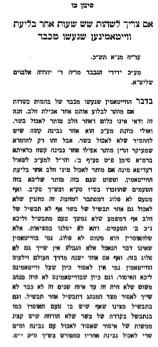
Igros Moshe Yoreh Deah 2:26 (https://hebrewbooks.org/home.aspx)
Badei haShulchan 89:15 says tasting and spitting out meat doesn't require waiting 6 hours after.
Eating meat after cheese:

עוף וגבינה אין בשר וגבינה לא - ...אלא לאו אגבינה תחלה 1) והא דנקט הכא בשר וגבינה לא דק אלא גבינה ובשר לא ואגב דמזכיר בברייתא עוף תחלה נקט נמי הכא בשר תחלה וברייתא נקט עוף תחלה דאפילו עוף תחלה נאכל באפיקורן 2) ור"ת מפרש וכן הלכות גדולות דאכל בשר אסור לאכול גבינה היינו בלא נטילה וקינוח אבל בנטילה וקינוח שרי אכל גבינה מותר לאכול בשר אף בלא נטילה וקינוח ומר עוקבא דלא אכיל עד סעודה אחריתי היינו בלא נטילה וקינוח אי נמי מחמיר על עצמו היה...

(ב) אכל גבינה מותר לאכול אחריו בשר מיד ובלבד שיעיין ידיו שלא יהא שום דבר מהגבינה נדבק בהם ואם הוא בלילה שאינו יכול לעיין אותם היטב צריך לרחצם וצריך לקנח פיו ולהדיחו והקינוח הוא שילעוס פת ויקנח בו פיו יפה וכן בכל דבר שירצה חוץ מקימחא ותמרי וירקא לפי שהם נדבקים בחניכין (פי' מקום למעלה מבית הבליעה קרוב לשינים) ואין מקנחים יפה ואחר כך ידיח פיו במים או ביין במה דברים אמורים בבשר בהמה וחיה אבל אם בא לאכול בשר עוף אחר גבינה אינו צריך לא קינוח ולא נטילה: הגה ויש מחמירין אפילו בבשר אחר גבינה (מרדכי בשם מהר"ם וב"י בא"ח סי' קע"ג) וכן נוהגין שכל שהגבינה קשה אין אוכלין אחריה אפילו בשר עוף כמו בגבינה אחר בשר (וכן הוא בזוהר) ויש מקילין ואין למחות רק שיעשו קנוח והדחה ונטילת ידים מיהו טוב להחמיר:

(2) If one ate cheese it is permissible to eat meat immediately afterwards as long as one examines one's hands, so that one should not have any pieces of cheese attached to them, and if it is night and one is therefore unable to examine them thoroughly one must wash them. One must clean one's mouth and rinse it out. One cleans it by chewing bread, thereby thoroughly cleaning his mouth with it, and one can do this with anything that one chooses, except with flour, dates, or vegetables, because they attach to the palate (the area above the esophagus close to the teeth) and do not wipe well. Afterwards one should rinse one's mouth with water or wine. This was all stated in regard to meat of domestic or wild animals, but if one wishes to eat poultry after cheese there is no need for cleaning or rinsing. Comment (Ramah): some are stringent (to wait six hours) even with meat after cheese (Mordechai in the name of the Maharam and Bet Yosef, Bach siman 173) and so is the custom with hard cheese, we do not eat afterwards even poultry, like with cheese after meat (and so it is in the Zohar). Some are lenient, and one should not protest against them, but they should do cleaning, rinsing, and washing of the hands, and it is better to be stringent.

שילעוס פת. וכתב הפרי תואר אות ז' דהקינוח הוא שיבלע דוקא לא שלועס ופולט ע"ש ומיהו לכתחלה בלא"ה צריך לבלוע ואסור לפלוט משום הפסד אוכלין עיין בא"ח סי' קע"ב:

Hard cheese:
Rema is mentioning hard cheese as a chumrah- not l'ikar hadin.
שכל שהגבינה קשה. ומן הסתם אם היא ישנה ו' חדשים חשיבה קשה והכי איתא בת"ח שם די"ב:
RL cited modern poskim regarding familiar cheeses:
Rav Shlomo Zalman Auerbach in Moriah pg 79 said all our cheeses are sifficiently different. Rav Moshe is cited as saying the same in Mesoras Moshe 3 pf 191. But it's not clear if they had in mind the fancy hardened cheeses that we're now familiar with...
On the opposite end: Kovetz Teshuvos 1:58 says even American cheese is hard. He and Rav Y. Belsky felt it to be "pungent."
Yad Yehuda (need source) says never need to wait if cheese is melted but Rav Elyashiv is cholek, feelign that many cheeses are still "pungent." RL tells people to be machmir.
Tavshil shel basar/ gevinah:

(ג) אכל תבשיל של בשר מותר לאכול אחריו תבשיל של גבינה והנטילה ביניהם אינה אלא רשות (ויש מצריכים נטילה) (שערים והגהות ש"ד) אבל אם בא לאכול הגבינה עצמה אחר תבשיל של בשר או הבשר עצמו אחר תבשיל של גבינה חובה ליטול ידיו: הגה ושומן של בשר דינו כבשר עצמו (רשב"א סימן ש"י ומרדכי והגהת ש"ד) ונהגו עכשיו להחמיר שלא לאכול גבינה אחר תבשיל בשר כמו אחר בשר עצמו ואין לשנות ולפרוץ גדר (ארוך וב"י) מיהו אם אין בשר בתבשיל רק שנתבשל בקדירה של בשר מותר לאכול אחריו גבינה (שם) ואין בו מנהג להחמיר וכן נוהגין לאכול בשר אחר תבשיל שיש בו גבינה או חלב מיהו יש ליטול ידיו ביניהם ואפי' לא יאכל בשר ממש רק תבשיל של בשר אחר תבשיל של גבינה אם נגע בהן בידיו (בשערים והג"ה שערי דורא) שמש המשמש בסעודה ונוגע באוכלין אינו צריך נטילה דלא הצריכו נטילה רק לאוכלים (ב"י בשם רש"י):

(3) If one ate a cooked dish made with meat, it is permitted to eat afterward a cooked dish made with cheese, and washing between them is only optional. And there are those that require washing. But if one comes to eat cheese itself after a cooked dish made with meat or [to eat] meat itself after a cooked dish made with cheese, it is an obligation to wash his hands [between the foods]. Rema: And fat of meat has the law of meat itself. And our custom now is to be stringent to not eat cheese after a cooked dish made with meat just like after eating meat itself, and one should not change this and break this fence. However, if there is no meat in the cooked dish, only that it was cooked in a pot used for meat, it is permitted to eat cheese afterward, and there is no custom to be stringent. And so too is the custom to eat meat after a cooked dish that has cheese or milk in it. However, there is [reason] to wash one's hands between them, and this is even [in a case where] one didn't eat actual meat but rather only a cooked dish made with meat after a cooked dish made with cheese if he touched them with his hands. A servant that prepares the meal and touches the food is not required to wash because we only require washing for those eating.

Badei haShulchan (need source) explains "tavshil shel X" means something cooked in same kli as X but without mamashus inside it.
Yalkut Yosef 89:33 paskins that sefardim should be machmir.
Rav Willig gives following case: French fries in fleishig frier is OK because whatever fleishig taste in there in unintentional anyway. (Cited from Rav Schachter as well, here https://halachipedia.com/index.php?title=Waiting_between_Meat_and_Milk#cite_ref-16). This, based on Shach 19 below:

מיהו אם אין בשר כו' מותר. לקמן ריש סי' צ"ה יתבאר דאפי' לאכלו עם גבינה מותר דהוי נ"ט בר נ"ט ונראה דהא דאשמועינן הכא דמותר לאכול גבינה אחר כך היינו אפילו נתבשל בקדרה שלא הודחה יפה דהוי קצת ממשות של איסור דבכה"ג אסור לאכלו עם גבינה כמבואר לשם ושרי הכא:

The Shach above is asking what the chiddush of the Rema is and answering that it must be when there's some mamashus- it's muttar because it's unintended.
RAE below answers differently:
(ש"ך סקי"ט) דהוי נ"ט בר נ"ט. לענ"ד י"ל דנ"מ אפי' בשלו חומץ דחריף בקערה של בשר דאין בו משום נ"ט בר נ"ט אפ"ה מותר לאכול גבינה אחריו:
Crumbs from and bread used during a meal:

(ד) מי שאכל גבינה ורוצה לאכול בשר צריך לבער מעל השלחן שיורי פת שאכלו עם הגבינה ואסור לאכול גבינה על מפה שאכלו בה בשר (וכן להפך אסור) (כן משמע בארוך) וכל שכן שאסור לחתוך גבינה אפי' צוננת בסכין שרגילין לחתוך בשר ולא עוד אלא אפילו הפת שאוכלים עם הגבינה אסור לחתוך בסכין שחותכין בה בשר: הגה וכן להפך נמי אסור מיהו על ידי נעיצה בקרקע קשה שרי (ב"י בשם א"ח וכל בו) אבל כבר נהגו כל ישראל להיות להם שני סכינים ולרשום אחד מהם שיהא לו היכר ונהגו לרשום של חלב ואין לשנות מנהג של ישראל:

(4) One who ate cheese, and wants to eat meat, needs to remove from the table leftover bread that he ate with the cheese. And it is forbidden to eat cheese on the tablecloth that they ate meat on. (And vice-versa is similarly forbidden.) (So is implied in the Aruch.) And all the more so is it forbidden to cut cheese, even cold, with a knife that they usually use to cut meat. And not only that, but even the bread that they eat with the cheese is forbidden to cut with a knife that they use to cut meat. And vice-versa is also similarly forbidden. However, via stabbing into hard ground, it is permitted. (Beit Yosef, quoting A"Ch and Kol Bo). But, all of Israel already is accustomed to having two knives and to mark one of them, so it is distinguished, they are accustomed to marking the dairy one, and it's not right to change a custom of Israel.
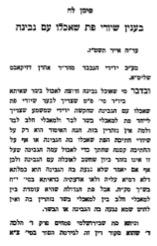
Igros Moshe YD 1:38 (https://hebrewbooks.org/pdfpager.aspx?req=917&st=&pgnum=54)
Badei haShulchan (need source) extends R. Moshe's "french toast kula" to other parve foods so long as they have their own serving utensils and aren't eaten around kids.
Tablecloths:

על מפה. עיין מ"ש רדב"ז ח"ב סי' תשכ"א שכתב שאין דברי הרב אלא כשהיו מניחין הבשר והגבינה על המפה ואז יש לחוש שמא ידבקו זה בזה אבל מנהגינו להביא כל מאכל על השלחן בקערות כו' הלכך אפי' לצאת ידי חומרת הרשב"א ז"ל בהפוך המפה לחוד ובהסרת הפתיתין סגי וכן נהגו ע"כ דבריו עיין שם:

Badei haShulchan (need source) says the minhag is to use two separate tablecloths.
Yad Avraham (need source) allows one to use one table for one min and the other side for another.
Knives:

מיהו ע"י נעיצה כו'. זה קאי אמ"ש שרוצה לחתוך גבינה בסכין של בשר אבל במ"ש שאסור לחתוך לחם כו' לא צריך רק קינוח הסכין כדמשמע בב"י במ"ש בשם א"ח בשם רבי' שמשון ושם כתוב הטעם דהוה נ"ט בר נ"ט ולדידן א"צ לזה שהרי מבואר בסי' צ"ו דדוקא בדבר חריף אמרינן דבולע משום דוחקא דסכין:

מיהו ע"י נעיצה בקרקע קשה שרי. משמע דאם נעצו בקרקע קשה מותר לכתחלה לחתוך בו פת לאכול עם גבינה...

Note: Badei haShulchan cites Magen Avrahahm that we shouldn't do hagalah just to switch dishes between meet and milk except before Pesach.
Rav Schachter was meikil by a restuarant that wanted to do so though- minhag doesn't apply to whole buisiness.
SHIUR 14- si' 97 DAIRY BREAD