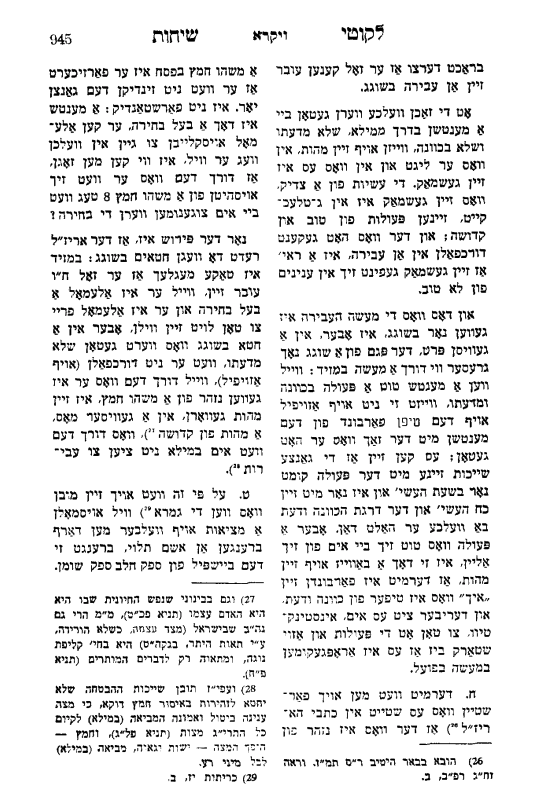
במשהו. מדאורייתא הוי חמץ כשאר איסורים אלא שחכמים החמירו בו כיון דאית בה כרת ולא בדילי מיניה כולי שתא וכתב הרב בתשובתו סי' כ"ח היכא דאיכא עוד צד להקל אפש' לסמוך על מ"ש המרדכי דיש לסמוך אשאלתו' ויש להקל ולבטל חמץ בס' כמו בשאר איסורים וכ"כ בת' מ"ב סי' ס"ט והובא ג"כ במ"א לקמן בסי' תס"ז ס"ק ל"ג ומ"מ למעשה נראה מדבריהם שאין סומכים על זה אא"כ דאיכא עוד הרבה צדדים להקל. ח"י. האר"י ז"ל כתב הנזהר ממשהו חמץ בפסח מובטח לו שלא יחטא כל השנה:
As it is taught in a baraita: If one slaughters an animal designated as a provisional guilt offering outside the Temple, Rabbi Meir deems him obligated to bring a provisional guilt offering and the Rabbis deem him exempt. Rabbi Meir deems him obligated to bring a provisional guilt offering despite the fact that it is possible the owner of the first provisional guilt offering never violated any transgression and therefore was never obligated to bring his provisional guilt offering.
אָשָׁם תָּלוּי וְחַטָּאת הָעוֹף הַבָּאָה עַל הַסָּפֵק שֶׁהִקְרִיבָן בַּחוּץ פָּטוּר שֶׁהֲרֵי לֹא נִקְבַּע הָאִסּוּר...
When a person offers a conditional guilt-offering...that is brought because of a doubt outside [the Temple Courtyard], he is exempt. [The rationale is that] it was not definitely established that a prohibition [was violated]...
מַתְנִי׳ הַמֵּבִיא אָשָׁם תָּלוּי, וְנוֹדַע לוֹ שֶׁלֹּא חָטָא, אִם עַד שֶׁלֹּא נִשְׁחַט – יֵצֵא וְיִרְעֶה בָּעֵדֶר, דִּבְרֵי רַבִּי מֵאִיר.
מתני' המביא אשם יצא וירעה בעדר - עם שאר צאנו כחולין גמורין:
וַחֲכָמִים אוֹמְרִים: יִרְעֶה עַד שֶׁיִּסְתָּאֵב וְיִמָּכֵר וְיִפְּלוּ דָּמָיו לִנְדָבָה.
And the Rabbis say: Its status is not that of a non-sacred animal; rather it is that of a guilt offering that was disqualified for sacrifice. Therefore, it shall graze until it becomes blemished; and then it shall be sold, and the money received for it shall be allocated for the purchase of communal gift offerings by the Temple treasury.
ie IT STILL HAS SANCTITY
הֵבִיא אָשָׁם תָּלוּי וְנוֹדַע לוֹ שֶׁלֹּא חָטָא אוֹ שֶׁחָטָא וַדַּאי. אִם עַד שֶׁלֹּא נִשְׁחַט יִרְעֶה עַד שֶׁיִּפּל בּוֹ מוּם וְיִפְּלוּ דָּמָיו לִנְדָבָה מִפְּנֵי שֶׁלִּבּוֹ שֶׁל אָדָם דָוֶה עַל עֲוֹנוֹתָיו וְהוֹאִיל וְעַל סָפֵק הִפְרִישׁוֹ גָּמַר בְּלִבּוֹ לְהַקְדִּישׁ...
[The following laws apply when a person] brought a conditional guilt-offering and then discovered that he did not sin or that he definitely sinned. [Should he become aware of this] before the animal was slaughtered, it should be left to pasture until it contracts a disqualifying blemish. [Then it should be sold and] the proceeds used for a freewill offering. [The rationale is that] a person's heart feels contrite because of his sins. Since he designated [the animal as a sacrifice] because of a doubt, [we assume that] he resolved to consecrate it [regardless]...
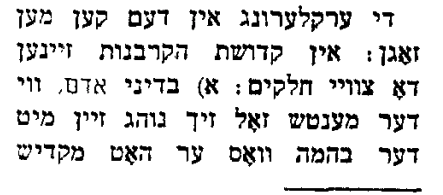
:(וי״ל שבקדושת הקרבן יש ב׳ חלקים (דינים

מכלל דכבש בן שנה בסלע - וקשה שהרי אומר בחטאת בת דנקא בפרק איזהו מקומן (זבחים דף מח.) וגם אמרינן לקמן (כריתות דף כז.) מפני מה לא נתנה תורה שיעור קצבה למחוסרי כפרה שמא יוזלו טלאים ואין להם כפרה וי"ל הא דקאמר כבש בסלע רגילות הוא שקונהו בסלע למצוה מן המובחר אבל בפחות סגי אבל אשם צריך כסף שקלים (ב׳ סלעים)
וי״ל:
והא דאמרי' דמצאת הכוכבים ואילך הוא לילה דוקא ג' כוכבים בינונים אבל פחות לא הוו לילה דהכי אמרי' במס' שבת (ד' לה:) כוכב א' יום ב' בין השמשות ג' לילה ואמרינן עלה לא כוכבים גדולים הנראים ביום ולא כוכבים קטנים הנראים בלילה אלא בינונים וכיון שכן ואין הכל בקיאין בין (בינונים לקטנים) צריך ליזהר עד שיראו הקטנים וכן במוצאי שבת צריך ליזהר ג"כ שלא לעשות שום מלאכה עד שיראו ג' כוכבים קטנים ואם הוא יום מעונן ימתין עד שיצא הספק מלבו ובע"ש ג"כ אם הוא יום מעונן יקבל אותו מבעוד יום מפני הספק וזהו עיקר היראה ליזהר מהספקות ושלא לעשות המצות ע"ד ההרגל שעונש הספק יותר מהודאי וכן מצינו שעל הודאי מביא חטאת ואמרינן (זבחים ד' מח.) דחטאת דנקא כלומר שאפי' לא יהיו דמי כשבה או שעירה שיביא לחטאת אלא דנקא די לו בזה ודנקא היא מעה והוא שתות הדינר כדאמרי' (קדושין דף יב.) שש מעין כסף דינר ואם מביא אשם על הספק כגון שהיו לפניו ב' חתיכות אחת של שומן ואחת של חלב ואכל אחת מהן ואינו יודע איזה מהן אכל (זבחים שם וכריתות ד' כו: במשנה) צריך להביא ב' סלעים שהם מ"ח מעין כי הסלע ד' דינרים והדינר ו' מעין אישתכח דב' סלעים הוו מ"ח מעין ועל הודאי סגי במעה א' בלבד והטעם בזה למה החמירו על הספק יותר מן הודאי אומר מורי הרב שהוא מפני שעל הודאי משים האדם החטא אל לבו ודואג ומתחרט עליו וחוזר בתשובה שלימה אבל על הספק עושה סברות ואומר אותה חתיכה שאכלתי אולי היתה מותרת ולא ישית אל לבו לשוב ולזה החמירו בו יותר:
Scripture tells us, according to the Version of Onkelos, that the Egyptians worshipped Aries, and therefore abstained from killing sheep, and held shepherds in contempt. The verse says “Behold we shall sacrifice the abomination of the Egyptians,” etc. (Exod. 8:26); “For every shepherd is an abomination to the Egyptians” (Gen. 46:34). Some sects among the Sabeans worshipped demons, and imagined that these assumed the form of goats, and called them therefore “goats” [se‘irim]. This worship was widespread...
For this reason those sects abstained from eating goats’ flesh. Most idolaters objected to killing cattle, holding this species of animals in great estimation. Therefore the people of Hodu [Indians] up to this day do not slaughter cattle even in those countries where other animals are slaughtered.
In order to eradicate these false principles, the Law commands us to offer sacrifices only of these three kinds: “Ye shall bring your offering of the cattle [viz.], of the herd and of the flock” (Lev. 1:2). Thus the very act which is considered by the heathen as the greatest crime, is the means of approaching God, and obtaining His pardon for our sins. In this manner, evil principles, the diseases of the human soul, are cured by other principles which are diametrically opposite.
עולה לשם עולה אשה כשישחטנו יהא שוחט לשם האש וכל אשה לשון אש ניחוח נחת רוח לפני שאמרתי ונעשה רצוני לשון רש"י (רש"י על ויקרא א׳:ט׳) ולא פירש הרב מהו לשם האש ובגמרא (זבחים מו) אמרו לאפוקי כבבא דלא ופירשו בו שישחטנו על מנת להעלותו על גבי אש בוערת במערכה לא להעלות על גבי גחלים עוממות שמתכבות והולכות ולי נראה שצריך לכוין שתאכלנו האש לגמרי לא שיצלה שם מעט והוא מלשונם בבן סורר ומורה (סנהדרין ע) כבשר כיבא דאכלי גנבי ובמסכת ערובין (כט) ונכביב וניכול ויש גורסים שם (זבחים מו) לאפוקי גבבא דלא שיתכוין להעלותו על גבי אש של עצים כדכתיב על העצים אשר על האש ולא יחשוב להעלותו על גבי אש של קש ושל גבבא כענין ששנינו (שבת לו) כירה שהסיקוה בקש ובגבבא והנה בכתוב הזה טעם הקרבנות שהם אשה ריח ניחוח לה' ואמר הרב במורה הנבוכים (ג מו) כי טעם הקרבנות בעבור שהמצרים והכשדים אשר היו ישראל גרים ותושבים בארצם מעולם היו עובדים לבקר ולצאן כי המצרים עובדים לטלה והכשדים עובדים לשדים אשר יראו להם בדמות שעירים ואנשי הודו עד היום לא ישחטו בקר לעולם בעבור כן צוה לשחוט אלה השלשה מינין לשם הנכבד כדי שיודע כי הדבר שהיו חושבים כי הם בתכלית העבירה הוא אשר יקריבו לבורא ובו יתכפרו העונות כי כן יתרפאו האמונות הרעות שהם מדוי הנפש כי כל מדוה וכל חולי לא יתרפא כי אם בהפכו אלה דבריו ובהם האריך והנה הם דברי הבאי ירפאו שבר גדול וקושיא רבה על נקלה יעשו שולחן ה' מגואל שאיננו רק להוציא מלבן של רשעים וטפשי עולם והכתוב אמר כי הם לחם אשה לריח ניחוח וגם כי לפי שטותם של מצרים לא תתרפא מחלתם בזה אבל תוסיף מכאוב כי מחשבת הרשעים הנזכרים לעבוד למזל טלה ומזל שור שיש להם כח בהם כפי מחשבתם ולכן לא יאכלו אותם לכבוד כחם ויסודם אבל אם יזבחו אותם לשם הנכבד זה כבוד להם ומעלה והם עצמם כך הם נוהגים כמו שאמר (ויקרא יז ז) ולא יזבחו עוד את זבחיהם לשעירים ועושי העגל זבחו לו והרב מזכיר שהיו מקריבים ללבנה בכל ראשי חדשיהם ולשמש בעלותה במזלות הידועים להם בספריהם ויותר תתרפא המחלה באכלינו מהם לשובע שהוא אסור להם ומגונה בעיניהם ולא יעשו כן לעולם והנה נח בצאתו מן התיבה עם שלשת בניו אין בעולם כשדי או מצרי הקריב קרבן וייטב בעיני ה' ואמר בו (בראשית ח כא) וירח ה' את ריח הניחוח וממנו אמר אל לבו לא אוסיף עוד לקלל את האדמה בעבור האדם (שם) והבל הביא גם הוא מבכורות צאנו ומחלביהן וישע ה' אל הבל ואל מנחתו (שם ד ד) ולא היה עדיין בעולם שמץ ע"ז כלל ובלעם אמר את שבעת המזבחות ערכתי ואעל פר ואיל במזבח (במדבר כג ד) ואין דעתו עתה לשלול ממנו אמונות רעות ולא נצטוה בכך אבל עשה כן לקרבה אל האלהים כדי שיחול עליו הדבור ולשון הקרבנות את קרבני לחמי לאשי ריח ניחוחי (שם כח ב) וחלילה שלא יהא בהם שום תועלת ורצון רק שוללות ע"ז מדעת השוטים ויותר ראוי לשמוע הטעם שאומרים בהם כי בעבור שמעשי בני אדם נגמרים במחשבה ובדבור ובמעשה צוה השם כי כאשר יחטא יביא קרבן יסמוך ידיו עליו כנגד המעשה ויתודה בפיו כנגד הדבור וישרוף באש הקרב והכליות שהם כלי המחשבה והתאוה והכרעים כנגד ידיו ורגליו של אדם העושים כל מלאכתו ויזרוק הדם על המזבח כנגד דמו בנפשו כדי שיחשוב אדם בעשותו כל אלה כי חטא לאלהיו בגופו ובנפשו וראוי לו שישפך דמו וישרף גופו לולא חסד הבורא שלקח ממנו תמורה וכפר הקרבן הזה שיהא דמו תחת דמו נפש תחת נפש וראשי אברי הקרבן כנגד ראשי אבריו והמנות להחיות בהן מורי התורה שיתפללו עליו וקרבן התמיד בעבור שלא ינצלו הרבים מחטוא תמיד ואלה דברים מתקבלים מושכים את הלב כדברי אגדה ועל דרך האמת יש בקרבנות סוד נעלם תכנס בו ממה שאמרו רבותינו בספרי (פנחס קמג) ובסוף מנחות (קי) אמר שמעון בן עזאי בא וראה מה כתיב בפ' הקרבנות שלא נאמר בהם לא אל ולא אלהיך ולא אלהים ולא שדי ולא צבאות אלא יו"ד ה"א שם המיוחד שלא ליתן פתחון פה לבעל הדין לחלוק ושמא תאמר לאכילה הוא צריך תלמוד לומר אם ארעב לא אומר לך כי לי תבל ומלואה (תהלים נ יב) לא אמרתי לכם זבחו אלא כדי שיאמר ויעשה רצוני ובתחלת ת"כ (פרשה ב ה) רבי יוסי אומר כל מקום שנאמר קרבן אמור ביו"ד ה"א שלא ליתן פתחון פה לאפיקורסים לרדות אלו דבריהם..
...The verse mentions a reason for the offerings, namely, that they are a fire-offering, of a pleasing odor unto the Eternal.
The Rabbi [Moshe ben Maimon] wrote in the Moreh Nebuchim that the reason for the offerings is because the Egyptians and the Chaldeans in whose lands the children of Israel were strangers and sojourners, used always to worship the herd and the flock, the Egyptians worshipping the sheep and the Chaldeans worshipping the demons whom they imagined as assuming the form of goats. To this day men of India never slaughter the herd. It was for this reason that He commanded [Israel] to slaughter these three species [of cattle: the herd, the flock, and the goats], to the Revered Name, so that it be known that the very act which the idol-worshippers considered to be the utmost sin [i.e., slaughtering the above species], that same act should be done as an offering before the Creator, and through it Israel’s sins would be forgiven. For such is the way to cure people of false beliefs, which are the diseasees of the human soul, for all diseases and sicknesses are healed by medicines which are antithetical to them. These are the words [the Rabbi Moshe ben Maimon], and he expounded them at great length.
But these words are mere expressions, healing casually a severe wound and a great difficulty, and making the table of the Eternal polluted, [as if the offerings were intended only] to remove false beliefs from the hearts of the wicked and fools of the world, when Scripture says that they are the food of the offering made by fire, for a pleasing odor. Moreover, [if the offerings were meant to eliminate] the foolish [ideas] of the Egyptians, their disease would not thereby be cured. On the contrary, it would increase the cause of sorrow, for since the intention of the above-mentioned wicked ones was to worship the constellations of the sheep and the ox, which according to their opinion possess certain powers [over human affairs], and which is why they abstain from eating them in deference to their power and strength, then if these species are slaughtered to the Revered Name, it is a mark of respect and honor to [these constellations]. These worshippers themselves were in the habit of so doing, as He has said, And they shall no more sacrifice their sacrifices unto the satyrs, and those who made the [golden] calf sacrificed to it. Now the Rabbi [Moshe ben Maimon] mentions that the idol-worshippers used to sacrifice to the moon on the days of new-moon, and to the sun when it rose in a particular constellation known to them from their books. The disease of idolatry would surely have been far better cured if we were to eat [these animal-deities] to our full, which would be considered by them forbidden and repugnant, and something they would never do!
Furthermore, when Noah came out of the ark with his three sons, there were as yet no Chaldeans or Egyptians in the world, yet he brought an offering, which was pleasing to G-d, as concerning it Scripture says, And the Eternal smelled the pleasing odor, and on account of it He said in His heart, ‘I will not again curse the ground any more for man’s sake...'
The Scriptural expression concerning the offerings is, My food which is presented unto Me for offerings made by fire, for a pleasing odor unto Me. Far be it that they should have no other purpose and intention except the elimination of idolatrous opinions from the minds of fools!
It is far more fitting to accept the reason for the offerings which scholars say, namely that since man’s deeds are accomplished through thought, speech and action, therefore G-d commanded that when man sins and brings an offering, he should lay his hands upon it in contrast to the [evil] deed [committed]. He should confess his sin verbally in contrast to his [evil] speech, and he should burn the inwards and the kidneys [of the offering] in fire because they are the instruments of thought and desire in the human being. He should burn the legs [of the offering] since they correspond to the hands and feet of a person, which do all his work. He should sprinkle the blood upon the altar, which is analogous to the blood in his body. All these acts are performed in order that when they are done, a person should realize that he has sinned against his G-d with his body and his soul, and that “his” blood should really be spilled and “his” body burned, were it not for the loving-kindness of the Creator, Who took from him a substitute and a ransom, namely this offering, so that its blood should be in place of his blood, its life in place of his life, and that the chief limbs of the offering should be in place of the chief parts of his body. The portions [given from the sin-offering to the priests], are in order to support the teachers of the Torah, so that they pray on his behalf. The reason for the Daily public Offering is that it is impossible for the public [as a whole] to continually avoid sin. Now these are words which are worthy to be accepted, appealing to the heart as do words of Agadah...