


(א) שְׁנַיִם אוֹחֲזִין בְּטַלִּית, זֶה אוֹמֵר אֲנִי מְצָאתִיהָ וְזֶה אוֹמֵר אֲנִי מְצָאתִיהָ, זֶה אוֹמֵר כֻּלָּהּ שֶׁלִּי וְזֶה אוֹמֵר כֻּלָּהּ שֶׁלִּי, זֶה יִשָּׁבַע שֶׁאֵין לוֹ בָהּ פָּחוֹת מֵחֶצְיָהּ, וְזֶה יִשָּׁבַע שֶׁאֵין לוֹ בָהּ פָּחוֹת מֵחֶצְיָהּ, וְיַחֲלֹקוּ.
Two hold a garment, and this says: I found it, and that says: I found it; this says: All of it is mine, and that says: All of it is mine; This takes an oath that he does not have less than half of it, and that takes an oath that he does not have less than half of it, and they divide it.
אָמַר רַבָּה בַּר בַּר חָנָה אָמַר רַבִּי יוֹחָנָן: ״מָנֶה לִי בְּיָדְךָ״, וְהַלָּה אוֹמֵר: ״אֵין לְךָ בְּיָדִי כְּלוּם״, וְהָעֵדִים מְעִידִים אוֹתוֹ שֶׁיֵּשׁ לוֹ, וְחָזַר וְאָמַר: ״פָּרַעְתִּי״ – הוּחְזַק כַּפְרָן לְאוֹתוֹ מָמוֹן.
כִּי הָא דְּשַׁבְּתַאי בְּרֵיהּ דְּרַבִּי מָרִינוּס כְּתַב לַהּ לְכַלְּתֵיהּ אִיצְטְלָא דְמֵילָתָא בִּכְתוּבְּתַהּ, וְקַבְּלַהּ עֲלֵיהּ. אִירְכַס כְּתוּבְּתַהּ. אֲמַר לַהּ: ״לָא הָיוּ דְּבָרִים מֵעוֹלָם״. אֲתוֹ סָהֲדֵי וְאָמְרִי: אִין כְּתַב לַהּ. לְסוֹף אֲמַר לְהוּ: ״פְּרַעְתִּיהָ״. אֲתָא לְקַמֵּיהּ דְּרַבִּי חִיָּיא, אֲמַר לֵיהּ: הוּחְזַקְתָּ כַּפְרָן לְאוֹתָהּ אִיצְטְלָא.
Rabba bar bar Ḥanna says that Rabbi Yoḥanan says: If one says to another: I have one hundred dinars in your possession that you borrowed from me, and the other says in response: Nothing of yours is in my possession, and the witnesses testify that, , he does have such a debt, and subsequently the debtor said: I repaid the debt, in that case the debtor assumes the presumptive status of one who denies his debts with regard to that money. It is like the ruling in this case, where Shabbtai, son of Rabbi Marinus, wrote a pledge to give his daughter-in-law a cloak [itztela] of fine wool [demileta] in her marriage contract, and he accepted upon himself the status of a guarantor for the contract. Her marriage contract was lost. Shabbtai said to her: These matters never occurred; I never wrote that I would give you such a cloak. Witnesses then came and said: Yes, he did write her this pledge. He then said to them: I paid it, i.e., I gave her the cloak. This case came before Rabbi Ḥiyya. He said to Shabbtai: You have assumed the presumptive status of one who denies his debts with regard to that cloak.
MISHNA: If one found documents of appraisal of a debtor’s property for the purpose of debt collection; or documents concerning food, which were drawn up when one accepted upon himself to provide sustenance for another; documents of ḥalitza; or documents of refusal of a girl upon reaching majority to remain married to the man to whom her mother or brothers married her as a minor after the death of her father; or documents of beirurin, a concept that will be explained in the Gemara; or any court enactment, e.g., a promissory note that has been authenticated by the court, in all of these cases, the finder must return the document to its presumed owner.
If one found documents in a ḥafisa or in a deluskema, both of them types of containers, or if he found a roll of documents or a bundle of documents, he must return them. And how many documents are considered to be a bundle of documents? It is three that are tied together.
Rabban Shimon ben Gamliel says: If the documents make reference to loans of one person who borrowed money from three people, the finder must return them to the debtor.
If the documents make reference to loans of three people who borrowed money from one person, he must return them to the creditor.
If one found a document among his documents that were given to him by other people as a trustee, and he does not know what its nature is, i.e., he does not remember who gave it to him or whether the debt mentioned in it has been paid, the document is placed aside until Elijah the prophet comes and clarifies the issue through his prophecy.
וְרָבָא מְתָרֵץ לְטַעְמֵיהּ בְּמָקוֹם: כְּרִיכוֹת בִּרְשׁוּת הָרַבִּים הֲרֵי אֵלּוּ שֶׁלּוֹ – דְּמִינַּשְׁתְּפָא. בִּרְשׁוּת הַיָּחִיד חַיָּיב לְהַכְרִיז – דְּלָא מִינַּשְׁתְּפָא. וְהָאֲלוּמּוֹת, בֵּין בִּרְשׁוּת הָרַבִּים, וּבֵין בִּרְשׁוּת הַיָּחִיד – נוֹטֵל וּמַכְרִיז, כֵּיוָן דְּיַקִּירֵי לָא מִינַּשְׁתְּפָא. תָּא שְׁמַע: כִּכָּרוֹת שֶׁל נַחְתּוֹם – הֲרֵי אֵלּוּ שֶׁלּוֹ. הָא שֶׁל בַּעַל הַבַּיִת חַיָּיב לְהַכְרִיז. שֶׁל בַּעַל הַבַּיִת מַאי טַעְמָא? כֵּיוָן דְּאִית בְּהוּ סִימָן, דְּמִידָּע יְדִיעַ רִפְתָּא דְאִינִישׁ אִינִישׁ הוּא. וְלָא שְׁנָא רְשׁוּת הָרַבִּים וְלָא שְׁנָא רְשׁוּת הַיָּחִיד – נוֹטֵל וּמַכְרִיז, אַלְמָא סִימָן הֶעָשׂוּי לִידָּרֵס הָוֵי סִימָן, תְּיוּבְתָּא דְּרַבָּה!
רַב יְהוּדָה הֲוָה שָׁקֵיל וְאָזֵיל בָּתְרֵיהּ דְּמָר שְׁמוּאֵל בְּשׁוּקָא דְּבֵי דַיְסָא, אֲמַר לֵיהּ: מָצָא כָּאן אַרְנָקִי, מַהוּ? אֲמַר לֵיהּ: הֲרֵי אֵלּוּ שֶׁלּוֹ. בָּא יִשְׂרָאֵל וְנָתַן בָּהּ סִימָן, מַהוּ? אֲמַר לֵיהּ: חַיָּיב לְהַחְזִיר. תַּרְתֵּי! אֲמַר לֵיהּ: לִפְנִים מִשּׁוּרַת הַדִּין. כִּי הָא דַּאֲבוּהּ דִּשְׁמוּאֵל אַשְׁכַּח הָנָךְ חֲמָרֵי בְּמַדְבְּרָא וְאַהְדְּרִינְהוּ לְמָרַיְיהוּ לְבָתַר תְּרֵיסַר יַרְחֵי שַׁתָּא, לִפְנִים מִשּׁוּרַת הַדִּין. רָבָא הֲוָה שָׁקֵיל וְאָזֵיל בָּתְרֵיהּ דְּרַב נַחְמָן בְּשׁוּקָא דְגִלְדָּאֵי, וְאָמְרִי לַהּ בְּשׁוּקָא דְרַבָּנַן, אֲמַר לֵיהּ: מָצָא כָּאן אַרְנָקִי, מַהוּ? אֲמַר לֵיהּ: הֲרֵי אֵלּוּ שֶׁלּוֹ. בָּא יִשְׂרָאֵל וְנָתַן בָּהּ סִימָן, מַהוּ? אֲמַר לֵיהּ: הֲרֵי אֵלּוּ שֶׁלּוֹ. וַהֲלֹא עוֹמֵד וְצוֹוֵחַ! נַעֲשָׂה כְּצוֹוֵחַ עַל בֵּיתוֹ שֶׁנָּפַל וְעַל סְפִינָתוֹ שֶׁטָּבְעָה בַּיָּם.

The Gemara relates: There was a certain man who gave money as payment for sesame. Ultimately, the price of sesame increased, and the sellers reneged and said to him: We have no sesame; take your money. The buyer did not take his money, and the money was stolen. They came before Rava to adjudicate the case. Rava said to the buyer: Once they said to you: Take your money, and you did not take it, it is not necessary to say that their legal status is not that of a paid bailee. But my ruling is that their legal status is not even that of an unpaid bailee. The Sages said to Rava: But aren’t the sellers who reneged required to accept upon themselves the curse: He Who exacted payment? Rava said to them: Indeed, they must pay or accept the curse.
תְּנַן: אֲבָל אָמְרוּ, מִי שֶׁפָּרַע מִדּוֹר הַמַּבּוּל – הוּא עָתִיד לִיפָּרַע מִמִּי שֶׁאֵינוֹ עוֹמֵד בְּדִיבּוּרוֹ.
We learned in the mishna: But the Sages said: He Who exacted payment from the people of the generation of the flood, and from the generation of the dispersion, will in the future exact payment from whoever does not stand by his statement.
MISHNA: In the case of two gardens that were located one above the other, i.e., a garden on a plateau that borders another garden below, and vegetables grew in-between, out of the wall of soil resulting from the difference in height between the two gardens, Rabbi Meir says: These vegetables belong to the owner of the upper garden. Rabbi Yehuda says: They belong to the owner of the lower one. Rabbi Meir said in explanation of his ruling: If the owner of the upper garden would want to dig and take his dirt and does so, no vegetables would grow here, as that wall made of soil would not exist. The vegetables therefore belong to him. In response, Rabbi Yehuda said: If the owner of the lower garden would want to fill his garden with dirt and does so, thereby raising its level, no vegetables would grow here, as that wall made of soil would not exist. The vegetables therefore belong to him. Rabbi Meir said: Since the two of them can object to each other, as they each have the ability to prevent the vegetable growth, nothing can be decided based on such considerations. Instead, the court considers from where this vegetable lives and derives nourishment, whether from above or from below. Rabbi Shimon said: Any vegetables that the owner of the upper garden can stretch out his hand and take, those vegetables are his, and the rest belong to the owner of the lower garden.
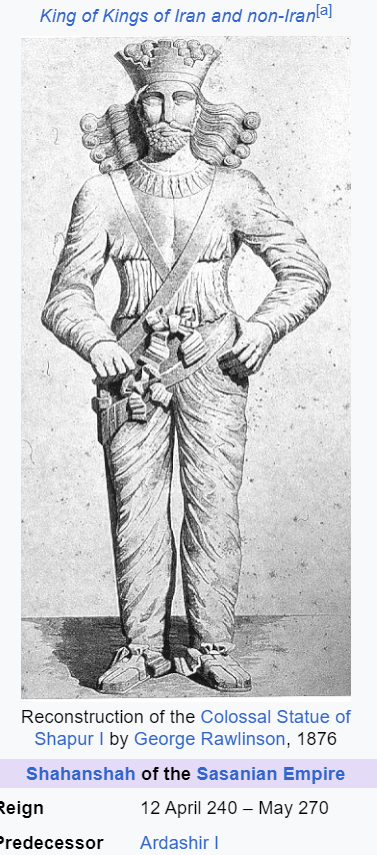
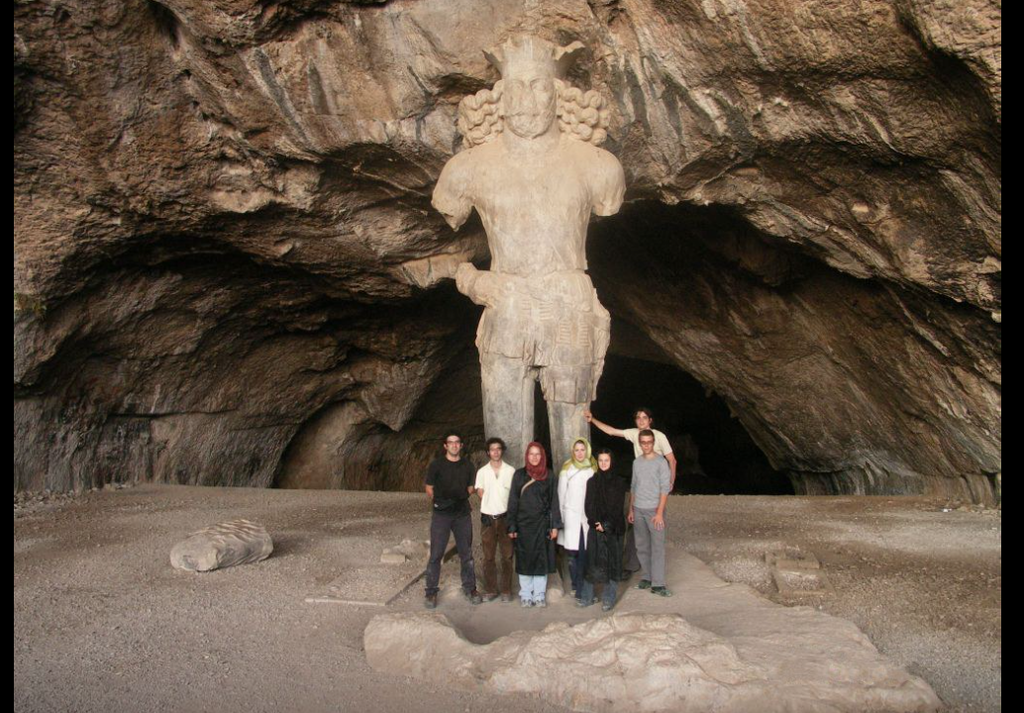
§ The mishna teaches: Rabbi Shimon said: Any vegetables that the owner of the upper garden can stretch out his hand and take, those vegetables are his, and the rest belong to the owner of the lower garden. In the school of Rabbi Yannai they say: And this is only so provided that he does not force himself, but simply stretches out his hand in the usual manner. Rav Anan, and some say it was Rabbi Yirmeya, raised a dilemma: If the owner of the upper garden can reach its leaves, but he cannot reach its roots, or if he can reach its roots but he cannot reach its leaves, what is the halakha? Is the plant considered to be within his reach or not? No answer was found for this question, and the Gemara concludes: The dilemma shall stand unresolved. Efrayim the scribe, a student of Reish Lakish, says in the name of Reish Lakish: The halakha is in accordance with the opinion of Rabbi Shimon. They stated this case before the Persian King Shapur, who expressed an interest in this legal issue, and he said to them: Let us offer a palanquin [apiryon] to Rabbi Shimon. He too felt that this was the best resolution.

(א) הֲדְרָן עֲלָךְ מַסֶּכֶת (יאמר שם המסכת) וְהֲדְרָךְ עֲלָן. דַּעְתָּן עֲלָךְ מַסֶּכֶת (יאמר שם המסכת) וְדַעְתָּךְ עֲלָן. לָא נִתְנְשֵׁי מִינָךְ מַסֶּכֶת (יאמר שם המסכת) וְלֹא תִתְנְשֵׁי מִינָן, לָא בְּעָלְמָא הָדֵין וְלֹא בְּעָלְמָא דְאַָתֵי:
(ב) יְהִי רָצוֹן מִלְּפָנֶיךָ יְיָ אֱלֹהֵינוּ וֶאֱלֹהֵי אֲבוֹתֵינוּ שֶׁתְּהֵא תּוֹרָתְךָ אֻמָּנוּתֵנוּ בָּעוֹלָם הַזֶּה וּתְהֵא עִמָּנוּ לָעוֹלָם הַבָּא. חֲנִינָא בַּר פָּפָּא, רָמִי בַּר פָּפָּא, נַחְמָן בַּר פָּפָּא, אַחַאי בַּר פָּפָּא, אַבָּא [מָרִי] בַּר פָּפָּא, רַפְרָם בַּר פָּפָּא, רָכִישׁ בַּר פָּפָּא, סוּרְחָב בַּר פָּפָּא, אַדָּא בַּר פָּפָּא, דָּרוּ בַּר פָּפָּא:
(ג) הַעֲרֵב נָא יְיָ אֱלֹהֵינוּ, אֶת דִּבְרֵי תּוֹרָתְךָ בְּפִינוּ וּבְפִיפִיּוֹת עַמְּךָ בֵּית יִשְׂרָאֵל, וְנִהְיֶה כּוּלָנוּ אֲנַחְנוּ וְצֶאֱצָאֵינוּ וְצֶאֱצָאֵי עַמְּךָ בֵּית יִשְׂרָאֵל, כּוּלָנוּ יוֹדְעֵי שְׁמֶךָ וְלוֹמְדֵי תּוֹרָתְךָ. מֵאֹיְבַי תְּחַכְּמֵנִי מִצְוֹתֶךָ כִּי לְעוֹלָם הִיא לִי. יְהִי לִבִּי תָמִים בְּחֻקֶּיךָ לְמַעַן לֹא אֵבוֹש. לְעוֹלָם לֹא אֶשְׁכַּח פִּקּוּדֶיךָ כִּי בָם חִיִּיתָנִי. בָּרוּךְ אַתָּה יְיָ לַמֽדֵנִי חֻקֶּיךָ. אָמֵן אָמֵן אָמֵן סֶלָה וָעֶד:
(ד) מוֹדִים אֲנַחְנוּ לְּפָנֶיךָ יְיָ אֱלֹהֵינוּ וֶאֱלֹהֵי אַבוֹתֵינוּ שֶׁשַּׂמְתָּ חֶלְקֵנוּ מִיּוֹשְׁבֵי בֵּית הַמִּדְרָשׁ, וְלֹא שַׂמְתָּ חֶלְקֵנוּ מִיּוֹשְׁבֵי קְרָנוֹת. שֶׁאָנוּ מַשְׁכִּימִים וְהֵם מַשְׁכִּימִים. אָנוּ מַשְׁכִּימִים לְדִבְרֵי תּוֹרָה וְהֵם מַשְׁכִּימִים לִדְבָרִים בְּטֵלִים. אָנוּ עֲמֵלִים וְהֵם עֲמֵלִים. אָנו עֲמֵלִים וּמְקַבְּלִים שָׂכָר וְהֵם עֲמֵלִים וְאֵינָם מְקַבְּלִים שָׂכָר. אָנוּ רָצִים וְהֵם רָצִים. אָנוּ רָצִים לְחַיֵּי הָעוֹלָם הַבָּא, וְהֵם רָצִים לִבְאֵר שַׁחַת. שֶׁנֱאמַר: וְאַתָּה אֱלֹהִים תּוֹרִדֵם לִבְאֵר שַׁחַת אַנְשֵׁי דָמִים וּמִרְמָה לֹא יֶחֱצוּ יְמֵיהֶם וַאֲנִי אֶבְטַח בָּךְ:
(ה) יְהִי רָצוֹן מִלְּפָנֶיךָ יְיָ אֱלֹהַי, כְּשֵׁם שֶׁעֲזַרֽתַּנִי לְסַיֵים מַסֶּכֶת (יאמר שם המסכת), כֵּן תּֽעַזְרֵנִי לְהַתְחִיל מַסֶּכְתּוֹת וּסֽפָרִים אַחֵרִים וּלְסַיֵימָם, לִלְמֹד וּלְלַמֵּד, לִשְׁמֹר וְלַעֲשׂוֹת וּלְקַיֵּם אֶת כָּל דִּבְרֵי תַלְמוּד תּוֹרָתֶךָ בְּאַהֲבָה, וּזְכוּת כָּל הַתַּנָּאִים וַאַמוֹרָאִים וּתַלְמִידֵי חֲכָמִים יַעֲמוֹד לִי וּלְזַרְעִי שֶׁלֹא תָּמוּש הַתּוֹרָה מִפִּי וּמִפִּי זַרְעִי עַד עוֹלָם. וַיִתְקַיֵים בִּי: בְּהִתְהַלֶּכְךָ תַּנְחֶה אֹתָךְ בְּשָׁכְבְּךָ תִּשְׁמֹר עָלֶיךָ וַהֲקִיצוֹתָ הִיא תְשִׂיחֶךָ. כִּי בִי יִרְבּוּ יָמֶיךָ וְיוֹסִיפוּ לְּךָ שְׁנוֹת חַיִּים. אֹרֶךְ יָמִים בִּימִינָהּ בִּשְׂמֹאולָהּ עֹשֶׁר וְכָבוֹד. יְיָ עֹז לְעַמּוֹ יִתֵּן יְיָ יְבָרֵךְ אֶת עַמּוֹ בַשָּׁלוֹם:
(ו) יִתְגַּדַּל וְיִתְקַדַּשׁ שְׁמֵהּ רַבָּא. בְּעָלְמָא דִּי הוּא עָתִיד לְאִתְחַדְתָּא. וּלְאַחֲיָאה מֵתַיָּא. וּלְאַסָּקָא יַתְּהוֹן לְחַיֵּי עָלְמָא. וּלְמִבְנָא קַרְתָּא דִּי יְרוּשְלֵם. וּלְשַׁכְלְלָא הֵיכָלֵהּ בְּגַוָּהּ. וּלְמֶעֱקַר פּוּלְחָנָא נוּכְרָאָה מִן אַרְעָה. וּלְאָתָבָא פּוּלְחָנָא דִּי שְׁמַיָּא לְאַתְרָהּ. וְיַמְלִיך קוּדְשָׁא בְּרִיךְ הוּא בּמַלְכוּתֵה וִיקָרֵהּ. בְּחַיֵּיכוֹן וּבְיוֹמֵיכוֹן וּבְחַיֵּי דְכָל בֵּית יִשְׂרָאֵל, בַּעֲגָלָא וּבִזְמַן קָרִיב. וְאִמְרוּ אָמֵן. יְהֵא שְׁמֵהּ רַבָּא מְבָרַךְ לְעָלַם וּלְעָלְמֵי עָלְמַיָּא. יִתְבָּרַךְ וְיִשְׁתַּבַּח וְיִתְפָּאַר וְיִתְרוֹמַם וְיִתְנַשֵּׂא וְיִתְהַדָּר וְיִתְעַלֶּה וְיִתְהַלָּל שְׁמֵהּ דְּקֻדְשָׁא. בְּרִיךְ הוּא. לְעֵלָּא (בעשי"ת לְעֵלָּא לְעֵלָּא מִכָּל) מִן כָּל בִּרְכָתָא וְשִׁירָתָא תֻּשְׁבְּחָתָא וְנֶחֱמָתָא דַּאֲמִירָן בְּעָלְמָא. וְאִמְרוּ אָמֵן. [עַל יִשְׂרָאֵל וְעַל רַבָּנָן וְעַל תַּלְמִידֵיהוֹן וְעַל כָּל תַּלְמִידֵי תַלְמִידֵיהוֹן וְעַל כָּל מַאן דְּעָסְקִין בְּאוֹרַיְתָא דִּי בְאַתְרָא [בא"י: קַדִּישָׁא] הָדֵין וְדִי בְכָל אֲתַר וַאֲתַר. יִהֵא לְהוֹן וּלְכוֹן שְׁלָמָא רַבָּא חִנָּא וְחִסְדָּא וְרַחֲמֵי וְחַיֵּי אֲרִיכֵי וּמְזוֹנֵי רְוִיחֵי וּפֻרְקָנָא מִן קֳדָם אֲבוּהוֹן דִּי בִשְׁמַיָא (וְאַרְעָא) וְאִמְרוּ אָמֵן:] יְהֵא שְׁלָמָא רַבָּא מִן שְׁמַיָּא וְחַיִּים עָלֵינוּ וְעַל כָּל יִשְׂרָאֵל. וְאִמְרוּ אָמֵן: עוֹשֶׂה שָׁלוֹם (בעשי"ת הַשָּׁלוֹם) בִּמְרוֹמָיו הוּא יַעֲשֶׂה שָׁלוֹם עָלֵינוּ וְעַל כָּל יִשְׂרָאֵל וְאִמְרוּ אָמֵן:
(1) We will return to you, Tractate ____ [fill in the name of the tractate], and you will return to us; our mind is on you, Tractate ____, and your mind is on us; we will not forget you, Tractate ____, and you will not forget us – not in this world and not in the next world.
(2) May it be Your will, our G-d, and the G-d of our fathers, that we should be loyal to Your Torah in this world, and it should be with us in the next world. Chaninah bar Pappa, Rami bar Pappa, Nachman bar Pappa, Achai bar Pappa, Aba bar Pappa, Rafram bar Pappa, Rachish bar Pappa, Sorchav bar Pappa, Ada bar Pappa, Daro bar Pappa.
(3) Please make it sweet, G-d our G-d, the words of Your Torah. In our mouths, and in the mouths of your nation the House of Israel. And it should be that we, all of us, our children and the children of your nation the House of Israel, that we should all know Your name and learn Your Torah. [Psalms 119:98] "Your commandment makes me wiser than my enemies, for it is ever with me." [Psalms 119:80] "Let my heart be complete in Your statutes, in order that I may not be put to shame." [Psalms 119:93] "I will never forget Your precepts; for with them You have quickened me." [Psalms 119:12] "Blessed are You O G-d, teach me Your statutes." (and forever)
(4) We give thanks before You, Lord, our G-d and G-d of our fathers, for you gave us a share among those who sit in the study hall, and not among those who sit on street corners. For we arise early, and they arise early; we arise for words of Torah, and they arise for words of emptiness. We work, and they work; we work and receive a reward, and they work and do not receive a reward. We run, and they run; we run towards eternal life, and they run to a pit of desolation. As it says: (Psalms 55:24) "And You, O Lord, bring them down into a pit of desolation, people of blood and deceit will not live out half of their days; and I, I will trust in You."
(5) May it be your will, Lord my G-d, just as You have helped me to complete tractate _____, so too may you help me to start other tractates and books, and to complete them, to learn and to teach, to observe and to enact and to fulfill all the words of the teaching of your Torah with love. And may the merit of all of the Tannaim and Amoraim and Torah scholars be present for me and for my descendants, to ensure that the Torah does not depart from my mouth and from the mouths of my descendants for all eternity. And may the following be fulfilled for me: (Proverbs 6:22) "When you walk, it will lead you, when you lie down, it will watch over you. When you awake, it will speak with you." (Proverbs 9:11) "For through me your days will be multiplied, and the years of your life will be increased." (Proverbs 3:16) "Length of days is in her right hand; in her left, riches and honor." (Psalms 29:11) "G-d will give strength to his nation, G-d will bless his nation with peace."
(6) May your great name be made holier and greater, in this world that he is destined to renew and to give life to the dead and raise them to eternal life, to build the city of Yerushalayim, and complete the Beis HaMikdosh in its midst. And to uproot idol worship from the Land, return the service of the Heaven to its place, and the Holy One Blessed Be He shall rule in his majesty and splendor in our lives, and in the lifetime of the entire household of Israel, swiftly and in the near future; and say, Amen. May his great name be blessed, forever and ever. Blessed, praised, glorified, exalted, extolled, honored elevated and lauded be the Name of the holy one, Blessed is he- above and beyond any blessings and hymns, Praises and consolations which are uttered in the world; and say Amen. May there be abundant peace from Heaven, and life, upon us and upon all Israel; and say, Amen.