


-Dr. Abraham Maslow
-Ralph Waldo Emerson
And Rabbi Ḥama, son of Rabbi Ḥanina, says: What is the meaning of that which is written: “After HaShem your Lord shall you walk, and Him shall you fear, and His commandments shall you keep, and unto His voice shall you hearken, and Him shall you serve, and unto Him shall you cleave” (Deuteronomy 13:5)? But is it actually possible for a person to follow the Divine Presence? But hasn’t it already been stated: “For the Lord your God is a devouring fire, a jealous God” (Deuteronomy 4:24), and one cannot approach fire.
"The greatest discovery of all time is that a person can change their future by merely changing their attitude."
[Our Sages] taught [the following] explanation of this mitzvah:
Just as He is called "Gracious," you shall be gracious;
Just as He is called "Merciful," you shall be merciful;
Just as He is called "Holy," you shall be holy;
In a similar manner, the prophets called The Creator by other titles: "Slow to anger," "Abundant in kindness," "Righteous," "Just," "Perfect," "Almighty," "Powerful," and the like. [They did so] to inform us that these are good and just paths. A person is obligated to accustom himself to these paths and [to try to] resemble Him to the extent of his ability.
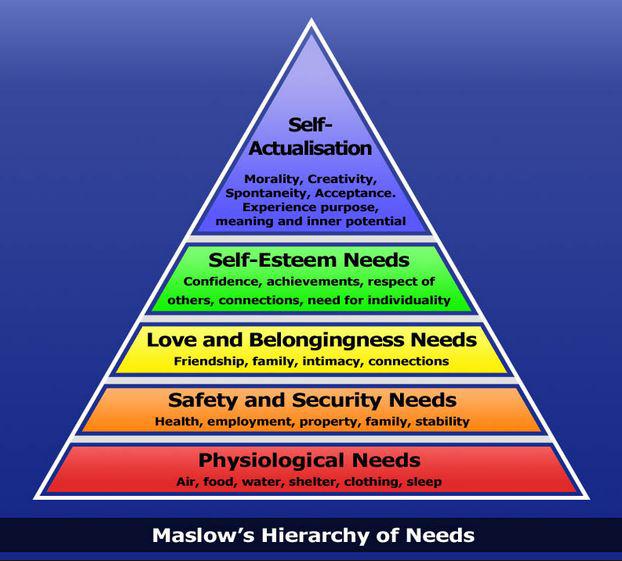
-Dr. Abraham Maslow
What is implied? One who shuns pride and turns to the other extreme and carries himself lowly is called pious. This is the quality of piety. However, if he separates himself [from pride] only to the extent that he reaches the mean and displays humility, he is called wise. This is the quality of wisdom. The same applies with regard to other character traits.
The pious of the early generations would bend their temperaments from the intermediate path towards [either of] the two extremes. For some traits they would veer towards the final extreme, for others, towards the first extreme. This is referred to as [behavior] beyond the measure of the law.
We are commanded to walk in these intermediate paths - and they are good and straight paths - as [Deuteronomy 28:9] states: "And you shall walk in His ways."
Rabbi Samlai taught: With regard to the Torah, its beginning is an act of kindness, and its end is an act of kindness. Its beginning is an act of kindness, as it is written: “And the Lord God made for Adam and his wife garments of skin, and clothed them” (Genesis 3:21). And its end is an act of kindness, as it is written: “And he was buried in the valley in the land of Moab” (Deuteronomy 34:6).
-Dr. Abraham Maslow
מִיסוֹדֵי הַדָּת לֵידַע שֶׁהָאֵל מְנַבֵּא אֶת בְּנֵי הָאָדָם. וְאֵין הַנְּבוּאָה חָלָה אֶלָּא עַל חָכָם גָּדוֹל בַּחָכְמָה, גִּבּוֹר בְּמִדּוֹתָיו, וְלֹא יְהֵא יִצְרוֹ מִתְגַּבֵּר עָלָיו בְּדָבָר בָּעוֹלָם אֶלָּא הוּא מִתְגַּבֵּר בְּדַעְתּוֹ עַל יִצְרוֹ תָּמִיד. וְהוּא בַּעַל דֵּעָה רְחָבָה נְכוֹנָה עַד מְאֹד. אָדָם שֶׁהוּא מְמֻלָּא בְּכָל הַמִּדּוֹת הָאֵלּוּ שָׁלֵם בְּגוּפוֹ, כְּשֶׁיִּכָּנֵס לַפַּרְדֵּס וְיִמָּשֵׁךְ בְּאוֹתָן הָעִנְיָנִים הַגְּדוֹלִים הָרְחוֹקִים, וְתִהְיֶה לוֹ דֵּעָה נְכוֹנָה לְהָבִין וּלְהַשִּׂיג וְהוּא מִתְקַדֵּשׁ וְהוֹלֵךְ וּפוֹרֵשׁ מִדַּרְכֵי כְּלַל הָעָם הַהוֹלְכִים בְּמַחֲשַׁכֵּי הַזְּמַן, וְהוֹלֵךְ וּמְזָרֵז עַצְמוֹ וּמְלַמֵּד נַפְשׁוֹ שֶׁלֹּא תִּהְיֶה לוֹ מַחֲשָׁבָה כְּלָל בְּאֶחָד מִדְּבָרִים בְּטֵלִים וְלֹא מֵהַבְלֵי הַזְּמַן וְתַחְבּוּלוֹתָיו, אֶלָּא דַּעְתּוֹ פְּנוּיָה תָּמִיד לְמַעְלָה קְשׁוּרָה תַּחַת הַכִּסֵּא לְהָבִין בְּאוֹתָן הַצּוּרוֹת הַקְּדוֹשׁוֹת הַטְּהוֹרוֹת, וּמִסְתַּכֵּל בְּחָכְמָתוֹ שֶׁל הַקָּדוֹשׁ בָּרוּךְ הוּא כֻּלָּהּ מִצּוּרָה רִאשׁוֹנָה עַד טַבּוּר הָאָרֶץ וְיוֹדֵעַ מֵהֶן גָּדְלוֹ, מִיָּד רוּחַ הַקֹּדֶשׁ שׁוֹרָה עָלָיו. וּבְעֵת שֶׁתָּנוּחַ עָלָיו הָרוּחַ תִּתְעָרֵב נַפְשׁוֹ בְּמַעֲלַת הַמַּלְאָכִים הַנִּקְרָאִים אִישִׁים וְיֵהָפֵךְ לְאִישׁ אַחֵר וְיָבִין בְּדַעְתּוֹ שֶׁאֵינוֹ כְּמוֹת שֶׁהָיָה אֶלָּא שֶׁנִּתְעַלָּה עַל מַעֲלַת שְׁאָר בְּנֵי אָדָם הַחֲכָמִים, כְּמוֹ שֶׁנֶּאֱמַר בְּשָׁאוּל (שמואל א י ו) "וְהִתְנַבִּיתָ עִמָּם וְנֶהְפַּכְתָּ לְאִישׁ אַחֵר":
It is [one] of the foundations of [our] Knowledge that the Creator conveys prophecy to man.
Prophecy is bestowed only upon a very wise sage of a strong character who is never overcome by his natural inclinations in any regard. Instead, with his mind, he overcomes his natural inclinations at all times. He must [also] possess a very broad and accurate mental capacity.
A person who is full of all these qualities and is physically sound [is fit for prophecy]. When he enters the Pardes and is drawn into these great and sublime concepts, if he possesses an accurate mental capacity to comprehend and grasp [them], he will become holy. He will advance and separate himself from the masses who proceed in the darkness of the time. He must continue and diligently train himself not to have any thoughts whatsoever about fruitless things or the vanities and intrigues of the times.
Instead, his mind should constantly be directed upward, bound beneath [HaShem's] throne [of Glory, striving] to comprehend the holy and pure forms and gazing at the wisdom of the Holy One, blessed be He, in its entirety, [in its manifold manifestations] from the most elevated [spiritual] form until the navel of the earth, appreciating His greatness from them. [After these preparations,] the divine spirit will immediately rest upon him.
When the spirit rests upon him, his soul becomes intermingled with the angels called ishim, and he will be transformed into a different person and understand with a knowledge different from what it was previously. He will rise above the level of other wise men, as [the prophet, Samuel] told Saul [I Samuel 10:6]: "[The spirit of HaShem will descend upon you] and you shall prophesy with them. And you will be transformed into a different person."