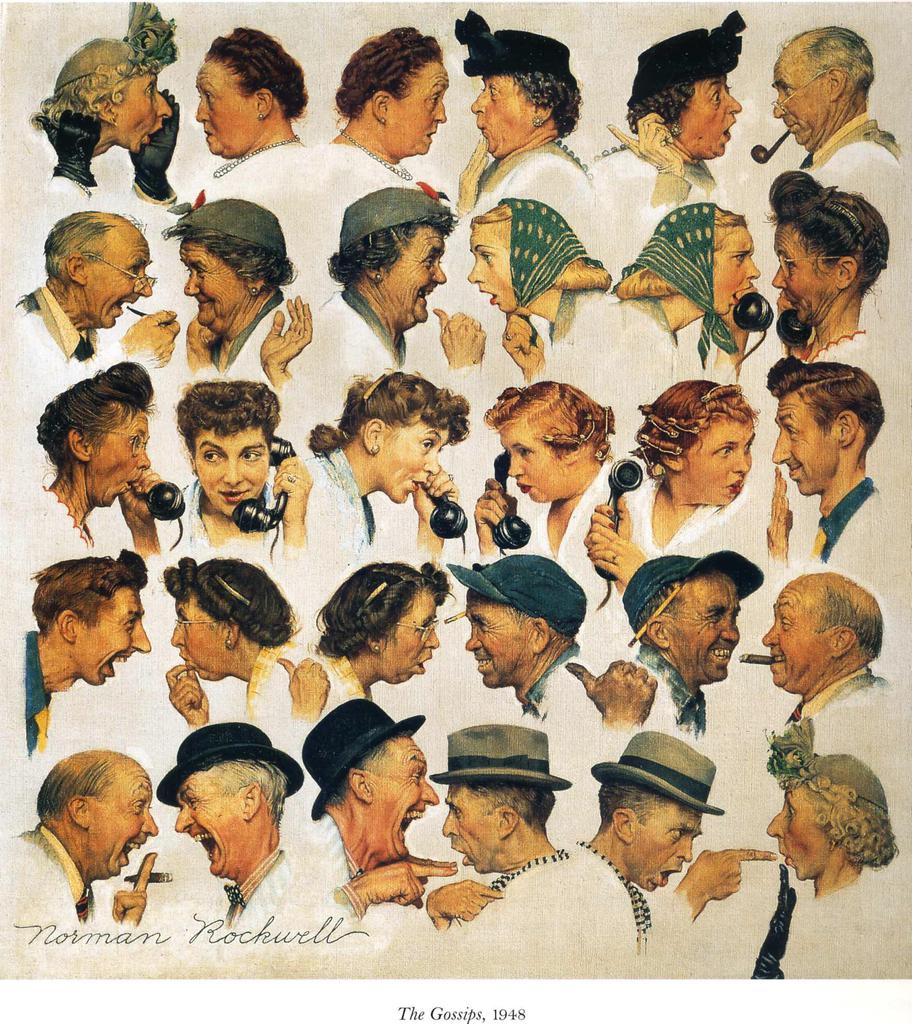
Those who love it will eat its fruit.
מָוֶת וְחַיִּים בְּיַד לָשׁוֹן, תַּרְגוּם עֲקִילַס, מִיצְטְרָא מָכִירִין, מָוֶת מִכָּאן וְחַיִּים מִכָּאן. בַּר סִירָא אָמַר הָיְתָה לְפָנָיו גַּחֶלֶת וְנָפַח בָּהּ וּבָעֲרָהּ, רָקַק בָּהּ וְכָבַת. אָמַר רַבִּי שִׁמְעוֹן בֶּן גַּמְלִיאֵל לְטָבִי עַבְדֵיהּ פּוּק זְבֵין לִי צֵדוּ טָבָא מִן שׁוּקָא, נָפַק זָבַן לֵיהּ לִשָּׁן, אָמַר לֵיהּ פּוּק זְבֵין לִי צֵדוּ בִּישָׁא מִן שׁוּקָא, נָפַק זָבַן לֵיהּ לִשָּׁן. אֲמַר לֵיהּ מַהוּ דֵּין דְּכַד אֲנָא אָמַר לָךְ צֵדוּ טָבָא אַתְּ זָבַן לִי לִשָּׁן, וְכַד אֲנָא אֲמַר לָךְ צֵדוּ בִּישָׁא אַתְּ זָבַן לִי לִשָּׁן. אֲמַר לֵיהּ מִינָּהּ טָבְתָּא וּמִינָהּ בִּישְׁתָּא, כַּד הֲוָה טַב לֵית טָבָה מִנֵּיהּ, וְכַד בִּישׁ לֵית בִּישׁ מִנֵּיהּ.
“Death and life are in the power of the tongue” (Proverbs 18:21)...
Rabbi Shimon ben Gamliel said to Tavi his servant: ‘Go out and purchase a good cut of meat for me from the market.’ He went out and purchased tongue for him. He said to him: ‘Go out and purchase a bad cut of meat for me from the market.’ He went out and purchased tongue for him. He said to him: ‘What is this, that when I said to you: Purchase a good cut of meat, you bought me tongue, and when I said to you: Purchase a bad cut of meat, you bought me tongue?’ He said to him: ‘Good comes from it and bad comes from it. When it is good, there is nothing better than it. When it is bad, there is nothing worse than it.’
יַלְקוּט שִׁמְעוֹנִי, נַ”ך תשכא
מַעֲשֶׂה הָיָה בְּמֶלֶךְ פָּרַס שֶׁחָלָה, אָמְרוּ לוֹ הָרוֹפְאִים אֵין לְךָ רְפוּאָה עַד שֶׁיָּבִיאוּ לְךָ חֲלֵב לְבִיאָה
וְנַעֲשֶׂה לְךָ רְפוּאָה, עָנָה אֶחָד וְאָמַר אֲנִי אָבִיא לְךָ חֲלֵב לְבִיאָה אִם רְצוֹנְךָ וּתְנוּ לִי עֶשֶׂר עִזִיּם, אָמַר
לַעֲבָדָיו שֶׁיִּתְּנוּ לוֹ, נָתְנוּ לוֹ הָלַךְ לְגוֹב אֲרָיוֹת, וְהָיָה שָׁם לְבִיאָה אַחַת מֵינֶקֶת גּוּרֶיהָ, יוֹם אֶחָד עָמַד
מֵרָחוֹק וְהִשְׁלִיךְ לָהּ עֵז אֶחָד וְאָכְלָה, יוֹם שֵׁנִי נִתְקָרֵב לָהּ מְעַט וְהִשְׁלִיךְ אַחֶרֶת לָהּ, עָשָׂה עַד שֶׁהָיָה
מְשַׂחֵק עִמָּהּ וְלָקַח מֵחֲלָבָהּ וְחָזַר לוֹ, כְּשֶׁהָיָה בַּחֲצִי הַדֶּרֶךְ רָאָה בַּחֲלוֹם וְהָיוּ אֵבָרִים מִתְרַסִּין זֶה עִם
זֶה, הָרַגְלַיִם אוֹמְרִים אֵין בְּכָל הָאֵיבָרִים דּוֹמִים לָנוּ, אִם לאֹ הָלַכְנוּ אָנוּ לאֹ הָיָה יָכוֹל לִיקַח הֶחָלָב,
הַיָּדַיִם אוֹמְרִים אֵין כְּמוֹתֵנוּ, אִם לאֹ הָיִינוּ עוֹשִׂין אֵין הַדָּבָר כְּלוּם, אוֹמֵר הַלֵּב אִם לאֹ נָתַתִּי הָעֵצָה
מַה הוֹעַלְתֶּם כֻּלְּכֶם, עָנְתָה הַלָּשׁוֹן אִם לאֹ אָמַרְתִּי הַדָּבָר מֶה הָיָה עוֹשֶׂה, הֵשִׁיבוּ לָהּ כָּל הָאֵיבָרִים
אֵיךְ לאֹ יָרֵאת לְהִדַּמוֹת אֵלֵינוּ, וְאַתְּ בְּמָקוֹם חֹשֶׁךְ וְאֵין בָּךְ עֵצָה כְּבִשְׁאָר הָאֵיבָרִים, אָמְרָה לָהֶם הַיּוֹם
תֹּאמְרוּ שֶׁאֲנִי שׁוֹלֵט עֲלֵיכֶם, שָׁמַע הָאִישׁ אֶת הַדְּבָרִים הָלַךְ אֶל הַמֶּלֶךְ, אָמַר לוֹ אֲדֹנִי הַמֶּלֶךְ הֵילָךְ
חֲלֵב כַּלְבְּתָא. קָצַף הַמֶּלֶךְ וְצִוָּה הַמֶּלֶךְ לִתְלוֹתוֹ, כְּשֶׁהָלַךְ הִתְחִילוּ הָאֵיבָרִים לִבְכּוֹת, אָמְרָה לָהֶם
הַלָּשׁוֹן לאֹ אָמַרְתִּי אֲלֵיכֶם שֶׁאֵין בָּכֶם מַמָשׁ, אִם אֲנִי מַצֶּלֶת אֶתְכֶם תֵּדְעוּ שֶׁאֲנִי עֲלֵיכֶם, אָמְרוּ לָהּ
הֵן, אָמַר לַתּוֹלִין אוֹתוֹ הֲשִׁיבוּנִי אֶל הַמֶּלֶךְ אוּלַי אֶנָּצֵל, הֵשִׁיבוּהוּ אֵלָיו, אָמַר לוֹ לָמָּה צִוִּיתָ לִתְלוֹתִי,
אָמַר לוֹ הֵבֵאתָ לִי חֲלֵב כַּלְבְּתָא, אֲמַר לֵיהּ מַה אִיכְפַּת לְךָ, וְתִהְיֶה לְךָ רְפוּאָה, וְעוֹד לְבִיאָה כַּלְבָּא
קוֹרִין לָהּ, לָקְחוּ מִמֶּנָּה וְנִסּוּ אוֹתָהּ וּמְצָאוּהָ חֲלֵב לְבִיאָה, אָמְרוּ לוֹ הָאֵיבָרִים, הֲרֵי אָנוּ מוֹדִים לָךְ
הֲוֵי מָוֶת וְחַיִּים בְּיַד לָשׁוֹן )מִשְׁלֵי יח, כא(.
Yalkut Shimoni, Na”kh 721
[A 15th century collection of midrashim on all of Tanakh, organized by verse, by Rabbi Shimon Ashkenazi of
Frankfurt.]
A story is told about the king of Persia that he became ill. The doctors said to him, “You will not be healed until the milk of a lioness is brought to you and your medication prepared.”
One [person] spoke up and said, “I [can] bring you the milk of a lioness. If you agree (that I bring you the milk) then give me ten goats.” [The king] said to his servants that they should give [the goats] to him (i.e., to the individual). They gave him.
[The volunteer] went to a lion’s den. A lioness was there nursing her cubs. On the first day he stood at a distance and threw her a goat, which she ate. On the second day he came a little closer and threw her another one (i.e., another goat). He did so until he was playing with her and [managed] to get some of her milk. He then [headed] back [to the king].
[And it was] when he was in the middle of his journey that he had a dream. [In his dream he saw] that [the] limbs [of his body] were boasting to each other and arguing with each other. The legs said, “None of the other limbs can compare to us. If we would not have gone, he would not have been able to get the milk.” The hands said, “There is none like us. If we would not have done [what was needed]. Nothing would have been accomplished.” Says the heart, “Had I not had the idea what good would all of you be?!” The tongue spoke up. “Had I not spoken up, what would he have done?”
All the limbs responded to the tongue, “How do you dare to compare yourself to us?
You are in a dark place and you do not have wisdom as the do the other limbs!”
The tongue said to them, “Today you will say that I rule over you.” The man heard all.
He (i.e., the volunteer) went to the king. He said to the king, “Milord, king! Here is dog’s milk.” The king was enraged and ordered him to be hung.
As he was going [to be executed] all the limbs began to cry. The tongue said to them, “Didn’t I tell you that you all lack real power? If I save you, will you all acknowledge my superiority?”
They replied, “Yes.”
The man said to the executioner, “Take me back to the king. Maybe I can yet be saved.” He was brought back to the king.
He said to the king, “Why did you order to hang me?”
“You brought me dog’s milk!”
“What’s it to you [where the milk is from] as long as it cures you? Anyways, people refer to a lioness as a female dog.” They took a sample and tested it and discovered it to be milk from a lioness.
The limbs said to [the tongue], “We are grateful to you.”
Thus you have it that “death and life are in the power of the tongue”! (Mishlei 18:21)
(א) וְאִם עָסַק אָדָם בְּלָשׁוֹן הָרַע, מִתְחַיֵּב בְּנַפְשׁוֹ, לְמָוֶת. שֶׁקָּשֶׁה לָשׁוֹן הָרַע כִּשְׁפִיכַת דָּמִים. שֶׁכָּל הַהוֹרֵג, אֵינוֹ הוֹרֵג אֶלָּא נֶפֶשׁ אַחַת. וְהַמְסַפֵּר לָשׁוֹן הָרַע, הוֹרֵג שְׁלֹשָה, הָאוֹמְרוֹ וְהַמְקַבְּלוֹ וְהַנֶּאֱמָר עָלָיו.
(1) But if one is occupied with lashon hara, their soul is condemned to death, since lashon hara is more harmful than the shedding of blood. Thus whoever kills takes only one life, but the one who speaks slander kills three people: the one who tells it, the one who accepts it, and the one about whom it is told.
(ב) אֱלֹהַי נְצוֹר לְשׁוֹנִי מֵרָע וּשְׂפָתַי מִדַּבֵּר מִרְמָה. וְלִמְקַלְ֒לַי נַפְשִׁי תִדּוֹם וְנַפְשִׁי כֶּעָפָר לַכֹּל תִּהְיֶה. פְּתַח לִבִּי בְּתוֹרָתֶֽךָ וּבְמִצְוֹתֶֽיךָ תִּרְדֹּף נַפְשִׁי. וְכֹל הַחוֹשְׁ֒בִים עָלַי רָעָה מְהֵרָה הָפֵר עֲצָתָם וְקַלְקֵל מַחֲשַׁבְתָּם: עֲשֵׂה לְמַֽעַן שְׁמֶֽךָ עֲשֵׂה לְמַֽעַן יְמִינֶֽךָ עֲשֵׂה לְמַֽעַן קְדֻשָּׁתֶֽךָ עֲשֵׂה לְמַֽעַן תּוֹרָתֶֽךָ. לְמַֽעַן יֵחָלְ֒צוּן יְדִידֶֽיךָ הוֹשִֽׁיעָה יְמִינְ֒ךָ וַעֲנֵֽנִי: יִהְיוּ לְרָצוֹן אִמְרֵי פִי וְהֶגְיוֹן לִבִּי לְפָנֶֽיךָ יְהֹוָה צוּרִי וְגוֹאֲלִי:
(2) My God, guard my tongue from evil and my lips from speaking deceitfully. May my soul be unresponsive to those who curse me; and let my soul be like dust to all. Open my heart to Your Torah and let my soul pursue Your commandments. And all who plan evil against me, quickly annul their counsel and frustrate their intention. Act for the sake of Your Name. Act for the sake of Your right hand. Act for the sake of Your holiness. Act for the sake of Your Torah. In order that Your loved ones be released, deliver [with] Your right hand and answer me. May the words of my mouth and the thoughts of my heart be acceptable before You Eternal, my Rock and my Redeemer.