


(1) The Philistines attacked Israel, and the men of Israel fled before the Philistines and [many] fell on Mount Gilboa. (2) The Philistines pursued Saul and his sons, and the Philistines struck down Jonathan, Abinadab, and Malchi-shua, sons of Saul. (3) The battle raged around Saul, and some of the archers-b hit him, and was severely wounded by the archers. (4) Saul said to his arms-bearer, “Draw your sword and run me through, so that the uncircumcised may not run me through and make sport of me.” But his arms-bearer, in his great awe, refused; whereupon Saul grasped the sword and fell upon it. (5) When his arms-bearer saw that Saul was dead, he too fell on his sword and died with him. (6) Thus Saul and his three sons and his arms-bearer, as well as all his men,died together on that day.
(5) “How do you know,” David asked the young man who brought him the news, “that Saul and his son Jonathan are dead?” (6) The young man who brought him the news answered, “I happened to be at Mount Gilboa, and I saw Saul leaning on his spear, and the chariots and horsemen closing in on him. (7) He looked around and saw me, and he called to me. When I responded, ‘At your service,’ (8) he asked me, ‘Who are you?’ And I told him that I was an Amalekite. (9) Then he said to me, ‘Stand over me, and finish me off, for I am in agony and am barely alive.’-a (10) So I stood over him and finished him off, for I knew that he would never rise from where he was lying. Then I took the crown from his head and the armlet from his arm, and I have brought them here to my lord.”

אתיוהו לרבי חנינא בן תרדיון אמרו ליה אמאי קא עסקת באורייתא אמר להו כאשר צוני יקוק אלקי מיד גזרו עליו לשריפה
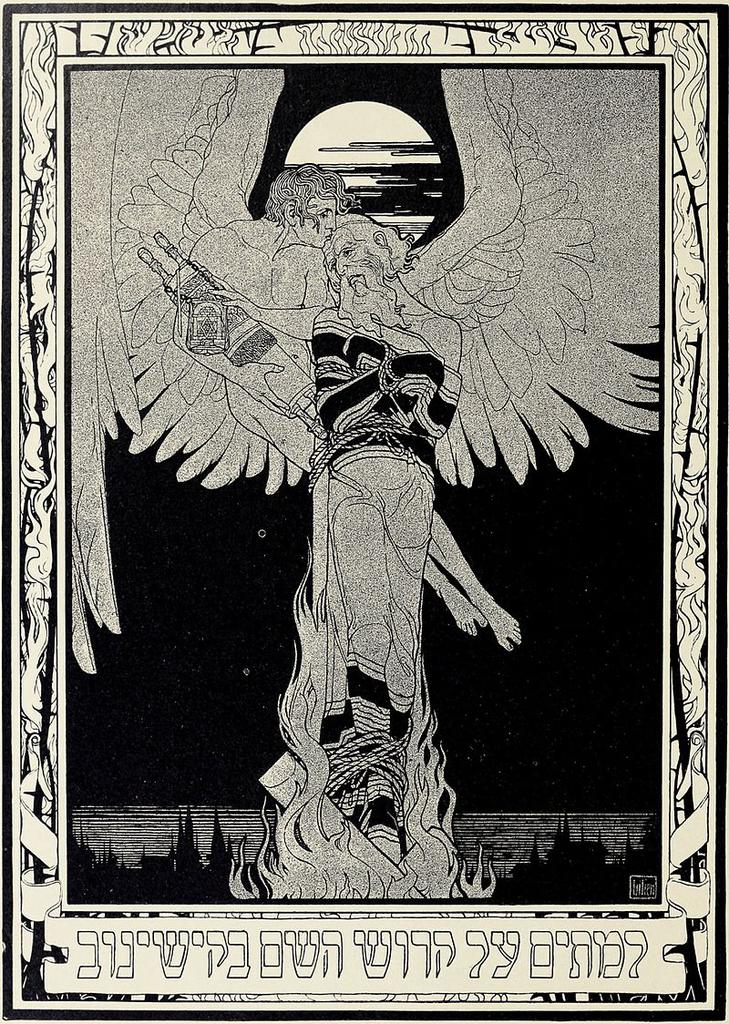
The Romans brought Rabbi Ḥanina ben Teradyon, They said to him: Why did you occupy yourself with the Torah? He said to them, “As the Lord my God commanded me” (Deuteronomy 4:5). At once they sentenced him to be burned, his wife to be killed, and his daughter to be sent to a brothel.
בשעה שיצאו שלשתן צדקו עליהם את הדין הוא אמר (דברים לב, ד) הצור תמים פעלו [וגו'] ואשתו אמרה (דברים לב, ד) אל אמונה ואין עול בתו אמרה (ירמיהו לב, יט) גדול העצה ורב העליליה אשר עיניך פקוחות על כל דרכי וגו' אמר רבי [כמה] גדולים צדיקים הללו שנזדמנו להן שלש מקראות של צדוק הדין בשעת צדוק הדין
As the three of them went out [from the tribunal] they declared the righteousness of the judgment. He quoted, “The Rock, His work is perfect; for all his ways are justice” (Deuteronomy 32:4). His wife continued: “A God of faithfulness and without iniquity, just and right is He” (ibid). And the daughter quoted: “Great in counsel and mighty in work, whose eyes are open upon all the ways of the sons of men, to give everyone according to his ways, and according to the fruit of his doing” (Jeremiah 32:19). Rabbi said: How great were these righteous ones, in that the three passages, expressing the righteousness of judgment, readily occurred to them just at the appropriate time for the declaration of such righteousness.
They brought him to be sentenced and wrapped him in the Torah scroll, and encircled him with bundles of branches, and they set fire to it. And they brought tufts of wool and soaked them in water, and placed them on his heart so that his soul should not leave quickly. His daughter said to him: Father, must I see you like this?
He said to her: If I alone were being burned, it would be difficult for me, but now that I am burning along with a Torah scroll, He who will seek for the insult to the Torah scroll will also seek for the insult to me.
His students said to him: teacher, what do you see? He said to them: the parchment burns, but the letters are flying.
[They said] You should open your mouth and the fire will enter you. He said to them: It is preferable that The One who gave should take away, and one should not harm oneself. The executioner [kaltzatoniri] said to him: My teacher, if I increase the flame and take off the tufts of wool from your heart, will you bring me to the life of the World-to-Come?
He said to the executioner: Yes.
The executioner said: Swear it.
He swore it. He immediately increased the flame and took off the tufts of wool from his heart, his soul left quickly.
The executioner leapt and fell into the fire. A Divine Voice emerged and said: Rabbi Ḥanina ben Teradyon and the executioner are destined for the life of the World-to-Come.
On hearing this, Rabbi wept and said: There are those who acquire their World in one moment, and there are those who acquire their World after many years.
ההוא יומא דנח נפשיה דרבי גזרו רבנן תעניתא ובעו רחמי ואמרי כל מאן דאמר נח נפשיה דר' ידקר בחרב
סליקא אמתיה דרבי לאיגרא אמרה עליוני' מבקשין את רבי והתחתוני' מבקשין את רבי יהי רצון שיכופו תחתונים את העליונים כיון דחזאי כמה זימני דעייל לבית הכסא וחלץ תפילין ומנח להו וקמצטער אמרה יהי רצון שיכופו עליונים את התחתונים
ולא הוו שתקי רבנן מלמיבעי רחמי שקלה כוזא שדייא מאיגרא [לארעא] אישתיקו מרחמי ונח נפשיה דרבי
On the day that Rabbi Yehuda HaNasi died, the Sages decreed a fast, and begged for mercy. And they said: Anyone who says that Rabbi has died will be stabbed with a sword.
The maidservant of Rabbi ascended to the roof and said: The upper are requesting Rabbi, and the lower are requesting Rabbi. May it be willed that the lower should impose upon the upper. But when she saw how many times he would enter the bathroom and remove tefilin, and put them on, and how he was suffering, she said: May it be willed that the upper should impose upon the lower.
And the Sages, would not be silent from begging for mercy. So she took a jug [kuza] threw it from the roof to the ground. They were silenced from praying for mercy, and Rabbi soul rested.
רַב שְׂעוֹרִים אֲחוּהּ דְּרָבָא הֲוָה יָתֵיב קַמֵּיהּ דְּרָבָא, חַזְיֵיהּ דַּהֲוָה קָא מְנַמְנֵם. אֲמַר לֵיהּ: לֵימָא לֵיהּ מָר דְּלָא לְצַעֲרַן. אֲמַר לֵיהּ: מָר לָאו שׁוֹשְׁבִינֵיהּ הוּא? אֲמַר לֵיהּ: כֵּיוָן דְּאִימְּסַר מַזָּלָא, לָא אַשְׁגַּח בִּי. אֲמַר לֵיהּ: לִיתְחֲזֵי לִי מָר. אִיתְחֲזִי לֵיהּ. אֲמַר לֵיהּ: הֲוָה לֵיהּ לְמָר צַעֲרָא? אֲמַר לֵיהּ: כִּי רִיבְדָּא דְכוּסִילְתָּא.
רָבָא הֲוָה יָתֵיב קַמֵּיהּ דְּרַב נַחְמָן, חַזְיֵיהּ דְּקָא מְנַמְנֵם. אֲמַר לֵיהּ: לֵימָא לֵיהּ מָר דְּלָא לְצַעֲרַן. אֲמַר לֵיהּ: מָר לָאו אָדָם חָשׁוּב הוּא? אֲמַר לֵיהּ: מַאן חֲשִׁיב, מַאן סְפִין, מַאן רְקִיעַ! אֲמַר לֵיהּ: לִיתְחֲזֵי לִי מָר. אִתְחֲזִי לֵיהּ. אֲמַר לֵיהּ: הֲוָה לֵיהּ לְמָר צַעֲרָא? אֲמַר לֵיהּ: כְּמִישְׁחַל בִּנִיתָא מֵחֲלָבָא, וְאִי אָמַר לִי הַקָּדוֹשׁ בָּרוּךְ הוּא זִיל בְּהָהוּא עָלְמָא כִּד הֲוֵית — לָא בָּעֵינָא, דִּנְפִישׁ בִּיעֲתוּתֵיהּ.
רַבִּי אֶלְעָזָר הֲוָה קָאָכֵיל תְּרוּמָה. אִיתְחֲזִי לֵיהּ, אֲמַר לֵיהּ: תְּרוּמָה קָא אָכֵילְנָא, וְלָאו קוֹדֶשׁ אִיקְּרִי? חֲלַפָא לֵיהּ שַׁעְתָּא.
רַב שֵׁשֶׁת אִיתְחֲזִי לֵיהּ בְּשׁוּקָא, אֲמַר לֵיהּ: בְּשׁוּקָא כִּבְהֵמָה? אִיתַא לְגַבֵּי בֵּיתָא.
רַב אָשֵׁי אִיתְחֲזִי לֵיהּ (בְּשׁוּקָא), אֲמַר לֵיהּ: אִיתְּרַח לִי תְּלָתִין יוֹמִין, וְאַהְדְּרֵי[הּ] לְתַלְמוּדַאי, דְּאָמְרִיתוּ: אַשְׁרֵי מִי שֶׁבָּא לְכָאן וְתַלְמוּדוֹ בְּיָדוֹ. בְּיוֹם תְּלָתִין אֲתָא. אֲמַר לֵיהּ: מַאי כּוּלֵּי הַאי?
קָא דָחֲקָא רַגְלֵיהּ דְּבַר נָתָן, וְאֵין מַלְכוּת נוֹגַעַת בַּחֲבֶירְתָּהּ אֲפִילּוּ כִּמְלֹא נִימָא.
רַב חִסְדָּא, לָא הֲוָה יָכֵיל לֵיהּ, דְּלָא הֲוָה שָׁתֵיק פּוּמֵּיהּ מִגִּירְסָא, סְלֵיק יְתֵיב בְּאַרְזָא דְּבֵי רַב. פְּקַע אַרְזָא וּשְׁתַק, וִיכֵיל לֵיהּ.
רַבִּי חִיָּיא לָא הֲוָה מָצֵי לְמִיקְרַבא לֵיהּ, יוֹמָא חַד אִידְּמִי לֵיהּ כְּעַנְיָא, אֲתָא טָרֵיף אַבָּבָא, אֲמַר לֵיהּ: אַפֵּיק לִי רִיפְתָּא, אַפִּיקוּ לֵיהּ. אֲמַר לֵיהּ: וְלָאו קָא מְרַחֵם מָר אַעַנְיָא? אַהָהוּא גַּבְרָא אַמַּאי לָא קָא מְרַחֵם מָר? גַּלִּי לֵיהּ, אַחְוִי לֵיהּ שׁוֹטָא דְנוּרָא, אַמְצִי לֵיהּ נַפְשֵׁיהּ.
I
Rav Seorim, Rava’s brother, sat before Rava, and saw Rava was [menamnem]. Rava said to: Master, tell him [the Angel of Death], not to torment me. Rav Seorim said to him: Master, are you not his friend
Rava said : Since my fate has been handed over he no longer pays heed to me.
Rav Seorim said to: Master, appear to me. He appeared to him.
Rav Seorim said to : Master, did you have pain?
He said to him: Like the prick of the knife when letting blood.
II
Rava sat before Rav Naḥman, he saw that was menamnem.
Rav Naḥman said: Master, tell him not to torment me.
Rava said to him: Master, are you not an important person?
Rav Naḥman said to him: Who is important? Who is honorable? Who is complete?
Rava said to Rav Naḥman: Master, appear to me.
He appeared to him.
Rava said to him: Master, did you have pain?
Rav Naḥman said to him: Like the removal of hair from milk. But were the Holy Blessed One say to me: Go back to that world, as you were, I would not want to go, for the fear of him is great.
III
Rabbi Elazar was once eating teruma, when he appeared to him. He said to him: I am eating teruma; is it not called Kodesh?
The moment passed
IV
He appeared to Rav Sheshet in the marketplace. Rav Sheshet said to him, "In the market like an animal?! Come to my house.
V
He appeared to Rav Ashi in the marketplace. Rav Ashi said to him: Give me thirty days so that I may review my studies, for you say: "Fortunate is he who comes here with his learning in his hand." On the thirtieth day, he came to take him. Rav Ashi said to him: What is all of this?
He said: The foot of Rav Huna bar Natan is pushing and one sovereignty does not overlap with its counterpart, even by one hairbreadth.
VI
Rav Ḥisda, he couldn't prevail over because his mouth was never silent from study. He went and sat on the cedar of the study hall of the Sages. The cedar cracked and he was silent.
He prevailed over him.
VII
Rav Hiya couldn't prevail over. One day he appeared to him as a poor person. He came and knocked on the door. He said to him, "Bring out bread for me, he sent out bread for him."
He said to Rabbi Ḥiyya, "Master, do you not have mercy on a poor person? Why, then, do you not have mercy upon me.
He revealed himself to him, showed him a fiery rod.
Rav Ḥiyya surrendered himself to him.