בדין הקדמת ניחום אבלים לביקור חולים והמסתעף - שיעור מאת הרה״ג אברהם משה הכהן פריעדמאן שי׳
יֵרָאֶה לִי שֶׁנֶּחָמַת אֲבֵלִים קוֹדֵם לְבִקּוּר חוֹלִים. שֶׁנִּחוּם אֲבֵלִים גְּמִילוּת חֶסֶד עִם הַחַיִּים וְעִם הַמֵּתִים:
It appears to me that comforting mourners takes precedence over visiting the sick. For comforting mourners is an expression of kindness to the living and the dead.
בחולי מעים אין האיש משמש את האשה אבל האשה משמשת את האיש: הגה י"א שמי שיש לו חולה בביתו ילך אצל חכם שבעיר שיבקש עליו רחמים (נ"י פ' י"נ) וכן נהגו לברך חולים בב"ה לקרא להם שם חדש כי שינוי השם קורע גזר דינו ניחום אבלים קודם לבקור חולים (כל בו) :
[In the case of] those suffering with bowel diseases,—[the law is that] the man must not attend upon the woman, but the woman may attend upon the man. Gloss: Some say that whosoever has a sick person in his home should go to the Sage of the city in order that he pray for him; and likewise is it the accepted practice to recite blessings [on behalf of] sick persons, in the Synagogues, [viz.,] to give them an [additional] new name, for a change of name causes an evil decree passed upon man to be cancelled. [The precept of] comforting mourners takes precedence over visiting the sick.
יעב"ץ - יו"ד סי' ש"ס (ילקוט מפרשים בסוף טור מהדורת המאור)
...מ"מ אינו נ"ל, כיון שפקוח נפש קודם, דהא טעם ביקור חולים כדי שיעיינו בצרכיו כמ"ש בטור סי' של"ה, ופעמים שניצול ממות עי"ז.

בִּקּוּר חוֹלִים מִצְוָה עַל הַכּל. אֲפִלּוּ גָּדוֹל מְבַקֵּר אֶת הַקָּטָן. וּמְבַקְּרִין הַרְבֵּה פְּעָמִים בַּיּוֹם. וְכָל הַמּוֹסִיף מְשֻׁבָּח וּבִלְבַד שֶׁלֹּא יַטְרִיחַ. וְכָל הַמְבַקֵּר אֶת הַחוֹלֶה כְּאִלּוּ נָטַל חֵלֶק מֵחָלְיוֹ וְהֵקֵל מֵעָלָיו. וְכָל שֶׁאֵינוֹ מְבַקֵּר כְּאִלּוּ שׁוֹפֵךְ דָּמִים:

It is a mitzvah incumbent on everyone to visit the sick. Even a person of great spiritual stature should visit one of lesser stature. One may visit many times during the day. Whoever increases the frequency of his visits is praiseworthy provided he does not become burdensome. Whoever visits a sick person removes a portion of his sickness and relieves him. Whoever does not visit the sick is consider as if he shed blood.
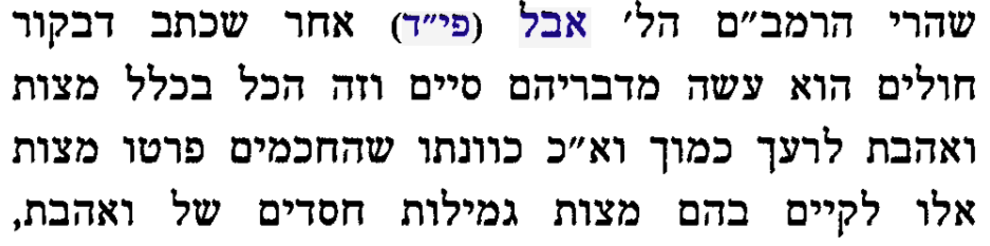
כתב מהרי"ק דאסור לברך החולה בשבת ויש מתירין כתב הכלבו היו לפניו ביקור חולים וניחום אבלים מנחם אבלים תחלה שניחום אבלים ג"ח עם המתים ועם החיים עכ"ל והמה דברי הרמב"ם ספי"ד וכתבו ב"י סימן ש"ס.

...ודברי הרמב"ם הם בפרק י"ד וכתב עוד שם יראה לי שנחמת אבלים קודם לבקור החולים שניחום אבלים הוא ג"ח עם החיים ועם המתים...:

כתב הרמב"ם פי"ד דאבל יראה לי שנחמת אבלים קודם לביקור חולים שניחום אבלים ג"ח עם החיים ועם המתים עכ"ל והיינו כשאי אפשר לקיים שניהם מניח את החולה ועוסק בנחמות אבלים אבל כשאפשר לקיים שניהם ביקור חולים קודם כדי לבקש רחמים עליו שיחיה או לרבץ ולכבד לפניו דחשוב כאילו מחייהו:

...וניחום קודם לביקור חולים, דזהו חסד עם החיים והמתים, וביקור חולים לחיים לבד. אבל אם יודע תועלת להחולה – ביקור חולים קודם.

אגרות משה - או״ח סי׳ מ׳ אות י״א
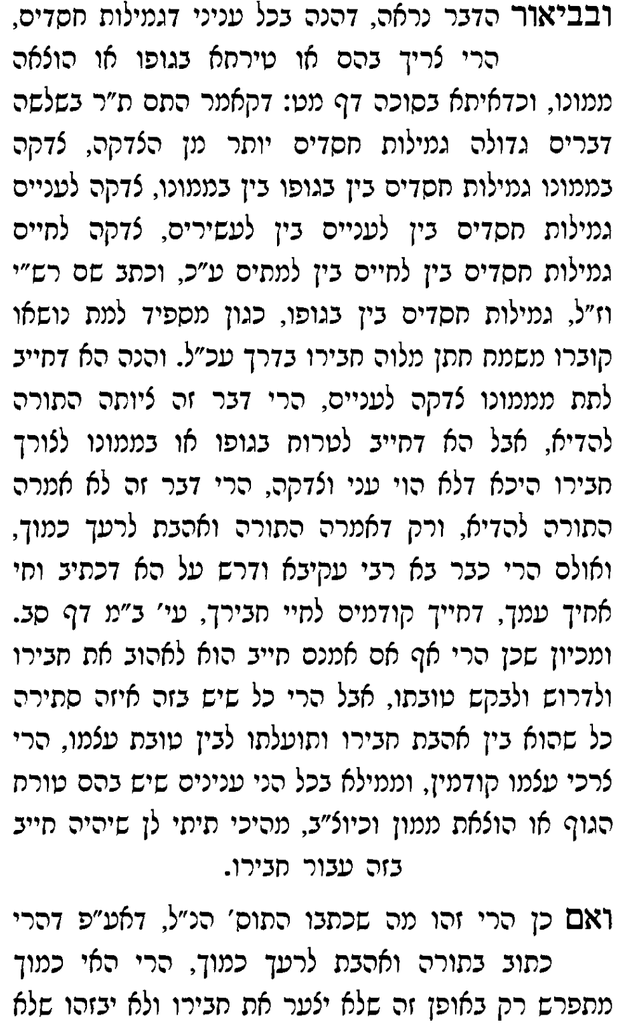
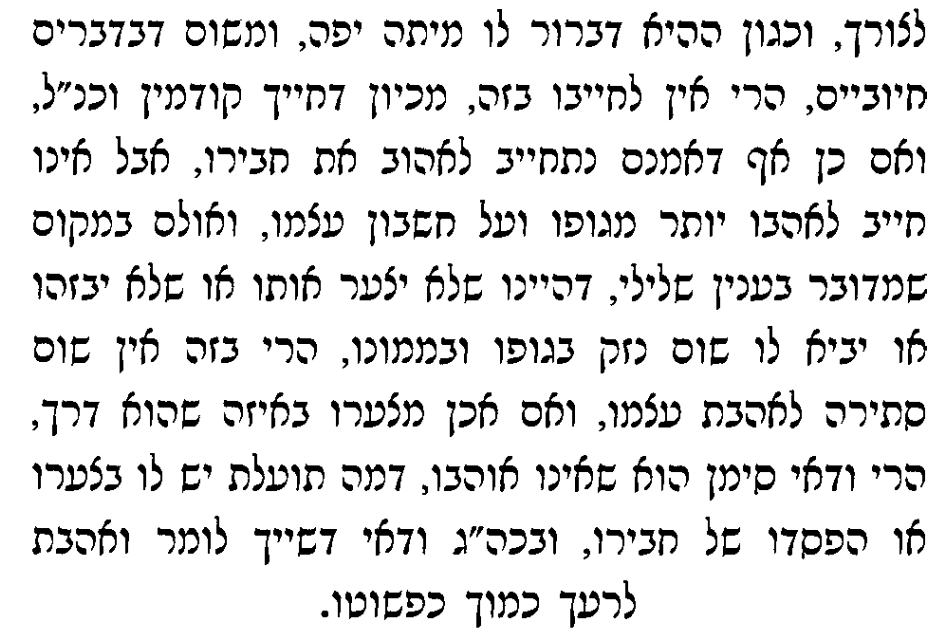
תָּנוּ רַבָּנַן: בִּשְׁלֹשָׁה דְּבָרִים גְּדוֹלָה גְּמִילוּת חֲסָדִים יוֹתֵר מִן הַצְּדָקָה. צְדָקָה — בְּמָמוֹנוֹ; גְּמִילוּת חֲסָדִים — בֵּין בְּגוּפוֹ, בֵּין בְּמָמוֹנוֹ. צְדָקָה — לָעֲנִיִּים; גְּמִילוּת חֲסָדִים — בֵּין לָעֲנִיִּים בֵּין לָעֲשִׁירִים. צְדָקָה — לַחַיִּים; גְּמִילוּת חֲסָדִים — בֵּין לַחַיִּים בֵּין לַמֵּתִים.
The Sages taught that acts of kindness are superior to charity in three respects: Charity can be performed only with one’s money, while acts of kindness can be performed both with his person and with his money. Charity is given to the poor, while acts of kindness are performed both for the poor and for the rich. Charity is given to the living, while acts of kindness are performed both for the living and for the dead.

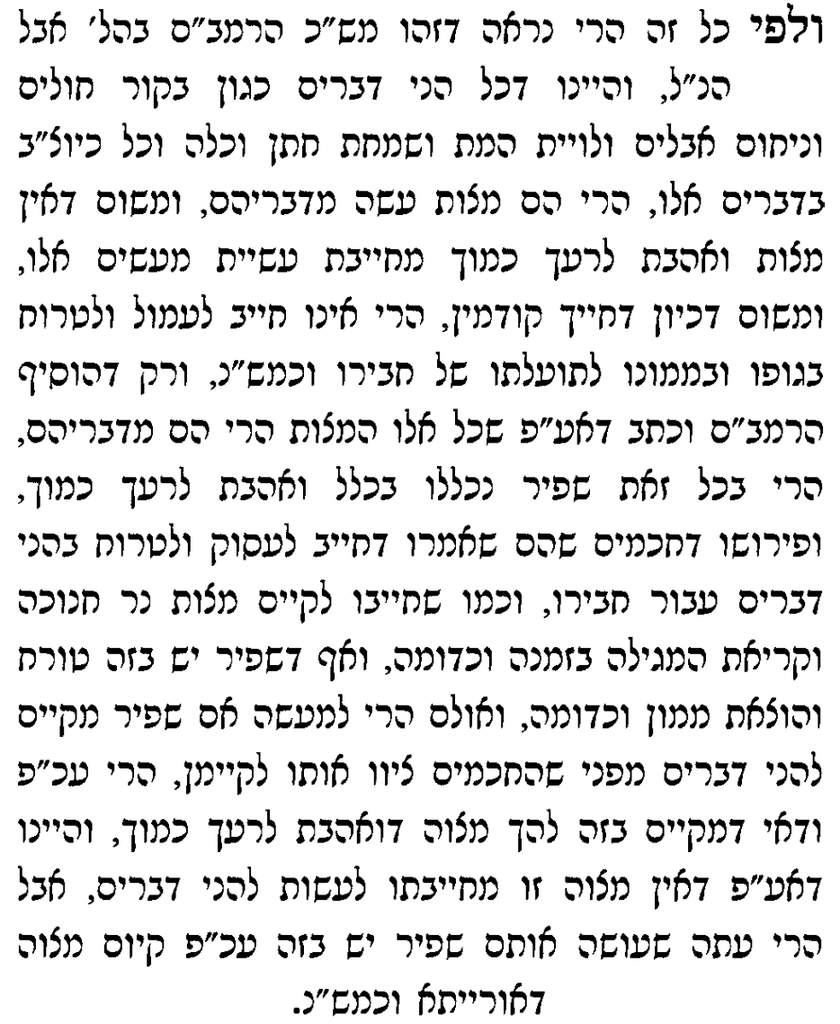
מִצְוַת עֲשֵׂה שֶׁל דִּבְרֵיהֶם לְבַקֵּר חוֹלִים. וּלְנַחֵם אֲבֵלִים. וּלְהוֹצִיא הַמֵּת. וּלְהַכְנִיס הַכַּלָּה. וּלְלַוּוֹת הָאוֹרְחִים. וּלְהִתְעַסֵּק בְּכָל צָרְכֵי הַקְּבוּרָה. לָשֵׂאת עַל הַכָּתֵף. וְלֵילֵךְ לְפָנָיו וְלִסְפֹּד וְלַחְפֹּר וְלִקְבֹּר. וְכֵן לְשַׂמֵּחַ הַכַּלָּה וְהֶחָתָן. וּלְסַעֲדָם בְּכָל צָרְכֵיהֶם. וְאֵלּוּ הֵן גְּמִילוּת חֲסָדִים שֶׁבְּגוּפוֹ שֶׁאֵין לָהֶם שִׁעוּר. אַף עַל פִּי שֶׁכָּל מִצְוֹת אֵלּוּ מִדִּבְרֵיהֶם הֲרֵי הֵן בִּכְלַל (ויקרא יט יח) "וְאָהַבְתָּ לְרֵעֲךָ כָּמוֹךָ". כָּל הַדְּבָרִים שֶׁאַתָּה רוֹצֶה שֶׁיַּעֲשׂוּ אוֹתָם לְךָ אֲחֵרִים. עֲשֵׂה אַתָּה אוֹתָן לְאָחִיךְ בְּתוֹרָה וּבְמִצְוֹת:

It is a positive commandment of Rabbinic origin to visit the sick, comfort mourners, to prepare for a funeral, prepare a bride, accompany guests, attend to all the needs of a burial, carry a corpse on one's shoulders, walk before the bier, mourn, dig a grave, and bury the dead, and also to bring joy to a bride and groom and help them in all their needs. These are deeds of kindness that one carries out with his person that have no limit.
Although all these mitzvot are of Rabbinic origin, they are included in the Scriptural commandment Leviticus 19:18: "Love your neighbor as yourself." That charge implies that whatever you would like other people to do for you, you should do for your comrade in the Torah and mitzvot.
תוספת ביכורים - להערוך לנר (הלכות לולב סימן תר״מ)
מצות גמילות חסדים דרך כלל הויא דאוריתא בכלל ואהבת לרעך כמוך ונלמד מדכתיב והלכת בדרכיו וגו' כמו שדרשו חכמים ז"ל ופרטי גמילות חסדים מדבריהם.
שאין ראוי למנות כל מה שלמדים באחת משלש עשרה מדות שהתורה נדרשת בהן או מרבוי:
That it is inappropriate to count anything that we learn from the thirteen hermeneutic principles through which the Torah is expounded or from a (formal technical) inclusion.

... וכבר הגיעו בזה הסכלות אל יותר קשה מזה, וזה כשמצאו דרש בפסוק יתחייב בדרש ההוא לעשות פעולות או להרחיק ענין מן הענינים והם כלם בלי ספק מדרבנן ימנו אותם בכלל המצות... והנסמכים במחשבה זו מנו בכלל המצות בקור חולים ונחום אבלים וקבורת מתים בעבור הדרש הנזכר באמרו יתברך והודעת להם את הדרך ילכו בה, ואמרו את הדרך זו גמילות חסדים, ילכו זה בקור חולים בה זה קבורת מתים, ואת המעשה אלו הדינים, אשר יעשון זו לפנים משורת הדין, והשבו כי כל פועל ופועל מאלו הפעולות מצוה בפני עצמה, ולא ידעו כי אלו הפעולות כלם ודומים להם נכנסות תחת מצוה אחת מכל המצות הכתובות בתורה בבאור והוא אמרו יתברך ואהבת לרעך כמוך...

We have already explained in the introduction of our composition, in the Commentary on the Mishnah, that most laws of the Torah have come out from the thirteen hermeneutic principles through which the Torah is expounded; and that there is sometimes a disagreement about a law that comes out through one of these principles; but that there are also, among them, laws the explanation of which was received from Moshe about which there is no disagreement. Nevertheless, they bring proofs about them from one of these thirteen principles. For it is the brilliance of Scripture that it is possible to find a hint or a verbal analogy in it, that indicates the received explanation - and we have already explained this topic there. And since the matter is such, behold: We can not say about every matter that the Sages brought out by a principle from the thirteen principles, that it was stated to Moshe at Sinai; and likewise can we not say about everything found in the Talmud in which they [only] supported it with one of the thirteen principles that it is rabbinic. For sometimes it will [nevertheless] be the received explanation from Moshe at Sinai. What is appropriate here regarding anything that is not found written in the Torah, but it is found that it is something they learned in the Talmud through one of the thirteen principles - if they themselves explain and say that it is a part of the Torah and that it is [a law] from the Torah, it is surely appropriate to count it. For those through which it is received said it is from the Torah. But if they did not explain this and did not say this, it is rabbinic - for there is no verse here indicating it. And this is also a principle that someone besides us has already been confused about; and therefore he counted fear of the sages as a positive commandment. And that which appears to have brought him to this is the statement of Rabbi Akiva (Pesachim 22b), "'You shall fear et the Lord, your God' (Deuteronomy 6:13) - to include Torah scholars." So he thought that anything that is arrived at through the thirteen principles is in the category [of the 613 commandments]. But if the matter was as he thought it, why did he not count honoring a mother's husband or a father's wife; and likewise not count honoring an older brother? For we learned that we are obligated to honor these individuals by inclusions. They said (Ketubot 103a), "'You shall honor et your father' - to include your older brother and your mother's husband; 'and et your mother' - to include your father's wife." That is just like they said, "'You shall fear et the Lord, your God' - to include Torah scholars." If so, why did they count these and not those? But they have come to even greater foolishness than that in this matter. And that is when they found a teaching about a verse, in which the teaching obligates an action or the distancing from something - but they are rabbinic without a doubt - they counted them among the commandments, even though the simple meaning of the verse does not indicate any of these things at all. This is in spite of the principle that [the Sages], peace be upon them, taught us about it - a verse may not be taken out of its simple meaning. So the Talmud asks everywhere where a verse is found from which we learn many things by way of explanation and proof, "What was the simple understanding of the verse written about?" But those who relied on this [mistaken] thinking counted visiting the sick, comforting the mourners and burying the dead in the category of the commandments, because of the teaching that is found about His, may He be blessed, saying, "and make known to them the way in which they are to go and the practices that they must do" (Exodus 18:20). And [the Sages] said about this (Bava Kamma 100a), "'The way' - that is acts of kindness. 'They are to go' - that is visiting the sick. 'In which' - that is burial of the dead. 'The practices' - that is the laws. 'That they must do' - that is [conducting oneself] beyond the letter of the law." And [the ones mistaken about what can be counted] thought that each and every one of these actions was a separate commandment. And they did not know that all of these actions - and those that are similar to them - fall under one commandment written in the Torah, when it is explained. And that is His, may He be blessed, saying, "and you shall love your neighbor like yourself" (Leviticus 19:18). And in this exact same way, they counted the calculation of the seasons as a commandment because of the teaching from, "it is your wisdom and your understanding" (Deuteronomy 4:6). And that is their saying (Shabbat 75a), "Which is the wisdom and understanding that is in the eyes of the nations? You shall say, it is the calculation of the seasons and the constellations." And [even] if one would [only] count what is clearer than this and what is more appropriate to count - that being, to count everything that we learn in the Torah from the thirteen hermeneutic principles through which the Torah is expounded - the count of commandments would add up to many thousands. And if you might think that I am running from counting them because they are not true; whether the law that comes out of it is true or not - that is not the reason. Rather the reason is that any extension that a person, and even if it was Moshe himself, draws out from the root principles that were told to Moshe at Sinai with their explanation - and these are the 613 commandments - is not appropriate to count. And the proof of this all is their saying in the Gemara, Temurah (Temurah 16a), "One thousand and seven hundred a fortiori inferences, verbal analogies, and precise inferences of the Scribes were forgotten during the days of mourning for Moshe. Even so, Otniel, son of Kenaz, restored them through his sharpness, as it is stated (Joshua 15:16-17), '"To he who smites Kiryat Sefer, and takes it, etc." And Otniel, son of Kenaz took it.'" And if this was what was forgotten, what was the total from which this amount was forgotten?! For it would certainly be false to say that everything that was known was forgotten. So, without a doubt, those laws that were drawn out by a fortiori inferences and the other principles were many thousands - and they were all known at the time of Moshe. And yet they are called precise inferences of the Scribes, because anything that they did not hear explained at Sinai is certainly from the words of the Scribes. Behold it has now been shown that that which was learned out through the thirteen principles even during Moshe's time, peace be upon him, is not to be counted among the 613 commandments that were stated to him at Sinai. Hence all the more so should that which was derived in later times not be counted among them. However it is nevertheless true that what was an explanation received from him is counted. And that is what the transmitters explain, and say that this thing is something forbidden to do and its prohibition is from the Torah; or they say that it is a part of the Torah. Behold that we count this, since it is known from tradition and not through a verbal analogy. Indeed, their [possible] mention of a verbal analogy and their bringing a proof for it from one of the thirteen principles [in such a case] is only to show the brilliance of Scripture, as we explained in the Commentary on the Mishnah.

...אבל בעל ההלכות הוציאן למצות האלו מוהלכת בדרכיו שהיא מצות עשה באמת כתב וללכת בדרכיו ולהלביש ערומים לקבור מתים לנחם אבלים לבקר חולים ומצוה אתת הן וזה ממ"ש בגמרא (סוטה י"ד) א"ר חמא ב"ח מאי דכתיב אחרי ה' אלהיכם תלכו וכי אפשר לו לאדם ללכת אחר הקב"ה אלא מה הקב"ה מלביש ערומים אף אתה תלביש ערומים מה הקב"ה מבקר חולים אף אתה בקר חולים מה הקב"ה קובר מתים אף אתה קבור מתים מה הקב"ה מנחם אבלים אף אתה נחם אבלים, מכאן הוציא אותם ומנאן מצוה, והרב מנה מצוה ח' להדמות בו יתברך כפי יכלתנו והוא שנאמר והלכת בדרכיו והביא מ"ש מה הוא נקרא רחום אף אתה היה רחום אמר וכפל זאת המצוה בלשון אחר שנאמר אחרי ה' תלכו ובא בפירוש ענינו להדמות אליו בפעליו הטובים, וא"כ למה יתמה על בה"ג הוא תפש הלשון השנוי בספרי במצוה הזאת ובעל ההלכות תפש לו הלשון השנוי בגמרא. והנראה מכל זה שכל אלו גמילות חסדים ובכלל ואהבת לרעך כמוך הם נכנסים... ולפי דעת(י)ו עוד כי אין ראוי למנות שום מצוה [מפסוק והודעת להם וגו'] משום כי אזהרת יתרו למשה רבינו בא לו להודיע אותן לישראל ולדרוש להם שיהיו זריזים באלו המצות תמיד כדי לשכן ביניהם אהבה ואחוה שלום ורעות כי בכך יתמעטו התרעומות והדינין ביניהם ולא יצטרכו למשפטים בכל עת וזה מעצתו אליו וגם כל העם הזה על מקומו יבא בשלום כמו שהזכיר והודעת להם זו בית חייהם ופירושו שילמדו אומנות יחיו ממנה כי בה גם כן יתמעטו הגזלות והדינין ואין מי שיביא זו בחשבון המצות...

...כי המצות כולן נחלקין בתחלה על שני חלקים החלק האחד במצות המיוחדות לאדם בנפשו במה שיש בינו ובין הקדוש ברוך הוא כגון ציצית ותפילין ושבת ועכו"ם והחלק השני במצות התלויות בתועלת בני אדם קצתם עם קצתם כגון אזהרה על הגניבה והאונאה והאיבה והנטירה וכגון הצווי באהבת איש את חבירו ושלא יסית אדם להזיק לחבירו ואל יעמוד על דם רעהו וכבוד אבות והחכמים שהם אבות... וכשיעשה האדם המצות התלויות בתועלת בני אדם זה עם זה כמו כן תחשב לו לצדקה לעוה"ב לפי שעשה המצות וימצא טובה בעוה"ז בעבור שנהג מנהג הטוב בין בני אדם כי כשינהג מנהג הזה ינהגו אחרים כמנהגו יקבל כמו כן שכר מהענין ההוא וכל המצות שבין אדם לחבירו נכנסות בגמ"ח ושים לבך עליהם כי כן תמצאם שהרי הלל הזקן (שבת פ"ב דף לא.) כשאמר לו הנכרי למדני תורה על רגל אחד אמר לו דעלך ביש לחברך לא תעביד...:

אֵלּוּ דְבָרִים שֶׁאֵין לָהֶם שִׁעוּר. הַפֵּאָה, וְהַבִּכּוּרִים, וְהָרֵאָיוֹן, וּגְמִילוּת חֲסָדִים, וְתַלְמוּד תּוֹרָה. אֵלּוּ דְבָרִים שֶׁאָדָם אוֹכֵל פֵּרוֹתֵיהֶן בָּעוֹלָם הַזֶּה וְהַקֶּרֶן קַיֶּמֶת לוֹ לָעוֹלָם הַבָּא. כִּבּוּד אָב וָאֵם, וּגְמִילוּת חֲסָדִים, וַהֲבָאַת שָׁלוֹם בֵּין אָדָם לַחֲבֵרוֹ, וְתַלְמוּד תּוֹרָה כְּנֶגֶד כֻּלָּם:
These are the things that have no definite quantity: The corners [of the field]. First-fruits; [The offerings brought] on appearing [at the Temple on the three pilgrimage festivals]. The performance of righteous deeds; And the study of the torah. The following are the things for which a man enjoys the fruits in this world while the principal remains for him in the world to come: Honoring one’s father and mother; The performance of righteous deeds; And the making of peace between a person and his friend; And the study of the torah is equal to them all.
אין להם שיעור. בפרק ראשית הגז (חולין דף קלז:) מפרש שאין להם שיעור מדאורייתא אבל מדרבנן פאה בששים כדקתני מתני' בסיפא אין פוחתין לפאה מששים:
מִצְוַת עֲשֵׂה שֶׁל דִּבְרֵיהֶם לְבַקֵּר חוֹלִים. וּלְנַחֵם אֲבֵלִים. וּלְהוֹצִיא הַמֵּת. וּלְהַכְנִיס הַכַּלָּה. וּלְלַוּוֹת הָאוֹרְחִים. וּלְהִתְעַסֵּק בְּכָל צָרְכֵי הַקְּבוּרָה. לָשֵׂאת עַל הַכָּתֵף. וְלֵילֵךְ לְפָנָיו וְלִסְפֹּד וְלַחְפֹּר וְלִקְבֹּר. וְכֵן לְשַׂמֵּחַ הַכַּלָּה וְהֶחָתָן. וּלְסַעֲדָם בְּכָל צָרְכֵיהֶם. וְאֵלּוּ הֵן גְּמִילוּת חֲסָדִים שֶׁבְּגוּפוֹ שֶׁאֵין לָהֶם שִׁעוּר. אַף עַל פִּי שֶׁכָּל מִצְוֹת אֵלּוּ מִדִּבְרֵיהֶם הֲרֵי הֵן בִּכְלַל (ויקרא יט יח) "וְאָהַבְתָּ לְרֵעֲךָ כָּמוֹךָ". כָּל הַדְּבָרִים שֶׁאַתָּה רוֹצֶה שֶׁיַּעֲשׂוּ אוֹתָם לְךָ אֲחֵרִים. עֲשֵׂה אַתָּה אוֹתָן לְאָחִיךְ בְּתוֹרָה וּבְמִצְוֹת:
It is a positive commandment of Rabbinic origin to visit the sick, comfort mourners, to prepare for a funeral, prepare a bride, accompany guests, attend to all the needs of a burial, carry a corpse on one's shoulders, walk before the bier, mourn, dig a grave, and bury the dead, and also to bring joy to a bride and groom and help them in all their needs. These are deeds of kindness that one carries out with his person that have no limit.
Although all these mitzvot are of Rabbinic origin, they are included in the Scriptural commandment Leviticus 19:18: "Love your neighbor as yourself." That charge implies that whatever you would like other people to do for you, you should do for your comrade in the Torah and mitzvot.
מצות עשה כו' ולנחם אבלים:
נ"ב כן הוא בפרק בן סו"מ דף ע' לאתויי תנחומי אבלים ועיי"ש ברש"י דמדבריהם הוא וכן כתב רבינו בהלכות ממרים פרק ז' הלכה ב', הר"י בכר דוד בספרו דברי אמת, ועיין ספ"ק דסוטה.
ומה שכתב ולקבור כן כתב רבינו חננאל שם יעו"ש.
ומש"כ גמ"ח שבגופו.
נ"ב ירושלמי פ"ק דפאה בד"א בגמ"ח שבגופו כו' עיי"ש:
היא שצונו לאהוב קצתנו את קצתנו כאשר נאהב עצמנו ושתהיה אהבתו וחמלתו לאחיו כאהבתו וחמלתו לעצמו בממונו ובגופו וכל מה שיהיה ברשותו אם ירצה אותו ארצה אני אותו וכל מה שארצה לעצמי ארצה לו כמוהו. והוא אמרו יתעלה ואהבת לרעך כמוך. (קדושים תהיו, מדע הלכות דעות פ"ז):
That is that He commanded us to love each other like we love ourselves, and that one's love and compassion for one's brother be like the love and compassion for himself regarding his money - regarding his body and regarding everything that is in his domain. If he wants it, I want it; and all that I will want for myself, I will want the same for him. And that is His saying, "and you shall love your neighbor as yourself" (Leviticus 19:18). (See Parashat Kedoshim; Mishneh Torah, Human Dispositions 7.)
מִצְוָה עַל כָּל אָדָם לֶאֱהֹב אֶת כָּל אֶחָד וְאֶחָד מִיִּשְׂרָאֵל כְּגוּפוֹ שֶׁנֶּאֱמַר (ויקרא יט יח) "וְאָהַבְתָּ לְרֵעֲךָ כָּמוֹךָ". לְפִיכָךְ צָרִיךְ לְסַפֵּר בְּשִׁבְחוֹ וְלָחוּס עַל מָמוֹנוֹ כַּאֲשֶׁר הוּא חָס עַל מָמוֹן עַצְמוֹ וְרוֹצֶה בִּכְבוֹד עַצְמוֹ. וְהַמִּתְכַּבֵּד בִּקְלוֹן חֲבֵרוֹ אֵין לוֹ חֵלֶק לָעוֹלָם הַבָּא:
Each man is commanded to love each and every one of Israel as himself as [Leviticus 19:18] states: "Love your neighbor as yourself."
Therefore, one should speak the praises of [others] and show concern for their money just as he is concerned with his own money and seeks his own honor.
Whoever gains honor through the degradation of a colleague does not have a share in the world to come.

אור אברהם - הלכות דעות (שם)
יראה לי שנחמת אבלים קודם לב"ח:
נ"ב וכן בשבת פ"ק בקושי התירו לנחם אבלים ולבקר חולים, דהקדים ניחום אבלים, אבל בסוכה מ"א חשיב בקור חולים קודם, משום דברגל אינו נוהג גם דברים שבצינעא כפסק רבינו לכן שם בק"ח קודם משום דברגל זוטר צערייהו דאבלים ודוק, ועיין תוספתא מגילה פ"ד: