



(א) וַיְהִ֗י אַחֲרֵי֙ הַדְּבָרִ֣ים הָאֵ֔לֶּה וַיֹּ֣אמֶר לְיוֹסֵ֔ף הִנֵּ֥ה אָבִ֖יךָ חֹלֶ֑ה וַיִּקַּ֞ח אֶת־שְׁנֵ֤י בָנָיו֙ עִמּ֔וֹ אֶת־מְנַשֶּׁ֖ה וְאֶת־אֶפְרָֽיִם׃ (ב) וַיַּגֵּ֣ד לְיַעֲקֹ֔ב וַיֹּ֕אמֶר הִנֵּ֛ה בִּנְךָ֥ יוֹסֵ֖ף בָּ֣א אֵלֶ֑יךָ וַיִּתְחַזֵּק֙ יִשְׂרָאֵ֔ל וַיֵּ֖שֶׁב עַל־הַמִּטָּֽה׃ (ג) וַיֹּ֤אמֶר יַעֲקֹב֙ אֶל־יוֹסֵ֔ף אֵ֥ל שַׁדַּ֛י נִרְאָֽה־אֵלַ֥י בְּל֖וּז בְּאֶ֣רֶץ כְּנָ֑עַן וַיְבָ֖רֶךְ אֹתִֽי׃ (ד) וַיֹּ֣אמֶר אֵלַ֗י הִנְנִ֤י מַפְרְךָ֙ וְהִרְבִּיתִ֔ךָ וּנְתַתִּ֖יךָ לִקְהַ֣ל עַמִּ֑ים וְנָ֨תַתִּ֜י אֶת־הָאָ֧רֶץ הַזֹּ֛את לְזַרְעֲךָ֥ אַחֲרֶ֖יךָ אֲחֻזַּ֥ת עוֹלָֽם׃ (ה) וְעַתָּ֡ה שְׁנֵֽי־בָנֶ֩יךָ֩ הַנּוֹלָדִ֨ים לְךָ֜ בְּאֶ֣רֶץ מִצְרַ֗יִם עַד־בֹּאִ֥י אֵלֶ֛יךָ מִצְרַ֖יְמָה לִי־הֵ֑ם אֶפְרַ֙יִם֙ וּמְנַשֶּׁ֔ה כִּרְאוּבֵ֥ן וְשִׁמְע֖וֹן יִֽהְיוּ־לִֽי׃ (ו) וּמוֹלַדְתְּךָ֛ אֲשֶׁר־הוֹלַ֥דְתָּ אַחֲרֵיהֶ֖ם לְךָ֣ יִהְי֑וּ עַ֣ל שֵׁ֧ם אֲחֵיהֶ֛ם יִקָּרְא֖וּ בְּנַחֲלָתָֽם׃ (ז) וַאֲנִ֣י ׀ בְּבֹאִ֣י מִפַּדָּ֗ן מֵ֩תָה֩ עָלַ֨י רָחֵ֜ל בְּאֶ֤רֶץ כְּנַ֙עַן֙ בַּדֶּ֔רֶךְ בְּע֥וֹד כִּבְרַת־אֶ֖רֶץ לָבֹ֣א אֶפְרָ֑תָה וָאֶקְבְּרֶ֤הָ שָּׁם֙ בְּדֶ֣רֶךְ אֶפְרָ֔ת הִ֖וא בֵּ֥ית לָֽחֶם׃ (ח) וַיַּ֥רְא יִשְׂרָאֵ֖ל אֶת־בְּנֵ֣י יוֹסֵ֑ף וַיֹּ֖אמֶר מִי־אֵֽלֶּה׃ (ט) וַיֹּ֤אמֶר יוֹסֵף֙ אֶל־אָבִ֔יו בָּנַ֣י הֵ֔ם אֲשֶׁר־נָֽתַן־לִ֥י אֱלֹהִ֖ים בָּזֶ֑ה וַיֹּאמַ֕ר קָֽחֶם־נָ֥א אֵלַ֖י וַאֲבָרְכֵֽם׃
(י) וְעֵינֵ֤י יִשְׂרָאֵל֙ כָּבְד֣וּ מִזֹּ֔קֶן לֹ֥א יוּכַ֖ל לִרְא֑וֹת וַיַּגֵּ֤שׁ אֹתָם֙ אֵלָ֔יו וַיִּשַּׁ֥ק לָהֶ֖ם וַיְחַבֵּ֥ק לָהֶֽם׃ (יא) וַיֹּ֤אמֶר יִשְׂרָאֵל֙ אֶל־יוֹסֵ֔ף רְאֹ֥ה פָנֶ֖יךָ לֹ֣א פִלָּ֑לְתִּי וְהִנֵּ֨ה הֶרְאָ֥ה אֹתִ֛י אֱלֹהִ֖ים גַּ֥ם אֶת־זַרְעֶֽךָ׃ (יב) וַיּוֹצֵ֥א יוֹסֵ֛ף אֹתָ֖ם מֵעִ֣ם בִּרְכָּ֑יו וַיִּשְׁתַּ֥חוּ לְאַפָּ֖יו אָֽרְצָה׃ (יג) וַיִּקַּ֣ח יוֹסֵף֮ אֶת־שְׁנֵיהֶם֒ אֶת־אֶפְרַ֤יִם בִּֽימִינוֹ֙ מִשְּׂמֹ֣אל יִשְׂרָאֵ֔ל וְאֶת־מְנַשֶּׁ֥ה בִשְׂמֹאל֖וֹ מִימִ֣ין יִשְׂרָאֵ֑ל וַיַּגֵּ֖שׁ אֵלָֽיו׃ (יד) וַיִּשְׁלַח֩ יִשְׂרָאֵ֨ל אֶת־יְמִינ֜וֹ וַיָּ֨שֶׁת עַל־רֹ֤אשׁ אֶפְרַ֙יִם֙ וְה֣וּא הַצָּעִ֔יר וְאֶת־שְׂמֹאל֖וֹ עַל־רֹ֣אשׁ מְנַשֶּׁ֑ה שִׂכֵּל֙ אֶת־יָדָ֔יו כִּ֥י מְנַשֶּׁ֖ה הַבְּכֽוֹר׃
(א) וַֽיְהִי֙ כִּֽי־זָקֵ֣ן יִצְחָ֔ק וַתִּכְהֶ֥יןָ עֵינָ֖יו מֵרְאֹ֑ת וַיִּקְרָ֞א אֶת־עֵשָׂ֣ו ׀ בְּנ֣וֹ הַגָּדֹ֗ל וַיֹּ֤אמֶר אֵלָיו֙ בְּנִ֔י וַיֹּ֥אמֶר אֵלָ֖יו הִנֵּֽנִי׃
(יח) וַיָּבֹ֥א אֶל־אָבִ֖יו וַיֹּ֣אמֶר אָבִ֑י וַיֹּ֣אמֶר הִנֶּ֔נִּי מִ֥י אַתָּ֖ה בְּנִֽי׃
(טו) וַיְבָ֥רֶךְ אֶת־יוֹסֵ֖ף וַיֹּאמַ֑ר הָֽאֱלֹהִ֡ים אֲשֶׁר֩ הִתְהַלְּכ֨וּ אֲבֹתַ֤י לְפָנָיו֙ אַבְרָהָ֣ם וְיִצְחָ֔ק הָֽאֱלֹהִים֙ הָרֹעֶ֣ה אֹתִ֔י מֵעוֹדִ֖י עַד־הַיּ֥וֹם הַזֶּֽה׃ (טז) הַמַּלְאָךְ֩ הַגֹּאֵ֨ל אֹתִ֜י מִכׇּל־רָ֗ע יְבָרֵךְ֮ אֶת־הַנְּעָרִים֒ וְיִקָּרֵ֤א בָהֶם֙ שְׁמִ֔י וְשֵׁ֥ם אֲבֹתַ֖י אַבְרָהָ֣ם וְיִצְחָ֑ק וְיִדְגּ֥וּ לָרֹ֖ב בְּקֶ֥רֶב הָאָֽרֶץ׃
“The God in whose ways my fathers Abraham and Isaac walked,
The God who has been my shepherd from my birth to this day—
(16) The Messenger who has redeemed me from all harm—
Bless the lads.
In them may my name be recalled,
And the names of my fathers Abraham and Isaac,
And may they be teeming multitudes upon the earth.”
(יז) וַיַּ֣רְא יוֹסֵ֗ף כִּי־יָשִׁ֨ית אָבִ֧יו יַד־יְמִינ֛וֹ עַל־רֹ֥אשׁ אֶפְרַ֖יִם וַיֵּ֣רַע בְּעֵינָ֑יו וַיִּתְמֹ֣ךְ יַד־אָבִ֗יו לְהָסִ֥יר אֹתָ֛הּ מֵעַ֥ל רֹאשׁ־אֶפְרַ֖יִם עַל־רֹ֥אשׁ מְנַשֶּֽׁה׃ (יח) וַיֹּ֧אמֶר יוֹסֵ֛ף אֶל־אָבִ֖יו לֹא־כֵ֣ן אָבִ֑י כִּי־זֶ֣ה הַבְּכֹ֔ר שִׂ֥ים יְמִינְךָ֖ עַל־רֹאשֽׁוֹ׃ (יט) וַיְמָאֵ֣ן אָבִ֗יו וַיֹּ֙אמֶר֙ יָדַ֤עְתִּֽי בְנִי֙ יָדַ֔עְתִּי גַּם־ה֥וּא יִֽהְיֶה־לְּעָ֖ם וְגַם־ה֣וּא יִגְדָּ֑ל וְאוּלָ֗ם אָחִ֤יו הַקָּטֹן֙ יִגְדַּ֣ל מִמֶּ֔נּוּ וְזַרְע֖וֹ יִהְיֶ֥ה מְלֹֽא־הַגּוֹיִֽם׃ (כ) וַיְבָ֨רְכֵ֜ם בַּיּ֣וֹם הַהוּא֮ לֵאמוֹר֒ בְּךָ֗ יְבָרֵ֤ךְ יִשְׂרָאֵל֙ לֵאמֹ֔ר יְשִֽׂמְךָ֣ אֱלֹהִ֔ים כְּאֶפְרַ֖יִם וְכִמְנַשֶּׁ֑ה וַיָּ֥שֶׂם אֶת־אֶפְרַ֖יִם לִפְנֵ֥י מְנַשֶּֽׁה׃
(כא) וַיֹּ֤אמֶר יִשְׂרָאֵל֙ אֶל־יוֹסֵ֔ף הִנֵּ֥ה אָנֹכִ֖י מֵ֑ת וְהָיָ֤ה אֱלֹהִים֙ עִמָּכֶ֔ם וְהֵשִׁ֣יב אֶתְכֶ֔ם אֶל־אֶ֖רֶץ אֲבֹתֵיכֶֽם׃ (כב) וַאֲנִ֞י נָתַ֧תִּֽי לְךָ֛ שְׁכֶ֥ם אַחַ֖ד עַל־אַחֶ֑יךָ אֲשֶׁ֤ר לָקַ֙חְתִּי֙ מִיַּ֣ד הָֽאֱמֹרִ֔י בְּחַרְבִּ֖י וּבְקַשְׁתִּֽי׃ {פ}
(יב) וַיַּעֲשׂ֥וּ בָנָ֖יו ל֑וֹ כֵּ֖ן כַּאֲשֶׁ֥ר צִוָּֽם׃ (יג) וַיִּשְׂא֨וּ אֹת֤וֹ בָנָיו֙ אַ֣רְצָה כְּנַ֔עַן וַיִּקְבְּר֣וּ אֹת֔וֹ בִּמְעָרַ֖ת שְׂדֵ֣ה הַמַּכְפֵּלָ֑ה אֲשֶׁ֣ר קָנָה֩ אַבְרָהָ֨ם אֶת־הַשָּׂדֶ֜ה לַאֲחֻזַּת־קֶ֗בֶר מֵאֵ֛ת עֶפְרֹ֥ן הַחִתִּ֖י עַל־פְּנֵ֥י מַמְרֵֽא׃ (יד) וַיָּ֨שׇׁב יוֹסֵ֤ף מִצְרַ֙יְמָה֙ ה֣וּא וְאֶחָ֔יו וְכׇל־הָעֹלִ֥ים אִתּ֖וֹ לִקְבֹּ֣ר אֶת־אָבִ֑יו אַחֲרֵ֖י קׇבְר֥וֹ אֶת־אָבִֽיו׃ (טו) וַיִּרְא֤וּ אֲחֵֽי־יוֹסֵף֙ כִּי־מֵ֣ת אֲבִיהֶ֔ם וַיֹּ֣אמְר֔וּ ל֥וּ יִשְׂטְמֵ֖נוּ יוֹסֵ֑ף וְהָשֵׁ֤ב יָשִׁיב֙ לָ֔נוּ אֵ֚ת כׇּל־הָ֣רָעָ֔ה אֲשֶׁ֥ר גָּמַ֖לְנוּ אֹתֽוֹ׃
(12) Thus his sons did for him as he had instructed them. (13) His sons carried him to the land of Canaan, and buried him in the cave of the field of Machpelah, the field near Mamre, which Abraham had bought for a burial site from Ephron the Hittite. (14) After burying his father, Joseph returned to Egypt, he and his brothers and all who had gone up with him to bury his father. (15) When Joseph’s brothers saw that their father was dead, they said, “What if Joseph still bears a grudge against us and pays us back for all the wrong that we did him!”
-
- to hate, oppose oneself to, bear a grudge, retain animosity against, cherish animosity against
- (Qal) to cherish animosity against
- to hate, oppose oneself to, bear a grudge, retain animosity against, cherish animosity against
Suddenly, there emerges a last-minute qualm. For the first time, the brothers articulate a fear of Joseph’s vengeance for that long-buried day in the pit. What brings this fear to the surface is that they “saw that their father was dead.” Again, the repeated reference to the departure of the father makes one wonder what symbolic meaning this has for the brothers. In this vein, Rashi responds to the apparent banality of the observation: What is the meaning of “they saw …”? They realized the meaning of his death in Joseph’s behavior. Previously, they used to dine at Joseph’s table and he used to receive them with open arms out of respect for his father; after Jacob’s death, however, he no longer treated them in a friendly manner. Rashi’s scenario explains the brothers’ sudden eruption of fear. Joseph’s behavior has changed ominously since Jacob’s death. Death—even burial—is not necessarily closure: on the contrary, this death seems to open up unnerving possibilities.
Zornberg, Avivah Gottlieb. The Murmuring Deep (p. 317). Knopf Doubleday Publishing Group. Kindle Edition.
(ה) וַיִּרְאוּ אֲחֵי יוֹסֵף כִּי מֵת אֲבִיהֶם. וּמָה רָאוּ עַתָּה שֶׁפָּחֲדוּ. אֶלָּא בְּעֵת שֶׁחָזְרוּ מִקְּבוּרַת אֲבִיהֶם רָאוּ שֶׁהָלַךְ יוֹסֵף לְבָרֵךְ עַל אוֹתוֹ הַבּוֹר שֶׁהִשְׁלִיכוּהוּ אֶחָיו בְּתוֹכוֹ, וּבֵרַךְ עָלָיו, כְּמוֹ שֶׁחַיָּב אָדָם לְבָרֵךְ עַל מָקוֹם שֶׁנַּעֲשָׂה לוֹ נֵס, בָּרוּךְ הַמָּקוֹם שֶׁעָשָׂה לִי נֵס בַּמָּקוֹם הַזֶּה. וְכֵיוָן שֶׁרָאוּ כָּךְ, אָמְרוּ, עַכְשָׁו מֵת אָבִינוּ, לוּ יִשִׂטְמֵנוּ יוֹסֵף וְהָשֵׁב יָשִׁיב לָנוּ אֵת כָּל הָרָעָה אֲשֶׁר גָּמַלְנוּ אֹתוֹ. וַיְצַוּוּ אֶל יוֹסֵף לֵאמֹר אָבִיךָ צִוָּה וְגוֹ', כֹּה תֹאמְרוּ לְיוֹסֵף אָנָּא וְגוֹ'. חִפַּשְׂנוּ וְלֹא מָצָאנוּ שֶׁצִּוָּה יַעֲקֹב דָּבָר זֶה. אֶלָּא בּוֹא וּרְאֵה כַּמָּה גָדוֹל כֹּחַ הַשָּׁלוֹם, שֶׁכָּתַב הַקָּדוֹשׁ בָּרוּךְ הוּא בְּתוֹרָתוֹ עַל כֹּחַ הַשָּׁלוֹם אֵלּוּ הַדְּבָרִים.
(5) And when Joseph’s brethren saw that their father was dead, etc. (Gen. 50:15). What did they see that frightened them? As they were returning from the burial of their father, they saw their brother go to the pit into which they had hurled him, in order to bless it. He blessed the pit with the benediction “Blessed be the place where He performed a miracle for me,” just as any man is required to pronounce a blessing at the place where a miracle had been performed in his behalf. When they beheld this they cried out: Now that our father is dead, Joseph will hate us and will fully requite us for all the evil which we did unto him. And they sent a message unto Joseph, saying: Thy father did command … “So shall ye say unto Joseph: Forgive” (Gen. 50:15–16). We have searched the entire Scripture and are unable to find any place where Jacob uttered this remark. This statement is introduced to teach us the importance of peace. The Holy One, blessed be He, wrote these words in the Torah for the sake of peace alone.
(טז) וַיְצַוּ֕וּ אֶל־יוֹסֵ֖ף לֵאמֹ֑ר אָבִ֣יךָ צִוָּ֔ה לִפְנֵ֥י מוֹת֖וֹ לֵאמֹֽר׃ (יז) כֹּֽה־תֹאמְר֣וּ לְיוֹסֵ֗ף אָ֣נָּ֡א שָׂ֣א נָ֠א פֶּ֣שַׁע אַחֶ֤יךָ וְחַטָּאתָם֙ כִּי־רָעָ֣ה גְמָל֔וּךָ וְעַתָּה֙ שָׂ֣א נָ֔א לְפֶ֥שַׁע עַבְדֵ֖י אֱלֹהֵ֣י אָבִ֑יךָ וַיֵּ֥בְךְּ יוֹסֵ֖ף בְּדַבְּרָ֥ם אֵלָֽיו׃ (יח) וַיֵּלְכוּ֙ גַּם־אֶחָ֔יו וַֽיִּפְּל֖וּ לְפָנָ֑יו וַיֹּ֣אמְר֔וּ הִנֶּ֥נּֽוּ לְךָ֖ לַעֲבָדִֽים׃
(יט) וַיֹּ֧אמֶר אֲלֵהֶ֛ם יוֹסֵ֖ף אַל־תִּירָ֑אוּ כִּ֛י הֲתַ֥חַת אֱלֹהִ֖ים אָֽנִי׃ (כ) וְאַתֶּ֕ם חֲשַׁבְתֶּ֥ם עָלַ֖י רָעָ֑ה אֱלֹהִים֙ חֲשָׁבָ֣הּ לְטֹבָ֔ה לְמַ֗עַן עֲשֹׂ֛ה כַּיּ֥וֹם הַזֶּ֖ה לְהַחֲיֹ֥ת עַם־רָֽב׃ (כא) וְעַתָּה֙ אַל־תִּירָ֔אוּ אָנֹכִ֛י אֲכַלְכֵּ֥ל אֶתְכֶ֖ם וְאֶֽת־טַפְּכֶ֑ם וַיְנַחֵ֣ם אוֹתָ֔ם וַיְדַבֵּ֖ר עַל־לִבָּֽם׃
(19) But Joseph said to them, “Have no fear! Am I a substitute for God? (20) Besides, although you intended me harm, God intended it for good, so as to bring about the present result—the survival of many people. (21) And so, fear not. I will sustain you and your dependents.” Thus he reassured them, speaking kindly to them.
The sages derived a principle from this text. Mutar le-shanot mipnei ha-shalom: “It is permitted to tell an untruth (literally, “to change” the facts) for the sake of peace.”[1] A white lie is permitted in Jewish law.
-Rabbi Jonathan Sacks, z'l, https://rabbisacks.org/permitted-tell-lie-vayechi-5775/
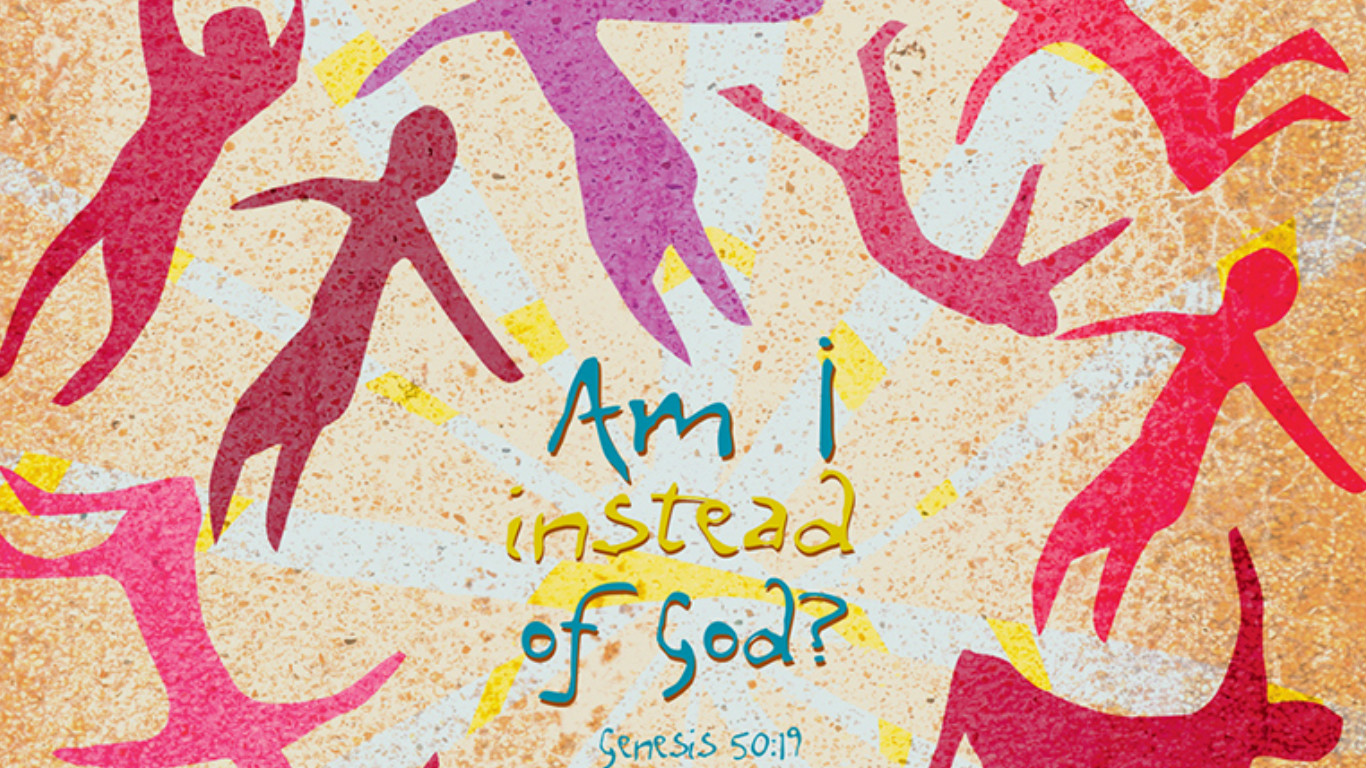
From Christina Mattison Ebert’s D’rash Designs series https://www.cmattison.com/drash-designs
Zornberg, Avivah Gottlieb. The Murmuring Deep (p. 322). Knopf Doubleday Publishing Group. Kindle Edition.
(א) בֶּן זוֹמָא אוֹמֵר..... אֵיזֶהוּ גִבּוֹר, הַכּוֹבֵשׁ אֶת יִצְרוֹ, שֶׁנֶּאֱמַר (משלי טז) טוֹב אֶרֶךְ אַפַּיִם מִגִּבּוֹר וּמשֵׁל בְּרוּחוֹ מִלֹּכֵד עִיר.
(1) Ben Zoma said: .....Who is mighty? He who subdues his [evil] inclination, as it is said: “He that is slow to anger is better than the mighty; and he that rules his spirit than he that takes a city” (Proverbs 16:32).
Zornberg, Avivah Gottlieb. The Murmuring Deep (p. 318). Knopf Doubleday Publishing Group. Kindle Edition.
Rachel Adelman, https://hebrewcollege.edu/blog/brothers-on-the-edge/
Zornberg, Avivah Gottlieb. The Murmuring Deep (p. 324). Knopf Doubleday Publishing Group. Kindle Edition.
Zornberg, Avivah Gottlieb. The Murmuring Deep (p. 333). Knopf Doubleday Publishing Group. Kindle Edition.
|
(כב) וַיֵּ֤שֶׁב יוֹסֵף֙ בְּמִצְרַ֔יִם ה֖וּא וּבֵ֣ית אָבִ֑יו וַיְחִ֣י יוֹסֵ֔ף מֵאָ֥ה וָעֶ֖שֶׂר שָׁנִֽים׃ (כג) וַיַּ֤רְא יוֹסֵף֙ לְאֶפְרַ֔יִם בְּנֵ֖י שִׁלֵּשִׁ֑ים גַּ֗ם בְּנֵ֤י מָכִיר֙ בֶּן־מְנַשֶּׁ֔ה יֻלְּד֖וּ עַל־בִּרְכֵּ֥י יוֹסֵֽף׃ (כד) וַיֹּ֤אמֶר יוֹסֵף֙ אֶל־אֶחָ֔יו אָנֹכִ֖י מֵ֑ת וֵֽאלֹהִ֞ים פָּקֹ֧ד יִפְקֹ֣ד אֶתְכֶ֗ם וְהֶעֱלָ֤ה אֶתְכֶם֙ מִן־הָאָ֣רֶץ הַזֹּ֔את אֶל־הָאָ֕רֶץ אֲשֶׁ֥ר נִשְׁבַּ֛ע לְאַבְרָהָ֥ם לְיִצְחָ֖ק וּֽלְיַעֲקֹֽב׃ (כה) וַיַּשְׁבַּ֣ע יוֹסֵ֔ף אֶת־בְּנֵ֥י יִשְׂרָאֵ֖ל לֵאמֹ֑ר פָּקֹ֨ד יִפְקֹ֤ד אֱלֹהִים֙ אֶתְכֶ֔ם וְהַעֲלִתֶ֥ם אֶת־עַצְמֹתַ֖י מִזֶּֽה׃ (כו) וַיָּ֣מׇת יוֹסֵ֔ף בֶּן־מֵאָ֥ה וָעֶ֖שֶׂר שָׁנִ֑ים וַיַּחַנְט֣וּ אֹת֔וֹ וַיִּ֥ישֶׂם בָּאָר֖וֹן בְּמִצְרָֽיִם׃
1. The Meaning Behind Jacob's Mysterious Blessings
What Was Jacob's Final Blessing To Joseph Really About? by Immanuel Shalev
https://www.alephbeta.org/playlist/meaning-of-jacobs-blessing
2. Parashat Vayechi- Fearing the Past, Facing the Future: Joseph's final encounter with his brothers by Sara Sapadin
https://www.sefaria.org/sheets/288974?lang=bi