


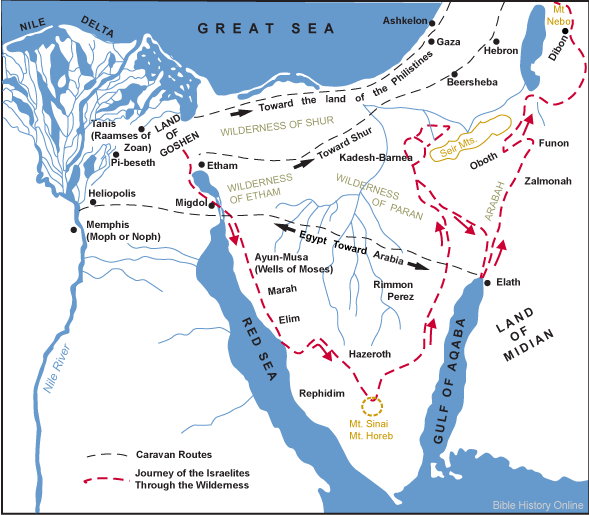
- Pharaoh sends the Israelites to freedom and God sets the route for them in a 'roundabout' way.
-
God accompanies the nation with a pillar of cloud by day, a pillar of fire by night.
- In a change of heart, Pharaoh pursues them.
- Moses, according to God's orders, holds his staff over the sea, and it splits, allowing the Israelites to cross while the Egyptian army drowns.
- Moses first, and then Miriam lead in joyous song Az Yashir Moshe.
- In the desert wilderness the people endure thirst and hunger and complain to Moses and Aaron.
- God performs a miracle and the bitter waters of Marah are sweetened.
- Later, Moses strikes a rock with his staff and water is produced.
God causes manna to come down before dawn each morning and quails appear in the camp every evening. - They are taught to gather a double portion on Friday for Shabbat.
- In Refidim, Amalek attacks the Israelites from behind and is defeated.
(יז) וַיְהִ֗י בְּשַׁלַּ֣ח פַּרְעֹה֮ אֶת־הָעָם֒ וְלֹא־נָחָ֣ם אֱלֹהִ֗ים דֶּ֚רֶךְ אֶ֣רֶץ פְּלִשְׁתִּ֔ים כִּ֥י קָר֖וֹב ה֑וּא כִּ֣י ׀ אָמַ֣ר אֱלֹהִ֗ים פֶּֽן־יִנָּחֵ֥ם הָעָ֛ם בִּרְאֹתָ֥ם מִלְחָמָ֖ה וְשָׁ֥בוּ מִצְרָֽיְמָה׃ (יח) וַיַּסֵּ֨ב אֱלֹהִ֧ים ׀ אֶת־הָעָ֛ם דֶּ֥רֶךְ הַמִּדְבָּ֖ר יַם־ס֑וּף וַחֲמֻשִׁ֛ים עָל֥וּ בְנֵי־יִשְׂרָאֵ֖ל מֵאֶ֥רֶץ מִצְרָֽיִם׃
(17) Now when Pharaoh let the people go, {when Pharaoh sent} God did not lead them by way of the land of the Philistines, although it was nearer; for God said, “The people may have a change of heart when they see war, and return to Egypt.” (18) So God led the people round about, by way of the wilderness at the Sea of Reeds. Now the Israelites went up armed out of the land of Egypt.
כי אמר אלהים פן ינחם העם בראותם מלחמה ושבו מצרימה. ....Even G–d Himself made such a "fence" (safeguard) when He decided to let the Israelites travel via an indirect route so as to preclude the people from having second thoughts and wanting to return to Egypt.
יבחר לך מיועצים שכלך, / תשקוט ימותיך ושניך.
Conquer your mourning by the power of endurance, otherwise your sorrow will be prolonged for ever; choose for yourself advice of common sense, or you will cut short your days and your years. ~Shekel HaKodesh, On Deliberation and Endurance, 11 [edited and translated, RS]
The Kotzker Rebbe (1787 - 1859), Menachem Mendel Morgensztern of Kotzk
(כא) וַֽיהֹוָ֡ה הֹלֵךְ֩ לִפְנֵיהֶ֨ם יוֹמָ֜ם בְּעַמּ֤וּד עָנָן֙ לַנְחֹתָ֣ם הַדֶּ֔רֶךְ וְלַ֛יְלָה בְּעַמּ֥וּד אֵ֖שׁ לְהָאִ֣יר לָהֶ֑ם לָלֶ֖כֶת יוֹמָ֥ם וָלָֽיְלָה׃ (כב) לֹֽא־יָמִ֞ישׁ עַמּ֤וּד הֶֽעָנָן֙ יוֹמָ֔ם וְעַמּ֥וּד הָאֵ֖שׁ לָ֑יְלָה לִפְנֵ֖י הָעָֽם׃ {פ}
(21) יהוה went before them in a pillar of cloud by day, to guide them along the way, and in a pillar of fire by night, to give them light, that they might travel day and night. (22) The pillar of cloud by day and the pillar of fire by night did not depart from before the people.
(א) וַיְדַבֵּ֥ר יְהֹוָ֖ה אֶל־מֹשֶׁ֥ה לֵּאמֹֽר׃ (ב) דַּבֵּר֮ אֶל־בְּנֵ֣י יִשְׂרָאֵל֒ וְיָשֻׁ֗בוּ וְיַחֲנוּ֙ לִפְנֵי֙ פִּ֣י הַחִירֹ֔ת בֵּ֥ין מִגְדֹּ֖ל וּבֵ֣ין הַיָּ֑ם לִפְנֵי֙ בַּ֣עַל צְפֹ֔ן נִכְח֥וֹ תַחֲנ֖וּ עַל־הַיָּֽם׃ (ג) וְאָמַ֤ר פַּרְעֹה֙ לִבְנֵ֣י יִשְׂרָאֵ֔ל נְבֻכִ֥ים הֵ֖ם בָּאָ֑רֶץ סָגַ֥ר עֲלֵיהֶ֖ם הַמִּדְבָּֽר׃ (ד) וְחִזַּקְתִּ֣י אֶת־לֵב־פַּרְעֹה֮ וְרָדַ֣ף אַחֲרֵיהֶם֒ וְאִכָּבְדָ֤ה בְּפַרְעֹה֙ וּבְכׇל־חֵיל֔וֹ וְיָדְע֥וּ מִצְרַ֖יִם כִּֽי־אֲנִ֣י יְהֹוָ֑ה וַיַּֽעֲשׂוּ־כֵֽן׃
(1) יהוה said to Moses: (2) Tell the Israelites to turn back and encamp before Pi-hahiroth, between Migdol and the sea, before Baal-zephon; you shall encamp facing it, by the sea. (3) Pharaoh will say of the Israelites, “They are astray in the land; the wilderness has closed in on them.” (4) Then I will stiffen Pharaoh’s heart and he will pursue them, that I may gain glory through Pharaoh and all his host; and the Egyptians shall know that I am יהוה. And they did so.
(ה) וַיֻּגַּד֙ לְמֶ֣לֶךְ מִצְרַ֔יִם כִּ֥י בָרַ֖ח הָעָ֑ם וַ֠יֵּהָפֵ֠ךְ לְבַ֨ב פַּרְעֹ֤ה וַעֲבָדָיו֙ אֶל־הָעָ֔ם וַיֹּֽאמְרוּ֙ מַה־זֹּ֣את עָשִׂ֔ינוּ כִּֽי־שִׁלַּ֥חְנוּ אֶת־יִשְׂרָאֵ֖ל מֵעׇבְדֵֽנוּ׃ (ו) וַיֶּאְסֹ֖ר אֶת־רִכְבּ֑וֹ וְאֶת־עַמּ֖וֹ לָקַ֥ח עִמּֽוֹ׃ (ז) וַיִּקַּ֗ח שֵׁשׁ־מֵא֥וֹת רֶ֙כֶב֙ בָּח֔וּר וְכֹ֖ל רֶ֣כֶב מִצְרָ֑יִם וְשָׁלִשִׁ֖ם עַל־כֻּלּֽוֹ׃ (ח) וַיְחַזֵּ֣ק יְהֹוָ֗ה אֶת־לֵ֤ב פַּרְעֹה֙ מֶ֣לֶךְ מִצְרַ֔יִם וַיִּרְדֹּ֕ף אַחֲרֵ֖י בְּנֵ֣י יִשְׂרָאֵ֑ל וּבְנֵ֣י יִשְׂרָאֵ֔ל יֹצְאִ֖ים בְּיָ֥ד רָמָֽה׃ (ט) וַיִּרְדְּפ֨וּ מִצְרַ֜יִם אַחֲרֵיהֶ֗ם וַיַּשִּׂ֤יגוּ אוֹתָם֙ חֹנִ֣ים עַל־הַיָּ֔ם כׇּל־סוּס֙ רֶ֣כֶב פַּרְעֹ֔ה וּפָרָשָׁ֖יו וְחֵיל֑וֹ עַל־פִּי֙ הַֽחִירֹ֔ת לִפְנֵ֖י בַּ֥עַל צְפֹֽן׃
(5) When the king of Egypt was told that the people had fled, Pharaoh and his courtiers had a change of heart about the people and said, “What is this we have done, releasing Israel from our service?” (6) He ordered his chariot and took his force with him; (7) he took six hundred of his picked chariots, and the rest of the chariots of Egypt, with officers in all of them. (8) יהוה stiffened the heart of Pharaoh king of Egypt, and he gave chase to the Israelites. As the Israelites were departing defiantly, (9) the Egyptians gave chase to them, and all the chariot horses of Pharaoh, his riders, and his warriors overtook them encamped by the sea, near Pi-hahiroth, before Baal-zephon.
(י) וּפַרְעֹ֖ה הִקְרִ֑יב וַיִּשְׂאוּ֩ בְנֵֽי־יִשְׂרָאֵ֨ל אֶת־עֵינֵיהֶ֜ם וְהִנֵּ֥ה מִצְרַ֣יִם ׀ נֹסֵ֣עַ אַחֲרֵיהֶ֗ם וַיִּֽירְאוּ֙ מְאֹ֔ד וַיִּצְעֲק֥וּ בְנֵֽי־יִשְׂרָאֵ֖ל אֶל־יְהֹוָֽה׃ (יא) וַיֹּאמְרוּ֮ אֶל־מֹשֶׁה֒ הֲֽמִבְּלִ֤י אֵין־קְבָרִים֙ בְּמִצְרַ֔יִם לְקַחְתָּ֖נוּ לָמ֣וּת בַּמִּדְבָּ֑ר מַה־זֹּאת֙ עָשִׂ֣יתָ לָּ֔נוּ לְהוֹצִיאָ֖נוּ מִמִּצְרָֽיִם׃ (יב) הֲלֹא־זֶ֣ה הַדָּבָ֗ר אֲשֶׁר֩ דִּבַּ֨רְנוּ אֵלֶ֤יךָ בְמִצְרַ֙יִם֙ לֵאמֹ֔ר חֲדַ֥ל מִמֶּ֖נּוּ וְנַֽעַבְדָ֣ה אֶת־מִצְרָ֑יִם כִּ֣י ט֥וֹב לָ֙נוּ֙ עֲבֹ֣ד אֶת־מִצְרַ֔יִם מִמֻּתֵ֖נוּ בַּמִּדְבָּֽר׃ (יג) וַיֹּ֨אמֶר מֹשֶׁ֣ה אֶל־הָעָם֮ אַל־תִּירָ֒אוּ֒ הִֽתְיַצְּב֗וּ וּרְאוּ֙ אֶת־יְשׁוּעַ֣ת יְהֹוָ֔ה אֲשֶׁר־יַעֲשֶׂ֥ה לָכֶ֖ם הַיּ֑וֹם כִּ֗י אֲשֶׁ֨ר רְאִיתֶ֤ם אֶת־מִצְרַ֙יִם֙ הַיּ֔וֹם לֹ֥א תֹסִ֛פוּ לִרְאֹתָ֥ם ע֖וֹד עַד־עוֹלָֽם׃ (יד) יְהֹוָ֖ה יִלָּחֵ֣ם לָכֶ֑ם וְאַתֶּ֖ם תַּחֲרִשֽׁוּן׃ {פ}
(10) As Pharaoh drew near, the Israelites caught sight of the Egyptians advancing upon them. Greatly frightened, the Israelites cried out to יהוה. (11) And they said to Moses, “Was it for want of graves in Egypt that you brought us to die in the wilderness? What have you done to us, taking us out of Egypt? (12) Is this not the very thing we told you in Egypt, saying, ‘Let us be, and we will serve the Egyptians, for it is better for us to serve the Egyptians than to die in the wilderness’?” (13) But Moses said to the people, “Have no fear! Stand by, and witness the deliverance which יהוה will work for you today; for the Egyptians whom you see today you will never see again. (14) יהוה will battle for you; you hold your peace!”
They did not yet know that G–d was going to split the sea, save them and drown the Egyptian army in it. As a result of all this, they were beset by doubts as to whether it had been G–d or Moses who had orchestrated the Exodus. They thought that G–d perhaps had only wanted them to travel three days' journey into the desert, after which they were to return to Egypt, though not as slaves. They believed that Moses had over-stepped his authority and decided by himself that Israel should not return to Egypt at all. They believed that Moses had done so in the belief that G–d carries out the wishes of His prophets. This is why they cried out to G–d to demonstrate that He was a living G–d in their midst just as He had demonstrated this at the time He slew the first-born. They were angry at Moses, and this is why they accused him of taking them into the desert to die. The letter ה in the word המבלי, is one denoting a permanent question...
(טו) וַיֹּ֤אמֶר יְהֹוָה֙ אֶל־מֹשֶׁ֔ה מַה־תִּצְעַ֖ק אֵלָ֑י דַּבֵּ֥ר אֶל־בְּנֵי־יִשְׂרָאֵ֖ל וְיִסָּֽעוּ׃
(15) Then the LORD said to Moses, “Why do you cry out to Me? Tell the Israelites to go forward.
Not to escape reality, not to submit to it, not to wage war on it, not to deal with it only on a spiritual level, but to go forward. Do another mitzvah, ignite another soul, take one more step toward your goal.
And when you move forward, you will see that insurmountable barrier yield and that ominous threat fade away. You will see that the prevalent “reality” is not so real after all, and that you have it within your power to reach your goal. Even if you have to split some seas to get there. ~The Lubavitcher Rebbe
(טז) וְאַתָּ֞ה הָרֵ֣ם אֶֽת־מַטְּךָ֗ וּנְטֵ֧ה אֶת־יָדְךָ֛ עַל־הַיָּ֖ם וּבְקָעֵ֑הוּ וְיָבֹ֧אוּ בְנֵֽי־יִשְׂרָאֵ֛ל בְּת֥וֹךְ הַיָּ֖ם בַּיַּבָּשָֽׁה׃ (יז) וַאֲנִ֗י הִנְנִ֤י מְחַזֵּק֙ אֶת־לֵ֣ב מִצְרַ֔יִם וְיָבֹ֖אוּ אַחֲרֵיהֶ֑ם וְאִכָּבְדָ֤ה בְּפַרְעֹה֙ וּבְכׇל־חֵיל֔וֹ בְּרִכְבּ֖וֹ וּבְפָרָשָֽׁיו׃ (יח) וְיָדְע֥וּ מִצְרַ֖יִם כִּי־אֲנִ֣י יְהֹוָ֑ה בְּהִכָּבְדִ֣י בְּפַרְעֹ֔ה בְּרִכְבּ֖וֹ וּבְפָרָשָֽׁיו׃
(16) And you lift up your rod and hold out your arm over the sea and split it, so that the Israelites may march into the sea on dry ground. (17) And I will stiffen the hearts of the Egyptians so that they go in after them; and I will gain glory through Pharaoh and all his warriors, his chariots, and his horsemen. (18) Let the Egyptians know that I am the LORD, when I gain glory through Pharaoh, his chariots, and his horsemen.”
(יט) וַיִּסַּ֞ע מַלְאַ֣ךְ הָאֱלֹהִ֗ים הַהֹלֵךְ֙ לִפְנֵי֙ מַחֲנֵ֣ה יִשְׂרָאֵ֔ל וַיֵּ֖לֶךְ מֵאַחֲרֵיהֶ֑ם וַיִּסַּ֞ע עַמּ֤וּד הֶֽעָנָן֙ מִפְּנֵיהֶ֔ם וַיַּֽעֲמֹ֖ד מֵאַחֲרֵיהֶֽם׃ (כ) וַיָּבֹ֞א בֵּ֣ין ׀ מַחֲנֵ֣ה מִצְרַ֗יִם וּבֵין֙ מַחֲנֵ֣ה יִשְׂרָאֵ֔ל וַיְהִ֤י הֶֽעָנָן֙ וְהַחֹ֔שֶׁךְ וַיָּ֖אֶר אֶת־הַלָּ֑יְלָה וְלֹא־קָרַ֥ב זֶ֛ה אֶל־זֶ֖ה כׇּל־הַלָּֽיְלָה׃ (כא) וַיֵּ֨ט מֹשֶׁ֣ה אֶת־יָדוֹ֮ עַל־הַיָּם֒ וַיּ֣וֹלֶךְ יְהֹוָ֣ה ׀ אֶת־הַ֠יָּ֠ם בְּר֨וּחַ קָדִ֤ים עַזָּה֙ כׇּל־הַלַּ֔יְלָה וַיָּ֥שֶׂם אֶת־הַיָּ֖ם לֶחָרָבָ֑ה וַיִּבָּקְע֖וּ הַמָּֽיִם׃ (כב) וַיָּבֹ֧אוּ בְנֵֽי־יִשְׂרָאֵ֛ל בְּת֥וֹךְ הַיָּ֖ם בַּיַּבָּשָׁ֑ה וְהַמַּ֤יִם לָהֶם֙ חוֹמָ֔ה מִֽימִינָ֖ם וּמִשְּׂמֹאלָֽם׃
(19) The messenger of God, who had been going ahead of the Israelite army, now moved and followed behind them; and the pillar of cloud shifted from in front of them and took up a place behind them, (20) and it came between the army of the Egyptians and the army of Israel. Thus there was the cloud with the darkness, and it cast a spell upon the night, so that the one could not come near the other all through the night. (21) Then Moses held out his arm over the sea and יהוה drove back the sea with a strong east wind all that night, and turned the sea into dry ground. The waters were split, (22) and the Israelites went into the sea on dry ground, the waters forming a wall for them on their right and on their left.
The column, which traveled before the Israelite camp as a pillar of cloud by day and of fire by night, moved to interpose between the two camps and to protect the Israelites from the Egyptians. It now was a “cloud and darkness” for the Egyptians while “illuminating the night” for the Israelites. ~Rashi
(כו) וַיֹּ֤אמֶר יְהֹוָה֙ אֶל־מֹשֶׁ֔ה נְטֵ֥ה אֶת־יָדְךָ֖ עַל־הַיָּ֑ם וְיָשֻׁ֤בוּ הַמַּ֙יִם֙ עַל־מִצְרַ֔יִם עַל־רִכְבּ֖וֹ וְעַל־פָּרָשָֽׁיו׃ (כז) וַיֵּט֩ מֹשֶׁ֨ה אֶת־יָד֜וֹ עַל־הַיָּ֗ם וַיָּ֨שׇׁב הַיָּ֜ם לִפְנ֥וֹת בֹּ֙קֶר֙ לְאֵ֣יתָנ֔וֹ וּמִצְרַ֖יִם נָסִ֣ים לִקְרָאת֑וֹ וַיְנַעֵ֧ר יְהֹוָ֛ה אֶת־מִצְרַ֖יִם בְּת֥וֹךְ הַיָּֽם׃
(23) The Egyptians came in pursuit after them into the sea, all of Pharaoh’s horses, chariots, and riders. (24) At the morning watch, יהוה looked down upon the Egyptian army from a pillar of fire and cloud, and threw the Egyptian army into panic. (25) [God] locked the wheels of their chariots so that they moved forward with difficulty. And the Egyptians said, “Let us flee from the Israelites, for יהוה is fighting for them against Egypt.” (26) Then יהוה said to Moses, “Hold out your arm over the sea, that the waters may come back upon the Egyptians and upon their chariots and upon their riders.” (27) Moses held out his arm over the sea, and at daybreak the sea returned to its normal state, and the Egyptians fled at its approach. But יהוה hurled the Egyptians into the sea.
(א) אָ֣ז יָשִֽׁיר־מֹשֶׁה֩ וּבְנֵ֨י יִשְׂרָאֵ֜ל אֶת־הַשִּׁירָ֤ה הַזֹּאת֙ לַֽיהֹוָ֔ה וַיֹּאמְר֖וּ לֵאמֹ֑ר {ס} אָשִׁ֤ירָה לַֽיהֹוָה֙ כִּֽי־גָאֹ֣ה גָּאָ֔ה {ס} ס֥וּס וְרֹכְב֖וֹ רָמָ֥ה בַיָּֽם׃ {ס} (ב) עָזִּ֤י וְזִמְרָת֙ יָ֔הּ וַֽיְהִי־לִ֖י לִֽישׁוּעָ֑ה {ס} זֶ֤ה אֵלִי֙ וְאַנְוֵ֔הוּ {ס} אֱלֹהֵ֥י אָבִ֖י וַאֲרֹמְמֶֽנְהוּ׃ {ס}
(1) Then Moses and the Israelites sang this song to the LORD. They said: I will sing to the LORD, for He has triumphed gloriously; Horse and driver He has hurled into the sea. (2) The LORD is my strength and might; He is become my deliverance. This is my God and I will glorify Him; The God of my father, and I will exalt Him.
- Rabbi Eliyahu Dessler, Strive for Truth!, vol 4, 154-55
(כ) וַתִּקַּח֩ מִרְיָ֨ם הַנְּבִיאָ֜ה אֲח֧וֹת אַהֲרֹ֛ן אֶת־הַתֹּ֖ף בְּיָדָ֑הּ וַתֵּצֶ֤אןָ כׇֽל־הַנָּשִׁים֙ אַחֲרֶ֔יהָ בְּתֻפִּ֖ים וּבִמְחֹלֹֽת׃ (כא) וַתַּ֥עַן לָהֶ֖ם מִרְיָ֑ם שִׁ֤ירוּ לַֽיהֹוָה֙ כִּֽי־גָאֹ֣ה גָּאָ֔ה ס֥וּס וְרֹכְב֖וֹ רָמָ֥ה בַיָּֽם׃ {ס}
(20) Then Miriam the prophet, Aaron’s sister, picked up a hand-drum [timbrel] and all the women went out after her in dance with hand-drums. (21) And Miriam chanted for them [led them in response, R'Aryeh Kaplan]:
Sing to יהוה, for Hashem has triumphed gloriously;
Horse and driver Hashem has hurled into the sea.
(Northvale, NJ: Jason Aronson, 1995), p. 172 How interesting that Jewish women‟s first act of freedom was to celebrate separately from men!
During their enslavement in Egypt, the women were focused on keeping up their husbands‟ morale. Separation from men was no doubt a respite for women at this point, a form of freedom in and of itself. Thus, rather than being an oppressive, enforced segregation, this “separate and equal” celebration was a strong affirmation of female bonding
Of the two verses devoted to a description of Miriam‟s song, more than half the text (v. 20 and about one third of v. 21) is given to describing how the song was performed: “Then Miriam the prophetess, Aaron‟s sister, took a timbrel in her hand, and all the women went out after her in dance with timbrels. And Miriam chanted (vata’an) for them. . . .” In Moses‟ song, in contrast, this point is quite insignificant (“Then Moses and the Israelites sang this song to the Lord,” v. 1). Miriam‟s song was unique and different from Moses‟. True, Miriam took the lead; but there emerged a group of women who took part together in a religious act, chanting to the accompaniment of music and dance. Furthermore, the Song on the Sea was a personal prophetic song of Moses, as is emphasized by the use of the third person singular for the verb (‘az yashir, “then . . . sang,”) despite the subject of the sentence being plural – “Moses and the Israelites.” It is true that the Song of Miriam is also presented in her name (“she took the timbrel,” “she chanted”), but the emphasis is on her audience reciprocating – “Miriam chanted for them.”[1] In contrast to Moses‟ song, which expressed the strength of personality, prophecy, and poetic ability of this great leader, and which was addressed to G-d and perhaps to all those who would recite it in future generations, Miriam‟s song was addressed to her contemporaries, its strength stemming from its immediate expression of the event and the popular, rousing manner in which it was delivered.
This contrast between the two songs is also embodied in the words of the songs themselves, as we mentioned above. Perhaps the people could have repeated Moses‟ song by imitation, although it is difficult to imagine that the slaves just released from the yoke of bondage to Egypt would have been capable of understanding its elevated poetic language. Miriam‟s song, in contrast, describes an event that just took place in simple, non-metaphoric language that could be easily understood by everyone. Moreover, if Miriam and the women broke out in song and dance in response to Miriam‟s chant, one can well imagine that they repeated its single verse time and again, so that in the end even those who had not understood it would surely be able to repeat it. Thus Miriam‟s song had the character of a popular religious observance in which all could participate; they could share the experience of rejoicing in the miracle and proclaiming their faith in their Lord who had delivered them.
A Midrashic approach (Sotah 12-13): the Torah links Miriam as a prophetess to her brother Aaron rather than to her brother Moses. The Torah’s message is that she demonstrated her prophetic gift while she was a sister of Aaron, before Moses had been born. In fact, her prophecy concerned Moses. She predicted that her mother would give birth to the redeemer of the Jewish people.
מרים הנביאה, “Miriam the prophetess;” the word “prophetess” is used here to describe Miriam’s extraordinary ability to use words to express her feelings.
(כב) וַיַּסַּ֨ע מֹשֶׁ֤ה אֶת־יִשְׂרָאֵל֙ מִיַּם־ס֔וּף וַיֵּצְא֖וּ אֶל־מִדְבַּר־שׁ֑וּר וַיֵּלְכ֧וּ שְׁלֹֽשֶׁת־יָמִ֛ים בַּמִּדְבָּ֖ר וְלֹא־מָ֥צְאוּ מָֽיִם׃ (כג) וַיָּבֹ֣אוּ מָרָ֔תָה וְלֹ֣א יָֽכְל֗וּ לִשְׁתֹּ֥ת מַ֙יִם֙ מִמָּרָ֔ה כִּ֥י מָרִ֖ים הֵ֑ם עַל־כֵּ֥ן קָרָֽא־שְׁמָ֖הּ מָרָֽה׃ (כד) וַיִּלֹּ֧נוּ הָעָ֛ם עַל־מֹשֶׁ֥ה לֵּאמֹ֖ר מַה־נִּשְׁתֶּֽה׃ (כה) וַיִּצְעַ֣ק אֶל־יְהֹוָ֗ה וַיּוֹרֵ֤הוּ יְהֹוָה֙ עֵ֔ץ וַיַּשְׁלֵךְ֙ אֶל־הַמַּ֔יִם וַֽיִּמְתְּק֖וּ הַמָּ֑יִם שָׁ֣ם שָׂ֥ם ל֛וֹ חֹ֥ק וּמִשְׁפָּ֖ט וְשָׁ֥ם נִסָּֽהוּ׃ (כו) וַיֹּ֩אמֶר֩ אִם־שָׁמ֨וֹעַ תִּשְׁמַ֜ע לְק֣וֹל ׀ יְהֹוָ֣ה אֱלֹהֶ֗יךָ וְהַיָּשָׁ֤ר בְּעֵינָיו֙ תַּעֲשֶׂ֔ה וְהַֽאֲזַנְתָּ֙ לְמִצְוֺתָ֔יו וְשָׁמַרְתָּ֖ כׇּל־חֻקָּ֑יו כׇּֽל־הַמַּחֲלָ֞ה אֲשֶׁר־שַׂ֤מְתִּי בְמִצְרַ֙יִם֙ לֹא־אָשִׂ֣ים עָלֶ֔יךָ כִּ֛י אֲנִ֥י יְהֹוָ֖ה רֹפְאֶֽךָ׃ {ס} (כז) וַיָּבֹ֣אוּ אֵילִ֔מָה וְשָׁ֗ם שְׁתֵּ֥ים עֶשְׂרֵ֛ה עֵינֹ֥ת מַ֖יִם וְשִׁבְעִ֣ים תְּמָרִ֑ים וַיַּחֲנוּ־שָׁ֖ם עַל־הַמָּֽיִם׃
(22) Then Moses caused Israel to set out from the Sea of Reeds. They went on into the wilderness of Shur; they traveled three days in the wilderness and found no water. (23) They came to Marah, but they could not drink the water of Marah because it was bitter; that is why it was named Marah. (24) And the people grumbled against Moses, saying, “What shall we drink?” (25) So he cried out to the LORD, and the LORD showed him a piece of wood; he threw it into the water and the water became sweet.
There He made for them a fixed rule, and there He put them to the test. (26) He said, “If you will heed the LORD your God diligently, doing what is upright in His sight, giving ear to His commandments and keeping all His laws, then I will not bring upon you any of the diseases that I brought upon the Egyptians, for I the LORD am your healer.” (27) And they came to Elim, where there were twelve springs of water and seventy palm trees; and they encamped there beside the water.
Rabbi Ḥanina said: Everything is in the hand of Heaven, except for fear of Heaven. Talmud, Tractate Niddah, 16b